This Yamaha FJR1300ES review starts with the plain truth: the FJR1300ES is Yamaha’s flagship sport-tourer, a big shaft-drive inline-four built to cross states in comfort and still carve a mountain road when the highway ends. The ES badge stands for Electronic Suspension, the pushbutton-adjustable suspension that separates this model from the base FJR1300A. This Yamaha FJR1300ES review covers what the bike is, how it changed from 2014 to its final US model year in 2024, what it costs, and who should still buy one now that Yamaha no longer lists it as a new US model.
The short answer from this Yamaha FJR1300ES review: if you want a proven long-distance machine with hard luggage, cruise control, heated grips and a 6.6-gallon tank, and you can live without the newest radar and touchscreen gadgets, a late-model FJR1300ES remains one of the strongest used and remaining-stock buys in sport touring. It is heavy at 642 pounds wet, it is not a beginner bike, and its electronics trail a 2026 BMW R 1300 RT — but nothing else in its price band combines this engine, this luggage and this record.
Yamaha FJR1300ES Overview and Model-Year Updates
The FJR1300 story is one of steady refinement rather than reinvention, and that is central to this Yamaha FJR1300ES review. Yamaha kept the same basic platform for two decades and improved it in steps: better wind protection, better electronics, and finally a sixth gear.
What Is the Yamaha FJR1300ES and Who Is It Designed For?
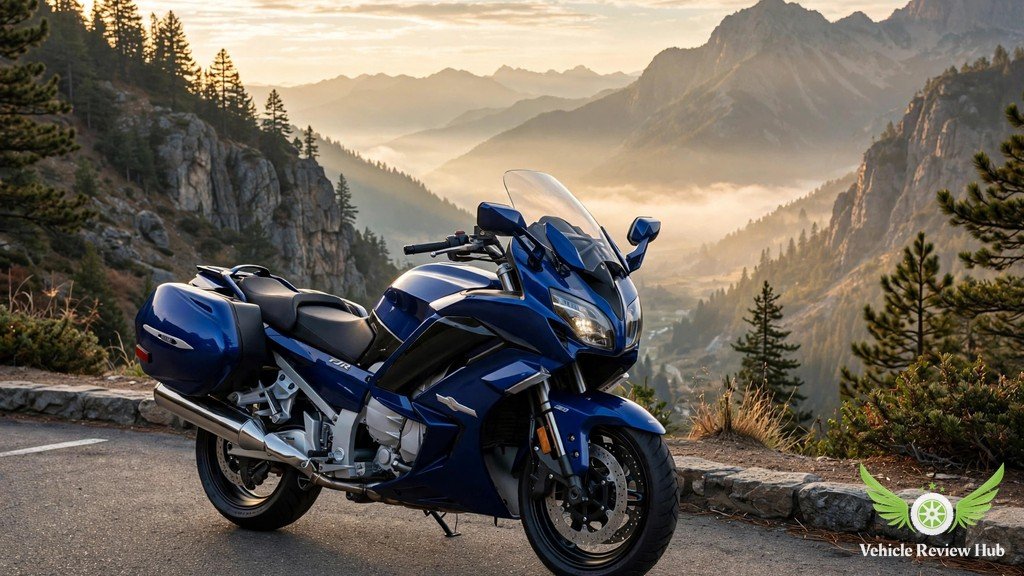
The Yamaha FJR1300ES review definition is simple: a full-fairing sport-tourer with a 1,298cc inline-four, shaft final drive, integrated color-matched hard side cases, an electrically adjustable windscreen and a riding position built for all-day comfort. Yamaha itself calls the FJR line “Supersport Touring,” and the ES is the top trim of that line. It is designed for the riders this Yamaha FJR1300ES review is written for: people who tour seriously and want sportbike pace without sportbike pain. This Yamaha FJR1300ES review agrees with that framing, with one addition: the ES makes most sense for riders who change loads. Solo one weekend, two-up with luggage the next — that is exactly when pushbutton suspension adjustment earns its price premium.
US History 2003 to 2024: ES Arrives 2014, Final Update 2016, Last US Year 2024
The FJR1300 debuted in Europe for 2001 and reached the United States for 2003, winning Rider’s Motorcycle of the Year award in its debut year. The first decade brought incremental fixes, including a taller windscreen, better heat management and standard ABS. The 2013 overhaul added ride-by-wire throttle, traction control, D-Mode mapping and electronic cruise control, plus new styling and a better windscreen. The ES joined the US lineup for 2014, adding electronically adjustable suspension and inverted forks to that package; MotorcycleDaily’s 2014 announcement priced the ES at $16,890 against $15,890 for the standard FJR1300A. The final major update came for 2016, when both models gained a six-speed gearbox, an assist-and-slipper clutch and full LED lighting, with the ES adding lean-sensitive cornering lights. After 2017, Yamaha dropped the base A from the US lineup and sold the ES alone. The 2023 and 2024 US models carried the same fundamental package forward, and 2024 — Cobalt Blue only, at $18,299 — was the last US model year. This Yamaha FJR1300ES review treats that timeline as the buying map: 2014–2015 bikes are five-speed ES models, and 2016-on bikes are the six-speed machines most buyers should target.
Yamaha FJR1300ES Engine and Specifications
Under the fairing, this Yamaha FJR1300ES review finds an engine barely changed in character across a decade: a big, smooth inline-four tuned for midrange torque and relaxed highway cruising.
1298cc Inline-Four Engine, Six-Speed Gearbox and Shaft Drive
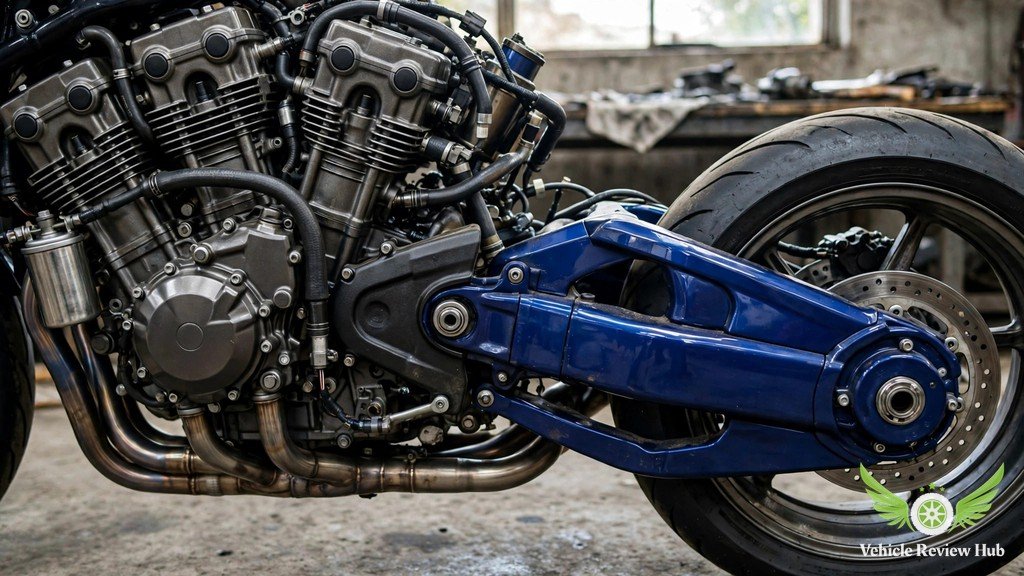
The heart of the Yamaha FJR1300ES review spec sheet is a liquid-cooled, DOHC, 16-valve inline-four displacing 1,298cc, with a 79.0mm bore, 66.2mm stroke and 10.8:1 compression, fed by fuel injection with Yamaha Chip Controlled Throttle (YCC-T) ride-by-wire. Yamaha USA does not publish a horsepower figure for the bike, so this Yamaha FJR1300ES review does not quote one as a factory claim; independent dyno figures are compared in the performance figures for this bike. What matters on the road is the delivery: a wide spread of torque, a tall sixth gear that drops highway rpm compared with the old five-speed, and an assist-and-slipper clutch that Yamaha says cuts lever effort by about 20 percent. Final drive is by shaft, not chain — a defining FJR trait. Shaft drive means no chain cleaning, adjustment or replacement on tour, and it is a large part of why owners report such low-drama long-distance use.
Weight 642 lb, Seat Height 31.7 or 32.5 Inches and Specifications
The full specification picture in this Yamaha FJR1300ES review is a big motorcycle: 642 pounds wet (644 for the California model), a 60.8-inch wheelbase and an 87.8-inch length. Seat height adjusts between 31.7 and 32.5 inches by repositioning the seat, not by a switch. Fuel capacity is 6.6 gallons, and Yamaha’s combined fuel-economy estimate is 36 mpg. Suspension is electronically adjustable front and rear, with 5.3 inches of fork travel and 4.9 inches at the rear shock. Rake is 26.0 degrees with 4.3 inches of trail, and ground clearance is 4.9 inches. The key numbers for this Yamaha FJR1300ES review are summarized below.
| Specification | 2024 Yamaha FJR1300ES |
|---|---|
| Engine | 1,298cc liquid-cooled DOHC inline-four, 16 valves |
| Bore x stroke / compression | 79.0 x 66.2mm / 10.8:1 |
| Transmission / final drive | 6-speed, assist-and-slipper clutch / shaft |
| Wet weight | 642 lb (644 lb California model) |
| Seat height | 31.7 or 32.5 in, adjustable |
| Fuel capacity / economy | 6.6 gal / 36 mpg Yamaha estimate |
| Front / rear suspension | 43mm inverted fork, electronic damping, 5.3 in / single shock, electronic preload and damping, 4.9 in |
| Brakes | Dual 320mm front, 282mm rear, Unified Brake System + ABS |
| Tires | 120/70ZR17 front, 180/55ZR17 rear |
| Wheelbase | 60.8 in |
Yamaha FJR1300ES Price and Market Availability
Price is where this Yamaha FJR1300ES review gets practical: the ES was never cheap, but its price barely moved for a decade — good news for used buyers, and a warning for anyone expecting a discount on remaining new stock.
Yamaha FJR1300ES Price by Year in the USA: 2014 to 2024
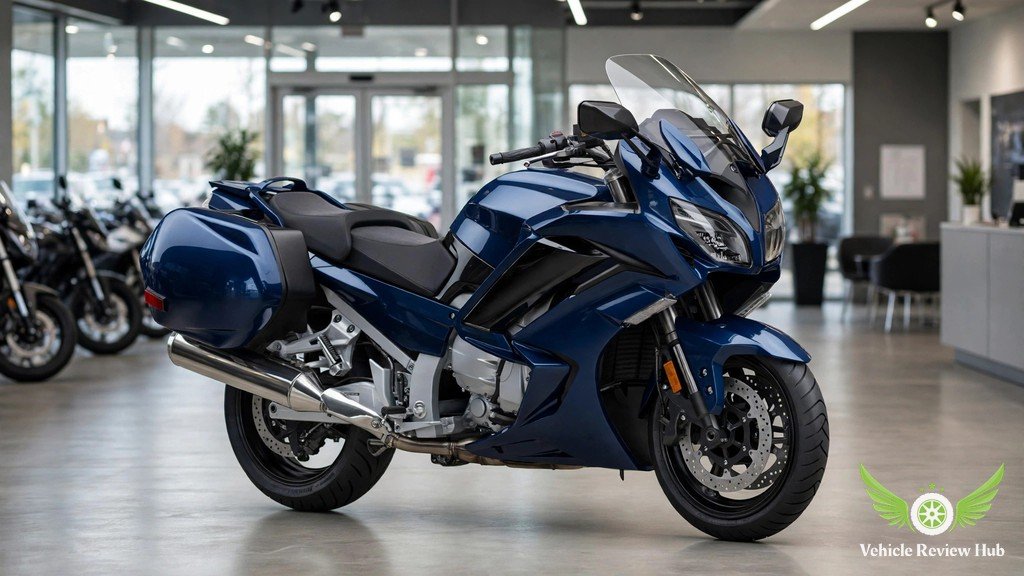
The verified US MSRP ladder in this Yamaha FJR1300ES review starts at $16,890 for the 2014 ES, when the base FJR1300A cost $15,890 — a $1,000 premium for electronic suspension and inverted forks. The 2016 ES, with its new six-speed gearbox and LED cornering lights, cost $17,990 against $16,390 for the base A. For 2017, with the base A dropped from the US lineup, the ES cost $17,999 — a rise of just $9 over 2016, according to Motorcycle.com’s returning-models report. The ES then held at $17,999 through the 2019 and 2020 model years before rising to $18,299 for the 2023 and 2024 models. That total increase of only $1,409 across a decade explains why late-model used prices stay firm. Prices for other model years were not separately confirmed from a dealer source at writing time, so this Yamaha FJR1300ES review does not guess them.
| Model year | US MSRP (ES) | Notes |
|---|---|---|
| 2014 | $16,890 | ES debut in the USA; base A $15,890 |
| 2016 | $17,990 | Six-speed, assist-and-slipper clutch, LED cornering lights; base A $16,390 |
| 2017 | $17,999 | ES only in the USA; Raven color |
| 2019 | $17,999 | Matte Phantom Blue |
| 2020 | $18,299 | Liquid Graphite; Cycle World’s 2020 buyer’s guide confirms the price |
| 2023 | $18,299 | Cobalt Blue |
| 2024 | $18,299 | Cobalt Blue only; last US model year |
Cobalt Blue Only for 2024 and Why No 2025 or 2026 US Model Exists
The 2024 bike came in a single US color, Cobalt Blue, at $18,299, as listed in RideApart’s 2024 Yamaha returning-lineup report. No 2025 or 2026 FJR1300ES appears in Yamaha’s US lineup, and this Yamaha FJR1300ES review found no US dealer listing for either year. For American buyers, the newest FJR1300ES available is a 2024, either as remaining dealer stock or used. Beware of one online confusion: some low-authority pages claim the FJR left the US after 2022, but dealer brochures for the 2023 and 2024 US models show that claim is wrong.
Yamaha FJR1300ES Design, Features and Technology
The design brief in this Yamaha FJR1300ES review never changed: full weather protection, luggage that looks like part of the bike, and controls a gloved rider can use without thinking. This Yamaha FJR1300ES review finds that formula still works, even if the display and connectivity feel older than a 2026 rival’s.
Electronic Suspension, Cornering Lights, Heated Grips and 30-Litre Cases
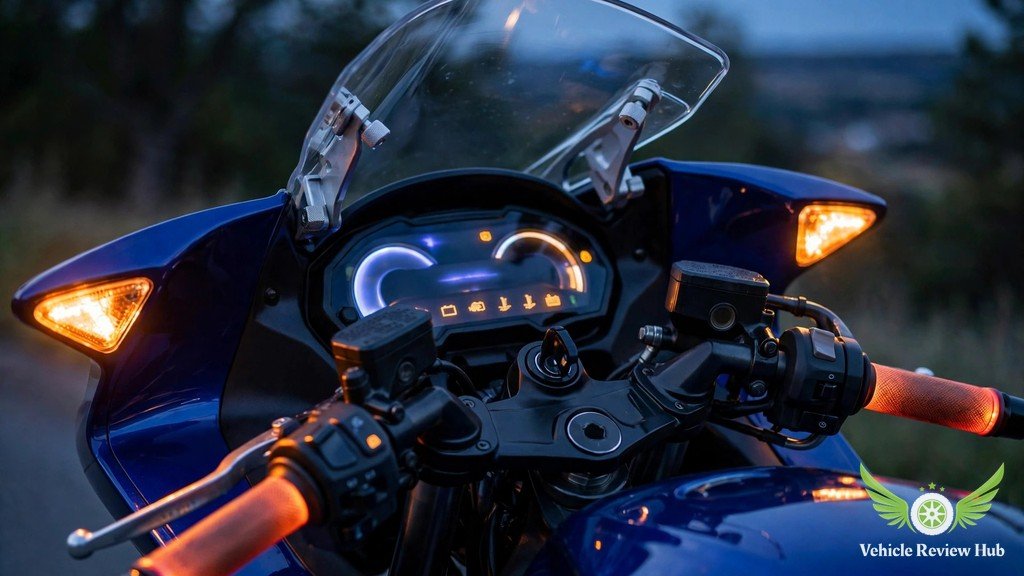
The ES hardware is the headline of this Yamaha FJR1300ES review. Electronic suspension lets the rider adjust spring preload and damping from the handlebar, including load presets for solo, two-up and two-up-with-luggage riding. The cornering-light system, added for 2016 and exclusive to the ES over the base A, uses an inertial measurement unit to switch on up to three LED lights per side in sequence as lean angle increases, lighting the inside of a corner at night. It was the first such system on a Yamaha motorcycle. Heated grips are standard, and the fairing carries a glove box with a 12V outlet for a phone, GPS or heated clothing. Luggage is a pair of color-matched, quick-release hard side cases holding 30 litres each, designed to follow the bike’s lines so the overall width stays manageable in town. A centerstand is standard too, as noted in the maintenance schedule for this bike.
D-Mode, Traction Control, Cruise Control and Adjustable Screen Features
The electronics package in this Yamaha FJR1300ES review dates to the 2013 overhaul. D-Mode offers two throttle maps — Sport and Touring — with Touring softening response for rain or relaxed riding. Traction control, developed from Yamaha’s racing program, adjusts ignition timing, fuel delivery and throttle opening when it detects wheel spin, rather than simply cutting ignition. Cruise control is electronic and operated from the left handlebar. The windscreen adjusts electrically through about 5.1 inches of travel, so the rider can raise it for highway wind protection or lower it for airflow on a hot day, and the handlebars and seat adjust to fit different riders. What the FJR does not offer is equally worth stating in this Yamaha FJR1300ES review: there is no large color TFT with smartphone navigation, no radar assistance and no adaptive cruise. The multi-function display gives trip, fuel and suspension information clearly, but buyers coming from a modern adventure bike should expect a simpler cockpit.
Yamaha FJR1300ES Riding Experience and Comfort
On the road, the reputation examined in this Yamaha FJR1300ES review rests on one idea: a big bike that shrinks once it is moving. This Yamaha FJR1300ES review gathers that picture from published road tests and long-term reviews rather than claiming a first-person test of its own.
Riding Position, Handling and Low-Speed Maneuverability
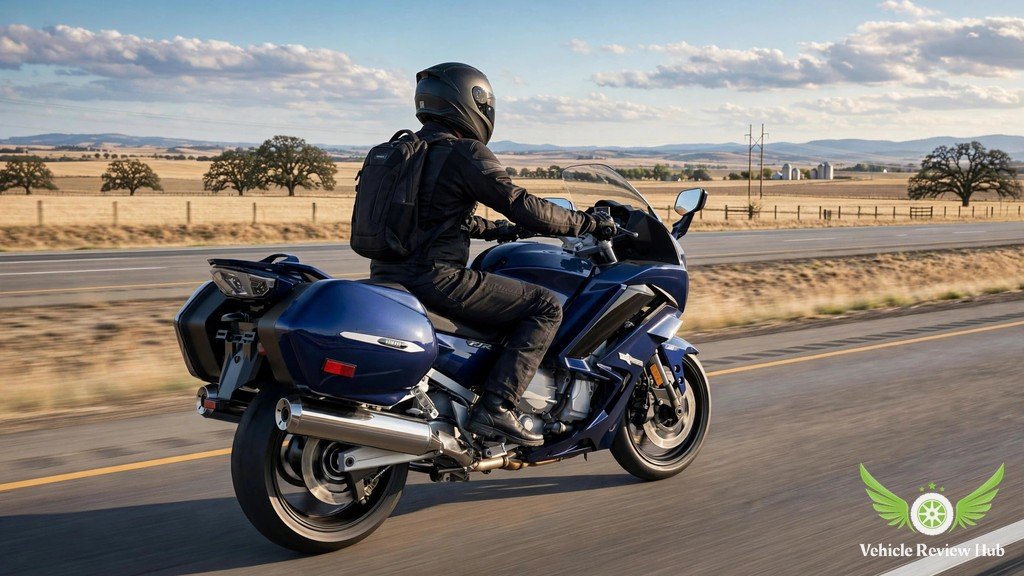
The riding position in this Yamaha FJR1300ES review is upright and neutral: wide handlebars, low footpegs and a broad seat reviewers describe as comfortable for hours, with a passenger seat at nearly the same height. At parking-lot speeds, the honest picture is less flattering. Reviewers note the bike is heavy to lift off the sidestand and hard to duckwalk, and backing a 642-pound machine uphill takes care. Once rolling, reviewers say the weight largely disappears: the chassis feels compact for a luxury tourer and stays stable mid-corner and at highway speed. The assist-and-slipper clutch earns specific praise for its light pull in traffic. Linked braking is described as nearly invisible at most speeds. That balance — awkward at a standstill, assured everywhere else — is the most important handling truth a buyer should hear.
The video below, a highway ride and review of the FJR 1300 ES by TG MotoRider, shows the bike in its natural setting — a useful visual companion to this Yamaha FJR1300ES review before a test ride.
Highway Comfort, Wind Protection, Passenger and Luggage Practicality
Highway comfort is where this Yamaha FJR1300ES review finds the bike at its best. The electrically adjustable windscreen and full fairing keep wind blast off the rider, and the tall sixth gear lets the big four cruise at low rpm. One long-term reviewer covered 354 miles in 6.5 hours including stops and called the bike “adept,” with faults described as unbelievably minor. For passengers in this Yamaha FJR1300ES review, the wide seat, separate footrests and grab rails make two-up touring realistic rather than tolerated. Luggage practicality is strong: the 30-litre cases swallow a weekend’s gear, and the fairing glove box handles a phone and charging. The honest limitations in this Yamaha FJR1300ES review are the bike’s width and weight in town, a display that looks dated next to modern TFT dashboards, and a key quirk: hazard lights cannot run with the key removed to open a case.
Yamaha FJR1300ES Review: Pros, Cons and Verdict
Weighing a decade of evidence, this Yamaha FJR1300ES review lands in a clear place: the FJR is a proven, comfortable, low-drama tourer whose main weakness is age, not ability.
Main Advantages and Limitations of the Yamaha FJR1300ES
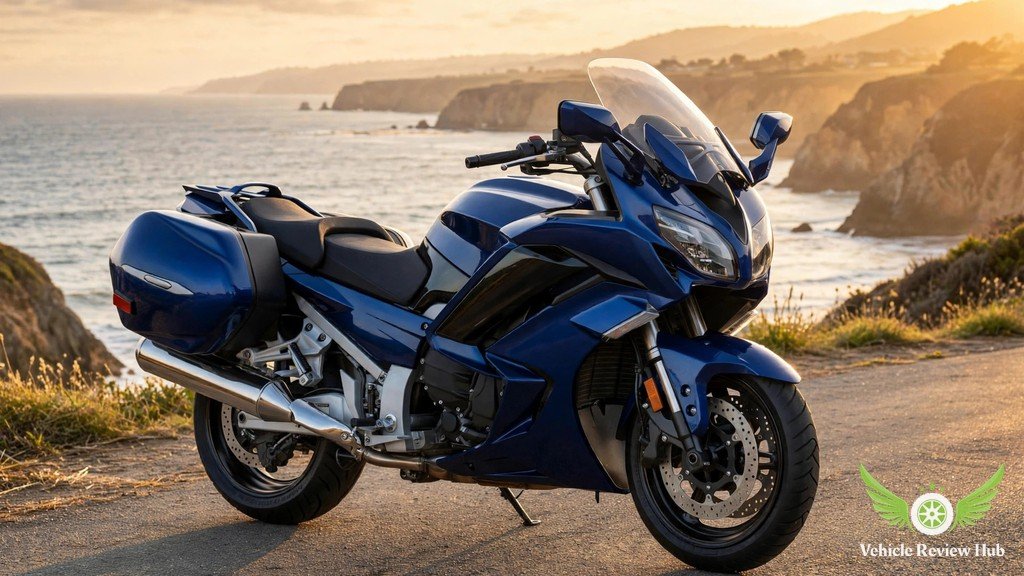
The advantages in this Yamaha FJR1300ES review start with the powertrain: a smooth, torque-rich 1,298cc four with shaft drive and a tall sixth gear, backed by a reliability record that spans two decades. Then comes touring equipment most rivals charge extra for — electronic suspension, cornering lights, cruise control, traction control, heated grips, an adjustable windscreen, hard cases and a centerstand, all standard. Fuel range from the 6.6-gallon tank is a genuine strength, and the flat price history means late bikes hold value well. The limitations are equally plain: 642 pounds to manage at a standstill, a 31.7-inch minimum seat height, no modern TFT or radar aids, and a model line now out of production in the USA. Buyers who want the latest electronics should look elsewhere; buyers who want a finished, debugged touring motorcycle will find this Yamaha FJR1300ES review hard to argue with.
Who Should Consider the Yamaha FJR1300ES Over a BMW R 1300 RT?
The comparison in this Yamaha FJR1300ES review comes down to money against modernity. The 2026 BMW R 1300 RT starts at $22,495 before destination according to RevZilla’s 2026 R 1300 RT review, and its as-tested price in that review reached $31,675 — a gap of more than $4,000 over the FJR’s final $18,299 MSRP before options are even counted, and far more once BMW packages are added. The BMW brings a newer boxer twin, a modern TFT and radar options the Yamaha cannot match. But the FJR counters with shaft drive, standard hard luggage and electronic suspension, at a price that leaves thousands in the buyer’s pocket. This Yamaha FJR1300ES review recommends the FJR for the experienced tourer who rides long distances, values proven hardware and does their own homework on used prices — and the BMW for the rider who wants the newest technology and is willing to pay for it. Riders who want something lighter and more agile for mixed roads should also consider Yamaha’s own Tracer 9 GT, a chain-drive triple that trades some touring heft for agility.
Yamaha FJR1300ES Review: Frequently Asked Questions
These questions cover the points buyers ask first about this Yamaha FJR1300ES review.
Is the Yamaha FJR1300ES still available new in the USA?
No, not as a current model in this Yamaha FJR1300ES review. The 2024 FJR1300ES was the last US model year, so new buyers must find remaining dealer stock or buy used. This Yamaha FJR1300ES review found no 2025 or 2026 US model.
What does ES stand for on the FJR1300ES?
ES stands for Electronic Suspension. The Yamaha FJR1300ES review badge marks the trim with electronically adjustable front and rear suspension, inverted forks and, from 2016, lean-sensitive LED cornering lights.
How much did the 2024 Yamaha FJR1300ES cost?
The 2024 Yamaha FJR1300ES review price was $18,299 MSRP in the USA, in Cobalt Blue only, before destination and dealer charges.
What engine does the Yamaha FJR1300ES have?
For this Yamaha FJR1300ES review, the engine is a liquid-cooled, DOHC, 16-valve 1,298cc inline-four with Yamaha Chip Controlled Throttle ride-by-wire, a six-speed gearbox with an assist-and-slipper clutch, and shaft final drive. Yamaha USA does not publish a horsepower figure for the bike.
How heavy is the FJR1300ES and how tall is the seat?
In this Yamaha FJR1300ES review, wet weight is 642 pounds (644 pounds for the California model), and seat height adjusts between 31.7 and 32.5 inches. This Yamaha FJR1300ES review notes the weight is most noticeable at parking-lot speeds.
What is the difference between the FJR1300ES and the FJR1300A?
In this Yamaha FJR1300ES review, the ES adds electronically adjustable suspension, inverted forks and LED cornering lights over the base A, which used manually adjustable suspension and conventional LED lighting. The base A was dropped from the US lineup after 2016, leaving the ES as the only US FJR.
Is the FJR1300ES good for two-up touring?
Yes. The Yamaha FJR1300ES review touring case rests on a wide two-person seat, separate passenger footrests, 30-litre hard cases, an adjustable windscreen, cruise control and suspension presets for two-up and two-up-with-luggage loads.
What changed on the FJR1300ES for 2016?
For this Yamaha FJR1300ES review, the 2016 update added a six-speed transmission with a tall top gear, an assist-and-slipper clutch with a lighter pull, full LED lighting and lean-sensitive cornering lights on the ES, plus updated instrumentation. Earlier ES models from 2014–2015 used a five-speed gearbox.
Should I buy a Yamaha FJR1300ES or a BMW R 1300 RT?
Buy the FJR1300ES if you want proven shaft-drive touring equipment and hard luggage for thousands less than a new RT, whose 2026 base price is $22,495. Buy the BMW if you want the newest TFT, radar and automated-shift technology and accept the higher price. This Yamaha FJR1300ES review favors the Yamaha on value and the BMW on technology.