The 2026 Yamaha YZF-R7 review starts with a simple question: can a middleweight sportbike feel like a proper supersport without demanding supersport money, skill, or sacrifice? After a major 2026 overhaul, the answer is the most convincing it has ever been. Yamaha kept the friendly 689cc CP2 twin that made the R7 a hit since 2022, and wrapped it in a sharper chassis, a full electronics suite, and a modern TFT dashboard. At $9,399, this 2026 Yamaha YZF-R7 review finds a motorcycle that is easier to ride quickly and far better equipped than the bike it replaces.
That is the headline. Ride-by-wire throttle, a six-axis IMU, a bi-directional quickshifter, and selectable ride modes all arrive for the first time on the R7, with frame, swingarm, wheel, and ergonomic revisions to match. In this 2026 Yamaha YZF-R7 review, we cover everyday riding, engine feel, handling, technology, and whether the price makes sense against rivals.
What Is the 2026 Yamaha YZF-R7 Like?
The R7 has always occupied a smart middle ground: supersport looks and position, but a torquey twin and a price within reach of newer riders. For readers arriving here first, this 2026 Yamaha YZF-R7 review covers the bike as a whole rather than one narrow angle. The 2026 version keeps that formula and removes the old bike’s biggest weakness, which was its thin electronics package. This 2026 Yamaha YZF-R7 review treats the new model as a genuine step forward rather than a cosmetic update, because the changes touch the chassis, the engine controls, and the rider interface all at once.
First Impressions of the Design and Riding Position
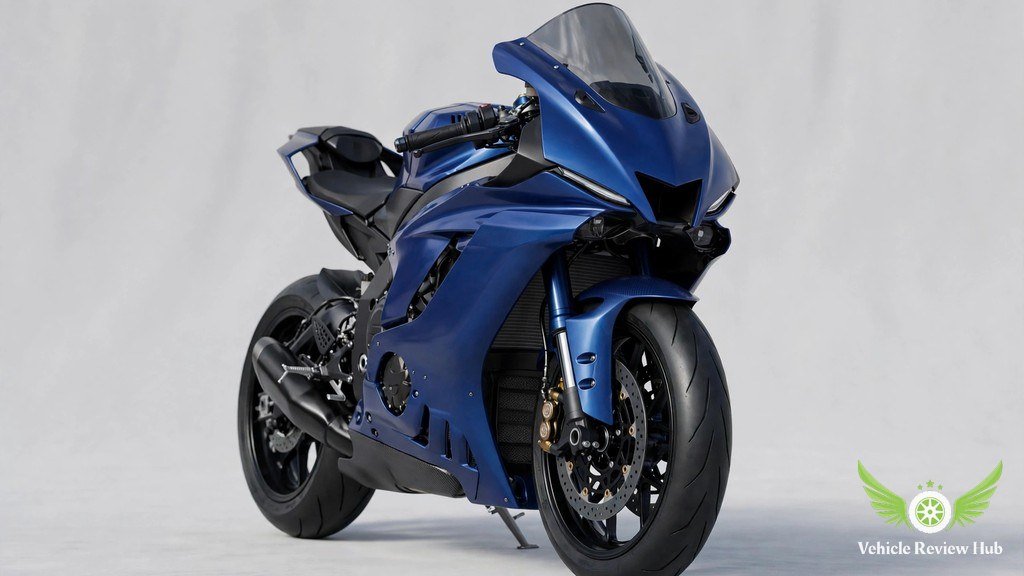
The fairing is more compact and LED turn signals now sit in the mirrors. The reshaped fuel tank gives your knees a better place to grip, and handlebars that sit slightly higher and closer make the position a touch less punishing than before. The slightly lower seat keeps the bike accessible for a wide range of riders. Like the smaller YZF-R3, the R7 is built to flatter a developing rider rather than intimidate one, but it carries itself with the presence of a much bigger machine. That first impression is a recurring theme in this 2026 Yamaha YZF-R7 review: the bike looks like a bigger, more expensive machine than it is.
What Stands Out About the Updated 2026 Model?
Three things define the 2026 update: the electronics (a six-axis IMU feeding lean-sensitive traction, slide, lift, and brake control, engine brake management, and launch control, all adjustable through Yamaha Ride Control); the controls (YCC-T ride-by-wire replacing the old cable throttle, unlocking ride modes, cruise control, and the quickshifter); and the chassis (a revised frame and swingarm, plus SpinForged wheels with Bridgestone S23 tires). As Cycle Trader’s preview of the 2026 model notes, the updates target riders who want performance and style without giving up everyday rideability — exactly where this 2026 Yamaha YZF-R7 review lands.
Yamaha YZF-R7 Engine and Everyday Performance
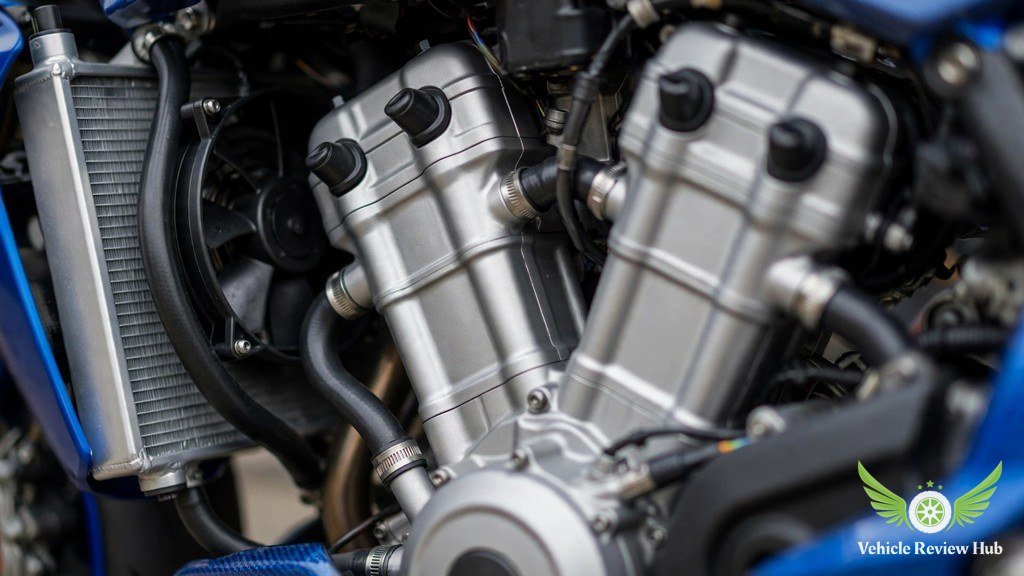
The heart of the bike is unchanged in concept and better in execution. Yamaha’s 689cc CP2 parallel twin, with its 270-degree crankshaft, remains one of the most characterful engines in the class: it pulls hard from low revs, sounds distinctive, and vibrates less than its firing order suggests. This section of the 2026 Yamaha YZF-R7 review focuses on how that engine behaves in daily riding, not just what the spec sheet claims. The sections below explain why this 2026 Yamaha YZF-R7 review rates the CP2 so highly for everyday use.
How the 689cc Twin-Cylinder Engine Feels on the Road
That midrange is the heart of this 2026 Yamaha YZF-R7 review’s engine verdict. Peak output is a claimed 73 hp at 8,750 rpm with 50.2 lb-ft at 6,500 rpm, but what you feel more is the midrange between 3,000 and 7,000 rpm, where the twin delivers a strong, linear shove for overtaking and corner exits. The revised 2026 intake adds a more audible induction roar under acceleration. The CP2 is shared in spirit with the MT-07, but the R7’s fairing, gearing, and position feel distinctly sportier. Yamaha estimates 59 mpg from the 3.7-gallon tank — a figure the top speed and MPG analysis examines in more detail.
Throttle Response, Gear Shifts and Acceleration
The new ride-by-wire throttle sharpens and smooths responses: small openings feel more precise in traffic, while full throttle feels more connected through the IMU-based aids. The third-generation Quick Shift System is now standard and works in both directions, allowing clutchless upshifts and downshifts above roughly 2,000 rpm on upshifts and 1,600 rpm on downshifts, and above about 10 mph. Acceleration is brisk rather than violent: this is a bike that rewards carrying speed and using the torque. That character is why reviewers and owners call the R7 the sweet spot of the class, and this 2026 Yamaha YZF-R7 review agrees — quick enough to excite on any public road, forgiving enough for a less experienced rider to enjoy. It is that combination of precision and forgiveness that this 2026 Yamaha YZF-R7 review keeps coming back to.
Yamaha YZF-R7 Handling, Brakes and Comfort
If the engine is the R7’s heart, the chassis is its argument: the 2026 frame and swingarm revisions add rigidity without weight, and the claimed 417-pound wet weight keeps it light and flickable. This part of the 2026 Yamaha YZF-R7 review covers cornering, braking, and the comfort question every buyer asks — how long can you ride before your wrists complain? Handling is also where this 2026 Yamaha YZF-R7 review finds the clearest gap between the new bike and the old one.
Cornering, Steering Feel and Suspension Response
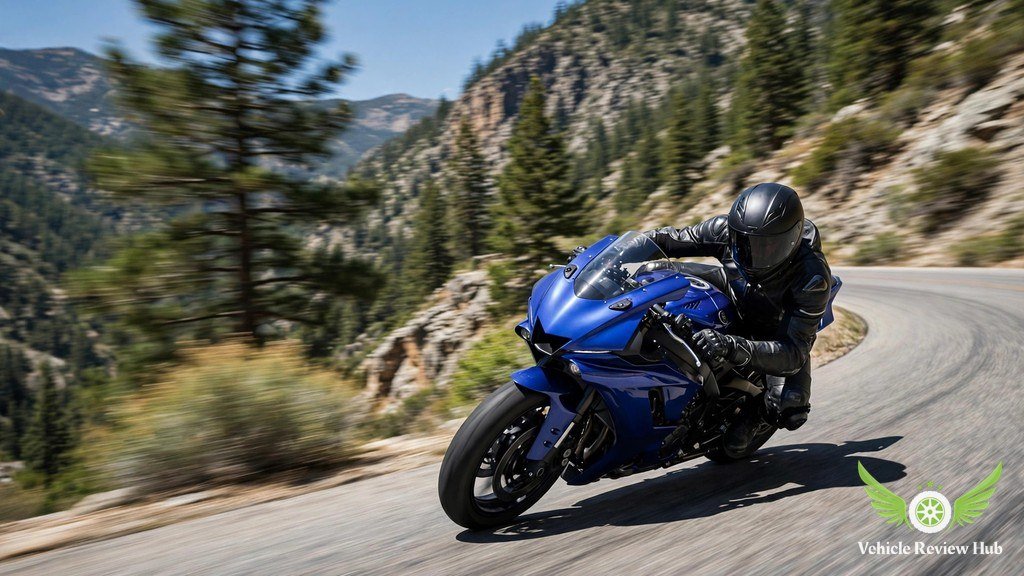
A 54.9-inch wheelbase, 24 degrees of rake, and 3.6 inches of trail give it supersport agility, while the revised chassis adds stability when you push harder. The fully adjustable 41mm KYB fork is a highlight at this price, and the linked Monocross shock suits your weight and style. Published first-ride impressions, including RevZilla’s first ride of the 2026 R7, describe a bike that feels composed and confidence-inspiring at lean. In short, this 2026 Yamaha YZF-R7 review finds the chassis to be the bike’s strongest asset after the engine.
Braking Confidence and Rider Control
Braking comes from dual 298mm front discs with radial calipers and a Brembo master cylinder, plus a single 245mm rear disc, all backed by lean-sensitive ABS. The front brake feels firm and progressive, and cornering ABS adds a safety net the old bike simply did not have. For a rider moving up from a smaller bike, that combination of strong brakes and adjustable aids is worth more than a few extra horsepower — one of the strongest reasons this 2026 Yamaha YZF-R7 review rates the new model so highly. That safety net is a major reason this 2026 Yamaha YZF-R7 review recommends the 2026 model over an older used R7 for newer riders.
Wrist, Back and Seat Comfort During Longer Rides
No supersport is a touring bike: the clip-ons are low, the pegs are high, and after an hour or two your wrists and neck will remind you. But the 2026 changes help: higher, closer bars, a reshaped seat, and a tank shape that lets you brace with your knees. Based on published reviews and owner feedback, most riders find the R7 comfortable for a couple of hours. If your riding is mostly commuting and weekend back roads, the comfort trade-off is easy to accept; if you regularly ride 300-mile days, a more upright bike will suit you better, and that is a fair, honest limit to note in any 2026 Yamaha YZF-R7 review. Comfort, then, is the one area where this 2026 Yamaha YZF-R7 review urges a test sit before you buy.
Yamaha YZF-R7 Features and Technology
This is where the 2026 model leaves its predecessor behind: the old R7’s electronics were basic, while the new package would suit a motorcycle costing half as much again. This 2026 Yamaha YZF-R7 review looks at the display and connectivity, and the rider aids. No other change in this 2026 Yamaha YZF-R7 review matters as much to daily ownership as the new dashboard and aids.
TFT Display, Smartphone Connectivity and Navigation
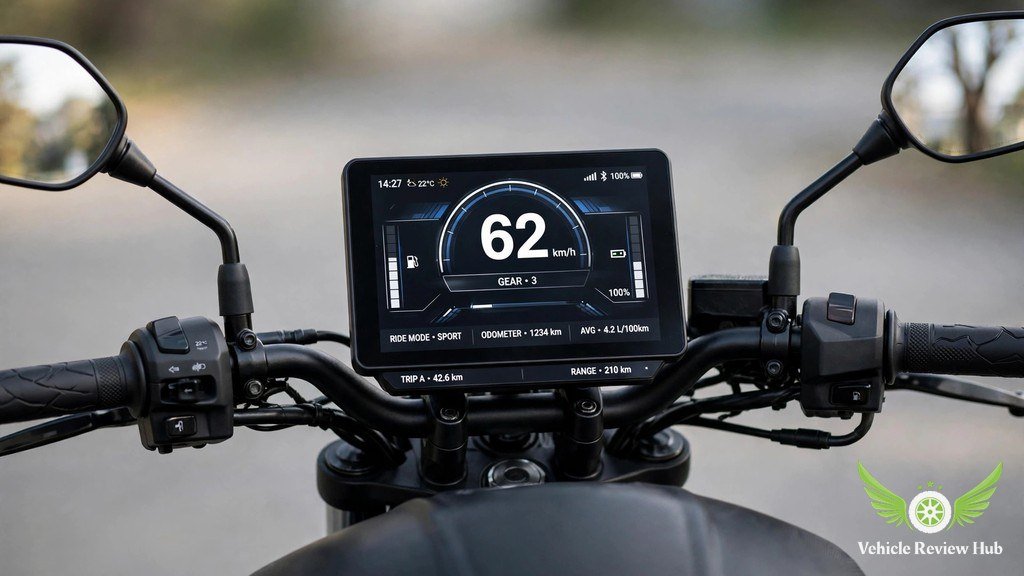
The new five-inch TFT display offers four themes plus a track mode — a major upgrade over the old LCD unit. Full turn-by-turn navigation comes through the free Garmin StreetCross app — genuinely useful for touring or exploring unfamiliar roads. For touring riders, that navigation support alone makes this 2026 Yamaha YZF-R7 review rate the new display as a must-have upgrade. The display also hosts Yamaha Ride Control (YRC) settings, so ride modes and aid levels adjust on the dash rather than through fiddly buttons.
Riding Modes and Electronic Rider Aids
Ride modes include Sport, Street, and Rain presets, two Custom modes, and four Track modes, all enabled by YCC-T ride-by-wire. Around those modes sits the IMU-driven aid suite: traction, slide, lift, and brake control, engine brake management, a back-slip regulator, and launch control. As Roadracing World’s introduction explains, every aid can be adjusted: the electronics support you rather than overriding you. For newer riders, Rain mode plus the default aids make the R7 remarkably forgiving, and this 2026 Yamaha YZF-R7 review counts that adjustability as one of the bike’s biggest strengths. Adjustability is the theme of this 2026 Yamaha YZF-R7 review’s technology verdict: the bike adapts to you, not the other way around.
Yamaha YZF-R7 Price, Pros and Cons
Price is where the R7’s case becomes hard to argue against: at $9,399 for standard colors and $9,699 for the 70th Anniversary Edition, the 2026 model costs only about $200 more than the bike it replaces, despite the electronics, chassis, and display upgrades. This section of the 2026 Yamaha YZF-R7 review weighs what you get against what you give up. Value is the lens this 2026 Yamaha YZF-R7 review applies to every figure below.
What You Get for the Purchase Price
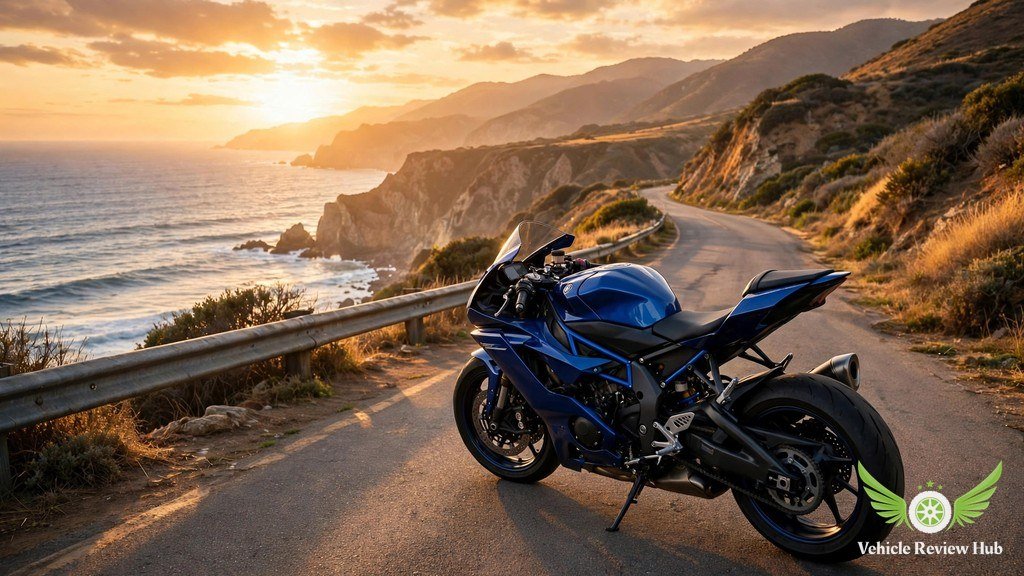
For the money, the specification is unusually complete — quickshifter, IMU aid suite, TFT with connectivity and navigation, adjustable KYB forks, SpinForged wheels, premium tires. Rider Magazine’s review of the 2026 YZF-R7 lists the same $9,399 base price, calling the model a strong value for the class. Running costs help too: 59 mpg, middleweight insurance, and a 12-month warranty. Remember the MSRP excludes tax, registration, and dealer fees. On specification alone, this 2026 Yamaha YZF-R7 review finds little in the class that matches it at the price.
| Specification | 2026 Yamaha YZF-R7 |
|---|---|
| Engine | 689cc liquid-cooled DOHC parallel twin (CP2) |
| Claimed power / torque | 73 hp at 8,750 rpm / 50.2 lb-ft at 6,500 rpm |
| Transmission | 6-speed, assist-and-slipper clutch, bi-directional quickshifter |
| Wet weight | 417 pounds |
| Seat height / wheelbase | 32.7 inches / 54.9 inches |
| Fuel capacity / estimated economy | 3.7 gallons / 59 mpg (Yamaha estimate) |
| Front brakes / tires | Dual 298mm discs, Brembo master cylinder / Bridgestone S23 tires |
| Display / electronics | 5-inch TFT, Y-Connect, Garmin navigation, 6-axis IMU, ride modes |
| MSRP (USA) | $9,399 standard / $9,699 70th Anniversary Edition |
Power note: most outlets cite 73 hp, Rider lists 72 hp — the difference is rounding.
The Biggest Advantages and Disadvantages
The advantages start with the engine’s midrange torque and character, continue through chassis balance and the new electronics, and end with the price: very little else offers this combination under $10,000. The disadvantages are inherent to the class: a committed position, a small 3.7-gallon tank, and a budget-conscious KYB setup rather than premium hardware. Compared with the bigger YZF-R9, the R7 gives up outright power, but it is lighter, cheaper, and easier to ride fast — a trade most buyers will happily make. Weighing those points together, this 2026 Yamaha YZF-R7 review sees a bike whose strengths clearly outweigh its compromises.
Would I Recommend the Yamaha YZF-R7?
Short answer: yes, for the right rider. This closing section of the 2026 Yamaha YZF-R7 review sums up who should buy one and what to check before handing over money. The verdict in this 2026 Yamaha YZF-R7 review is positive, but it comes with conditions worth stating plainly.
Who Is This Motorcycle Best Suited For?
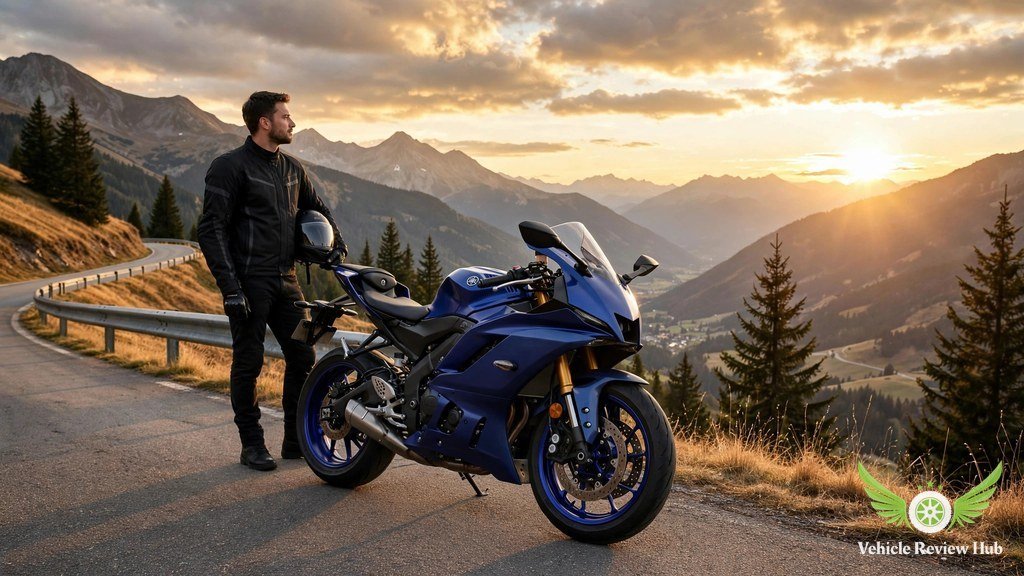
The R7 suits three groups best. First, riders stepping up from a 300–400cc bike who want supersport style without liter-bike intimidation. Second, experienced riders wanting a light, fun, affordable track-day and back-road bike. Third, commuters wanting a daily sportbike, thanks to manageable weight, cruise control, and estimated 59 mpg economy. It suits less well anyone wanting touring comfort, two-up luggage capacity, or the speed of a 600cc four-cylinder supersport. If you fall into one of those groups, this 2026 Yamaha YZF-R7 review suggests the R7 deserves a test ride at the top of your list. If you are unsure about long-term ownership, the reliability and maintenance picture for the R7 is worth reading before you commit — service costs and intervals are part of the real price of any motorcycle.
What I Would Check Before Buying One
Before buying, sit on the bike and check bar reach and seat height — the sportbike crouch is personal. If you are considering a used example instead of a new 2026 model, the used R7 buying guide covers inspection points, model-year differences, and price bands. And if buying new, decide whether the 70th Anniversary Edition’s livery and gold emblems are worth the extra $300 — mechanically it is the same motorcycle. Those checks are the practical takeaway of this 2026 Yamaha YZF-R7 review for anyone close to buying.
2026 Yamaha YZF-R7 Review: Frequently Asked Questions
These are the questions buyers actually ask about the 2026 R7, answered from the specification, published reviews, and Yamaha’s own materials. If you are comparing models or deciding between new and used, the answers below cover the points that matter most in this 2026 Yamaha YZF-R7 review.
How much does the 2026 Yamaha YZF-R7 cost?
The 2026 Yamaha YZF-R7 costs $9,399 in the USA for the standard colors (Team Yamaha Blue, Raven, and Breaker Cyan/Raven), and $9,699 for the 70th Anniversary Edition. That MSRP excludes tax, registration, accessories, and dealer fees. For the full ownership picture, this 2026 Yamaha YZF-R7 review also weighs insurance and fuel costs in the price section above.
What engine does the 2026 Yamaha YZF-R7 have?
It has Yamaha’s 689cc CP2 liquid-cooled DOHC twin with a 270-degree crankshaft, producing a claimed 73 hp at 8,750 rpm and 50.2 lb-ft at 6,500 rpm. The engine is paired with a six-speed gearbox, an assist-and-slipper clutch, and a standard bi-directional quickshifter. That torque-rich character is central to this 2026 Yamaha YZF-R7 review’s verdict on the engine.
What is new on the 2026 Yamaha YZF-R7 compared with the old model?
The 2026 model adds ride-by-wire throttle (YCC-T), a six-axis IMU with lean-sensitive aids, selectable ride modes, a five-inch TFT with connectivity and Garmin navigation, a bi-directional quickshifter, cruise control, a revised frame and swingarm, SpinForged wheels, and revised ergonomics. Taken together, those changes are why this 2026 Yamaha YZF-R7 review treats the 2026 bike as a new generation in all but name.
Does the 2026 Yamaha YZF-R7 have a TFT display?
Yes. The 2026 R7 has a five-inch full-color TFT display with four themes and a track-specific mode. It connects through Yamaha’s Y-Connect app for notifications, calls, and music (with a Bluetooth headset, sold separately), and offers turn-by-turn navigation through Garmin StreetCross. This 2026 Yamaha YZF-R7 review rates the new display as one of the most meaningful upgrades on the bike.
Does the 2026 Yamaha YZF-R7 have a quickshifter?
Yes. Yamaha’s third-generation Quick Shift System is standard on the 2026 R7 and works in both directions, allowing clutchless upshifts and downshifts. It operates above roughly 10 mph, with upshifts available above 2,000 rpm and downshifts above 1,600 rpm. This 2026 Yamaha YZF-R7 review counts the standard quickshifter as a headline feature, not a footnote.
Does the 2026 Yamaha YZF-R7 have ride modes?
Yes. The 2026 R7 offers Sport, Street, and Rain presets, plus two Custom modes and four Track modes, adjustable through Yamaha Ride Control on the TFT display. The modes work with the IMU-based traction, slide, lift, brake, and engine-brake controls. This 2026 Yamaha YZF-R7 review finds the mode selection genuinely useful rather than decorative.
How much does the 2026 Yamaha YZF-R7 weigh?
The 2026 Yamaha YZF-R7 has a claimed wet weight of 417 pounds, keeping it light and manageable for a faired sportbike. Seat height is 32.7 inches, wheelbase 54.9 inches. That light weight is a recurring point in this 2026 Yamaha YZF-R7 review, because it shapes everything from steering to parking.
What is the fuel economy and range of the 2026 Yamaha YZF-R7?
Yamaha estimates 59 mpg for the 2026 R7, and the fuel tank holds 3.7 gallons. Fuel costs are one reason this 2026 Yamaha YZF-R7 review rates the R7 as an affordable daily sportbike. On paper that points beyond 200 miles, although real-world economy depends on riding style — hard riding returns noticeably less than gentle commuting.
Is the 2026 Yamaha YZF-R7 good for beginners?
It can be a good step-up bike with some experience, but it is not an ideal first motorcycle. Adjustable electronics, Rain mode, and manageable weight make it forgiving, yet the sportbike position, 73 hp output, and sharp handling reward riders who already have basic skills. New riders are usually better served starting on a smaller bike and moving to the R7 as a second motorcycle. That honest limit is stated plainly in this 2026 Yamaha YZF-R7 review so buyers are not surprised later.
Where does this 2026 Yamaha YZF-R7 review leave the R7 in its class?
At the top of the middleweight twin class for riders wanting supersport looks with everyday usability. The 2026 updates fix the old bike’s technology gap while keeping its price under $10,000, and that combination is why this 2026 Yamaha YZF-R7 review recommends it so strongly for step-up riders and experienced riders alike. Even so, this 2026 Yamaha YZF-R7 review finds the compromises easy to live with for the target rider.