
The Toyota Prius Plug-in Hybrid is built for drivers in the USA who want to enjoy electric driving without fully depending on charging stations. It combines a rechargeable battery with a gasoline engine, allowing short daily trips to be driven on electric power while still offering the freedom of long-distance travel. This balance makes it a practical choice for American roads, where driving needs often change between city traffic and highway cruising.
In this Prius Plug-in Hybrid review, the focus is on real ownership experience rather than just technical details. Instead of listing numbers only, this guide explains how the car fits into everyday life in the USA. From daily commuting and weekend trips to fuel savings and charging habits, the goal is to give a clear picture of what it feels like to live with the Toyota Prius Plug-in Hybrid.
This buying guide also looks at pricing expectations, ownership costs, and long-term usability. Many buyers are curious about maintenance, battery life, and whether a plug-in hybrid actually saves money over time. The Toyota Prius Plug-in Hybrid is known for Toyota’s strong reliability record, and that reputation plays a big role in why US buyers continue to consider it.
If you are thinking about moving toward an electrified car but are not ready for a full electric vehicle, the Toyota Prius Plug-in Hybrid offers a sensible middle ground. This guide will help you decide if it matches your driving habits, budget, and long-term plans in the USA, based on realistic use rather than marketing claims.
What Is the Toyota Prius Plug-in Hybrid and How It Works in the USA

The Toyota Prius Plug-in Hybrid is a smart option for drivers in the USA who want to use electricity for daily driving without giving up the convenience of a gasoline engine. Unlike a regular hybrid, this model can be charged from a wall outlet or public charging station, allowing it to drive a certain distance using electric power alone. For many US drivers, this means daily commutes, school runs, or grocery trips can be done without using any fuel.
In simple terms, the Toyota Prius Plug-in Hybrid works in two stages. When the battery is charged, the car runs mainly on electric power. Once the battery level drops, it automatically switches to hybrid mode, where the gasoline engine and electric motor work together. This seamless transition is one of the reasons the driving experience feels smooth and stress-free, especially in city traffic.
From a real ownership point of view, this Prius Plug-in Hybrid review approach matters because charging habits in the USA vary. Some drivers can charge at home every night, while others rely on public chargers or charge less often. Even if you do not charge regularly, the Toyota Prius Plug-in Hybrid still operates like a normal hybrid, so you are never stuck or forced to plan trips around charging stations.
Overall, the Toyota Prius Plug-in Hybrid is designed to fit real American driving lifestyles. It offers electric driving when available, fuel efficiency when needed, and the flexibility that many US buyers look for when choosing an electrified vehicle.
Toyota Prius Plug-in Hybrid Overview for the US Market
The Toyota Prius Plug-in Hybrid is positioned in the US market as a practical step toward electric driving without fully moving away from gasoline power. It is mainly aimed at drivers who want better fuel savings, lower emissions, and flexible driving options for both city and highway use. In the USA, where daily driving distances and charging access can differ from one household to another, this balance is a key reason for its popularity.
From a buyer’s point of view, this Prius Plug-in Hybrid review shows that the car fits well into everyday American life. Many owners use electric power for short trips during the week and rely on the hybrid system for longer weekend or highway drives. This makes the Toyota Prius Plug-in Hybrid especially suitable for commuters, small families, and eco-conscious drivers who still need long-range freedom.
In the US market, the Toyota Prius Plug-in Hybrid competes with both regular hybrids and entry-level electric cars. However, its strength lies in reliability, ease of ownership, and proven technology rather than extreme performance. For buyers who value long-term dependability, low running costs, and simple daily use, the Toyota Prius Plug-in Hybrid remains a sensible and trusted choice in the USA.
Difference Between Plug-in Hybrid and Regular Hybrid
A plug-in hybrid and a regular hybrid may sound similar, but their real-world use is quite different. The Toyota Prius Plug-in Hybrid is designed for drivers who want to use electric power more often, while a regular hybrid focuses mainly on improving fuel efficiency without external charging.
In simple terms, a regular hybrid charges its small battery only while driving, using the engine and regenerative braking. This means the car almost always depends on gasoline, even during short trips. On the other hand, the Toyota Prius Plug-in Hybrid has a larger battery that can be charged at home or at public charging stations. Because of this, many short daily drives can be done using electric power only.
This difference becomes very clear in daily ownership, which is often discussed in a Prius Plug-in Hybrid review. Drivers who charge regularly notice much lower fuel usage compared to regular hybrid owners. Still, when the battery runs out, the Toyota Prius Plug-in Hybrid continues to work like a normal hybrid, so there is no change in driving routine or range concern.
Below is a simple comparison to understand the difference more clearly:
| Feature | Toyota Prius Plug-in Hybrid | Regular Hybrid |
|---|---|---|
|
External Charging |
Yes (home or public charger) |
No |
|
Electric-Only Driving |
Possible for short distances |
Not possible |
|
Battery Size |
Larger |
Smaller |
|
Fuel Use on Short Trips |
Very low with regular charging |
Always uses some fuel |
|
Long-Distance Driving |
Uses hybrid mode automatically |
Uses hybrid mode only |
Overall, the Toyota Prius Plug-in Hybrid suits drivers who can charge at home and want to reduce fuel use as much as possible. A regular hybrid is better for those who want fuel savings but do not want to deal with charging at all. This clear difference helps buyers choose the option that fits their daily driving habits and lifestyle.
Toyota Prius Plug-in Hybrid Position in the Electrified Vehicle Segment
The Toyota Prius Plug-in Hybrid holds a clear middle position in the electrified vehicle segment in the USA. It is not meant to replace a full electric car, and it is also more advanced than a regular hybrid. Instead, it is built for drivers who want to use electric power in daily life while keeping the freedom of gasoline driving when needed.
In many Prius Plug-in Hybrid review discussions, this model is seen as a practical transition vehicle. It allows short trips to be completed on electric power, which helps reduce fuel use and emissions. At the same time, it avoids the range concerns that often come with fully electric vehicles, especially for long highway drives or areas where charging stations are limited.
Within the US market, the Toyota Prius Plug-in Hybrid mainly attracts buyers who value balance over extremes. It does not focus on long electric range or fast acceleration. Instead, it offers predictable efficiency, simple ownership, and proven hybrid technology. For drivers who want to move toward electrified driving at their own pace, the Toyota Prius Plug-in Hybrid fits naturally into the current vehicle market without forcing major lifestyle changes.
Toyota Prius Plug-in Hybrid Price and Variants in the USA
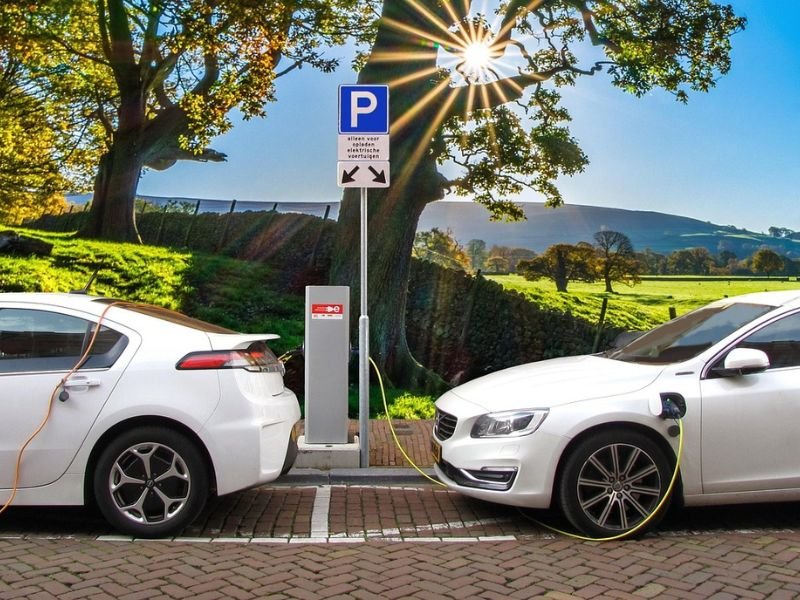
The Toyota Prius Plug-in Hybrid is positioned as a higher-value option in the US market due to its plug-in capability and added electric driving benefits. Pricing and available variants play a major role in buyer decisions, especially when comparing it with the regular Prius and other electrified vehicles.
In this section, we will look at the base price in the USA, available trim levels, the difference between MSRP and on-road cost, and how federal or state incentives may affect the final ownership cost. This overview will help buyers understand what to expect before choosing the right Toyota Prius Plug-in Hybrid variant for their needs.
Toyota Prius Plug-in Hybrid Base Price in the USA
The Toyota Prius Plug-in Hybrid has a higher base price than the regular Prius hybrid in the USA, mainly because of its larger battery and plug-in charging system. This starting price reflects the added ability to drive on electric power for short distances, which can reduce daily fuel use for many owners. For buyers comparing options, the base price often becomes the first point of discussion in any Prius Plug-in Hybrid review.
In the US market, the base version of the Toyota Prius Plug-in Hybrid is usually well equipped, even at the entry level. Toyota focuses less on offering a low starting price and more on providing standard safety features, modern technology, and plug-in hybrid–specific systems. Because of this, buyers often find fewer “basic” compromises compared to some other electrified cars.
It is also important to understand that the base price is only the manufacturer’s suggested starting point. Destination charges, local taxes, and registration fees are not included. However, for buyers who can charge regularly, the higher base price of the Toyota Prius Plug-in Hybrid can feel reasonable over time due to lower fuel costs and reduced engine usage.
Overall, the base price of the Toyota Prius Plug-in Hybrid positions it as a practical long-term choice rather than a budget hybrid. For US buyers who value electric driving, reliability, and everyday efficiency, the starting cost often makes sense when viewed beyond the initial purchase price.
Toyota Prius Plug-in Hybrid Trim Levels Explained
In the USA, the Toyota Prius Plug-in Hybrid follows a clean and simple trim strategy. Toyota avoids offering too many versions and instead focuses on a small number of well-balanced trims. This makes it easier for buyers to choose without feeling confused by long feature lists or unnecessary options.
The entry-level trim is designed for drivers who care most about efficiency, safety, and everyday comfort. It usually includes the full plug-in hybrid system, modern driver-assistance features, and the core technology needed for daily driving. For most owners, this trim already feels complete and practical for regular use.
Higher trims mainly add comfort and convenience rather than changing how the car drives. Features such as upgraded interior materials, a larger infotainment screen, and extra driver aids are typically the main differences. As highlighted in many Prius Plug-in Hybrid review discussions, performance, electric range, and fuel efficiency stay the same across trims.
Overall, the trim lineup is built around simplicity and value. Buyers can choose based on comfort preferences and budget, knowing that the essential plug-in hybrid experience remains consistent in every version offered in the US market.
On-Road Price vs MSRP in the USA
When buying a vehicle in the USA, understanding the difference between MSRP and the final on-road price is very important. For the Toyota Prius Plug-in Hybrid, MSRP is the manufacturer’s listed price and is often shown in ads or on the official website. However, this is not the amount most buyers actually pay.
The on-road price includes several extra costs that are added at the dealership level. These usually include destination charges, state and local taxes, registration fees, and dealer documentation charges. Because tax rates and fees vary from state to state, the final cost of the Toyota Prius Plug-in Hybrid can differ depending on where you live. This point is often mentioned in a realistic Prius Plug-in Hybrid review, as it affects real budgeting.
Another thing to consider is dealer pricing behavior. In areas with high demand or limited availability, some dealers may add extra charges. In other locations, buyers may find more competitive pricing or small discounts. Taking time to compare offers can help avoid paying more than expected.
Overall, looking beyond MSRP and focusing on the on-road price gives a clearer picture of total ownership cost. This helps buyers decide if the Toyota Prius Plug-in Hybrid fits their budget before making a final purchase decision.
Federal and State EV Incentives for Plug-in Hybrids
In the USA, government incentives can play an important role in the final ownership cost of a plug-in hybrid. For the Toyota Prius Plug-in Hybrid, eligibility for incentives depends on federal rules, state programs, and sometimes even local policies. These incentives are designed to encourage lower emissions and wider use of electrified vehicles.
At the federal level, plug-in hybrids may qualify for tax credits if they meet specific requirements related to battery capacity and manufacturing guidelines. This is often mentioned in a detailed Prius Plug-in Hybrid review, because it can lower the effective purchase cost for eligible buyers. However, not every buyer will qualify, and the rules can change over time, so checking current eligibility is always important.
State-level incentives vary widely across the USA. Some states offer additional tax credits, rebates, or reduced registration fees for plug-in hybrid vehicles. Others may provide benefits such as access to carpool lanes or lower charging costs. Depending on where you live, these state incentives can make the Toyota Prius Plug-in Hybrid more attractive compared to a regular hybrid.
Overall, incentives should be seen as a possible bonus rather than a guaranteed benefit. Buyers who research both federal and state programs before purchasing can get a clearer picture of real savings. When combined with fuel efficiency and long-term reliability, available incentives can further improve the value of the Toyota Prius Plug-in Hybrid for US drivers.
Toyota Prius Plug-in Hybrid Powertrain, Specs, and Technology
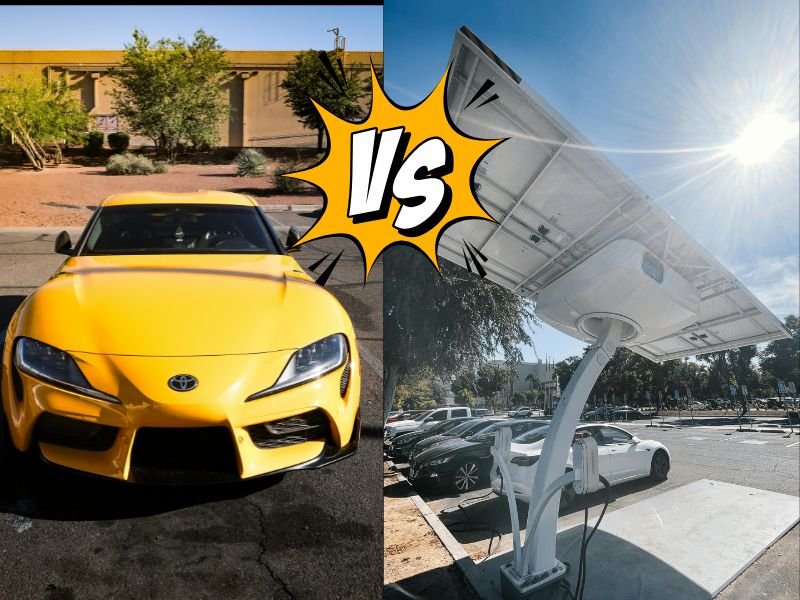
The Toyota Prius Plug-in Hybrid is built around a balanced powertrain that focuses on efficiency, smooth driving, and long-term reliability rather than aggressive performance. Its system is designed to handle everyday driving in the USA, where city traffic, short commutes, and highway trips are all part of regular use. The goal is simple: make electric driving easy while keeping gasoline support ready when needed.
In this part of the Prius Plug-in Hybrid review, the focus is on how the powertrain works as a complete system. This includes the gasoline engine, electric motor, battery and charging setup, driving modes, and how power is delivered on the road. Each component plays a specific role in keeping the driving experience calm, predictable, and efficient.
Understanding these technical elements helps buyers see why this model feels different from a regular hybrid. The Toyota Prius Plug-in Hybrid is engineered to switch smoothly between electric and hybrid driving, making it suitable for both daily routines and longer trips without adding complexity to ownership.
Gasoline Engine Specifications
The gasoline engine in the Toyota Prius Plug-in Hybrid is designed to support efficiency and smooth driving rather than high power output. It works together with the electric motor to keep fuel use low while still providing enough performance for daily driving in the USA. This engine mainly comes into play during longer trips, highway driving, or when the battery charge is low.
In real-world use, the engine feels quiet and refined, especially during steady cruising. It does not need to work hard in city traffic because the electric motor handles most low-speed driving. This balance is often noted in a practical Prius Plug-in Hybrid review, as it helps reduce fuel consumption and engine wear over time.
Another advantage of this gasoline engine is reliability. Toyota has years of experience with hybrid engines, and this setup follows the same proven approach. For owners, this means fewer surprises, predictable performance, and confidence during long-distance travel. Overall, the gasoline engine plays a supportive but important role in keeping the plug-in hybrid system efficient and easy to live with.
Electric Motor, Battery Capacity, and Charging
The electric side of the Toyota Prius Plug-in Hybrid is what makes it feel different from a regular hybrid in daily use. The electric motor is responsible for smooth takeoff, quiet city driving, and electric-only trips when the battery is charged. At low speeds and during short drives, the car often relies on electric power, which makes driving feel calm and fuel-free.
The battery is larger than what you find in a standard hybrid, allowing the car to store enough energy for short daily commutes. This setup is especially useful for US drivers who mostly drive within the city or suburban areas. In many cases, errands and daily trips can be completed without the gasoline engine turning on, which is often highlighted in a real-world Prius Plug-in Hybrid review.
Charging the Toyota Prius Plug-in Hybrid is simple and flexible. It can be charged at home using a standard household outlet, and faster charging is possible with dedicated charging equipment. Public charging stations also work well, but they are not required for ownership. Even if charging is skipped, the car continues to operate like a normal hybrid, which removes pressure from daily charging routines.
Overall, the electric motor and battery system are designed for convenience rather than complexity. They support electric driving when available and blend smoothly with the gasoline engine when needed, making the Toyota Prius Plug-in Hybrid easy to use for a wide range of driving habits in the USA.
Total System Output and Driving Modes
The total system output of the Toyota Prius Plug-in Hybrid is tuned for smooth and efficient driving rather than quick acceleration. Instead of focusing on high horsepower numbers, Toyota has balanced the gasoline engine and electric motor to work together in a calm and predictable way. This makes the car feel easy to control in daily traffic and relaxed on longer drives.
In everyday use, the system automatically adjusts how power is delivered based on driving conditions. During light driving and city use, the electric motor often takes the lead. When more power is needed, such as during highway merging or uphill driving, the gasoline engine joins in smoothly. This balanced behavior is often appreciated in a practical Prius Plug-in Hybrid review, as it keeps driving stress-free.
The driving modes allow the driver to choose how the car behaves. Electric-focused modes prioritize battery use for short trips, while hybrid modes are designed for longer journeys where efficiency matters most. There is no need for constant manual adjustment, as the system manages power flow intelligently in the background.
Overall, the total system output and driving modes are designed to match real-world needs. They provide steady performance, good efficiency, and a smooth driving experience that fits well with everyday life in the USA.
Transmission and Power Delivery
The Toyota Prius Plug-in Hybrid uses a smooth and simple transmission system that is designed to work seamlessly with its hybrid setup. Instead of traditional gear changes, power is delivered in a continuous and controlled way, which helps keep driving calm and predictable in everyday conditions. This makes the car especially easy to drive in city traffic and stop-and-go situations.
From a real driving perspective, power delivery feels steady rather than aggressive. The electric motor provides instant response at low speeds, while the gasoline engine supports the system when more power is needed. This smooth handover between power sources is often mentioned in a balanced Prius Plug-in Hybrid review, as it removes jerky shifts and sudden noise changes that some drivers dislike.
On highways, the transmission helps maintain steady speeds with low effort. The engine does not feel strained, and acceleration remains smooth when overtaking or merging. There is no need for the driver to think about gears or power flow, as everything happens automatically in the background.
Overall, the transmission and power delivery focus on comfort and efficiency. They are built to support relaxed daily driving, long-distance travel, and reliable performance, which suits the driving habits of most users in the USA.
Toyota Prius Plug-in Hybrid Real-World Driving Experience

The Toyota Prius Plug-in Hybrid is designed to feel natural and easy to drive in real-world conditions across the USA. Instead of delivering a sporty or aggressive feel, it focuses on smooth movement, quiet operation, and low driver effort. This makes it well suited for daily commuting, city traffic, and relaxed highway travel.
In this part of the Prius Plug-in Hybrid review, the focus is on how the car behaves during normal use rather than controlled test conditions. From electric-only city driving to hybrid operation on longer routes, the driving experience stays consistent and predictable. Steering, braking, and throttle response are tuned to keep the car comfortable rather than demanding.
Understanding the real-world driving experience helps buyers know what to expect beyond specifications. The Toyota Prius Plug-in Hybrid is built to reduce stress behind the wheel, making everyday trips feel calm and efficient while still handling longer drives with confidence.
Electric-Only Driving Experience
The electric-only driving experience is one of the biggest strengths of the Toyota Prius Plug-in Hybrid in everyday use. When the battery is charged, the car can run quietly on electric power, making short trips feel smooth and relaxed. In city traffic, the absence of engine noise creates a calm driving environment that many drivers appreciate.
At low speeds, acceleration feels instant and steady because power comes directly from the electric motor. This makes stop-and-go driving easier and more comfortable. In a practical Prius Plug-in Hybrid review, owners often note how natural electric driving feels during daily errands, school runs, or short commutes around town.
Another benefit of electric-only driving is fuel savings. For trips within the electric range, the gasoline engine stays off, which helps reduce fuel use and emissions. The transition out of electric mode is smooth, so when the battery level drops, the switch to hybrid operation does not feel abrupt.
Overall, electric-only driving in the Toyota Prius Plug-in Hybrid is designed for real life rather than novelty. It adds quietness, simplicity, and efficiency to daily driving without changing the familiar feel of a regular car.
Hybrid Mode Driving on City Roads
In hybrid mode, the Toyota Prius Plug-in Hybrid feels well suited for busy city roads in the USA. When traffic slows down or the battery level drops, the system smoothly blends electric power with the gasoline engine. This happens automatically, so the driver does not need to change any settings or think about how power is being used.
During city driving, the car often switches between electric assist and engine support to keep fuel use low. The electric motor helps during slow movement and light acceleration, while the engine steps in only when needed. This balance is often praised in a realistic Prius Plug-in Hybrid review, as it keeps driving smooth even in stop-and-go traffic.
Another noticeable point is how quiet and controlled the car feels in hybrid mode. Engine noise stays low, and acceleration remains gentle and predictable. Braking and steering also feel natural, which helps reduce fatigue during daily commutes or longer city drives.
Overall, hybrid mode on city roads delivers a calm and efficient experience. It allows the Toyota Prius Plug-in Hybrid to handle real urban driving with ease, making it a comfortable choice for everyday use where traffic conditions can change constantly.
Highway Driving and Performance Feel
On the highway, the Toyota Prius Plug-in Hybrid feels stable, confident, and easy to live with. At steady cruising speeds, the gasoline engine takes the lead while the electric motor supports when needed. This keeps the drive smooth and helps maintain good efficiency over long distances, which matters a lot for US highway driving.
Acceleration on highways is calm rather than sporty. Merging into traffic or overtaking slower vehicles feels controlled and predictable, not rushed. In many real-world Prius Plug-in Hybrid review experiences, drivers mention that the car responds well for normal highway needs, even if it is not built for aggressive driving.
Another strong point is ride comfort at higher speeds. The car stays planted, steering feels light but steady, and wind or road noise remains well controlled. Long highway trips feel relaxed, with no sudden power changes or harsh engine behavior.
Overall, highway driving in the Toyota Prius Plug-in Hybrid is focused on comfort and efficiency. It delivers enough performance for everyday travel while keeping the driving experience smooth, quiet, and stress-free on long US roads.
Ride Comfort, Handling, and Noise Levels
The Toyota Prius Plug-in Hybrid is tuned to deliver a comfortable and easy driving experience rather than sharp handling. On most roads, the suspension absorbs bumps and uneven surfaces well, which helps keep the ride smooth during daily use. This setup works especially well on city streets and long highway drives where comfort matters more than sporty feel.
Handling is light and predictable, making the car easy to control in traffic and during parking. Steering response feels natural, and the car remains stable while cornering at normal speeds. In many owner-based Prius Plug-in Hybrid review discussions, drivers appreciate how relaxed the car feels behind the wheel, even during longer trips.
Noise levels are kept low, which adds to overall comfort. At low speeds, electric driving makes the cabin very quiet. When the gasoline engine is running, sound remains well controlled and does not feel intrusive. Road and wind noise are also managed well for this class, helping reduce fatigue during everyday driving.
Overall, ride comfort, handling, and noise control are designed to support calm and stress-free driving. The Toyota Prius Plug-in Hybrid focuses on making every trip smooth and comfortable, which fits well with real-world driving needs in the USA.
Toyota Prius Plug-in Hybrid Electric Range and Fuel Economy
One of the main reasons many buyers in the USA consider the Toyota Prius Plug-in Hybrid is its balance between electric range and overall fuel economy. This model is designed to let drivers cover short daily trips on electric power when the battery is charged, while still delivering strong fuel efficiency during longer drives. In this part of the Prius Plug-in Hybrid review, we’ll look at how the electric range and fuel economy work together in real-world driving, helping buyers understand what to expect in everyday use.
Rather than focusing only on lab numbers, this section explains how the car performs in typical scenarios, including city commuting, mixed driving, and long-distance travel. Understanding electric range and fuel economy helps buyers decide if this plug-in hybrid matches their driving habits, charging access, and fuel cost goals in the USA.
EPA-Rated Electric Range and MPG
The Toyota Prius Plug-in Hybrid stands out by offering a measurable EPA-rated electric range that many regular hybrids do not provide. Instead of relying solely on gasoline, this plug-in model can travel a certain distance on electric power alone before the gasoline engine starts working. For drivers in the USA, this EPA rating gives a clear idea of how far they can go in real daily use without using fuel.
Along with the electric range, the EPA also provides an MPG-equivalent number to help buyers compare how efficient this plug-in hybrid is against conventional vehicles. These ratings are useful when planning trips around town and estimating weekly fuel costs. A typical Prius Plug-in Hybrid review often highlights how these EPA figures translate into savings, especially for commuters who can charge regularly at home or work.
However, it’s important to understand that EPA ratings are based on standardized tests, and real results can differ slightly depending on driving style, temperature, terrain, and how often the vehicle is charged. Still, EPA-rated electric range and MPG numbers remain a good baseline for comparing the Toyota Prius Plug-in Hybrid with other electrified vehicles in the US market.
By focusing on these official ratings, buyers can set realistic expectations about how much electric driving they can get and how efficient the car will be when the battery is used in combination with the gasoline engine.
Real-World Electric Range in Daily Use
The Toyota Prius Plug-in Hybrid offers a useful amount of electric range that many drivers in the USA can take advantage of in everyday life. While EPA-rated electric range gives an official number, real-world results depend on how and where the car is driven. In a typical Prius Plug-in Hybrid review, owners often find that their actual electric-only driving range closely matches their daily commute — especially in city traffic or suburban routes.
For many drivers, the most common electric range is enough to cover short trips like going to work, school runs, grocery shopping, or local errands without switching to gasoline. This becomes especially noticeable when the battery is regularly charged at home or at a workplace charger. In daily urban driving at low speeds, the electric motor does most of the work, which helps save fuel and reduce engine wear.
However, the real-world electric range can vary. Higher speeds, steep hills, extreme temperatures, and heavy use of heating or air conditioning can reduce the distance achieved on electric power alone. Even with those factors, many owners still report meaningful electric driving on a regular basis.
Overall, the real-world electric range of the Toyota Prius Plug-in Hybrid fits well with typical US daily driving patterns. For those who can charge often and drive moderate distances, it offers a noticeable reduction in fuel use compared with regular hybrids — and that practical benefit is one of the main reasons buyers consider this model.
Combined Fuel Efficiency After Battery Depletion
Once the battery is depleted, the Toyota Prius Plug-in Hybrid switches smoothly into regular hybrid operation. At this stage, the car relies on the gasoline engine working together with the electric motor to maintain strong fuel efficiency. There is no sudden change in driving feel, which helps keep the experience consistent during longer trips.
In real driving conditions, fuel efficiency after battery depletion remains one of the strong points of this model. Even without electric-only driving, it continues to deliver good mileage compared to many non-hybrid cars. This is often mentioned in an honest Prius Plug-in Hybrid review, as drivers do not feel penalized when the battery runs out.
Highway cruising and mixed driving benefit the most in this mode. The hybrid system adjusts engine use based on speed and load, helping reduce fuel consumption during steady driving. City traffic also stays efficient, as regenerative braking helps recover energy whenever the car slows down.
Overall, combined fuel efficiency after battery depletion is a key advantage. It ensures that the Toyota Prius Plug-in Hybrid remains economical not just for short electric trips, but also for long-distance driving across the USA, making it a practical choice for varied daily use.
Toyota Prius Plug-in Hybrid Interior, Comfort, and Features
The Toyota Prius Plug-in Hybrid is designed to offer a clean, comfortable, and practical interior that fits everyday driving in the USA. Instead of focusing on flashy design, Toyota has aimed for ease of use, good visibility, and a calm cabin environment. This approach makes the car feel welcoming for daily commutes as well as longer trips.
In this part of the Prius Plug-in Hybrid review, we focus on how the interior feels in real use. This includes cabin layout, seating comfort, passenger space, infotainment usability, and features that support plug-in hybrid driving. The goal is to understand whether the interior meets the needs of modern drivers without adding unnecessary complexity.
Overall, the interior of the Toyota Prius Plug-in Hybrid is built around comfort, simplicity, and smart technology. The sections below break down each aspect in detail to help buyers know what to expect from daily life inside the car.
Interior Design and Cabin Layout
The interior of the Toyota Prius Plug-in Hybrid focuses on practicality and comfort rather than flashy styling. The cabin layout is clean and straightforward, making it easy for drivers and passengers in the USA to find controls and use features without distraction. Most buttons and menus are placed within easy reach, helping maintain focus on the road during everyday driving.
From a design perspective, the dashboard and center console are arranged to keep essential information visible without clutter. Digital displays show key data like speed, battery level, and fuel economy in clear layouts. In many Prius Plug-in Hybrid review experiences, owners mention how the cabin feels open and organized, which adds to the overall comfort during longer trips.
Another advantage of the interior design is visibility. Large windows and a well-angled windshield help create a sense of space and make city driving easier by reducing blind spots. The overall feel is functional, calm, and user-friendly — exactly what many buyers look for in a hybrid vehicle.
Overall, the Toyota Prius Plug-in Hybrid cabin puts priority on sensible design and driver convenience. While it may not have premium touches found in luxury cars, it delivers a comfortable layout that supports real-world daily use.
Seating Comfort and Passenger Space
Seating comfort in the Toyota Prius Plug-in Hybrid is designed for relaxed daily driving rather than a sporty feel. The seats offer good support for normal commuting, city traffic, and long highway trips. Cushioning feels balanced, so drivers and passengers do not feel tired quickly, even during extended time behind the wheel.
Front seats provide enough adjustment to suit different driving positions, which helps with overall comfort. In many real-world Prius Plug-in Hybrid review discussions, drivers mention that visibility from the front seats feels open and natural. This makes the car easy to handle in traffic and parking situations, especially in busy urban areas.
Passenger space is practical for a compact hybrid. Rear-seat legroom and headroom are suitable for adults on regular trips, while shorter journeys remain comfortable for all passengers. The cabin layout makes good use of available space, so it does not feel cramped for everyday family or commuter use.
Overall, seating comfort and passenger space in the Toyota Prius Plug-in Hybrid are well matched to its purpose. It offers a comfortable environment for daily use, balanced space for passengers, and a calm ride that suits typical driving needs in the USA.
Infotainment and Connectivity Features
The Toyota Prius Plug-in Hybrid comes with a practical infotainment system that fits well with everyday driving needs. The touchscreen display is clear and easy to read, and menus are organized in a straightforward way so drivers can find what they need without distraction. This simplicity helps make the system feel natural rather than complicated, which many owners note in an honest Prius Plug-in Hybrid review.
Standard connectivity features typically include Bluetooth for hands-free calling and audio streaming, as well as USB ports for charging and media connection. Many models also support smartphone integration, making it easy to use navigation, music apps, and voice control while on the road. These features help keep the cabin connected and functional, especially for commuters and families.
Audio quality is tuned for clear sound rather than booming bass, which suits most listeners during daily drives or highway trips. Controls on the steering wheel add convenience, allowing volume and track changes without taking hands off the wheel. Overall, infotainment and connectivity in the Toyota Prius Plug-in Hybrid are centered around usability and comfort, making everyday drives easier and more enjoyable for drivers across the USA.
Plug-in Hybrid-Specific Technology Features
The Toyota Prius Plug-in Hybrid includes technology that supports its unique plug-in hybrid nature, making daily driving easier and more efficient in the USA. These features are focused on helping drivers get the most out of both electric and hybrid operation, rather than adding unnecessary complexity.
One important technology is the energy monitor, which shows how power moves between the gasoline engine, electric motor, and battery in real time. This gives drivers a clear picture of when the car is using electric power, gasoline, or both — useful information that many owners mention in a practical Prius Plug-in Hybrid review. Seeing this feedback helps drivers adjust their habits to maximize electric range and efficiency.
Another key feature is the charge management display, which helps you understand how much electric range is left and how long it will take to charge. Whether charging at home or at a public station, this system makes it easier to plan when and how to top up the battery.
The car also includes regenerative braking control, which captures energy during braking to recharge the battery. This improves efficiency and helps extend electric range without the need for plugging in as often.
Overall, these plug-in hybrid-specific technology features are practical and supportive. They help drivers in the USA make the most of the Toyota Prius Plug-in Hybrid’s dual power system — emphasizing real-world use, clear feedback, and everyday efficiency rather than complicated functions.
Toyota Prius Plug-in Hybrid Cargo Space and Practicality

The Toyota Prius Plug-in Hybrid is designed not only for efficient driving but also for everyday usability. Cargo space and practicality become important when buyers think about groceries, travel bags, sports gear, or even larger items during a move. In this part of the Prius Plug-in Hybrid review, we’ll look at how well the car’s cargo area and overall design support real-life needs in the USA.
Rather than only sharing numbers, this section focuses on how practical the space feels in daily use and whether the Toyota Prius Plug-in Hybrid can handle both routine and occasional hauling tasks without inconvenience. Understanding these aspects helps buyers see whether this plug-in hybrid fits their lifestyle and family requirements.
Boot Space and Cargo Capacity
The Toyota Prius Plug-in Hybrid offers a practical amount of boot space that fits well with everyday needs in the USA. While it may not match the cargo volume of larger SUVs or wagons, the boot area is shaped to handle routine items like grocery bags, backpacks, small suitcases, and daily essentials without much hassle. This practical design is often highlighted in many real-world Prius Plug-in Hybrid review experiences, where owners find it suitable for most regular tasks.
The cargo area is easy to access thanks to a wide liftgate, which makes loading and unloading simple. Whether you are placing weekly shopping or luggage for a short trip, the relatively low loading height helps reduce strain and keeps chores easy.
Overall, boot space and cargo capacity in the Toyota Prius Plug-in Hybrid strike a good balance for a plug-in hybrid hatchback. It supports daily utility without compromising the car’s focus on efficiency and comfortable driving — making it a sensible choice for drivers who value everyday practicality in their vehicle.
Impact of Battery Placement on Storage
In the Toyota Prius Plug-in Hybrid, the placement of the battery affects how cargo space is arranged. Unlike some larger electric vehicles that tuck the battery under the floor, this model’s battery sits partially beneath the rear cargo area. Because of this, the overall boot floor is slightly higher compared with a regular Prius, and this can change the usable space for taller or bulkier items.
Despite this, Toyota has designed the cargo area carefully so that everyday storage remains practical. Most grocery bags, suitcases, and daily items still fit comfortably, and the cargo floor feels stable and easy to use. Many owners in honest Prius Plug-in Hybrid review discussions note that while the cargo space may be a bit shallower than some purely gasoline cars, it still serves well for routine needs.
The higher floor does mean very large or tall objects may need creative placement or folding the rear seats, but for most typical US driving situations — like shopping runs, gym gear, or weekend luggage — the space works without much compromise.
Overall, battery placement influences storage layout, but Toyota balances this impact with smart packaging. The result is cargo practicality that supports daily life, making the Toyota Prius Plug-in Hybrid a usable choice for drivers who need both efficiency and realistic storage space.
Daily Usability for City and Family Use
The Toyota Prius Plug-in Hybrid offers a balance of cargo practicality and everyday comfort that fits well with city life and family needs in the USA. Even though the battery placement slightly raises the cargo floor, the overall space remains useful for regular tasks like grocery shopping, school bags, sports gear, and weekend luggage. This makes it a convenient option for families who value both efficiency and real-world usability — something often mentioned in a balanced Prius Plug-in Hybrid review.
For city driving, the hatch layout and wide rear opening make loading and unloading easy, especially in tight parking spots or busy streets. Parents appreciate how accessible the cargo area is, which helps when handling strollers, kids’ backpacks, or other daily items. The cabin’s practical storage spots — like door pockets, cup holders, and center bins — add to overall convenience.
On family trips or longer errands, the rear seats can fold down to expand cargo space, offering additional room for larger items or seasonal gear. Passengers in the back still have enough shoulder and legroom, making longer rides comfortable for both adults and children.
Overall, the Toyota Prius Plug-in Hybrid’s cargo layout and usability fit typical family and city routines. It balances everyday space needs with electric and hybrid efficiency, making daily use feel natural without major compromises.
Toyota Prius Plug-in Hybrid Safety, Reliability, and Build Quality

When choosing a car in the USA, understanding how safe, reliable, and well-built it is becomes a top priority for many buyers. The Toyota Prius Plug-in Hybrid is designed with these real-world expectations in mind. Instead of focusing only on performance or features, this part of the Prius Plug-in Hybrid review looks at how the car protects occupants, how it holds up over time, and how well it is put together from the factory.
Safety, reliability, and build quality are not just marketing terms — they affect your daily peace of mind, long-term ownership costs, and overall satisfaction with the vehicle. In the sections below, we will break down Toyota’s safety technology, official safety ratings, and what owners can expect from quality and durability over the years. This gives prospective buyers a clear and practical picture of what life with the Toyota Prius Plug-in Hybrid is like beyond just price and fuel economy.
Toyota Safety Sense in Toyota Prius Plug-in Hybrid
One of the strong points of the Toyota Prius Plug-in Hybrid is how Toyota integrates active safety technology into its design to protect drivers and passengers on the road. Toyota Safety Sense (TSS) is a suite of driver-assist systems that comes standard in this plug-in hybrid, helping reduce the risk of collisions and making city and highway driving more confident for owners in the USA.
Toyota Safety Sense typically includes features such as automatic emergency braking, lane-keeping assist, adaptive cruise control, and road-sign recognition. These systems work quietly in the background, supporting the driver without distraction. In many honest Prius Plug-in Hybrid review experiences, owners mention that TSS adds a sense of security — especially in heavy traffic or on long trips — because it helps keep attention focused and reduces fatigue.
Adaptive cruise control adjusts speed to maintain a safe distance from the vehicle ahead, which is useful during highway travel. Lane-keeping assist gently helps the car stay centered in its lane, and automatic emergency braking can respond when sudden deceleration is needed. These features don’t replace careful driving, but they do add an extra layer of safety that is appreciated by many everyday drivers.
Overall, Toyota Safety Sense in the Toyota Prius Plug-in Hybrid enhances peace of mind without complexity. It fits well with the car’s balanced approach to daily usability, efficiency, and reliability — helping drivers feel safer in real-world situations across the USA.
NHTSA and IIHS Safety Ratings
In the USA, many buyers look at NHTSA and IIHS safety ratings to understand how well a vehicle performs in crash protection and accident prevention. For the Toyota Prius Plug-in Hybrid, these organizations play an important role in building buyer confidence, especially for families and daily commuters.
NHTSA focuses mainly on crash test performance and gives star ratings based on how a vehicle protects occupants in different collision scenarios. IIHS, on the other hand, looks at both crash protection and crash prevention features, including how well a car avoids accidents involving other vehicles or pedestrians. In many Prius Plug-in Hybrid review discussions, these ratings are seen as a trusted reference rather than just marketing claims.
Because the Toyota Prius Plug-in Hybrid is built on Toyota’s modern safety-focused platform and comes equipped with advanced driver-assist systems, it is generally viewed as a strong performer in safety evaluations. Buyers often feel reassured knowing the car is designed to meet strict US safety standards set by these organizations.
Overall, NHTSA and IIHS ratings help confirm that the Toyota Prius Plug-in Hybrid is engineered with safety in mind. While ratings can vary by model year and test category, they remain an important factor for US buyers who prioritize protection, reliability, and peace of mind in everyday driving.
Build Quality and Long-Term Reliability
When considering a vehicle in the USA, many buyers want to know not just how it drives today, but how it will perform years down the road. The Toyota Prius Plug-in Hybrid has a reputation for solid build quality and long-term reliability, which is often highlighted in real-world Prius Plug-in Hybrid review discussions.
From the moment you step inside, the materials and assembly in the cabin feel purposeful rather than flashy. Controls are laid out logically, seams are even, and the overall fit and finish give a sense of durability. This careful attention to detail continues under the hood, where Toyota’s proven hybrid technology has a long history of dependable performance.
For many drivers, this translates into peace of mind over the years. The hybrid system in the Toyota Prius Plug-in Hybrid combines electric and gasoline power in a way that spreads wear evenly across components, which helps extend the life of both the engine and electric drive parts. Owners often report that routine maintenance tasks remain straightforward, and long-term ownership does not involve frequent surprises or expensive repairs.
In everyday use, the Toyota Prius Plug-in Hybrid’s reliability comes from Toyota’s long experience with hybrid technology and conservative engineering choices focused on durability. This makes it a strong choice for buyers who want a vehicle that stays dependable through the miles, supports varied driving habits, and gives confidence for daily use in the USA.
Toyota Prius Plug-in Hybrid Maintenance Cost and Ownership Experience

Maintenance cost and long-term ownership experience are key concerns for buyers in the USA, especially when choosing an electrified vehicle. The Toyota Prius Plug-in Hybrid is designed to keep ownership simple by combining electric driving with Toyota’s well-known hybrid reliability. This balance helps reduce running costs without adding complexity to daily use.
In this section of the Prius Plug-in Hybrid review, we focus on what ownership really feels like over time. This includes yearly maintenance expectations, battery durability, charging-related costs, and how the car performs as the miles add up. These factors matter just as much as purchase price when deciding if the Toyota Prius Plug-in Hybrid fits long-term needs.
The following subsections break down each ownership aspect in detail, helping buyers understand ongoing costs, reliability, confidence, and what to expect from living with this plug-in hybrid in real-world conditions across the USA.
Yearly Maintenance Cost in the USA
The Toyota Prius Plug-in Hybrid is generally known for lower and more predictable yearly maintenance costs in the USA. Because the electric motor handles much of the low-speed driving, several parts experience less wear compared to traditional gasoline cars. This is one reason many owners describe ownership as stress-free in a long-term Prius Plug-in Hybrid review.
Most yearly maintenance involves routine checks rather than frequent repairs. Regenerative braking helps extend brake life, and the hybrid system reduces engine workload during city driving. Below is a practical overview of common yearly maintenance items, shown clearly for better understanding:
| Maintenance Item | Frequency | Cost Impact |
|---|---|---|
|
Oil & oil filter change |
1–2 times per year |
Low |
|
Brake inspection |
Yearly |
Low (brakes last longer) |
|
Tire rotation |
Every 5,000–7,500 miles |
Low |
|
Air & cabin filter replacement |
Yearly or as needed |
Low |
|
Hybrid system check |
Periodic |
Minimal (inspection-based) |
Actual yearly cost can vary depending on driving habits, mileage, and whether servicing is done at a dealership or an independent shop. In general, owners who drive mostly in electric or hybrid mode often notice fewer maintenance-related expenses over time.
Overall, yearly maintenance for the Toyota Prius Plug-in Hybrid stays manageable and predictable. For US buyers looking for a car that keeps ownership costs under control without sacrificing reliability, this plug-in hybrid offers a reassuring long-term experience.
Plug-in Hybrid Battery Life and Replacement Cost
For many buyers in the USA, one of the biggest questions about the Toyota Prius Plug-in Hybrid is how long the battery will last and what it might cost to replace if needed. This plug-in hybrid uses a larger battery than a regular hybrid, but Toyota designs these battery packs for durability rather than short-term performance. In honest Prius Plug-in Hybrid review discussions, long battery life is a common positive point.
Most owners find that the battery performs well for many years of daily use. Because the system blends electric and gasoline power, the battery does not undergo the same heavy demand as in some full electric vehicles, which helps extend life. In real usage, many drivers report the battery holding up well well past 100,000 miles with minimal loss of range.
However, like all rechargeable batteries, degradation can happen over time. If the battery slowly loses some of its original capacity, electric-only range may reduce, but hybrid operation still works normally. Toyota’s hybrid battery systems are designed to remain functional even when not at full capacity, so the car keeps running reliably.
Battery replacement cost is another concern for some owners. Exact prices vary by year, location, and whether a new or remanufactured battery is chosen, but because this plug-in hybrid uses a larger battery, replacement can be more expensive than a regular hybrid battery. Many owners weigh this against the long-term fuel savings and overall reliability, which often offsets the cost over several years.
In summary, the Toyota Prius Plug-in Hybrid battery is built for long life, and replacement is not commonly needed for many owners. If replacement does become necessary, planning ahead and checking warranty options can help manage cost — making ownership more predictable and reassuring for drivers in the USA.
Charging Cost at Home and Public Stations
For many owners in the USA, charging is an important part of owning the Toyota Prius Plug-in Hybrid. Because this plug-in model can run on electric power for daily trips, understanding charging costs — both at home and at public stations — helps buyers estimate real ownership expenses in everyday use, which is often discussed in a practical Prius Plug-in Hybrid review.
Charging at home is usually the most convenient and cost-effective option. Most drivers plug in overnight using a standard electrical outlet or a dedicated home charger. The electricity cost per full charge depends on local utility rates, but in many areas it is comparable to just a few dollars of fuel cost for the same miles. This makes electric driving affordable for regular commuting and short errands. For example, if home electricity costs around 12–15 cents per kWh, a full recharge typically remains much cheaper than filling up with gasoline for the same distance.
At public charging stations, the cost can vary more widely. Some stations are free, especially at workplaces or retail locations that offer complimentary charging. Others charge per session or per kilowatt-hour, and prices can be higher than home rates. Even so, because the Toyota Prius Plug-in Hybrid’s battery is relatively smaller than full battery-electric vehicles, a public charge session usually remains affordable for occasional use.
Overall, charging costs for the Toyota Prius Plug-in Hybrid are generally lower than the equivalent fuel cost for the same miles. Many drivers find that a mix of home charging for daily use and public charging when needed keeps expenses predictable and reasonable, helping improve the overall ownership experience in the USA.
Long-Term Ownership Experience
When evaluating the Toyota Prius Plug-in Hybrid for life beyond the showroom, many US owners find that the real value shows up over time. Instead of focusing only on upfront price or specs, long-term ownership is about reliability, running costs, and how the car fits into daily life — topics often shared in honest Prius Plug-in Hybrid review conversations.
One key aspect of long-term ownership is peace of mind. Toyota’s hybrid platform has been tested over many years, and its proven technology helps reduce concerns about major failures. Owners frequently report that routine service intervals stay predictable, and unexpected repairs remain rare compared with some conventional gasoline vehicles.
Another benefit is how costs play out over miles. Because a large portion of short daily drives can be done on electric power, fuel costs tend to be lower over time. Brake wear also decreases thanks to regenerative braking, which helps reduce maintenance expenses that typically occur more often in gasoline cars.
Comfort, practicality, and daily usability also add to the long-term experience. Many buyers say the cabin feels comfortable and reliable even after years of use, and the balance of electric and gasoline power keeps the driving experience smooth without needing constant charging stops.
Of course, individual experiences can vary based on driving habits, climate, and maintenance choices, but overall, the Toyota Prius Plug-in Hybrid tends to deliver a calm and cost-effective ownership journey. For US drivers who value efficiency without complexity, this plug-in hybrid can remain a dependable companion for many years of daily driving.
Toyota Prius Plug-in Hybrid Pros, Cons, and Honest Review
When choosing a car in the USA, buyers want balance — not just specs or marketing claims. The Toyota Prius Plug-in Hybrid offers a mix of strengths and trade-offs that show up clearly in real-world use. This section of the Prius Plug-in Hybrid review breaks down what this model does well, where it has limitations, and how it compares with everyday expectations of quality, efficiency, and ownership.
Instead of vague praise or criticism, the focus here is on honest feedback from real drivers and practical analysis. That includes fuel savings, comfort, practicality, long-term ownership costs, and everyday usability. Whether you are considering this vehicle for commuting, family use, or city driving, this balanced look helps clarify what to expect before making a decision.
Advantages of Buying Toyota Prius Plug-in Hybrid
The Toyota Prius Plug-in Hybrid offers several real-world advantages that appeal to practical buyers in the USA. Instead of focusing on performance numbers, it delivers everyday benefits that matter in daily driving, long-term ownership, and overall cost control. These strengths are often highlighted in an honest Prius Plug-in Hybrid review, especially by owners who use the car regularly.
Below is a clear breakdown of the main advantages to help readers understand them at a glance:
| Advantage | Why It Matters in Daily Use |
|---|---|
|
Electric-only driving for short trips |
Helps reduce fuel use during daily commuting and errands |
|
Hybrid backup for long drives |
No range anxiety when traveling long distances |
|
Lower fuel costs over time |
Electric driving cuts weekly fuel expenses |
|
Smooth and quiet city driving |
Less noise and stress in traffic |
|
Proven Toyota hybrid reliability |
Long-term ownership feels predictable |
|
Reduced brake wear |
Regenerative braking lowers maintenance needs |
|
Practical and simple interior |
Easy to live with for families and commuters |
Beyond numbers, the Toyota Prius Plug-in Hybrid stands out for its balance. It allows drivers to enjoy electric driving benefits without forcing lifestyle changes. Charging is optional but rewarding, and gasoline support is always there when needed.
Overall, the advantages of the Toyota Prius Plug-in Hybrid are rooted in real-life usability rather than hype. For US buyers who want efficiency, reliability, and flexibility in one package, these strengths make it a sensible and confidence-building choice.
Disadvantages You Should Know
While the Toyota Prius Plug-in Hybrid offers many practical benefits, it also comes with a few limitations that buyers in the USA should understand before making a decision. A fair Prius Plug-in Hybrid review always looks at both sides, especially from a real-world ownership point of view.
Some drawbacks are easier to explain clearly with a short breakdown, so a simple table helps here without forcing it:
| Disadvantage | Why It May Matter |
|---|---|
|
Higher purchase price |
Costs more upfront than the regular Prius hybrid |
|
Limited electric range |
Not enough for long electric-only trips |
|
Smaller cargo space |
Battery placement slightly reduces boot usability |
|
Not performance-focused |
Acceleration feels calm, not sporty |
|
Incentive eligibility varies |
Tax credits depend on rules and location |
Another point some buyers notice is that to get the most value, regular charging is important. Drivers who rarely charge may not fully benefit from the plug-in system and might find a regular hybrid more suitable. Also, while the interior is practical, it may feel simple compared to more premium competitors in this price range.
Overall, these disadvantages do not make the Toyota Prius Plug-in Hybrid a poor choice, but they do define who it is best for. Buyers who understand these trade-offs usually feel more satisfied over time, as expectations match real ownership experience.
Common Misunderstandings About Plug-in Hybrids
Many buyers in the USA hesitate to choose a plug-in hybrid because of common myths and confusion. The Toyota Prius Plug-in Hybrid is often misunderstood, and these misunderstandings can lead people to overlook a vehicle that might actually fit their needs well. A clear Prius Plug-in Hybrid review usually helps separate facts from assumptions.
Some of these points are easier to explain side by side, so a short table helps clarify them without forcing extra detail:
| Common Misunderstanding | Reality in Daily Use |
|---|---|
|
You must charge every day |
Charging is optional; the car works like a normal hybrid if not charged |
|
Plug-in hybrids are hard to maintain |
Maintenance is similar to regular hybrids |
|
Battery replacement is frequent |
Batteries are designed for long-term use |
|
Only useful for short trips |
Hybrid mode supports long-distance driving |
|
Charging is complicated |
Home charging is simple and flexible |
Another misunderstanding is that plug-in hybrids are only for tech-focused drivers. In reality, the Toyota Prius Plug-in Hybrid is designed to feel familiar and easy to use. There is no learning curve for driving, and the car manages power automatically without constant driver input.
Overall, most concerns about plug-in hybrids come from lack of real-world experience. Once owners understand how the system works, many realize that the Toyota Prius Plug-in Hybrid fits naturally into daily life, offering flexibility, efficiency, and simplicity without major lifestyle changes.
Toyota Prius Plug-in Hybrid vs Other Electrified Cars
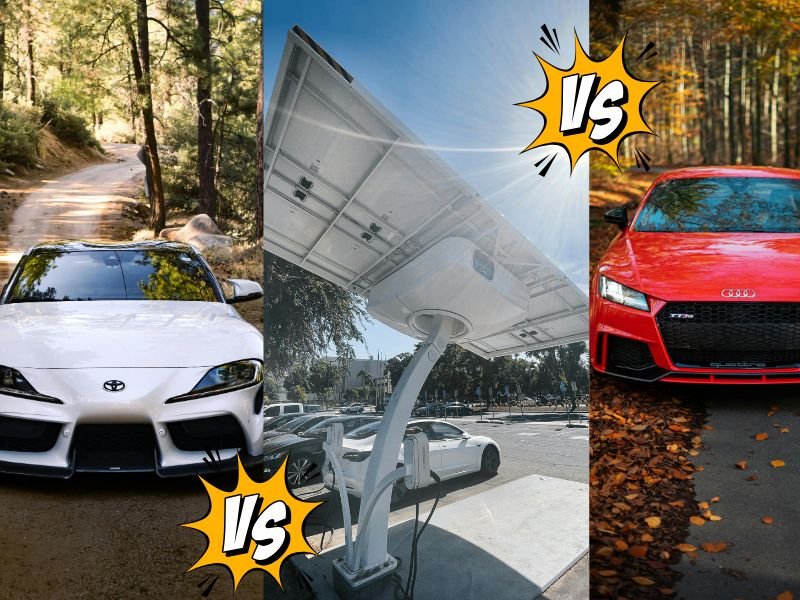
Comparing the Toyota Prius Plug-in Hybrid with other electrified cars in the USA helps buyers understand its place in the broader vehicle landscape. Instead of looking at this model in isolation, a thoughtful Prius Plug-in Hybrid review weighs how it stacks up against regular hybrids, traditional gas cars, and fully electric vehicles.
In this section, we explore how the Toyota Prius Plug-in Hybrid differs from related models in terms of driving experience, everyday use, cost, and technology. These comparisons help clarify which type of electrified vehicle suits different needs — whether someone wants maximum electric range, lowest possible running costs, or a balance between flexibility and efficiency.
Below, we’ll break down the key comparisons with three main categories of electrified cars to highlight where this plug-in model shines and where other options may be a better fit for specific buyers.
Toyota Prius Plug-in Hybrid vs Regular Prius
Comparing the Toyota Prius Plug-in Hybrid with the regular Prius helps clarify what buyers in the USA can expect from each. While both share similar names and hybrid roots, their purposes and daily use are quite different — and a clear Prius Plug-in Hybrid review should help readers understand that distinction.
A simple comparison table works well here to show the key differences without forcing details:
| Feature | Toyota Prius Plug-in Hybrid | Regular Prius |
|---|---|---|
|
Electric-Only Driving |
Yes — for short distances |
No |
|
Charging Needed |
Optional, recommended |
Not applicable |
|
Gasoline Efficiency |
Higher potential with charging |
Good, constant |
|
Purchase Price |
Generally higher |
Lower |
|
Daily Fuel Savings |
Better with regular charging |
Good, but limited |
|
Ideal for |
Short electric trips + hybrid backup |
Hybrid-only driving |
Toyota Prius Plug-in Hybrid gives owners the ability to use electric power regularly, making daily short trips quieter and cheaper in fuel. The gasoline engine remains available for longer drives, eliminating range concerns.
In contrast, the regular Prius does not offer electric-only mode. It relies on the hybrid system all the time, blending electric assist with the gasoline engine. While fuel efficiency is still strong, it cannot match the potential electric savings of the plug-in model.
Overall, the plug-in version suits buyers who plan to charge often and want maximum electric-assisted driving. The regular Prius is a solid choice for buyers who prefer simplicity and do not want to think about charging at all. Both have strong reliability and low running costs, but they serve slightly different lifestyles.
Toyota Prius Plug-in Hybrid vs Corolla Hybrid
Comparing the Toyota Prius Plug-in Hybrid with the Corolla Hybrid helps buyers in the USA understand how different hybrid strategies affect daily driving, fuel savings, and overall ownership experience. While both vehicles aim to reduce fuel use and emissions, they approach electrification in distinct ways — something clear in many honest Prius Plug-in Hybrid review discussions.
A simple comparison table is helpful here to show the main differences without overdoing details:
| Feature | Toyota Prius Plug-in Hybrid | Corolla Hybrid |
|---|---|---|
|
Electric-Only Driving |
Yes — for short distances |
No |
|
Charging Needed |
Optional, recommended |
Not applicable |
|
Battery Size |
Larger (for plug-in use) |
Smaller (regular hybrid) |
|
Potential Fuel Savings |
Higher with frequent charging |
Steady, efficient |
|
Purchase Price |
Generally higher |
Lower |
|
Best For |
Electric-focused daily trips + hybrid backup |
Traditional hybrid driving |
The Toyota Prius Plug-in Hybrid gives drivers in the USA the option to complete short city trips using electric power alone. This can significantly reduce gasoline use when charging regularly, especially for commuters and local errands.
The Corolla Hybrid, on the other hand, uses a smaller battery that charges through normal driving and regenerative braking. It does not require external charging and always operates as a hybrid. This simplicity appeals to buyers who want hybrid benefits without thinking about charging.
In everyday driving, both models deliver smooth and economical performance. However, the plug-in version offers an extra layer of electric driving that can lower fuel costs further if you charge frequently. The Corolla Hybrid remains a solid choice for those who prefer a traditional hybrid experience with fewer steps involved.
Overall, your choice between the Toyota Prius Plug-in Hybrid and the Corolla Hybrid depends on whether you want the ability to drive on electric power regularly or prefer a straightforward hybrid setup without external charging.
Toyota Prius Plug-in Hybrid vs Full Electric Vehicles
Comparing the Toyota Prius Plug-in Hybrid with full electric vehicles (EVs) helps buyers in the USA understand different approaches to electrified driving. While both options reduce fuel use and emissions, they do so in distinct ways — and each fits specific needs and lifestyles. Many real-world Prius Plug-in Hybrid review discussions highlight these differences so buyers can decide based on how they actually drive.
A clear comparison table makes these differences easy to understand without unnecessary detail:
| Feature | Toyota Prius Plug-in Hybrid | Full Electric Vehicles (EVs) |
|---|---|---|
|
Electric-Only Range |
Limited — best for short trips |
Longer — often 200+ miles |
|
Charging Needed |
Optional but beneficial |
Required for all driving |
|
Fuel Cost |
Lower with charging |
Usually lowest overall |
|
Range Flexibility |
Gas engine backup |
Depends solely on battery |
|
Long-Distance Travel |
Easy without planning |
Requires charging stops |
|
Maintenance |
Similar to hybrids |
Lower (no engine parts) |
The Toyota Prius Plug-in Hybrid offers a middle ground: it provides electric-only driving for short distances when the battery is charged, and it switches to hybrid mode for longer drives without worrying about charging stations. This setup works well for many US drivers who want some electric benefits without fully committing to EV-based travel planning.
Full electric vehicles, however, excel at electric range and running cost savings. They produce zero fuel emissions and often deliver the lowest cost per mile if charging access is easy and frequent. But they require planning for charging infrastructure, especially on long trips, which can be a concern in some areas of the USA.
In daily use, the Toyota Prius Plug-in Hybrid delivers flexibility and reliability without the anxiety of charging stops on long journeys. EVs offer strong electric driving and lower long-term energy costs, but they depend fully on charging availability. Depending on your driving habits, commuting distance, and access to chargers, one option may suit you better than the other.
Overall, the Toyota Prius Plug-in Hybrid sits between traditional hybrids and full EVs — giving a balanced choice for buyers who want electric benefits with gasoline backup for peace of mind.
Who Should Buy the Toyota Prius Plug-in Hybrid in the USA
Deciding whether the Toyota Prius Plug-in Hybrid is right for you means looking beyond features and specs to match the car with your real-world needs. This model fits a specific group of drivers who want a balance between electric driving benefits and gasoline flexibility. In an honest Prius Plug-in Hybrid review, understanding who benefits most helps buyers make confident decisions before stepping into a dealership.
In this section, we’ll highlight the types of drivers in the USA who are most likely to enjoy owning the Toyota Prius Plug-in Hybrid — based on daily driving patterns, access to charging, and lifestyle expectations. This helps you quickly see if this car fits your routine and priorities without guesswork.
Best for Short-Distance Daily Commuters
The Toyota Prius Plug-in Hybrid is especially suited for drivers in the USA who travel short distances every day. If your typical routine includes commuting to work, school runs, grocery trips, or other errands that remain within the electric-only range, this model lets you complete many of those drives using electric power alone. This reduces fuel use and weekly operating costs — something many owners highlight in a real-world Prius Plug-in Hybrid review.
Because you can charge the battery at home or at work, short-distance commuters often spend very little on gasoline. Even if you don’t charge every day, the hybrid system still improves fuel efficiency compared with many traditional gas cars. This flexibility makes the Toyota Prius Plug-in Hybrid an attractive choice for city and suburb commuters who want a cost-effective and eco-friendly daily driver.
Overall, if your daily drives are generally short and predictable, this plug-in hybrid gives you one of the most efficient commuting experiences available in its segment — combining quiet electric starts with smooth hybrid support when needed.
Best for Home Charging Users
The Toyota Prius Plug-in Hybrid is a great choice for drivers in the USA who have easy access to home charging. If you can plug in overnight or whenever the car is parked, you can take full advantage of the electric-only driving mode for daily errands and short trips. This habit helps lower fuel costs and reduce gasoline use — a benefit often noted in real-world Prius Plug-in Hybrid review discussions.
Home charging is simple and convenient. Most owners charge using a standard outlet or a dedicated home charger, which means you start each day with a fresh battery. Because the Toyota Prius Plug-in Hybrid does not require public chargers to function well, owners commonly find that most city or suburban driving is done with minimal gasoline use.
Even when a full electric range isn’t used every day, having the option to charge at home gives drivers flexibility. It allows electric miles to add up over time, which improves overall fuel efficiency and lowers running costs. For households that charge regularly at home, this plug-in hybrid offers a balanced mix of electric convenience and gasoline backup — without complicating daily routines.
Overall, if you have a reliable home charging setup, the Toyota Prius Plug-in Hybrid becomes an especially efficient and practical vehicle for everyday use, making it a smart choice for cost-aware and eco-minded drivers.
Best for Fuel and Emission-Conscious Buyers
The Toyota Prius Plug-in Hybrid is an excellent choice for drivers in the USA who care deeply about reducing fuel costs and lowering emissions in everyday use. Because this model allows electric-only driving for short trips, many weekly errands and commutes can be done without burning gasoline. This translates into less fuel consumption and reduced tailpipe emissions — benefits that often stand out in real-world Prius Plug-in Hybrid review discussions.
For buyers focused on sustainability, this plug-in hybrid bridges the gap between a regular hybrid and a full electric vehicle. It offers significant fuel savings when charged regularly, while still providing gasoline backup for longer trips without worrying about charging stations. In daily driving, this dual-mode setup helps lower overall carbon footprint compared with conventional gasoline cars and even many standard hybrids.
Overall, if your priority is to reduce environmental impact and stretch every gallon of fuel as far as possible, the Toyota Prius Plug-in Hybrid delivers a compelling balance of electric driving and hybrid flexibility that aligns well with conscious choices about fuel use and emissions.
Is Toyota Prius Plug-in Hybrid Worth Buying in the USA
Deciding whether the Toyota Prius Plug-in Hybrid is worth buying depends on your driving habits, lifestyle, and what you value most in a vehicle. This plug-in model offers a mix of electric-only driving, strong fuel efficiency, and flexible hybrid backup — features that appeal to many buyers in the USA. In an honest Prius Plug-in Hybrid review, it’s important to look beyond specs and understand how the car fits into everyday life.
In this section, we’ll look at who will benefit most, who might want to consider alternatives, and which trim or setup offers the best value for money. This helps you make a clear, realistic choice based on how you drive, where you live, and what matters most in your daily routine. The goal isn’t to sell the car — it’s to help you decide whether it makes sense for your situation.
Who Should Avoid Toyota Prius Plug-in Hybrid
The Toyota Prius Plug-in Hybrid is a smart car, but it is not a perfect fit for everyone in the USA. If your driving style or lifestyle does not match how this car is designed to be used, you may not feel fully satisfied in the long run.
If you mostly drive long highway distances every day and rarely do short city trips, the electric side of this car may not add much value for you. In that case, a regular hybrid could offer similar fuel savings at a lower upfront cost.
This car also makes the most sense when you can charge it regularly. Without access to home or workplace charging, you will miss out on one of its biggest advantages. While it still works as a hybrid, you may feel that you are paying extra for features you don’t really use — something often mentioned in honest Prius Plug-in Hybrid review discussions.
Drivers who want strong acceleration, sporty handling, or a premium interior feel may also feel underwhelmed. The Toyota Prius Plug-in Hybrid focuses on efficiency and calm driving, not excitement.
Simply put, if your priority is performance, maximum cargo space, or the lowest purchase price, this may not be the right choice. But if your driving habits match its strengths, it can be a very rewarding car.
Best Toyota Prius Plug-in Hybrid Trim to Buy
If you are planning to buy the Toyota Prius Plug-in Hybrid in the USA, choosing the right trim is more about value and usage, not about chasing the highest features list. The core strength of this car—electric driving, fuel efficiency, and reliability—stays the same across trims. What changes is comfort and convenience.
For most buyers, the base trim is the smartest choice. It already includes the full plug-in hybrid system, advanced safety features, and all essentials needed for daily driving. You get the main benefits that make this car worth buying, without paying extra for features that do not improve efficiency or ownership experience. In many real-world Prius Plug-in Hybrid review discussions, owners confirm that the base trim feels complete and well-equipped.
A mid-level trim makes sense if you spend long hours in the car or frequently drive on highways. The added comfort and tech features improve day-to-day driving quality, especially for families or high-mileage users. The extra cost is justified only if those comfort upgrades genuinely matter to you.
The top trim, while attractive, is not the best value for most buyers. It adds luxury and tech features but does not improve electric range, fuel economy, or long-term reliability. Unless premium features are a personal priority, this trim is usually unnecessary.
Professional buying advice:
If your goal is efficiency, lower running costs, and long-term satisfaction, choose the base or mid-level Toyota Prius Plug-in Hybrid trim. They deliver the best balance of price, performance, and real-world usability—exactly what this car is designed for.
Value for Money Analysis
When evaluating the Toyota Prius Plug-in Hybrid, value for money should not be judged only by the sticker price. In the USA, real value comes from how a car performs over years of ownership, how much it costs to run, and whether it fits everyday driving habits without compromise.
At first glance, the purchase price of the Toyota Prius Plug-in Hybrid is higher than a regular hybrid. However, that difference starts to make sense once daily usage is considered. For drivers who can charge regularly, a large portion of weekly driving can be done on electric power, which directly reduces fuel spending. Over time, these fuel savings help narrow the gap between upfront cost and real ownership expense — something consistently reflected in long-term Prius Plug-in Hybrid review feedback.
What strengthens its value proposition is predictability. This car does not rely on complex or untested technology. Maintenance costs remain controlled, brake wear is reduced due to regenerative braking, and the hybrid system is engineered for durability rather than performance stress. These factors combine to create a stable ownership experience, where costs are easier to plan and surprises are rare.
Compared with full electric vehicles, the Toyota Prius Plug-in Hybrid avoids dependency on charging infrastructure. Compared with regular hybrids, it offers deeper fuel savings for short and medium trips. This middle position is exactly where its value lies — not in being the cheapest option, but in being the most balanced one for real-world use in the USA.
Professional verdict:
The Toyota Prius Plug-in Hybrid delivers strong value for money when used as intended. For buyers who charge regularly and prioritize efficiency, reliability, and long-term cost control over performance or luxury, it represents a smart financial decision rather than an emotional purchase.
It is not the lowest-cost hybrid, but for the right buyer, it is one of the most sensible investments in the electrified car segment.
Toyota Prius Plug-in Hybrid FAQs
When people search about the Toyota Prius Plug-in Hybrid, they are usually not looking for technical jargon. Most buyers want clear, quick answers to real questions that affect daily ownership, costs, and reliability. This FAQ section is built around common search intent from US buyers who are close to making a decision.
Instead of repeating specifications, this part of the Prius Plug-in Hybrid review focuses on practical concerns—electric range, charging time, maintenance, reliability, and everyday usability. These questions come up repeatedly because they directly influence whether this car makes sense for someone’s lifestyle.
The answers below are written to be simple, honest, and experience-driven, helping readers quickly understand what owning a Toyota Prius Plug-in Hybrid is actually like in real-world use across the USA.
How far can Toyota Prius Plug-in Hybrid drive on electric power?
Most buyers in the USA ask this first because it determines how often they’ll use gasoline. The Toyota Prius Plug-in Hybrid can typically cover short daily drives on electric power alone — enough for many commutes, errands, and school runs. Unlike full EVs with long electric ranges, this model is optimized for practical everyday trips rather than long electric journeys. In many real-world Prius Plug-in Hybrid review reports, owners find that charging regularly covers 80-90% of their city driving without touching the gas engine.
How long does it take to charge a Toyota Prius Plug-in Hybrid?
Charging time matters when you’re thinking about daily use and convenience. Charging the Toyota Prius Plug-in Hybrid at home using a standard household outlet usually fills the battery overnight. If you have a dedicated home charging setup (like a Level 2 charger), the process can be faster — often just a few hours. For most US drivers, this means plugging in after parking at home and waking up with a ready battery, making electric driving simple and routine without needing frequent public charging stops.
Is the Toyota Prius Plug-in Hybrid reliable in the USA?
One of the biggest reasons buyers choose Toyota models is reliability, and the Prius line has a long track record in the USA. The Toyota Prius Plug-in Hybrid uses many of the same hybrid components that have proven dependable over years of use. In real-world Prius Plug-in Hybrid review conversations, owners consistently highlight predictable performance, low unexpected repairs, and a sense of confidence on daily drives and long trips alike. For practical US buyers, this reliability adds peace of mind to fuel savings and efficiency.
Is the Toyota Prius Plug-in Hybrid expensive to maintain?
Compared to many gasoline cars or premium electrified vehicles, the Toyota Prius Plug-in Hybrid is not expensive to maintain. Routine service — like oil changes, brake checks, and filter replacements — stays within typical hybrid cost expectations. In many real ownership stories and reviews, drivers note that regenerative braking helps reduce brake wear, and hybrid components don’t demand frequent repairs. Overall, this plug-in hybrid tends to have predictable and manageable maintenance costs that align with its reputation for longevity.
Can Toyota Prius Plug-in Hybrid run without charging?
Yes — one of the practical benefits of the Toyota Prius Plug-in Hybrid is that it works just like a regular hybrid even if you don’t charge it. If the battery is low or you don’t plug in for a few days, the gasoline engine takes over seamlessly and the car continues operating without interruption. This flexibility is often highlighted in honest Prius Plug-in Hybrid review feedback, because it means you never have to plan every trip around charging stations. You get the best of both worlds: electric driving when you plug in, and reliable hybrid performance when you don’t.
Final Buying Verdict for Toyota Prius Plug-in Hybrid (USA)

After evaluating the Toyota Prius Plug-in Hybrid from every practical angle — driving experience, ownership cost, efficiency, and long-term usability — one thing becomes clear: this car is built for smart, intentional buyers, not impulse shoppers.
It does not try to impress with extreme performance or luxury features. Instead, it focuses on something far more important for most US drivers — real savings, reliability, and ease of daily use. This final verdict is not based on specs alone, but on how the car fits into everyday American driving life.
Should You Buy Toyota Prius Plug-in Hybrid in 2025?
Yes — if you plan to use it the way it’s designed to be used.
In 2025, the Toyota Prius Plug-in Hybrid still makes strong sense for buyers who want electric driving benefits without committing fully to a battery-only lifestyle. If you can charge regularly and your daily driving is mostly short to medium distance, this car quietly delivers what many others promise but fail to sustain over time — consistent efficiency and low stress ownership.
This is not a future-focused experiment. It is a mature, well-engineered solution for drivers who want lower fuel costs today, not theoretical savings years later. In real ownership scenarios, the plug-in system proves its value gradually — through fewer fuel stops, predictable maintenance, and a calm driving experience that doesn’t wear you out.
However, if you rarely charge, expect sporty performance, or want long electric range similar to full EVs, this car will not feel rewarding. It is not designed for those expectations.
Final Recommendation for US Buyers
For US buyers who value logic over hype, the Toyota Prius Plug-in Hybrid stands out as a carefully thought-out purchase rather than an emotional one. This car rewards disciplined driving habits, regular charging, and long-term ownership planning. It is built for people who want to reduce fuel costs consistently, not chase performance numbers or luxury trends.
From a professional standpoint, this model makes the most sense for commuters, small families, and environmentally conscious drivers who spend most of their time in city or suburban driving and can charge at home. In these conditions, the plug-in system delivers real benefits that show up month after month, not just on paper. Many long-term ownership insights shared in a Prius Plug-in Hybrid review point to satisfaction coming from reliability, calm driving behavior, and predictable expenses rather than excitement.
This is not the right choice for buyers looking for sporty performance, premium interiors, or full electric range. But for those who want a dependable, efficient, and financially sensible vehicle, it remains one of the most balanced options in the US electrified car market.
Professional conclusion:
If your priority is smart efficiency, low ownership stress, and proven technology that fits naturally into daily American driving life, the Toyota Prius Plug-in Hybrid is a confident and rational choice. It is not designed to impress at first glance — it is designed to make sense every single day you own it.