Owning a hydrogen fuel cell vehicle comes with different questions than buying a traditional gasoline or electric car. The Toyota Mirai is built around advanced technology, but long-term ownership depends on more than innovation alone. Maintenance cost, reliability, real-world usability, and how it compares to other clean vehicle options all play a major role in the final decision.
This guide focuses on the practical side of owning the Toyota Mirai in the USA. Instead of marketing promises, it looks at what owners actually experience over time and how the car performs in real-world driving conditions across the USA. From routine maintenance and service costs to long-term reliability and ownership expectations, the goal is to help buyers understand what living with a hydrogen-powered sedan really involves.
In addition to ownership and maintenance, this blog also provides clear comparison and decision support. It explains how the Mirai compares with electric vehicles, hybrids, and other hydrogen cars in terms of convenience, flexibility, and everyday use. These comparisons help buyers decide whether the Mirai fits their driving habits, location, and long-term plans.
If you are evaluating the Toyota Mirai beyond first impressions and want honest insight into cost, reliability, ownership experience, and overall value, this guide is designed to support a confident and informed decision.
Toyota Mirai Maintenance Cost & Ownership Guide

Maintenance and ownership costs are important factors for anyone considering the Toyota Mirai, especially because it uses hydrogen fuel cell technology instead of a traditional engine. While the technology may sound complex, day-to-day ownership is often simpler than many buyers expect. Routine care focuses more on general vehicle maintenance rather than frequent mechanical repairs.
In this part of the Toyota Mirai Review, the goal is to explain what ownership really looks like over time. From regular servicing and long-term costs to practical ownership tips, understanding these aspects helps buyers set realistic expectations. Many people are surprised to learn that fuel cell vehicles can have fewer routine service needs compared to gasoline cars.
Ownership experience also depends on location and driving habits. Access to hydrogen refueling stations, driving frequency, and how long the vehicle is kept all influence total cost. This section introduces what owners typically deal with in terms of maintenance and long-term care, before diving deeper into service schedules, costs, and ownership considerations in the USA.
Routine Maintenance Schedule
The routine maintenance schedule for the Toyota Mirai is generally straightforward and familiar to most car owners. Because it does not use a traditional gasoline engine, there are fewer components that require frequent servicing. This often makes regular upkeep simpler compared to conventional vehicles.
Typical routine maintenance includes checks on tires, brakes, suspension, and fluid levels. Brake wear can be lower over time due to regenerative braking, which helps reduce stress on brake components during normal driving. Regular inspections are still important to ensure everything remains in good working condition, especially for drivers who commute daily.
In many Toyota Mirai Review experiences, owners mention that scheduled service visits feel similar to other modern Toyota models. As long as the recommended service intervals are followed, routine maintenance remains predictable and manageable. For drivers in the USA looking for a clean technology vehicle without complicated upkeep, the Mirai’s maintenance schedule fits well into normal ownership habits.
Fuel Cell System Maintenance Considerations
Fuel cell system maintenance in the Toyota Mirai is designed to be low-stress for everyday owners. Unlike traditional engines, the fuel cell setup has fewer moving parts, which reduces wear over time. Most drivers do not need to perform any special actions beyond following the standard service recommendations provided by Toyota.
The system is sealed and monitored by onboard sensors that check performance and safety continuously. If anything operates outside normal limits, the car alerts the driver early. This means owners are rarely dealing with unexpected issues related to the fuel cell itself. In routine ownership, inspections are usually handled during scheduled service visits rather than frequent repairs.
In many Toyota Mirai Review discussions, owners note that fuel cell maintenance feels largely “hands-off.” As long as regular checkups are done at authorized service centers, the system remains reliable and efficient. For U.S. buyers who are concerned about the complexity of hydrogen technology, real-world experience shows that fuel cell maintenance is simpler than it might initially sound.
Average Service Costs in the USA
When considering long-term ownership of the Toyota Mirai, knowing the typical service costs in the USA helps set realistic expectations. Because the Mirai uses hydrogen fuel cell technology instead of a traditional engine, many service items differ slightly from what you’d see in a gasoline car. However, routine costs still fall into familiar categories like inspections, fluids, tires, and brakes.
Service costs can vary by location and dealer, but most owners find that regular maintenance for the Mirai is comparable to other modern sedans rather than significantly more expensive. Dealer service centers usually follow Toyota’s recommended maintenance schedule, which means predictable costs at set intervals rather than frequent unexpected repairs.
Here’s a general range of service costs you might expect for a Toyota Mirai in the USA:
| Service Item | Typical Cost (USD) |
|---|---|
|
Routine Inspection & Oil-Free System Check |
$100–$200 |
|
Tire Rotation & Brake Inspection |
$50–$120 |
|
Brake Pad Replacement |
$200–$350 per axle |
|
Cabin & Fuel Cell Air Filter |
$80–$150 |
|
Scheduled Major Inspection (Annual) |
$250–$400 |
|
Coolant System Check |
$60–$120 |
These ranges are approximations and can vary based on dealer pricing, warranty coverage, and regional labor rates. Because the fuel cell system has fewer moving parts than a gasoline engine, some owners report that major repair costs are less frequent, which helps keep overall ownership expenses more stable over time.
In many Toyota Mirai Review experiences, owners comment that regular maintenance feels straightforward and not radically different from other Toyota vehicles they have owned. For buyers in the USA who value predictable costs and strong reliability, this pattern can make the Mirai an appealing option over the long haul.
Long-Term Ownership Tips
Long-term ownership of the Toyota Mirai becomes much easier with a few practical habits in place. One of the most important tips is to plan your refueling routine around available hydrogen stations. Knowing where you regularly refuel helps reduce stress and keeps daily driving predictable, especially for commuters who follow consistent routes.
Regular service visits are also key to long-term reliability. Following the recommended maintenance schedule helps ensure that the fuel cell system, cooling components, and safety checks remain in good condition. Even though the Mirai does not require traditional engine maintenance, routine inspections still play a big role in keeping ownership smooth over the years.
In many Toyota Mirai Review experiences, owners suggest staying informed about software updates and service campaigns. These updates can improve system performance and long-term efficiency. For drivers in the USA who commit to basic planning and regular care, the Toyota Mirai can remain reliable, comfortable, and enjoyable well beyond the initial ownership period.
Toyota Mirai Safety & Reliability

Safety and reliability are major concerns for buyers considering advanced technology vehicles, and the Toyota Mirai is built with those priorities in mind. Toyota has focused on making the car feel secure, predictable, and dependable in everyday driving, even though the technology behind it is different from traditional gas or hybrid models. For drivers in the USA, confidence behind the wheel matters just as much as innovation.
In this part of the Toyota Mirai Review, the emphasis is on real-world safety and long-term dependability rather than just feature lists. From active driver-assistance systems to the way the vehicle is engineered and tested, the Mirai aims to meet the same safety expectations buyers have from other Toyota models. Reliability is also closely tied to ownership peace of mind, especially for a fuel cell vehicle.
Understanding how the Mirai handles safety features, crash protection, and long-term use helps buyers decide whether it fits their needs. This section sets the foundation before looking deeper into safety technology, reliability feedback, and any special considerations related to hydrogen fuel cell vehicles.
Safety Features and Crash Ratings
The Toyota Mirai is equipped with a comprehensive suite of safety features that aim to protect both the driver and passengers. Toyota’s approach combines active and passive systems to help prevent accidents and reduce the severity of impacts when they happen. For many buyers in the USA, these safety technologies are an important part of the overall ownership experience.
Standard safety equipment includes features such as automatic emergency braking, lane departure alert, adaptive cruise control, and blind spot monitoring. These systems work quietly in the background to assist the driver without distraction. For example, automatic emergency braking can help slow or stop the vehicle if it detects a possible collision ahead, and adaptive cruise control helps maintain a safe distance from traffic on highways.
In terms of crash ratings, the Mirai has been tested by reputable safety organizations that evaluate how well a vehicle protects occupants in different types of collisions. These independent crash assessments help buyers understand real-world protection levels beyond just technology features. High safety ratings provide additional confidence for families and daily drivers who prioritize security on city streets and highways alike.
In many Toyota Mirai Review experiences, owners comment that the safety systems add peace of mind without feeling intrusive. Instead of overwhelming the driver, the features blend into normal driving and provide subtle support whenever needed. For people considering the Mirai, strong safety design and solid crash protection are part of what makes this car feel dependable and practical for a wide range of everyday uses in the USA.
Toyota Safety Sense and Driver Assistance Tech
Toyota Safety Sense plays a key role in how the Mirai supports the driver during everyday use. This suite of driver-assistance technologies is designed to reduce stress behind the wheel and help prevent common accidents. Rather than taking control away from the driver, the system works quietly in the background and steps in only when needed.
Features within Toyota Safety Sense focus on awareness and support. Systems like lane guidance, forward collision alerts, and adaptive cruise control help the driver stay centered, maintain safe distances, and respond more quickly to sudden changes in traffic. On highways, these tools make long drives feel more relaxed, while in city traffic they add an extra layer of confidence.
In real-world use, many Toyota Mirai Review experiences mention that these driver-assistance features feel smooth and well-calibrated. Alerts are clear without being annoying, and assistance feels natural rather than intrusive. For drivers in the USA who want modern safety tech that supports daily driving without complexity, Toyota Safety Sense adds meaningful value to the overall ownership experience.
Reliability Reports and Owner Feedback
When evaluating a car like the Toyota Mirai, real-world reliability matters just as much as the technology that powers it. Unlike mainstream gasoline vehicles, hydrogen fuel cell cars are still emerging in the U.S., so many potential buyers look closely at long-term reliability reports and owner feedback before deciding.
Across multiple independent sources and owner experiences, the Toyota Mirai generally earns positive marks for its dependability. Owners often point out that the car’s fuel cell system and electric drive components show solid durability in everyday driving. Because the Mirai has fewer moving parts than a traditional internal combustion engine, it doesn’t experience some of the same wear-related issues that affect older gas cars. This simpler mechanical layout is one reason why many drivers report confidence in daily use.
In conversation and surveys found in various Toyota Mirai Review discussions, many users say that their ownership experience has been smooth overall. Routine maintenance tends to focus on general checks like brake wear, fluid levels, and tire condition, rather than frequent repairs tied to the fuel cell system. While hydrogen infrastructure is less widespread, owners who have regular access to refueling stations rarely mention disappointment with reliability. Instead, they highlight consistent performance and a sense that the car functions well year-to-year.
It’s important to remember that large-scale long-term data for hydrogen vehicles is still developing compared to conventional cars. However, the available reliability reports and owner feedback so far suggest that the Toyota Mirai performs in line with Toyota’s reputation for solid build quality and dependable operation. For buyers in the USA who prioritize a clean driving experience without sacrificing reliability, this pattern of feedback helps provide peace of mind.
Special Safety Considerations for Fuel Cell Vehicles
Fuel cell vehicles like the Toyota Mirai are designed with safety as a core priority, especially because they use hydrogen as a fuel source. Hydrogen storage and delivery systems are built to meet strict safety standards, with multiple layers of protection in place. The tanks are reinforced and tested to withstand extreme conditions, including high pressure and impact scenarios, which helps ensure safe operation in everyday driving.
Another important consideration is how the system handles leaks or abnormal conditions. Sensors continuously monitor the hydrogen system and can automatically shut it down if anything unusual is detected. This reduces risk and adds an extra layer of reassurance for drivers and passengers. From a user perspective, these safety systems work quietly in the background without affecting the driving experience.
In many Toyota Mirai Review discussions, owners mention that day-to-day use feels no different from driving a conventional car in terms of safety confidence. While hydrogen technology may sound unfamiliar at first, the real-world design and testing behind fuel cell vehicles make them suitable for normal use on U.S. roads. For buyers who are cautious about new technology, these built-in safety considerations help make fuel cell ownership feel secure and well thought out.
Toyota Mirai vs Competitors in the USA
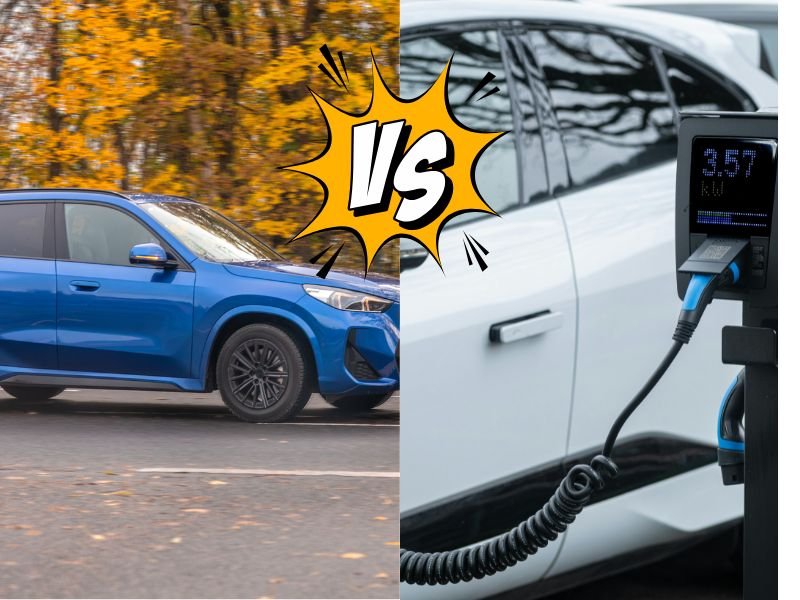
When comparing the Toyota Mirai with its competitors in the USA, the differences go beyond brand names and price tags. The Mirai competes in a space that overlaps with electric vehicles, hybrids, and other clean-energy cars, but its ownership experience is shaped by a different kind of technology. This makes comparisons more about lifestyle fit than simple performance numbers.
In this part of the Toyota Mirai Review, the focus is on how the Mirai stacks up against alternatives in real-world use. Factors like refueling habits, daily convenience, long-distance travel, and overall ownership experience play a major role. While electric and hybrid vehicles dominate the clean-car market, the Mirai offers a distinct approach that appeals to a specific type of buyer.
Understanding these differences helps buyers decide which technology aligns best with their needs. This section sets the foundation before breaking down detailed comparisons with battery electric vehicles, hybrids, and other hydrogen-powered options available in the USA.
Mirai vs Battery Electric Vehicles (BEVs)
To make the differences clearer, here’s a simple comparison table based on real-world ownership factors rather than specs alone:
| Aspect | Mirai (Hydrogen Fuel Cell) | Battery Electric Vehicles (BEVs) |
|---|---|---|
|
Refueling / Charging Time |
3–5 minutes |
30 minutes to several hours |
|
30 minutes to several hours |
Daily Driving Feel |
Quiet, smooth, electric-like |
|
Long Trip Planning |
Depends on hydrogen stations |
Depends on charger availability |
|
Home Energy Use |
No home charging needed |
Often requires home charging |
|
Infrastructure Availability (USA) |
Limited to select regions |
Widely available |
|
Ownership Routine |
Similar to gas refueling habits |
Requires charging planning |
In many Toyota Mirai Review comparisons, drivers point out that both options deliver a smooth electric driving experience. The main difference comes down to time and routine—fast refueling versus longer charging. For U.S. buyers, the better choice depends largely on local infrastructure and personal driving patterns rather than performance alone.
Mirai vs Hybrid Vehicles
When comparing the Mirai with hybrid vehicles, the key difference lies in how each system produces and uses energy. Hybrids combine a gasoline engine with an electric motor, switching between the two depending on driving conditions. The Mirai, on the other hand, generates electricity onboard using hydrogen, which means it operates without gasoline at all.
In everyday driving, both options feel efficient and easy to manage. Hybrids benefit from widespread fuel availability and are simple to own anywhere in the USA. The Mirai offers a quieter and more consistent electric-style drive, but ownership depends more on access to hydrogen refueling stations. This makes hybrids more flexible for nationwide travel, while the Mirai suits drivers in specific regions.
To clarify the real-world differences, here’s a simple comparison:
| Aspect | Mirai (Fuel Cell) | Hybrid Vehicles |
|---|---|---|
|
Fuel Type |
Hydrogen |
Gasoline + electricity |
|
Refueling Method |
Hydrogen station |
Gas station |
|
Driving Feel |
Fully electric-like |
Mixed engine and electric |
|
Emissions |
Zero tailpipe emissions |
Low but not zero |
|
Infrastructure (USA) |
Limited regions |
Nationwide |
|
Ownership Flexibility |
Location-dependent |
Very flexible |
In many Toyota Mirai Review comparisons, drivers note that hybrids are easier for most people to adopt, while the Mirai appeals to those who want a cleaner solution without gasoline. The choice often comes down to infrastructure access and how committed a buyer is to adopting newer clean-energy technology.
Mirai vs Other Hydrogen Fuel Cell Cars
When comparing the Toyota Mirai with other hydrogen fuel cell vehicles, the differences are subtle yet important for buyers in the USA. While the core technology—using hydrogen to generate electricity—is shared, design choices, real-world usability, and support infrastructure vary between models. Understanding these variations helps you see where the Mirai stands among its few peers.
One of the main competitors has been the Hyundai Nexo, another hydrogen-powered SUV available in select U.S. markets. Like the Mirai, it delivers quiet, smooth performance and fast refueling in minutes. However, differences appear in body style, interior layout, and feature sets. The Mirai leans toward sedan comfort and refined ride quality, while the Nexo’s SUV shape offers a bit more cargo space and a higher driving position that some drivers prefer.
Another comparison is often with limited-run fuel cell vehicles used in demonstration fleets or regional programs. These vehicles, while technologically similar, may lack broad dealer support or nationwide service networks. The Toyota Mirai benefits from Toyota’s established presence and service ecosystem, making ownership more predictable in areas where hydrogen stations exist.
Here’s a quick table to highlight how the Mirai compares with other hydrogen fuel cell cars in practical terms:
| Aspect | Toyota Mirai | Hyundai Nexo | Other Fuel Cell Models |
|---|---|---|---|
|
Body Style |
Sedan |
SUV |
Varies (often fleet) |
|
Refueling Time |
~3–5 minutes |
~3–5 minutes |
~3–5 minutes |
|
Driving Feel |
Smooth, refined |
Smooth, higher seating |
Depends on model |
|
Dealer Network |
Strong (Toyota) |
Moderate (Hyundai) |
Limited |
|
U.S. Availability |
Select regions |
Select regions |
Very limited |
In many Toyota Mirai Review comparisons, owners note that while hydrogen fuel cell cars share similar refueling convenience, the Mirai’s combination of comfort, brand support, and everyday usability makes it a sensible choice for buyers in regions with infrastructure. Other hydrogen models may offer different advantages, but their availability and support often lag behind.