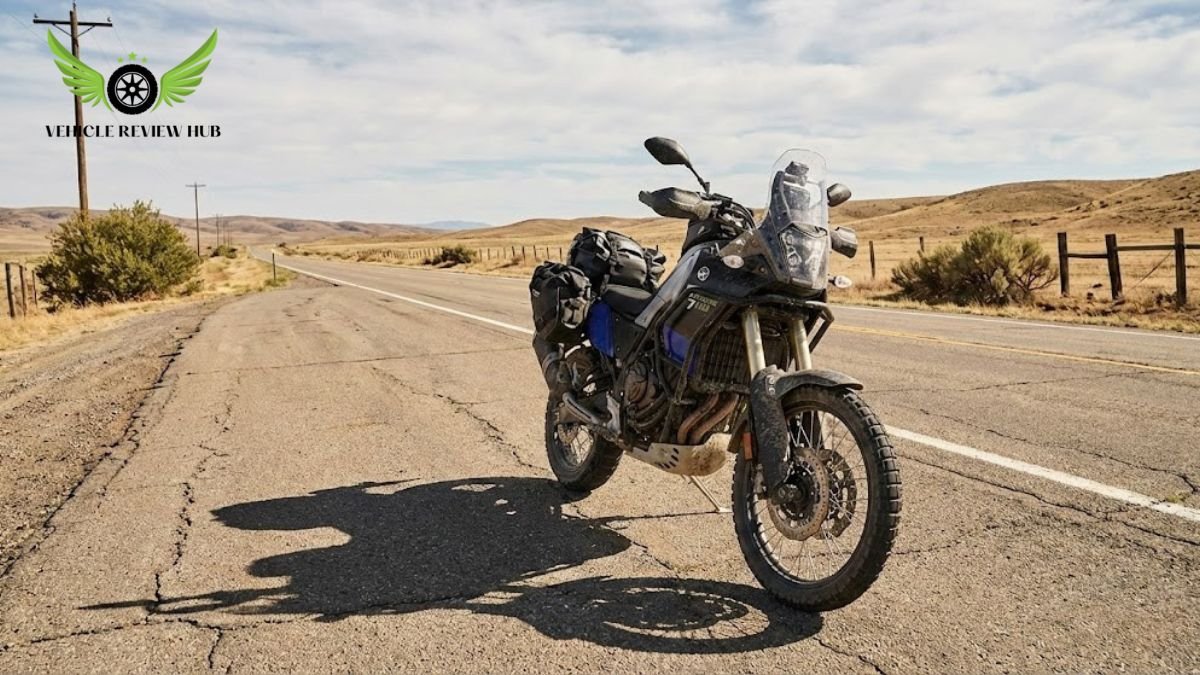
For riders in the USA who are considering long-term ownership, the Yamaha Ténéré 700 often raises three key questions: maintenance cost, reliability, and how easy it is to live with day to day. From my observation, this bike feels more practical in real life than it might look on paper. It’s built for adventure, but it doesn’t demand the kind of complicated or expensive upkeep that turns ownership into a hassle.
Based on owner feedback and real-world use, the Yamaha Ténéré 700 keeps maintenance fairly predictable when regular service is done on time. Many riders mention that costs stay reasonable over the years, and reliability remains one of its strongest points. In my opinion, this is the kind of motorcycle that suits riders who actually ride often, not just on weekends, and don’t want frequent workshop visits for small issues.
In this ownership guide, we’ll take a clear look at what it really costs to maintain the Yamaha Ténéré 700 in the USA, how reliable it is over long-term use, and what ownership feels like in everyday conditions. At the end of the day, the goal is simple: to help you understand whether this bike fits your riding style, expectations, and budget before making a long-term commitment.
Yamaha Ténéré 700 Maintenance Overview

When it comes to maintenance, the Yamaha Ténéré 700 is generally known for its straightforward and rider-friendly upkeep. From what I’ve seen, Yamaha designed this bike with long-distance and mixed-use riding in mind, which shows in how simple the basic service requirements are. You don’t need to deal with overly complex electronics or hard-to-access components, and that alone makes regular maintenance less stressful for most owners in the USA.
This section provides a clear overview of routine maintenance for the Yamaha Ténéré 700, including the frequency of service required and the areas that owners typically focus on to keep the bike running smoothly. Based on long-term owner experiences, staying on top of regular checks plays a big role in keeping costs controlled and avoiding unexpected issues down the road.
Routine Service Requirements
Routine service on the Yamaha Ténéré 700 is one of the reasons many riders in the USA find it easy to own long-term. From my experience and observation, this bike doesn’t ask for anything unusual or overly technical. Most of the regular work is basic, familiar stuff that any experienced rider or local shop can handle without trouble.
Based on owner feedback, oil and filter changes are the most consistent routine task and usually stay simple as long as service intervals are followed. Chain cleaning and adjustment also come up often, especially for riders who mix highway miles with dirt or gravel roads. From what I’ve seen, riders who keep an eye on chain condition early tend to avoid bigger expenses later.
After analyzing multiple long-term reviews, valve checks and brake inspections are rarely a source of stress for owners. These services are spaced far enough apart that they don’t feel overwhelming, and parts are easy to find in the USA. Many owners report that sticking to these basic checks keeps the Yamaha Ténéré 700 running smooth without unexpected downtime.
If you ask me, the biggest advantage here is how predictable everything feels. There’s no constant worry about surprise maintenance or fragile components. At the end of the day, routine service on the Yamaha Ténéré 700 rewards riders who follow simple habits, making ownership feel practical rather than demanding.
Service Intervals Explained
Service intervals on the Yamaha Ténéré 700 are fairly easy to understand, which makes planning ownership much simpler for riders in the USA. From my observation, Yamaha has spaced out the major services in a way that suits both daily riding and long adventure trips. You’re not forced into frequent workshop visits, but you’re also not left guessing when something important needs attention.
Based on owner experiences, regular oil and filter changes usually come first on the schedule, especially for riders who cover a lot of miles. Many riders I’ve seen prefer to handle these a bit earlier than the minimum recommendation, mainly for peace of mind. After analyzing long-term feedback, this habit often helps keep the engine feeling smooth and consistent over time.
More detailed checks, such as valve inspections and deeper mechanical reviews, are set at longer intervals. This is where the Yamaha Ténéré 700 stands out for reliability. These services don’t come up often, and when they do, most owners report no major surprises. Parts availability in the USA also makes it easier to stick to the schedule without long delays.
If you ask me, the biggest benefit of these service intervals is predictability. You can plan your riding season without worrying about sudden maintenance gaps. At the end of the day, following the recommended intervals keeps ownership stress low and helps the Yamaha Ténéré 700 stay dependable for years.
Yamaha Ténéré 700 Ownership Costs

Ownership costs are a big part of the decision-making process for anyone looking at the Yamaha Ténéré 700 in the USA. From my observation, this bike sits in a comfortable middle ground—it’s not the cheapest option in the adventure segment, but it also doesn’t come with the heavy running costs that many riders worry about. For most owners, expenses feel steady and easy to plan rather than unpredictable.
In this section, we’ll look at what ownership really costs beyond the purchase price. That includes regular maintenance, parts availability, and the everyday expenses that come with riding and maintaining the Yamaha Ténéré 700 over time. Based on long-term owner feedback, these costs tend to stay consistent, which helps riders budget without constant surprises.
If you ask me, the real value here comes from balance. You get a capable adventure bike that doesn’t demand premium-level spending to keep it in good shape. At the end of the day, understanding these ownership costs makes it easier to decide whether the Yamaha Ténéré 700 fits your lifestyle and long-term riding plans.
Average Annual Maintenance Cost
When owners talk about yearly expenses, the Yamaha Ténéré 700 is often seen as a bike with stable and easy-to-manage maintenance costs in the USA. From my observation, most riders don’t feel pressured by sudden or confusing expenses as long as regular service is done on time. This predictability is one of the reasons many people feel comfortable keeping this bike for years.
Based on owner feedback and long-term usage, most annual costs come from routine service items rather than major repairs. Riders who handle small tasks themselves usually spend less, while dealership-serviced bikes still stay within a reasonable range. After analyzing multiple ownership experiences, serious mechanical issues are rare when the maintenance schedule is followed properly.
To make this clearer, here’s a simple breakdown of where the yearly maintenance cost usually goes:
Maintenance Item | Typical Frequency (Per Year) | Cost Impact (General) |
Engine oil & filter change | 1–2 times | Low to moderate |
Chain cleaning & adjustment | Multiple checks | Low |
Brake inspection & service | 1 time | Low |
Air filter check/replacement | As needed | Low |
General inspection | 1 time | Low |
If you ask me, this table reflects why the Yamaha Ténéré 700 feels practical to own. The costs are spread out, easy to anticipate, and rarely stressful. At the end of the day, average annual maintenance stays controlled, making this bike a solid option for riders who value long-term reliability without heavy upkeep.
Parts Availability and Pricing in the USA
Parts availability is one of the areas where the Yamaha Ténéré 700 makes ownership in the USA feel comfortable and predictable. From my experience, finding regular service parts is rarely a challenge, even outside major cities. Yamaha’s dealer network and the strong aftermarket support help keep downtime low and maintenance planning simple.
Based on owner feedback, most commonly replaced parts are easy to find and don’t come with unexpected pricing. Riders often mention that both genuine Yamaha parts and aftermarket options are widely available, giving flexibility based on budget and riding style. After analyzing long-term ownership experiences, parts pricing tends to stay stable rather than fluctuating season to season.
Here’s a simple overview of common parts availability and general pricing impact in the USA:
Part Type | Availability in the USA | Pricing Level (General) |
Oil & oil filters | Very easy | Low |
Brake pads & discs | Easy | Low to moderate |
Chain & sprocket kits | Easy | Moderate |
Air filters | Very easy | Low |
OEM replacement parts | Easy via dealers | Moderate |
Aftermarket accessories | Widely available | Varies by brand |
If you ask me, this level of access is a big reason why the Yamaha Ténéré 700 feels practical for long-term ownership. You’re not forced to wait weeks for basic components or pay premium prices just to keep the bike running. At the end of the day, strong parts availability and fair pricing make ownership smoother and less frustrating for riders across the USA.
Reliability and Long-Term Ownership
Reliability is one of the main reasons riders in the USA seriously consider the Yamaha Ténéré 700 for long-term ownership. From my observation, this bike is built with real-world use in mind, not just short test rides or showroom appeal. It’s designed to handle daily miles, long trips, and mixed riding conditions without constantly demanding attention.
In this section, we’ll focus on how the Yamaha Ténéré 700 holds up over time, what owners commonly praise about its durability, and where expectations should stay realistic. Based on long-term owner feedback, reliability tends to remain consistent as long as regular maintenance is followed. This makes the bike easier to trust for riders who plan to keep it for several years rather than switching models frequently.
If you ask me, long-term ownership comes down to confidence. Knowing that the bike will start, run, and perform without frequent surprises makes a big difference. At the end of the day, understanding reliability helps you decide whether the Yamaha Ténéré 700 truly fits your long-term riding plans and ownership goals.
Known Reliability Strengths
One of the biggest strengths of the Yamaha Ténéré 700 is how consistently reliable it feels over long-term use. From my observation, owners often highlight that the bike doesn’t rely on complicated systems that can create problems later. The overall design feels purpose-built, which helps reduce long-term wear and unexpected issues.
Based on user feedback across the USA, the engine is frequently mentioned as a strong point. Riders report smooth performance even after high mileage, with very few complaints about major internal problems. After analyzing long-term reviews, electrical reliability also stands out, especially for riders who use the bike in varying weather and terrain. These factors combine to create a bike that feels dependable rather than delicate.
If you ask me, the real advantage here is peace of mind. You’re riding a machine that’s known for durability, not one that constantly needs attention. At the end of the day, these reliability strengths are why many riders feel confident keeping the Yamaha Ténéré 700 for the long haul instead of worrying about early replacement or costly repairs.
Common Issues Reported by Owners
No motorcycle is completely free of drawbacks, and the Yamaha Ténéré 700 is no exception. From my observation, most owners don’t report serious reliability failures, but a few common concerns do come up over time. The key thing is that these issues are usually manageable rather than deal-breaking.
Based on owner feedback in the USA, some riders mention early wear on consumable parts like chains and brake pads, especially if the bike is used heavily off-road. After analyzing multiple long-term reviews, suspension setup is another area that comes up often. While it works well for average riders, heavier or more aggressive riders sometimes feel the need for adjustment or upgrades to get the best comfort and control.
If you ask me, these issues are more about fine-tuning than true reliability problems. Most owners don’t see them as reasons to avoid the bike, but rather as part of personalizing it to their riding style. At the end of the day, knowing these common concerns helps set realistic expectations and makes long-term ownership of the Yamaha Ténéré 700 feel more informed and stress-free.
Insurance, Registration and Running Costs

Insurance, registration, and everyday running costs are often overlooked, but they play a big role in the real ownership experience of the Yamaha Ténéré 700 in the USA. From my observation, these expenses are generally reasonable for an adventure bike and don’t feel out of line with what most riders expect in this category.
In this section, we’ll look at how insurance rates typically compare, what registration and legal costs owners usually deal with, and the ongoing expenses that come with regular riding. Based on owner feedback, these costs tend to stay predictable, which helps riders budget more confidently over time. Nothing here usually comes as a shock, especially for riders who have owned similar mid-size adventure motorcycles before.
If you ask me, understanding these running costs is just as important as knowing the purchase price. At the end of the day, having a clear picture of insurance, registration, and daily expenses makes it easier to decide whether the Yamaha Ténéré 700 fits comfortably into your long-term ownership plan.
Insurance Cost in the USA
Insurance cost for the Yamaha Ténéré 700 in the USA is usually considered moderate and manageable for most riders. From my experience, insurers don’t treat this bike as high risk, mainly because it’s built more for adventure and touring than aggressive riding. Riders with a clean record often find the premiums easier to live with than expected.
Based on owner feedback, insurance pricing varies more due to personal factors than the motorcycle itself. Location, age, coverage type, and riding history all play a role. After analyzing multiple ownership discussions, the Yamaha Ténéré 700 consistently sits in a mid-range insurance category within the adventure segment.
Here’s a simple overview of what typically affects insurance cost in the USA:
Factor | Impact on Insurance Cost |
Rider age & experience | Moderate to high impact |
Riding history | High impact |
State & city location | Moderate impact |
Coverage type (liability / full) | High impact |
Motorcycle category | Moderate impact |
If you ask me, this breakdown explains why many owners find insurance for the Yamaha Ténéré 700 fairly reasonable. It’s not the cheapest bike to insure, but it’s far from expensive. At the end of the day, understanding these factors helps riders budget more accurately and avoid surprises.
Registration and Legal Costs
Registration and legal costs for the Yamaha Ténéré 700 in the USA are usually straightforward and don’t create much pressure for most owners. From my observation, these expenses are very similar to what riders pay for other mid-size adventure motorcycles, with no special fees or unexpected requirements tied specifically to this model.
Based on owner feedback, registration costs mainly depend on the state where the bike is registered. Some states charge a flat annual fee, while others calculate costs based on factors like vehicle value or local taxes. After analyzing common ownership experiences, most riders find these charges easy to predict and simple to renew each year without complications.
To give a clearer picture, here’s a basic breakdown of typical registration and legal cost factors in the USA:
Cost Item | Frequency | Cost Impact (General) |
State registration fee | Yearly or bi-yearly | Low to moderate |
Title & documentation | One-time | Low |
License plate fee | One-time or yearly | Low |
Local or state taxes | One-time or annual | Varies by state |
Emissions or safety checks | As required | Low |
If you ask me, these legal costs rarely influence the decision to own the Yamaha Ténéré 700. They’re predictable, manageable, and part of normal motorcycle ownership. At the end of the day, understanding these basics helps owners plan and avoid unnecessary stress.
Is the Yamaha Ténéré 700 Expensive to Own?

When considering the Yamaha Ténéré 700 for long-term ownership in the USA, one of the most common questions is whether it ends up being expensive to own overall. From my observation, this bike tends to land in the reasonable range when you look at the full picture — not the cheapest, but far from overly costly compared to similar adventure motorcycles. What matters most is breaking down the real expenses over time rather than focusing only on the upfront price.
In this section, we’ll weigh the ongoing costs like maintenance, insurance, parts, and registration against the value you get in return. Based on long-term owner experiences, most riders find the Yamaha Ténéré 700 strikes a good balance — dependable performance without constant costly surprises. Riders who plan ahead and follow simple maintenance habits usually feel comfortable with the total cost of ownership, making it feel like an investment rather than a burden.
If you ask me, the answer depends on your priorities. For riders who value durability, everyday usability, and fewer unexpected expenses, the Yamaha Ténéré 700 doesn’t feel expensive to own. At the end of the day, understanding both costs and benefits is key to deciding if this bike fits your ownership goals and budget.
Cost vs Value Analysis
When you look at the Yamaha Ténéré 700 from a cost vs value perspective, it’s important to consider not just what you spend, but what you get in return over time. From my observation, this bike offers a strong balance between predictable expenses and everyday usability — which is why many riders in the USA feel it delivers good value for its price.
Based on owner feedback, the maintenance, insurance, and running costs tend to stay stable over the years, especially compared with some premium adventure bikes that demand expensive parts or frequent service. After analyzing long-term experiences, most riders report that the money they put into this bike feels worthwhile because it stays dependable and doesn’t lead to unexpected bills.
Here’s a simple comparison to help illustrate the idea:
Ownership Aspect | Typical Cost Level | Value Impact |
Routine maintenance | Moderate | High |
Parts availability | Easy & affordable | High |
Insurance & registration | Manageable | Moderate |
Upgrade & customization | Varies | Personal |
In my opinion, the Yamaha Ténéré 700 shines because it doesn’t surprise owners with hidden costs. Riders usually feel like what they paid aligns well with the quality and longevity they experience. If you ask me, this makes it a sensible choice for practical riders who want a bike that works consistently rather than one that demands high ongoing spending.
At the end of the day, the value you get from the Yamaha Ténéré 700 often outweighs the costs, especially if you plan to keep it for several years. It won’t suit everyone, but for many practical riders, it delivers long-term worth that feels solid rather than expensive.
Who Should Buy from an Ownership Perspective
From an ownership perspective, the Yamaha Ténéré 700 is best suited for riders who want a reliable, no-drama bike they can keep for years. From my observation, it fits people who actually ride often—commuting during the week, escaping on weekends, and taking longer trips without worrying about constant maintenance or high running costs.
Based on owner feedback in the USA, this bike works especially well for riders who prefer simple mechanics and predictable expenses over luxury features. After analyzing long-term experiences, many owners say it’s ideal for those who don’t want to change bikes every couple of years and would rather invest in one machine that keeps doing its job reliably.
If you ask me, the Yamaha Ténéré 700 makes the most sense for practical adventure riders who value ease of ownership, balanced performance, and peace of mind. It may not be the right choice for riders chasing top-tier electronics or maximum horsepower. At the end of the day, it’s for people who care more about long-term usability than flashy specs.
FAQ: Yamaha Ténéré 700 Ownership in the USA
These frequently asked questions focus on real ownership concerns, including reliability, maintenance, and daily usability of the Yamaha Ténéré 700 in the USA. The answers are kept direct and based on long-term owner experience.
Is the Yamaha Ténéré 700 reliable for long-term ownership?
Yes. Most owners report strong reliability when regular maintenance is followed.
How expensive is it to maintain the Yamaha Ténéré 700 in the USA?
Maintenance costs are generally moderate and predictable, with no frequent major repairs.
Are parts for the Yamaha Ténéré 700 easy to find in the USA?
Yes. Common service and replacement parts are widely available through dealers and aftermarket sources.
Is the Yamaha Ténéré 700 suitable for daily riding?
Yes, if you’re comfortable with an adventure bike size and riding position.
Who should buy the Yamaha Ténéré 700 from an ownership perspective?
Riders who want long-term reliability, manageable costs, and one bike for mixed riding use.