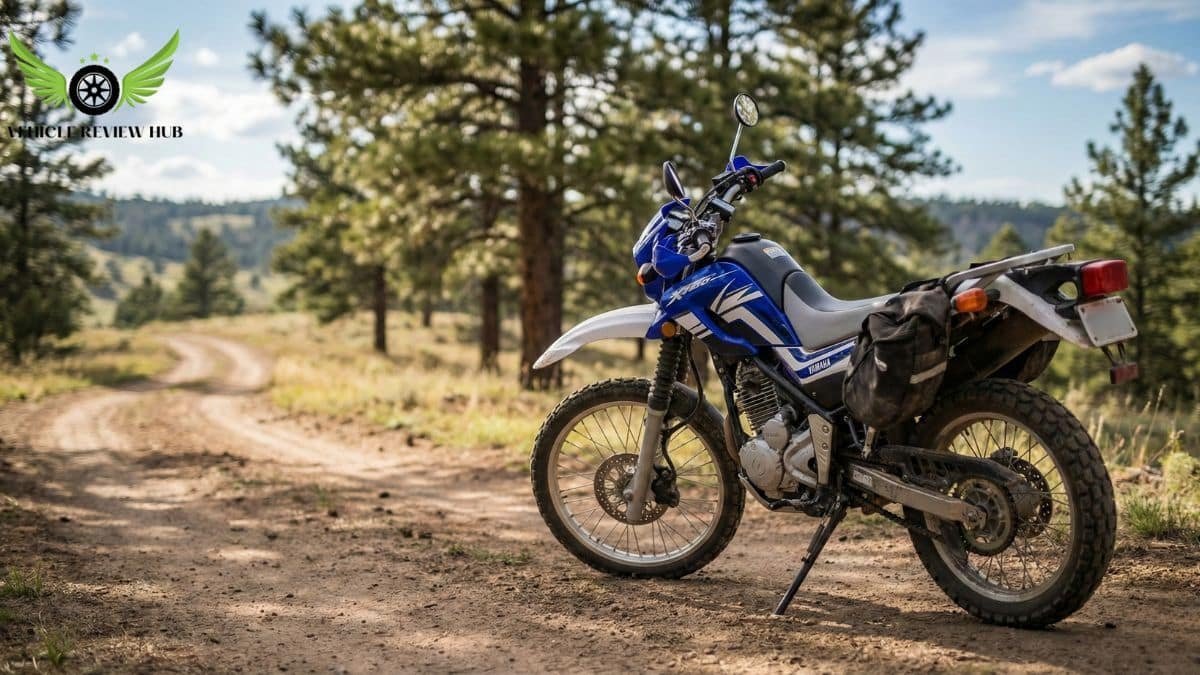
The Yamaha XT250 is built for riders who care more about real-world usability than chasing high top speeds. In the context of US roads, highways, and light off-road trails, this bike focuses on balance, control, and everyday riding confidence rather than raw performance numbers.
In my opinion, the Yamaha XT250 stands out because of how easy and predictable it feels to ride. It’s not designed to be a fast motorcycle, but it never feels underpowered for its intended purpose. Whether you’re commuting short distances, exploring back roads, or riding trails on the weekend, the performance feels manageable and stress-free.
In this article, I’ll break down the real top speed of the Yamaha XT250, how it performs in everyday riding situations, and who this bike makes the most sense for in the USA.
Yamaha XT250 Top Speed Explained
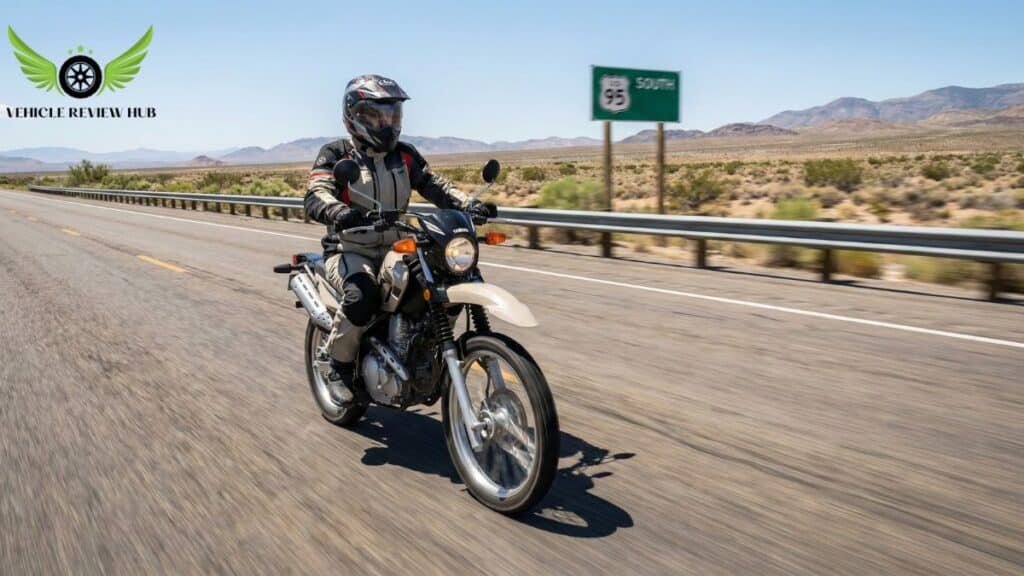
When talking about top speed, the Yamaha XT250 is often misunderstood. Many riders see the numbers and assume the bike will struggle, but real riding tells a more balanced story. The way this bike builds speed and holds it matters more than the final top-speed figure, especially for everyday use in the USA.
Here, the focus is on how the Yamaha XT250 handles top speed in real-life riding rather than just numbers on paper. This part breaks down what riders actually experience on US roads and how that speed feels during daily use, short highway runs, and relaxed cruising situations.
Claimed Top Speed vs Real-World Speed
On paper, the claimed top speed of the Yamaha XT250 often looks lower than what many riders expect from a 250cc motorcycle. But from my experience and regular observation, real-world riding rarely matches brochure numbers. Most riders don’t ride flat out; they care about how the bike behaves at usable speeds.
Based on rider feedback in the USA, the Yamaha XT250 feels most comfortable in its natural cruising range rather than at its absolute limit. It builds speed smoothly and holds pace without feeling strained, which is more important than chasing a few extra miles per hour. Wind resistance, rider weight, road slope, and tire condition all influence the real-world result.
To make the difference clearer, here’s how claimed figures compare with actual riding experience:
Aspect | Claimed / Ideal Conditions | Real-World Riding Experience |
Top Speed | Measured in controlled conditions | Slightly lower due to wind and road load |
Acceleration to Speed | Optimized test setup | Feels gradual but predictable |
Engine Feel | Near limit at max speed | Relaxed at normal cruising speeds |
Rider Confidence | Not reflected in numbers | Feels stable and manageable |
Usability | Rarely practical | More relevant for daily riding |
Many owners report that the Yamaha XT250 feels more enjoyable when ridden within its comfort zone rather than pushed hard. A common observation is that the bike feels steady and controlled at realistic speeds, which builds confidence, especially for newer riders.
If you ask me, this honest real-world performance is where the Yamaha XT250 makes sense. It may not win on paper, but in everyday use, its usable speed feels reliable and easy to live with—something most riders value more than a higher claimed number.
Highway Speed Capability in the USA
When it comes to highway riding, the Yamaha XT250 is best described as capable, but with clear expectations. From my observation, this bike is not meant for long, high-speed interstate runs, yet it can handle short highway stretches without feeling out of place. The key is understanding how and where it fits into US highway use.
Based on rider feedback across different states, the Yamaha XT250 feels most comfortable maintaining steady speeds rather than pushing hard to keep up with fast-moving traffic. It can cruise smoothly on secondary highways and rural roads, where speed limits are more forgiving and traffic flow feels less aggressive. Wind and elevation changes do affect the ride, but the bike remains predictable and easy to control.
Here’s a practical look at how the Yamaha XT250 behaves on US highways:
Riding Situation | Real-World Experience |
Short highway hops | Feels stable and manageable |
Secondary highways | Comfortable at steady cruising speeds |
Heavy traffic flow | Requires planning and awareness |
Wind exposure | Noticeable but controllable |
Long interstate rides | Possible, but not ideal |
Many owners mention that highway riding feels more relaxed when the bike is not pushed beyond its comfort zone. A common concern is limited passing power at higher speeds, which is normal for a lightweight dual-sport. If you ask me, the Yamaha XT250 works best on highways as a connector between destinations, not as a full-time interstate machine.
At the end of the day, highway speed capability in the USA depends on how you plan to ride. For mixed-use riders who combine city roads, backroads, and occasional highway sections, the Yamaha XT250 fits naturally into that lifestyle without demanding constant effort from the rider.
Yamaha XT250 Acceleration and Power Delivery
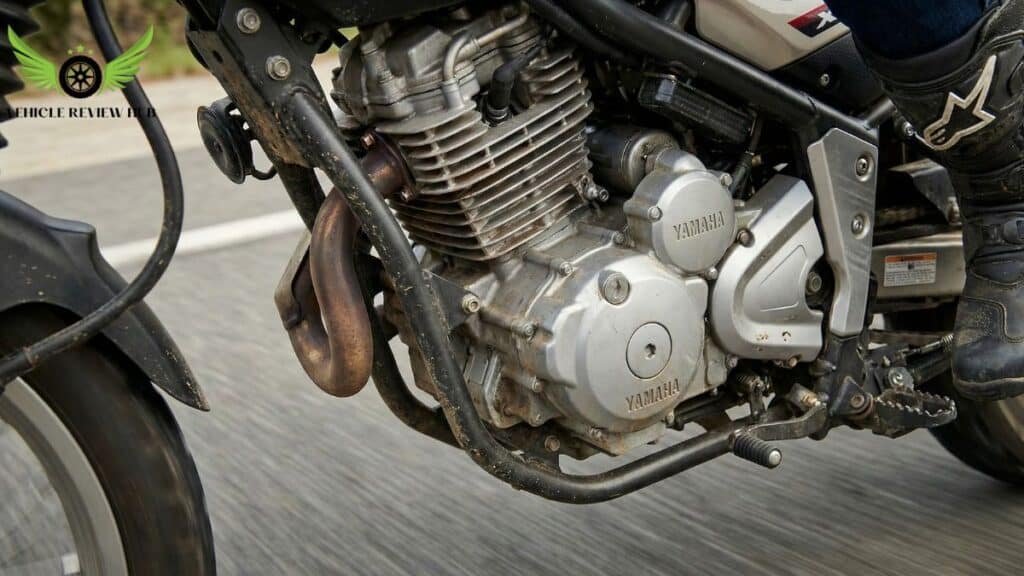
Acceleration and power delivery on the Yamaha XT250 are more about control and usability than quick bursts of speed. This section examines how the bike responds when pulling away from a stop, how the power is applied, and whether it feels smooth and predictable for everyday riding in the USA.
Rather than focusing on numbers alone, the discussion here sets expectations for real-world riding—city traffic, back roads, and light trail use. The goal is to understand how the Yamaha XT250 delivers its power, where it feels strongest, and what kind of rider will appreciate this style of performance.
Low-End Torque and Throttle Response
One of the first things you notice while riding the Yamaha XT250 is how friendly its low-end torque feels. From my experience, the bike responds smoothly as soon as you open the throttle, which makes slow-speed riding much easier. This is especially helpful in city traffic and on tight trails where sudden power delivery can become tiring.
Based on rider feedback, the throttle response on the Yamaha XT250 feels predictable rather than aggressive. The power comes in gradually, giving the rider confidence when pulling away from a stop or navigating uneven surfaces. You don’t need to constantly adjust your throttle hand, which reduces fatigue during longer rides.
Many owners report that this low-end behavior makes the bike easier to control on dirt and gravel roads. A common observation is that the engine doesn’t jerk or surge at low speeds, even when the terrain changes. If you ask me, this smooth torque delivery is one of the biggest strengths of the Yamaha XT250, especially for riders who value control over raw speed.
Mid-Range Performance Feel
In the mid-range, the Yamaha XT250 delivers power in a calm and manageable way rather than with a sudden surge. From my observation, this is the range where the bike feels most balanced, especially during everyday riding on city roads and back highways. The engine stays smooth, and the power builds in a way that feels easy to predict.
Based on rider feedback, mid-range performance is where the Yamaha XT250 feels most comfortable for cruising. Rolling on the throttle to maintain speed or make small adjustments in traffic feels natural, without the need to constantly downshift. This makes the bike less tiring to ride, particularly for new riders or those who prefer a relaxed riding style.
Many owners mention that the mid-range power feels consistent even when carrying light gear or riding on slight inclines. A common observation is that the bike holds its pace without feeling stressed. If you ask me, this steady mid-range behavior is what makes the Yamaha XT250 easy to live with on a daily basis, especially when performance needs to feel smooth rather than aggressive.
On-Road Performance of Yamaha XT250

On-road performance of the Yamaha XT250 is more about balance and ease of control than outright speed. This section gives a clear picture of how the bike behaves on paved roads in the USA, including daily commuting, backroad riding, and short highway connections.
The focus here is on stability, rider confidence, and how the Yamaha XT250 feels during normal on-road use. Rather than deep technical details, this part sets expectations for what riders can realistically expect when using the bike mainly on asphalt before moving into the finer details in the following sections.
Handling and Stability
Handling is one area where the Yamaha XT250 feels immediately friendly. From my experience, the bike feels light and easy to control, which makes a big difference on city streets and narrow backroads. At normal riding speeds, it stays planted and predictable, even when the road surface isn’t perfect.
Based on rider feedback, stability improves once the bike is moving at a steady pace. The upright riding position and balanced weight distribution help the Yamaha XT250 feel calm rather than twitchy. Small bumps, uneven pavement, and patched roads don’t upset the bike easily, which builds confidence for daily riding in the USA.
To explain the handling feel more clearly, here’s a simple breakdown of real-world stability:
Riding Situation | Handling & Stability Feel |
City streets | Light, easy to maneuver |
Backroads | Stable and confidence-inspiring |
Uneven pavement | Absorbs imperfections well |
Low-speed riding | Balanced and predictable |
Sudden direction changes | Controlled, not nervous |
Many owners report that the Yamaha XT250 feels forgiving, especially for newer riders. A common observation is that the bike doesn’t demand constant correction from the rider. If you ask me, this calm and stable nature is what makes the Yamaha XT250 enjoyable on the road—it lets you focus on riding instead of fighting the bike.
Cornering and Ride Balance
Cornering on the Yamaha XT250 feels natural rather than sporty, which suits its dual-sport character well. From my observation, the bike leans into turns smoothly without feeling heavy or awkward. This makes a difference on winding roads where confidence matters more than aggressive speed.
Based on rider feedback, the Yamaha XT250 holds its line well through gentle and moderate corners. The suspension and overall balance help the bike stay composed, even when the road surface changes mid-turn. You don’t feel the bike fighting back, which makes cornering less stressful, especially for riders who are still building experience.
Many owners mention that ride balance remains consistent at everyday speeds. A common concern is that it’s not designed for sharp, high-speed cornering, but that’s expected for this type of bike. If you ask me, the Yamaha XT250 shines when ridden smoothly, offering a balanced and confidence-inspiring feel rather than pushing for aggressive lean angles.
Off-Road and Trail Performance
Off-road and trail riding are where the Yamaha XT250 starts to show its true purpose. This section gives a clear idea of how the bike performs on dirt paths, light trails, and uneven terrain commonly found across the USA.
The focus here is on control, rider confidence, and how the Yamaha XT250 behaves away from paved roads. Instead of getting into deep technical details, this part sets expectations for trail capability, suspension feel, and overall usability before breaking everything down further in the next sections.
Light Trail and Dirt Riding Ability
On light trails and dirt paths, the Yamaha XT250 feels right at home. From my experience, the bike’s manageable weight and smooth power delivery make it easy to control on loose surfaces. You don’t need to fight the throttle or constantly correct the bike, which helps riders stay relaxed on uneven ground.
Based on rider feedback, the Yamaha XT250 performs best on gravel roads, forest trails, and mild dirt tracks rather than extreme off-road terrain. The power comes in gently, allowing the rear tire to find grip instead of spinning suddenly. This makes a noticeable difference when climbing small hills or riding over loose dirt.
Many owners report that confidence is the biggest advantage here. A common observation is that the bike feels forgiving when mistakes happen, especially at lower speeds. If you ask me, this light trail capability is one of the main reasons the Yamaha XT250 appeals to riders who want off-road fun without dealing with an aggressive or demanding machine.
To make the trail performance clearer, here’s a simple real-world breakdown:
Terrain Type | Riding Experience |
Gravel roads | Stable and easy to control |
Dirt trails | Smooth power, good traction |
Light hills | Manageable with steady throttle |
Loose surfaces | Forgiving and predictable |
Tight trail sections | Easy to maneuver |
At the end of the day, the Yamaha XT250 isn’t built for hardcore trail riding, but for light dirt and casual off-road use, it delivers a balanced and confidence-building experience that many riders appreciate.
Suspension Performance on Rough Terrain
When riding over rough terrain, the Yamaha XT250 offers a suspension setup that focuses more on comfort and control than aggressive off-road performance. From my experience, the suspension handles small bumps, rocks, and uneven dirt without feeling harsh, which helps reduce rider fatigue during longer trail rides.
Based on rider feedback, the Yamaha XT250 absorbs trail imperfections in a calm and predictable way. It doesn’t bounce excessively or feel unstable when the surface changes suddenly. While deep ruts and sharp impacts do test its limits, the bike remains composed as long as it’s ridden within its intended range.
Many owners report that the suspension works best on light to moderate trails rather than extreme off-road sections. A common observation is that the bike feels forgiving when crossing rough patches at controlled speeds. If you ask me, this suspension behavior suits riders who value comfort and confidence over pushing hard on difficult terrain.
Here’s a practical look at how the suspension performs in real-world conditions:
Terrain Condition | Suspension Feel |
Small bumps | Smooth and controlled |
Loose rocks | Absorbs impacts well |
Uneven dirt | Stable and predictable |
Rough patches | Comfortable at moderate speed |
Deep ruts | Manageable but not aggressive |
At the end of the day, suspension performance on rough terrain depends on riding style. For casual trail riders and mixed-surface explorers, the Yamaha XT250 delivers a balanced and easy-to-live-with suspension setup that fits its dual-sport character well.
Is the Yamaha XT250 Fast Enough?

Speed means different things to different riders, and that’s exactly why this question matters. This section looks at whether the Yamaha XT250 delivers enough performance for real-life riding in the USA, rather than focusing on raw speed numbers alone.
The idea here is to set clear expectations—how the bike feels in daily use, what kind of riding it suits best, and where its limits begin to show. This helps riders decide if the Yamaha XT250 matches their needs before diving deeper into performance expectations and rider satisfaction in the next sections.
Performance Expectations from a 250cc Dual-Sport
When riders think about a 250cc dual-sport, expectations need to stay realistic, and the Yamaha XT250 fits squarely into that mindset. From my experience, this bike is built to deliver usable performance rather than excitement. It’s designed to be ridden comfortably across various surfaces without requiring constant effort from the rider.
Based on rider feedback, most owners expect smooth power delivery, easy control, and enough speed to handle everyday situations. The Yamaha XT250 meets those expectations by offering steady acceleration and a relaxed riding feel. It won’t feel fast in a straight line, but it does feel dependable when moving between city streets, backroads, and light trails.
Many owners report that this type of performance suits riders who value versatility over speed. A common concern among buyers is whether a 250cc engine will feel underpowered, but in real use, the Yamaha XT250 proves capable within its intended role. If you ask me, the key is understanding that this bike rewards smooth riding and planning rather than aggressive throttle use.
To make expectations clearer, here’s how a typical rider needs line up with real-world performance:
Rider Expectation | Real-World Experience |
Quick acceleration | Moderate and controlled |
Easy daily riding | Comfortable and stress-free |
Mixed-surface use | Well balanced and capable |
High-speed thrills | Limited by design |
Long-term usability | Reliable and easy to manage |
At the end of the day, performance expectations from a 250cc dual-sport depend on how you plan to ride. For practical riders who want flexibility and confidence across different conditions, the Yamaha XT250 delivers exactly what most people expect from this class.
Who Will Be Satisfied with Its Speed
The speed of the Yamaha XT250 will feel just right for a specific type of rider. From my experience, riders who prefer calm, controlled riding over chasing high speeds tend to enjoy this bike the most. It feels comfortable for daily use, relaxed cruising, and mixed-surface riding where smooth control matters more than fast acceleration.
Based on rider feedback, beginners and returning riders are often very satisfied with how the Yamaha XT250 performs. The speed feels manageable and confidence-building rather than intimidating. Riders who spend more time on backroads, rural highways, dirt paths, and trails usually appreciate that the bike doesn’t demand constant attention or aggressive inputs.
Many owners report that commuters with shorter highway needs also find the speed acceptable. A common concern comes from riders expecting strong passing power at high speeds, which isn’t the bike’s strong point. If you ask me, the Yamaha XT250 makes the most sense for practical riders who value ease of use, versatility, and predictable performance over outright speed.
At the end of the day, this bike won’t satisfy speed-focused enthusiasts, but for riders who want a dependable dual-sport that feels easy to live with, its speed feels more than enough.
FAQs: Yamaha XT250 Performance & Speed
Before going into the questions, it’s worth clearing up a common point about the Yamaha XT250. Many riders judge this bike only by numbers, but real satisfaction usually comes from how it feels during everyday riding. The questions below focus on practical speed, real performance, and what most riders actually want to know before making a decision.
Is the Yamaha XT250 fast enough for highway riding in the USA?
Yes, the Yamaha XT250 can handle short highway rides, but it’s not built for long, high-speed interstate cruising. It works best as a connector between city roads, backroads, and trails.
What is the realistic top speed of the Yamaha XT250?
In real-world riding, the Yamaha XT250 reaches a usable top speed that feels stable rather than aggressive. Most riders focus more on comfortable cruising speed than pushing it to the limit.
Does the Yamaha XT250 feel underpowered?
No, it doesn’t feel underpowered for its purpose. From my experience and rider feedback, the power feels smooth and usable, especially for daily riding and light off-road use.
Is the Yamaha XT250 good for beginners?
Yes. Many beginners are satisfied with the speed and control. The Yamaha XT250 feels forgiving, predictable, and easy to manage, which builds confidence early on.
Can the Yamaha XT250 handle off-road trails easily?
Yes, for light trails and dirt paths. It’s not meant for extreme off-road riding, but for casual trail use, it performs comfortably and stays easy to control.
Who should avoid the Yamaha XT250 due to speed expectations?
Riders looking for strong acceleration, high top speed, or aggressive highway performance may feel limited. This bike suits practical riders more than speed-focused enthusiasts.