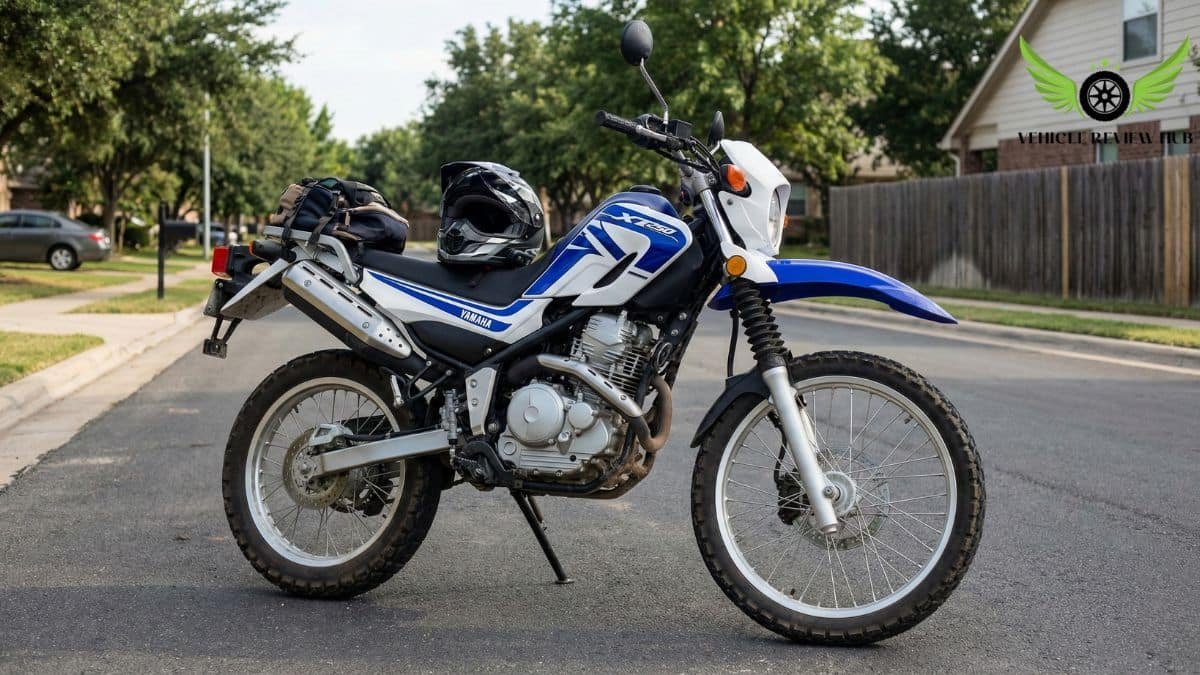
If you’re considering the Yamaha XT250, chances are you’re looking for a bike that’s easy to own, affordable to maintain, and dependable over the long run. From my observation, many riders in the USA choose this model not because it’s flashy, but because it simply works—day after day, year after year. This guide is written with that exact ownership mindset in mind, focusing on real-world maintenance costs, reliability, and what living with the bike actually feels like.
Based on user feedback and long-term owner discussions, the Yamaha XT250 has built a strong reputation for being low-stress and budget-friendly. In my opinion, it feels especially suitable for riders who want a practical dual-sport bike without worrying too much about frequent repairs or expensive service bills. It’s not trying to be extreme or high-performance, and that’s actually one of its biggest strengths.
In this ownership guide, I’ll break down what US owners can realistically expect in terms of maintenance expenses, reliability over time, and everyday running costs. At the end of the day, this isn’t about specs on paper—it’s about whether the Yamaha XT250 makes sense for your daily riding needs, budget, and long-term plans.
Yamaha XT250 Maintenance Overview
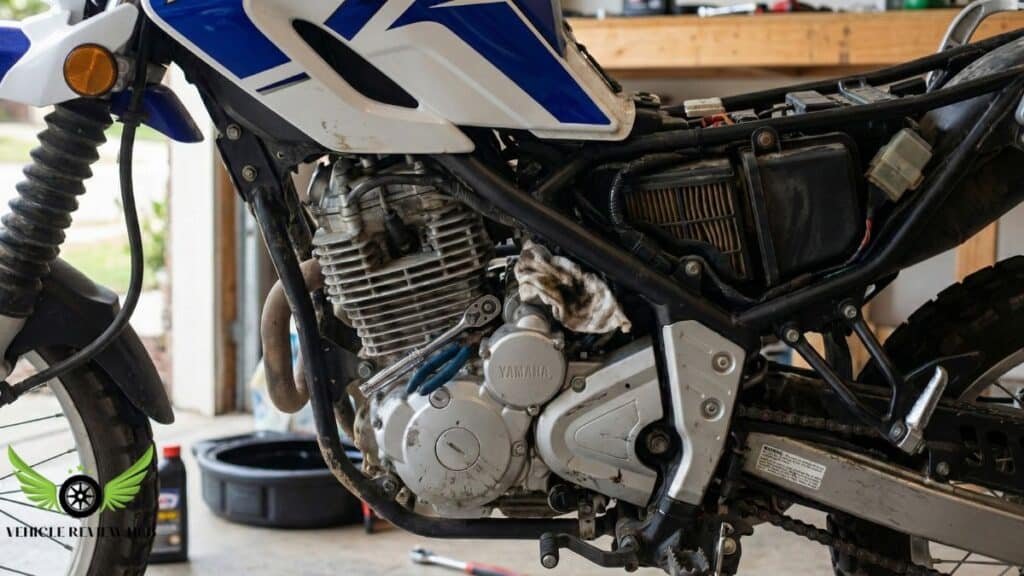
From my observation, maintenance on the Yamaha XT250 feels straightforward and easy to manage, even for riders who don’t have much mechanical experience. Most owners don’t describe it as time-consuming or stressful, which is a big reason why this bike is often kept for many years.
Based on user feedback, upkeep usually revolves around simple habits rather than complicated repairs. Regular checks, basic servicing, and staying consistent with routine care are usually enough to keep the bike running smoothly. In my opinion, this kind of maintenance approach suits riders who want reliability without feeling tied to constant workshop visits.
Overall, the Yamaha XT250 fits well with a practical ownership mindset. If you ask me, the real appeal here is how maintenance blends naturally into everyday riding instead of becoming a separate burden.
Routine Maintenance Requirements
From what I’ve seen among regular riders, the Yamaha XT250 doesn’t ask for complicated care—it asks for attention at the right time. Owners who stick to simple habits usually don’t face unexpected issues, even after years of use. In my opinion, this bike rewards consistency more than technical skill.
Oil condition is something many riders keep an eye on, especially if the bike is used frequently or for mixed riding. Chain condition also matters more than people expect. From my observation, riders who clean and adjust the chain regularly tend to avoid premature wear and rough riding. Brake feel and tire condition are also checked often, not because problems are common, but because it’s easy to do and gives peace of mind.
Based on owner feedback, the Yamaha XT250 feels forgiving when it comes to routine care. You don’t need to be exact to the mile, and small delays rarely turn into big problems. What really matters is not ignoring the basics for too long. At the end of the day, routine maintenance feels natural and manageable, which makes long-term ownership far less stressful than many expect.
Service Interval Breakdown
From what I’ve noticed among regular riders, the Yamaha XT250 doesn’t rely on overly tight service gaps to stay dependable. Owners who ride daily or weekly often follow a natural rhythm—checking the bike when something feels off rather than obsessing over exact mileage. In my opinion, this makes ownership feel practical instead of technical.
Oil condition usually sets the pace for most service decisions. Riders who change oil on time and keep an eye on fluid quality rarely mention long-term issues. Chain wear, brake response, and tire condition are also reviewed at steady intervals, especially after longer rides or rough road use. Based on owner feedback, these checks become part of normal riding habits rather than scheduled chores.
What really stands out is how forgiving the Yamaha XT250 is when a service runs a little late. From my observation, small delays don’t usually affect performance or reliability as long as the bike hasn’t been neglected overall. At the end of the day, service intervals feel built around real riding patterns, which is why many owners describe long-term maintenance as low-stress and easy to manage.
Yamaha XT250 Ownership Costs

From my observation, ownership costs of the Yamaha XT250 feel steady and easy to plan for, which matters a lot to riders in the USA. People usually want to know where the money goes—maintenance, fuel, insurance, or unexpected fixes—and this model keeps those concerns fairly balanced instead of leaning heavily on one side.
Based on user feedback and long-term ownership patterns, most expenses come from routine care and normal wear rather than surprise repairs. In my opinion, that’s why many riders describe this bike as comfortable to live with over time. It doesn’t create pressure to spend frequently, and costs tend to stay within a predictable range for everyday use.
At a broader level, the Yamaha XT250 suits riders who value control over their budget as much as reliability. If you ask me, the real advantage here isn’t chasing the lowest possible cost, but how calmly and naturally ownership expenses fit into regular riding life.
Average Yearly Maintenance Cost
From my observation, the Yamaha XT250 stands out among practical bikes because its yearly maintenance cost rarely feels overwhelming, especially for riders in the USA who stick to basic care routines. In my opinion, this predictability is one of the reasons many owners hold onto the bike for years without frustration.
Most owners report that regular items make up the bulk of yearly spending, rather than surprise repairs. Things like oil and filter changes, chain adjustment and lubrication, air filter cleaning, and simple brake checks tend to be the main parts of annual upkeep. Because these jobs don’t demand expensive parts or frequent shop visits, they help keep the yearly cost steady and manageable.
To give a clearer picture of how owners actually experience maintenance expenses year to year, here’s a realistic cost breakdown based on owner discussions and common riding patterns:
Maintenance Item | Typical Frequency | Estimated Yearly Cost (USD) |
Oil & filter changes | 2–3 times | $60 – $120 |
Chain cleaning & adjustment | Regular checks | $15 – $30 |
Air filter service | 1–2 times | $10 – $25 |
Brake inspection / pads | As needed | $30 – $80 |
Minor adjustments / checks | Periodic | $20 – $50 |
Total | — | $135 – $305 |
What stands out to me is how this range stays steady even as the bike ages. Riders who do some simple tasks themselves often spend toward the lower end, while those who use service shops regularly might fall toward the upper end. At the end of the day, the average yearly maintenance cost for the Yamaha XT250 feels balanced and predictable—not too heavy for most riders who value reliability and simplicity.
Parts Availability and Pricing in the USA
From my observation, parts availability for the Yamaha XT250 in the USA is generally straightforward, and this makes ownership easier—especially for riders who prefer not running into long waits for replacements. In my opinion, knowing that parts are easy to find gives many owners peace of mind when planning service or repairs.
Based on owner feedback, common replacement parts like filters, brake pads, chains, and sprockets are usually easy to source from local dealerships, independent shops, or online retailers. Even in smaller towns, riders often report that basic items are stocked or can be ordered quickly without long delays. This accessibility means you’re less likely to pause riding just because a part is hard to find.
When it comes to pricing, most routine parts stay in a reasonable range. Items like oil and air filters or brake components are typically affordable, and there’s often a good mix of OEM and aftermarket options. From my observation, the overall pricing feels balanced—not too cheap, but not unusually expensive either.
To make this clearer, here’s a simple overview of parts availability and pricing feel for the Yamaha XT250 in the USA:
Part Type | Availability in the USA | Typical Price Range (USD) |
Oil & air filters | Easy | $10 – $25 |
Brake pads | Easy | $20 – $40 |
Chain & sprocket set | Easy | $40 – $90 |
Tires (dual-sport) | Widely available | $80 – $180 per tire |
Electrical components | Available | Varies, sometimes higher |
What stands out to me is that even if a part isn’t in stock locally, most riders find quick alternatives online without paying a premium. At the end of the day, parts availability and pricing for the Yamaha XT250 tend to support smooth and predictable ownership.
Reliability and Long-Term Ownership
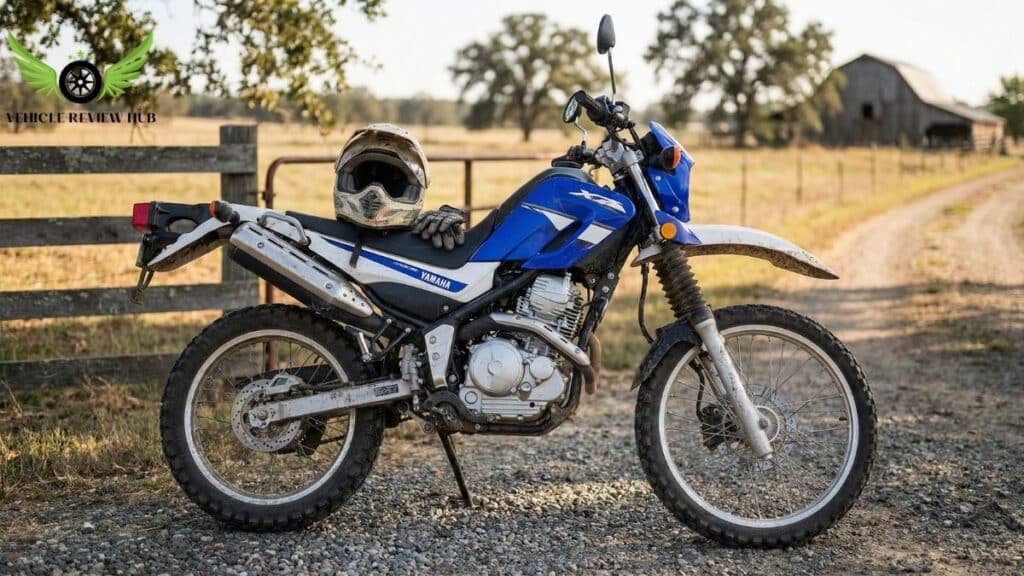
From my observation, long-term reliability is one of the main reasons riders in the USA continue to choose the Yamaha XT250 year after year. This bike isn’t built around chasing performance numbers. Instead, it focuses on steady operation and durability, which matters a lot when ownership stretches over several years.
Based on user feedback and long-term ownership stories, the Yamaha XT250 tends to hold up well with regular care. Riders often mention that the engine remains consistent, starting easily and running smoothly even after extended use. In my opinion, this kind of dependability makes the bike feel more like a long-term companion than a short-term purchase.
Another thing that stands out is how predictable ownership feels over time. Many owners report that reliability doesn’t fade quickly as mileage increases, and maintenance stays manageable instead of becoming more demanding. If you ask me, this balance between reliability and low ownership stress is what makes the Yamaha XT250 appealing for riders who plan to keep their bike for the long haul rather than upgrading every few years.
Reliability Strengths
From my observation, the Yamaha XT250 earns its reputation through consistency rather than complexity. Owners often point out that the engine feels calm and dependable even after years of regular riding. In my opinion, this kind of steady performance is more valuable than high output, especially for riders who care about long-term use.
Based on user feedback, one of the strongest points is how well the bike handles daily wear. Cold starts remain easy, power delivery stays smooth, and there’s rarely a sense that the bike is being pushed beyond its comfort zone. Many riders mention that as long as basic maintenance is followed, reliability remains solid without demanding extra attention.
What really stands out to me is how predictable ownership feels over time. The Yamaha XT250 doesn’t suddenly develop new issues as mileage increases, which builds confidence for long-term owners. At the end of the day, these reliability strengths make it a practical choice for riders who value peace of mind more than chasing performance numbers.
Common Issues Reported by Owners
From my observation, owners of the Yamaha XT250 generally don’t report serious mechanical problems, but a few minor concerns do show up over long-term use. These issues are usually manageable and don’t affect overall reliability, yet knowing them helps set realistic expectations. In my opinion, this kind of transparency actually builds more trust in the bike.
Based on user feedback, most reported issues are related to usage style rather than defects. Riders who push the bike harder on highways or carry extra weight tend to notice certain limitations sooner. Wear-related parts also come into the discussion when routine care is delayed.
To make things clearer, here’s a simple breakdown of common owner-reported issues and how they usually feel in real life:
Reported Issue | How Owners Describe It | Real Impact on Ownership |
Modest highway power | Feels strained at higher speeds | Minor, expectation-based |
Soft suspension feel | Less firm with heavy load or rough use | Adjustable, manageable |
Chain & sprocket wear | Faster wear without regular care | Preventable |
Stock seat comfort | Firm on longer rides | Comfort-related only |
Wind protection | Limited at sustained speeds | Common for this class |
What stands out to me is that these issues rarely turn into ongoing problems. From my observation, riders who maintain the basics and ride within the bike’s comfort zone usually don’t feel bothered by them. At the end of the day, the Yamaha XT250’s reported issues are more about knowing what the bike is meant for, not about worrying over reliability.
Insurance, Registration and Running Costs
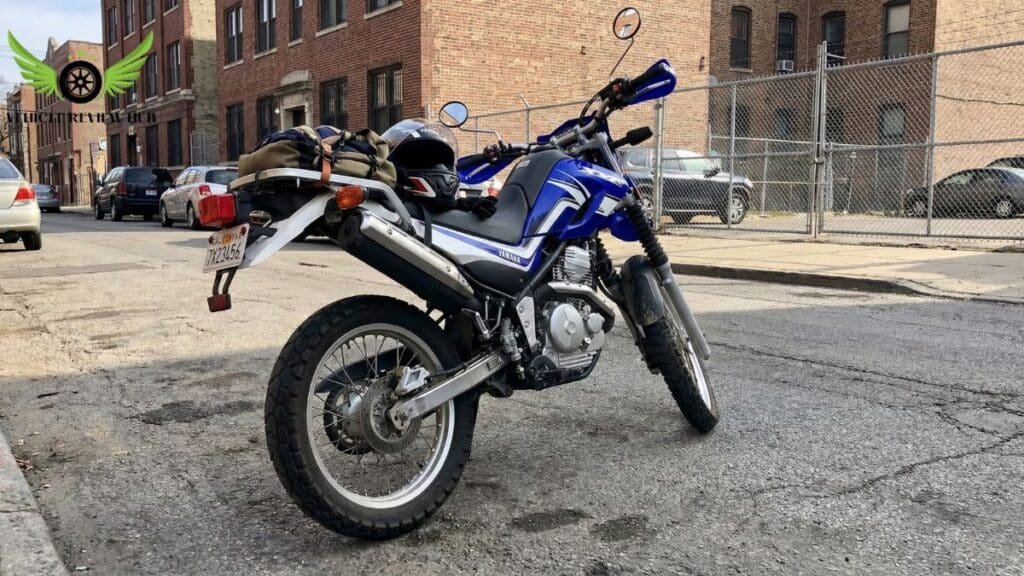
From my observation, insurance, registration, and everyday running costs play a big role in how comfortable long-term ownership feels. For riders in the USA, the Yamaha XT250 generally keeps these expenses within a manageable range, which is one reason many people see it as a practical choice rather than a costly commitment.
Based on user feedback, insurance costs tend to stay reasonable because the bike sits in a lower-risk category compared to larger or more powerful models. Registration and legal fees are usually straightforward and don’t create yearly stress. In my opinion, this simplicity makes ownership feel calmer, especially for riders who prefer predictable expenses over variable ones.
Running costs like fuel, basic servicing, and routine checks also stay balanced for everyday use. Many owners report that these costs don’t creep up over time if the bike is ridden within its comfort zone. At the end of the day, the Yamaha XT250 fits riders who want a bike that blends naturally into daily life without constantly reminding them of ongoing expenses.
Insurance Cost in the USA
From my observation, insurance costs for the Yamaha XT250 in the USA usually fall into a comfortable range rather than a fixed number. This makes budgeting easier because owners can adjust expectations based on their own profile. In my opinion, this flexibility suits riders who want clarity without unrealistic promises.
Based on user feedback, insurance pricing often depends on factors like riding history, age, and state regulations. Instead of one exact figure, most owners talk about a general yearly range that feels manageable for this class of bike.
Here’s a realistic insurance cost range based on common owner experience:
Rider Type | Estimated Yearly Range (USD) | Cost Feel |
New rider | $300 – $550 | Moderate |
Experienced rider | $180 – $350 | Low |
Daily commuter | $250 – $450 | Manageable |
Casual / weekend use | $150 – $300 | Budget-friendly |
What stands out to me is that even at the higher end, insurance doesn’t feel excessive. At the end of the day, the Yamaha XT250 keeps insurance costs predictable, which is a big plus for riders planning long-term ownership.
Registration and Legal Expenses
From my observation, registration and legal expenses for the Yamaha XT250 in the USA are usually straightforward and don’t surprise owners later. These costs feel more like routine paperwork than a recurring financial burden. In my opinion, that simplicity helps first-time and long-term owners alike plan ownership without stress.
Based on user feedback, most of the spending here comes from initial registration, title processing, and standard state fees. The exact amount can vary by state, but the overall pattern stays predictable. Riders rarely mention unexpected add-ons or hidden charges, which adds to the calm ownership feel.
To keep expectations clear without overpromising, here’s a safe, realistic range that reflects common owner experience across states:
Expense Type | Typical One-Time / Yearly Range (USD) | Cost Feel |
Initial registration & title | $50 – $150 | Low |
Annual renewal | $20 – $60 | Minimal |
License plate & stickers | $10 – $30 | Very low |
Basic compliance fees | $0 – $40 | Occasional |
What stands out to me is how rarely these costs become a talking point among owners. From what I’ve seen, once the initial paperwork is done, legal expenses fade into the background. At the end of the day, the Yamaha XT250 fits riders who want ownership to feel clean and uncomplicated, without paperwork turning into a yearly headache.
Is the Yamaha XT250 Expensive to Own?
From my observation, this is the question most riders quietly ask before committing to long-term ownership. With the Yamaha XT250, the concern usually isn’t about one big expense, but whether small costs slowly add up over time. In my opinion, understanding the overall ownership feel matters more than focusing on any single number.
Based on user feedback, ownership cost here is shaped by a mix of maintenance, insurance, registration, and daily running expenses. None of these areas tend to feel extreme on their own, but together they decide whether the bike feels affordable or stressful. Many riders describe the Yamaha XT250 as easy to budget for, especially when compared to larger or more complex motorcycles.
At a broader level, whether the Yamaha XT250 feels expensive really depends on what you expect from ownership. If you value predictability, low stress, and steady costs, this bike often fits that mindset well. At the end of the day, the real answer comes down to how comfortably the bike blends into your daily life rather than how cheap or expensive it looks on paper.
Cost vs Value Analysis
From my observation, understanding cost versus value means looking beyond how much money is spent and focusing on what you actually get in return. With the Yamaha XT250, many owners feel the value shows up in everyday use rather than on a spec sheet. In my opinion, that practical balance matters more than chasing the lowest ownership cost.
Based on user feedback, most expenses related to the Yamaha XT250 stay predictable. Maintenance, insurance, and running costs rarely spike unexpectedly, which helps owners plan long term. Riders who value reliability and ease of ownership often say the bike gives back more in peace of mind than what it asks for in yearly expenses.
To make this clearer, here’s a realistic look at yearly ownership cost versus perceived value, based on common owner experience in the USA:
Cost Area | Estimated Yearly Cost (USD) | Owner Value Perspective |
Routine maintenance | $200 – $400 | High value |
Insurance | $180 – $450 | Worth the cost |
Fuel & running expenses | $300 – $500 | Efficient and stable |
Registration & fees | $30 – $100 | Minimal impact |
Overall ownership | $700 – $1,400 | Well balanced |
What stands out to me is that these costs support a bike that stays dependable over time. The Yamaha XT250 may not offer premium features or high performance, but it delivers consistency and low stress, which many riders see as real value.
At the end of the day, if value means predictable costs, simple ownership, and long-term reliability, the Yamaha XT250 justifies its ownership cost for a wide range of riders.
Ownership Suitability for Beginners
From my observation, the Yamaha XT250 feels especially friendly for riders who are new to motorcycle ownership. The bike doesn’t overwhelm beginners with complex features or demanding maintenance, which helps build confidence early on. In my opinion, this simplicity makes the learning phase more enjoyable instead of stressful.
Based on user feedback, new riders often appreciate how predictable the bike feels in everyday use. Controls are easy to get used to, and the bike responds in a calm, forgiving way. Small mistakes don’t usually turn into big problems, which is important when someone is still getting comfortable with riding and basic upkeep.
What stands out to me is how supportive the ownership experience feels over time. Insurance, maintenance, and running costs stay manageable, allowing beginners to focus more on improving their riding skills rather than worrying about expenses. At the end of the day, the Yamaha XT250 suits beginners who want a reliable, easy-to-live-with bike that helps them grow into long-term riders with confidence.
FAQs – Yamaha XT250 Maintenance Cost, Reliability & Ownership Guide in the USA
Many riders want quick, clear answers before deciding on long-term ownership. The Yamaha XT250 is often chosen for its simplicity, but questions around maintenance cost, reliability, and everyday expenses still matter. The answers below focus on real ownership experience and practical expectations in the USA.
Is the Yamaha XT250 expensive to maintain in the USA?
No. The Yamaha XT250 is generally affordable to maintain. Most yearly costs come from basic service items like oil changes, filters, and chain care.
How reliable is the Yamaha XT250 over the long term?
The Yamaha XT250 is considered very reliable. Owners often report consistent performance over many years when routine maintenance is followed.
Are parts for the Yamaha XT250 easy to find in the USA?
Yes. Common parts such as filters, brake pads, chains, and tires are widely available through dealers and online stores across the USA.
Is the Yamaha XT250 suitable for beginners?
Yes. The bike is easy to handle, forgiving to ride, and simple to maintain, which makes it beginner-friendly.
Does insurance cost a lot for the Yamaha XT250?
No. Insurance costs are usually reasonable because of the bike’s modest engine size and low-risk profile.
Can the Yamaha XT250 be used for daily riding?
Yes. Many owners use it daily for commuting and regular riding, especially at moderate speeds.
Does maintenance cost increase as the bike gets older?
Not significantly. Maintenance costs usually stay stable if the bike is properly cared for.
Is the Yamaha XT250 good for highway use?
It can handle short highway rides, but it feels more comfortable at moderate speeds rather than long, high-speed highway travel.
Who should consider buying the Yamaha XT250?
Riders who want simple ownership, predictable costs, and long-term reliability benefit the most from the Yamaha XT250.