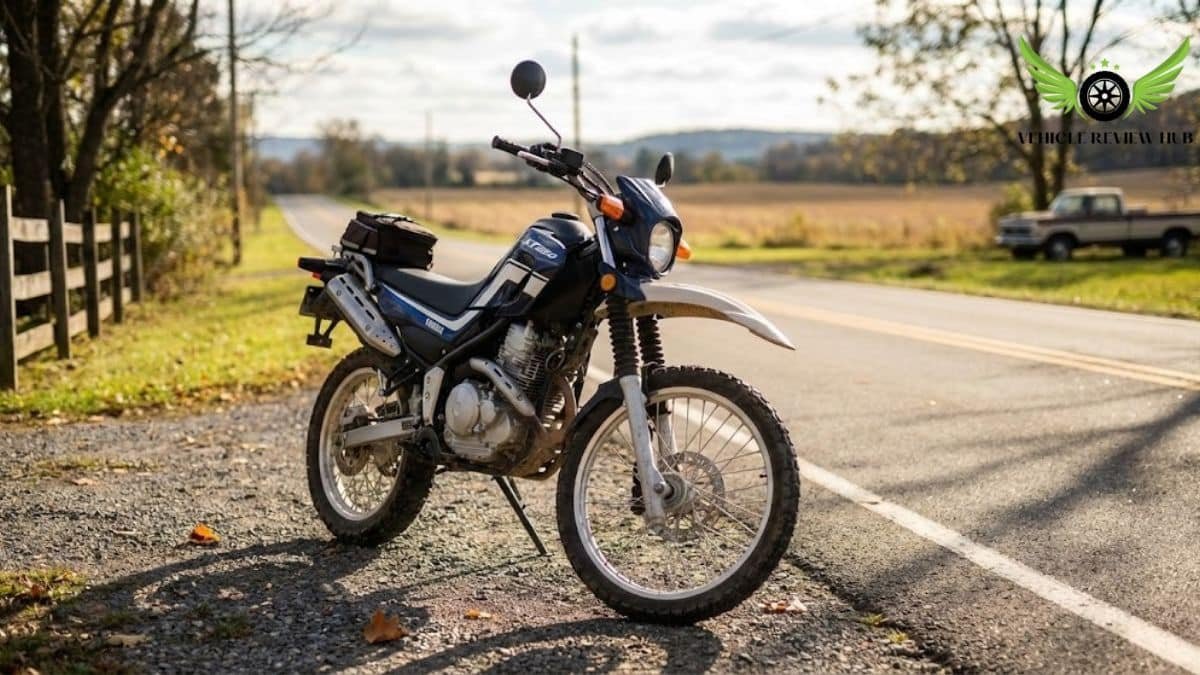
If you’re looking for a small dual-sport motorcycle that feels easy to ride, simple to maintain, and practical for everyday use, the Yamaha XT250 often comes up as a strong option in the USA. In my opinion, this bike makes the most sense for riders who want one motorcycle that can handle city streets, back roads, and light off-road trails without feeling intimidating.
From my observation, many US riders don’t actually need extreme power or advanced electronics. What they care about more is reliability, manageable size, and a bike that doesn’t feel tiring to live with. That’s exactly where the Yamaha XT250 positions itself. It’s not built to impress on paper, but it’s designed to work consistently in real-world riding.
In this guide, I’ll break down the price, core specs, strengths, weaknesses, and buying considerations of the Yamaha XT250 for the US market. At the end of the day, this review is meant to help you decide whether this bike truly fits your daily riding needs—or if you’d be better off looking at other options.
What Is the Yamaha XT250 and Why It Matters in the USA

The Yamaha XT250 is a dual-sport motorcycle built for riders who want flexibility rather than specialization. In the US, this bike matters because it sits right in the middle—usable on public roads, yet capable enough for dirt roads, gravel paths, and weekend trail rides.
Many American riders look for one motorcycle that can handle daily commuting and still feel comfortable when the pavement ends. That’s where the XT250 fits naturally. Its design focuses on ease of use, reliability, and low ownership stress, which explains why it continues to attract beginners, casual riders, and practical commuters across the USA.
This part of the guide explains what the XT250 represents in the US market, how it connects to Yamaha’s dual-sport background, and which type of rider usually benefits most from choosing this model.
Yamaha XT250 Overview for the US Dual-Sport Market
In the US dual-sport market, the Yamaha XT250 is positioned as a practical, easy-to-live-with motorcycle rather than a performance-focused machine. From what I’ve seen, most riders who choose this model aren’t chasing speed or aggressive off-road ability. They want something reliable that feels predictable on the road and confident enough when the surface turns rough.
Based on rider feedback and long-term ownership reports, the XT250 stands out for its balanced nature. It’s light, manageable, and doesn’t demand advanced riding skills, which makes it especially appealing to beginners and casual riders. At the same time, experienced riders often keep it as a second bike for short trips, trail access roads, or relaxed weekend rides.
In real-world US conditions, this bike works well for mixed use—city commuting during the week and dirt or gravel riding on weekends. It doesn’t feel oversized in traffic, and it doesn’t feel fragile once you leave the pavement. Many owners mention that this balance is the main reason they picked the XT250 over larger, more powerful dual-sport options.
If you ask me, the Yamaha XT250 fits best into the US market as a “do-it-all” light dual-sport for riders who value simplicity, comfort, and reliability over raw performance. It’s not trying to be the best at one thing—it’s trying to be good enough at many things, and for many riders, that’s exactly the point.
Yamaha Dual-Sport Heritage and XT Lineage
Yamaha’s approach to dual-sport motorcycles has always been about long-term usability rather than chasing performance trends. From what I’ve noticed, many US riders stick with Yamaha because the brand focuses on reliability, simple engineering, and consistent ownership experience. The XT lineup is a clear reflection of that mindset.
Over the years, Yamaha has refined the XT series to suit riders who want a dependable bike for mixed riding conditions. Instead of drastic changes, the brand has made gradual improvements while keeping the core idea the same—easy riding, low maintenance, and everyday practicality. This steady evolution is one of the reasons the Yamaha XT250 still feels relevant in the US market.
To understand where the XT250 fits, it helps to look at how the XT lineup has evolved over time.
XT Model | Engine Size | Primary Use Focus | Typical US Rider Profile |
XT225 | 223cc | Entry-level dual-sport | Beginners, trail learners |
XT250 | 249cc | Balanced road & trail use | Commuters, casual adventurers |
XT350 (older) | 346cc | More off-road bias | Experienced trail riders |
XT600 / XT660 (older) | Larger displacement | Adventure-oriented | Long-distance dual-sport riders |
Based on long-term owner feedback, the XT250 stands out as the most balanced option in this lineage. It doesn’t feel too small for daily riding, yet it avoids the weight and complexity that come with larger dual-sport bikes. Many owners report that this balance makes it easier to live with year after year.
If you ask me, the real value of the XT lineage isn’t about power upgrades—it’s about trust. The Yamaha XT250 carries forward a design philosophy that prioritizes reliability, simplicity, and real-world usability, which is exactly why it continues to matter for US riders today.
Who Should Buy the Yamaha XT250
From my experience, the Yamaha XT250 makes the most sense for riders who value ease of use more than outright performance. If you’re someone who wants a bike that feels friendly from the first ride, this model fits naturally. Many beginners feel comfortable on it because the power delivery is predictable and the overall size doesn’t feel overwhelming.
Based on feedback from US owners, this bike is also a solid choice for daily commuters who don’t want the stress of heavy traffic on a large motorcycle. It’s light, easy to control at low speeds, and simple to park, which matters more than people often realize in everyday riding. Fuel efficiency and low maintenance are common reasons owners stick with it long term.
If you enjoy weekend rides that mix pavement with gravel roads or light trails, the XT250 fits that lifestyle well. It’s not built for aggressive off-road riding, but it handles dirt roads and uneven surfaces without complaint. Many riders mention that this flexibility is the main reason they bought it instead of a street-only bike.
On the other hand, if you spend most of your time on highways or want strong acceleration at higher speeds, this probably isn’t the right match. In my opinion, the Yamaha XT250 is best suited for practical riders—those who want a dependable, easy-to-own motorcycle that quietly does its job without demanding much in return.
Yamaha XT250 Price in the USA
When you’re thinking about buying a motorcycle like the Yamaha XT250 in the United States, price is one of the first things most riders care about. In this section, you’ll get a clear picture of how much it typically costs to buy one new or used, plus what additional expenses you should consider beyond the sticker price. Instead of jumping straight into raw numbers, I’ll also touch on the factors that usually influence price variation across different states and dealerships. This overview helps you set realistic expectations before we get into more specific pricing details.
New Yamaha XT250 MSRP
A brand-new Yamaha XT250 in the USA is usually priced in the low-to-mid $5,000 range, which places it among the more affordable dual-sport motorcycles on the market. From what I’ve seen, this price feels reasonable for riders who want a dependable bike without paying extra for features they may never use.
Based on dealer listings and owner feedback, Yamaha has kept the XT250’s pricing stable over the years. The bike’s simple design plays a big role here—there are no advanced electronics or performance-focused upgrades pushing the cost higher. For many US buyers, this makes budgeting easier and ownership less stressful.
To make the pricing picture clearer, here’s a simple breakdown:
Item | Typical Cost Range (USA) |
Base MSRP | Low–mid $5,000 |
Destination / Freight | Additional charge |
Dealer Setup & Docs | Varies by dealer |
State Tax & Registration | Depends on state |
One thing to keep in mind is that the final out-the-door price can change depending on where you live. States with higher taxes or registration fees may push the total higher, even if the MSRP stays the same.
If you ask me, the Yamaha XT250’s MSRP makes the most sense for first-time buyers or practical riders who want a reliable dual-sport without stretching their budget.
Used Yamaha XT250 Price Range
When you consider a used Yamaha XT250 in the USA, prices vary based on age, condition, mileage, and maintenance history. From what I’ve observed in rider forums and classifieds, this bike holds value well because of its reputation for reliability, but it also offers affordable entry points for buyers who don’t want to pay full MSRP.
Many US riders report that well-maintained used XT250s typically fall into a price range that feels reasonable for their condition and mileage. Unlike some sportier or more complex bikes, the XT250’s simple engineering means fewer major repairs and parts that are easy to source, which keeps overall ownership costs down.
To give you a practical idea before you shop, here’s a quick breakdown of typical used price ranges:
Model Year | Mileage | Typical Price Range (USA) |
2015–2018 | 5,000–15,000 mi | Around $3,000–$4,500 |
2019–2021 | 2,000–10,000 mi | Around $3,800–$5,000 |
2022–2024 | Low mileage | Around $4,500–$5,400 |
Prices can shift up or down depending on your location, how clean the bike looks, and any modifications or accessories included with the sale. For example, a fully serviced XT250 with new tires may cost a bit more than average, while one needing basic servicing could be a better bargain.
In my experience, purchasing a used XT250 often gives you the best mix of value and reliability—especially if you verify service history and inspect for obvious wear before buying.
Dealer Fees, Taxes and On-Road Costs
When buying a Yamaha XT250 in the USA, the sticker price is only part of the total cost. From my experience, many first-time buyers get surprised by the extra charges that show up at the dealership. These costs aren’t hidden, but they’re often overlooked until you’re close to signing the paperwork.
Based on common dealer practices and owner feedback, on-road costs mainly depend on where you live and how the dealership structures its fees. Some dealers are very transparent, while others bundle charges together, so it’s always worth asking for a full breakdown before committing.
Here’s a realistic look at the most common additional costs US buyers usually face:
Cost Type | What It Covers | Notes for US Buyers |
Dealer Setup Fee | Assembly and inspection | Varies by dealer |
Documentation Fee | Paperwork processing | Often non-negotiable |
Destination / Freight | Shipping from manufacturer | Usually fixed |
Sales Tax | State tax | Depends on your state |
Registration & Title | Legal road use | Required in all states |
From what I’ve noticed, these fees can add a noticeable amount to the final price, especially in states with higher sales tax or registration costs. Two buyers paying the same MSRP can end up with very different out-the-door totals just because they live in different states.
If you ask me, the smartest move is to request an out-the-door price early in the conversation. That way, you know exactly what the Yamaha XT250 will cost you before any surprises come up. At the end of the day, understanding these extra expenses helps you budget properly and decide whether the deal actually makes sense for you.
Yamaha XT250 Engine and Core Specifications
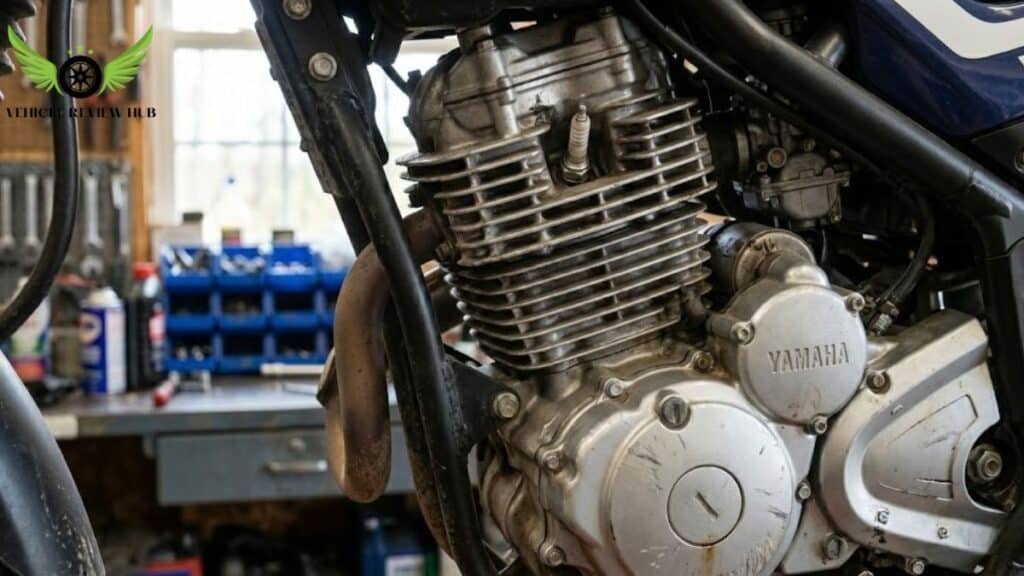
For many riders in the USA, understanding the engine and core specifications of the Yamaha XT250 is a key part of the buying decision. Instead of just listing numbers without context, this section gives you a clear picture of what the bike is capable of and how its core components work together in real-world riding.
Below, we’ll briefly introduce the XT250’s engine design, power characteristics, and chassis features before we dive into detailed breakdowns. This overview helps you see not just what the specs are, but how they translate into everyday usability—whether you’re commuting in the city, cruising back roads, or exploring light dirt trails.
249cc Air-Cooled Engine Overview
The 249cc air-cooled engine is at the heart of what makes the Yamaha XT250 so approachable. From my experience, this engine feels calm and predictable, which is exactly what many US riders want from a dual-sport meant for everyday use. It’s not designed to be fast or aggressive—instead, it focuses on smooth delivery and long-term reliability.
Based on owner feedback, the air-cooled setup is a big reason why maintenance stays simple. There’s no liquid-cooling system to worry about, fewer components to service, and less chance of unexpected issues over time. For riders who plan to keep the bike for years, this simplicity matters more than peak performance numbers.
In real riding conditions, the engine performs best at low to mid speeds. It feels comfortable in city traffic, relaxed on back roads, and steady when riding gravel or dirt paths. Many riders mention that the throttle response feels forgiving, which helps build confidence—especially for beginners or returning riders.
If you ask me, this engine suits the Yamaha XT250’s personality perfectly. It won’t excite riders who crave speed, but for practical use and stress-free ownership, the 249cc air-cooled engine does its job quietly and reliably.
Power, Torque and Transmission
The Yamaha XT250 delivers power in a calm, controlled way that suits real-world riding. From my experience, the bike feels strongest at low to mid RPMs, where smoothness and balance matter more than speed. This makes it easy to ride in traffic and predictable on loose surfaces like gravel or dirt.
Based on owner feedback, the torque is usable early, which helps the bike move without frequent downshifts. This is especially helpful for beginners and for riders who spend time on trails or uneven roads. Acceleration is steady rather than aggressive, keeping the ride stress-free.
The transmission is simple and well-matched to the engine’s character. Gear changes feel clean, and the clutch is forgiving, which reduces fatigue during longer rides or stop-and-go commuting. Many US riders appreciate how natural the gearing feels for mixed road and trail use.
Here’s a quick, easy-to-read overview of how this setup behaves in real riding:
Aspect | Real-World Feel |
Power Delivery | Smooth and gradual |
Low-End Torque | Usable at low RPM |
Mid-Range Response | Controlled and predictable |
Transmission | Easy-shifting, beginner-friendly |
Clutch Feel | Forgiving, low effort |
If you ask me, this power and transmission setup fits the Yamaha XT250 perfectly. It won’t impress riders looking for speed, but it shines for those who value control, confidence, and everyday usability.
Chassis, Suspension and Brakes
The Yamaha XT250 uses a simple chassis setup that focuses on stability and ease of control rather than sharp, aggressive handling. From my experience, the bike feels light and balanced at low speeds, which makes a big difference in city traffic and when riding on uneven surfaces. It doesn’t feel nervous, and it doesn’t demand constant correction from the rider.
Based on owner feedback, the suspension is tuned more for comfort than performance. It handles bumps, potholes, and gravel roads well, especially at moderate speeds. On rough trails, it absorbs smaller impacts confidently, though it’s not meant for high-speed off-road riding. For most US riders who stick to dirt roads and light trails, this setup feels just right.
Braking performance is straightforward and predictable. The brakes don’t feel sharp or aggressive, but they provide enough stopping power for the bike’s size and weight. Many riders mention that this predictable braking helps build confidence, especially for beginners who are still learning proper braking control.
To make things clearer, here’s how the chassis-related components perform in real-world riding:
Component | Real-World Behavior |
Frame & Chassis | Light, stable, easy to control |
Front Suspension | Comfortable over bumps, trail-friendly |
Rear Suspension | Balanced for daily riding |
Front Brake | Smooth, predictable stopping |
Rear Brake | Controlled and beginner-friendly |
If you ask me, this setup suits the Yamaha XT250’s purpose perfectly. It’s not built to attack corners or jump trails, but for everyday commuting and relaxed dual-sport riding, the chassis, suspension, and brakes work together in a way that feels natural and confidence-inspiring.
Yamaha XT250 Pros and Cons

The Yamaha XT250 comes with a clear set of strengths and a few limitations, and understanding both is important before making a buying decision. In the US market, this bike is often chosen for its simplicity, reliability, and ease of use—but it’s not designed to satisfy every type of rider.
This part of the guide gives a balanced overview of what the XT250 does well and where it falls short. Instead of focusing on specs alone, it looks at real ownership experience, everyday usability, and common feedback from riders. By the time you reach the detailed points below, you’ll have a clear idea of whether the XT250’s advantages align with your needs and whether its drawbacks are deal-breakers for your riding style.
Key Advantages for US Riders
One of the biggest advantages of the Yamaha XT250 for US riders is how easy it is to live with daily. From my experience, this bike doesn’t feel demanding. It starts easily, feels light in traffic, and stays predictable whether you’re riding through city streets or heading out onto gravel roads.
Based on long-term owner feedback, reliability is another major strength. Many riders report that routine maintenance stays simple and affordable, which is especially important in the US where people often keep their bikes for years. Parts availability is good, and service knowledge is widespread, making ownership less stressful over time.
The XT250 also stands out for its versatility. It’s street-legal, comfortable enough for commuting, and capable of handling dirt roads and light trails without modifications. For riders who don’t want separate bikes for road and off-road use, this balance is a clear benefit.
Here’s a quick summary of the main advantages that US riders commonly mention:
Advantage | Why It Matters in the USA |
Easy to Ride | Ideal for beginners and casual riders |
Reliable Engine | Lower long-term ownership costs |
Versatile Use | Works for commuting and weekend trails |
Light Weight | Easier handling in traffic and off-road |
Simple Maintenance | Less time and money spent on upkeep |
If you ask me, these advantages explain why the Yamaha XT250 remains popular in the US market. It may not be exciting on paper, but in real life, it delivers a smooth, practical riding experience that many riders actually want.
Limitations and Drawbacks
While the Yamaha XT250 does many things well, it’s not without its limitations. From my observation, the most common concern among US riders is highway performance. At higher speeds, the bike feels strained, which makes long highway rides less comfortable compared to larger dual-sport motorcycles.
Based on user feedback, power is another area where expectations need to be realistic. The XT250 isn’t built for quick acceleration or aggressive riding. Riders who enjoy fast overtakes or spirited highway cruising may find the performance underwhelming over time.
Comfort can also be a drawback for some. The seat is functional but not especially plush, and taller riders sometimes mention that the riding position feels a bit compact on longer trips. For short commutes or weekend rides, this usually isn’t an issue, but it becomes noticeable on extended journeys.
Here’s a clear look at the most common drawbacks mentioned by owners:
Limitation | Real-World Impact |
Limited Highway Power | Less comfortable at sustained high speeds |
Modest Acceleration | Not ideal for performance-focused riders |
Basic Seat Comfort | Long rides may cause fatigue |
Wind Protection | Minimal coverage at higher speeds |
If you ask me, these drawbacks aren’t deal-breakers—but they do define who the Yamaha XT250 is for. It rewards practical riders and frustrates those expecting strong highway performance or advanced features.
Ideal Rider Profile
The Yamaha XT250 is best suited for riders who want a motorcycle that feels simple, manageable, and stress-free to own. From my experience, this bike works especially well for beginners who are still building confidence and don’t want to deal with heavy weight or aggressive power delivery. Everything about it feels predictable, which helps new riders focus on improving their skills rather than controlling the bike.
Based on feedback from US owners, the XT250 also appeals to riders who use their motorcycle for short daily trips. Commuters who ride through traffic, uneven roads, or occasional gravel paths often mention how easy it is to control at low speeds. It doesn’t feel tiring, even after regular use.
This model also fits riders who value practicality over performance. If your priority is low maintenance, good reliability, and a bike that just works without drama, the XT250 checks those boxes. On the other hand, riders who want strong highway performance or a sporty feel usually look elsewhere.
If you ask me, the Yamaha XT250 is ideal for practical riders—those who want a dependable dual-sport motorcycle for everyday riding and light adventures, not for chasing speed or pushing limits.
Final Buying Verdict

The Yamaha XT250 makes sense when you look at it through a practical, real-world lens rather than pure performance numbers. This final section brings everything together—how the bike feels to own, what kind of riding it suits best, and whether it justifies its price in the US market.
Instead of focusing on specs alone, the verdict here weighs everyday usability, long-term reliability, and common owner experiences. It helps answer the most important question for buyers: Does the Yamaha XT250 actually fit your riding needs and lifestyle in the USA, or would another type of motorcycle be a better match?
Is the Yamaha XT250 Worth Buying?
In my opinion, the Yamaha XT250 is worth buying if your priorities match what this bike is built for. Based on owner feedback and real-world use in the USA, it stands out not because it’s the fastest or most advanced dual-sport, but because it’s dependable, easy to ride, and low-stress to own.
From what I’ve seen, riders who enjoy city commuting, light gravel roads, and relaxed back-road rides tend to be happiest with the XT250. The engine doesn’t thrill with high horsepower, but it delivers smooth, predictable power that feels confidence-inspiring—especially if you’re newer to motorcycling or want a bike with a calm personality. Many US owners report that they chose it because it simply does its job without demanding constant maintenance or upgrades.
On the other hand, if you plan to do long highway stints at high speeds or want aggressive off-road performance, this isn’t the bike for you. In that case, something with more power and suspension travel would better serve those needs.
If you ask me, the Yamaha XT250 is worth buying for riders who value practicality, simplicity, and versatility over raw performance. It’s a bike that fits everyday American riding life—easy to handle in traffic, comfortable on neighborhood roads, and forgiving on light trails—and for many people, that’s exactly what matters most.
Best Use Case in the USA
When you think about how people actually ride motorcycles in the USA, the Yamaha XT250 shines in a specific set of real-world scenarios rather than in extreme conditions. From my experience and what most US riders report, this bike works best where practicality meets adventure—not on racetracks or long highway blasts.
For daily commuting, the XT250 feels natural and easy. It’s light in traffic, simple to maneuver, and comfortable enough for short to medium rides around town. From my observation, riders who tackle stop-and-go traffic or city streets with uneven pavement appreciate how the bike stays calm and predictable—even when the ride gets a bit bumpy.
When it comes to weekend exploration, this motorcycle is well-suited to back roads, forest access roads, and light dirt or gravel trails. It doesn’t pretend to be a full-on dirt bike, but it handles these surfaces confidently without demanding advanced riding skills. For many owners, this flexibility is exactly why they chose the XT250 instead of a larger street-only bike.
Here are the best use cases where the Yamaha XT250 truly shines in the USA:
- Everyday Commuting: Easy to ride through city traffic and neighborhood roads
- Mixed Urban/Rural Use: Seamlessly transitions from pavement to light gravel without fuss
- Weekend Back-road Riding: Great for casual trails and exploratory rides on fire roads
- Beginner Skill Building: Predictable power and balance make learning less stressful
- Low-stress Ownership: Simple maintenance and reliable performance over time
If you ask me, the XT250 isn’t about dominating any one environment—it’s about being reliably good across many. That’s why so many riders find it a smart and satisfying choice for real life in the USA.
Yamaha XT250 FAQs (USA Buyers)
The following frequently asked questions are based on common concerns from US buyers who are considering the Yamaha XT250. These quick answers are meant to help you make a faster and more confident buying decision without digging through long explanations.
Is the Yamaha XT250 good for beginners in the USA?
Yes, the Yamaha XT250 is widely considered beginner-friendly. Its manageable power, light weight, and predictable handling make it easy to learn on. Many first-time riders in the USA choose it because it builds confidence instead of feeling intimidating.
Can the Yamaha XT250 handle highway riding?
The Yamaha XT250 can handle short highway rides, but it’s not ideal for long-distance highway use. At higher speeds, the engine feels strained, and wind protection is minimal. It works best on city roads, back roads, and mixed terrain rather than extended highway cruising.
Is the Yamaha XT250 good for off-road riding?
For light off-road use, yes. The Yamaha XT250 performs well on dirt roads, gravel paths, and mild trails. However, it’s not designed for aggressive off-road riding or motocross-style terrain. Think casual exploration, not extreme trails.
How reliable is the Yamaha XT250 for long-term ownership?
Based on owner feedback, reliability is one of the strongest points of the Yamaha XT250. Its simple air-cooled engine and low-maintenance design help keep running costs down, making it a solid long-term ownership option in the USA.
Is the Yamaha XT250 worth the price in the USA?
If you value simplicity, reliability, and versatility, the Yamaha XT250 is worth the price. It may not offer high performance, but for daily commuting and light adventure riding, many US buyers feel it delivers good value for the money.