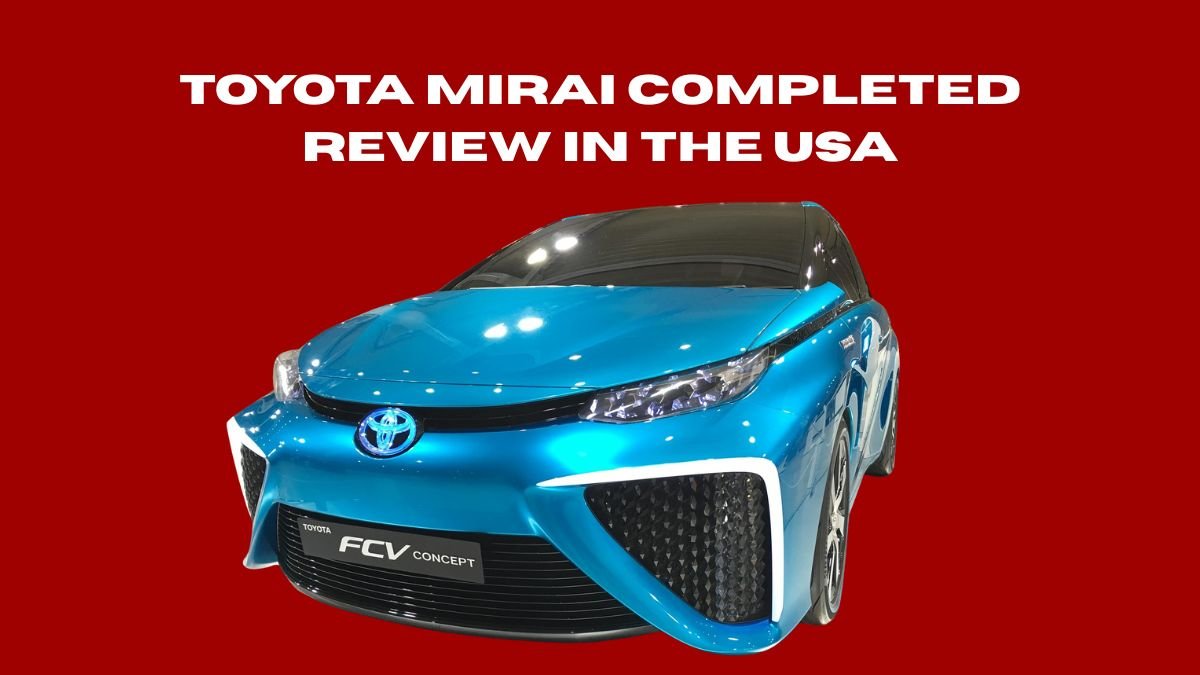
The Toyota Mirai is not a regular sedan you see every day on American roads. It represents Toyota’s vision of a cleaner future through hydrogen fuel cell technology. Instead of gasoline or charging cables, the Mirai runs on hydrogen and produces only water as a byproduct. For buyers in the USA who are curious about alternatives beyond electric and hybrid cars, this vehicle opens a completely different conversation.
In this Toyota Mirai Review, the focus is not just on technical claims but on how the car actually fits into real life, similar to other in-depth car reviews on the site. From daily commuting and highway driving to ownership costs and maintenance expectations, this guide examines the Mirai from a practical buyer’s point of view, while detailed insights are provided in the dedicated real-world driving experience guide. The goal is straightforward: to help you determine whether this hydrogen-powered sedan is a good fit for your lifestyle and location in the United States.
Many people are interested in the Toyota Mirai because of its quiet driving feel, smooth power delivery, and eco-friendly appeal. At the same time, questions often come up about hydrogen refueling stations, long-term reliability, and overall ownership experience. This buying guide is designed to answer those questions clearly, without hype or complicated language, following the same approach used across Vehicle Review Hub.
If you are considering a future-focused car and want honest insight into price, specs, real-world experience, and maintenance, this Toyota Mirai buying guide will walk you through everything you need to know before making a decision.
What Is the Toyota Mirai and Why It Matters in the USA
The Toyota Mirai is a hydrogen fuel cell sedan that takes a different path toward clean driving in the United States compared to other Toyota cars. Instead of using gasoline or relying only on battery charging, the Mirai generates its own electricity by combining hydrogen with oxygen. This process powers the car smoothly and releases only water vapor, making it a zero-emission vehicle in real-world use. For U.S. buyers who want an eco-friendly option without waiting hours to charge, this approach feels practical and familiar.
In the context of the American market, the Toyota Mirai matters because it offers an alternative to both electric and hybrid vehicles. Many drivers like the idea of electric driving but still want fast refueling and long range, which is why models like the Toyota Prius are often compared with the Mirai. The Mirai addresses that gap by delivering quiet performance and quick hydrogen refills, similar to a regular gas stop. This balance between clean technology and everyday convenience is why the car continues to stand out.
From a broader view, this Toyota Mirai Review highlights how the model fits into the USA’s push toward lower emissions and cleaner transportation. While hydrogen infrastructure is still limited, the Mirai shows Toyota’s long-term commitment to fuel cell technology. For buyers who live near refueling stations and want something beyond the usual EV, the Toyota Mirai represents a forward-looking option in today’s changing automotive landscape.
Toyota Mirai Overview and Hydrogen Fuel Cell Technology
The Mirai is a hydrogen-powered sedan designed to run without gasoline or plug-in charging. It produces electricity onboard by combining hydrogen with oxygen, which then powers the electric motor. This process creates only water as a byproduct, making the vehicle clean in everyday driving. From a practical standpoint, the system is quiet, smooth, and easy to live with.
On the road, the driving experience feels very similar to an electric car. Acceleration is steady, noise levels are low, and the car responds smoothly in city traffic and on highways. There are no gear changes or engine vibration, which helps make daily commuting more comfortable and relaxed.
Another key advantage often mentioned by owners is refueling time. Filling the hydrogen tanks usually takes just a few minutes, closer to a normal gas stop than an EV charging session. While hydrogen stations are limited in the USA, the technology itself shows how fuel cell vehicles can offer electric-style driving without long charging waits.
Mirai’s Place in the Green Vehicle Segment
In the green vehicle segment, the Mirai sits in a unique position between battery electric cars and traditional hybrids, often discussed in electric vehicle reviews. Electric vehicles rely fully on charging networks, while hybrids still depend partly on gasoline. The Mirai takes a different route by offering electric-style driving without plugging in, which makes it stand out in discussions about clean transportation.
In the USA, this matters because driving habits and infrastructure vary widely by region. Many buyers like the idea of lower emissions but are not fully comfortable with long charging times or planning trips around chargers. The Mirai answers that concern by offering quick refueling and a long driving range, which feels closer to a conventional car ownership experience.
From a market perspective, this model is not aimed at everyone. It is designed for early adopters who care about sustainability and have access to hydrogen refueling stations. Within that group, the Mirai represents a practical step toward reducing emissions without changing daily routines too much. That balance is what gives it a clear and defined place in the evolving green vehicle landscape.
Who Should Consider the Toyota Mirai
This vehicle is best suited for drivers who are interested in clean technology and want to reduce their environmental impact without switching to full-time charging. It works well for people who follow regular driving routes and live or work near hydrogen refueling stations. For these users, daily use feels simple and familiar, similar to owning a conventional sedan.
Commuters who value a quiet and smooth ride may also find it appealing. The driving experience is calm in traffic, and highway travel feels relaxed and stable. Buyers who enjoy new technology and are open to trying alternatives beyond electric and hybrid cars often appreciate what this model offers.
However, it is not the right choice for everyone. Drivers in areas without hydrogen infrastructure may face inconvenience, especially on longer trips. For the right person in the right location, though, the Toyota Mirai can be a thoughtful option for those looking toward the future of clean mobility in the USA.
Toyota Mirai Price in the USA
The Toyota Mirai is positioned as a premium, future-focused sedan in the U.S. market, and its pricing reflects both the advanced technology and the limited production scale. Unlike regular gas cars, the Mirai’s cost is closely tied to its hydrogen fuel cell system, long-term incentives, and ownership programs offered by Toyota. This makes the pricing discussion a bit different from what buyers usually expect.
In this part of the Toyota Mirai Review, the goal is to give a clear idea of how much the car costs in the USA and what factors influence that price. New vehicle pricing, available incentives, and ownership options all play a role in the final amount a buyer pays. Because hydrogen vehicles are still a niche category, Toyota often supports buyers with special programs that can significantly change the overall cost experience.
Understanding the price of the Toyota Mirai is not just about the sticker number, as long-term maintenance costs and ownership also play a major role. It also involves looking at long-term value, available incentives in certain states, and how ownership costs compare to electric or hybrid alternatives. This section sets the foundation so buyers can judge whether the Mirai fits their budget and expectations before going deeper into trims, incentives, and real-world costs.
New Toyota Mirai MSRP and Trim Levels
In the United States, the Toyota Mirai starts with a base MSRP that reflects both its advanced hydrogen fuel cell technology and its positioning as a premium alternative to conventional vehicles. Toyota currently offers multiple trim levels, each with varying levels of features, comfort, and tech equipment. Buyers need to understand these trims when comparing cost versus value.
The base model of the Toyota Mirai typically carries a starting price that is higher than many conventional sedans, but it also includes a long list of standard features focused on safety, comfort, and efficiency. Higher trims add luxury touches and technology upgrades that appeal to drivers looking for enhanced comfort and convenience.
Because hydrogen fuel cell vehicles are still less common than electric or gas-powered cars, Toyota often pairs the Mirai’s MSRP with incentive programs, lease options, and special offers that may reduce the effective cost for qualified buyers in certain states. These opportunities can bring the real-world purchase price closer to the budgets of buyers who might otherwise overlook fuel cell vehicles.
Below is a general overview of typical Mirai trim levels and their list prices in the USA. (Note that actual pricing can vary by dealer, region, and incentives.)
| Trim Level | Typical MSRP (USD) | Key Features Included |
|---|---|---|
|
Mirai Base |
~$50,000–$52,000 |
Standard safety suite, basic comfort features |
|
Mirai XLE |
~$55,000–$58,000 |
Upgraded interior, additional tech options |
|
Mirai Limited |
~$62,000–$65,000 |
Premium audio, leather, advanced driver aids |
These figures are approximate and meant to give buyers a general sense of where each trim sits in the lineup. Dealers may also offer seasonal promotions or regional pricing differences that affect the final MSRP.
Understanding the range of trims can help potential buyers decide whether a higher-priced variant offers the features they value most, or whether the base model already meets their needs.
Federal and State Incentives for Hydrogen Vehicles
In the United States, owning a hydrogen fuel cell vehicle like the Toyota Mirai can come with financial benefits that help offset some of the higher upfront costs. Both federal and state governments offer incentives designed to encourage the adoption of cleaner transportation options, and understanding these programs is key for anyone considering a fuel cell vehicle.
At the federal level, qualified buyers may be eligible for tax credits or rebates when purchasing a hydrogen-powered car. These incentives aim to make zero-emission vehicles more affordable by reducing the effective cost. Because hydrogen fuel cell technology is still emerging, federal programs sometimes include special provisions to support early adopters or manufacturers that invest in advanced clean vehicle technology.
In addition to federal incentives, several state programs provide additional financial support. For example, some states offer rebates at the point of sale, reduced vehicle registration fees, or access to carpool lanes even with a single occupant. California, in particular, is known for its robust set of incentives for alternative fuel vehicles, including hydrogen fuel cell cars like the Toyota Mirai. These incentives are often paired with state funding for hydrogen refueling infrastructure, making ownership more practical for residents there.
It’s important to note that incentives can vary widely depending on where you live. Some states currently offer strong support for hydrogen vehicles, while others have limited or no dedicated programs. Buyers should always check current federal and state incentive listings before making a purchase decision, as programs are updated regularly and can significantly impact the overall cost of ownership.
Used Toyota Mirai Price Range in the USA
When you’re considering a Toyota Mirai, it’s worth looking beyond new car pricing and understanding what to expect if you buy used. Because the Mirai is still a comparatively rare vehicle in the U.S., used prices can vary more than for typical sedans. Unlike many conventional cars, the supply of used hydrogen fuel cell vehicles is smaller, which affects pricing and availability.
In most parts of the United States, used Toyota Mirai prices depend on factors like model year, mileage, condition, local demand, and the availability of hydrogen refueling stations nearby. For example, earlier Mirai models from when the car was first introduced may be priced lower but could have higher mileage. Newer used models that still retain warranty coverage or updated features will usually carry a higher price tag.
Here’s a general overview of the typical price range you might find for a pre-owned Toyota Mirai in the U.S. market. These figures are approximate and meant to give you a realistic sense of what buyers are paying now:
| Model Year Range | Approximate Price Range (USD) | Notes |
|---|---|---|
|
2016–2018 |
$25,000–$35,000 |
Older models, higher mileage likely |
|
2019–2020 |
$33,000–$42,000 |
Mid-range model years with solid features |
|
2021–2022 |
$40,000–$50,000 |
Newer vehicles with lower miles |
Used prices can shift over time as demand changes and new Mirai models enter or exit the market. It’s also important to consider that some listings include extra warranty coverage or dealer incentives that can influence the final sale price. Checking multiple sources, such as certified pre-owned programs and local listings, will help you find the most accurate pricing in your area.
For many buyers, the Toyota Mirai represents a way to experience hydrogen fuel cell driving without paying the full new price, and understanding this price range helps set realistic expectations.
Lease vs Purchase Cost Analysis
When considering a Toyota Mirai, one key decision many buyers face is whether to lease or purchase the vehicle. Each option has its financial advantages and considerations, and understanding these can help you choose the path that best fits your budget and lifestyle.
Leasing a Toyota Mirai often involves lower monthly payments compared to buying with a loan. Because you are essentially paying for the vehicle’s depreciation during the lease term rather than its full value, the monthly cost can be more manageable. For drivers who like the idea of upgrading to newer technology every few years, leasing also makes it easier to move into the latest model when the lease ends.
On the other hand, purchasing the Toyota Mirai means you are building ownership equity over time. While monthly payments may be higher than leasing, once the vehicle loan is paid off, you continue to benefit from the car without ongoing monthly costs. Buying is especially appealing if you plan to keep the car for many years and want to avoid the restrictions that sometimes come with leases, such as mileage limits or wear-and-tear fees.
To compare these options side-by-side, here is a general cost comparison based on typical lease and purchase scenarios in the USA:
| Cost Aspect | Leasing | Purchasing |
|---|---|---|
|
Monthly Payment |
Lower |
Higher |
|
Ownership |
No (return at end) |
Yes (you own the car) |
|
Mileage Limits |
Often Yes |
No limits (buyer choice) |
|
End-of-Term Fees |
Possible charges |
No lease fees |
|
Long-Term Cost |
Can be higher if leasing repeatedly |
Lower if kept long term |
This table illustrates some typical differences, but actual costs will vary based on your credit score, local incentives, dealer offers, and the terms of your lease or loan. For example, lease deals sometimes include promotional pricing that lowers the initial due-at-signing amount. Meanwhile, buyers who secure low-interest financing can reduce their overall loan cost.
In the context of a Toyota Mirai Review, understanding the financial implications of leasing versus buying helps you weigh both short-term affordability and long-term value. If you enjoy driving a fresh model every few years and don’t exceed mileage restrictions, leasing may suit you. If long-term ownership and equity matter more, purchasing could be the better decision.
Toyota Mirai Specs & Technical Details

When buyers look at the Toyota Mirai, the technical side plays a big role in understanding what makes it different from other cars on U.S. roads. Instead of focusing only on numbers, it’s important to see how the specs translate into daily driving, comfort, and usability. The Mirai’s engineering is built around balance—smooth performance, quiet operation, and long-range capability without relying on gasoline or plug-in charging.
In this part of the Toyota Mirai Review, the focus is on the overall technical foundation rather than isolated figures. From the fuel cell system and power output to driving range and interior space, these details help explain why the car feels more like a premium sedan than a technology experiment. Specs matter most when they improve real-world experience, and that is where the Mirai aims to deliver value.
Understanding these technical details also helps buyers compare the Mirai with electric vehicles and hybrids in the same price range. While the technology behind it is different, the goal remains familiar—comfortable driving, dependable performance, and practicality for everyday use in the USA. This section sets the stage before diving deeper into specific components and real-world performance aspects.
Fuel Cell Powertrain and Hydrogen Storage Specs
The Toyota Mirai uses a fuel cell powertrain that sets it apart from traditional gasoline and even many electric vehicles. Instead of a combustion engine or a large traction battery, this system converts hydrogen into electricity on the go. The result is a smooth and quiet driving feel, with power delivered in a linear and predictable way that most drivers will find easy to adapt to in everyday use.
At the heart of the system is the fuel cell stack. This stack combines hydrogen from high-pressure tanks with oxygen from the air, generating electric power through a chemical reaction rather than burning fuel. The electricity then feeds the electric motor, which turns the wheels. Unlike a typical gas engine, there are fewer moving parts, which can mean quieter operation and less vibration during normal driving.
Hydrogen storage is another key aspect of how the Mirai works. The car carries compressed hydrogen in specially designed tanks built to meet strict safety standards. These tanks are engineered to be strong yet lightweight, holding enough fuel to deliver a driving range similar to conventional cars. Because the Mirai doesn’t rely on large batteries, you won’t see long charging sessions; refilling a hydrogen tank takes only a few minutes at a compatible station, making it more like conventional refueling from a practical standpoint.
In terms of spec figures, the Mirai’s hydrogen storage and fuel cell layout are designed to support a stable and reliable power output. While exact numbers can vary by model year and trim, these design choices give the Toyota Mirai a balance of performance and practicality that many drivers appreciate without needing to adapt to the range limitations of early electric vehicles.
Horsepower, Torque and Performance Figures
When evaluating the Toyota Mirai, it’s important to understand the key performance numbers that influence everyday driving. While the Mirai’s focus isn’t on sport-car acceleration, its powertrain delivers enough strength for confident highway merging, smooth cruising, and a comfortable ride in a wide range of conditions.
Under the hood, the Toyota Mirai’s fuel cell system powers an electric motor that delivers a balanced blend of horsepower and torque. Instead of an internal combustion engine with shifting gears, the Mirai’s motor produces steady thrust as soon as you press the accelerator. This results in responsive performance without the jerky transitions that some conventional transmissions create.
On paper, Mirai’s horsepower and torque figures aren’t at the top of any sports-car list, but they are well-matched for this type of vehicle. The power output gives the car enough acceleration for highway passing and everyday city traffic, while still maintaining the smooth, quiet feel that makes the Mirai appealing. In most model years, the Toyota Mirai places its power delivery in a range that many drivers find comfortable and effortless for normal driving.
Performance is also shaped by the fuel cell design and weight distribution, which help keep the ride stable and balanced. While the Toyota Mirai may not be compared purely on numbers with high-performance vehicles, its horsepower and torque are tuned to give a refined and confident driving experience suitable for typical U.S. road use.
Driving Range and Refueling Time
One of the biggest talking points around the Toyota Mirai is how far it can travel on a full tank and how quickly it can be refueled. Unlike battery electric cars, range anxiety is less about charging time and more about station availability. From a pure driving perspective, the Mirai is designed to handle daily commutes and longer trips with confidence.
In real-world use, the driving range is comparable to that of many conventional sedans. For most drivers, a full hydrogen tank can comfortably cover several days of normal city and highway driving. This makes the Mirai suitable for people who don’t want to think about frequent stops or midweek refueling.
Refueling time is where the Mirai clearly stands out. Filling the hydrogen tanks typically takes just a few minutes, similar to stopping at a gas station. There is no waiting for a battery to charge, which makes ownership feel familiar and convenient. In many Toyota Mirai Review discussions, this quick refueling experience is often mentioned as a major advantage, especially for drivers who value time and routine convenience in the USA.
Dimensions, Cargo Space and Passenger Room
The Toyota Mirai is designed as a mid-size sedan, and its overall dimensions reflect a balance between road presence and everyday usability. From the outside, it has a long and low profile that gives it a premium look, while still being easy to handle in city traffic and parking situations.
Inside the cabin, passenger space is comfortable for daily driving. Front-seat occupants get plenty of headroom and legroom, making long drives less tiring. Rear-seat space is adequate for adult passengers, though it feels more suited to regular commuting rather than carrying taller passengers on very long trips. For most families and professionals, the interior layout works well for normal use.
Cargo space is one area where buyers should set realistic expectations. Because of the hydrogen tanks and fuel cell components, trunk capacity is more limited compared to some traditional sedans. It can handle groceries, backpacks, or a couple of small suitcases, but it’s not built for heavy luggage or bulky items. In many Toyota Mirai Review discussions, owners mention that the space is fine for daily needs, as long as you don’t expect large cargo flexibility.
Overall, the Mirai’s dimensions and interior space are aimed at comfort and efficiency rather than maximum storage. For drivers who prioritize a smooth ride, clean technology, and a refined cabin, the layout feels practical enough for everyday life in the USA.
Toyota Mirai Pros and Cons (Honest Review)
Every vehicle comes with strengths and limitations, and the Toyota Mirai is no exception. Understanding both sides is important for buyers who want a clear and realistic picture before making a decision. Rather than focusing only on innovation, it helps to look at how the car performs in everyday ownership, where it shines, and where it may not fit every lifestyle.
In this part of the Toyota Mirai Review, the goal is to present an honest overview based on real-world use. Factors like driving comfort, refueling convenience, technology benefits, and ownership challenges all play a role in shaping the experience. For some buyers, the Mirai’s advantages will strongly outweigh its drawbacks, while for others, certain limitations may be deal-breakers.
This section sets the foundation before breaking down the specific advantages and disadvantages in detail. By looking at both pros and cons together, buyers in the USA can better decide whether the Toyota Mirai matches their expectations, location, and long-term needs.
Advantages of Owning a Toyota Mirai
One of the biggest advantages of owning a Toyota Mirai is the smooth and quiet driving experience. Because it runs on an electric motor powered by a fuel cell system, there is no engine noise or vibration. This makes daily driving more relaxed, especially in city traffic and during long highway trips.
Another strong benefit is fast refueling. Unlike battery electric vehicles that may require long charging times, the Mirai can be refueled with hydrogen in just a few minutes. For many drivers, this feels familiar and convenient, similar to stopping at a gas station. In several Toyota Mirai Review experiences, owners mention that quick refueling helps maintain normal driving routines without planning around charging schedules.
Low routine maintenance is also an advantage. With fewer moving parts than a traditional gasoline engine, regular upkeep tends to be simpler. Combined with Toyota’s reputation for reliability, this gives many owners confidence in long-term use. For drivers in the USA who want clean driving technology without sacrificing comfort or convenience, the Toyota Mirai offers a set of benefits that stand out in everyday ownership.
Disadvantages and Limitations
Despite its benefits, there are a few limitations buyers should think about before choosing this vehicle. The biggest challenge is refueling availability. Hydrogen stations are still limited in many parts of the USA, which can affect daily convenience and long-distance travel. This means the car works best for drivers who live close to existing refueling locations.
Another drawback is storage space. Because of the fuel cell components, trunk capacity is smaller than what many people expect from a mid-size sedan. It’s fine for groceries or everyday items, but carrying large luggage or bulky gear can be difficult.
Owners also point out that long-term resale value is harder to predict. Since hydrogen-powered cars are still a niche option, future demand is uncertain. For drivers who prioritize nationwide flexibility and easy access everywhere, these limitations are worth considering before making a decision.
Who the Mirai Is Best Suited For
This vehicle is best suited for drivers who want to adopt cleaner technology without changing their daily driving habits too much. It works well for people who live in areas with easy access to hydrogen refueling stations and follow regular commuting routes. For these drivers, everyday use feels simple and familiar.
It also fits buyers who value comfort, quiet driving, and a relaxed ride. Professionals, commuters, and small families who prioritize smooth performance over sporty handling often find it appealing. The calm cabin and steady driving behavior make it a good match for people who spend a lot of time in traffic or on highways.
From many Toyota Mirai Review experiences, it’s clear that this car is not meant for everyone. Instead, it suits early adopters and environmentally conscious drivers who are comfortable planning around refueling locations. For the right user in the right location, it can be a practical and satisfying choice in the USA.
Toyota Mirai FAQs
This FAQ section answers the most common questions buyers search for when researching the Toyota Mirai, similar to other helpful vehicle FAQs on the site. The focus here is on clear, practical answers based on real-world ownership and U.S. driving conditions, not marketing claims. These points help readers quickly decide whether the Mirai fits their needs and location.
How far can a Toyota Mirai drive on a full tank of hydrogen?
On a full tank of hydrogen, the Toyota Mirai can typically cover a range suitable for several days of normal driving. In real-world use, the exact distance depends on driving style, traffic, and highway versus city use. Most owners report that the range feels comparable to a traditional gasoline sedan, which helps reduce day-to-day range concerns.
Is the Toyota Mirai reliable?
Overall reliability feedback has been positive. Owners often describe daily use as smooth and trouble-free, with consistent performance over time. Because the vehicle uses an electric motor and fuel cell system with fewer moving parts than a gasoline engine, some common mechanical issues are less frequent. In many Toyota Mirai Review discussions, reliability is seen as one of the car’s stronger points.
Are hydrogen refueling stations common in the USA?
Hydrogen refueling stations are still limited in the USA and are mainly concentrated in specific regions, especially parts of California. Outside these areas, availability can be very limited. This makes the Mirai best suited for drivers who live and commute near existing stations or have predictable driving routes.
Is Toyota Mirai expensive to maintain?
Routine maintenance costs are generally manageable and similar to other modern sedans. There is no engine oil to change, and fewer moving parts can mean lower long-term wear. While specialized components exist, most owners do not report unusually high service costs. In practice, maintenance feels straightforward rather than expensive.
Does Toyota Mirai qualify for incentives?
Yes, in many cases the Toyota Mirai qualifies for federal and state-level incentives in the USA. These may include tax credits, rebates, or special ownership programs, depending on location and eligibility rules. Incentives can significantly reduce the effective cost, which is why many buyers include them as part of their purchase decision.
Final Buying Verdict for Toyota Mirai in the USA

The Toyota Mirai is not a one-size-fits-all vehicle, but for the right buyer, it can be a smart and forward-looking choice. It delivers a smooth, quiet driving experience, quick refueling, and zero tailpipe emissions, all while feeling like a refined everyday sedan. For U.S. drivers who live near hydrogen refueling stations, daily ownership can feel simple and familiar.
In this final part of the Toyota Mirai Review, the key takeaway is balance. The car offers clear advantages in comfort, cleanliness, and technology, but it also requires realistic planning around refueling access. Buyers who value clean driving and are open to newer technology often find the Mirai rewarding, while those who need nationwide flexibility may find other options more practical.
Ultimately, the Toyota Mirai makes the most sense for drivers who match its use case—predictable routes, access to infrastructure, and an interest in future-focused mobility. For those conditions, it delivers a confident, comfortable, and reliable ownership experience in the USA.
Should You Buy the Toyota Mirai?
Whether you should buy the Toyota Mirai depends largely on your location, driving routine, and expectations from a clean-energy vehicle. This is not a car designed for every type of buyer, but for the right use case, it can be a practical and satisfying choice.
The Mirai works best for drivers who live near hydrogen refueling stations and follow predictable daily routes. In these conditions, ownership feels simple, with fast refueling and a smooth, quiet driving experience that closely resembles a traditional sedan. Buyers who value zero tailpipe emissions and want to avoid long charging times often find this approach appealing.
However, drivers who need nationwide flexibility, frequent long-distance travel, or guaranteed refueling access in all regions may find other options more suitable. In many Toyota Mirai Review insights, satisfaction is highest among owners who clearly understand the infrastructure limits before purchasing.
In summary, the Toyota Mirai is worth buying if your location and lifestyle align with hydrogen availability and you are interested in future-focused mobility. For buyers outside that profile, alternative clean vehicles may offer greater convenience.
Best Mirai Trim Level to Buy
Choosing the best Toyota Mirai trim level comes down to how you plan to use the car and which features matter most to you. Toyota typically offers several trim levels, each with a slightly different mix of comfort, technology, and convenience options.
For many buyers, the mid-range trim often represents the best balance of price and features. It generally includes key comfort and safety upgrades without adding unnecessary cost. This trim usually adds upgraded interior materials, enhanced driver-assistance features, and more refined infotainment options compared to the base model. Many owners find this level offers strong day-to-day usability without paying for premium equipment they may never use.
The higher trims can be appealing for drivers who prioritize luxury touches, upgraded sound systems, or advanced tech features. These trims may include features like premium seating materials, larger display screens, or additional convenience systems. For buyers who travel frequently or who want the most refined cabin experience, these higher levels can be worth the extra cost.
Lower trims, while more affordable, may leave out some comfort or convenience options that many drivers find useful on longer journeys. In many Toyota Mirai Review comparisons, buyers note that the best choice is often the trim that combines essential daily usability with a reasonable price point rather than the most expensive version available.
Ultimately, the best trim for you depends on your budget and which features you use most often. If you want solid day-to-day comfort and value without overspending, the mid-range trim level typically offers the most practical and satisfying ownership experience.
Final Recommendation for Future Buyers
For future buyers, the Toyota Mirai makes sense as a thoughtful and forward-looking choice, but only when expectations are realistic. It is best suited for drivers who value smooth, quiet driving and want to reduce emissions without relying on long charging times. When hydrogen refueling access is convenient, ownership feels simple and familiar, much like driving a conventional sedan.
Buyers should approach the Mirai with a clear understanding of their daily routes and local infrastructure. Those who live in regions with established hydrogen stations and follow predictable driving patterns are more likely to have a positive experience. In these situations, the car delivers comfort, reliability, and a unique ownership experience that stands apart from most electric and hybrid options.
Based on overall ownership feedback and long-term usability, many Toyota Mirai Review insights suggest that satisfaction is highest among informed buyers. For future buyers who align with its use case and are comfortable with its limitations, the Toyota Mirai can be a rewarding choice in the evolving clean-vehicle landscape of the USA.