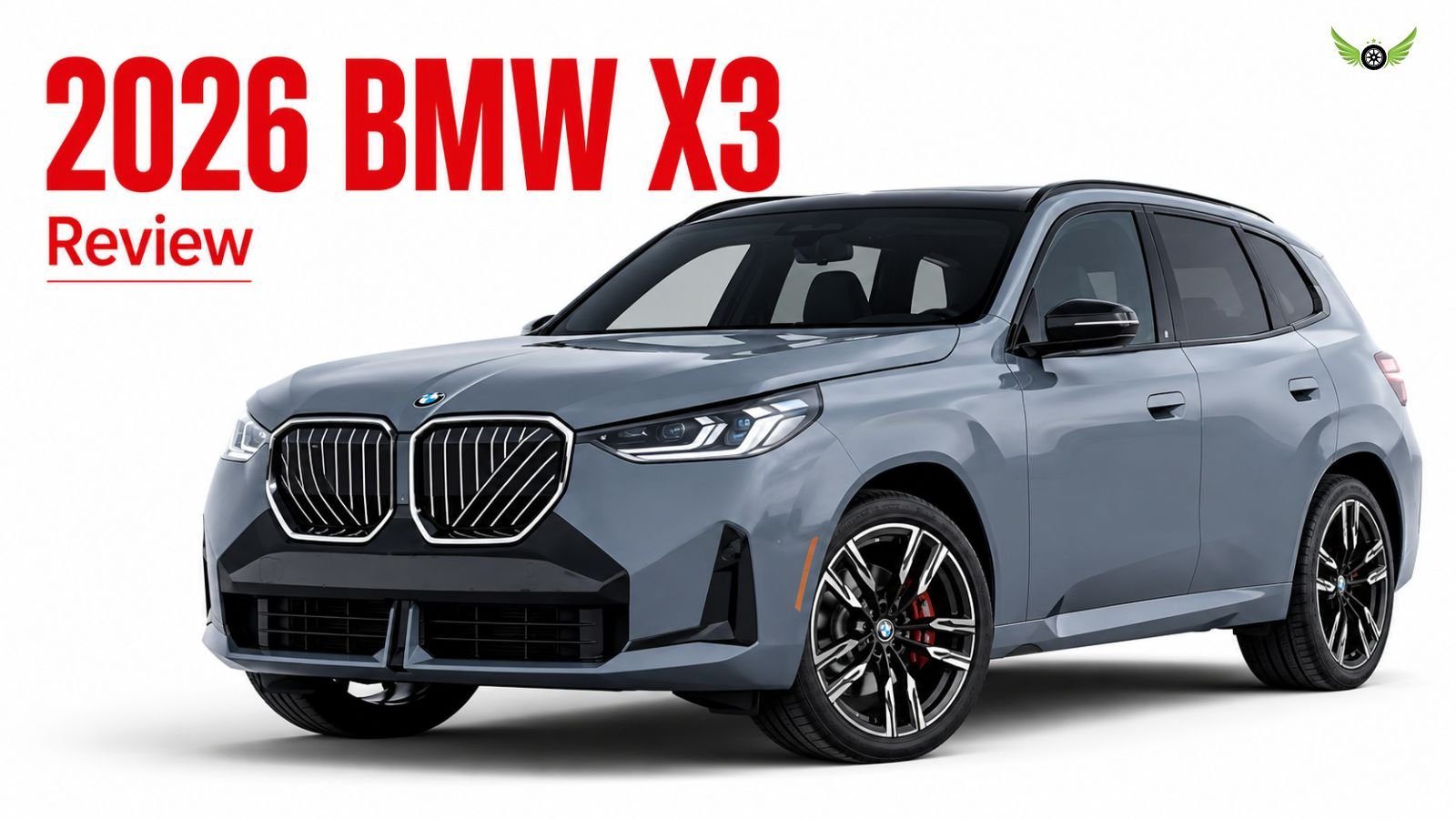
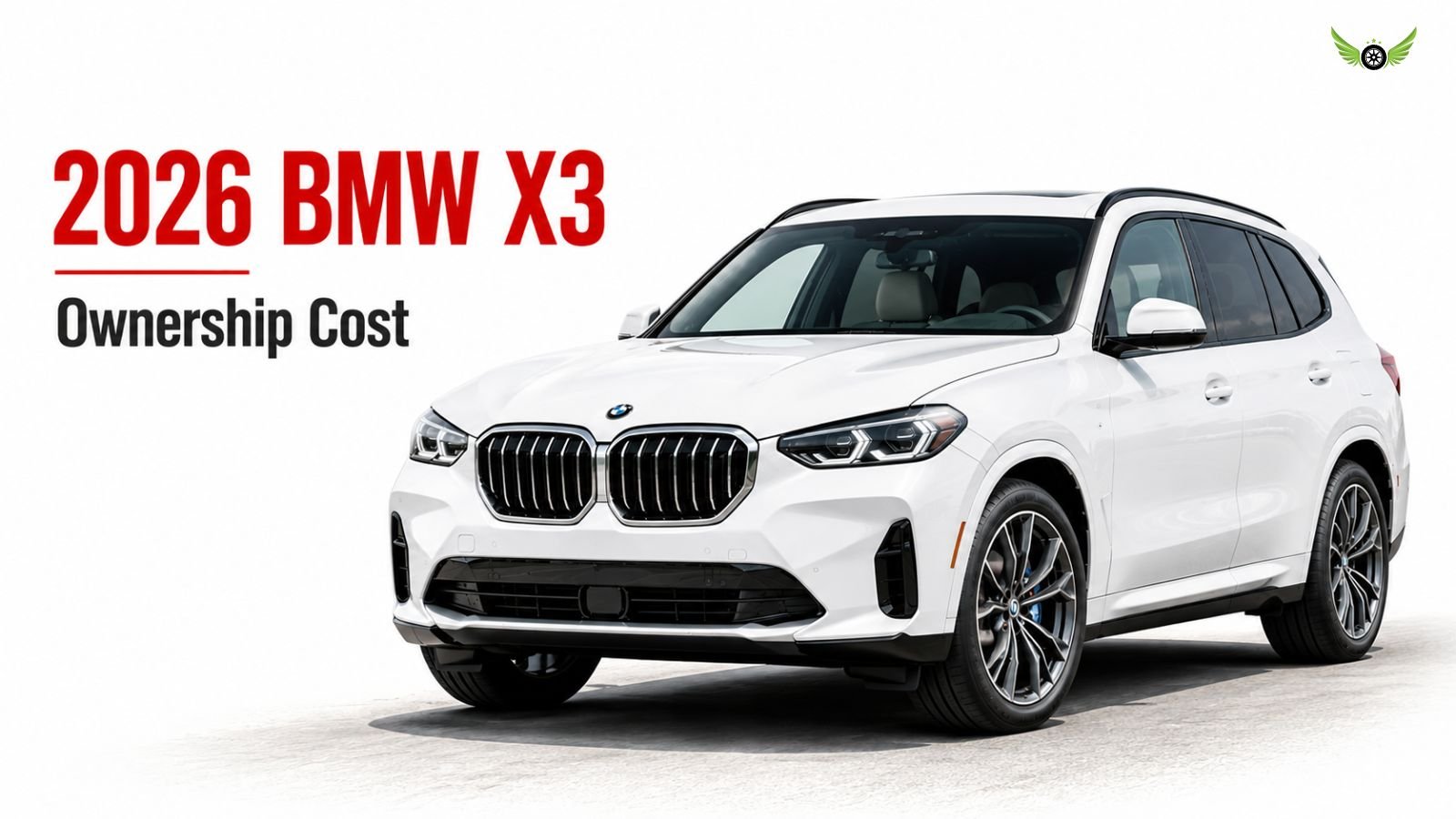
The 2026 BMW X3 starts at $51,300 for the X3 30 xDrive in the U.S., while the X3 M50 xDrive starts at $66,500. The X3 30 xDrive produces 255 hp and is rated at up to 29 mpg combined, giving it reasonable fuel efficiency for a luxury compact SUV.
For the X3 xDrive30, Kelley Blue Book currently estimates $69,455 in five-year ownership costs, including fuel, insurance, financing, maintenance, repairs, state fees, and depreciation. Its estimate includes $29,914 in depreciation, $14,000 in insurance, $11,000 in fuel, and $3,130 in maintenance over five years.
These figures show why the purchase price alone does not tell the full story. For a buyer planning to keep the SUV for several years, BMW X3 Ownership Cost is strongly influenced by depreciation and insurance, while mileage, location, driving history, financing, and maintenance can change the actual amount paid.
This guide breaks down those costs, including BMW X3 Insurance, BMW X3 Resale Value, depreciation, and the key expenses to consider before committing to long-term ownership in the USA.
BMW X3 Ownership Cost Breakdown
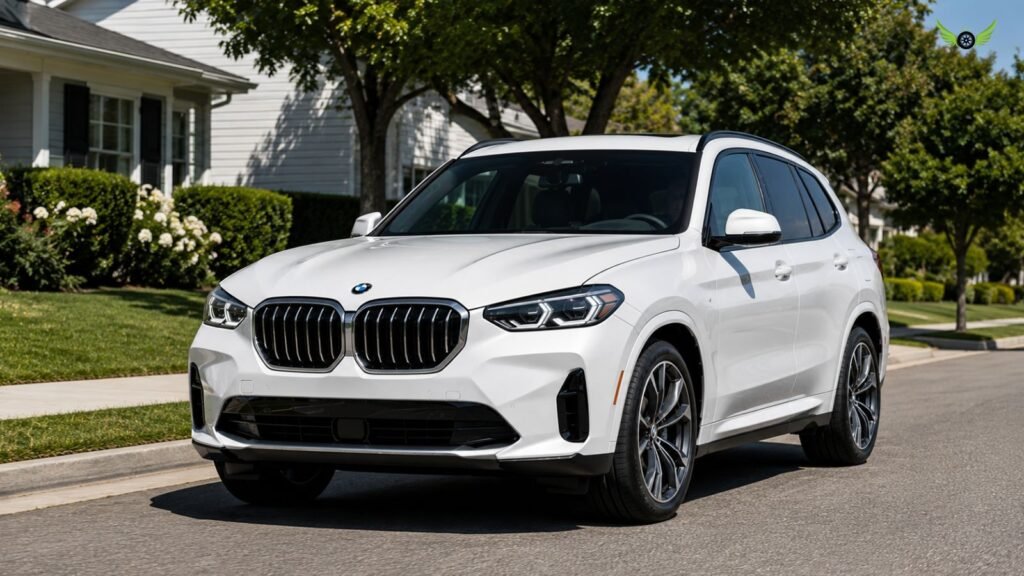
The 2026 BMW X3 comes with the typical costs of owning a luxury compact SUV, including fuel, maintenance, financing, insurance, repairs, and depreciation. The final amount depends on where you live, how much you drive, and whether you finance the vehicle. Current ownership calculators provide useful benchmarks, but their totals can differ because they use different assumptions.
Fuel, Maintenance & Financing Costs
Fuel is a regular expense, while maintenance and financing costs depend more heavily on how the vehicle is used and purchased. Edmunds estimates $14,877 for fuel, $7,901 for maintenance, and $11,408 for financing over five years for the 2026 X3 30 xDrive. Its calculation assumes 15,000 miles per year, a 10% down payment, and a 60-month loan.
Kelley Blue Book’s estimates are lower in some locations, illustrating how local fuel prices, loan costs, and other factors can affect the overall budget.
Total 5-Year Ownership Cost
Edmunds estimates a five-year True Cost to Own of $81,050 for the 2026 X3 30 xDrive. The estimate includes depreciation, taxes and fees, financing, fuel, insurance, maintenance, and repairs.
5-Year Cost Category | Edmunds Estimate |
Depreciation | $29,684 |
Fuel | $14,877 |
Financing | $11,408 |
Maintenance | $7,901 |
Insurance | $7,560 |
Repairs | $3,183 |
Taxes & Fees | $6,437 |
Total Cost to Own | $81,050 |
Kelley Blue Book also estimates five-year ownership costs, but its figures change based on location. For example, recent estimates for the X3 xDrive30 range from roughly $74,000 to $75,000 in the U.S. locations reflected in its listings. These numbers should therefore be viewed as planning estimates rather than a guaranteed ownership cost.
BMW X3 Insurance Cost
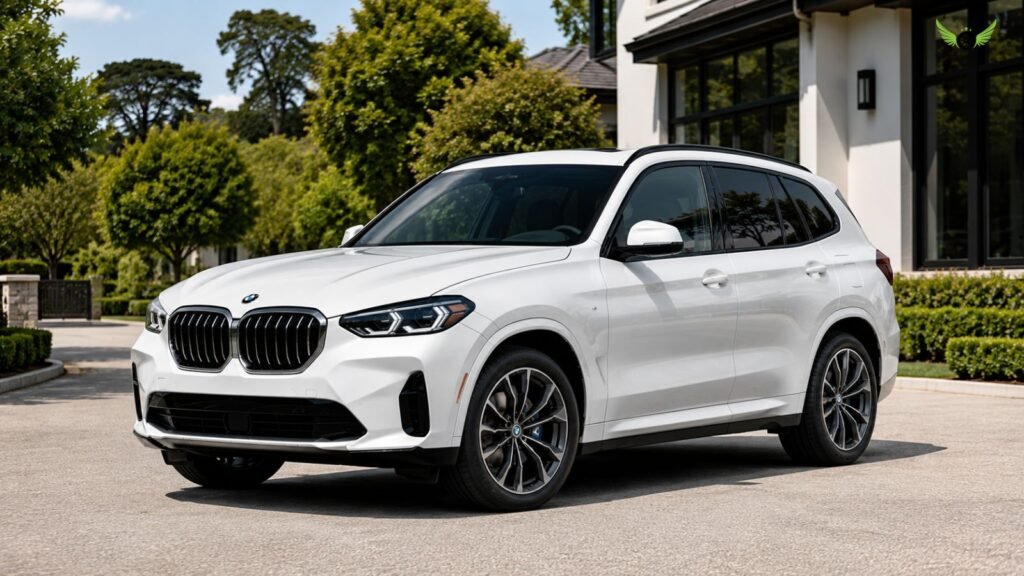
Insurance is a meaningful part of long-term ownership, but there is no single premium that applies to every driver. Rates vary widely based on the insurer, coverage level, location, and driver profile. For that reason, average figures are best used as a benchmark when budgeting for a BMW X3.
Average Insurance Premium
Current estimates for the X3 vary by methodology. Compare.com, using quote data and insurance rate filings, reports an average premium of $115 per month for liability coverage and $227 per month for full coverage, or about $2,724 per year for full coverage. Its model-year data estimates the 2026 X3 at around $205 per month on average across coverage types.
MoneyGeek estimates full coverage at $1,973 per year for the X3, showing why buyers should not rely on one national estimate when planning their budget.
Coverage / Estimate | Average Cost |
Liability coverage | $115/month |
Full coverage | $227/month |
MoneyGeek full-coverage estimate | $1,973/year |
Factors That Affect Insurance Rates
Your BMW X3 Insurance premium is influenced mainly by your ZIP code, age and driving experience, driving and claims history, annual mileage, coverage limits, and deductible. The insurer and the specific vehicle configuration can also affect the final rate. The National Association of Insurance Commissioners notes that vehicle type, location, driving record, miles driven, and selected coverage are among the main factors insurers use when setting auto insurance premiums.
For a new luxury SUV, repair and replacement costs can also influence premiums. The most accurate way to estimate your own cost is to compare quotes using the same coverage limits and deductible.
BMW X3 Resale Value & Depreciation
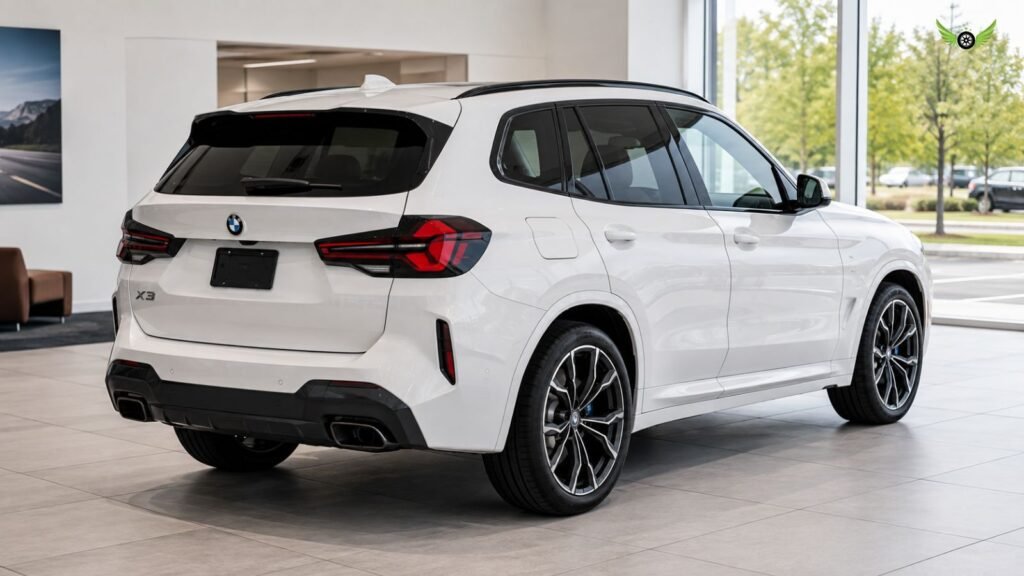
Depreciation is one of the largest long-term costs of owning a luxury SUV. Current industry projections suggest that the BMW X3 Resale Value is broadly competitive within the luxury compact SUV segment, but buyers should still expect a significant loss in value over five years. Actual resale prices will depend on mileage, condition, trim, and future used-car market demand.
3-Year & 5-Year Depreciation
iSeeCars estimates that a BMW X3 depreciates about 26% after three years and 49.6% after five years, retaining roughly 74% and 50% of its value, respectively. Its analysis is based on more than 15 million vehicles and provides a useful model-level benchmark. CarEdge’s projections are somewhat more conservative, estimating 39.2% depreciation after three years and 54.1% after five years under its own mileage and condition assumptions.
Ownership Period | iSeeCars Estimate | CarEdge Estimate* |
3 Years | 26.0% depreciation | 39.2% depreciation |
5 Years | 49.6% depreciation | 54.1% depreciation |
CarEdge’s projections assume average condition and approximately 13,500 miles per year. Because each source uses a different methodology, these figures should be viewed as planning estimates rather than guaranteed resale results.
BMW X3 vs Luxury SUV Competitors
The X3’s resale performance is competitive but not class-leading in every comparison. iSeeCars estimates the X3 retains more value than the Audi Q5 over five years, with projected depreciation of 53.9% versus 58%. Against the Mercedes-Benz GLC, however, the X3 is projected to depreciate slightly more, at 53.9% versus 51.4%.
For buyers planning to sell or trade after several years, the key takeaway is that the X3 should remain reasonably competitive in its segment, but depreciation should still be treated as a major part of the overall ownership budget.
BMW X3 Long-Term Ownership Experience
The 2026 BMW X3 is still a relatively new generation, so there is not enough high-mileage data to make definitive claims about its long-term reliability. Consumer Reports predicts average reliability for the 2026 model based on 2025 data, while J.D. Power gives it a 74/100 Quality & Reliability score, also rated Average. The early picture is therefore reasonable, but buyers should expect a clearer reliability record only after more vehicles accumulate mileage.
High-Mileage Ownership Expectations
For owners planning to keep the SUV beyond its warranty period, maintenance history will become increasingly important. BMW includes scheduled maintenance for the first 3 years or 36,000 miles, after which routine service and repairs become the owner’s responsibility.
Early owner data from the related 2025 model has identified in-car electronics as a reported trouble area, while some owner feedback has also raised concerns about software-related issues. These are early reports, not proof of long-term reliability problems, but they are worth monitoring as the new generation ages.
Pros & Cons After Years of Ownership
Based on current testing and early ownership information, the X3’s main strengths are its refined powertrain, comfortable seats, nimble handling, and practical everyday usability. Consumer Reports also notes that the new cabin’s controls can be harder to use and that the interior does not feel as luxurious as some other BMW models.
Long-Term Strengths | Things to Consider |
Comfortable and capable for daily driving | Long-term reliability data is still limited |
Refined, fuel-efficient powertrain | Repairs may become more expensive after warranty |
Engaging handling and practical space | Early reports include electronics and software concerns |
Strong overall driving experience | Some cabin controls have a learning curve |
For long-term buyers, the key advantage is the X3’s well-rounded driving experience. The main uncertainty is how the redesigned generation will perform after many years and high mileage, making regular maintenance and timely software updates especially important.
Is the BMW X3 Worth Buying in 2026?
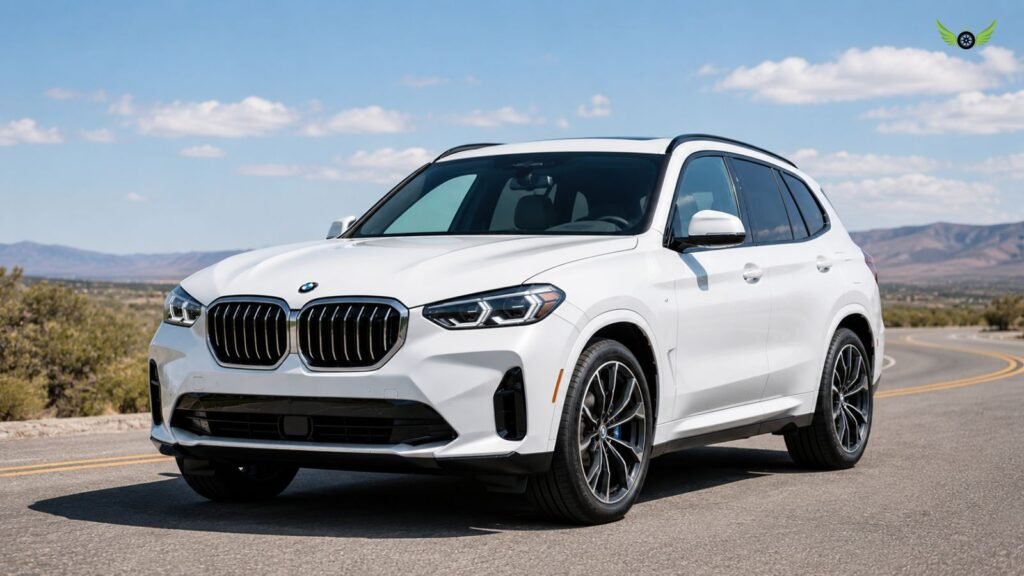
Yes—the 2026 BMW X3 is worth buying if you want a practical luxury SUV that is enjoyable to drive and efficient enough for daily use. Independent testing consistently highlights its strong powertrains, sporty handling, comfortable seating, and useful interior space. The X3 30 xDrive starts at $51,300 and delivers up to 29 mpg combined, according to BMW.
The main trade-offs are the less traditional interior controls and the fact that this generation is still relatively new. Consumer Reports expects about average reliability, while its testing praised the powertrain and handling but found the controls harder to use than those in the previous model.
Who Should Buy the BMW X3?
The X3 is a good choice for buyers who want one vehicle that balances daily practicality with engaging driving dynamics. The X3 30 xDrive should suit most buyers, while the M50 is better suited to those willing to pay more for substantially stronger performance. Independent reviews also highlight the standard model’s combination of efficiency, cargo space, and sporty handling.
It may be less suitable for buyers who prioritize the lowest long-term running costs or prefer simple physical controls over a screen-focused interface.
Final Ownership Verdict
The BMW X3 is one of the more well-rounded choices in the luxury compact SUV segment. Its strongest points are its driving experience, efficient performance, comfort, and everyday practicality. The main ownership considerations are higher luxury-vehicle operating costs and the limited long-term history of the redesigned generation.
For buyers whose budget comfortably covers both the purchase price and ongoing expenses, the 2026 X3 is a strong choice for long-term ownership. Buyers focused mainly on maximum reliability or the lowest cost of ownership may want to compare other options before making a final decision.
BMW X3 Ownership Cost, Insurance & Resale Value FAQs
Buying a luxury SUV involves more than comparing the purchase price. These frequently asked questions cover the most important ownership topics, including long-term costs, insurance, depreciation, maintenance, and whether the 2026 model is a practical choice to keep for several years.
How much does it cost to own a 2026 BMW X3 for five years?
The five-year cost depends on location and ownership assumptions. Kelley Blue Book currently shows estimates of roughly 74,000–75,000 for the X3 xDrive30 in selected U.S. locations, while Edmunds estimates $81,050 based on 15,000 miles per year and its standard financing assumptions.
What are the biggest expenses of owning a BMW X3?
Depreciation, insurance, fuel, and financing are the largest expenses for most owners. Edmunds estimates depreciation at $29,684 over five years for the 2026 X3 30 xDrive, making it the single biggest cost in its ownership calculation.
How much is insurance for a BMW X3?
Insurance costs vary significantly by driver and location. Edmunds estimates $7,560 over five years under its standard assumptions, but your age, driving record, coverage level, and ZIP code can produce a very different premium.
Does the BMW X3 hold its value well?
The X3’s resale outlook is competitive for a luxury compact SUV, but depreciation remains a major cost. J.D. Power gives the 2026 model a Great resale rating of 81/100, while KBB’s current estimates show approximately 29,000–31,000 in five-year depreciation, depending on location and assumptions.
Is the BMW X3 expensive to maintain?
Maintenance costs are generally higher than those of mainstream compact SUVs. Edmunds estimates $7,901 in maintenance over five years for the X3 30 xDrive, although actual costs depend on mileage, service needs, and where the vehicle is maintained.
Is the 2026 BMW X3 reliable for long-term ownership?
It is still too early to make a definitive long-term reliability judgment because the current generation is relatively new. J.D. Power rates its Quality & Reliability at 74 out of 100, or Average, so buyers planning to keep it for many years should consider the limited high-mileage history.
Who should buy the 2026 BMW X3?
The X3 is best suited to buyers who want luxury, practical space, all-wheel-drive capability, and an engaging driving experience in one vehicle. It may be less appealing to buyers whose main priority is the lowest possible long-term ownership cost.
Is the 2026 BMW X3 worth buying?
Yes, for buyers who value its combination of performance, comfort, and everyday practicality and can comfortably afford luxury-SUV running costs. The main consideration is that insurance, depreciation, and out-of-warranty repairs can make long-term ownership more expensive than a mainstream SUV.