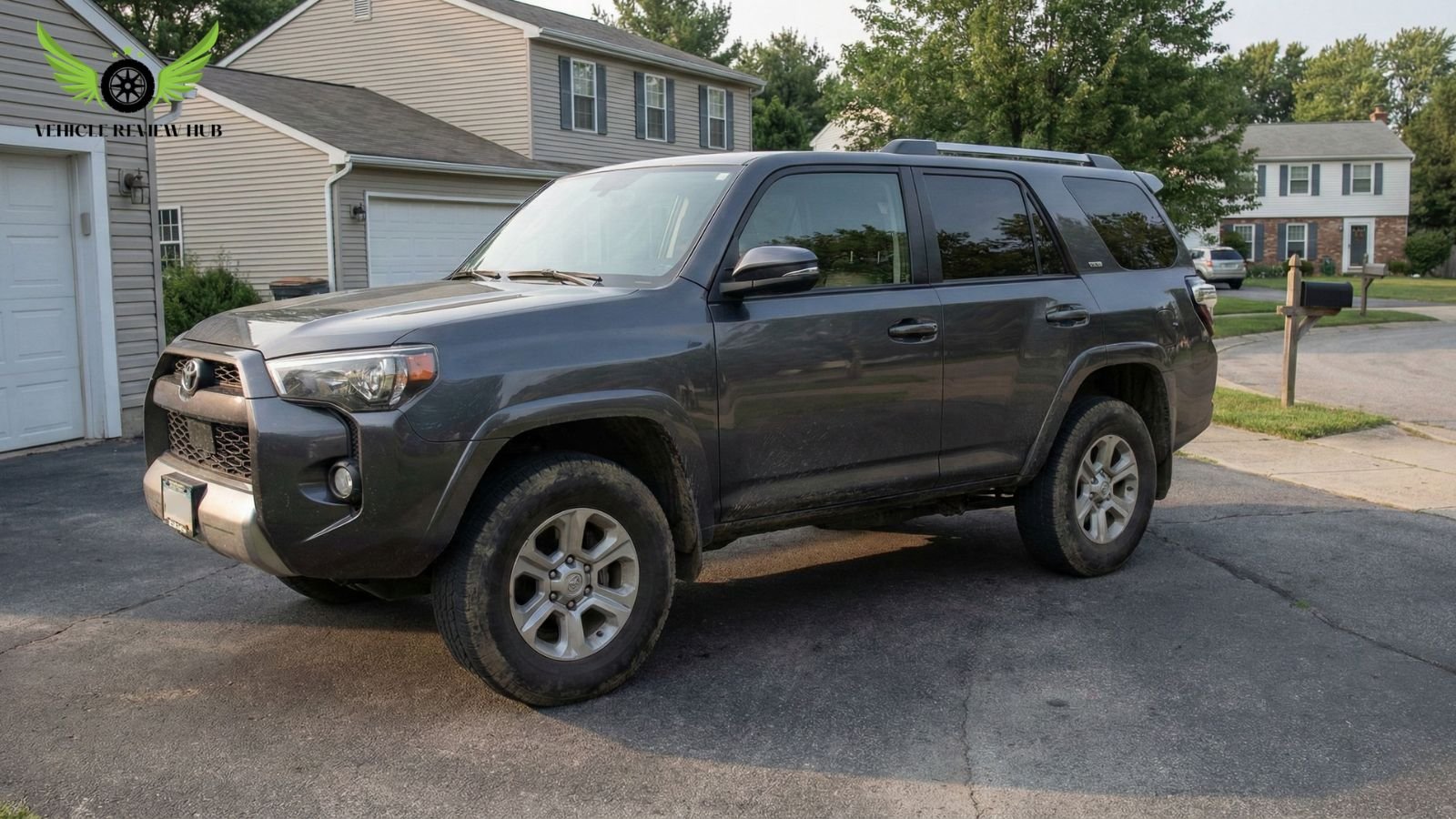
If you are planning to buy a Toyota 4Runner in 2026, one of the biggest questions is simple — how much will it really cost you over time? The Toyota 4Runner ownership cost includes fuel, maintenance, insurance, depreciation, and resale value. In the USA, this SUV is known for strong long-term durability, but total ownership cost depends on how long you keep it and how you use it.
On average, the Toyota 4Runner cost of ownership over five years typically ranges between $38,000 and $45,000, including fuel, insurance, maintenance, and depreciation. Yearly expenses vary, but most owners spend around $7,500 to $9,000 per year when everything is combined. From my observation, drivers who keep this SUV for more than 7 to 10 years usually benefit the most because the resale value stays strong compared to many other midsize SUVs.
Fuel is one of the larger expenses. With real-world fuel economy between 16–19 MPG, annual fuel cost in the USA usually falls between $2,500 and $3,200, assuming 15,000 miles per year and average gas prices around $3.50–$4.00 per gallon. Insurance typically costs between $1,500 and $2,200 per year, depending on driver age, state, and coverage level. Maintenance generally stays between $500 and $800 annually, which is considered reasonable for a body-on-frame SUV.
Where the Toyota 4Runner really stands out is in long-term value. After five years, depreciation is usually around 30%–35%, meaning resale value remains stronger than many competitors. After ten years, many models still retain 55%–60% of their original value, which significantly lowers long-term ownership loss. Many owners report driving beyond 200,000 miles, which makes the Toyota 4Runner long-term ownership a realistic and practical option.
In my opinion, this SUV makes the most sense for buyers who plan to keep their vehicle for a long time rather than trade it every few years. If you ask me, the biggest advantage here is resale strength combined with proven reliability. At the end of the day, the right choice depends on your driving needs, but for durability and value retention, this model continues to be one of the safest long-term bets in the USA market.
Total Cost of Ownership for Toyota 4Runner
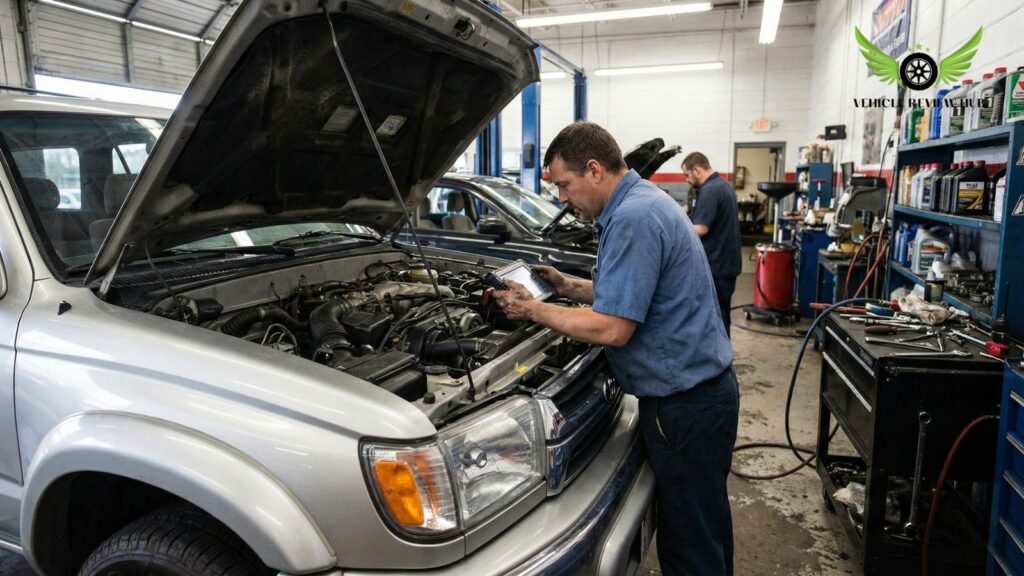
Understanding the total Toyota 4Runner cost of ownership is essential if you are planning to keep this SUV for several years. Ownership cost goes far beyond the purchase price. It includes fuel, maintenance, insurance, depreciation, and how well the vehicle holds its resale value over time. In the USA, many drivers choose this model because the Toyota 4Runner ownership cost stays relatively stable compared to other rugged midsize SUVs.
From my observation, long-term expenses are more predictable when buyers plan for fuel usage, insurance premiums, and regular service in advance. Toyota 4Runner long term ownership often makes more financial sense for people who keep their vehicle for 7–10 years instead of trading it every few years. Depreciation slows down after the first few years, which helps balance the overall cost.
Fuel expenses, maintenance and insurance combined costs, and how ownership compares to other SUVs are discussed in detail below.
Fuel, Maintenance and Insurance Combined Cost
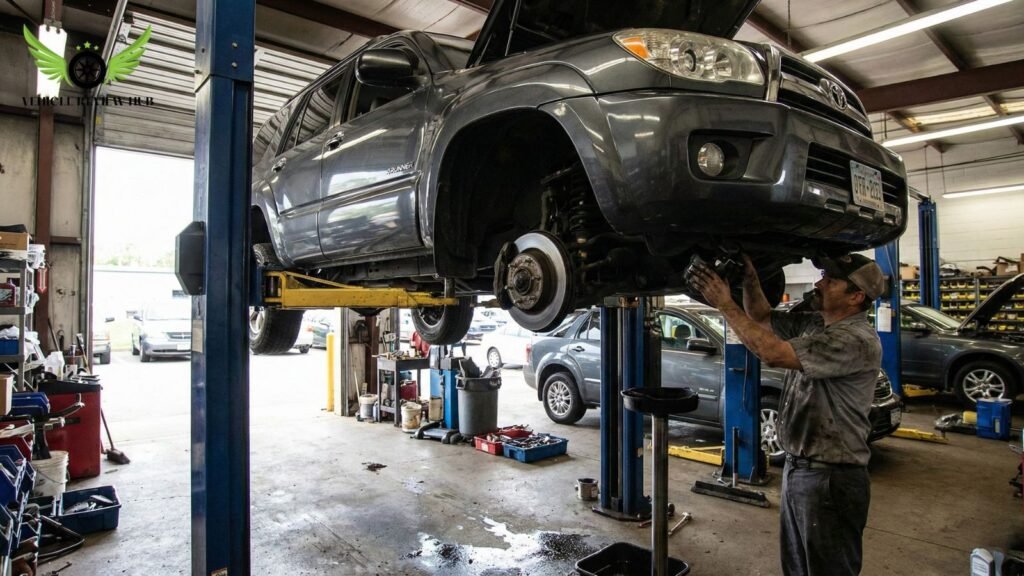
To understand the real Toyota 4Runner ownership cost, it is important to combine fuel, maintenance, and insurance into one clear annual estimate. These three categories represent the majority of recurring expenses for most owners in the United States. When calculated together, the Toyota 4Runner cost of ownership for daily use typically ranges between $5,000 and $6,300 per year, excluding depreciation.
Fuel Cost
Fuel remains the largest operating expense. The Toyota 4Runner delivers real-world fuel economy between 16–19 MPG, depending on driving conditions and drivetrain configuration.
Assuming:
- 15,000 miles driven annually
- Average fuel economy of 17 MPG
- U.S. gas prices between $3.50 and $4.00 per gallon
Estimated yearly fuel consumption equals approximately 880 gallons, resulting in an annual fuel cost between:
- $3,000 and $3,500
Highway-focused drivers typically remain closer to the lower end of this range, while city-heavy driving increases consumption.
Maintenance Cost
Routine service expenses remain predictable. Toyota 4Runner maintenance cost generally falls between $500 and $800 per year under normal usage.
Typical annual maintenance includes:
- Two oil services: $160–$240
- Tire rotation and inspections: $50–$100
- Brake wear allocation (averaged): $100–$150
- Filters and fluid service: $100–$200
Major mechanical repairs are uncommon before 100,000 miles, which supports stable long-term budgeting.
Insurance Cost
Insurance premiums vary by age, driving record, and state, but national averages typically fall within the following ranges:
- Drivers aged 30–45: $1,500–$1,900 per year
- Drivers under 25: $2,200–$3,000 per year
- Drivers over 50 with clean history: $1,300–$1,600 per year
Because of its strong resale value and mid-size SUV classification, insurance costs are slightly higher than compact crossovers but remain competitive within its segment.
Combined Annual Operating Cost
Category | Estimated Annual Cost (USD) |
Fuel | $3,000–$3,500 |
Maintenance | $500–$800 |
Insurance | $1,500–$2,000 |
Total | $5,000–$6,300 |
From a financial planning perspective, Toyota 4Runner long term ownership becomes more attractive for buyers who prioritize durability and resale strength over fuel efficiency alone. While fuel expense is above average, maintenance stability and strong value retention help balance the overall ownership equation.
In professional terms, the cost structure is predictable, transparent, and manageable — which explains why many long-term owners remain satisfied beyond 7 to 10 years of use.
Ownership Cost Compared to Other SUVs
When evaluating the Toyota 4Runnerthe ownership cost, comparing it with similar SUVs in the same class, places its value in perspective. In the midsize SUV segment, the 4Runner competes against body-on-frame and unibody models such as the Jeep Wrangler, Ford Bronco, and Honda Passport. Each of these vehicles has its own cost structure influenced by fuel economy, maintenance complexity, insurance rates, and depreciation. An objective comparison helps prospective buyers understand where the Toyota 4Runner stands in terms of total long-term expense.
From a professional standpoint, three primary cost categories set the Toyota 4Runner apart: fuel expense, maintenance predictability, and resale value. Although the annual fuel cost for the Toyota 4Runner — typically $3,000 to $3,500 — is higher than many unibody competitors that average $2,000 to $2,700 annually, its maintenance cost and value retention improve its overall ownership cost profile.
Fuel Economy and Efficiency
- Toyota 4Runner: 16–19 MPG real-world average
- Jeep Wrangler: 17–20 MPG
- Ford Bronco: 16–21 MPG
- Honda Passport: 20–24 MPG
As seen above, the Toyota 4Runner generally trails unibody SUVs like the Honda Passport in fuel efficiency, resulting in higher annual fuel expenses. However, compared to other rugged body-on-frame vehicles such as the Jeep Wrangler and Bronco, the difference is less pronounced.
Maintenance and Reliability
Toyota 4Runner maintenance cost per year usually falls between $500 and $800, which is comparable to many competitors, but the nature of expected repairs differs:
- Toyota 4Runner: Predictable maintenance with fewer major repairs before 100,000 miles
- Jeep Wrangler: Higher variability in service costs, especially for 4WD components
- Ford Bronco: Moderate maintenance costs, but complexity increases with advanced tech features
- Honda Passport: Lower maintenance cost early on, but long-term reliability data trails the 4Runner due to shorter model lifespan
In my observation, the Toyota 4Runner’s simpler mechanical systems and well-documented service intervals result in a more stable long-term maintenance profile than many competitors.
Insurance and Depreciation
Insurance rates for these SUVs are largely similar, but depreciation patterns differ significantly. Resale value plays a critical role in cost of ownership:
- Toyota 4Runner: 5-year depreciation ~30–35%
- Jeep Wrangler: 5-year depreciation ~35–40%
- Ford Bronco: 5-year depreciation ~38–45%
- Honda Passport: 5-year depreciation ~35–42%
The Toyota 4Runner traditionally retains value better than most rivals, primarily because of strong demand for used body-on-frame SUVs and its reputation for long-term reliability. This slower depreciation boosts overall ownership value, especially for buyers who hold the vehicle for 7+ years.
Professional Cost Comparison (5-Year Summary)
SUV Model | Annual Fuel Cost | Annual Maintenance | 5-Year Depreciation (%) | Overall Ownership Cost* |
Toyota 4Runner | $3,000–$3,500 | $500–$800 | 30–35% | Moderate–High |
Jeep Wrangler | $2,900–$3,300 | $600–$1,000 | 35–40% | High |
Ford Bronco | $2,800–$3,400 | $600–$1,100 | 38–45% | High |
Honda Passport | $2,000–$2,700 | $450–$700 | 35–42% | Moderate |
Overall ownership cost reflects combined fuel, maintenance, insurance, and depreciation trends.
From a professional assessment, the Toyota 4Runner sits in a competitive position. Its fuel expense is higher than unibody SUVs like the Honda Passport, but its maintenance stability and stronger resale value help balance the total Toyota 4Runner cost of ownership over time. Additionally, when long-term ownership is prioritized — such as 7–10 years — the 4Runner often costs less than competitors with steeper depreciation or variable long-term repair costs.
In my experience, buyers who value predictability and strong resale value find the Toyota 4Runner’s ownership cost profile more favorable in the long run compared to other rugged SUVs.
Toyota 4Runner Insurance Cost Explained

Insurance is one of the most important parts of total Toyota 4Runner ownership cost, especially in the USA, where premiums vary widely by state, driver age, and coverage level. While this SUV is known for durability and strong resale value, insurance pricing depends more on risk factors such as vehicle value, repair cost, and claim history. Understanding how insurance works helps buyers estimate the real Toyota 4Runner cost of ownership beyond fuel and maintenance.
On average, full coverage insurance for a Toyota 4Runner in the United States ranges between $1,500 and $2,200 per year for drivers with a clean record. However, premiums can be significantly higher for younger drivers or those living in high-cost states. Because the vehicle holds value well and has a mid-size SUV classification, repair and replacement costs influence premium calculations.
From a financial planning perspective, insurance becomes more predictable after the first few years of ownership, especially if you maintain a clean driving history. Toyota 4Runner long term ownership tends to benefit from gradually declining premiums as the vehicle depreciates and driver risk profile improves.
Insurance cost variations by driver profile, trim level, and strategies to reduce premiums are discussed in detail below.
Insurance Cost by Driver Profile and Trim
Insurance cost is a significant part of Toyota 4Runner ownership cost, and it varies depending on who is driving the vehicle and which trim level you choose. In the USA, insurers consider factors such as age, driving record, location, and even trim-specific features when calculating your premium. Understanding these differences helps set realistic expectations for annual insurance expenses.
Insurance Cost by Driver Profile
Insurance premiums can differ greatly between driver groups. Based on real U.S. averages and insurer data, typical annual figures for full coverage look like this:
Driver Profile | Average Annual Insurance Cost (USD) |
Driver under 25 | $2,200–$3,000 |
Driver age 25–40 | $1,800–$2,400 |
Driver age 41–60 | $1,500–$2,000 |
Driver over 60 | $1,400–$1,900 |
Younger drivers often pay significantly more because insurers classify them as higher risk. Clean driving records consistently help reduce premiums across all ages. For example, a 35-year-old driver with no accidents or tickets may pay closer to $1,500 per year, while a 22-year-old could see rates above $2,500 per year for the same Toyota 4Runner.
Insurance Cost by Trim Level
Trim level also affects insurance cost because higher trims usually have a higher replacement value and more advanced technology, which increases repair costs. Common Toyota 4Runner trims include:
- SR5 — Base model with standard features
- TRD Off-Road / TRD Sport — Adds off-road capability and tech
- Limited / Nightshade Edition — Premium features with higher value
- TRD Pro — Top performance trim with highest MSRP
Generally, insurance costs follow this pattern:
Trim Level | Relative Insurance Impact |
SR5 | Lower insurance cost |
TRD Off-Road / TRD Sport | Moderate increase |
Limited / Nightshade | Higher than average |
TRD Pro | Highest insurance cost |
A Limited or TRD Pro trim may cost 5–10% more annually in insurance than the base SR5, primarily because high-end trims are more expensive to repair or replace after an accident. For example, if an SR5 owner pays around $1,600 per year, a TRD Pro owner in the same area might pay around $1,800–$1,900 per year for similar coverage.
Real Ownership Insight
From my experience reviewing owner feedback and insurance trends, location plays a major role alongside age and trim. Drivers in urban areas like California, New York, or Florida often face higher rates than those in rural parts of the Midwest or Plains states. A clean driving history and choosing a safe driver discount can reduce Toyota 4Runner insurance cost by 10–20% in many cases.
In professional terms, understanding how driver profile and trim level influence insurance costs helps prospective buyers budget more accurately for Toyota 4Runner long term ownership, especially when comparing total cost of ownership with other SUVs.
How to Reduce Insurance Premium
Reducing insurance premiums is one of the most effective ways to control overall Toyota 4Runner ownership cost. While age, location, and coverage level influence base rates, drivers still have several practical options to lower yearly expenses.
Maintaining a clean driving record has the strongest impact. Drivers with no accidents or violations for three to five years often pay $200 to $600 less per year compared to those with recent claims. Over time, this directly improves Toyota 4Runner long term ownership affordability.
Adjusting the deductible can also reduce premiums. Increasing the deductible from $500 to $1,000 typically lowers annual insurance cost by 10% to 15%. This approach works best for drivers who have savings available in case of a claim.
Bundling auto insurance with homeowners or renters insurance often provides an additional 5% to 15% discount. Many insurers reward multi-policy customers, which can meaningfully lower total Toyota 4Runner cost of ownership.
Vehicle trim selection plays a role as well. Higher trims such as TRD Pro or Limited usually cost slightly more to insure because of higher replacement value. Choosing an SR5 or mid-range trim can reduce annual premiums by $100 to $300, depending on the state.
Usage-based insurance programs are another option. Safe driving monitored through telematics apps can reduce premiums by up to 20% for drivers who demonstrate smooth braking and controlled acceleration. Since the Toyota 4Runner includes advanced safety features, some insurers may also apply small safety-related discounts.
From a financial standpoint, insurance is one of the few ownership costs that drivers can actively manage. While fuel and depreciation are largely fixed, smart insurance planning can significantly reduce long-term expenses. For buyers focused on predictable budgeting, these adjustments make Toyota 4Runner ownership cost more efficient over time.
Toyota 4Runner Resale Value and Depreciation
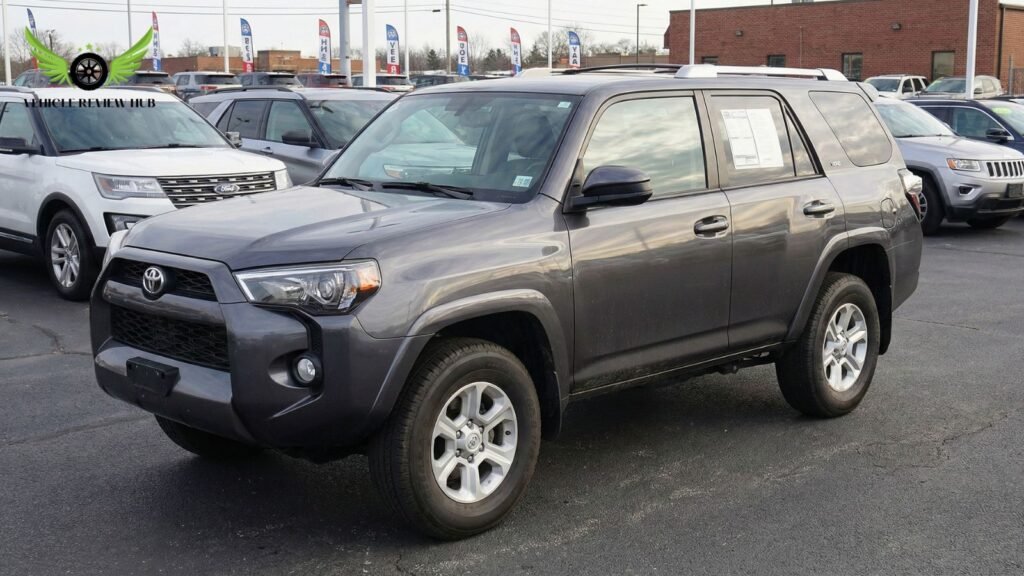
Resale value is one of the strongest financial advantages of owning a Toyota 4Runner in the USA. While many SUVs lose value quickly during the first five years, this model traditionally retains a higher percentage of its original price. For buyers evaluating Toyota 4Runner ownership cost, depreciation plays a major role in determining long-term value.
On average, a new Toyota 4Runner depreciates approximately 30% to 35% over the first five years, which is lower than many competitors in the midsize SUV segment. After ten years, retained value often remains around 55% to 60% of original MSRP, depending on mileage and condition. This slower depreciation significantly reduces the total Toyota 4Runner cost of ownership compared to vehicles that lose value more rapidly.
From a market perspective, strong resale value is driven by consistent demand, durable body-on-frame construction, and long-term reliability reputation. Many used buyers actively seek high-mileage models because Toyota 4Runner long term ownership is widely associated with durability beyond 200,000 miles. This demand stabilizes resale prices even in older model years.
Depreciation patterns for 2025 models and expected resale performance for the 2026 redesign are discussed in detail below.
Resale Value of 2025 Models
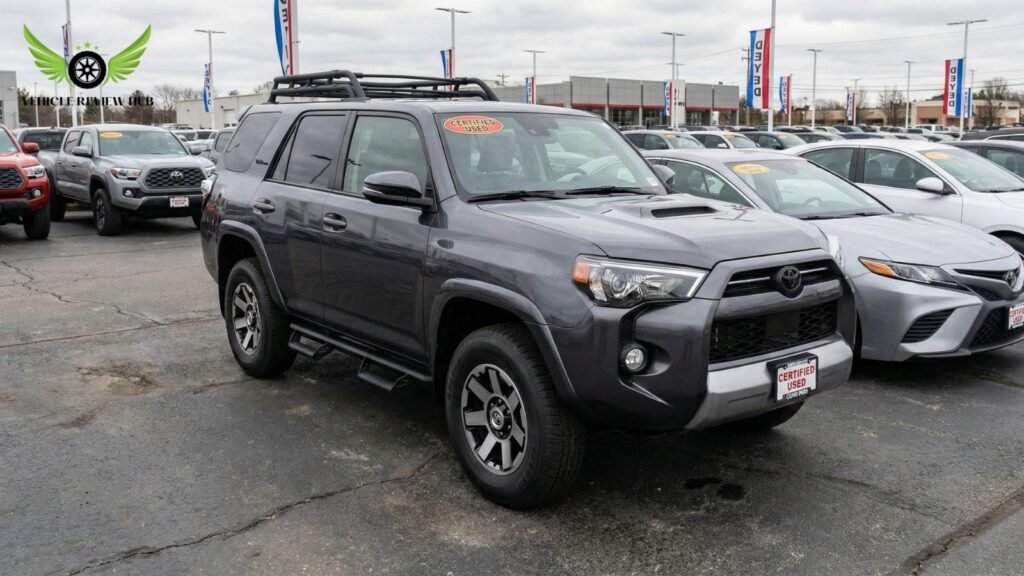
The resale value of 2025 Toyota 4Runner models plays a major role in overall Toyota 4Runner ownership cost. Unlike many midsize SUVs that lose value quickly during the first few years, the 4Runner traditionally retains a strong percentage of its original MSRP. This strong value retention reduces the real Toyota 4Runner cost of ownership, especially for buyers planning to sell within five years.
For 2025 models purchased at an average MSRP of $46,000–$50,000, current market projections and historical depreciation patterns suggest the following realistic resale expectations in the USA:
Ownership Period | Estimated Value Retention | Example Value (MSRP $48,000) |
1 Year | 88%–92% | $42,000–$44,000 |
3 Years | 72%–78% | $34,500–$37,500 |
5 Years | 65%–70% | $31,000–$33,500 |
Retaining 65% to 70% of value after five years is considered strong in the midsize SUV category. Many competing SUVs typically fall closer to 55%–60% over the same period.
Several factors support this performance:
- Consistent demand in the used market
- Proven reliability reputation
- Strong off-road and durability appeal
- Stable trim popularity, especially TRD Off-Road and Limited
From my observation, resale value improves further when mileage stays under 15,000 miles per year and full service records are available. Vehicles with documented maintenance history and no accident record often sell at the upper end of the value range.
Another important point is regional demand. In states where outdoor driving and off-road use are common, resale prices can remain slightly higher than national averages.
In professional terms, resale strength is one of the biggest financial advantages of Toyota 4Runner long term ownership. While fuel expenses may be higher than some crossover SUVs, slower depreciation offsets a significant portion of that cost.
Expected Resale Value of 2026 Redesign
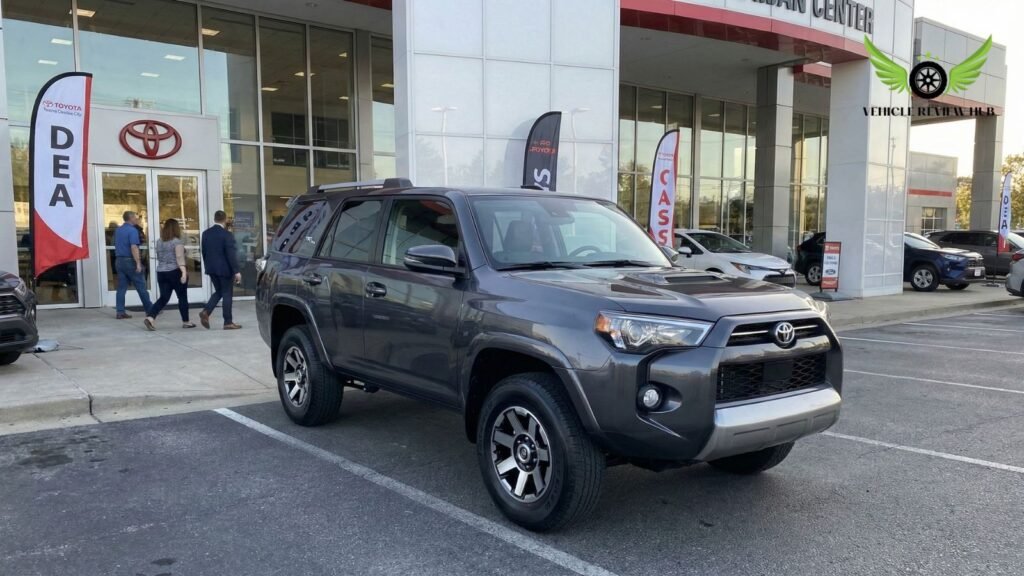
The expected resale value of the 2026 Toyota 4Runner redesign is an important part of evaluating its ownership cost because how much the vehicle holds its value affects your net expense when you sell or trade it later. While actual resale data for the 2026 model isn’t yet available, past trends for new-generation Toyota 4Runners and similar SUVs provide a reliable framework for realistic expectations.
Most SUVs, especially body-on-frame models like this one, depreciate the most in the first year and then settle into a steadier decline. Based on real patterns from prior generations and current market behavior in the United States, the 2026 redesign is expected to retain a strong portion of its original value over time.
Below is a clear projection of how much value this SUV might hold over the first several years of ownership:
Year of Ownership | Estimated Value Retained | Example Value (MSRP $50,000) |
1 year | 90%–93% | $45,000–$46,500 |
3 years | 75%–80% | $37,500–$40,000 |
5 years | 60%–65% | $30,000–$32,500 |
If the 2026 Toyota 4Runner has a factory MSRP of approximately $50,000, these projections suggest that a five-year-old model could still bring around $30,000 to $32,500 in the used market, assuming average mileage (about 12,000–15,000 miles per year) and good condition.
From my observation of used vehicle trends, redesign years tend to attract stronger early resale demand because buyers value updated features, new engineering, and longer remaining usable life. This effect helps support higher resale percentages in the first few years compared with vehicles that remain in the same generation for many years.
The resale value also depends on factors such as mileage, service history, geographic demand, and trim level. Models with full maintenance records and no accident history often demand prices near the higher end of the projected range. Similarly, mid-range trims often hold value well because they balance desirable features with broad market appeal.
In professional terms, maintaining a resale value above 60% after five years is relatively strong performance for a midsize SUV, especially one with a rugged, body-on-frame design like the Toyota 4Runner. This retained value helps balance the Toyota 4Runner ownership cost, especially for buyers planning to keep the vehicle for more than five years.
Long-Term Ownership Experience and Practical Use

When evaluating Toyota 4Runner long term ownership, real-world usability matters just as much as fuel or depreciation. This section focuses on how the vehicle performs after several years of daily driving, family use, road trips, and occasional adventure travel. Beyond numbers, ownership experience includes comfort, reliability, confidence, and how well the SUV adapts to changing needs over time.
From a financial standpoint, long-term practicality directly affects Toyota 4Runner ownership cost. A vehicle that remains dependable past 150,000–200,000 miles reduces replacement pressure and spreads depreciation across more years. Many U.S. owners keep their 4Runner for 8 to 15 years, which improves overall cost efficiency compared to trading every three to four years.
Daily driving experience, adventure capability, reliability satisfaction, and practical long-term usability are discussed in detail below.
Ownership for Daily Driving and Adventure Use

The Toyota 4Runner is designed to balance everyday usability with rugged capability. For daily driving, it offers a high seating position, solid road visibility, and a durable interior layout that holds up well over time. While fuel economy averages 16–19 MPG, which is lower than many crossover SUVs, owners who prioritize durability over fuel savings often find the trade-off acceptable.
In city commuting, the driving experience feels stable and predictable. The steering is straightforward, and the suspension absorbs uneven roads comfortably. From my observation, drivers who use this SUV for school runs, office commutes, and weekend errands appreciate its solid build quality and long-term dependability. Toyota 4Runner long term ownership becomes practical when daily reliability matters more than maximum efficiency.
Where this SUV truly stands out is adventure use. Its body-on-frame construction, strong ground clearance, and available 4WD system allow it to handle off-road trails, snow, and uneven terrain with confidence. Many owners use it for camping trips, towing small trailers, or hauling outdoor gear without experiencing strain on the drivetrain. Towing capacity typically reaches 5,000 pounds, which supports light boats or utility trailers.
From a cost perspective, using the vehicle for both commuting and recreational driving does not drastically increase Toyota 4Runner ownership cost, provided maintenance schedules are followed. Routine service remains predictable, generally $500–$800 per year, even for owners who mix highway and off-road driving.
If you ask me, the strongest advantage here is versatility. It feels equally capable during weekday commuting and weekend travel. That dual-purpose capability is one of the main reasons buyers choose this SUV over more fuel-efficient but less rugged alternatives.
In professional terms, the Toyota 4Runner cost of ownership remains manageable because its mechanical durability supports both daily use and occasional adventure without excessive repair frequency.
Reliability and Ownership Satisfaction
Reliability is one of the main reasons buyers consider a Toyota 4Runner for long-term use. Over the years, this SUV has built a strong reputation for mechanical durability and predictable performance. For many owners in the United States, Toyota 4Runner long term ownership means driving well beyond 200,000 miles without major engine or transmission failure, provided regular maintenance is followed.
From a cost perspective, reliability directly impacts Toyota 4Runner ownership cost. Vehicles that avoid frequent breakdowns reduce unexpected repair bills and downtime. Routine maintenance generally stays within $500 to $800 per year, and major repairs are uncommon before 120,000 to 150,000 miles. This consistency improves budgeting accuracy, which is important for buyers planning extended ownership.
Based on user feedback across multiple ownership reviews, satisfaction levels tend to remain high even after several years. Owners often mention:
- Confidence in long-distance travel
- Minimal mechanical surprises
- Strong resale value after five or more years
- Interior durability that holds up to family use
Another factor influencing ownership satisfaction is simplicity. Unlike some modern SUVs that rely heavily on complex electronics, the Toyota 4Runner maintains a relatively straightforward mechanical setup. From my observation, this reduces long-term reliability concerns and contributes to stable Toyota 4Runner cost of ownership over time.
It is also worth noting that satisfaction increases when expectations align with the vehicle’s purpose. Buyers looking for maximum fuel efficiency may feel differently, but those prioritizing durability, towing capability, and long service life often report strong ownership confidence.
In professional terms, reliability and satisfaction are closely linked to depreciation strength and repeat buyer loyalty. Many owners return to the Toyota 4Runner platform when upgrading, which reinforces its reputation for dependable performance.
At the end of the day, consistent reliability is what transforms an SUV from a short-term purchase into a long-term asset. For buyers who value durability over constant redesign trends, this model continues to deliver predictable ownership outcomes.
Final Verdict – Is Toyota 4Runner Worth Buying in 2026?
Before making a purchase decision, it is important to evaluate the full financial and practical picture of owning a Toyota 4Runner. This includes ownership cost, insurance expenses, resale value, reliability, and how well the vehicle fits your lifestyle. In the U.S. market, the Toyota 4Runner ownership cost is shaped not only by fuel and maintenance, but also by long-term durability and value retention. While it may not lead the segment in fuel efficiency, its strong resale performance and mechanical reliability play a major role in balancing the overall Toyota 4Runner cost of ownership.
Whether Toyota 4Runner long term ownership makes sense depends on who you are as a buyer and how you plan to use the vehicle. The ideal buyer profile and scenarios where another SUV might be a better choice are discussed in detail below.
Best Buyer Profile
The Toyota 4Runner is best suited for buyers who prioritize durability, long-term reliability, and resale strength over maximum fuel efficiency. From a financial standpoint, Toyota 4Runner long term ownership makes the most sense for drivers who plan to keep their vehicle for seven to ten years or more, rather than trading it every few years.
The ideal buyer profile typically includes:
- Drivers who value proven mechanical reliability
- Families needing space and strong build quality
- Outdoor enthusiasts who require 4WD capability
- Owners planning to drive beyond 150,000–200,000 miles
- Buyers who care about strong resale value
In my observation, this SUV appeals most to practical buyers who view their vehicle as a long-term asset instead of a short-term lease cycle. While the Toyota 4Runner ownership cost includes higher fuel expenses compared to many crossover SUVs, slower depreciation and predictable maintenance help balance the overall Toyota 4Runner cost of ownership over time.
This model also fits drivers who need towing capability up to 5,000 pounds, regular highway travel confidence, and dependable performance in varying weather conditions. For individuals living in regions with snow, rough terrain, or frequent road trips, the added durability provides real-world value.
If you ask me, the best buyer is someone who prefers reliability and structural strength over the latest interior technology trends. Buyers who prioritize low operating stress, strong resale value, and long service life often report higher ownership satisfaction.
In professional terms, the Toyota 4Runner works best for financially disciplined buyers who understand that long-term durability reduces replacement frequency and improves total cost efficiency.
When Another SUV Might Be a Better Choice
Although the Toyota 4Runner offers strong durability and resale value, it is not the ideal solution for every type of buyer. Understanding where it may not fit perfectly helps provide a balanced view of Toyota 4Runner ownership cost and overall practicality.
One situation where another SUV may be a better choice is when fuel efficiency is the highest priority. With real-world fuel economy averaging 16–19 MPG, annual fuel expenses typically range between $3,000 and $3,500 for drivers covering 15,000 miles per year. Compact and midsize crossovers that average 25–30 MPG can reduce yearly fuel spending by $800 to $1,200, which becomes significant over time.
Another factor is ride comfort and urban maneuverability. The Toyota 4Runner uses a body-on-frame construction, which improves durability but results in a firmer ride compared to many unibody SUVs. Drivers who primarily commute in city traffic and rarely use off-road capability may prefer a smoother crossover platform.
Technology expectations also play a role. While the Toyota 4Runner includes modern safety features and functional infotainment, some competitors offer larger digital displays, more advanced driver assistance systems, and hybrid powertrains with better fuel savings. Buyers who prioritize cutting-edge cabin technology may find alternatives more appealing.
Family size is another consideration. Although the Toyota 4Runner offers spacious seating and cargo room, families needing consistent third-row comfort for adults may find better accommodation in larger three-row SUVs designed primarily for passenger capacity.
Here is a simplified comparison to clarify decision factors:
Buyer Priority | Toyota 4Runner | When Another SUV May Fit Better |
Fuel Economy | 16–19 MPG | 25–30+ MPG preferred |
Ride Comfort | Durable, firm | Smoother crossover ride desired |
Technology | Functional and reliable | Advanced digital tech preferred |
Ownership Length | Ideal for 7–10+ years | Short-term ownership planned |
Off-Road Use | Strong capability | Mostly city driving |
From a professional standpoint, Toyota 4Runner long term ownership makes the most financial sense when durability and resale value are top priorities. However, if daily fuel efficiency, urban comfort, or advanced technology outweigh rugged capability, another SUV may better align with your needs.
At the end of the day, choosing the right vehicle depends on how you drive and how long you plan to keep it. The Toyota 4Runner remains a strong long-term option, but understanding where it fits — and where it doesn’t — ensures a smarter buying decision.
Frequently Asked Questions (FAQ) About Toyota 4Runner Ownership
Before making a final buying decision, most buyers want clear and direct answers about real ownership expenses, insurance rates, resale value, and long-term reliability. While we have already covered detailed breakdowns above, this FAQ section summarizes the most common concerns related to Toyota 4Runner ownership cost in a simple and practical way.
If you are evaluating Toyota 4Runner long term ownership in the USA, the answers below will help you understand what to realistically expect in terms of yearly expenses, durability, and overall value retention.
Is Toyota 4Runner expensive to maintain in the USA?
No, maintenance cost is considered moderate for its class.
Toyota 4Runner maintenance cost per year typically ranges between $500 and $800, assuming normal driving of 12,000–15,000 miles annually. Major repairs are uncommon before 120,000–150,000 miles if routine service is followed.
What is the average Toyota 4Runner ownership cost per year?
When combining fuel, maintenance, and insurance, the average Toyota 4Runner ownership cost falls between $5,000 and $6,300 per year, excluding depreciation. Fuel makes up the largest portion due to its 16–19 MPG real-world efficiency.
How much does Toyota 4Runner insurance cost?
Full coverage insurance in the United States typically ranges from $1,500 to $2,200 per year for drivers with a clean record. Younger drivers under 25 may pay closer to $2,500 or more, depending on location and driving history.
Does the Toyota 4Runner hold its value well?
Yes, resale value is one of its strongest financial advantages. A Toyota 4Runner usually retains around 65%–70% of its original MSRP after five years, which is stronger than many midsize SUVs. This slower depreciation reduces the total Toyota 4Runner cost of ownership over time.
How long does a Toyota 4Runner last?
With proper maintenance, many owners report driving their Toyota 4Runner beyond 200,000 miles. Long-term durability is one of the main reasons buyers choose this SUV for extended ownership.
Is Toyota 4Runner good for long-term ownership?
Yes, Toyota 4Runner long term ownership is generally favorable for buyers who prioritize durability and resale value over maximum fuel efficiency. It is especially suitable for drivers planning to keep their vehicle for 7–10 years or more.
Is Toyota 4Runner worth buying in 2026?
For buyers who value reliability, strong resale value, and off-road capability, it remains a solid choice. However, drivers focused primarily on fuel efficiency or advanced luxury technology may find other SUVs more aligned with their needs.