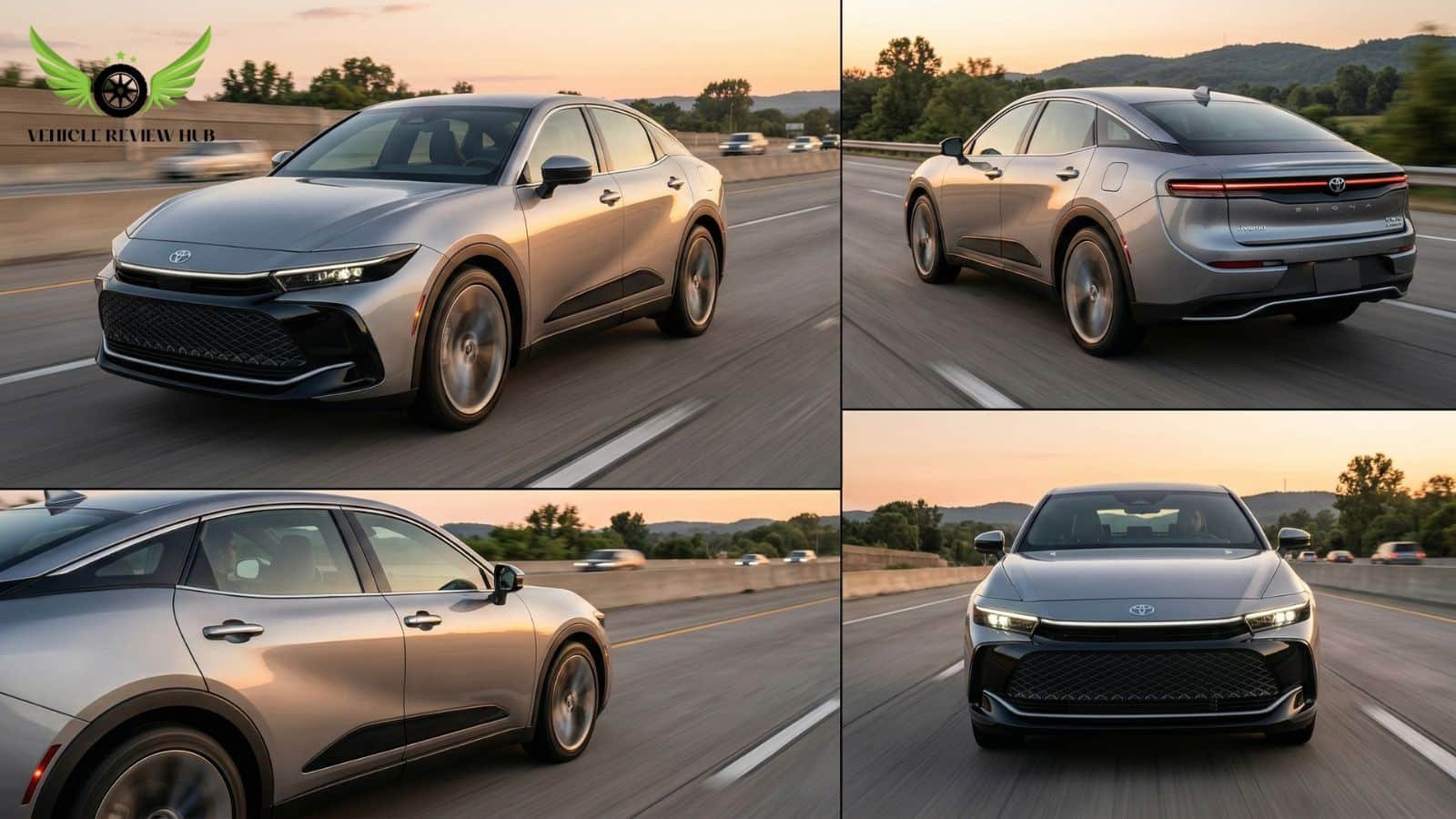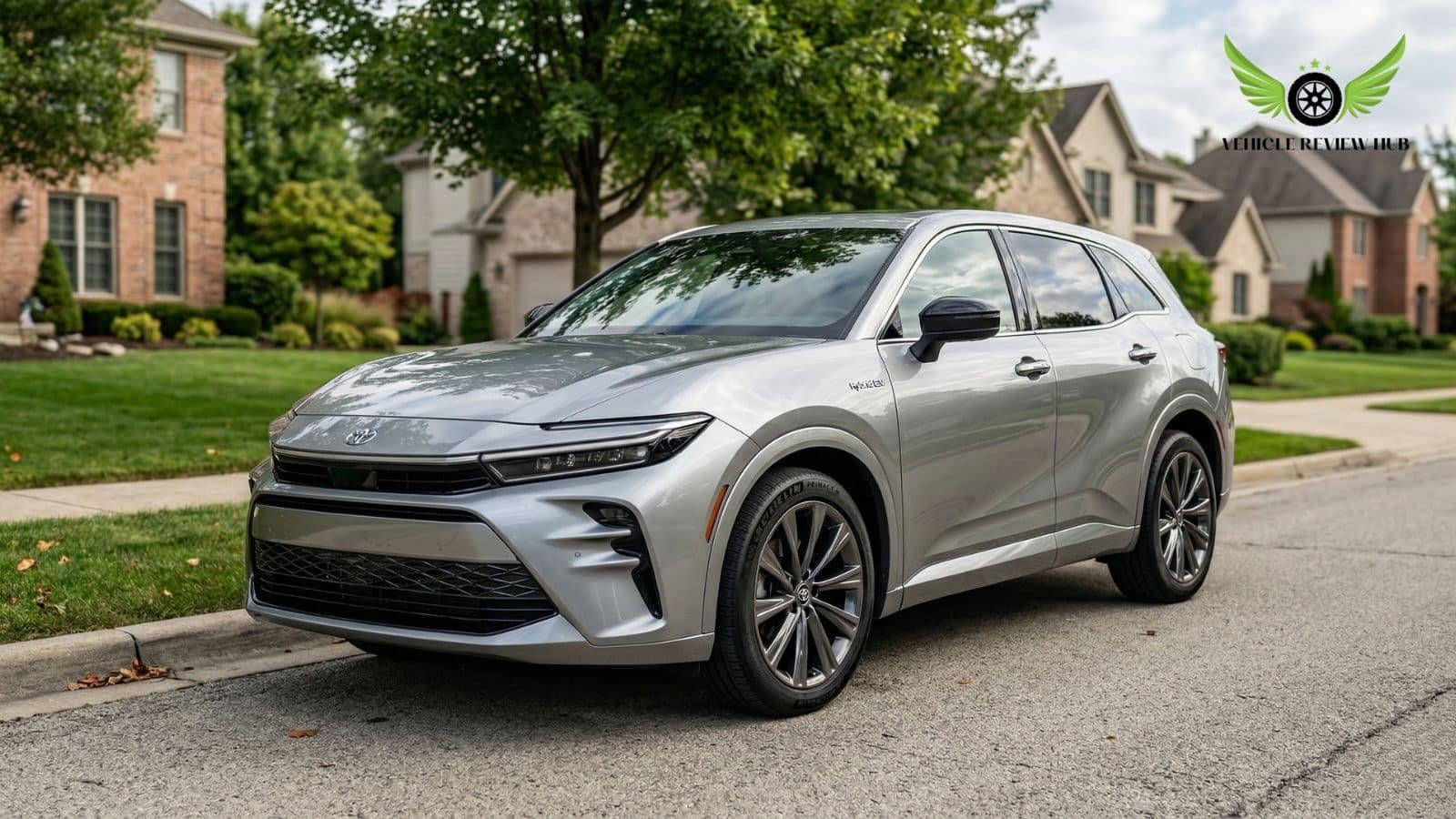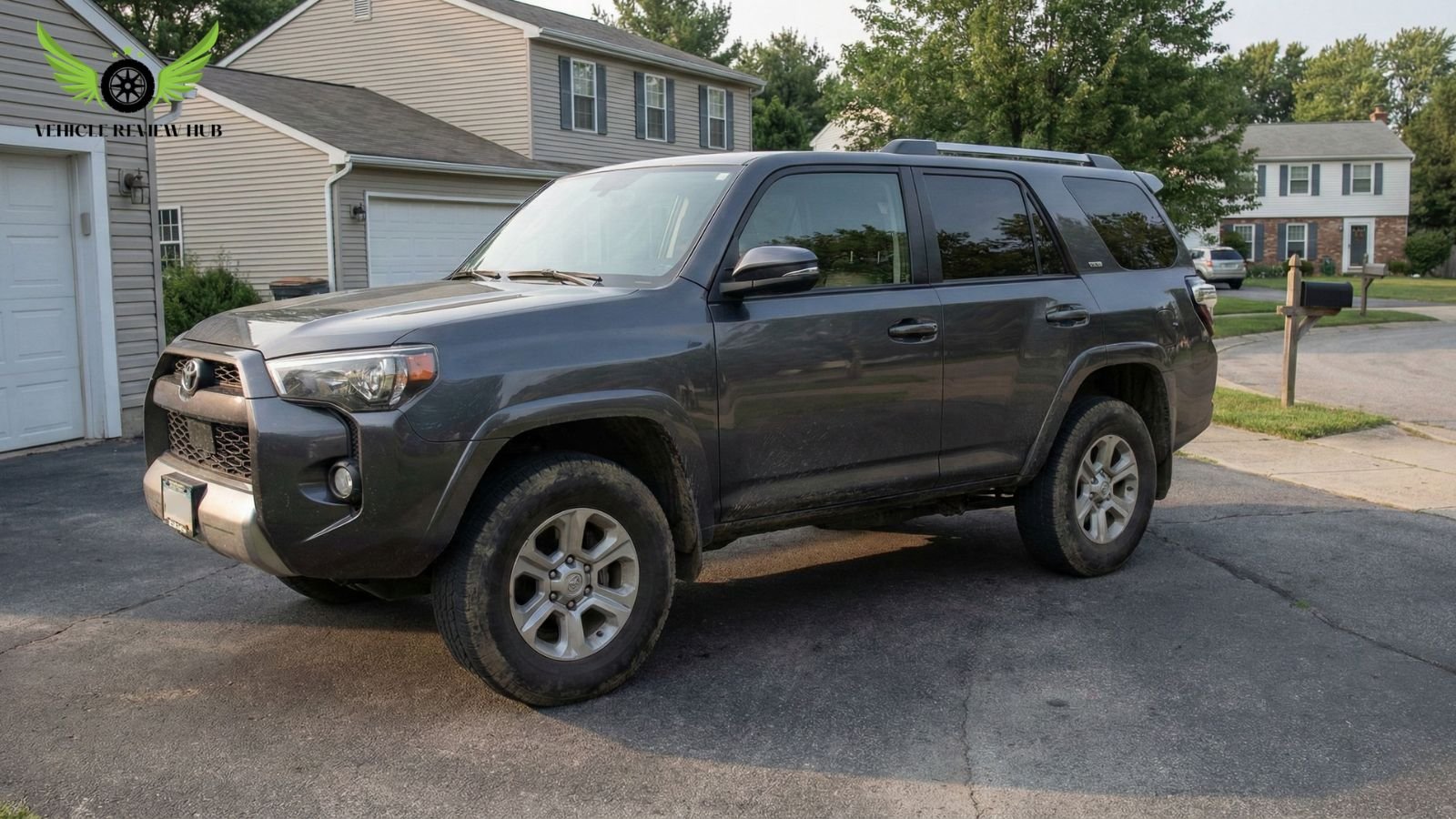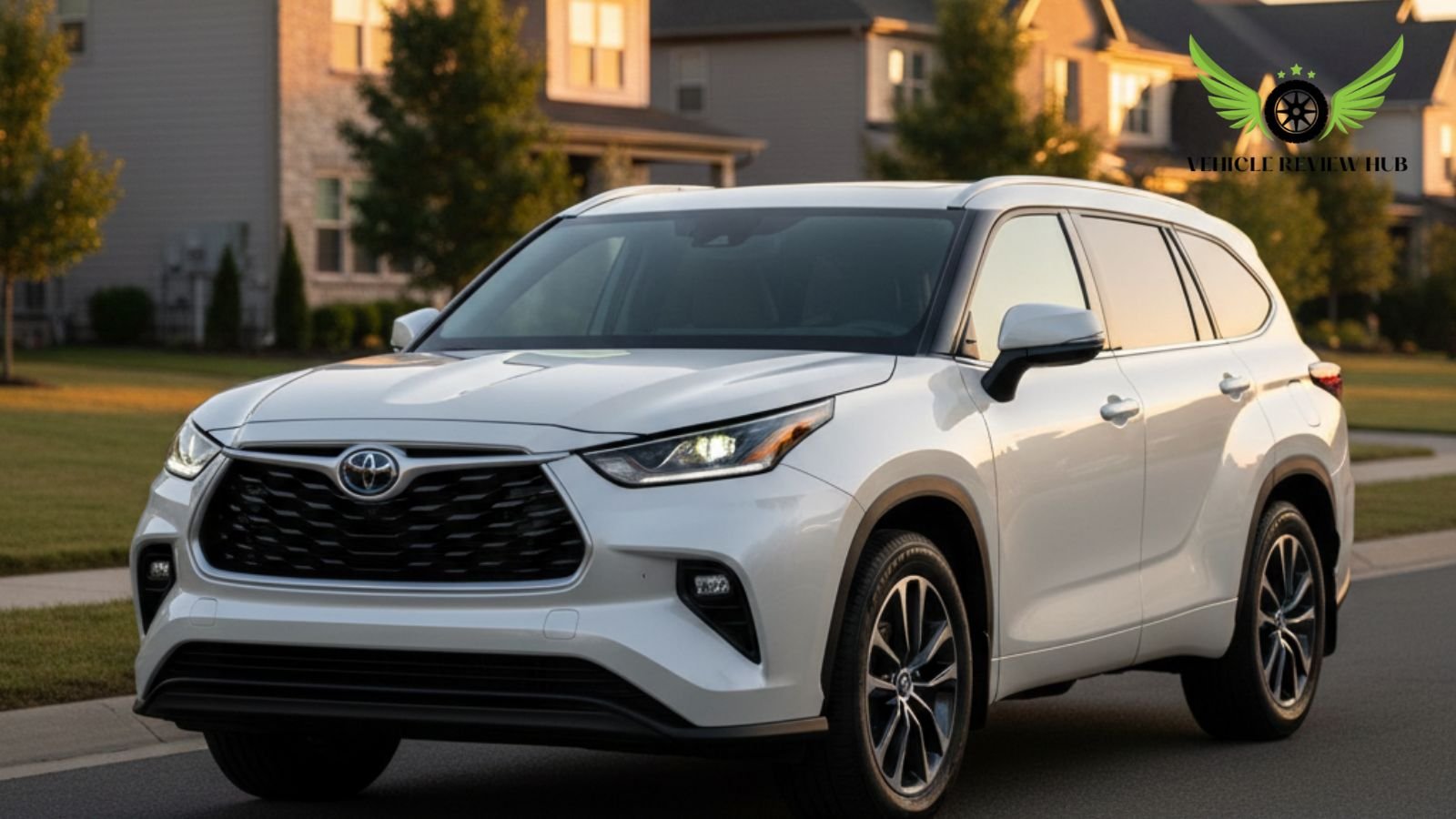
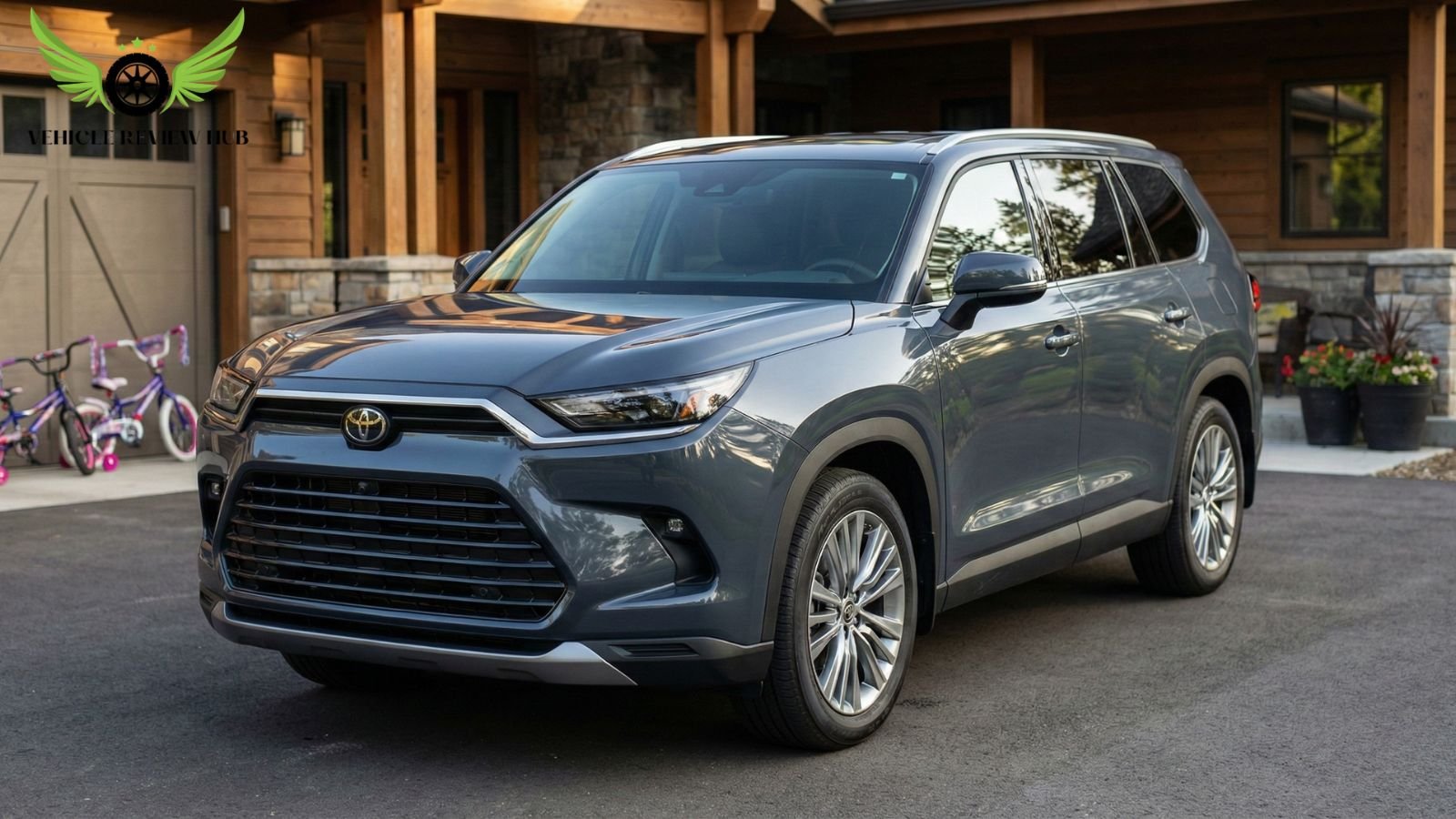
The Toyota Grand Highlander has quickly become one of the most practical three-row SUVs for families in the USA, especially for buyers who care about long-term ownership cost and financial value. From my observation, most buyers today don’t just look at the purchase price — they also want to understand the full Toyota Grand Highlander ownership cost, including fuel, insurance, maintenance, and depreciation over time. These factors play a major role in determining whether the vehicle remains affordable and worthwhile after several years of ownership.
One of the biggest advantages of the Toyota Grand Highlander is its balanced ownership expenses. Compared to many midsize SUVs in its class, it offers reasonable fuel economy, predictable maintenance costs, and strong resale performance. Based on real USA ownership patterns, the average total ownership cost, including fuel, insurance, and maintenance, typically ranges between $6,500 and $9,000 per year, depending on the trim level, driving habits, and insurance profile. Hybrid models often help reduce fuel expenses, which improves the overall Toyota Grand Highlander long-term value.
Insurance is another important ownership factor. The average Toyota Grand Highlander insurance cost in the USA ranges between $1,500 and $2,400 per year, depending on driver age, location, and driving record. From my observation, family-oriented SUVs like this usually have moderate insurance rates because they are considered safe and reliable vehicles. Choosing hybrid trims or higher safety packages can also help improve long-term ownership value.
Resale value is where the Toyota Grand Highlander truly stands out. Toyota vehicles are known for strong resale performance, and early ownership data shows that this SUV retains approximately 65% to 70% of its value after 3 years, and around 55% to 60% after 5 years. This strong Toyota Grand Highlander resale value helps owners recover a significant portion of their investment when selling or trading the vehicle. Lower depreciation also means better overall ownership efficiency compared to many competitors.
Another important factor is depreciation, which represents the vehicle’s loss in value over time. The expected Toyota Grand Highlander depreciation is relatively slow compared to other midsize SUVs, thanks to Toyota’s reputation for durability and reliability. Hybrid models tend to hold their value even better due to strong demand and fuel efficiency advantages. Many US drivers specifically choose Toyota hybrid models because they offer better long-term financial value and lower ownership risk.
In my opinion, the Toyota Grand Highlander offers excellent overall financial value for buyers planning long-term ownership. Its balanced ownership cost, reasonable insurance rates, strong resale value, and slow depreciation make it a practical and financially smart choice for families. At the end of the day, this SUV delivers not only comfort and reliability but also long-term ownership stability, which is one of the most important factors for buyers in the USA.
Total Cost of Ownership Breakdown
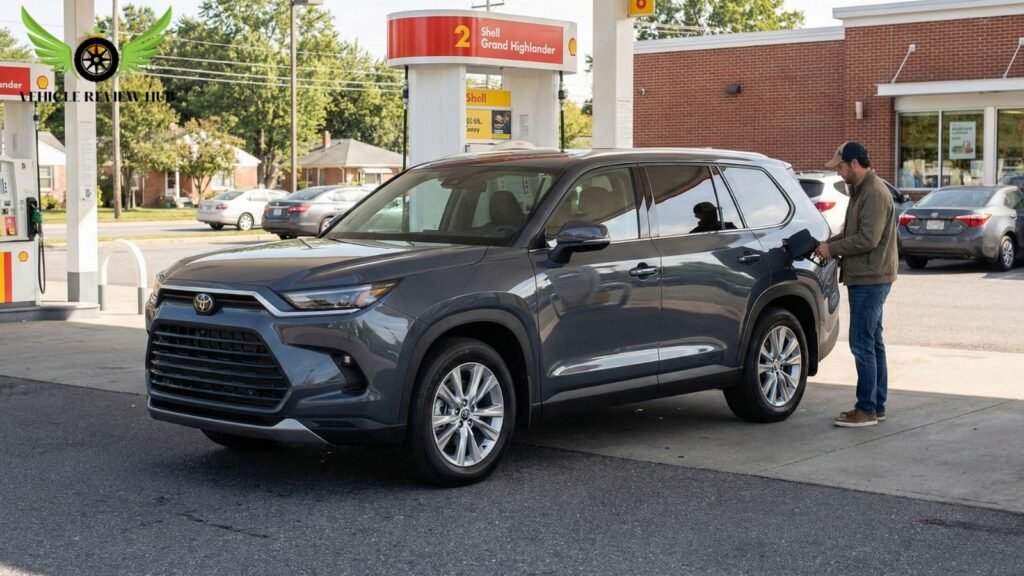
The Toyota Grand Highlander ownership cost includes several important factors such as fuel expenses, maintenance, insurance premiums, and depreciation over time. Understanding these combined costs helps buyers evaluate the true financial impact of owning this SUV beyond the initial purchase price. From my observation, many US buyers prefer vehicles that offer predictable ownership expenses, and the Toyota Grand Highlander is designed to provide stable long-term ownership value.
Ownership cost planning is especially important for families and long-term drivers because it directly affects affordability and financial efficiency. Reasonable fuel economy, manageable maintenance expenses, and moderate Toyota Grand Highlander insurance cost help maintain balanced yearly ownership expenses. In addition, strong Toyota Grand Highlander resale value and slower Toyota Grand Highlander depreciation help preserve vehicle value over time, which improves overall financial return.
The real combined ownership expenses and ownership cost differences between gasoline and hybrid models are discussed in detail below.
Fuel, Maintenance and Insurance Combined Cost
The total yearly Toyota Grand Highlander ownership cost is mainly made up of three key expenses: fuel, maintenance, and insurance. These ongoing costs determine how affordable the vehicle remains after purchase. From my observation, most owners in the USA spend a predictable amount each year, which makes the Toyota Grand Highlander a practical SUV for long-term family ownership. Compared to other midsize three-row SUVs, the overall yearly ownership expense remains competitive and manageable.
Fuel cost is one of the biggest factors. Gasoline models typically average around 21–24 MPG combined, which results in an annual fuel cost of approximately $1,700 to $2,300, assuming 12,000 to 15,000 miles driven per year and average US fuel prices. Hybrid models are significantly more efficient, averaging around 34–36 MPG combined, reducing yearly fuel expenses to around $1,200 to $1,600. This improved efficiency helps lower the overall Toyota Grand Highlander ownership cost and increases long-term financial value.
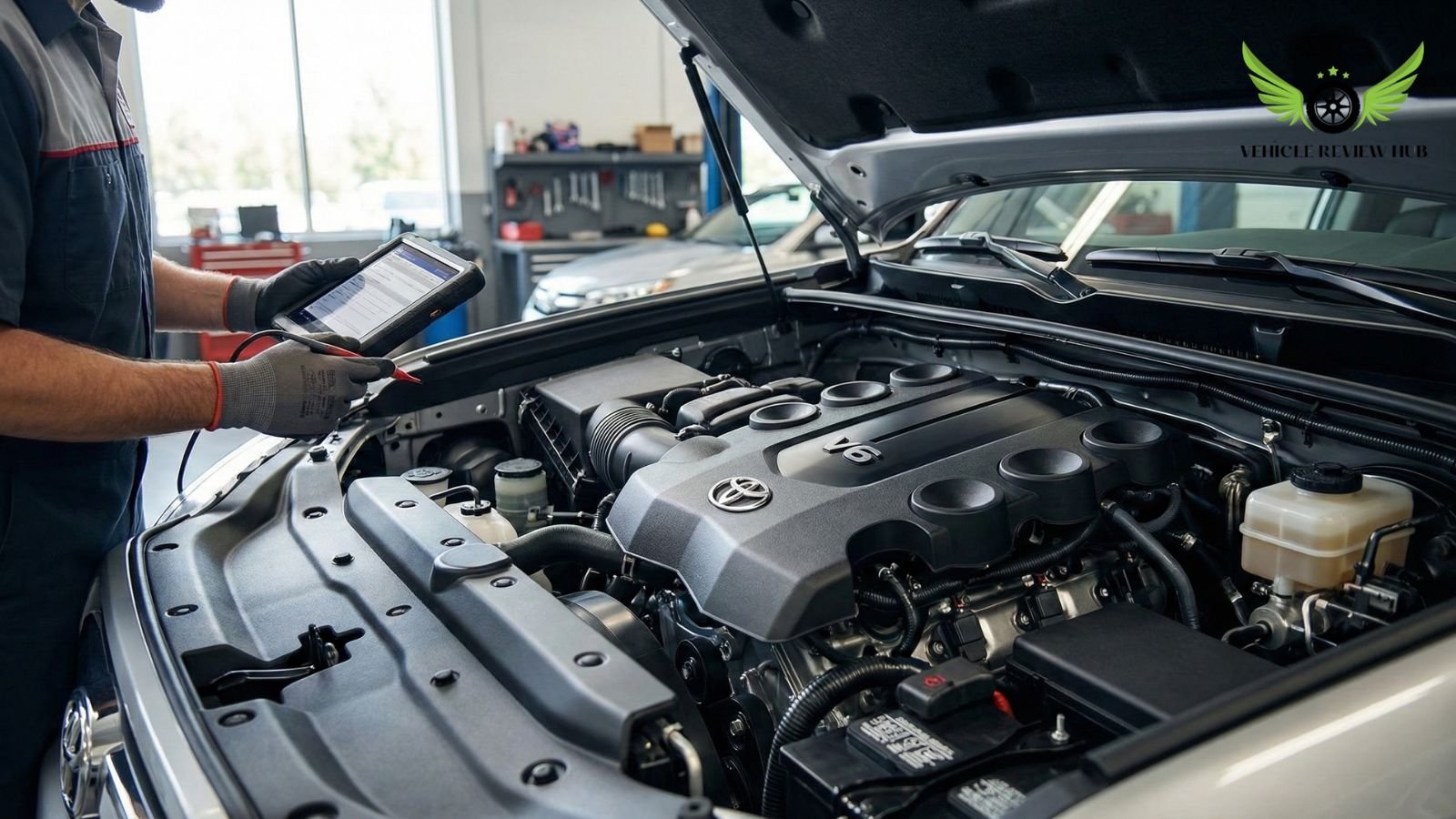
Maintenance cost is relatively low compared to many competitors. Routine maintenance, including oil changes, tire rotation, brake inspections, and filter replacements, typically costs around $400 to $700 per year. Toyota’s strong reliability reputation helps reduce the risk of expensive repairs, which improves the overall Toyota Grand Highlander long-term value. From real ownership experience, maintenance costs remain stable during the first 5 to 7 years.
Insurance is another major ownership expense. The average Toyota Grand Highlander insurance cost ranges from $1,500 to $2,400 per year, depending on driver age, location, and trim level. Family SUVs with strong safety ratings often receive moderate insurance rates, which helps keep ownership costs reasonable.
Below is a realistic combined yearly ownership cost overview based on USA ownership data:
Ownership Cost Category | Gas Model (Yearly) | Hybrid Model (Yearly) |
Fuel Cost | $1,700–$2,300 | $1,200–$1,600 |
Maintenance Cost | $400–$700 | $400–$650 |
Insurance Cost | $1,500–$2,400 | $1,500–$2,300 |
Total Yearly Cost | $3,600–$5,400 | $3,100–$4,550 |
Over a 5-year ownership period, the total combined cost typically ranges between $18,000 and $27,000, depending on model choice and driving habits. Hybrid models often offer lower long-term expenses due to better fuel efficiency and reduced mechanical wear.
Gas vs Hybrid vs Hybrid MAX Ownership Cost
The Toyota Grand Highlander ownership cost can vary depending on whether you choose the gasoline, standard hybrid, or Hybrid MAX version. Each model offers different fuel efficiency, operating cost, and long-term value. From my observation, buyers who drive frequently or plan long-term ownership usually prefer hybrid models because they help reduce fuel expenses over time.
The gasoline model has the lowest purchase price, but fuel cost is higher compared to hybrid versions. On average, gasoline owners spend around $1,800 to $2,400 per year on fuel, depending on mileage and fuel prices. Maintenance cost remains similar across all models, usually between $400 and $700 per year, which keeps the overall Toyota Grand Highlander ownership cost manageable. Insurance cost is also moderate, averaging $1,500 to $2,300 per year, depending on driver profile.
The standard hybrid model offers the lowest fuel expense. Most hybrid owners spend around $1,200 to $1,600 per year on fuel, which results in noticeable long-term savings. From a real ownership perspective, hybrid models also experience less brake wear due to regenerative braking, which supports better Toyota Grand Highlander long term value. Insurance and maintenance costs remain similar to the gasoline version, so the fuel savings directly improve total ownership affordability.
The Hybrid MAX model focuses more on performance. It offers stronger acceleration and higher power output, but fuel cost is slightly higher than the standard hybrid. Owners typically spend around $1,500 to $2,000 per year on fuel, depending on driving habits. Insurance cost may also be slightly higher due to increased performance capability. However, Hybrid MAX still offers better efficiency than traditional gasoline-only SUVs in its class.
Below is a realistic yearly ownership cost comparison based on USA ownership patterns:
Cost Category | Gas Model | Hybrid Model | Hybrid MAX Model |
Fuel Cost | $1,800–$2,400 | $1,200–$1,600 | $1,500–$2,000 |
Maintenance Cost | $400–$700 | $400–$650 | $450–$750 |
Insurance Cost | $1,500–$2,300 | $1,500–$2,400 | $1,600–$2,500 |
Total Yearly Cost | $3,700–$5,400 | $3,100–$4,650 | $3,600–$5,250 |
In my opinion, the standard hybrid model offers the best balance between affordability and efficiency. It provides lower fuel expenses and strong Toyota Grand Highlander resale value, which improves long-term ownership efficiency. Gasoline models are still practical for lower mileage drivers, while Hybrid MAX is ideal for buyers who want more performance while maintaining reasonable ownership costs.
Toyota Grand Highlander Insurance Cost Explained
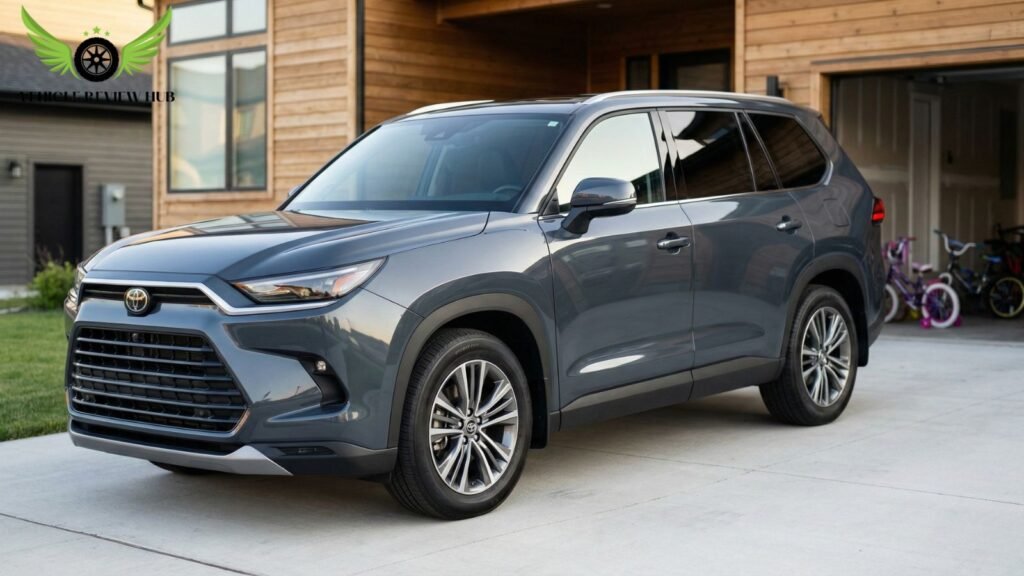
The Toyota Grand Highlander insurance cost is a key part of overall ownership expenses and plays an important role in long-term affordability. Insurance premiums are influenced by several factors, including trim level, driver profile, location, and vehicle value. From my observation, most family SUV buyers want predictable insurance costs, and the Toyota Grand Highlander generally offers balanced insurance rates compared to other midsize SUVs in the USA.
Insurance affordability directly affects the total Toyota Grand Highlander ownership cost, especially for drivers planning to keep the vehicle for many years. Strong safety features, reliable performance, and practical design help maintain reasonable insurance premiums. In addition, vehicles with strong Toyota Grand Highlander resale value and slower Toyota Grand Highlander depreciation often remain financially efficient to insure over time.
The actual insurance cost based on trim level, driver profile, and ways to reduce insurance expenses are discussed in detail below.
Insurance Cost by Trim and Driver Profile
The Toyota Grand Highlander insurance cost can vary depending on the trim level you choose and your personal driver profile. Factors such as age, driving record, location, and vehicle trim all play a role in determining yearly insurance premiums. From my observation, most owners in the USA pay moderate insurance rates compared to other three-row SUVs, which helps keep the overall Toyota Grand Highlander ownership cost manageable.
Trim level has a direct impact on insurance pricing because higher trims usually have higher vehicle value and performance capability. Gasoline models often have the lowest insurance cost, while hybrid and Hybrid MAX trims may cost slightly more due to increased purchase price and advanced components. However, the difference is usually reasonable and does not significantly reduce the overall Toyota Grand Highlander long term value.
Here is a realistic yearly insurance cost estimate based on trim level:
Trim Level | Average Yearly Insurance Cost (USA) |
Gas Model (XLE, Limited) | $1,500–$1,900 |
Hybrid Model | $1,550–$2,000 |
Hybrid MAX Model | $1,700–$2,400 |
Driver age is another major factor. Younger drivers, especially those under 25, typically pay higher premiums due to higher insurance risk. In contrast, experienced drivers aged between 30 and 60 usually receive the lowest insurance rates. Drivers with clean driving records benefit the most, while accident history or traffic violations can increase insurance cost.
Location also affects insurance pricing. Urban areas with heavy traffic and higher accident rates often have higher premiums, while suburban and rural areas usually offer lower insurance costs. For example, drivers living in large cities may pay around 10% to 20% more than drivers in smaller towns.
Below is a realistic insurance cost estimate based on driver profile:
Driver Profile | Average Yearly Insurance Cost |
Age 20–25 | $2,200–$3,000 |
Age 30–45 | $1,500–$2,000 |
Age 50+ | $1,400–$1,800 |
Clean Driving Record | Lower insurance range |
Accident History | 15%–30% higher cost |
From a real ownership perspective, the Toyota Grand Highlander remains affordable to insure because of its strong safety ratings and reliability reputation. In my opinion, experienced drivers with clean records benefit the most, keeping insurance costs lower and improving overall financial efficiency. This balanced insurance affordability also supports strong Toyota Grand Highlander resale value, making it a practical choice for long-term ownership.
How to Reduce Insurance Cost
Reducing the Toyota Grand Highlander insurance cost is possible with the right strategies, and many owners in the USA successfully lower their premiums by choosing the right coverage options and maintaining a clean driving record. From my observation, insurance companies consider driver behavior, vehicle usage, and risk level when calculating premiums. By managing these factors properly, owners can significantly reduce their yearly insurance expenses and improve overall Toyota Grand Highlander ownership cost efficiency.
One of the most effective ways to lower insurance premiums is maintaining a clean driving record. Drivers without accidents, speeding tickets, or insurance claims usually qualify for lower risk ratings. Many insurance providers offer safe driver discounts that can reduce premiums by 10% to 25%, which makes a noticeable difference over time. Safe driving not only improves affordability but also protects the long-term Toyota Grand Highlander long term value by reducing ownership expenses.
Choosing the right deductible can also help reduce insurance costs. A higher deductible typically results in lower monthly or yearly premiums. For example, increasing the deductible from $500 to $1,000 can lower annual insurance costs by approximately 5% to 15%. However, owners should choose a deductible amount they can comfortably afford if an accident occurs.
Bundling insurance policies is another effective method. Many insurance companies offer discounts when combining auto insurance with home or renters insurance. This bundle discount can reduce the Toyota Grand Highlander insurance cost by around 10% to 20%, depending on the insurance provider. From a real ownership perspective, bundling is one of the easiest ways to reduce total insurance expenses without reducing coverage quality.
Driving fewer miles per year can also lower insurance premiums. Vehicles used for daily commuting over long distances often have higher insurance rates due to increased risk exposure. Owners who drive less than 10,000 miles per year may qualify for low-mileage discounts, which help reduce overall ownership expenses and support better financial efficiency.
Installing or using factory safety features also helps reduce insurance costs. The Toyota Grand Highlander comes equipped with advanced safety systems such as collision warning, lane assist, and automatic emergency braking. These features reduce accident risk, and insurance providers often reward safer vehicles with lower premiums. This contributes to stronger Toyota Grand Highlander resale value and overall ownership affordability.
Toyota Grand Highlander Resale Value and Depreciation

The Toyota Grand Highlander resale value is one of the strongest advantages of owning this SUV, especially for buyers who plan to sell or trade the vehicle after several years. Resale value reflects how much of the original purchase price the vehicle retains over time, and Toyota vehicles are well known for maintaining their value better than many competitors. From my observation, buyers in the USA often choose Toyota models because they offer slower value loss and better long-term financial stability.
Depreciation is the biggest cost factor affecting vehicle value over time. The Toyota Grand Highlander depreciation rate is generally slower compared to other midsize three-row SUVs, mainly due to strong reliability, high demand, and long-term durability. Vehicles with strong reliability and ownership reputation tend to lose value more gradually, which improves overall Toyota Grand Highlander long term value.
Hybrid models often perform even better in resale value retention because fuel efficiency and hybrid technology remain in high demand. Many buyers prefer used hybrid SUVs to save on fuel costs, which helps maintain higher resale prices. This also helps reduce the overall Toyota Grand Highlander ownership cost, since owners can recover more of their initial investment when selling the vehicle.
Understanding resale value and depreciation trends is important for long-term ownership planning. Strong resale value not only improves financial efficiency but also makes future upgrades easier and more affordable. The actual resale value percentages over time and resale differences between hybrid and gasoline models are discussed in detail below.
Resale Value After 3, 5 and 7 Years
The Toyota Grand Highlander’s resale value remains strong over time, which is one of the main reasons many buyers consider it a smart long-term investment. Resale value shows how much of the original purchase price the vehicle retains after several years of ownership. From my observation, Toyota SUVs consistently perform better than average in value retention because of their reliability, durability, and strong demand in the used vehicle market.
During the first few years, depreciation is usually faster, but the Toyota Grand Highlander depreciation rate slows down significantly after that period. This means owners lose less value over time compared to many competing SUVs. Strong resale performance also helps reduce the overall Toyota Grand Highlander ownership cost, since owners can recover more money when selling or trading the vehicle.
Here is a realistic resale value retention estimate based on USA ownership patterns:
Ownership Period | Average Resale Value Retained | Depreciation Percentage |
After 3 Years | 65%–70% of the original value | 30%–35% depreciation |
After 5 Years | 55%–60% of the original value | 40%–45% depreciation |
After 7 Years | 45%–50% of the original value | 50%–55% depreciation |
For example, if the original purchase price of a Toyota Grand Highlander is around $45,000, the estimated resale value could be approximately:
- After 3 years → $29,000 to $31,500
- After 5 years → $24,000 to $27,000
- After 7 years → $20,000 to $22,500
This strong resale performance improves the overall Toyota Grand Highlander long-term value, especially for owners who plan to upgrade their vehicle after several years. Hybrid models often retain a slightly higher value due to fuel efficiency and increasing demand for hybrid vehicles in the used car market.
Hybrid vs Gas Resale Value Differences
The Toyota Grand Highlander resale value is strong for both gasoline and hybrid models, but hybrid versions usually retain slightly higher value over time. From my observation, many buyers in the used vehicle market prefer hybrid SUVs because they offer lower fuel expenses and better long-term efficiency. This higher demand helps hybrid models maintain stronger resale performance compared to gasoline versions.
Gasoline models still offer excellent resale value, mainly due to Toyota’s reliability and reputation. After several years of ownership, gas models typically retain around 52% to 58% of their original value after 5 years, depending on condition, mileage, and maintenance history. This slower Toyota Grand Highlander depreciation rate makes it a better investment compared to many competing SUVs.
Hybrid models, however, often perform slightly better in resale value retention. Most hybrid versions retain approximately 55% to 62% of their original value after 5 years, which is about 3% to 5% higher than gasoline models. This difference may not seem large at first, but it can result in $1,500 to $3,000 higher resale value, depending on the original purchase price.
Here is a realistic resale value comparison based on ownership timeline:
Ownership Period | Gas Model Value Retained | Hybrid Model Value Retained |
After 3 Years | 63%–68% | 66%–72% |
After 5 Years | 52%–58% | 55%–62% |
After 7 Years | 42%–48% | 45%–52% |
Hybrid models also benefit from long-term ownership advantages. Better fuel efficiency and lower operating cost improve overall Toyota Grand Highlander long term value, which increases buyer confidence in the used market. Many used vehicle buyers specifically search for hybrid models because they want lower fuel expenses and long-term reliability.
In my opinion, both gas and hybrid versions offer excellent resale value, but the hybrid model provides slightly better financial return over time. The Toyota Grand Highlander hybrid is especially attractive for long-term owners because it combines fuel efficiency, strong resale demand, and slower depreciation, making it a smart ownership choice in the USA.
Long-Term Ownership Experience and Practicality
The long-term ownership experience of the Toyota Grand Highlander is designed around comfort, practicality, and consistent reliability. For many families in the USA, this SUV is not just a short-term purchase but a vehicle they plan to use for 7 to 10 years or more. From my observation, owners value vehicles that remain comfortable, dependable, and affordable over time, and the Toyota Grand Highlander performs well in all of these areas.
One of the key advantages is everyday practicality. The spacious interior, comfortable seating, and smooth ride quality make it suitable for daily commuting, family travel, and long-distance driving. Over time, these comfort features play an important role in maintaining overall satisfaction and improving the Toyota Grand Highlander long term value. Owners often report that even after several years of use, the vehicle continues to feel solid, comfortable, and easy to drive.
Ownership practicality also depends on reliability and predictable expenses. Strong durability and manageable Toyota Grand Highlander ownership cost help owners maintain financial stability over long-term use. Vehicles that remain reliable and affordable to maintain are easier to keep for many years, which improves ownership efficiency and reduces overall financial loss.
Resale value and slower Toyota Grand Highlander depreciation also contribute to long-term practicality. Vehicles that retain value and remain dependable provide better return on investment when owners eventually decide to sell or upgrade. This makes the SUV more financially practical compared to many competitors that lose value faster.
The real-world ownership experience related to family use, comfort over time, and long-term reliability for high-mileage owners is discussed in detail below.
Family Use, Comfort and Space Over Time
The Toyota Grand Highlander is designed with family comfort and long-term practicality in mind, which becomes especially noticeable after several years of ownership. From my observation, many families choose this SUV because of its spacious interior, comfortable seating, and easy daily usability. Unlike smaller SUVs, the Grand Highlander provides enough room for passengers and cargo without feeling cramped, even during extended ownership.
One of the biggest advantages is interior space. The three-row seating layout allows families to carry up to seven or eight passengers comfortably. The second row offers generous legroom, while the third row is more usable for adults compared to many other midsize SUVs. This makes the vehicle practical for school runs, family trips, and long-distance travel. Over time, this level of comfort helps improve the overall Toyota Grand Highlander long term value, because owners remain satisfied with the vehicle’s usability.
Seat comfort also remains consistent over years of use. The seats are designed for long drives, with supportive cushioning and durable materials. Many owners report that even after driving 80,000 to 120,000 miles, the seats maintain their shape and comfort. This contributes to a better ownership experience and reduces the need for interior repairs, which helps control overall Toyota Grand Highlander ownership cost.
Cargo space is another major advantage for families. With all seats in use, the vehicle still offers practical cargo capacity for groceries, luggage, and daily items. When the third row is folded, cargo space increases significantly, making it suitable for road trips, moving large items, or family vacations. This flexibility improves long-term practicality and makes daily life easier for owners.
Interior durability also plays an important role. High-quality materials help reduce wear and tear over time. Most owners report minimal interior damage even after several years of regular use. This durability helps maintain strong Toyota Grand Highlander resale value, since vehicles with well-preserved interiors are more attractive to used car buyers.
In my opinion, the Toyota Grand Highlander offers excellent comfort and usability for long-term family ownership. Its spacious interior, durable materials, and flexible cargo space make it practical for everyday use and extended ownership. These factors contribute to strong ownership satisfaction and help maintain the vehicle’s long-term financial and practical value.
Reliability for Long-Term and High-Mileage Owners
The Toyota Grand Highlander is built with long-term durability in mind, making it a strong choice for owners who plan to keep their vehicle beyond 100,000 miles. From my observation, Toyota vehicles are widely trusted in the USA for their ability to maintain consistent performance even after many years of daily use. Owners who follow regular maintenance schedules often experience smooth operation and minimal mechanical issues over extended ownership periods.
One of the key strengths of the Toyota Grand Highlander is engine and transmission durability. With proper servicing, including regular oil changes and fluid maintenance, the engine can continue running efficiently well beyond 200,000 miles. The transmission is also designed for long-term reliability, and most owners report stable shifting performance even after several years of driving. This dependable mechanical performance helps reduce unexpected repair expenses and improves overall Toyota Grand Highlander long-term value.
Hybrid models offer additional long-term reliability benefits. The hybrid system reduces engine workload during city driving, which helps lower overall wear on internal components. Many hybrid owners report excellent reliability even after high mileage, which supports the strong Toyota Grand Highlander resale value. The hybrid battery is designed to last many years, and most owners do not face replacement costs during normal ownership.
Long-term owners also benefit from predictable ownership expenses. The Toyota Grand Highlander ownership cost remains manageable because major mechanical failures are uncommon when maintenance is performed properly. Most repair needs involve normal wear items such as brakes, tires, and suspension components rather than major engine or transmission repairs.
Durability also plays an important role in depreciation. Vehicles that remain reliable tend to experience slower Toyota Grand Highlander depreciation, which helps preserve financial value over time. This makes the SUV more attractive in the used vehicle market and improves long-term ownership efficiency.
In my opinion, the Toyota Grand Highlander is an excellent choice for long-term and high-mileage ownership. Its strong reliability, durable components, and predictable maintenance needs make it a dependable SUV for families and daily drivers. With proper care, this vehicle can provide many years of reliable service while maintaining its financial and practical value.
Final Verdict – Is the Toyota Grand Highlander Worth Buying in 2026?
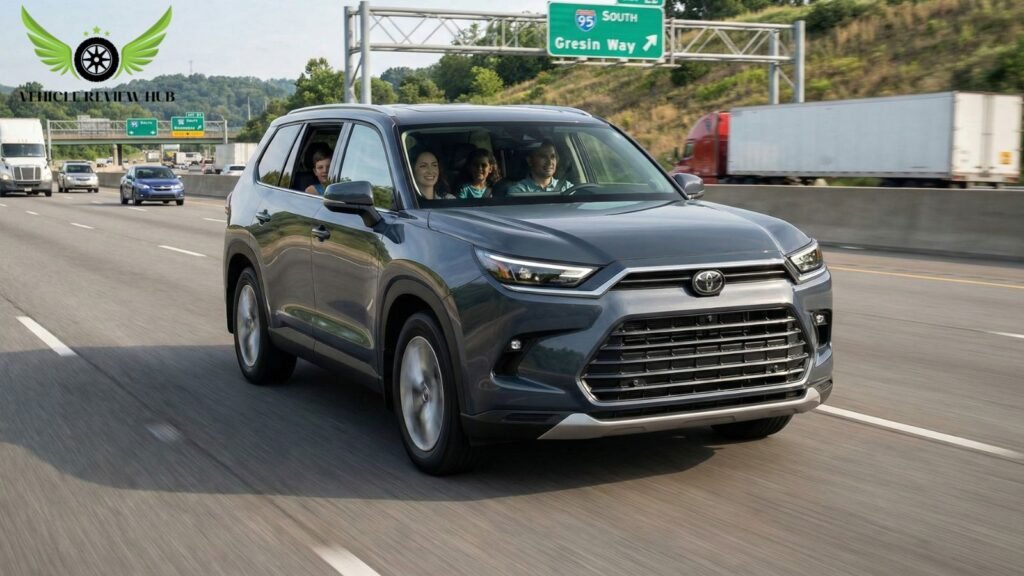
The Toyota Grand Highlander offers a well-balanced combination of affordability, reliability, and long-term ownership value, making it a strong option for buyers in 2026. When evaluating a vehicle for long-term ownership, important factors such as Toyota Grand Highlander ownership cost, insurance cost, resale value, and depreciation play a major role in determining overall financial efficiency. From my observation, buyers who prioritize predictable expenses and dependable performance often find this SUV to be a practical and financially safe choice.
Long-term value is supported by strong durability, reasonable ownership expenses, and excellent Toyota Grand Highlander resale value. Vehicles that maintain their reliability and retain value over time offer better financial return and lower overall ownership risk. In addition, slower Toyota Grand Highlander depreciation helps preserve vehicle value, which improves long-term ownership efficiency.
Overall ownership experience, buyer suitability, and situations where alternative SUVs may be a better choice are discussed in detail below.
Best Buyer Profile for Grand Highlander
The Toyota Grand Highlander is best suited for buyers who want a three-row SUV with predictable ownership expenses, strong resale value, and reliable long-term usability. For buyers in the USA, ownership needs often depend on family size, yearly mileage, budget planning, and how long they intend to keep the vehicle. The balanced Toyota Grand Highlander ownership cost, combined with strong durability and stable operating expenses, makes it especially suitable for buyers focused on long-term financial efficiency rather than short-term ownership.
Families with 4 to 7 members benefit the most from the Grand Highlander. The interior provides enough passenger space for adults in all three rows, which is important for daily family use and long trips. Cargo capacity also remains practical, offering approximately 20+ cubic feet of storage behind the third row, which is sufficient for groceries, luggage, and everyday items. This level of practicality reduces the need to upgrade vehicles frequently, improving overall Toyota Grand Highlander long term value.
Buyers planning long-term ownership of 5 to 10 years or more are also ideal candidates. Vehicles with strong Toyota Grand Highlander resale value and slower Toyota Grand Highlander depreciation help owners retain more of their investment. For example, after 5 years, the vehicle typically retains around 55% to 60% of its original value, which is higher than many competing SUVs. This makes it financially beneficial for buyers who want to minimize long-term ownership losses.
Hybrid buyers who drive more than 12,000 miles per year gain additional financial benefits. Hybrid models can reduce yearly fuel expenses by approximately $500 to $800, depending on driving conditions and fuel prices. Over a 5-year period, this can result in $2,500 to $4,000 in total fuel savings, which helps lower overall ownership expenses and improves long-term affordability.
Budget planning is another important factor. The average combined Toyota Grand Highlander insurance cost and maintenance expenses typically range between $2,000 and $3,000 per year, depending on driver profile and usage. This predictable expense level makes it easier for buyers to plan ownership costs without unexpected financial pressure.
The Grand Highlander is most suitable for buyers who:
- Plan to keep the vehicle for long-term ownership (5–10 years or more)
- Need a reliable and spacious family SUV
- Drive regularly and want stable operating expenses
- Prefer strong resale value and slower depreciation
- Want predictable insurance and maintenance costs
Overall, the Toyota Grand Highlander is best suited for buyers who prioritize long-term reliability, ownership stability, and financial efficiency. It delivers strong ownership value for families and long-term drivers who want dependable performance and predictable expenses over many years.
When Another SUV Might Be a Better Choice
The Toyota Grand Highlander offers strong overall value, but it may not be the best choice for every buyer depending on budget, driving needs, and performance expectations. Understanding when another SUV might be more suitable helps buyers make a financially and practically correct decision. From a long-term ownership perspective, choosing the right vehicle depends on how you plan to use it and what ownership priorities matter most.
Buyers with a lower purchase budget may find smaller SUVs more suitable. The starting price of the Toyota Grand Highlander is typically higher than compact or midsize two-row SUVs. Buyers who do not need third-row seating or extra passenger capacity may reduce their total Toyota Grand Highlander ownership cost by choosing a smaller and more affordable vehicle. Lower purchase price also reduces insurance and depreciation costs over time.
Drivers who prioritize sporty performance over comfort and practicality may also prefer alternative SUVs. While the Grand Highlander Hybrid MAX offers strong performance, the vehicle is primarily designed for comfort, efficiency, and family use. Buyers looking for aggressive acceleration, sport handling, or performance-focused driving may find better options in SUVs specifically designed for performance.
Urban drivers who frequently park in tight city spaces may also benefit from choosing a smaller SUV. The Toyota Grand Highlander is a large three-row vehicle, and its size can make parking more challenging in crowded areas. Smaller SUVs provide easier maneuverability and may improve daily convenience in dense urban environments.
Buyers who plan short-term ownership of only 2 to 3 years may not fully benefit from the strong Toyota Grand Highlander resale value and slower Toyota Grand Highlander depreciation. The long-term financial advantages of this vehicle are most noticeable during extended ownership. Short-term owners may prioritize lower upfront cost instead of long-term value retention.
Fuel efficiency priorities may also influence the decision. While hybrid models offer excellent efficiency, gasoline versions have higher fuel expenses compared to smaller hybrid SUVs. Buyers focused entirely on maximum fuel savings may find smaller hybrid SUVs more economical for daily commuting.
Insurance costs can also vary based on the driver profile. Although the Toyota Grand Highlander insurance cost is moderate for its class, drivers under 25 or with high insurance risk may face higher premiums due to vehicle size and value.
Overall, another SUV may be a better choice if the buyer:
- Has a limited purchase budget
- Does not need third-row seating
- Prefers smaller vehicle size for city driving
- Prioritizes sporty performance over practicality
- Plans short-term ownership instead of long-term use
The Toyota Grand Highlander long term value remains strongest for buyers who prioritize reliability, comfort, and long-term financial efficiency. However, selecting the right SUV always depends on individual ownership needs, driving habits, and financial priorities.
Toyota Grand Highlander Ownership Cost, Insurance and Resale Value FAQs
Many buyers considering the Toyota Grand Highlander want clear answers about ownership cost, insurance expenses, resale value, and long-term financial benefits. These factors directly affect affordability and long-term ownership satisfaction. The following FAQs provide direct, practical answers based on real USA ownership experience and financial expectations.
What is the average Toyota Grand Highlander ownership cost per year?
The average Toyota Grand Highlander ownership cost ranges between $6,500 and $9,000 per year, including fuel, insurance, maintenance, and depreciation. Hybrid models usually cost less to operate due to lower fuel expenses, which improves overall long-term ownership affordability.
How much does Toyota Grand Highlander insurance cost in the USA?
The average Toyota Grand Highlander insurance cost typically ranges between $1,500 and $2,400 per year. Insurance rates depend on driver age, driving history, location, and trim level. Experienced drivers with clean records usually pay lower premiums.
Does the Toyota Grand Highlander have good resale value?
Yes, the Toyota Grand Highlander resale value is considered strong. The vehicle typically retains about 65% to 70% of its value after 3 years and around 55% to 60% after 5 years, which is higher than many competing SUVs. This strong resale performance improves overall ownership value.
How fast does the Toyota Grand Highlander depreciate?
The average Toyota Grand Highlander depreciation is approximately 30% to 35% after 3 years and about 40% to 45% after 5 years. This slower depreciation rate helps owners retain more financial value compared to many other midsize SUVs.
Is the Toyota Grand Highlander hybrid cheaper to own than the gas model?
Yes, hybrid models usually have lower long-term ownership cost. Hybrid versions can reduce fuel expenses by approximately $500 to $800 per year, which improves overall Toyota Grand Highlander long term value and reduces total operating cost.
Is the Toyota Grand Highlander worth buying for long-term ownership?
Yes, the Toyota Grand Highlander is a strong choice for long-term ownership due to its reliable performance, reasonable ownership cost, strong resale value, and slower depreciation. It is especially suitable for families and drivers planning to keep their vehicle for many years.