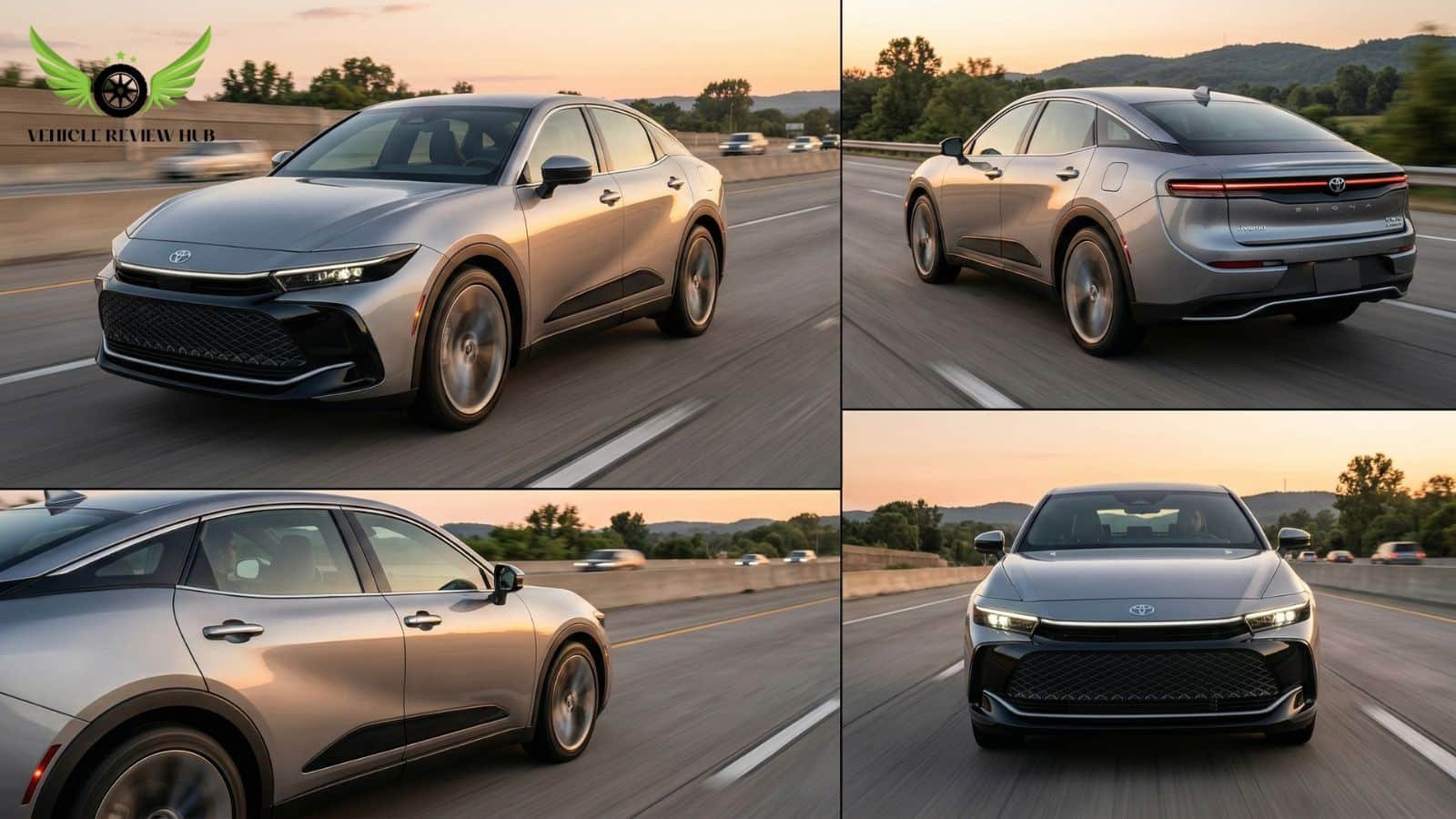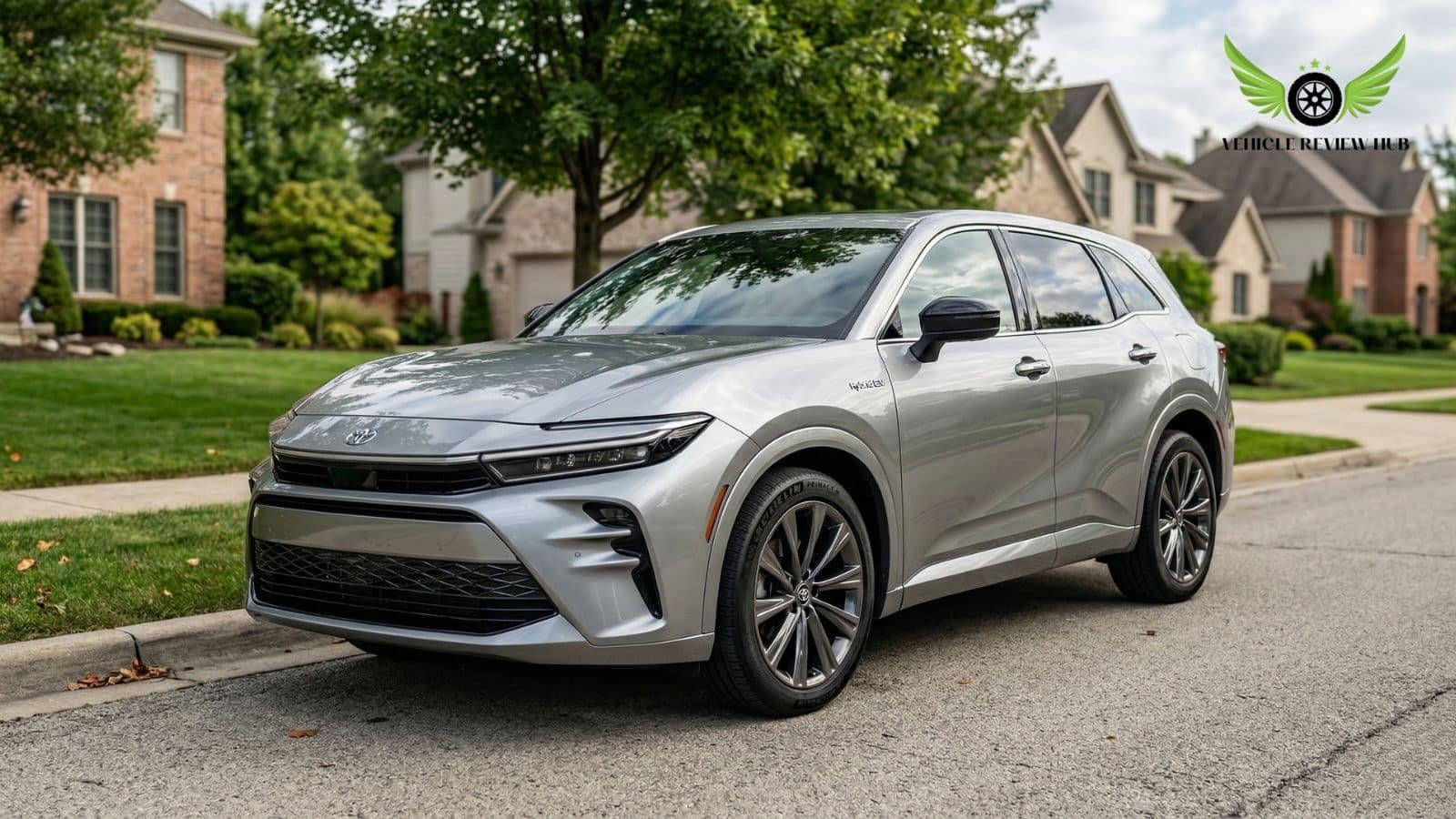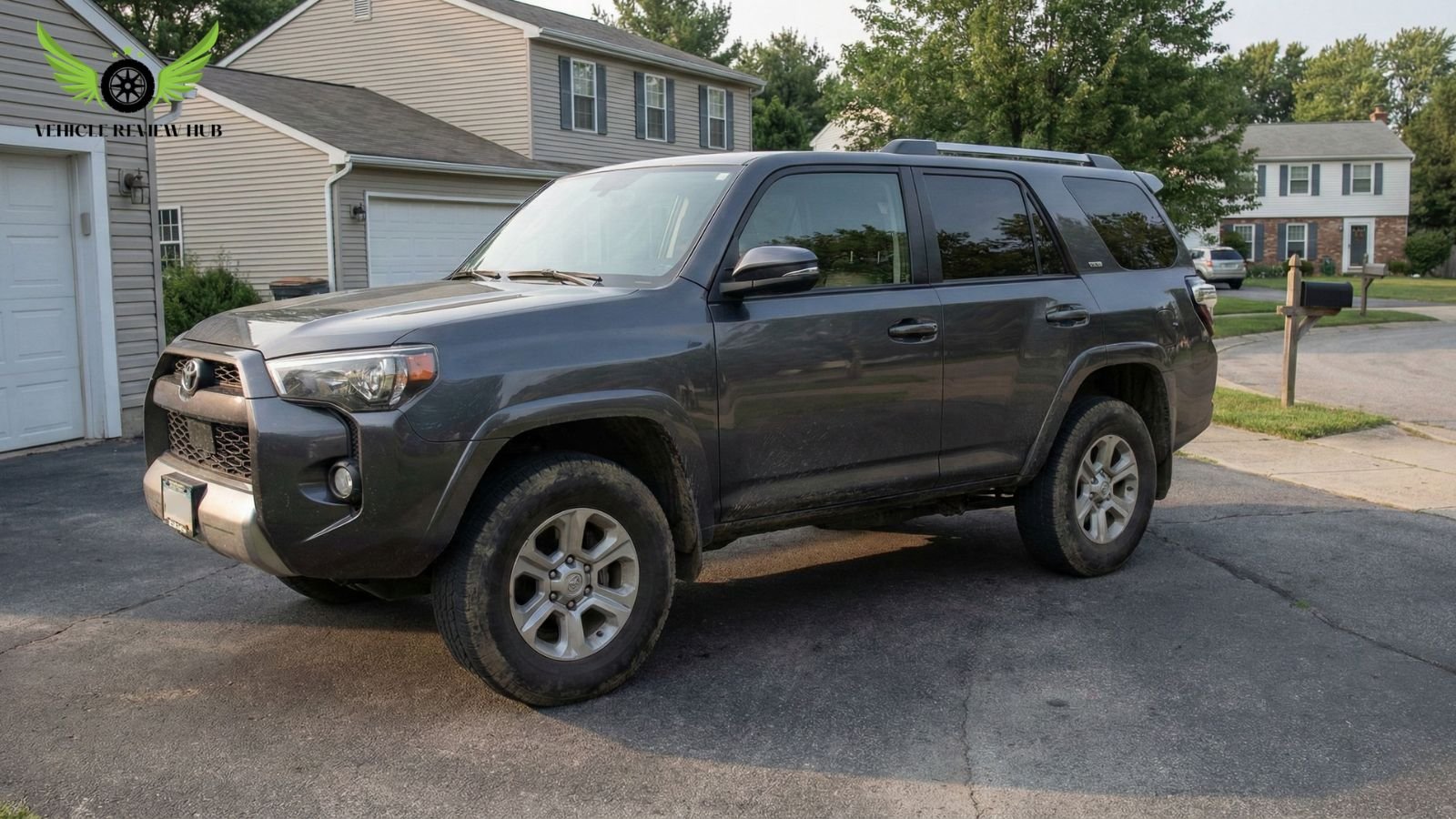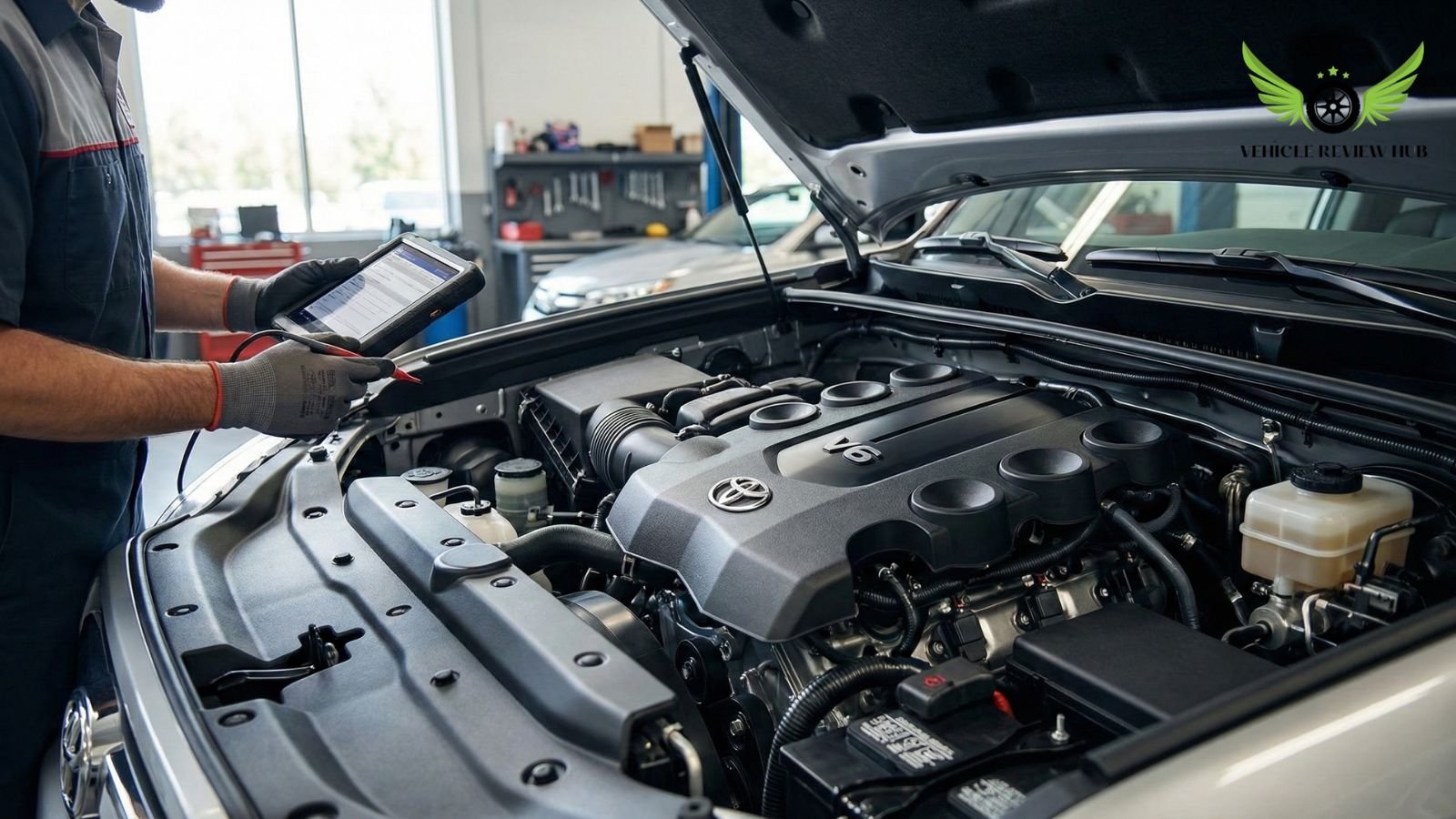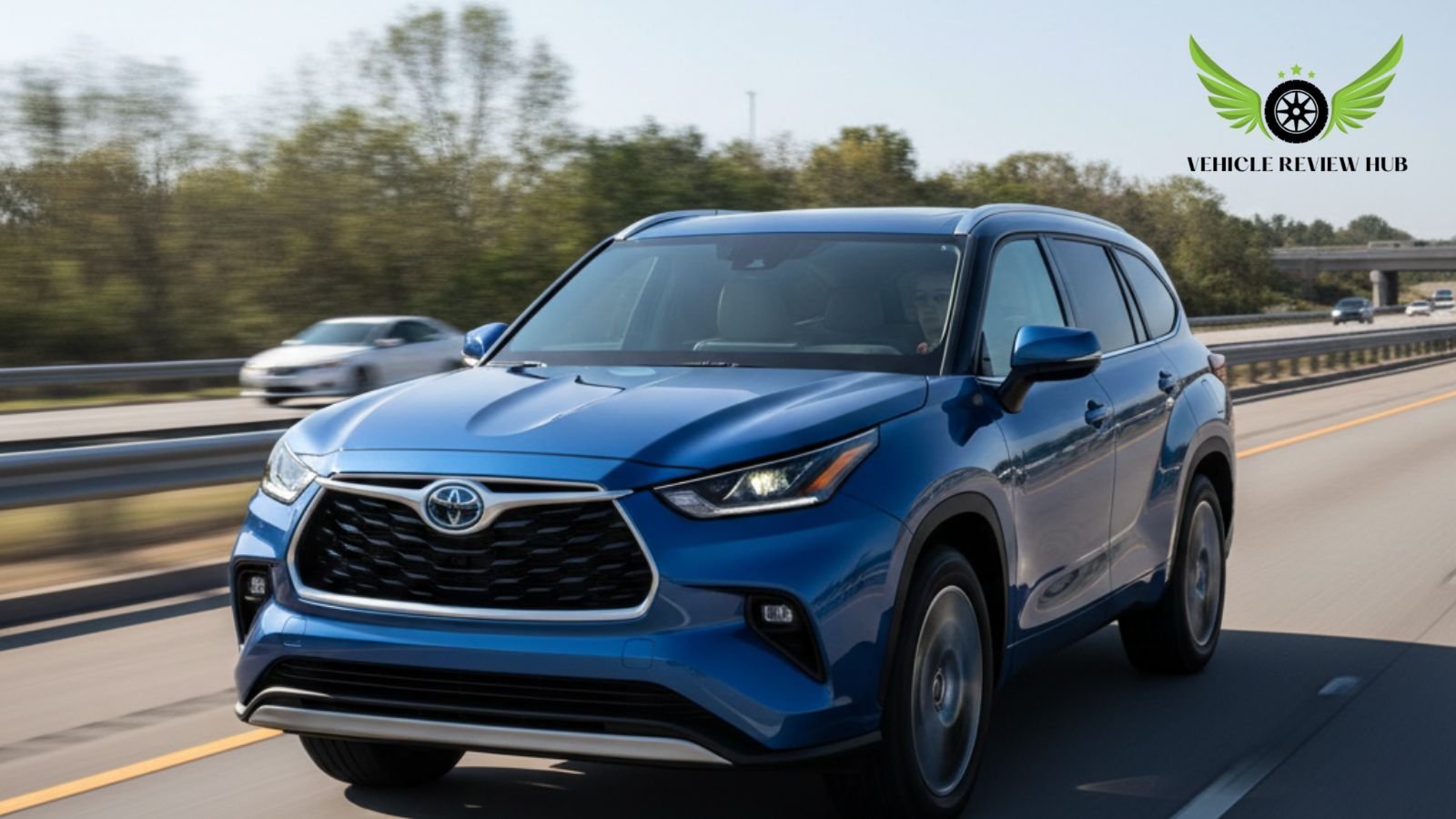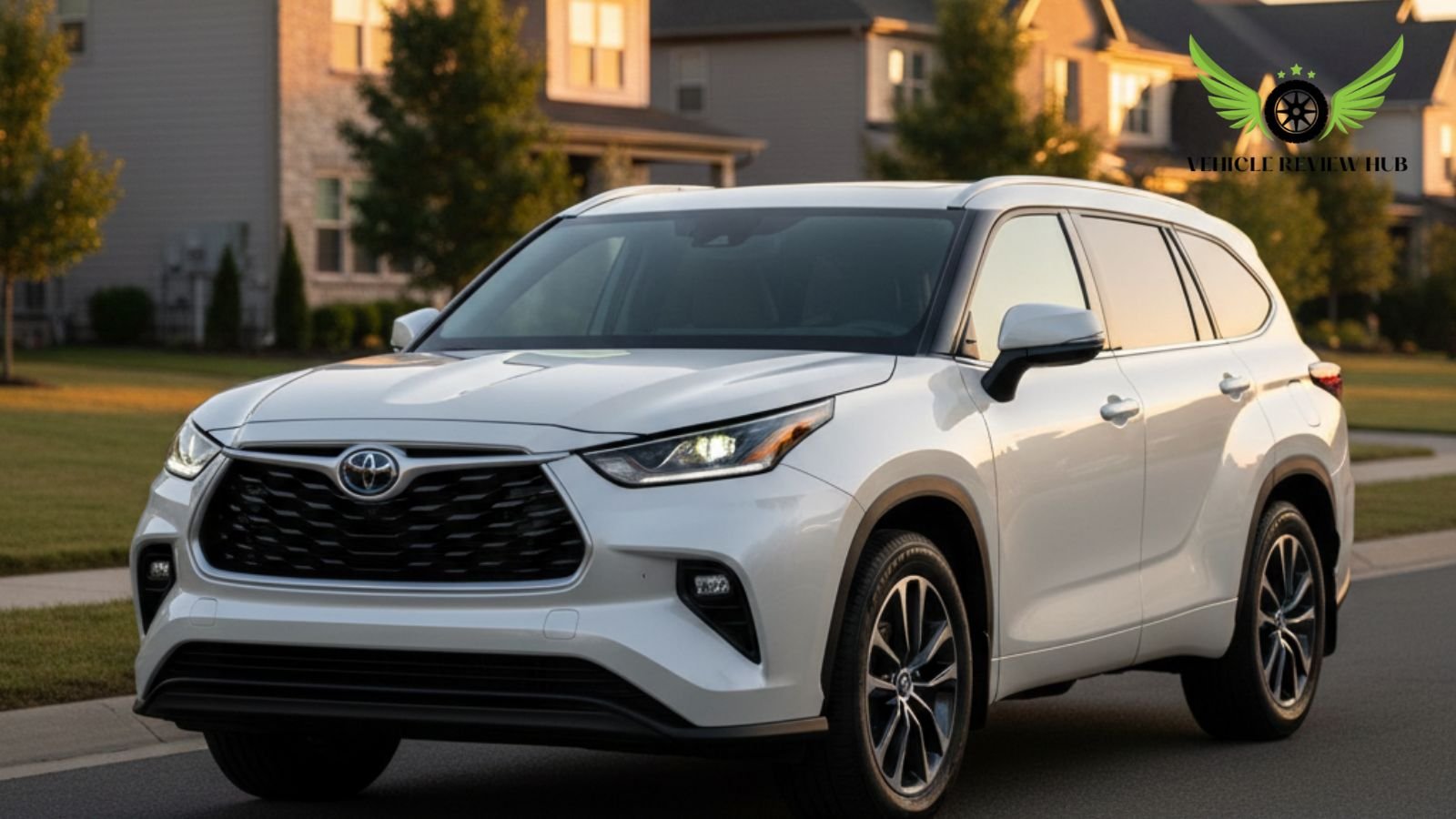
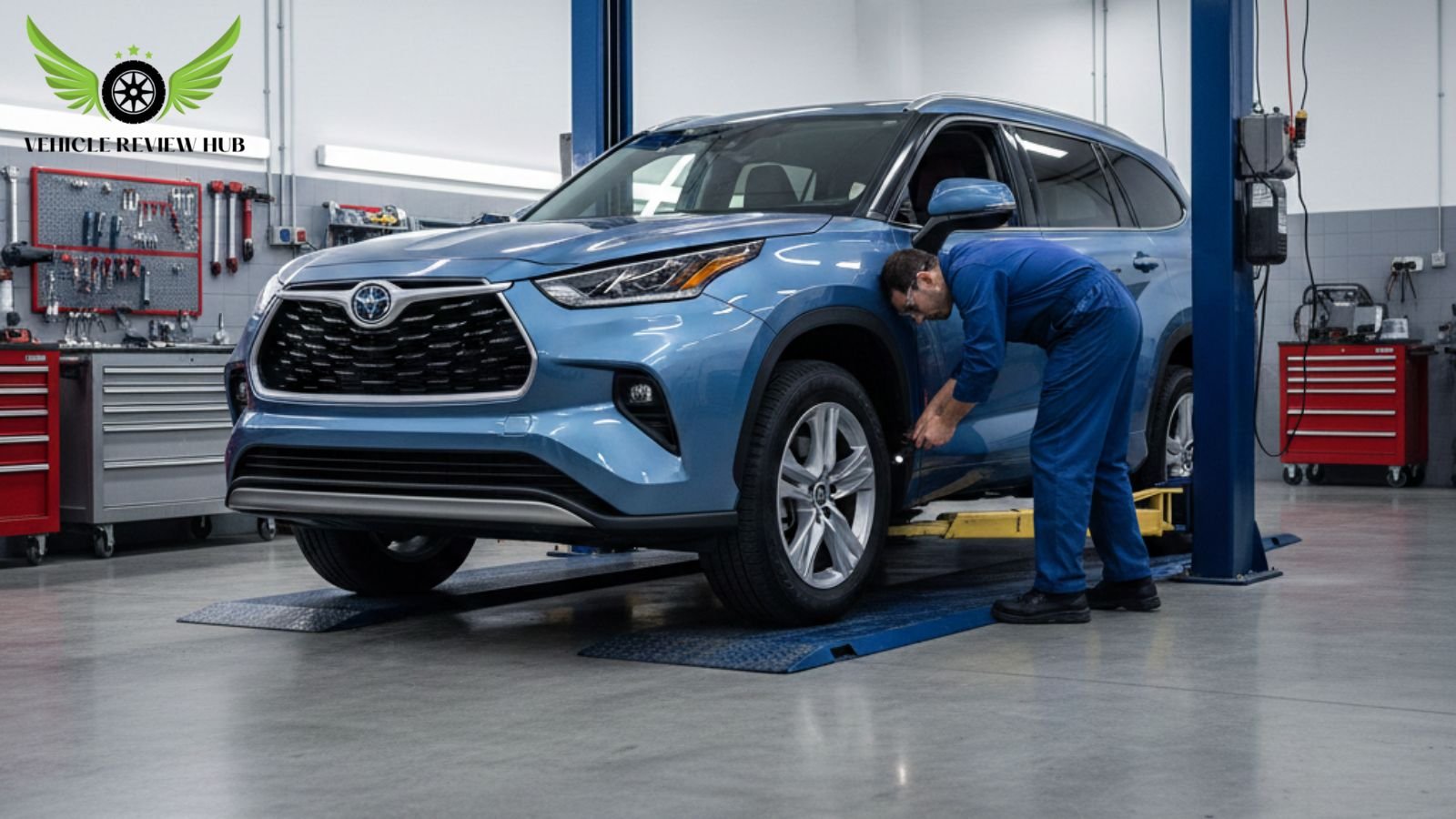
When buyers think beyond price and mileage, long-term ownership questions usually come next. With the Toyota Highlander, people want to know three things upfront: how much it costs to maintain, how reliable it stays over time, and what real owners actually deal with after years of use. This guide focuses on those exact concerns, based on real-world ownership in the USA—not dealership promises.
From my observation, most Highlander owners choose this SUV because they expect predictable maintenance and long-term dependability, especially for family use. For recent model years (roughly 2019–2025), routine maintenance costs tend to stay lower than those of many competing midsize SUVs. On average, owners report spending about $450–$650 per year on regular maintenance during the early years, excluding unexpected repairs.
Reliability is another major reason the Toyota Highlander holds its value so well. Many owners drive past 150,000 miles with only standard servicing like oil changes, brakes, and tires. Serious mechanical issues are not common, but like any vehicle, a few patterns show up over time—especially as mileage increases or maintenance is delayed.
Service schedules also play a big role in keeping costs under control. Following the recommended intervals for oil changes, fluid checks, and inspections often prevents small issues from turning into expensive repairs. Drivers who stick to the schedule usually report fewer surprises and better long-term performance.
This article breaks down maintenance costs, service expectations, known problem areas, and long-term reliability in a clear, practical way. If you’re planning to own a Toyota Highlander in the USA—whether new or used—these details will help you set realistic expectations before committing.
Toyota Highlander Maintenance Basics
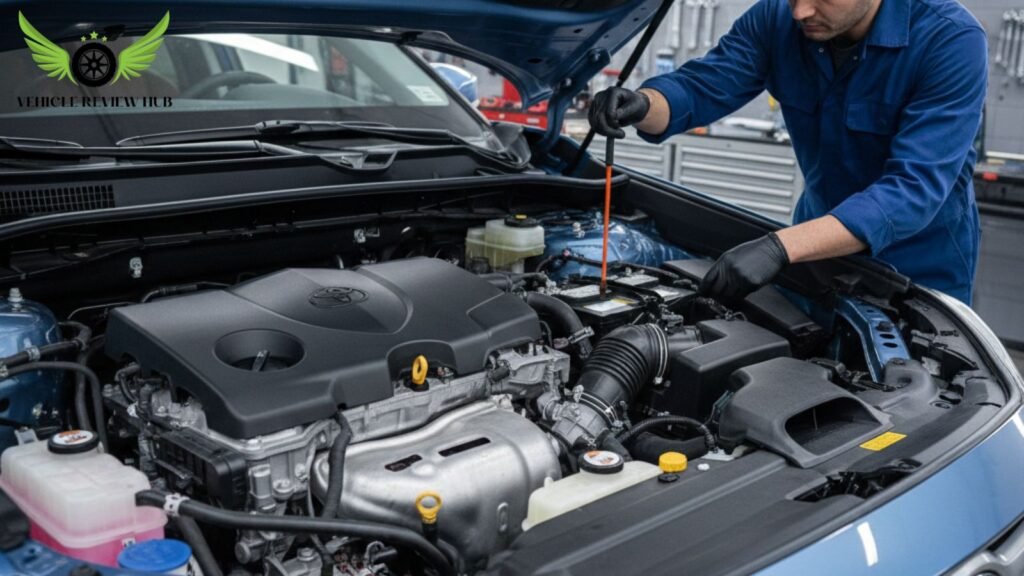
Before looking at costs or common issues, it’s important to understand the basic maintenance needs of the Toyota Highlander. This SUV is generally considered low-stress to own, mainly because its routine care is straightforward and well-documented. Most owners in the USA don’t face complicated service requirements as long as they follow the recommended schedule.
From my experience and long-term owner feedback, regular maintenance mostly involves oil changes, tire rotations, brake inspections, and fluid checks. For newer models, these services are usually needed every 5,000–10,000 miles, depending on driving habits and conditions. City-heavy driving or frequent short trips may require slightly more frequent attention.
What stands out is how consistent maintenance keeps problems away. Owners who stay on schedule often report fewer repairs even after several years of ownership. Skipping basic service, on the other hand, is usually when small issues begin to show up—something that applies to almost any vehicle, not just this one.
This section sets the foundation for understanding service intervals, cost differences between gas and hybrid models, and long-term maintenance expectations. With the basics covered, it becomes easier to judge what owning a Toyota Highlander is really like over time.
Regular Service Intervals Explained
Regular service intervals are what keep ownership costs predictable over time. For the Toyota Highlander, the maintenance schedule is simple and easy to follow, which is why many long-term owners report fewer unexpected repairs. Based on 2019–2025 USA models and real ownership patterns, following these intervals plays a key role in long-term reliability.
Here is a clear and practical service interval overview most owners follow in real life:
Service Item | Typical Interval |
Engine Oil & Filter | Every 5,000–10,000 miles |
Tire Rotation | Every 5,000 miles |
Brake Inspection | Every 10,000–15,000 miles |
Engine Air Filter | Every 15,000–30,000 miles |
Cabin Air Filter | Every 15,000–25,000 miles |
Coolant Check / Service | Around 100,000 miles |
Transmission Fluid (Inspect) | 30,000–60,000 miles |
From my observation, owners who stay closer to the 5,000-mile routine, especially for oil changes and tire rotations, usually avoid early wear issues. Those who delay basic services often face higher costs later—not because the vehicle is unreliable, but because routine care was skipped.
Driving conditions also matter. City traffic, frequent short trips, towing, or hot climates usually mean services should be done on the earlier side of these ranges. Highway-focused drivers can often follow the longer intervals without issues.
If you ask me, the biggest advantage here is simplicity. The Toyota Highlander doesn’t require complex or unusual servicing—just consistency. Follow these intervals, and most owners experience smooth, low-stress ownership even as mileage climbs.
Maintenance Differences Between Gas and Hybrid
When comparing maintenance between gas and hybrid versions, most owners are surprised by how similar the overall care actually is. The Toyota Highlander hybrid doesn’t add complexity to daily ownership, but there are a few key differences worth understanding before choosing between the two.
From my observation and owner feedback across 2019–2025 models, routine maintenance—oil changes, tire rotations, brake inspections, and filters—remains mostly the same for both versions. The main difference shows up in how often certain parts wear out rather than how many parts exist.
The gas version relies entirely on the engine and traditional braking system, which means brake pads and rotors usually wear faster, especially in city driving. Owners commonly report brake service becoming necessary around 40,000–60,000 miles, depending on driving style.
The hybrid version, on the other hand, benefits from regenerative braking, which reduces brake wear significantly. Many hybrid owners say their brake pads last 70,000–100,000 miles, especially with city-heavy use. This often offsets some of the hybrid’s higher upfront cost over time.
Oil changes are still required for the hybrid, but they’re usually needed less frequently under light-duty driving, since the engine doesn’t run constantly in traffic. At the same time, hybrid systems add components like the electric motor and inverter, but these are generally maintenance-free during normal ownership.
If you ask me, the biggest real-world difference isn’t higher maintenance for the hybrid—it’s more predictable maintenance. Gas models feel simpler in theory, but hybrids often surprise owners by costing less in brakes and running smoothly in daily traffic.
At the end of the day, both versions are easy to maintain. The gas model suits drivers who prefer traditional mechanics, while the hybrid rewards drivers who spend more time in stop-and-go conditions with lower wear on key components.
Toyota Highlander Maintenance Cost Breakdown
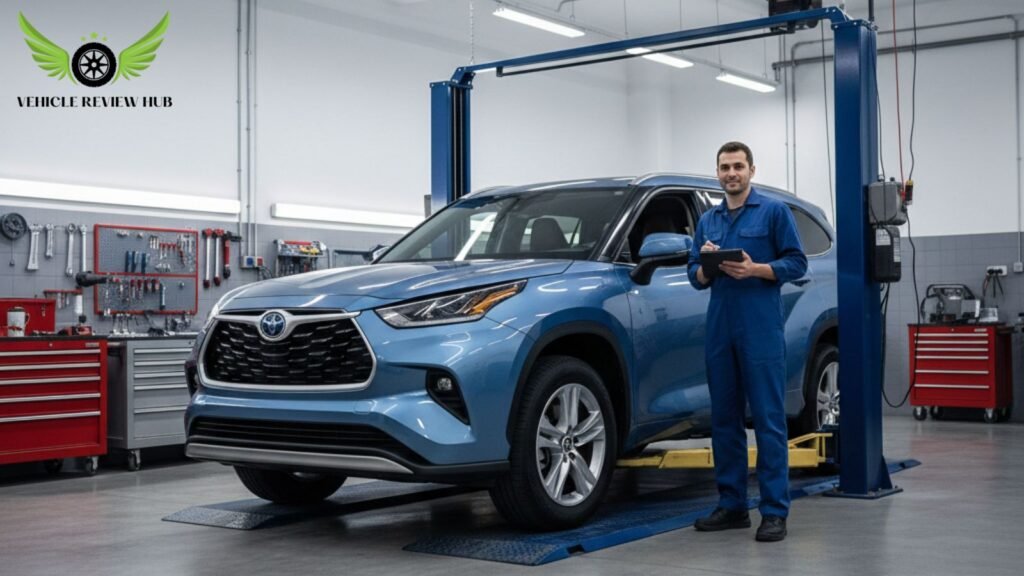
Maintenance cost is one of the biggest long-term ownership concerns, especially for buyers planning to keep their vehicle for several years. With the Toyota Highlander, costs are generally steady and predictable, which is why many owners feel comfortable owning it beyond the warranty period in the USA.
From real ownership patterns, maintenance expenses depend mainly on vehicle age, mileage, and driving conditions, not sudden mechanical surprises. In the early years, costs stay relatively low because most expenses come from routine services. As mileage increases, maintenance slowly rises, but usually in a controlled way rather than spiking unexpectedly.
What makes the Toyota Highlander stand out is that its maintenance costs tend to grow gradually, not sharply. Owners who follow service schedules often report fewer unplanned repairs, making budgeting easier year after year. This section breaks down what owners typically spend yearly and long-term, so expectations are clear before moving deeper into numbers.
Average Yearly Maintenance Cost
For most owners, the question isn’t whether maintenance exists—it’s how much to expect each year. In real-world ownership across the USA, the Toyota Highlander is known for manageable, steady yearly costs, especially when routine service is done on time.
Based on owner reports and typical service patterns for 2019–2025 models, average yearly maintenance usually falls within a predictable range. These numbers reflect routine care only, not accident-related or rare repair events.
Vehicle Age | Typical Yearly Maintenance Cost |
1–3 Years | $400–$550 |
4–6 Years | $550–$750 |
7–10 Years | $700–$1,000 |
From my observation, most owners stay closer to the lower end of these ranges during the first few years. Costs are mainly oil changes, tire rotations, filters, and inspections. As mileage passes 60,000–80,000 miles, expenses increase slightly due to brakes, tires, and suspension wear—but still remain reasonable compared to many midsize SUVs.
Another real-world factor is driving style. City-heavy driving and short trips usually push yearly costs a bit higher, while highway-focused drivers often stay below average. Hybrid owners often report slightly lower brake-related expenses, which can balance out costs over time.
If you ask me, the key takeaway is predictability. The Toyota Highlander doesn’t surprise owners with sudden maintenance spikes. Yearly costs rise gradually, making long-term budgeting far easier for families planning to keep the vehicle for years.
Long-Term Maintenance Expectations
Long-term ownership is where many vehicles start to separate themselves, and this is an area where the Toyota Highlander generally earns a good reputation. For owners who keep the vehicle beyond 100,000 miles, maintenance expectations are usually progressive and manageable, not sudden or overwhelming.
From long-term owner experience in the USA, most Highlanders follow a predictable pattern. During the first 5–6 years, maintenance is mostly routine. As mileage crosses 80,000–120,000 miles, wear-related items slowly come into play—but major mechanical failures are not common when service schedules are followed.
Here’s what owners typically experience over time:
Mileage Range | Common Long-Term Maintenance Items |
60,000–80,000 miles | Brake pads, tires, battery replacement |
80,000–120,000 miles | Suspension components, spark plugs, brake rotors |
120,000–150,000 miles | Cooling system service, wheel bearings (some cases) |
150,000+ miles | Sensors, rubber hoses, age-related components |
From my observation, many owners comfortably reach 150,000 miles or more without engine or transmission rebuilds. The key factor isn’t luck—it’s consistent maintenance. Skipping basic service often leads to higher costs later, while regular care keeps repairs spaced out and easier to budget.
Hybrid models follow a similar path, with one important difference: brake and engine wear tends to be lower, thanks to regenerative braking and reduced engine load in traffic. This often helps hybrid owners keep long-term costs slightly more stable.
If you ask me, the long-term expectation here is reliability, not perfection. The Toyota Highlander won’t be maintenance-free forever, but for drivers who plan to keep their vehicle long-term, it usually ages in a predictable, owner-friendly way rather than becoming expensive all at once.
Common Problems Reported by Toyota Highlander Owners
No vehicle is completely problem-free, and the Toyota Highlander is no exception. That said, most reported issues tend to be manageable and well-documented, rather than sudden or widespread failures. For buyers, understanding these common problems helps set realistic expectations, especially when considering a used model or long-term ownership in the USA.
According to owner reports and long-term usage patterns, most issues typically occur after higher mileage or when regular maintenance is delayed. Early ownership years are typically trouble-free, while minor concerns may emerge as the vehicle ages. Importantly, these problems are often inconveniences rather than deal-breakers, and many have known fixes.
This section focuses on the most commonly reported mechanical and electrical concerns, separating normal wear-and-tear from issues buyers should be aware of. The goal isn’t to create fear, but to provide clarity—so owners know what to watch for and how common these problems actually are.
Engine, Transmission and Drivetrain Issues
When it comes to core mechanical parts, the Toyota Highlander generally performs well, but a few repeat patterns do show up in owner reports—mostly tied to mileage and maintenance habits, not sudden failures.
From long-term ownership feedback in the USA, engine-related problems are relatively rare. Most gas models run smoothly well past 120,000–150,000 miles if oil changes and basic services are done on time. The most commonly mentioned engine-related concerns are minor oil seepage, worn ignition coils, or sensors triggering warning lights as the vehicle ages. These are usually repairable issues rather than serious engine damage.
Transmission behavior is another area that owners talk about. In some models, drivers report slightly rough or delayed shifts, especially at lower speeds or during cold starts. From my observation, this is more of a driveability feel issue than a failure. Regular transmission fluid inspections around 30,000–60,000 miles often help keep shifting smooth over the long run.
Drivetrain components—such as CV joints and wheel bearings—tend to show normal wear as mileage climbs. Many owners report replacements becoming necessary after 90,000–120,000 miles, especially in areas with rough roads or harsh winters. This falls within normal expectations for a midsize SUV and doesn’t point to a design flaw.
If you ask me, the key takeaway here is consistency. Most serious engine or transmission problems reported by owners can be traced back to skipped maintenance or high mileage without proper care. With regular servicing, the Toyota Highlander’s core mechanical components are known to remain dependable rather than problematic.
Electrical, Infotainment and Comfort Issues
Electrical and comfort-related issues are reported more often than major mechanical problems, but they are usually minor and fixable, not ownership-ending concerns. For the Toyota Highlander, most of these reports come from higher-mileage vehicles or specific model years rather than being widespread across all versions.
From owner feedback covering 2019–2024 models, infotainment glitches are among the most common complaints. Some drivers mention slow screen response, occasional freezing, or Bluetooth connection drops, especially in earlier touchscreen systems. In many cases, these issues are resolved through software updates rather than hardware replacement, which keeps repair costs low.
Comfort-related electrical items also come up over time. Power window switches, seat adjustment motors, and climate control sensors may show wear after 80,000–120,000 miles, particularly in vehicles used daily by families. These are typical age-related issues and not unique to this SUV. Most repairs are straightforward and don’t indicate deeper electrical system failures.
Another area owners mention is warning lights triggered by sensors, such as tire pressure or parking assist alerts. From my observation, these are often caused by sensor aging or calibration issues rather than serious faults. Replacing a sensor or recalibrating the system usually solves the problem without recurring trouble.
If you ask me, these issues fall into the category of everyday ownership realities rather than reliability red flags. While they can be annoying when they appear, they rarely affect drivability or safety. For most owners, electrical and comfort concerns with the Toyota Highlander are manageable, predictable, and far less costly than major mechanical repairs.
Toyota Highlander Reliability for Long-Term Use
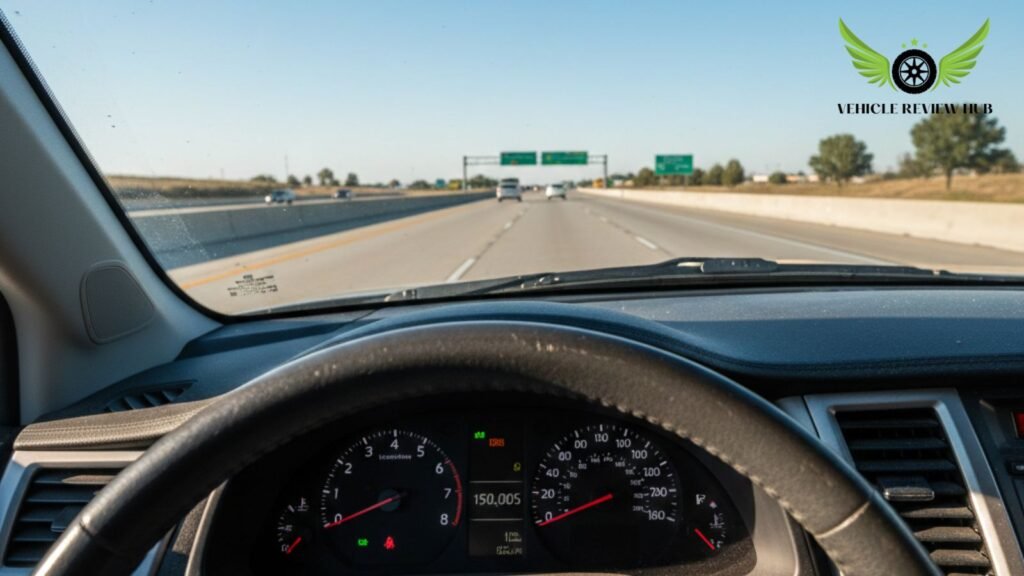
Long-term reliability is one of the main reasons many buyers choose the Toyota Highlander, especially when planning to keep the vehicle for several years. In real-world ownership across the USA, this SUV has built a reputation for lasting performance rather than short-term perfection.
From what long-term owners report, reliability stays strong when regular maintenance is followed. Many Highlanders comfortably cross 150,000 miles, and some go even further without major engine or transmission work. The vehicle doesn’t feel fragile as it ages, which is important for families who depend on it daily.
What stands out most is consistency. Problems don’t usually appear all at once. Instead, wear happens gradually and predictably, giving owners time to plan repairs rather than react to sudden failures. This section looks at how the Toyota Highlander performs after high mileage and which components typically hold up well over time.
Performance After High Mileage
After crossing 100,000 miles, many vehicles start to feel tired—but this is where the Toyota Highlander usually holds its ground. From long-term owner experience in the USA, performance remains stable and predictable as long as regular maintenance hasn’t been ignored.
In real use, most Highlanders continue to drive smoothly even at 120,000–150,000 miles. Acceleration doesn’t suddenly drop off, highway stability stays solid, and steering response remains consistent. From my observation, owners often say the vehicle still feels “normal,” not worn out, which isn’t something you hear with every midsize SUV at this mileage.
Engine performance after high mileage is generally reliable. Small things may change—like slightly slower throttle response or increased engine noise—but these tend to be gradual, not dramatic. Transmission behavior usually stays smooth as well, especially in vehicles that had regular fluid inspections. Sudden failures are not commonly reported.
Ride quality also holds up better than expected. Suspension components may need attention after 90,000–120,000 miles, but once refreshed, the vehicle often feels close to how it did years earlier. Many owners mention that even after years of use, long highway drives still feel comfortable and confidence-inspiring.
If you ask me, the biggest sign of long-term reliability is that performance doesn’t fall off a cliff. The Toyota Highlander ages in a controlled, predictable way, which is exactly what high-mileage owners want—something that keeps working without constant surprises.
What Typically Lasts Without Major Repairs
One of the biggest long-term ownership questions is which parts usually hold up well without needing major repairs. For the Toyota Highlander, many components are known to last a long time when basic maintenance is done on schedule, which is why owners often describe it as dependable rather than fragile.
From real-world ownership experience in the USA, the engine and transmission are usually the strongest areas. Many owners report driving well beyond 150,000 miles without needing internal engine work or transmission rebuilds. As long as oil changes and fluid inspections are not skipped, these core components tend to remain reliable.
Other parts that typically last without major issues include the cooling system, fuel system, and steering components. While hoses, belts, or sensors may need replacement over time, complete system failures are uncommon. These replacements are usually age-related rather than signs of poor design.
In hybrid models, owners often note that brake components last longer due to regenerative braking. This means brake pads and rotors often go many years before needing replacement, especially for city-driven vehicles. Suspension parts may wear with mileage, but once refreshed, they usually continue performing well for a long time.
If you ask me, the key point is that most major systems don’t suddenly fail. The Toyota Highlander tends to wear gradually, giving owners plenty of warning before repairs are needed. This predictability is what makes long-term ownership feel manageable instead of stressful.
Hybrid Battery Life, Warranty and Ownership Reality
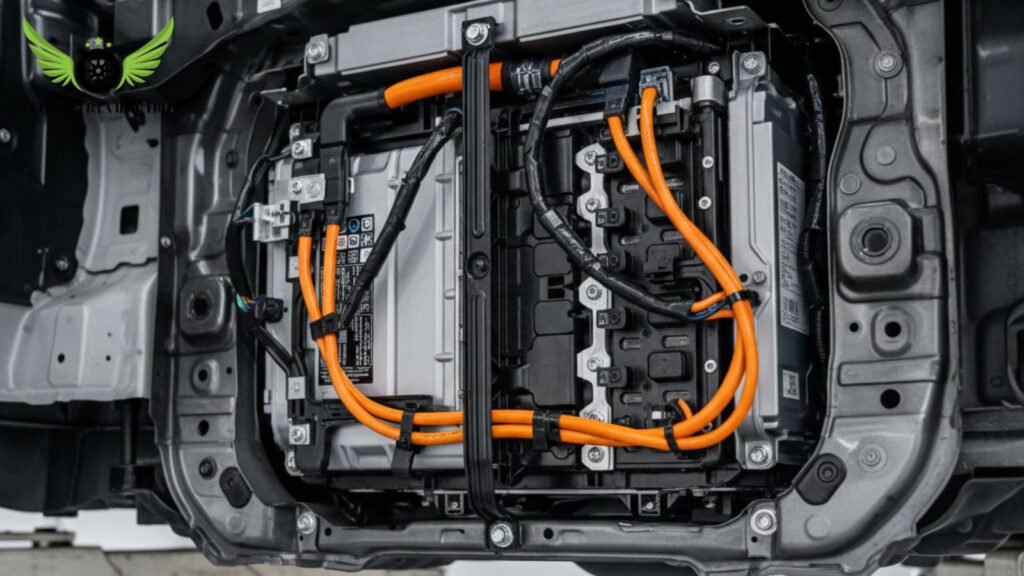
Hybrid ownership brings a different set of questions, and battery life is usually at the top of the list. For the Toyota Highlander hybrid, most buyers want clear answers about how long the battery lasts, what the warranty actually covers, and what ownership feels like beyond the brochure claims—especially in real USA driving conditions.
From long-term owner experience, the hybrid system is designed to be low-stress and hands-off rather than something that needs constant attention. Battery concerns are common before purchase, but in real use, failures are rare and usually well outside the warranty window. What matters more is understanding coverage terms, expected lifespan, and how the vehicle behaves as it ages.
This section looks at battery warranty coverage, real-world longevity, and what owners typically experience over years of daily driving. The goal is to separate fear from facts, so buyers know what’s protected, what’s realistic, and what hybrid ownership actually involves over time.
Hybrid Battery Warranty Coverage
Hybrid battery warranty is one of the strongest reassurance points for buyers, especially for those worried about long-term costs. For the Toyota Highlander hybrid, warranty coverage in the USA is clear, long, and designed to remove most ownership anxiety.
For 2020 and newer models, Toyota significantly extended hybrid battery coverage, which directly benefits both new and used buyers.
Coverage Item | Warranty Details (USA) |
Hybrid Battery Warranty | 10 years or 150,000 miles |
Coverage Applies To | Hybrid battery pack |
Transferable to Next Owner | Yes |
Typical Model Years Covered | 2020 and newer |
From my observation, very few owners actually need to use this warranty. Most hybrid batteries continue performing well even beyond 150,000 miles, especially when the vehicle is driven regularly and maintained normally. That’s why battery replacement stories are far less common than many buyers expect.
Another practical benefit is transferability. If you purchase a used Toyota Highlander hybrid, the remaining battery warranty usually stays with the vehicle. This adds real resale value and lowers risk for second owners.
If you ask me, this warranty coverage is more than a selling point—it reflects confidence in long-term reliability. For most owners, it means hybrid ownership feels straightforward, not risky.
Real-World Hybrid Reliability Experience
Real-world hybrid reliability is often very different from what first-time buyers fear. In everyday ownership across the USA, the Toyota Highlander hybrid has built a reputation for being quietly dependable rather than complicated.
From long-term owner experience, most hybrid systems operate without issues well past 120,000–150,000 miles. The electric motor, inverter, and battery management system rarely come up as failure points when normal driving and routine maintenance are followed. In fact, many owners say the hybrid setup feels less stressed than the gas version during daily traffic use.
One practical advantage owners often mention is reduced wear. Because the engine doesn’t run constantly in city driving, internal engine components and brakes tend to last longer. This leads to fewer wear-related repairs over time, which improves ownership confidence rather than adding worry.
Cold weather and hot climates are common concerns with hybrids, but real feedback shows the system adapts well. While efficiency may drop slightly in extreme conditions, reliability usually remains unchanged. Sudden hybrid-system failures are not a common complaint in owner reports.
If you ask me, the biggest takeaway from real-world use is peace of mind. Once owners live with the Toyota Highlander hybrid for a few months, battery anxiety fades into the background. What remains is a smooth, low-maintenance driving experience that holds up year after year.
FAQs: Toyota Highlander Maintenance Cost, Reliability & Common Problems in the USA
These frequently asked questions address the most common concerns owners and buyers have about maintaining a Toyota Highlander in the USA. The answers are based on real-world ownership experience, long-term reliability patterns, and practical maintenance expectations.
How much does it cost to maintain a Toyota Highlander yearly?
In the USA, average yearly maintenance cost usually ranges from $400 to $750 during the early and mid ownership years. Costs rise gradually as mileage increases but remain predictable compared to many midsize SUVs.
Is the Toyota Highlander expensive to maintain long-term?
No. Most owners report that long-term maintenance stays manageable. Even after 100,000 miles, expenses increase slowly rather than suddenly, especially when regular service intervals are followed.
How reliable is the Toyota Highlander after 150,000 miles?
Many owners drive past 150,000 miles without major engine or transmission repairs. Performance usually remains stable, with wear-related parts being the main maintenance focus.
What are the most common problems reported by Toyota Highlander owners?
Commonly reported issues include infotainment glitches, sensor warnings, brake wear, and minor electrical components as mileage increases. Serious mechanical failures are not commonly reported.
Does the Toyota Highlander hybrid have more maintenance issues than the gas version?
No. In real ownership, the hybrid version often has similar or slightly lower maintenance needs, mainly due to reduced brake and engine wear in daily driving.
How long does the Toyota Highlander hybrid battery last?
Most hybrid batteries last well beyond 150,000 miles in real-world use. Failures within the warranty period are rare according to long-term owner feedback.
What warranty covers the Toyota Highlander hybrid battery in the USA?
For 2020 and newer models, the hybrid battery is covered for 10 years or 150,000 miles, and the warranty is transferable to the next owner.
Is the Toyota Highlander a good choice for long-term ownership?
Yes. For drivers who follow regular maintenance schedules, the Toyota Highlander is widely considered a reliable, low-stress vehicle for long-term family use.