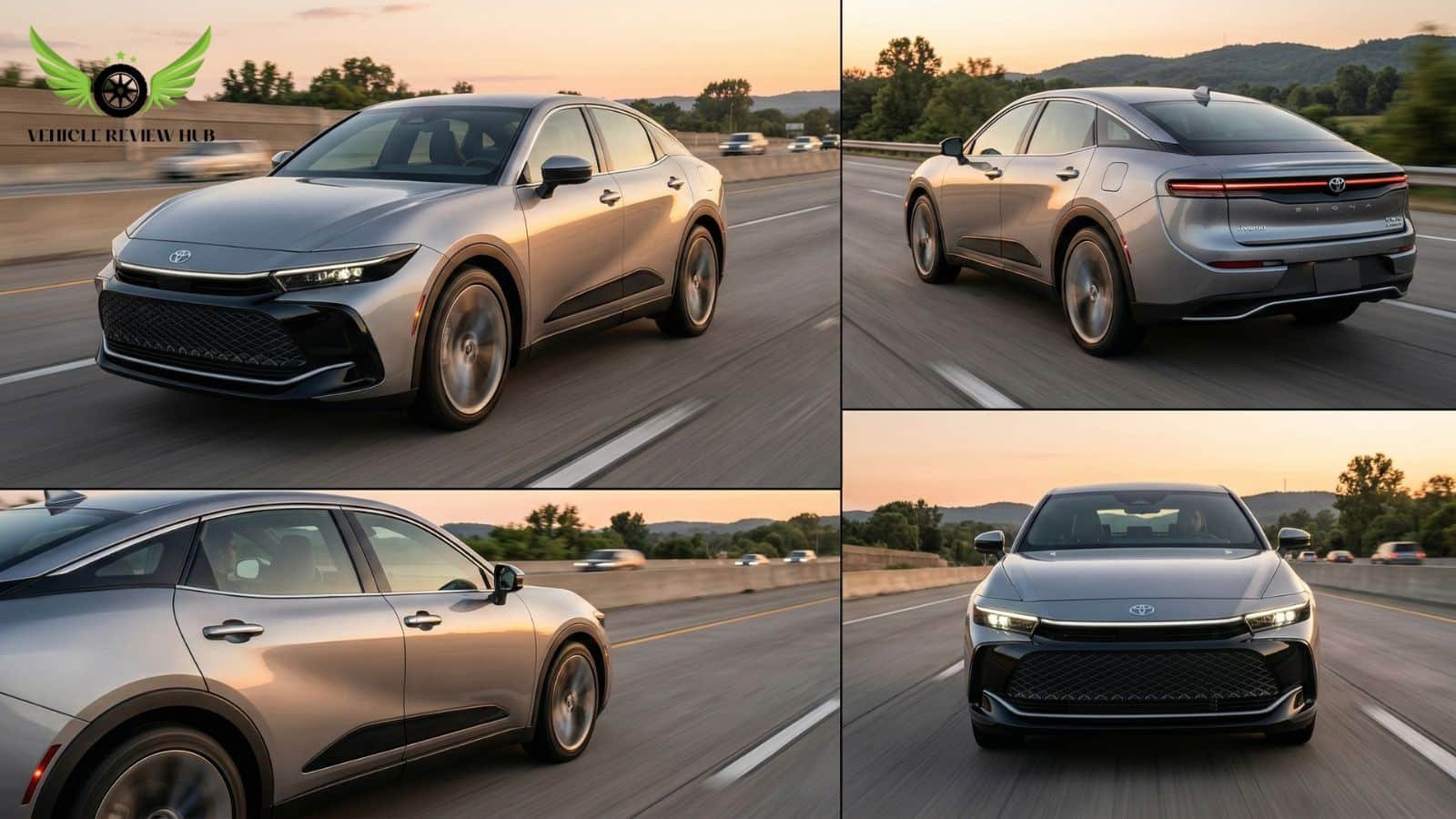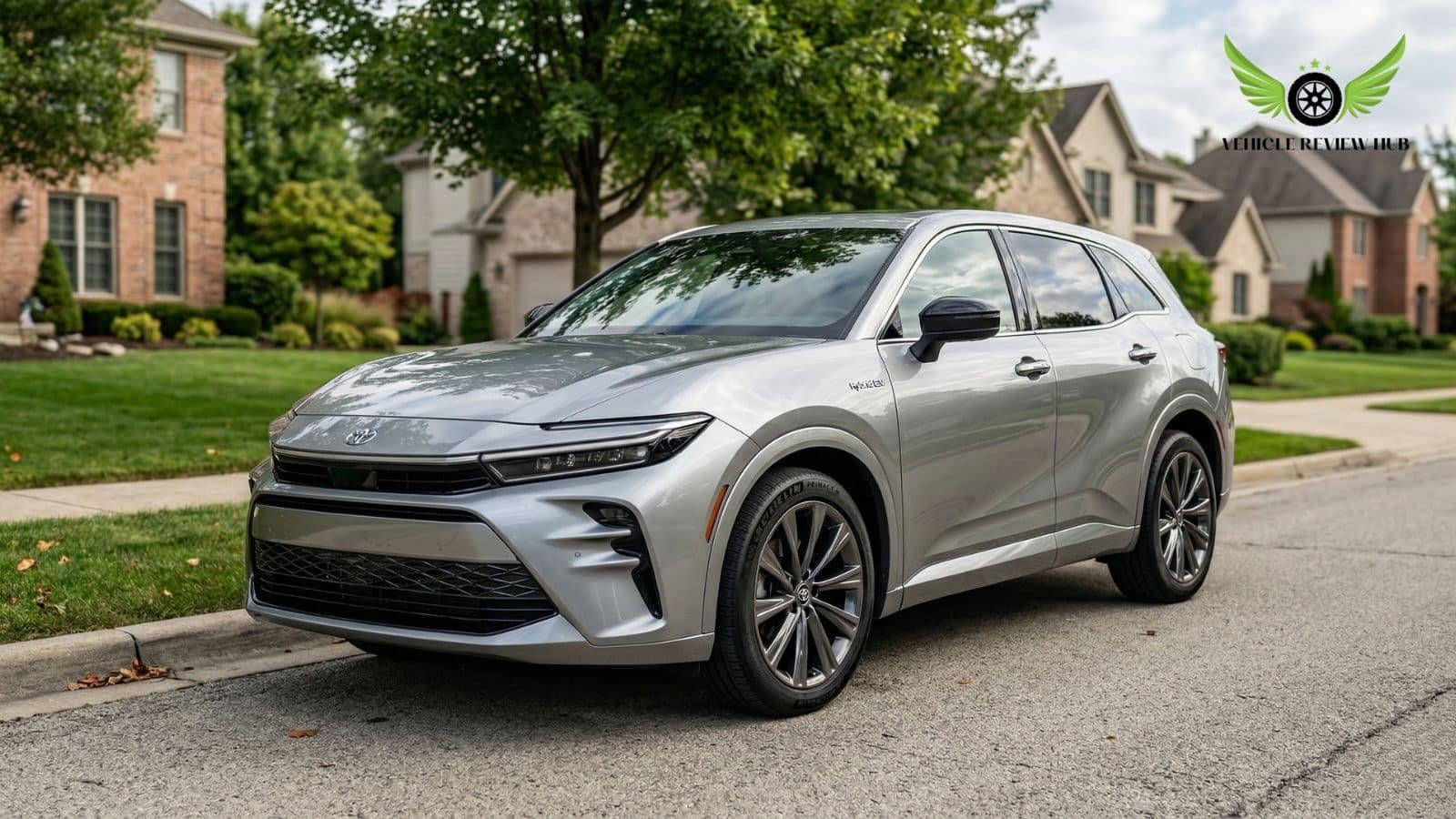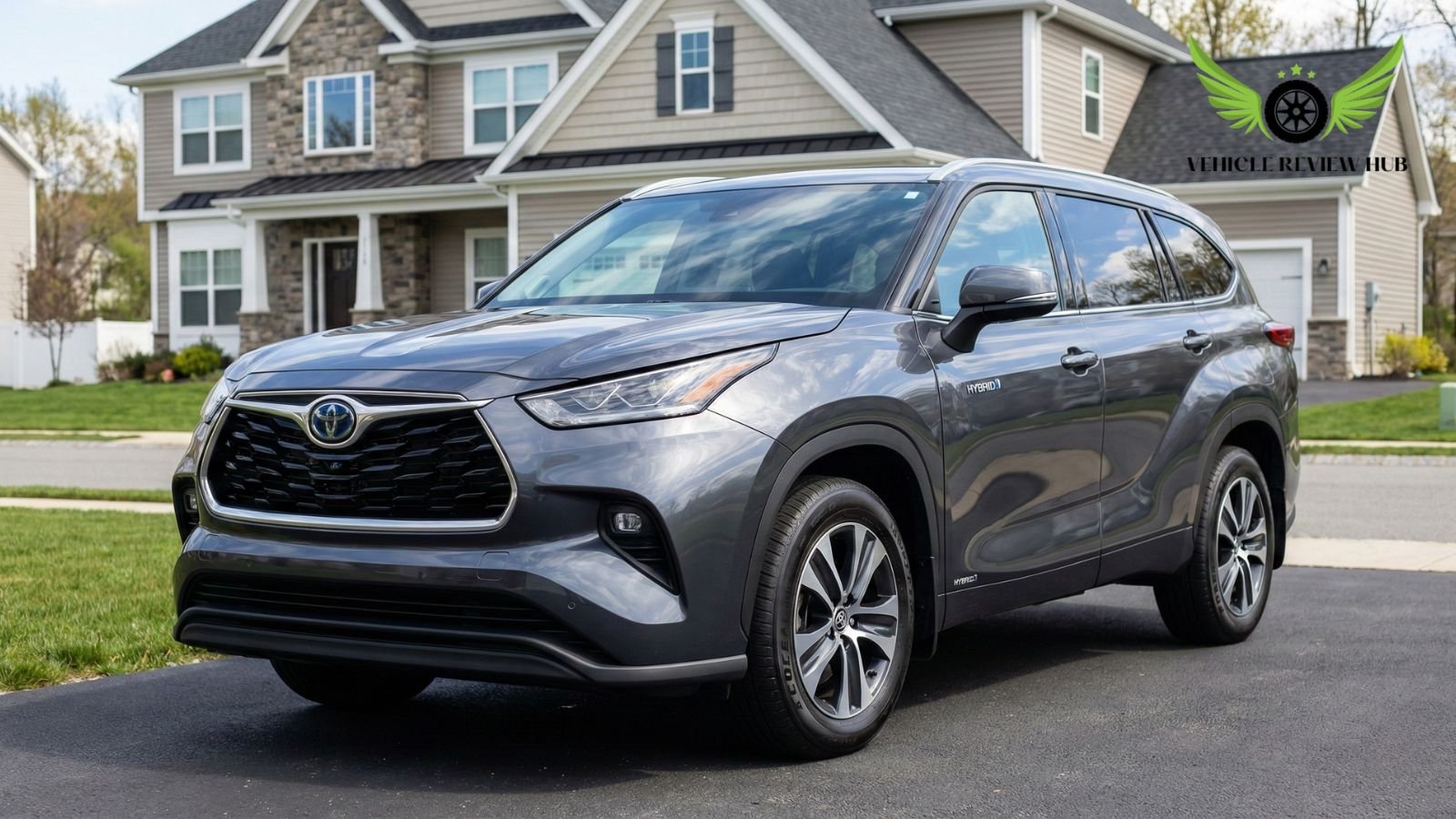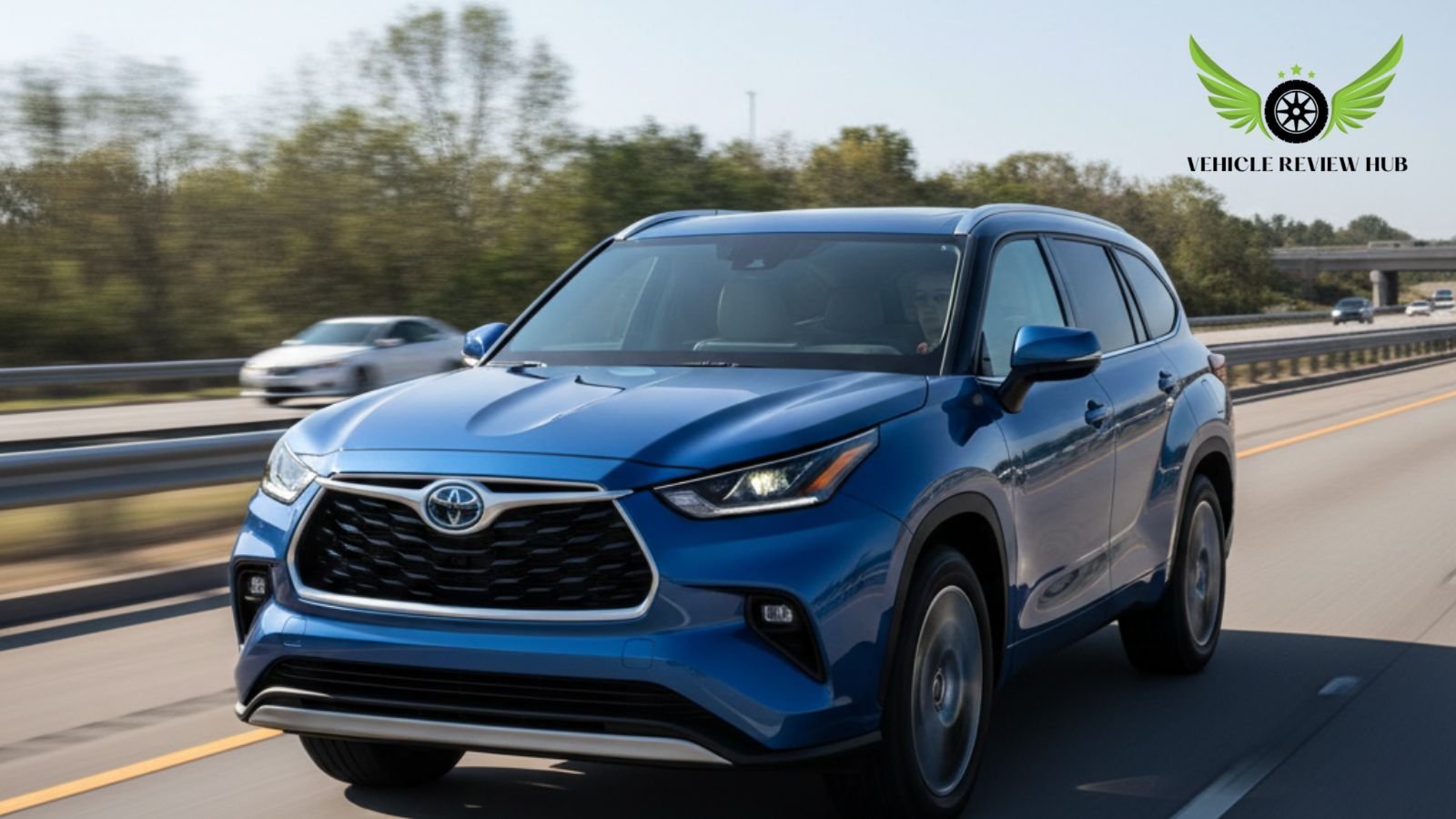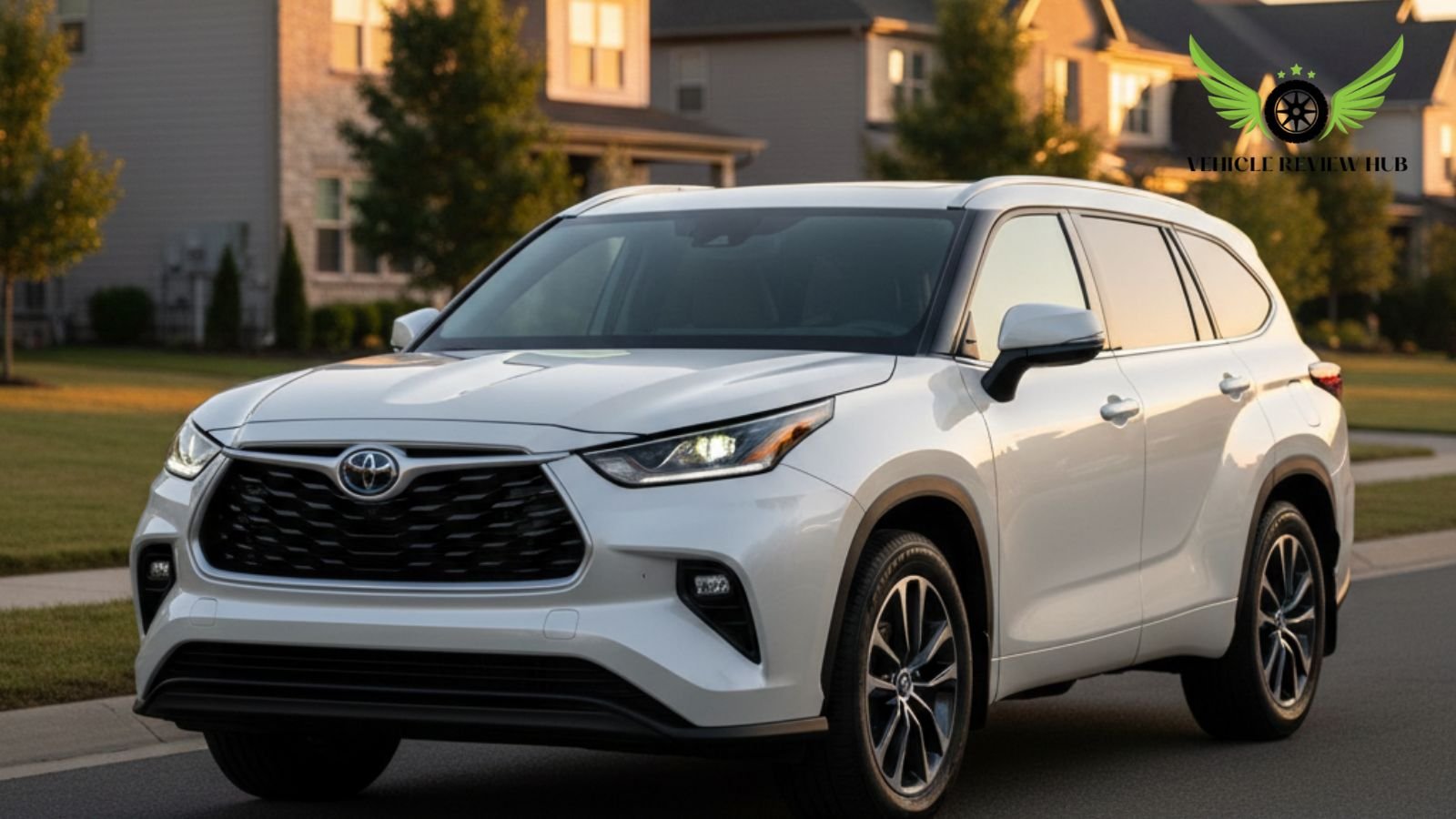
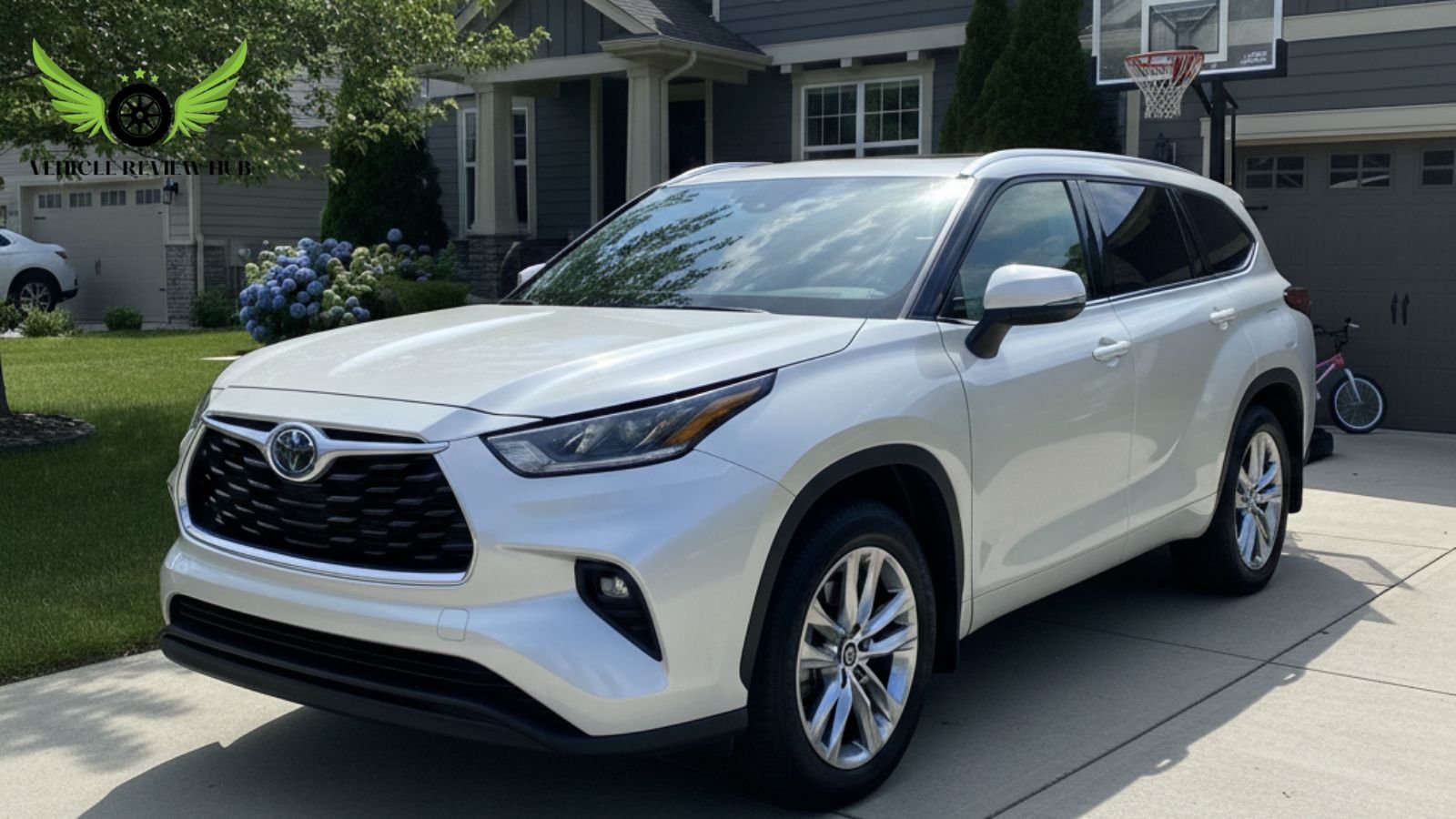
When buyers look beyond the sticker price, the real question becomes how much the vehicle costs to live with year after year. For the Toyota Highlander, ownership cost isn’t just about fuel—it’s a mix of insurance, maintenance, depreciation, and how well the vehicle holds value over time in the USA.
From my observation, most families choose this SUV because they expect stable long-term expenses, not surprise bills. In real-world use, yearly ownership costs tend to stay predictable, especially for owners who keep the vehicle beyond the warranty period. Fuel and maintenance are usually manageable, insurance sits in a reasonable middle range for a midsize SUV, and resale value remains one of its strongest points.
What really shapes long-term value is depreciation. Many owners notice that even after several years, the Toyota Highlander still commands strong prices in the used market. This means while you do spend money during ownership, you often get a larger portion of it back when selling or trading in later—something that matters more than most buyers realize.
This guide breaks down ownership cost, insurance factors, resale performance, and real long-term value using practical USA-based numbers and owner experience. If you’re planning to buy new, used, or keep the vehicle for many years, these details help you understand whether the Toyota Highlander makes financial sense beyond the showroom.
Total Cost of Ownership for Toyota Highlander
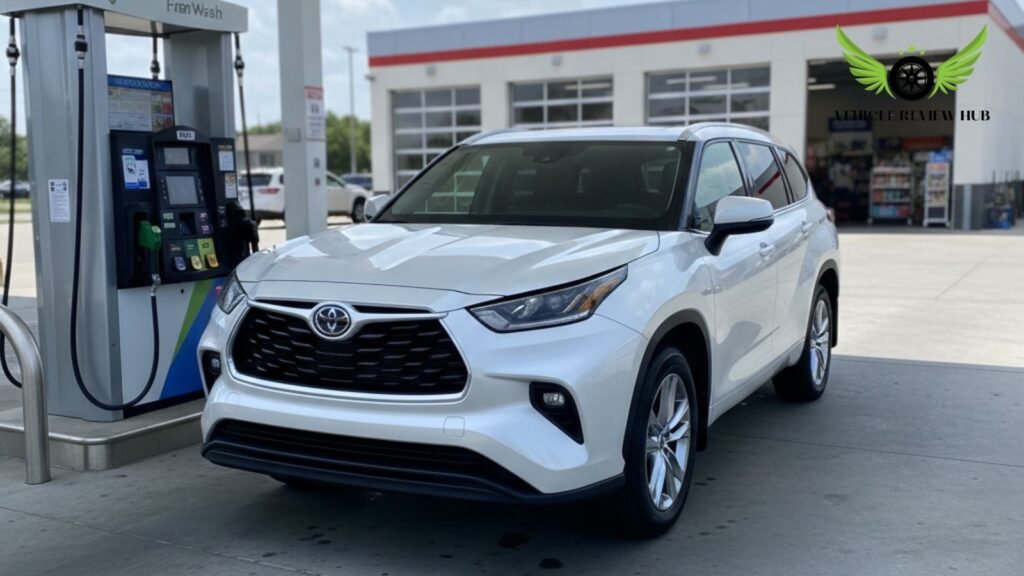
When people talk about the cost of a vehicle, they usually think only about the purchase price. But total cost of ownership (TCO) goes much deeper—especially for a family SUV like the Toyota Highlander in the USA. TCO includes fuel, maintenance, insurance, depreciation, and other recurring expenses that affect your wallet over the years you own the vehicle.
From what most owners report, the Highlander’s TCO is often lower than many competitors in its class—not because it’s cheap to buy, but because its long-term costs are predictable. Unlike some SUVs where repair surprises hit hard after a few years, the Highlander tends to age steadily, and its running costs stay relatively consistent when maintenance schedules are followed.
In this section, we’ll break down key expenses that make up total ownership cost. This helps you compare not just the upfront price, but what you’ll actually pay year by year if you keep the vehicle for 3, 5, or even 7+ years. Real numbers and owner experience make it easier to budget and understand whether this SUV truly fits your long-term financial picture.
Fuel, Maintenance and Insurance Combined Cost
When you’re planning ownership cost for a Toyota Highlander in the USA, the three biggest recurring expenses most owners notice early on are fuel, maintenance, and insurance. Separately they matter, but combined they paint the real picture of what you’ll pay each year.
From my observation of typical ownership patterns, the average driver in the USA covers about 12,000–15,000 miles per year. Using real-world fuel numbers and common insurance costs helps show what most families actually spend—because numbers on paper rarely match how we use the vehicle every day.
Here’s a realistic breakdown based on current fuel prices and typical maintenance habits:
Expense Category | Average Annual Cost (USA) |
Fuel (Gas Highlander) | ~$2,000–$2,300 |
Fuel (Hybrid Highlander) | ~$1,350–$1,500 |
Maintenance | ~$500–$800 |
Insurance (Typical Driver) | ~$1,200–$1,600 |
Total (Gas Version) | ~$3,700–$4,700 |
Total (Hybrid Version) | ~$3,000–$3,900 |
Fuel cost depends largely on how you drive. City traffic, cold starts, and short trips tend to raise fuel bills, while highway-heavy driving may keep them closer to EPA estimates. The hybrid version has a real advantage here—many owners report monthly fuel bills that stay consistently lower in daily use.
Maintenance cost covers routine oil changes, tire care, and seasonal checks. When followed consistently, these expenses stay predictable year over year. Skipping service usually just pushes costs higher later.
Insurance cost varies by driver profile, age, location, and driving history. For a typical family driver in the USA, premiums for a Toyota Highlander are usually in the middle range of midsize SUVs—not the cheapest, but far from the most expensive.
If you ask me, seeing these expenses side by side makes budgeting much easier. Over time, fuel and insurance usually have the biggest impact on your wallet, while maintenance stays steady when you stick to service intervals.
Gas vs Hybrid Ownership Cost Comparison
Comparing ownership cost between the gas and hybrid versions of the Toyota Highlander is one of the smartest ways to decide which model fits your budget better. Instead of just looking at purchase price, real owners in the USA often look at yearly running costs and long-term expenses—and that’s where differences become clear.
From what many Highlander owners share, the hybrid version tends to cost less over time, mainly because of lower fuel and brake expenses. The gas version is usually cheaper to buy upfront, but when you stack up real ownership costs year after year, the hybrid often catches up.
Here’s a realistic snapshot based on typical yearly ownership costs:
Cost Component | Gas Highlander | Hybrid Highlander |
Fuel | ~$2,000–$2,300 | ~$1,350–$1,500 |
Maintenance | ~$500–$800 | ~$450–$700 |
Insurance | ~$1,200–$1,600 | ~$1,200–$1,600 |
Total Avg. Yearly Cost | ~$3,700–$4,700 | ~$3,000–$3,800 |
Estimated 5-Year Cost | ~$18,500–$23,500 | ~$15,000–$19,000 |
From my observation, these numbers reflect real owner experiences when fuel prices, insurance premiums, and routine maintenance are averaged over several years. A few key patterns emerge:
- The fuel cost gap is the biggest factor—hybrid mileage often reduces annual fuel spending by $500–$800 compared to gas models.
- Maintenance isn’t drastically different, though hybrid brake wear tends to be lower because regenerative braking reduces pad stress over time.
- Insurance stays similar between gas and hybrid, since premium rates are more influenced by age, driving record, and location than by powertrain.
If you ask me, the hybrid version usually wins on total ownership cost for drivers who keep the vehicle long term (5+ years) and do a fair amount of city driving. For buyers who prefer shorter ownership spans or mostly highway travel, the gas version still holds its own.
Toyota Highlander Insurance Cost Factors
Insurance is one of those ownership costs that doesn’t get attention at the showroom, but it shows up every year in your budget. When it comes to the Toyota Highlander in the USA, premiums aren’t fixed—they depend on several real-world factors that influence how much you’ll actually pay. Understanding these key drivers helps families and individual buyers estimate costs more accurately rather than guessing based only on the sticker price.
From my observation and owner discussions, insurance cost is shaped by a mix of driver-specific details, vehicle characteristics, and regional trends. Younger drivers or those with a history of tickets will see higher costs, while safety features and driving records can lower premiums. The Highlander’s category as a midsize SUV also places it in a certain insurance bracket—not the cheapest possible, but not overly expensive either.
In this section, we break down the main variables that insurers consider, so you know exactly what affects your quotes and how different driver profiles might pay differently for coverage.
Insurance Cost by Driver Profile
Insurance cost for a Toyota Highlander in the USA varies a lot depending on who you are as a driver, not just the vehicle itself. Two people with identical Highlanders can get very different premium quotes because insurance companies look closely at individual risk factors.
From real quotes and owner experiences, these are the main driver profile elements that shape insurance cost:
1. Age of the Driver
Younger drivers—especially those under 25—usually pay the highest premiums. Insurers see this group as higher risk, so a young buyer can expect yearly insurance costs that are 20–40% higher than those of more experienced drivers.
2. Driving Record
A clean driving history makes a big difference. Drivers with no accidents, tickets, or claims tend to get the best rates. One at-fault accident or moving violation can raise premiums noticeably, sometimes by 10–25%, depending on severity and state.
3. Location Where You Drive
Insurance cost isn’t the same across the USA. Urban areas with more traffic and theft risk generally come with higher premiums than rural or low-crime regions. Many Highlander owners in big cities find themselves paying $200–$500 more per year than similar drivers in quieter areas.
4. Coverage Level & Deductible
Choosing a lower deductible or broader coverage raises your premium. Drivers who carry full-coverage policies (collision + comprehensive) usually pay more than those carrying minimum liability, but they also enjoy better financial protection.
5. Credit History & Score (Where Allowed)
In many states, credit history affects insurance costs. Drivers with higher credit scores often pay lower premiums, while poor credit can push costs up significantly.
From my observation, the Highlander itself doesn’t carry unusually high insurance premiums compared to other midsize SUVs. It’s the driver profile details above that make the biggest difference. A safe, experienced driver with a clean record will typically see insurance costs in the middle range for this segment, while riskier profiles pay more.
If you ask me, understanding these factors before shopping helps you get realistic insurance quotes rather than surprises after purchase.
How Vehicle Type and Trim Affect Premiums
When it comes to insurance for a Toyota Highlander in the USA, the specific model type and trim level you choose can influence what you pay each year. Insurers look beyond the make and model—they also consider how expensive parts are to replace, how the vehicle performs, and what safety features it includes.
Here’s how different aspects of the Highlander can affect your insurance rates:
1. Trim Level and Equipment
Higher trims like the Limited or Platinum usually cost more to insure than base trims because they come with more expensive parts, advanced features, and luxury options. Repairs on leather seats, panoramic roofs, or premium audio systems cost more than on basic cloth interiors, so insurers adjust premiums accordingly.
2. Hybrid vs Gas Version
The hybrid version often carries a slightly higher insurance premium than the gas-only Highlander. This isn’t because hybrids are unsafe—far from it—but hybrid components like the battery and electric motor can be costlier to replace if damaged in an accident. That said, many hybrid owners say the difference in premium is usually modest, not extreme, especially when other factors like driving history are strong.
3. Safety Features and Tech Packages
Trim levels with advanced safety equipment—such as adaptive cruise, lane assist, blind-spot monitoring, and collision mitigation—can sometimes lower insurance costs. Insurers view these features as reducing accident risk, which may lead to discounts or more favorable rates.
4. Accessories and Modifications
Aftermarket accessories or modifications—lift kits, custom wheels, non-stock bumpers—can raise your premium because they may increase repair costs or change how the vehicle performs. Sticking to factory-standard parts usually keeps insurance simpler and more predictable.
From my observation, the Highlander’s insurance cost differences between trims are noticeable but not dramatic. If you choose a well-equipped trim and pair it with a clean driving record, the premium often lands in the middle of the range for midsize SUVs. Meanwhile, very basic trims might edge slightly lower, and heavily optioned versions slightly higher.
Toyota Highlander Resale Value and Depreciation
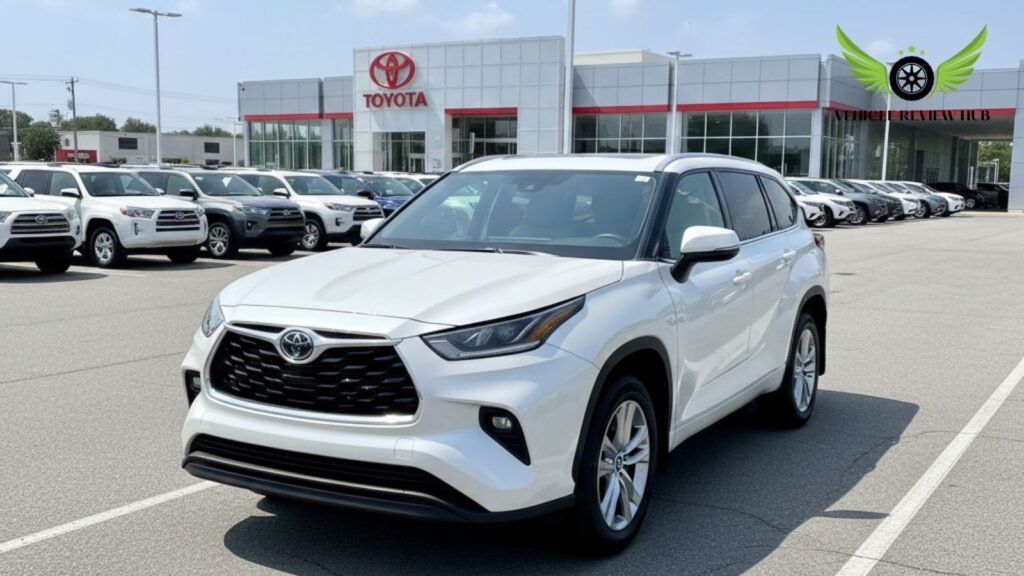
Resale value and depreciation are two of the most overlooked parts of ownership cost, yet they can dramatically affect what you actually pay for a vehicle over time. For many buyers in the USA, the Toyota Highlander stands out because it tends to retain value better than many rivals in the midsize SUV category—a factor that often makes ownership more affordable in the long run.
From what I’ve observed and from long-term owner reports, the Highlander’s strong resale performance isn’t just hype. It’s backed by real data showing that vehicles with good reliability, steady demand, and broad market appeal tend to hold their value. In simple terms, this means when you sell or trade in your Highlander after a few years, you usually get more of your money back compared to some competitors.
This section dives into how the Highlander’s value changes at common ownership milestones—like 3, 5, and 7 years—and why it continues to be one of the most popular choices in the used SUV market. Understanding depreciation helps you see the full ownership cost picture, not just the upfront price or yearly bills.
Resale Value After 3, 5 and 7 Years
Resale value and depreciation matter a lot when you’re thinking about total cost of ownership. In the USA, the Toyota Highlander tends to hold its value better than many midsize SUVs, and understanding what this means at common ownership milestones helps buyers plan costs more realistically.
From my observation and long-term resale data patterns, here’s how depreciation typically looks for a Toyota Highlander based on 2019–2025 models:
Ownership Period | Typical Resale Value (Approx.) |
3 Years | ~65–70% of original MSRP |
5 Years | ~55–60% of original MSRP |
7 Years | ~45–50% of original MSRP |
These ranges reflect what most owners in the USA actually see when selling or trading in a Highlander. A few things stand out in real use:
- The Highlander rarely drops below these ranges unless there’s unusually high mileage or serious body damage.
- Vehicles with documented service history and clean ownership records tend to fetch prices at the higher end of these ranges.
- Hybrid versions often retain value slightly better than gas-only models because of strong demand in the used market for fuel-efficient midsize SUVs.
If you ask me, depreciation on the Highlander feels more forgiving than many competitors. Some rivals dip more sharply after 5 years, but Highlander values tend to stabilize thanks to steady demand, strong reliability reputation, and broad appeal among families.
One practical point many owners mention is that selling or trading in around 4–6 years often strikes a good balance: you’ve gotten plenty of use out of the vehicle, yet resale value hasn’t eroded dramatically. That timing also aligns with many lease cycles or loan terms, which is why it’s a popular decision point.
Why Highlander Holds Value in the Used Market
The Toyota Highlander holds value in the used market for a few clear, practical reasons—none of them hype. In real buying and selling situations across the USA, demand stays steady because the vehicle checks boxes that used-car buyers actually care about.
First, reliability reputation plays a huge role. Many used buyers are looking for something they can keep for years without stress. From my observation, vehicles known to cross 150,000 miles without major mechanical drama always command stronger prices, and the Highlander fits that profile well.
Second, broad family appeal keeps demand high. This SUV works for school runs, road trips, and daily commuting without feeling oversized or complicated. That wide use case means there’s always a buyer pool—families, ride-share drivers, and long-term owners all look for it in the used market.
Another factor is ownership predictability. Used buyers often avoid vehicles with a reputation for sudden repair costs. Because maintenance and repair expectations for the Highlander are generally well understood, buyers feel more confident paying a bit extra upfront rather than gambling on cheaper alternatives.
Hybrid models add another layer. Many US buyers actively seek used hybrids for fuel savings, and the Highlander hybrid benefits from a strong reliability track record and long battery warranty coverage. This keeps resale demand strong even as mileage climbs.
If you ask me, the biggest reason value stays high is trust. People trust what they already know will work. In the used market, that trust translates directly into higher resale prices and slower depreciation—exactly why the Toyota Highlander continues to hold its value year after year.
Long-Term Ownership Experience of Toyota Highlander
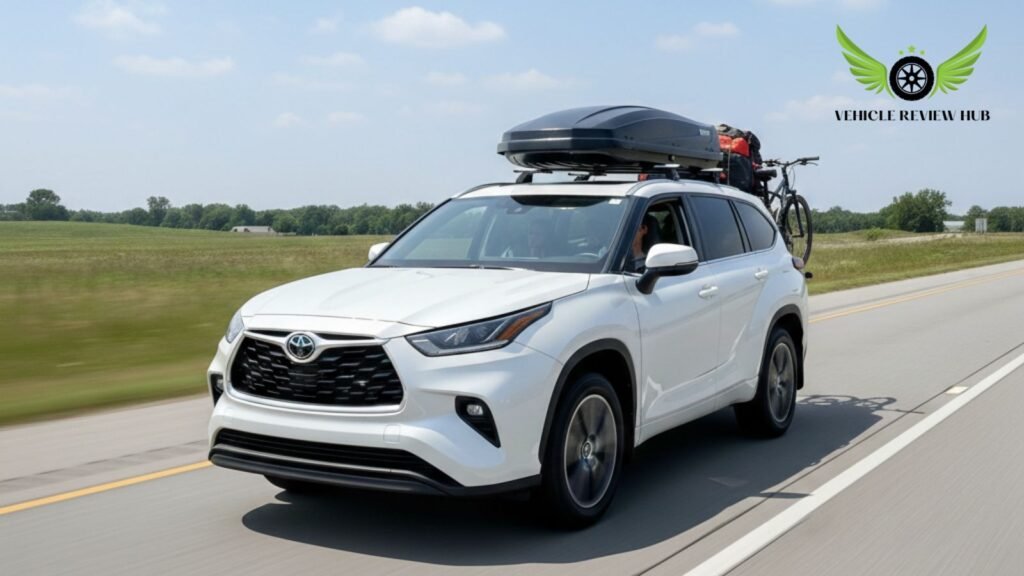
Owning a vehicle for the long haul is very different from reading spec sheets and price tags. For many buyers in the USA, the true test of the Toyota Highlander lies in how it performs year after year—through school runs, highway travel, weather changes, and rising mileage.
From what I’ve observed and heard from long-term owners, this SUV tends to feel dependable rather than dramatic over extended use. It doesn’t make headlines, but it quietly does its job: reliable starts in cold weather, steady cruising on long drives, and manageable costs no matter how many miles you put on the odometer.
Many owners describe a sense of comfort in knowing that—as long as basic maintenance schedules are followed—surprises are rare and usually involve normal wear items like brakes, tires, or filters. Overnight stories of breakdowns are uncommon, and most people feel they get what they paid for without unexpected setbacks.
This section explores what ownership actually feels like over years and high mileage, including family use and real-world reliability. Instead of theoretical performance, we look at everyday ownership—what most Highlander drivers experience on the road and in the routine of daily life.
Family Use Over Several Years
For families who keep a vehicle long term, the real question is how it feels after 3, 5, or even 7 years, not how it looks in the first few months. In real-world USA ownership, the Toyota Highlander is often used as a primary family vehicle, averaging 12,000–15,000 miles per year. That means many family-owned Highlanders cross 60,000–100,000 miles within the first 5–7 years.
From my observation, families usually notice that day-to-day comfort holds up well over time. Seats remain supportive for daily school runs and longer drives, and interior noise levels don’t increase dramatically with age. Even after 5+ years, many owners say highway trips of 200–400 miles still feel relaxed for both adults and kids.
Cost predictability is another big factor for families. Over several years, most expenses come from routine items—oil changes, tires every 40,000–60,000 miles, and brakes depending on driving style. What stands out is that major unexpected repairs are not commonly reported during the first 6–8 years when maintenance schedules are followed.
Storage and flexibility also continue to matter as families grow. Owners with older children often mention that the Highlander still works well for sports gear, groceries, and luggage without feeling cramped. Even after years of use, features like climate control and safety systems usually remain reliable, which helps reduce daily stress.
Reliability for High-Mileage Owners
For high-mileage owners, reliability is measured by how the vehicle behaves after 100,000 miles and beyond, not how it performs when new. In real-world USA ownership, many Toyota Highlander owners cross 120,000–180,000 miles over 8–12 years, especially with daily commuting or frequent highway use.
Based on long-term ownership patterns, the Highlander tends to age in a predictable and manageable way, provided maintenance is done on time. Major failures are uncommon; most costs come from normal wear items.
Mileage Range | What Owners Commonly Experience |
80,000–100,000 miles | Vehicle still feels solid; mostly routine service only |
100,000–120,000 miles | Minor wear items may appear (battery, brakes, tires) |
120,000–150,000 miles | Suspension refresh, sensors, spark plugs may be needed |
150,000–180,000+ miles | Engine & transmission often still original with proper care |
From my observation, engines usually remain dependable past 120,000 miles when oil changes and cooling system service are done regularly. Transmission reliability also stays strong when fluid inspections are handled around 30,000–60,000 mile intervals. Rough shifting at high mileage is more often linked to skipped maintenance than to mechanical design issues.
Suspension components naturally wear as mileage climbs. Many owners report replacing shocks or struts between 90,000–130,000 miles, which restores ride comfort close to original. This is expected for a midsize SUV and doesn’t indicate declining reliability.
Hybrid high-mileage owners often report lower brake and engine wear, thanks to regenerative braking and reduced engine load in traffic. As a result, some hybrids reach high mileage with fewer wear-related repairs compared to gas-only versions.
Final Verdict – Is Toyota Highlander Worth Buying in 2026?
Putting all the numbers, costs, and ownership realities together, the real question many buyers ask is simple: Is the Toyota Highlander worth buying in 2026? The short answer is yes, but the full answer depends on what you plan to use it for and how long you intend to keep it.
From my observation and long-term owner feedback in the USA, the Highlander has proven itself as a balanced, low-stress, reliable family SUV rather than a flashy performance vehicle. It doesn’t surprise owners with sudden problems, and maintenance stays predictable when service schedules are followed. Fuel cost, insurance, and long-term depreciation all fall in ranges that most midsize SUV owners find manageable.
Importantly, resale value remains strong compared to many competitors. Even after 5–7 years, a well-maintained Highlander holds a larger portion of its original value, which softens the overall cost of ownership. Hybrid versions often bring cost advantages over time due to lower fuel expenses, making them smart choices if your driving includes a lot of city mileage.
That said, it’s not perfect for every driver. If maximum driving excitement or the latest tech thrills you most, there might be other SUVs that feel more exciting. But if your priority is reliability, predictability, and straightforward ownership value over time, the Toyota Highlander continues to be one of the best midsize choices available in 2026.
This section will unpack who gets the most value and when another SUV might make more sense, so you can decide based on how you plan to use the vehicle.
Best Buyer Profile
When deciding whether the Toyota Highlander is worth buying in 2026, it helps to picture the type of driver who gets the most value from it. Not every SUV fits every lifestyle, but the Highlander shines for certain kinds of owners—especially in real USA driving situations where daily use and long-term reliability matter most.
1. Daily Family Drivers
If you’re using a vehicle every day for school runs, errands, and commuting, the Toyota Highlander feels dependable and predictable over time. Families who average 12,000–15,000 miles per year often report steady maintenance costs and strong comfort over many years. Seating space, cargo capacity, and easy cabin controls make it practical for daily life.
2. Long-Term Owners (5+ Years)
Buyers who plan to keep their SUV for 5–10 years or more benefit most. The Highlander’s reputation for reliability and strong resale value means you’re likely to recoup more of your investment when it’s time to sell or trade in. Owners who stick with regular service schedules rarely face sudden large repair bills.
3. Hybrid-Friendly Users
If your driving includes lots of city traffic or moderate-speed suburban routes, the hybrid version offers noticeable fuel savings over time. In the USA, many drivers who choose the hybrid see lower annual fuel costs compared to the gas-only version—especially during urban commuting.
4. Safety-Focused Buyers
Families and safety-conscious drivers appreciate the Highlander’s suite of reliable safety features. These include standard driver-assist systems that help reduce insurance risk and support daily peace of mind.
5. Practical Decision-Makers
If your priority is predictable ownership costs, long-term value, and gradual depreciation rather than flashy performance or off-road prowess, the Highlander fits neatly into that mindset. It’s not the sportiest SUV, but it’s one of the most grounded and dependable options in its class.
If you ask me, the best buyer profile for the Toyota Highlander in 2026 is someone who values long-term ownership satisfaction over short-term thrills—drivers who want a vehicle that performs reliably year after year with few surprises.
Situations Where Another SUV May Be Better
The Toyota Highlander is a strong choice for many drivers, but it isn’t the perfect SUV for every situation—and acknowledging that helps buyers make smarter decisions instead of assuming one size fits all. In the USA, a few specific ownership goals or preferences can make alternative SUVs a better match than the Highlander.
1. Performance-Oriented Driving
If spirited acceleration, sharp handling, and sporty throttle response matter a lot, other SUVs deliver more engaging performance. Highlander prioritizes comfort and smoothness over athletic driving, so it can feel calm rather than exciting on twisty roads or spirited driving sessions.
2. Off-Road or Rugged Terrain Use
For buyers who regularly venture off-pavement—mud trails, steep gravel roads, or unpaved forest routes—an SUV with stronger off-road hardware may be a better fit. Models with advanced four-wheel-drive systems, higher ground clearance, and rugged suspension tuning tend to handle these conditions more confidently than the Highlander, which is built mainly for paved roads and mild all-weather capability.
3. Maximum Towing Requirements
If you pull heavy trailers, boats, or campers frequently, some competitors offer higher towing capacity out of the factory. While the Highlander’s towing capacity is useful for light trailers and small boats, larger towing demands might be better served by SUVs or trucks with more robust towing packages.
4. Tech-Forward or Luxury Preferences
Buyers who prioritize the latest in-car technology, digital interfaces, or premium cabin materials may find other models more attractive. While Highlander delivers a solid tech suite and comfort, certain rivals come standard with bigger screens, more advanced driver-assist features, and higher-grade interior finishes.
5. Smaller Size or Urban Maneuverability Needs
If tight parking, narrow streets, or frequent urban navigation is common in your daily routine, a compact SUV may feel easier to handle and park. The Highlander’s size gives more interior room, but that space comes with longer dimensions that can be less agile in dense city environments.
In these cases, considering alternative SUVs that match those specific needs makes sense. It’s not that the Highlander is bad in those areas—it’s just optimized for balance: comfort, reliability, and long-term value. For drivers with specialized priorities like rugged off-road use or daily urban maneuvering, the alternatives may simply fit the lifestyle better.
If you ask me, knowing where the Highlander may not be the best fit helps you choose the right SUV rather than just choosing a popular one.
FAQs: Toyota Highlander Ownership Cost, Insurance, Resale Value & Long-Term Value in the USA
These frequently asked questions focus on real ownership concerns buyers usually have before choosing a Toyota Highlander in the USA. The answers are based on real-world costs, long-term use, and market behavior.
What is the total yearly ownership cost of a Toyota Highlander in the USA?
On average, total yearly ownership cost (fuel, maintenance, and insurance combined) ranges from $3,700 to $4,700 for the gas version and $3,000 to $3,800 for the hybrid, depending on driving habits and location.
Is the Toyota Highlander expensive to insure?
No. Insurance costs are generally mid-range for a midsize SUV. Most drivers pay around $1,200–$1,600 per year, with final premiums depending on age, driving record, and city vs rural location.
Does the hybrid version cost more to insure than the gas version?
Slightly, but not significantly. Hybrid insurance premiums are usually only marginally higher, and in many cases the difference is offset by fuel savings over time.
How well does the Toyota Highlander hold its resale value?
The Toyota Highlander holds value better than many competitors. Typical resale value is about 65–70% after 3 years, 55–60% after 5 years, and 45–50% after 7 years, depending on condition and mileage.
Is the Toyota Highlander a good long-term investment?
Yes, especially for buyers who keep the vehicle 5 years or longer. Predictable maintenance costs, strong resale value, and proven reliability help reduce long-term ownership risk.
Which Toyota Highlander version offers better long-term value?
For city-heavy driving and long-term ownership, the hybrid version usually offers better overall value due to lower fuel costs and strong resale demand. For highway-focused drivers, the gas version still remains cost-effective.
Does high mileage reduce the Highlander’s value significantly?
Mileage affects resale value, but not as sharply as many rivals. Well-maintained Highlanders with 100,000–150,000 miles still perform strongly in the used market compared to other midsize SUVs.
Is the Toyota Highlander worth buying in 2026?
For buyers prioritizing reliability, predictable costs, family use, and resale value, yes. It may not suit drivers seeking sporty performance or off-road focus, but it remains a solid long-term ownership choice in 2026.