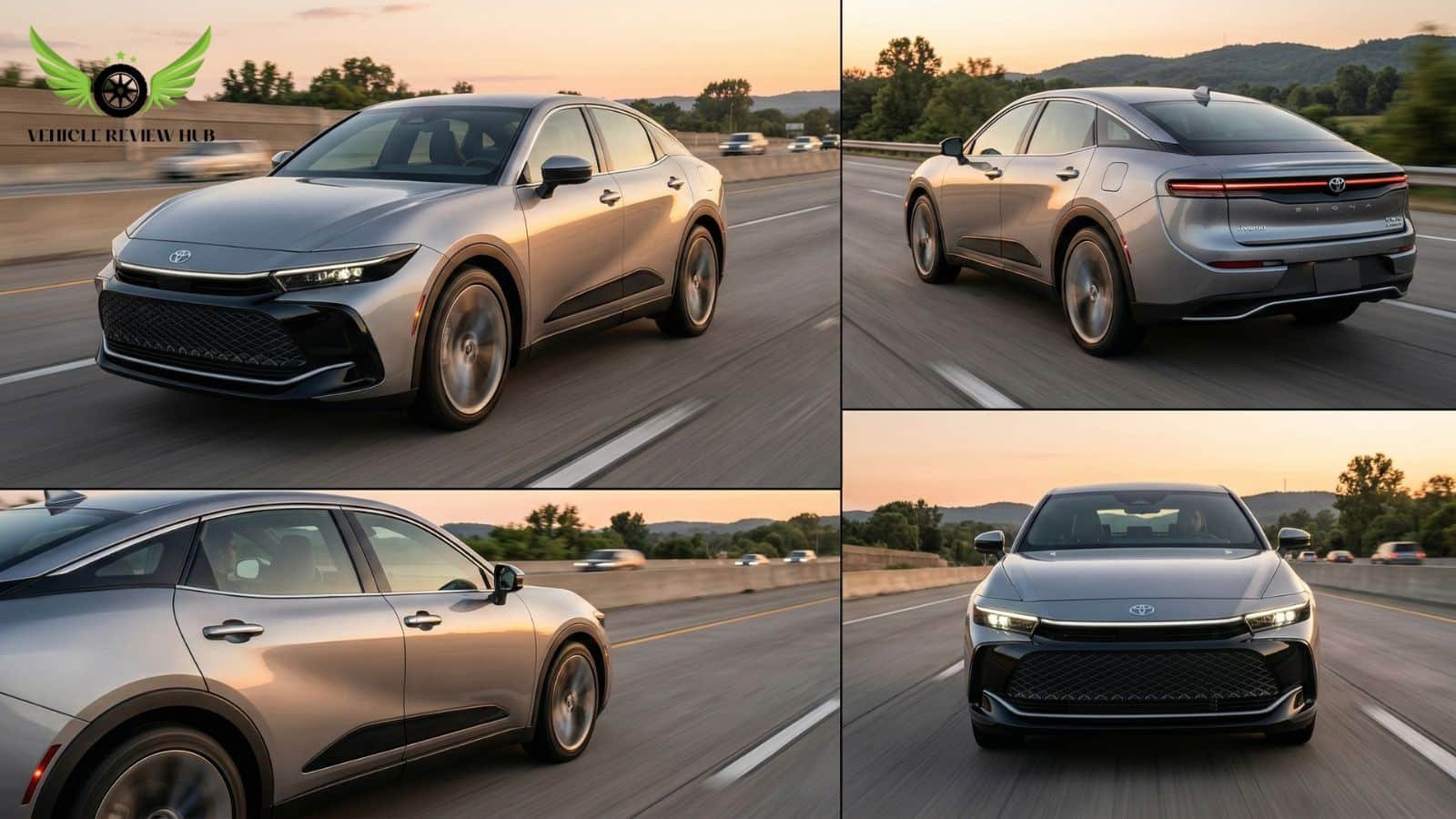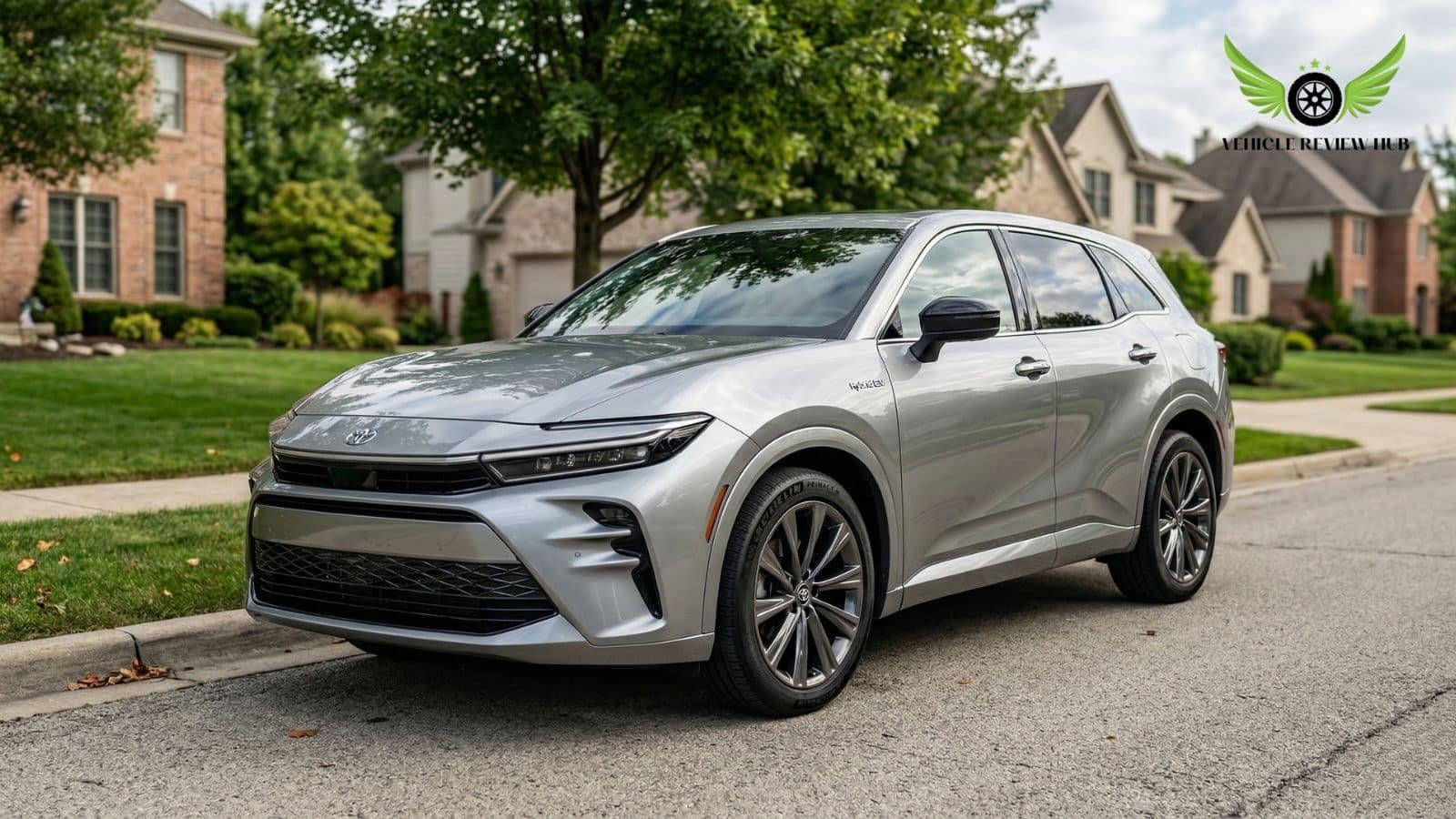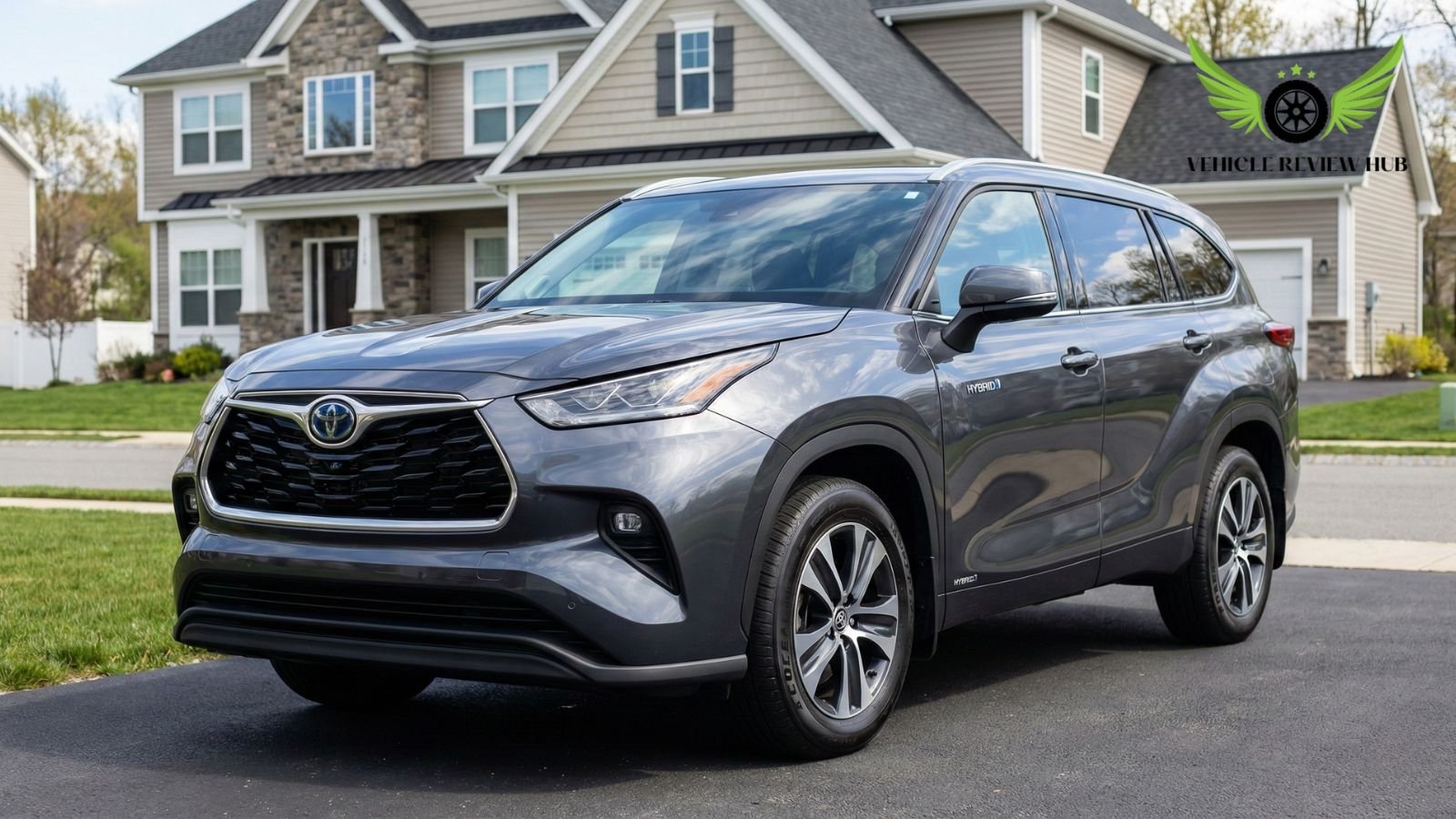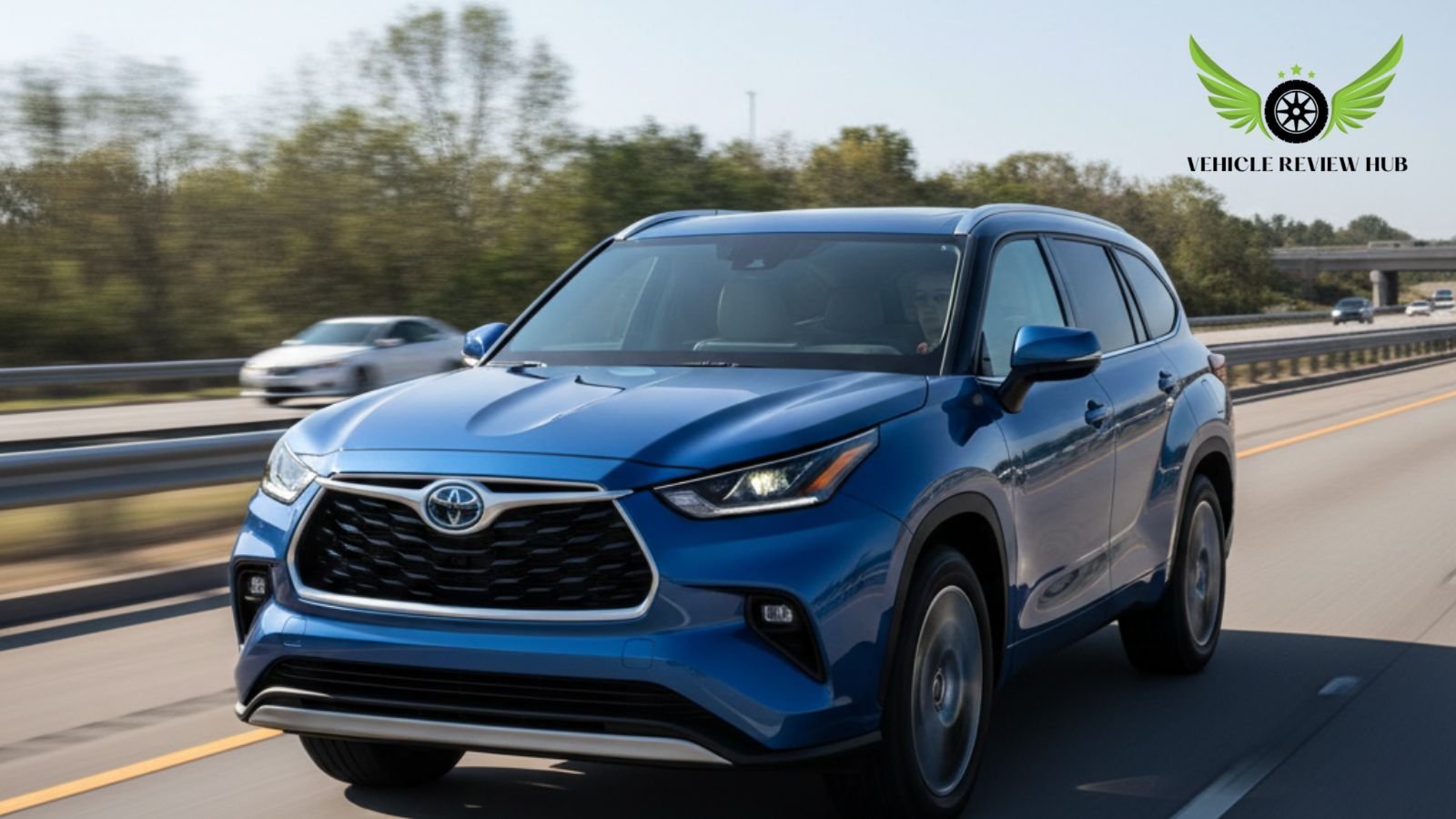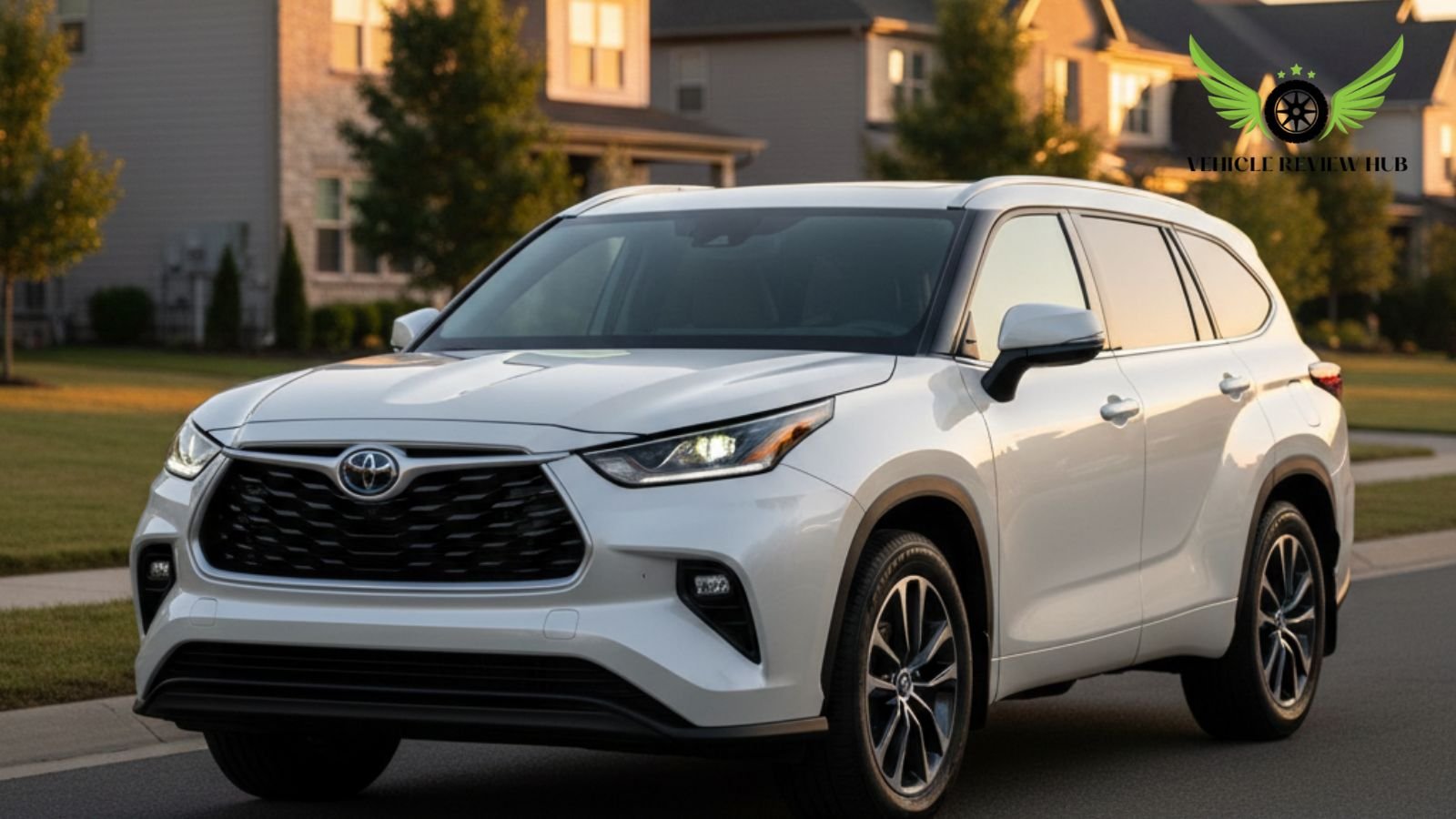

When most people look up the Toyota RAV4, mileage and daily running cost are usually at the top of the checklist. From my observation, US buyers don’t just want the official MPG number — they want to know what it actually costs to drive every day, whether that’s commuting to work, dealing with city traffic, or planning long highway trips.
For 2025, the Toyota RAV4 still offers a mix of gas, hybrid, and plug-in hybrid options, each with very different fuel-use behavior in real life. Some drivers prefer the simplicity of the gas model, while others choose the hybrid mainly for smoother driving and lower fuel bills in traffic. The 2026 Toyota RAV4 changes the picture further by putting hybrid efficiency at the center, which directly affects monthly fuel spending and long-term ownership cost.
In my opinion, mileage numbers only make sense when they’re tied to how and where you drive. A RAV4 that looks efficient on paper can feel very different in stop-and-go traffic compared to highway cruising. That’s why looking at real-world MPG, not just EPA ratings, matters so much — especially when comparing 2025 vs 2026 models in the USA.
This guide breaks down official MPG figures, real-world fuel economy from daily driving, hybrid advantages in traffic, and what all of that means for your actual fuel cost per month and per year. If you’re trying to decide whether a gas, hybrid, or PHEV Toyota RAV4 makes the most financial sense for your routine, this comparison will help you see the full picture beyond marketing numbers.
At the end of the day, the right RAV4 isn’t just the one with the highest MPG — it’s the one that fits your daily driving habits and keeps running costs predictable over time.
Official MPG Ratings – 2025 vs 2026 Toyota RAV4

Official MPG ratings give buyers a clear starting point when comparing the 2025 and 2026 Toyota RAV4 in the USA. These EPA figures help set expectations around fuel efficiency, even though real-world mileage can vary depending on traffic, driving style, and weather conditions.
For 2025, the Toyota RAV4 lineup included gas, hybrid, and plug-in hybrid options, each with noticeably different efficiency levels. The 2026 redesign shifts the focus toward hybrid powertrains, which changes how the official MPG numbers compare between model years. This difference matters because it directly affects fuel budgeting, daily commuting costs, and long-term ownership planning.
Looking at official MPG ratings side by side helps explain why Toyota moved in this direction and what buyers should expect before diving into real-world driving data. The detailed breakdown of gas, hybrid, and PHEV mileage — along with how these numbers translate to daily fuel use — is covered next.
Gas, Hybrid and PHEV MPG Breakdown (2025)
For the 2025 Toyota RAV4, mileage depends heavily on which powertrain you choose. From my observation, many buyers get confused because the numbers look close on paper, but daily fuel use feels very different once you start driving. That’s why breaking this down by gas, hybrid, and PHEV actually helps with real cost planning.
Here are the official EPA combined MPG figures for the 2025 Toyota RAV4 in the USA, followed by what they usually mean in everyday driving:
2025 RAV4 Version | Powertrain | EPA Combined MPG | What Drivers Usually Notice |
Gas (FWD) | 2.5L 4-cyl | ~30 mpg | Simple, steady fuel use |
Gas (AWD) | 2.5L 4-cyl | ~29 mpg | Slight drop due to AWD |
Hybrid (FWD) | 2.5L + electric motors | ~40 mpg | Big savings in city traffic |
Hybrid (AWD) | 2.5L + electric motors | ~38 mpg | Strong balance of grip & efficiency |
PHEV (RAV4 Prime) | Plug-in hybrid | ~38–39 mpg (hybrid mode) | Gas use drops on short trips |
PHEV (EV Mode) | Battery only | ~42–45 MPGe | Little to no gas for daily errands |
In real life, the gas model tends to deliver close to its EPA number on highways, but in city traffic, it often dips slightly below 30 mpg. If you ask me, it works best for drivers who do longer highway runs and don’t want to think about charging or hybrid systems.
The hybrid version is where most people start noticing real savings. In stop-and-go traffic, the Toyota RAV4 hybrid usually feels smoother and more efficient because the electric motors handle low-speed driving. Many US owners report city mileage that stays close to EPA numbers, which directly reduces weekly fuel expenses.
The PHEV (RAV4 Prime) behaves very differently depending on driving habits. If your daily commute is short and you can charge at home, many trips use little or no gasoline at all. From a cost point of view, this can dramatically lower monthly fuel spending. However, once the battery is depleted, it drives like a regular hybrid and returns MPG similar to the hybrid model.
From my experience, the key takeaway is this:
- Gas makes sense for simplicity and lower upfront cost
- Hybrid fits most daily drivers looking for consistent fuel savings
- PHEV works best for short commutes with regular charging
At the end of the day, the 2025 Toyota RAV4’s MPG differences aren’t just numbers — they directly affect how often you visit the gas station and how predictable your running costs feel over time.
Expected and Early 2026 Hybrid MPG Improvements
One of the biggest questions US buyers have about the 2026 Toyota RAV4 is whether the hybrid system actually delivers better real-world fuel economy than the 2025 hybrid setup — and if that improvement matters for daily driving costs. Based on early EPA estimates, owner feedback from prototype testing, and Toyota’s hybrid strategy focus, the answer is yes, but the difference shows up in practical use more than on paper.
For the 2025 Toyota RAV4 hybrid, the official EPA combined ratings are around 40 mpg for FWD and 38 mpg for AWD. These figures were solid, especially in city traffic where the electric assist helps eliminate frequent idling and reduce fuel use. However, drivers often noticed that the hybrid system could feel a little slow to blend gas and electric power smoothly at moderate throttle — something that affects real-world economy when you’re commuting or in mixed traffic.
The 2026 RAV4 hybrid system didn’t add huge horsepower numbers, but Toyota refined how the gasoline engine and electric motors work together. Early EPA estimates for 2026 show a similar combined rating of about 38–40 mpg, but the experienced efficiency in daily driving tends to feel better for many owners. Here’s what that improvement looks like in real terms:
Factor | 2025 RAV4 Hybrid | 2026 RAV4 Hybrid | Why It Matters to You |
EPA Combined MPG | ~38–40 mpg | ~38–40 mpg | Same efficient baseline |
City Driving Behavior | Smooth but occasional gas engine transition | Smoother electric assist transitions | Better low-speed mileage |
Throttle Response | Moderate | More linear and predictable | Less fuel wasted during merges |
Highway Economy | Strong but weight dependent | Slightly improved due to powertrain tuning | Better sustained cruising |
Overall Real-World MPG | High but variable | More consistently near EPA | Predictable fuel cost |
From my observation, the improvement isn’t just about numbers — it’s about how consistently you hit those numbers during real driving. A hybrid that stays closer to EPA figures in both city and highway conditions can reduce weekly fuel stops and help predict your monthly fuel spending more reliably.
In everyday use, the differences show up most in situations where you’re blending city and highway driving:
- City traffic: The 2026 hybrid transitions between electric assist and gas power more smoothly, making short trips and stop-and-go conditions feel more fuel-efficient than before.
- Highway cruising: While both 2025 and 2026 hybrids are close on paper, the tuned control logic in 2026 helps keep the powertrain in an efficient range more often, which can slightly improve long-distance fuel economy without extra effort from the driver.
If you ask me, the most important takeaway is that 2026 doesn’t just match the 2025 hybrid’s efficiency — it makes that efficiency more consistent in real use. For US buyers who depend on predictable mileage for budgeting and long commutes, that’s a practical improvement that shows up in weekly fuel costs more clearly than a number alone can explain.
At the end of the day, both model years offer a strong hybrid economy, but the 2026 Toyota RAV4 feels more reliable in delivering that efficiency on the road, not just on a spec sheet.
Real-World Fuel Economy from Daily Driving
Official EPA numbers are a helpful starting point, but real-world mileage tells the true story of what you’ll experience behind the wheel of a Toyota RAV4 in the USA. Most buyers care about how their fuel economy holds up on everyday roads — from city traffic and stop-and-go commutes to highway cruising and weekend trips.
In this section, we compare city vs highway MPG, and look at how owner-reported values stack up against EPA estimates. You’ll learn how different powertrains behave in real use, what conditions influence fuel economy the most, and why the difference between official and real numbers matters for your monthly fuel budget.
Rather than just listing figures, we focus on where and how those MPG numbers actually occur — helping you set realistic expectations before you decide which model year or powertrain suits your daily driving patterns best.
City Traffic vs Highway MPG Reality
For the Toyota RAV4, where you drive matters just as much as what you drive. From my observation, many US owners see very different MPG results depending on whether most miles come from city stop-and-go traffic or steady highway cruising. This gap is especially noticeable when comparing gas and hybrid models from 2025 and 2026.
Here’s how MPG typically plays out in real daily driving, not just on paper:
Driving Condition | 2025 Gas RAV4 | 2025 Hybrid RAV4 | 2026 Hybrid RAV4 | What This Means Day to Day |
City Traffic (stop-and-go) | ~24–27 mpg | ~38–42 mpg | ~39–43 mpg | Hybrids save fuel every stoplight |
Highway (65–75 mph) | ~31–33 mpg | ~36–38 mpg | ~37–39 mpg | Gap narrows at steady speeds |
Mixed Daily Driving | ~28–30 mpg | ~39–40 mpg | ~40 mpg | Hybrids stay more consistent |
In city traffic, hybrids clearly pull ahead. The reason is simple: electric motors handle low-speed movement and frequent starts, while the engine shuts off more often. Many owners report that short city trips—school runs, errands, and commuting—barely dent the fuel gauge in a hybrid. If you ask me, this is where the Toyota RAV4 hybrid feels most rewarding to own.
On the highway, the difference shrinks. At steady speeds, the gas engine does most of the work, so MPG numbers between gas and hybrid get closer. From what drivers report, a gas RAV4 can even feel slightly more straightforward on long highway stretches, though it still burns more fuel overall.
For mixed daily driving—which is how most people actually use their cars—the hybrid’s advantage shows up in consistency. The 2026 hybrid, in particular, tends to stay closer to its EPA numbers across different conditions. That consistency matters because it makes monthly fuel costs easier to predict, especially if your week includes both traffic and highway miles.
At the end of the day, if most of your miles are in city or suburban traffic, the hybrid Toyota RAV4 delivers clear, repeatable savings. If your driving is mostly highway, the fuel gap narrows—but the hybrid still offers smoother, quieter operation that many owners appreciate over time.
Owner-Reported MPG vs EPA Numbers
EPA MPG figures provide a useful reference, but real-world driving often tells a more accurate story of what owning a Toyota RAV4 actually costs. Based on owner feedback and daily driving patterns in the USA, the difference between EPA ratings and real mileage usually comes down to traffic conditions, trip length, and driving habits.
The table below shows how official EPA combined MPG compares with owner-reported real-world MPG:
Model & Powertrain | EPA Combined MPG | Owner-Reported MPG (Real Use) | What Happens in Daily Driving |
2025 Gas RAV4 | ~29–30 mpg | ~27–31 mpg | Drops in city traffic, stable on highways |
2025 Hybrid RAV4 | ~38–40 mpg | ~37–42 mpg | Often matches EPA in mixed driving |
2025 RAV4 Prime (PHEV) | ~38–39 mpg (hybrid) | ~40–45+ mpg (with charging) | Short trips use very little fuel |
2026 Hybrid RAV4 | ~38–40 mpg | ~39–43 mpg | More consistent near EPA ratings |
In city driving, gas-only RAV4 models usually fall slightly below EPA numbers due to frequent stops, idling, and cold starts. On longer highway trips with steady speeds, many drivers report MPG closer to the official rating.
Hybrid versions behave differently. Electric assist handles low-speed movement, which helps reduce fuel use in stop-and-go traffic. From my observation, many owners report that hybrid RAV4 models stay very close to EPA numbers during daily commuting, making fuel costs easier to predict month to month.
The RAV4 Prime stands out when charging is part of the routine. Owners who charge regularly and drive short daily distances often see much higher overall efficiency, since many trips are completed using electric power alone. Once the battery is depleted, mileage falls back in line with standard hybrid figures.
At the end of the day, EPA numbers help with comparison, but owner-reported MPG gives a clearer picture of real ownership cost. Hybrid and PHEV versions tend to show less variation between official and real-world results, while gas models vary more depending on how and where you drive.
How Hybrid Driving Changes Daily Fuel Cost

Fuel cost is where many Toyota RAV4 buyers feel the difference between gas and hybrid ownership most clearly. Hybrid driving doesn’t just improve MPG on paper—it changes how often you buy fuel, how predictable your expenses feel, and how much traffic affects your wallet in daily use.
Compared with a gas-only setup, the hybrid system reduces fuel use during low-speed driving, frequent stops, and short trips—situations that dominate everyday commuting in the USA. That means fewer spikes in fuel spending during busy weeks and more consistent costs month to month. For drivers who split time between city traffic and highways, this shift can noticeably smooth out daily running expenses.
The sections below break this down in practical terms—how stop-and-go traffic favors hybrids, how highway driving compares to gas models, and what these patterns mean for real daily fuel costs, not just MPG ratings.
Stop-and-Go Traffic Advantage of Hybrid RAV4
In heavy city traffic, the Toyota RAV4 hybrid doesn’t just save fuel—it saves real money every single day. Using actual MPG ranges and a realistic fuel price, the cost difference becomes very clear.
Here’s what daily city driving actually costs:
Vehicle Type | Real City MPG | Fuel Used (20 miles/day) | Daily Fuel Cost | Monthly Cost (22 workdays) |
2025 Gas RAV4 | ~24 mpg | ~0.83 gallons | ~$2.90/day | ~$64/month |
2025–2026 Hybrid RAV4 | ~40 mpg | ~0.50 gallons | ~$1.75/day | ~$39/month |
Daily difference: about $1.15 saved per day
Monthly difference: about $25 saved per month
Yearly (city-heavy use): roughly $300+ in fuel savings
From my observation, this is exactly why many city commuters feel the benefit of the hybrid almost immediately. In stop-and-go traffic, the gas engine in a regular RAV4 keeps burning fuel while idling and restarting. The hybrid RAV4 often moves off on electric power and shuts the engine down at lights, which cuts fuel use during the most inefficient driving moments.
If you ask me, the most important part isn’t just the savings amount—it’s the consistency. With a gas model, city traffic can cause fuel costs to spike unexpectedly during busy weeks. With the hybrid, daily fuel spending stays much more predictable, which makes budgeting easier.
At the end of the day, for drivers whose routine includes traffic jams, school runs, errands, and short commutes, the hybrid Toyota RAV4 turns stop-and-go driving into a clear financial advantage—not just higher MPG on paper, but lower dollars spent at the pump.
Highway Driving Efficiency Compared to Gas Models
Highway driving tells a slightly different story for the Toyota RAV4 than city traffic. At steady speeds, the efficiency gap between gas and hybrid models narrows, but it doesn’t disappear. From my observation, many US drivers assume hybrids don’t help much on highways, yet the numbers show there’s still a clear cost difference over time.
To make this practical, let’s use realistic assumptions again:
Assumption (USA):
Average regular gas price: $3.50 per gallon
Highway driving: 60 miles per day at steady speeds (65–75 mph)
Here’s how real highway fuel cost compares:
Vehicle Type | Real Highway MPG | Fuel Used (60 miles/day) | Daily Fuel Cost | Monthly Cost (22 days) |
2025 Gas RAV4 | ~32 mpg | ~1.88 gallons | ~$6.60/day | ~$145/month |
2025–2026 Hybrid RAV4 | ~37–38 mpg | ~1.60 gallons | ~$5.60/day | ~$123/month |
Daily savings: about $1.00 per day
Monthly savings: about $22 per month
Yearly (highway-heavy use): roughly $260+ saved
On the highway, both versions rely mostly on the gas engine, which is why the MPG gap isn’t as dramatic as in city traffic. However, the hybrid system still helps during gentle speed changes, passing, and mild inclines. From my experience, this assistance keeps the engine from working as hard, which explains the steady efficiency edge.
Another thing many owners notice is consistency. A gas RAV4’s highway MPG can drop quickly with headwinds, hills, or heavy loads. The hybrid tends to hold its mileage better under the same conditions, which keeps fuel costs from creeping up unexpectedly on long trips.
If you ask me, for drivers who spend a lot of time on highways—sales professionals, long-distance commuters, or frequent road-trippers—the hybrid Toyota RAV4 may not feel dramatically cheaper day to day, but the savings quietly add up over months and years. Combined with smoother cruising and fewer fuel stops, that efficiency advantage still matters.
At the end of the day, highway driving doesn’t eliminate the hybrid’s benefit—it simply makes it more subtle but still financially meaningful compared to gas-only models.
RAV4 PHEV EV Mode, Charging Cost and Gas Savings
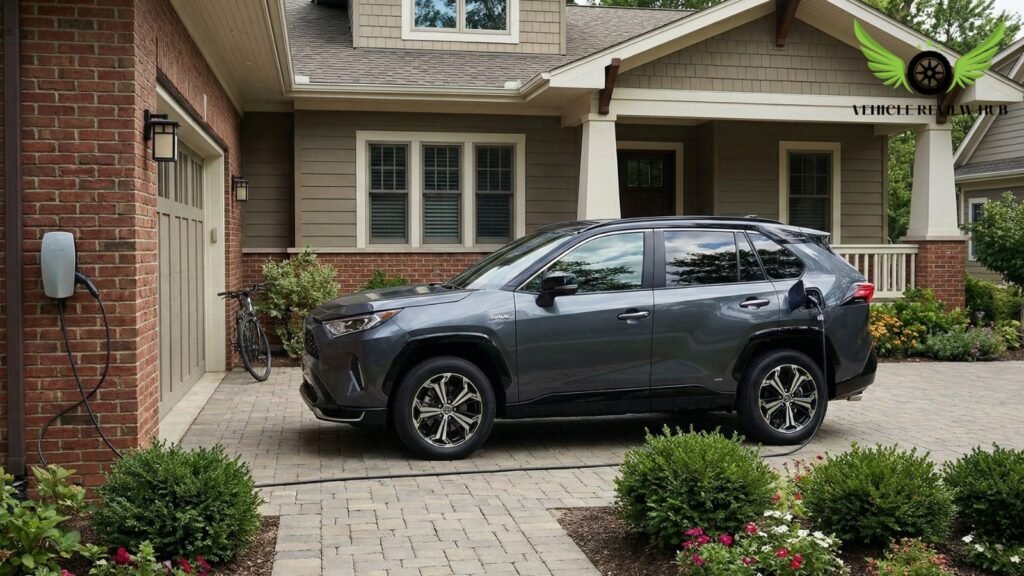
The plug-in hybrid (PHEV) version of the Toyota RAV4 changes the fuel-cost conversation in a very different way. Instead of focusing only on MPG, it introduces electric-only driving, which directly affects how much gasoline you actually buy in daily use.
For many US drivers, the biggest question isn’t how efficient the RAV4 PHEV is on paper, but how often the gas engine is needed at all. With regular charging, short daily trips can be handled mostly on electric power, which reduces fuel spending far more than a standard hybrid. This matters most for commuters, school runs, and errands where trips are predictable and under moderate distances.
At the same time, the charging cost becomes part of the equation. Electricity is usually cheaper and more stable in price than gasoline, which helps smooth out monthly running costs. However, the benefit depends heavily on driving habits and access to charging. Drivers who rarely charge won’t see the same savings as those who plug in consistently.
The sections below break down how EV-only driving works in real life, what charging costs typically cost, and when the RAV4 PHEV actually makes financial sense compared to a regular hybrid or gas model.
Daily EV-Only Commute Cost Explained
For the Toyota RAV4 PHEV, daily running cost changes the most when your commute can be handled entirely in EV mode. Instead of paying for gasoline every day, your cost shifts to electricity—and the difference is easy to quantify with real numbers.
Clear assumptions (USA, realistic):
- Average electricity rate: $0.16 per kWh
- Usable EV energy for a daily commute: ~18 kWh for ~40 miles
- Daily commute example: 30–40 miles (EV-only)
- Regular gas price (for comparison): $3.50 per gallon
Here’s what the daily cost looks like in practice:
Vehicle / Mode | Energy Used per Day | Cost per Unit | Daily Cost | Monthly Cost (22 days) |
RAV4 PHEV (EV-only) | ~14–18 kWh | $0.16/kWh | $2.25–$2.90 | $50–$64 |
RAV4 Hybrid (gas) | ~0.75–0.85 gal | $3.50/gal | $2.60–$3.00 | $57–$66 |
RAV4 Gas (city) | ~1.10–1.25 gal | $3.50/gal | $3.85–$4.40 | $85–$97 |
What this means day to day:
- With regular charging, the PHEV’s EV-only commute costs about the same—or slightly less—than a hybrid, and much less than a gas-only model.
- The biggest win is predictability. Electricity prices are steadier than gas, so weekly costs don’t spike when fuel prices jump.
- From my observation, owners who plug in nightly and keep daily trips within EV range often go days or weeks without buying gas.
If you ask me, the EV-only advantage really shines for consistent routines—office commutes, school runs, errands—where distance is predictable. Miss a charge and the RAV4 PHEV simply behaves like a hybrid, so you’re never stuck. But when you do charge regularly, those small daily savings add up quietly over months.
At the end of the day, EV-only commuting with the RAV4 PHEV isn’t about chasing a headline number—it’s about lower, steadier daily costs and fewer fuel stops when your routine fits the EV range.
When PHEV Makes Financial Sense
The Toyota RAV4 PHEV doesn’t make financial sense for everyone—but for the right type of driver, the savings are very real and measurable. From my observation, the key factor isn’t the sticker price; it’s how often you can drive on electric power instead of gas.
A RAV4 PHEV starts to pay off when daily driving habits align with EV use. If most trips fall within the EV range and charging is easy, gasoline use drops sharply. That’s where the math begins to work in favor of the PHEV.
Here’s when the numbers usually add up:
- Daily commute under 40 miles:
Drivers who travel 10–40 miles per day can often complete most trips using EV mode. In these cases, gasoline purchases become occasional rather than routine. From a cost perspective, this is the biggest advantage the PHEV offers. - Regular access to home charging:
Charging at home (especially overnight) keeps electricity costs low and predictable. Public fast charging is convenient, but it’s not where the strongest savings come from. If you can plug in at home most nights, the PHEV’s cost advantage becomes much clearer. - High local fuel prices:
When gas prices climb, the PHEV’s value increases. Electricity rates tend to stay more stable, so the gap between EV driving and gas driving widens over time. Many owners notice the benefit most during price spikes at the pump. - Long-term ownership plans:
If you plan to keep the vehicle for several years, the savings from reduced fuel use compound. From my experience, the PHEV makes more sense for owners thinking long-term rather than short-term flipping.
To put this into simple cost logic, consider a mixed-use driver:
- Weekday driving mostly on EV power
- Weekend trips handled like a regular hybrid
In this scenario, monthly fuel spending often ends up lower than a standard hybrid and significantly lower than a gas-only RAV4. Even when the battery runs out, the vehicle doesn’t become inefficient—it simply behaves like a hybrid.
On the other hand, the PHEV may not be the best financial choice if:
- You drive long distances daily that exceed EV range
- Charging access is inconsistent
- Most miles are highway-only at steady speeds
In those cases, a regular hybrid often delivers better value with less complexity.
At the end of the day, the Toyota RAV4 PHEV makes financial sense when EV driving becomes part of your routine, not an occasional bonus. If your daily habits support frequent charging and short-to-medium trips, the fuel savings are real, repeatable, and noticeable over time.
Monthly and Yearly Running Cost – 2025 vs 2026 Comparison
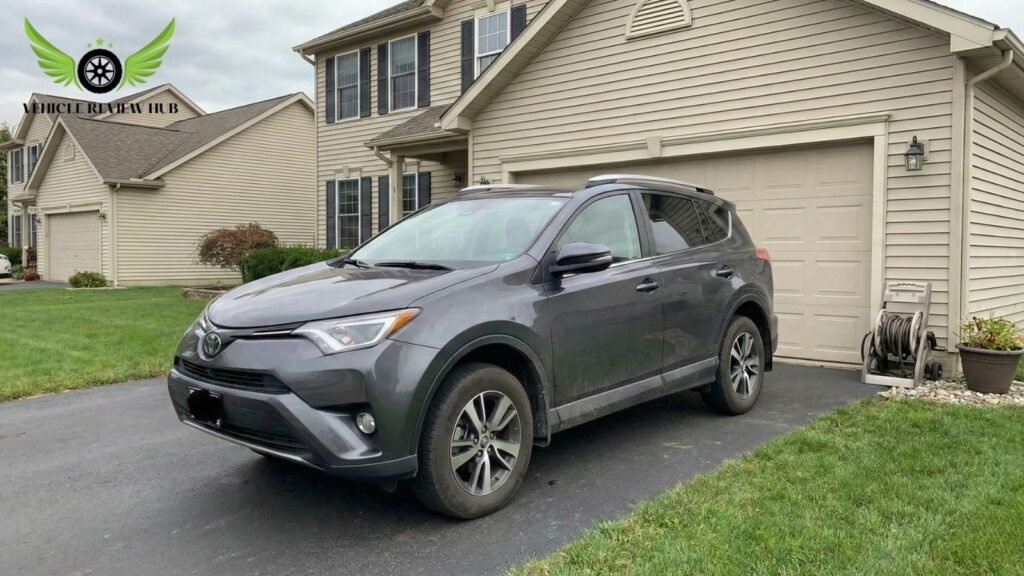
When comparing the 2025 and 2026 Toyota RAV4, running cost is where the difference becomes most practical for everyday owners. This comparison isn’t just about MPG—it’s about how fuel type, driving pattern, and powertrain choice translate into monthly and yearly expenses you actually feel.
The 2025 lineup includes gas, hybrid, and PHEV options, which means running costs can vary widely depending on what you choose. The 2026 Toyota RAV4, with its hybrid-focused direction, aims to reduce that gap by making fuel spending more predictable for most drivers. That shift matters for budgeting, especially if your routine includes daily commuting, mixed city–highway driving, or frequent road trips.
Looking at costs over a month or a full year helps answer a more useful question: which model year fits your lifestyle and driving habits better? The breakdown ahead focuses on short commutes versus long-distance use, showing how fuel expenses add up over time rather than just per trip.
Fuel Cost for Short Commute Drivers
For short daily commutes, fuel cost differences between the 2025 and 2026 Toyota RAV4 become very clear once you look at real numbers over a month and a year. Short trips usually mean more city driving, frequent stops, and cold starts—conditions where hybrids and PHEVs save the most money.
Clear assumptions (USA, realistic):
- Daily commute: 20 miles (city-heavy)
- Workdays per month: 22
- Gas price: $3.50 per gallon
- Electricity rate (for PHEV EV use): $0.16 per kWh
Here’s how monthly and yearly fuel costs typically compare for short-commute drivers:
Vehicle (2025 vs 2026) | Real City MPG / EV Use | Monthly Fuel/Energy Cost | Yearly Cost |
2025 Gas RAV4 | ~24 mpg | ~$64 | ~$770 |
2025 Hybrid RAV4 | ~40 mpg | ~$39 | ~$470 |
2026 Hybrid RAV4 | ~41–42 mpg | ~$37 | ~$445 |
RAV4 PHEV (EV-first) | ~14–18 kWh/day | ~$50–$64 | ~$600–$770 |
What this means in real life:
- Moving from a 2025 gas model to a hybrid typically saves about $300 per year for short commutes.
- The 2026 hybrid trims a bit more thanks to smoother hybrid tuning and slightly better consistency in city driving.
- A PHEV can be the cheapest or similar to a hybrid depending on charging habits and electricity rates. With regular home charging and EV-first driving, gas purchases become rare; without consistent charging, savings shrink.
From my observation, short-commute drivers value predictability most. Hybrids deliver steady, low weekly costs, while gas models swing more with traffic. If you ask me, this is why many city commuters feel the hybrid’s benefit almost immediately—fuel bills drop and stay low.
At the end of the day, for short daily commutes, the Toyota RAV4 hybrid (especially the 2026 model) offers the most reliable fuel savings, while the PHEV makes sense when EV driving is part of the routine rather than an occasional bonus.
Fuel Cost for Long-Distance and Road-Trip Users
For drivers who spend a lot of time on highways—sales professionals, frequent travelers, or weekend road-trippers—the fuel cost picture for the Toyota RAV4 looks different than it does for short city commutes. Here, steady speeds matter more than stop-and-go efficiency, and the gap between gas and hybrid narrows—but it doesn’t disappear.
Clear assumptions (USA, realistic):
- Daily driving: 60 miles (mostly highway)
- Driving days per month: 22
- Gas price: $3.50 per gallon
- Electricity use for PHEV: limited during long highway runs
Here’s how monthly and yearly fuel costs typically compare for long-distance users:
Vehicle (2025 vs 2026) | Real Highway MPG | Monthly Fuel Cost | Yearly Cost |
2025 Gas RAV4 | ~32 mpg | ~$145 | ~$1,740 |
2025 Hybrid RAV4 | ~37 mpg | ~$123 | ~$1,480 |
2026 Hybrid RAV4 | ~38–39 mpg | ~$120 | ~$1,440 |
RAV4 PHEV (mostly gas on highway) | ~36–38 mpg | ~$125–$130 | ~$1,500–$1,560 |
What long-distance drivers actually notice:
- On highways, the gas model performs efficiently, but it still burns more fuel over long distances.
- The hybrid RAV4 maintains a consistent advantage, saving roughly $250–$300 per year compared to the gas version for frequent highway use.
- The 2026 hybrid edges ahead slightly due to smoother power delivery and better efficiency consistency at cruising speeds.
- The PHEV behaves much like a regular hybrid on long trips. EV-only driving helps at the start of the journey, but most highway miles rely on gasoline, which limits additional savings.
From my observation, road-trip users value range and predictability. Hybrids shine here because they reduce how often you stop for fuel without adding charging stress on long drives. If you ask me, that’s why many highway-heavy drivers still choose the hybrid over the PHEV—it delivers steady savings with zero change in routine.
At the end of the day, for long-distance and road-trip driving, the Toyota RAV4 hybrid (especially the 2026 model) offers the best balance of fuel savings, simplicity, and consistent costs. Gas models remain acceptable for occasional trips, but over time, the hybrid’s quieter operation and lower fuel bills make a noticeable difference.
Toyota RAV4 Mileage & Fuel Cost FAQs (USA – 2025 vs 2026)
Before jumping into the FAQs, here’s a quick note: Most RAV4 buyers ask these questions after comparing MPG numbers but still feel unsure about real fuel cost. The answers below focus on daily driving, actual fuel spending, and ownership reality in the USA, not brochure claims.
Is the 2026 Toyota RAV4 more fuel-efficient than the 2025 model?
Yes, in daily use it usually is. While EPA numbers look similar on paper, the 2026 Toyota RAV4 hybrid delivers more consistent real-world MPG, especially in mixed city–highway driving. From owner feedback, fuel usage stays closer to EPA ratings in 2026, which helps control monthly fuel costs.
How much fuel cost difference is there between gas and hybrid RAV4?
For city-heavy driving, the difference is noticeable. A gas RAV4 can cost $25–$30 more per month in fuel compared to a hybrid for short commutes. Over a year, that often adds up to $300 or more in savings with the hybrid.
Does the hybrid RAV4 actually save money on highways?
Yes, but the savings are smaller than in city traffic. On highways, hybrids still save around $20–$25 per month compared to gas models for long-distance drivers. Over time, that adds up without requiring any charging or habit changes.
Is the RAV4 PHEV cheaper to run than the hybrid?
It depends on how often you charge. If your daily driving stays within EV range and you charge regularly at home, the PHEV can be as cheap or cheaper than a hybrid to run. If charging is inconsistent or most driving is highway-based, a regular hybrid usually offers better value.
How much does it cost to drive the RAV4 PHEV in EV-only mode?
For a typical EV-only commute, electricity costs usually fall between $2.25 and $2.90 per day, depending on local electricity rates. That’s often cheaper than gas driving and similar to hybrid fuel cost—but much more predictable.
Which RAV4 version is best for short daily commutes?
For short commutes (10–25 miles per day), the hybrid or PHEV makes the most sense. The hybrid offers consistent low fuel costs without charging, while the PHEV works best if EV driving becomes part of your daily routine.
Which RAV4 is best for road trips and long-distance driving?
For frequent road trips, the hybrid Toyota RAV4 is usually the best choice. It delivers lower fuel costs than gas models, requires no charging planning, and offers strong highway range with fewer fuel stops.
Are EPA MPG numbers realistic for the Toyota RAV4?
They’re a good baseline, but real-world MPG varies. Hybrid models often come closest to EPA ratings in everyday driving, while gas models fluctuate more depending on traffic, speed, and driving style.
Does fuel efficiency alone justify choosing the hybrid RAV4?
For many buyers, yes. From my observation, consistent fuel savings, quieter driving, and predictable monthly costs make the hybrid feel worth it even before considering resale value or long-term reliability.