Short answer: this Honda CB1000R buying guide starts with the fact that changes everything about the purchase — there is no new CB1000R left to buy. Honda’s flagship naked ended its American run with the 2024 Black Edition at $12,999 plus $775 destination, and for 2025 the badge was replaced by the CB1000 Hornet SP at $10,999. So a Honda CB1000R buying guide is really a used-bike guide with one sharp rule: never pay new-Hornet money for a used CB1000R unless the bike earns it with low miles, a clean history, and the right year.
One identity rule runs through this whole Honda CB1000R buying guide: the CB1000R is the Neo Sports Café naked with the single-sided swingarm, not the Hornet SP that replaced it and not the faired CBR1000RR its engine descends from. Every figure below belongs to the naked CB1000R by generation and year. For the full model story, see our Honda CB1000R review.
Honda CB1000R Price and Market Availability
Prices come first in this Honda CB1000R buying guide, because the price story is flat at the top and wide at the bottom: the SC80 generation held one sticker for its whole run, while used prices spread across two generations and a thin American pool.

What Does a Used Honda CB1000R Cost in the USA by Generation?
Used prices in this Honda CB1000R buying guide split by generation, not by badge, because the bike kept its name across two very different motorcycles. First-generation SC60 bikes (2008–2016, American sales from 2011) are the budget door: the doc band puts them at $4,200 to $7,000, a listing band from a thin sample, not a thick market of completed sales. Second-generation SC80 bikes (2018–2024) cost far more. Fresh American snapshots back that shape: a used 2018 SC80 at $7,995 with just 1,126 miles at Tousley Motorsports in White Bear Lake, Minnesota; used 2023 Black Editions at $11,995 (2,957 miles, Head Motor Company, Columbia, Missouri) and $11,999 (1,483 miles, Timbrook Honda, Winchester, Virginia); and a used 2021 Black Edition at $10,750 with 2,909 miles at Alaska Cycle Center in Anchorage. For the performance story behind those prices, see our Honda CB1000R performance guide.
Black Editions Ask $10,000 to $12,000 and SC60 Bikes $4,200 to $7,000
The heading above is literal, and this Honda CB1000R buying guide treats both bands as dealer asks, never as sale prices. The Black Edition band of $10,000 to $12,000 fits the fresh samples above, while the SC60 band covers older, higher-mileage first-generation bikes. The ceiling that matters most is not another used CB1000R at all: it is the new CB1000 Hornet SP at $10,999, a brand-new motorcycle with more power and better suspension than the bike it replaced. Any used CB1000R asking at or above that figure needs a hard justification — very low miles, valuable accessories, a flawless history — because the buyer could walk out with a new Hornet SP instead. That new-bike comparison is the single most useful number in this Honda CB1000R buying guide.
| Model group | New price (MSRP) | Used ask band / fresh sample |
|---|---|---|
| SC60 first generation (US from 2011) | $10,999 (2011 US launch) | $4,200–$7,000 (doc band, thin sample) |
| SC80 standard (2018–2019) | $12,999 | 2018 sample $7,995 at 1,126 miles |
| SC80 Black Edition (2021–2024) | $12,999 every year | $10,000–$12,000; samples $10,750–$11,999 |
| 2024 Black Edition (last US year) | $12,999 + $775 destination | Black only, model code CB1000RAR |
| Replacement benchmark | New Hornet SP $10,999 | The cap every used ask is judged against |
Honda CB1000R Insurance and Ownership Costs
Insurance and running costs decide whether a cheap used CB1000R stays cheap, and this Honda CB1000R buying guide is blunt about what is known and what is not. No published United States model-specific insurance figure exists for this bike, so no number below is dressed up as a quote, and this Honda CB1000R buying guide explains how to get a real one instead.
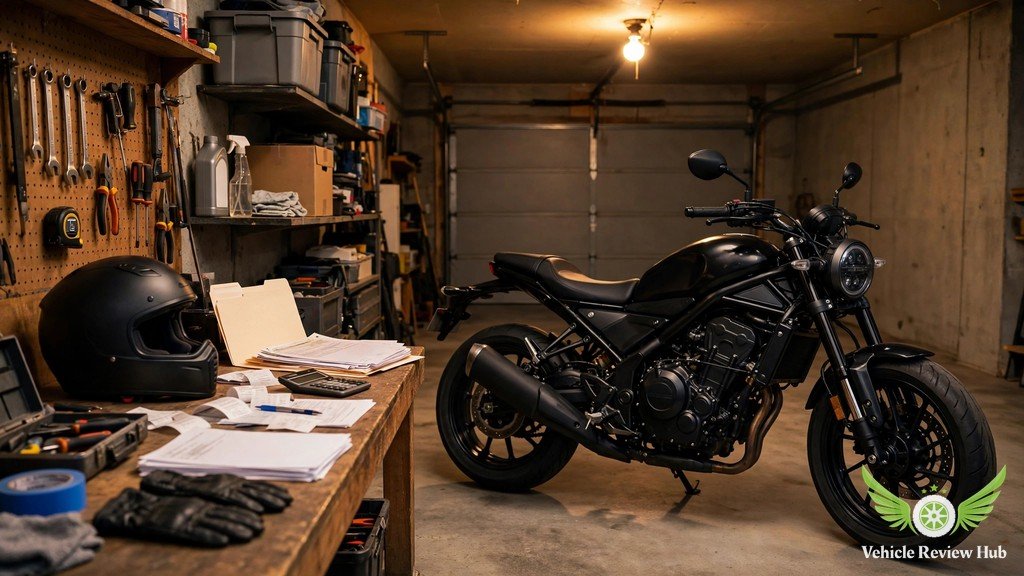
No US Model-Specific Insurance Data Was Found for This Bike
No US model-specific insurance data was found for this bike, and this Honda CB1000R buying guide says so rather than inventing a premium. The CB1000R is a 998cc litre-class naked, so insurers price it in the litre naked class, and the only honest way to get a number is to quote the exact VIN with three insurers and compare like for like. Age, riding record, garaging, and state matter more than the badge, and a 2018 standard bike and a 2024 Black Edition with the same rider will usually quote within a few dollars of each other, because the insurer sees the same displacement class. Be wary of any site printing a single “CB1000R insurance cost” figure without a rider profile attached. For the servicing costs behind the ownership maths, see our Honda CB1000R reliability guide.
How to Estimate Fuel, Maintenance, Parts and Other Ownership Expenses
Ownership expenses in this Honda CB1000R buying guide are easy to estimate from tested figures, with one warning attached. Fuel is the smallest bill but not a small one: American testing put the SC80 around 35.9 mpg on average (Rider’s 2018 road test: 32.1 low, 35.9 average, 39.5 high, US gallons), giving roughly 154 miles from the 4.3-gallon tank — plan stops well before that, because hard riding drops it into the low 30s. Maintenance follows a simple schedule in this Honda CB1000R buying guide: first service at 600 miles, oil and filter every 8,000 miles or 12 months, valve-clearance inspection at 16,000 miles, and chain care every 600 miles. Brake fluid every two years and coolant every three years come from the CB1000R’s own manual, never from another family’s figures. Parts are the honest worry: with a thin US sales pool and a discontinued badge, bodywork and model-specific trim can take longer to source than parts for a high-volume rival, so check parts availability for your year before buying. The one-year unlimited-mile United States warranty on a late bike is worth checking before it expires — UK warranty terms are not the US warranty.
How to Inspect a Used Honda CB1000R
Inspection is where this Honda CB1000R buying guide earns its keep. The CB1000R is a reliable motorcycle, so a bad used example is usually a neglected, crashed, or cosmetically tired one, not a bike with a hidden design flaw. Check the motorcycle, not the listing title, and check the paperwork against the VIN — that discipline is what this Honda CB1000R buying guide is for.

Checking the 16,000-Mile Valve Service and Finish Condition
Checking the 16,000-mile valve service comes first on any higher-mileage example in this Honda CB1000R buying guide, because it is the one genuinely large bill in the bike’s life. The schedule calls for a valve-clearance inspection at 16,000 miles and spark-plug inspection at the same milestone, with plug replacement at 32,000 miles. A bike near either milestone without a receipt carries a bill coming, so demand the valve-service receipt and discount accordingly without one. Finish condition is the second check, and it matters more on this bike than on most: SC80 owners report thin paint, including paint wear at the bottom of the fuel tank that can lead to rust spots, so inspect the tank edges, the frame, and the exhaust finish closely. MCN’s CB1000R owner reviews carry the same complaint. Also check the chain and sprockets, fork seals, brake pads and discs, tyre date codes, and crash evidence on bar ends, levers, and engine cases — the same routine checks as any used naked, applied with extra care because the pool is thin and a second example may be weeks away.
Mislabeled Listings: Every US 2021-On Bike Is a Black Edition
Mislabeled listings are a real trap in this Honda CB1000R buying guide, and the rule is simple: every US 2021-on bike is a Black Edition. From 2021 onward Honda sold only the Black Edition in the United States — blacked-out everything, standard quickshifter, flyscreen, pillion seat cover, machined “CB” handlebar clamp, and a 5-inch TFT dash. Europe also sold a standard Candy Chromosphere Red bike in those years, which is not a US model, so a red 2021-on listing claiming US specification is mislabeled or an import — verify it on the VIN and the paperwork, not on the paint. The reverse trap matters too: a 2018–2019 bike is a standard bike, not a Black Edition, whatever the listing says, and the older LCD dash is the giveaway. Model codes help: US SC80 bikes carry CB1000RA codes with a year letter (CB1000RAJ for 2018, CB1000RAR for 2024). Finally, run the VIN before paying even though no NHTSA recall names the CB1000R — a zero-result recall check is not a substitute for a VIN lookup, and the Hornet SP campaigns (including 25V-892) belong to the replacement bike, never to this one.
Honda CB1000R Model Years and Features to Compare
Model years are the real buying decision in this Honda CB1000R buying guide, because the badge never changed but the motorcycle changed completely once. Buy the generation first and the year second, and pay for the updates that matter to how you ride — that is the advice this Honda CB1000R buying guide keeps returning to.
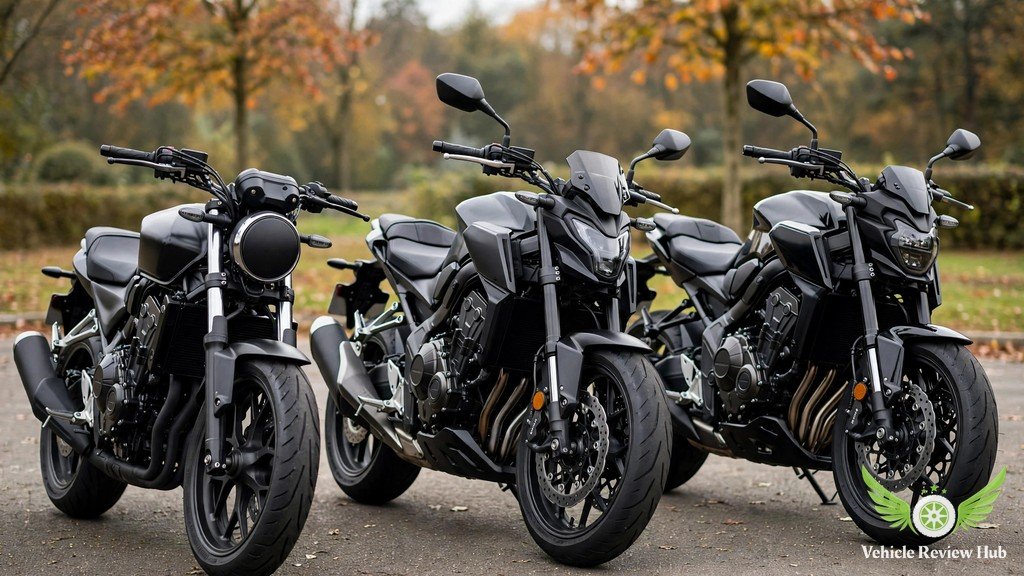
Comparing 2018-19 Standard Bikes With the Black Edition
Comparing 2018–19 standard bikes with the Black Edition is the first fork in this Honda CB1000R buying guide. The early SC80 bikes are honest, well-built machines with an LCD dash, a standard (non-Black) finish, and the same 998cc engine and single-sided swingarm as the later bikes. The 2021 Black Edition brought the meaningful upgrades: a 5-inch colour TFT dash with Honda Smartphone Voice Control, a standard two-way quickshifter, a flyscreen and seat cowl, an under-seat USB socket, a redesigned headlight and radiator shrouds, a cast-aluminium subframe, and seven-spoke wheels, plus the full blackout treatment. One conflict buyers should know about: the rear shock is preload- and rebound-adjustable only, with no compression adjustment, and testers widely call it the bike’s weakest part. A second fact: 2020 was skipped entirely in the United States, so a “2020 US CB1000R” does not exist.
No Black Edition Premium Evidenced in US Asking Prices
No Black Edition premium is evidenced in US asking prices, and this Honda CB1000R buying guide presents that as the doc’s finding on a thin sample, not as a market fact. The fresh samples point the same way: a 2021 Black Edition at $10,750 sits below 2023 bikes at $11,995 and $11,999, which tracks age and miles, not any badge premium. Buyers should not pay extra simply because a listing shouts “Black Edition” — every 2021-on US bike is one anyway. What moves the price is condition, miles, service history, and the 16,000-mile valve receipt. One more caution: the Black Edition replaced the earlier “Plus” variant, so do not let a seller charge Plus-era extras for standard Black Edition equipment.
Honda CB1000R vs CB1000 Hornet SP: Which One to Buy in the USA
The Hornet SP is the rival every used-CB1000R buyer must cross-shop, because it is the bike Honda itself chose as the replacement — and it is cheaper new than the CB1000R ever was. This Honda CB1000R buying guide compares them on sticker prices and on hardware, not on brand loyalty, and the comparison decides this Honda CB1000R buying guide’s final verdict.
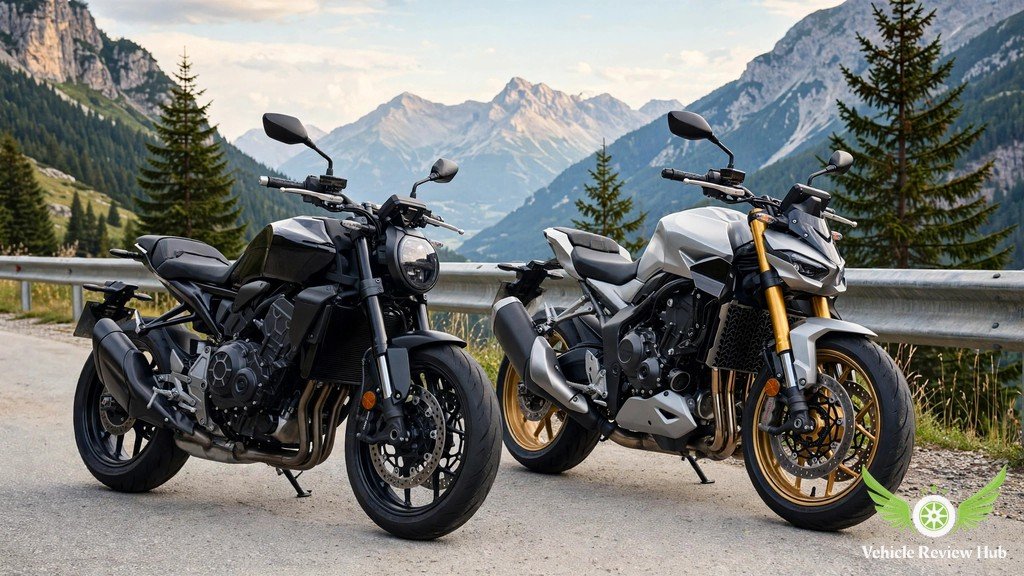
Used CB1000R Against the New Hornet SP at $10,999 Plus $775
A used CB1000R against the new Hornet SP at $10,999 plus $775 is a hard comparison for the older bike, and this Honda CB1000R buying guide calls it that way: the Hornet SP is a brand-new motorcycle with a full warranty, priced $2,000 below the CB1000R’s $12,999 sticker. Motorcycle.com’s Hornet SP first ride covers the replacement’s stronger engine and sharper chassis in depth. A used CB1000R only beats the new Hornet SP when it is clean, documented, and priced well under $10,999 — the $10,750 used 2021 Black Edition above is exactly that kind of case — or when the buyer specifically wants the CB1000R’s Neo Sports Café styling and single-sided swingarm, which the Hornet does not offer. Note: $775 is confirmed for the 2024 CB1000R; the Hornet SP’s destination should be re-checked rather than assumed identical.
| 2025 comparison | Used Honda CB1000R Black Edition | New Honda CB1000 Hornet SP |
|---|---|---|
| Price | $10,000–$12,000 used asks | $10,999 new |
| Engine | 998cc, 2006–07 Fireblade-derived | 998cc, 2017 Fireblade-derived tune |
| Swingarm / shock | Single-sided Pro-Arm; preload + rebound only | Conventional swingarm; Öhlins rear shock |
| Summary | Style, swingarm, Honda refinement | New bike, more power, better suspension |
Different Engines and No Single-Sided Swingarm on the Hornet
Different engines and no single-sided swingarm on the Hornet — that sentence is the most important hardware fact in this Honda CB1000R buying guide. The Hornet SP’s engine is a different tune from a later Fireblade generation, its frame is different, and its conventional swingarm changes both the look and the rear-wheel servicing procedure. The Hornet also carries its own recall campaigns, including the 25V-892 piston and piston-ring campaign for certain 2025 CB1000 motorcycles, which must never be attributed to the CB1000R. Either way, this Honda CB1000R buying guide prices every used CB1000R against the new Hornet SP before calling it a deal.
Is Buying a Used Honda CB1000R Worth It?
Yes, with conditions, and this Honda CB1000R buying guide ends with the verdict buyers actually need: the CB1000R is one of the smartest used purchases in the litre naked class, provided the price respects the new-Hornet comparison, the valve service is documented, and the buyer accepts a discontinued badge with a thin market. That conditional yes is the whole point of this Honda CB1000R buying guide.
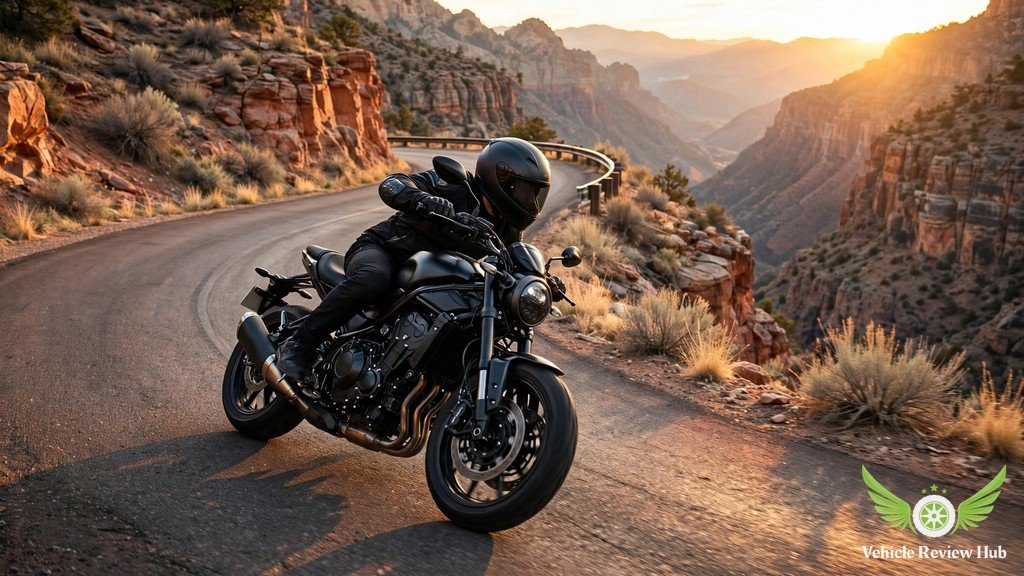
The video below is Zigwheels’ first look at the CB1000R Plus — a features-and-price overview at launch, not a used-buyer inspection, notes this Honda CB1000R buying guide — but it captures exactly why the bike is worth hunting down: the refined inline-four character, the build quality, and the understated styling that make the CB1000R special.
Benefits and Risks: Discontinued Flagship With No Successor Twin
The benefits in this Honda CB1000R buying guide are real: a proven 998cc inline-four, a simple service schedule, Honda reliability, and a TFT dash and quickshifter on late bikes. The risks are equally plain: a discontinued badge means a thinner used pool and slower resale, model-specific parts can take longer to source, and the weak rear shock may want an upgrade. Cycle World’s CB1000R Black Edition page covers the late bike’s specification in depth, and owner scores reported by MCN run 4.8 out of 5 overall with 5 out of 5 for reliability from just 6 owners on the live 2021–2024 page — a small sample, labelled as such, against the doc’s older 4.5-from-35 snapshot.
US-Market Alternatives: Z900, GSX-S1000 and the S 1000 R
The alternatives in this Honda CB1000R buying guide cover every reason to walk away from an overpriced CB1000R. The Suzuki GSX-S1000, at $11,989 for 2026, is the value door — a K5-derived litre naked with no IMU, priced near the used Black Edition band but brand new. Ultimate Motorcycling’s 2026 GSX-S1000 review confirms that MSRP. The Kawasaki Z900 and BMW S 1000 R are the other two names on every litre-naked shortlist, but their 2026 US prices could not be confirmed from a manufacturer or dealer source at writing, so this Honda CB1000R buying guide quotes no price for either — a used 2021 CB1000R at $10,750 undercuts a new GSX-S1000 by more than $1,200. The verdict of this Honda CB1000R buying guide stands: buy a clean, documented CB1000R well under the new-Hornet price, or buy the new Hornet SP — and that is the rule this Honda CB1000R buying guide leaves you with.
Honda CB1000R Buying Guide FAQs
Direct answers to the questions used buyers ask most in this Honda CB1000R buying guide.
How much does a used Honda CB1000R cost?
By generation, says this Honda CB1000R buying guide: roughly $4,200 to $7,000 for SC60 bikes, and $10,000 to $12,000 for Black Edition bikes, all as dealer asks — never above the new Hornet SP’s $10,999 without a hard justification.
What was the last US CB1000R, and what did it cost?
The 2024 Black Edition, says this Honda CB1000R buying guide: $12,999 plus $775 destination, Black only, model code CB1000RAR.
Is the CB1000R still sold new?
No, says this Honda CB1000R buying guide. The CB1000R ended after 2024 in the US, and the 2025 CB1000 Hornet SP at $10,999 replaced it — a different bike, not a trim.
How much does insurance cost for a CB1000R?
No United States model-specific figure exists, says this Honda CB1000R buying guide. Quote the exact VIN with three insurers; age, record, garaging, and state matter more than the badge.
What should I check first on a used CB1000R?
The 16,000-mile valve-service receipt and the finish condition, says this Honda CB1000R buying guide, then the VIN, the service history, chain, tyres, brakes, and crash damage.
Which recalls affect the CB1000R?
None, says this Honda CB1000R buying guide: no NHTSA recall names the CB1000R in any US year. Hornet SP campaigns, including 25V-892, belong to the replacement bike only — still run the VIN before paying.
Is every 2021-on US CB1000R a Black Edition?
Yes, says this Honda CB1000R buying guide. A red 2021-on bike claiming US specification is mislabeled or an import — verify it on the VIN.
Does a 2020 US CB1000R exist?
No, says this Honda CB1000R buying guide. Honda skipped 2020 in the United States; the SC80 years are 2018, 2019, and 2021 through 2024.
Should I buy a used CB1000R or a new Hornet SP?
Buy the used CB1000R only if it is clean, documented, and priced well under $10,999, says this Honda CB1000R buying guide; otherwise the new Hornet SP wins on value, warranty, and suspension.
Is buying a used Honda CB1000R worth it?
Yes, says this Honda CB1000R buying guide, when the bike is clean, documented, and priced well under the new-Hornet price. Otherwise buy the new Hornet SP.