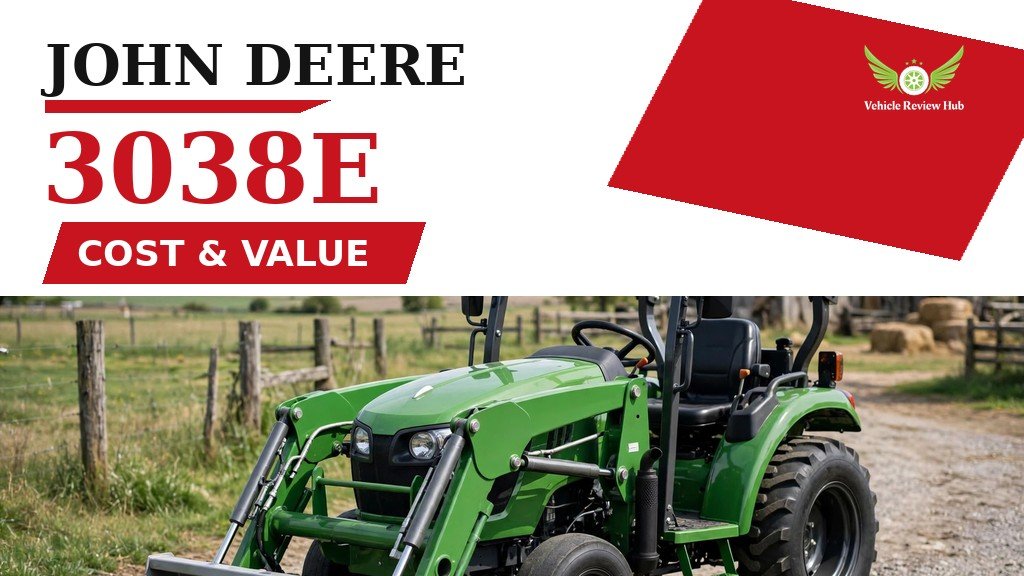
The John Deere 3038E ownership cost is what turns a $29,000 purchase decision into a five-year financial plan. Between diesel, filters, insurance, and repairs, a 3038E typically costs a property owner roughly $2,200 to $2,800 per year to run — and because 37-horsepower Deere compacts hold their value better than most machines in the class, the true John Deere 3038E ownership cost over five years often ends up lower than the sticker price suggests.
This guide breaks down every line of the John Deere 3038E ownership cost: fuel and routine maintenance, repairs and a five-year budget, insurance, depreciation and resale value, and exactly what to check before buying used.
John Deere 3038E Total Cost of Ownership
The real John Deere 3038E ownership cost is not the number on the dealer’s quote — it is the purchase price plus five years of running expenses, minus what the tractor is still worth when you sell it. On that basis, the 3038E is one of the strongest value propositions in the compact segment: a turbocharged 36.7-horsepower Yanmar diesel with 30 PTO horsepower, a 300E loader lifting 1,186 pounds, and a 6-year/2,000-hour powertrain warranty, all in a 2,668-pound machine.
Fuel, Routine Maintenance and Operating Expenses
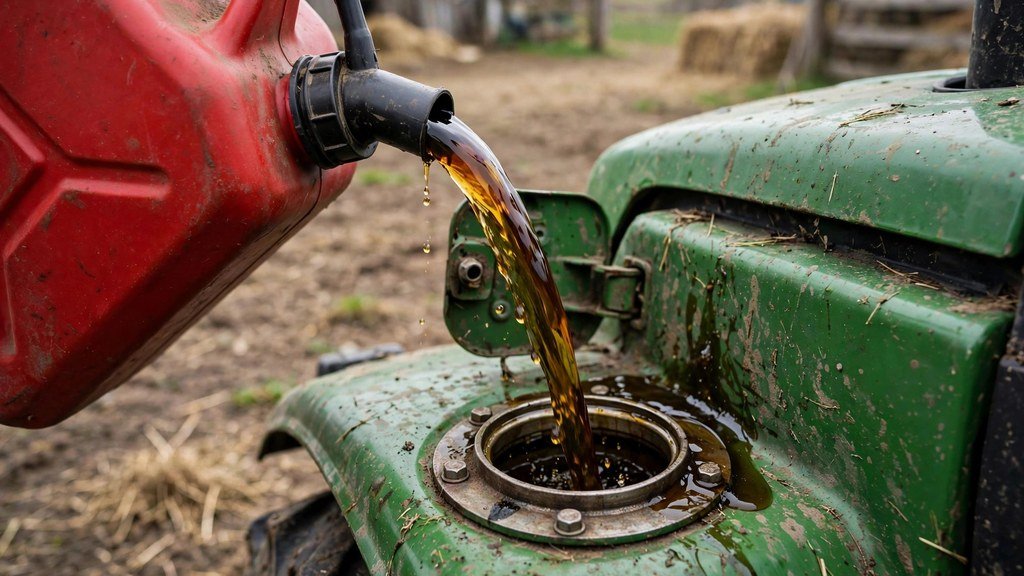
Fuel is the largest recurring line of the John Deere 3038E ownership cost. The turbocharged 3-cylinder Yanmar is efficient for its output, but it still works harder than a 25-horsepower sub-compact. Owner-reported consumption (not laboratory figures) runs roughly 0.8 to 1.2 gallons per hour mowing, 1.0 to 1.5 gallons per hour in steady loader work, and 0.3 to 0.6 gallons per hour at light duty or idle. One long-term reviewer for The Drive burned about four gallons across 16.5 hours of light 1,500-rpm work, consistent with the ranges above. With a 7.5-gallon tank, most owners refuel every 6 to 9 hours of real work. Our 3038E performance and fuel usage guide has detailed consumption numbers by task.
At 150 hours per year and about 1.0 gallon per hour average, annual fuel use lands near 150 gallons. Diesel prices have been volatile: the EIA’s weekly diesel price update put the U.S. average near $6.18 per gallon for the week of October 12, 2026, easing from a record above $6.50 in September. At that price, fuel runs about $925 a year — the single biggest variable in the John Deere 3038E ownership cost.
Routine maintenance is the second recurring expense, and it stays modest. An annual oil and filter service costs most owners $90 to $160 in parts doing it themselves, or $275 to $425 at a dealer. The 3038E meets Final Tier 4 with a diesel oxidation catalyst and diesel particulate filter that regenerate automatically — no DEF fluid to buy — which keeps aftertreatment costs below the DEF-based systems on larger Tier 4 tractors.
Repairs, Unexpected Costs and Five-Year Budget
A realistic John Deere 3038E ownership cost projection reserves money for repairs. Wear items still cost money: mower blades every year or two ($100 to $180), a battery every 4 to 6 years ($140 to $200), and hydraulic hoses or belts as they age ($60 to $250 each). A full set of R4 tires eventually runs $700 to $1,100. The DPF is the one component that can surprise owners — neglected regeneration cycles can lead to dealer service bills — but tractors worked regularly under load rarely see those costs. Our 3038E maintenance and reliability guide covers the service schedule and the warning signs that turn a small fix into a big bill.
The table below rolls the full John Deere 3038E ownership cost into a five-year budget for a typical owner running about 150 hours per year. Every figure is an estimate based on owner reports and current parts pricing, not a quote.
| Cost Item | Estimated 5-Year Total | Notes |
|---|---|---|
| Diesel fuel (150 hrs/yr) | $4,635 | ~150 gal/yr at $6.18/gal (EIA, Oct 12, 2026) |
| Routine maintenance (oil, filters, grease) | $1,500 | Annual service, mostly DIY |
| Scheduled service intervals | $850 | Hydrostatic and hydraulic service |
| Insurance | $1,250 | Estimated $250/yr inland marine or scheduled policy |
| Repairs and parts reserve | $2,000 | Belts, hoses, blades, electrical items |
| Tires, battery, miscellaneous | $900 | One battery and tire wear over five years |
| Total estimated 5-year operating cost | $11,135 | Excludes purchase price; before resale recovery |
That $11,135 estimate works out to roughly $2,225 per year, or about $15 per operating hour — easy to justify against the landscaping, rental, and contractor bills a 37-horsepower tractor replaces. Before committing to that budget, it helps to understand how dealers position the 3038E against its closest sibling, which is exactly what the comparison video below walks through:
John Deere 3038E Insurance and Financial Considerations
Insurance is the cheapest line in the John Deere 3038E ownership cost to get right — and the one buyers most often forget to budget. A tractor worth nearly $30,000 deserves its own line item, not a hope that the homeowners policy will cover it.
Equipment Insurance and Liability Coverage
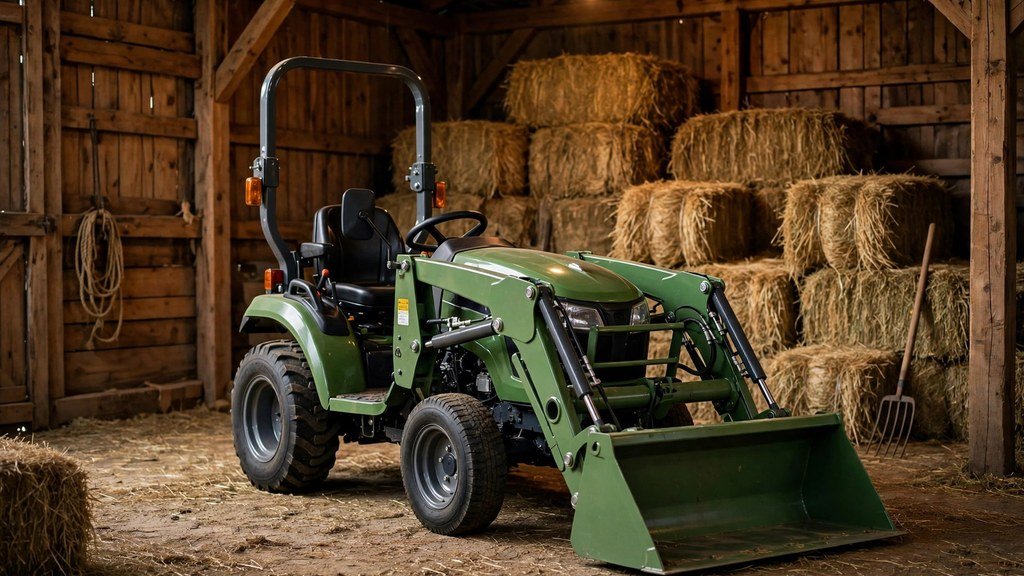
A standard homeowners policy may cover a tractor stored at home, but coverage is often limited and usually excludes use away from the property. Many 3038E owners carry a separate inland marine policy or schedule the tractor as a personal article, covering theft, fire, rollover, and damage while trailering. Owner reports describe inland marine quotes for compact tractors in the 3038E’s price class in the range of roughly $150 to $350 per year, though rates vary by insured value, deductible, and state (owner-reported estimates). That annual premium is one of the smallest lines in the John Deere 3038E ownership cost budget.
Liability is the other half. If the tractor damages a neighbor’s property or you do paid work with it, a homeowners policy may not respond, so owners who use their 3038E for side jobs, snow removal, or light commercial work should ask an agent about a farm or business liability endorsement. If you financed the tractor, the lender will almost certainly require proof of insurance until the loan is paid off — factor that requirement into the John Deere 3038E ownership cost from day one.
Storage, Theft and Damage Protection
Proper storage protects both the machine and your John Deere 3038E ownership cost. A tractor kept in a barn or garage holds its paint, seat, and plastics far better than one left outside, and that condition difference shows up directly in resale value. If indoor space is not available, a breathable cover and a locked, level parking spot are the minimum.
Theft is a real financial risk with compact tractors: light enough to winch onto a trailer and valuable enough to resell quickly. Beyond insurance, owners reduce the risk by removing the key, locking the fuel cap, chaining the tractor when storing it outside, and fitting a GPS tracker, which costs less than $100 plus a small subscription. A few hundred dollars in prevention keeps the John Deere 3038E ownership cost from spiking on a single bad day.
John Deere 3038E Depreciation and Resale Value
Depreciation shapes the John Deere 3038E ownership cost more than almost any other factor, because it determines how much of your purchase price comes back to you. John Deere compacts are among the slowest-depreciating machines in the equipment world, and the 3038E’s position as the most powerful 3E keeps used demand strong year after year.
How Model Year, Hours, Condition and Attachments Affect Price
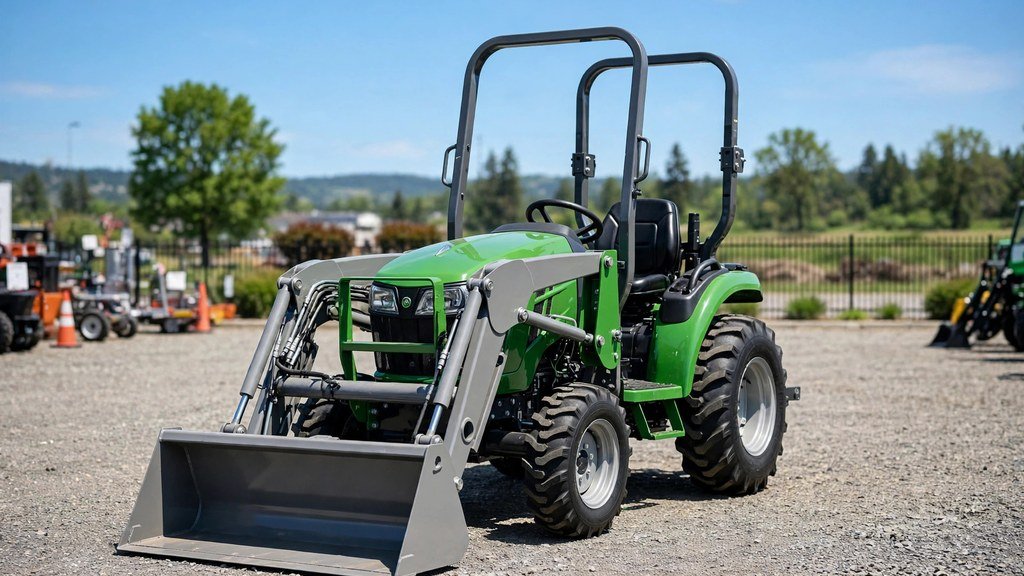
Used 3038E pricing follows a clear pattern: low hours and good condition command prices surprisingly close to new. United Ag & Turf recently listed a used 3038E with 647 hours at $17,999, while late-model machines with a few hundred hours and a loader typically trade between $24,000 and $32,000 depending on attachments and region. Older or higher-hour tractors fall into the $12,000 to $18,000 band (observed listing ranges; individual machines vary).
Hours matter more than model year: a 2018 with 300 garage-kept hours will outsell a 2022 with 900 hard hours, because buyers know the Yanmar diesel is barely broken in at a few hundred hours. Attachments are a hidden lever in the John Deere 3038E ownership cost equation at resale time: a tractor sold with the 300E loader, a mid-mount mower deck, and especially the 370B backhoe sells faster and for meaningfully more than a bare tractor. Faded plastic, a torn seat, or neglected service records can knock thousands off the asking price. That retained value directly lowers the John Deere 3038E ownership cost. Our 3038E review and buying guide covers the features that make used buyers pay a premium.
Private Sale, Dealer Trade-In and Resale Preparation
For the sale itself, a private sale almost always beats a dealer trade-in, often by $2,000 to $4,000 on a clean 3038E. Dealers need margin to recondition and warranty the machine, so their offer reflects wholesale reality. A private listing with clear photos, the hour-meter reading, service records, and a cold-start video tends to sell within days in most markets.
Before listing, wash and wax the plastics, touch up scratches, replace a torn seat cover, sharpen or replace the mower blades, and gather every receipt into a folder. A tractor that looks maintained sells the story that it was maintained — and buyers pay for that story. Compared with its smaller siblings, the 3038E holds an edge buyers recognize: it is the flagship of the 3E line, and resale value favors it over the 3032E in most markets, which is worth remembering when you weigh the 2032R ownership cost guide against stepping into the 3E platform. Small cosmetic investments routinely return several times their cost in the final price, which is the easiest win in the whole John Deere 3038E ownership cost picture.
Buying a Used John Deere 3038E
Buying used is where careful shoppers get the best John Deere 3038E ownership cost of all: somebody else absorbed the first years of depreciation, and you get a proven machine for thousands less than new. The 3038E’s large installed base means plenty of choice — but you need a sharp eye to avoid somebody else’s neglected tractor.
Inspection Checklist, Service History and Recall Verification
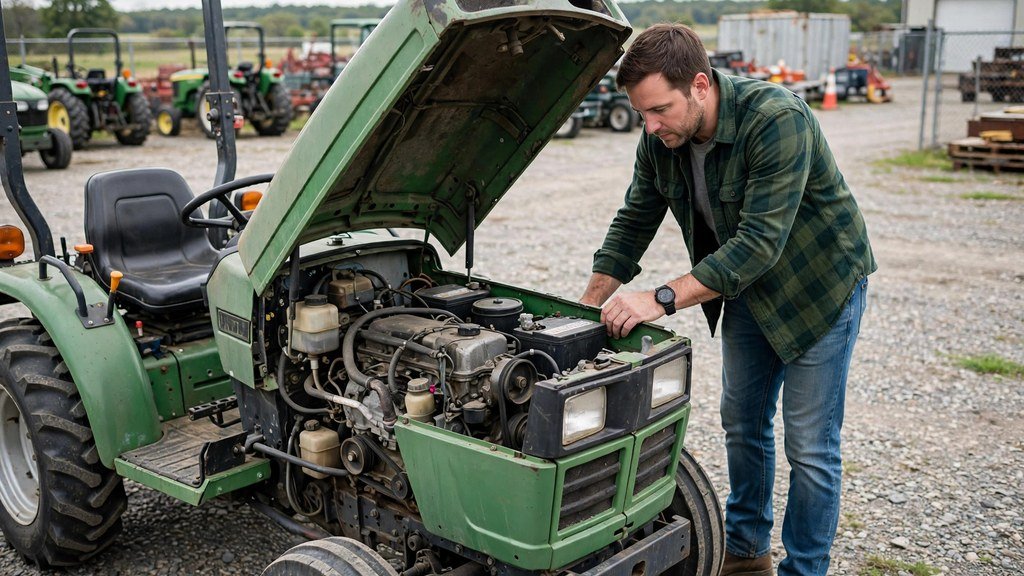
Start with the hour meter and service records. A 3038E with 400 well-documented hours is a better buy than a 200-hour machine with no records. Ask for receipts for oil changes, filter replacements, and any dealer service, including DPF-related work. Then walk the tractor: cold-start it and listen for knocking or hard cranking; run the 300E loader through full lift, curl, and dump looking for cylinder drift or weeping seals; engage the PTO and listen for bearing noise; check the hydrostatic range selector and front hubs for oil weeping; inspect loader pins and bushings for play; look at tire wear and sidewall cracks; and test every safety switch, light, and gauge. Skipping this walkaround is the fastest way to inflate your John Deere 3038E ownership cost after purchase.
Recall verification belongs on the checklist. Some sources report a 2009 brake campaign covering early 3032E and 3038E machines — tractors veering left under braking — but we could not verify an original CPSC release for it, so treat that as reported rather than confirmed. The widely covered September 2024 brake-linkage recall applied to the 1023E, 1025R, and 2025R, not the 3E series. Running the serial number through Deere’s recall lookup (or calling 800-537-8233) takes ten minutes and is standard diligence on any used compact. A clean serial check protects both your safety and the John Deere 3038E ownership cost you budgeted.
Negotiating Price and Comparing Alternative Tractors
Price the machine against the market, not the seller’s story. Check comparable listings with similar hours and attachments, then open below asking with specific reasons: upcoming tire replacement, cosmetic work needed, or missing service records. Cash offers and flexible pickup timing give you leverage. Late-model machines sometimes carry a premium simply because they look new — if the hours and condition match an older example, do not pay extra for the model year alone.
Always cross-shop before you commit. The Koenig Equipment comparison of the 3025E, 3032E, and 3038E puts the new-price ladder in plain terms: the 3038E with a loader typically runs $6,000 to $10,000 more than a 3025E, so buyers with lighter workloads should run both budgets before deciding. On the other side, the 2032R offers similar horsepower in a premium frame, and our 3025E ownership cost guide shows what the entry 3E costs to own for comparison. The Good Works Tractors video above walks through the 3032E-versus-3038E differences that matter at the negotiating table. Sit on each candidate, price it with the attachments you actually need, and buy the tractor that fits the work — that discipline is the single biggest lever on your John Deere 3038E ownership cost.
Frequently Asked Questions About John Deere 3038E Ownership Cost
These answers cover the most common John Deere 3038E ownership cost questions buyers ask before signing.
How much does a John Deere 3038E cost per year to own?
For a typical owner running 150 hours per year, the total John Deere 3038E ownership cost lands around $2,200 to $2,800 annually, covering fuel, maintenance, insurance, and a repair reserve — excluding the purchase price and before resale value, which can return a large share of what you paid.
What does a new John Deere 3038E cost with a loader?
Recent dealer listings show a spread: TriGreen Equipment advertised a new 2026 3038E with the 300E loader at $28,950 as a cash price (offer through October 31, 2026), while other dealers list similar machines up to about $35,500. The 300E loader alone lists around $5,500. Dealer discounts and seasonal programs move these numbers, so the John Deere 3038E ownership cost calculation should start with quotes from two or three dealers.
Is the John Deere 3038E expensive to maintain?
No. Annual oil and filter service costs $90 to $160 in parts doing it yourself, or $275 to $425 at a dealer, and the hydrostatic and hydraulic services add a few hundred dollars every few years. The Yanmar diesel needs no DEF fluid — its DOC and DPF regenerate automatically — which avoids the aftertreatment headaches that inflate ownership costs on larger Tier 4 machines. Sticking to the schedule keeps the John Deere 3038E ownership cost low and prevents the neglected-maintenance failures that generate big bills.
How well does the John Deere 3038E hold its resale value?
Very well. Late-model examples with a loader and a few hundred hours routinely list in the mid-$20,000s to low-$30,000s, not far from new pricing in strong markets. Machinery Pete data shows used 3038E tractors ranging from about $9,200 to over $57,000 depending on year, hours, and attachments. Strong resale helps the John Deere 3038E ownership cost case more than any other factor, since depreciation is the biggest hidden expense of any tractor.
Should I buy a new or used 3038E?
It depends on your budget and patience. New 2026 machines with the 300E loader run about $28,950 to $35,500 depending on dealer and promotions, with full factory warranty. Used machines with a few hundred hours save you several thousand dollars on John Deere 3038E ownership cost and have already proven themselves. Either way, run the serial number through Deere’s recall lookup before you buy.
Is the 3038E cheaper to own than the 3025E?
Not in absolute dollars — the 3025E costs roughly $6,000 to $10,000 less to buy and sips less fuel per hour. But the 3038E earns its premium in capability: 30 PTO horsepower versus about 17 and a turbocharged engine that holds power under load. For 10 to 20 acres of real work, the John Deere 3038E ownership cost per hour of finished work can actually beat the smaller machine. Buy the 3025E for the budget, the 3038E for the workload.