

The Toyota Prius is one of the most well-known hybrid cars in the United States, recognized for its excellent fuel efficiency, long-term reliability, and eco-friendly driving experience. Designed for drivers who want to reduce fuel costs without switching to a fully electric vehicle, the Prius has remained a popular choice in the US market for years.
In this Toyota Prius Review, we focus on what truly matters to real buyers in the USA. This guide covers pricing expectations, hybrid technology, daily driving experience, fuel economy, interior comfort, maintenance cost, and long-term ownership insights. Instead of just listing specifications, the goal is to explain how the Toyota Prius performs in everyday American driving conditions and whether it still offers strong value in 2025.
What Is Toyota Prius and Why It Is Popular in the USA

The Toyota Prius is a compact hybrid car that combines a gasoline engine with an electric motor to deliver high fuel efficiency and lower emissions. It was one of the first mass-market hybrid vehicles in the United States, and over time it has become a symbol of practical, eco-friendly driving. Instead of focusing on performance, the Prius is designed to reduce fuel consumption while offering a smooth and reliable daily driving experience.
In the USA, the Toyota Prius is popular because it fits perfectly with everyday commuting needs. It performs especially well in city traffic, where the hybrid system uses electric power at low speeds to save fuel. Low running costs, proven reliability, and strong resale value also make the Prius a smart long-term choice for American drivers who want an affordable and efficient hybrid car.
Toyota Prius Overview for the US Market
The Toyota Prius is specifically designed to meet the needs of US drivers who prioritize fuel efficiency, reliability, and low environmental impact. In the American market, it is positioned as a practical hybrid car for daily commuting, city driving, and long-term ownership. Its hybrid powertrain allows the Toyota Prius to switch smoothly between electric and gasoline power, which is especially useful in stop-and-go traffic common in many US cities.
For the US market, the Toyota Prius offers a balance between affordability and advanced hybrid technology. It appeals to commuters, rideshare drivers, and families looking for lower fuel costs without sacrificing comfort or safety. Strong nationwide dealer support, easy access to service centers, and Toyota’s proven hybrid reliability further strengthen the Prius’s reputation as a dependable choice in the United States.
Why Toyota Prius Became the Most Recognized Hybrid Car
The Toyota Prius became the most recognized hybrid car largely because it was one of the first hybrids to be widely available and affordable in the United States. Toyota introduced the Prius as a practical solution for saving fuel rather than a luxury or experimental vehicle, which helped it gain trust among everyday drivers. Over time, consistent performance and reliable hybrid technology made the Prius a familiar name on American roads.
Another reason for its strong recognition is long-term reliability and low ownership cost. Many Toyota Prius owners in the USA report dependable performance even after high mileage, which reinforced its reputation through word of mouth. This strong public trust, combined with visible fuel savings and environmental benefits, turned the Prius into the benchmark for hybrid cars in the US market.
Toyota Prius Position in the Hybrid and Eco-Friendly Segment
The Toyota Prius holds a leading position in the hybrid and eco-friendly car segment in the United States due to its long history and proven hybrid performance. While many manufacturers now offer hybrid models, the Prius is still seen as a reference point for fuel-efficient and low-emission driving. Its focus on efficiency, rather than high performance, clearly defines its role within the eco-conscious vehicle category.
In the US market, the Toyota Prius sits between entry-level hybrids and more premium electrified cars. It appeals to buyers who want reliable hybrid technology without the higher cost of plug-in hybrids or fully electric vehicles. Because of this balance, the Prius continues to attract environmentally conscious drivers who value practicality, affordability, and long-term savings over aggressive styling or power.
Toyota Prius Price and Variants in the USA

Understanding the pricing and available variants of the Toyota Prius is essential for US buyers considering this hybrid car. In the United States, the Toyota Prius is offered in multiple trim levels to suit different needs and budgets, ranging from a base model focused on practicality to higher trims with more advanced features. While pricing can vary based on dealer location, optional packages, and destination charges, the Toyota Prius generally remains competitively priced within the hybrid segment.
In this section of our Toyota Prius Review, we break down the base prices, trim differences, and real on-road cost compared to the manufacturer’s suggested retail price (MSRP) in the USA. This helps potential buyers make informed decisions on which Prius variant best fits their budget and expectations.
Toyota Prius Base Price in the USA
The Toyota Prius is positioned as a mid-range hybrid car in the United States, with a base price that generally falls in the upper-$20,000 range for the entry-level model. This starting price reflects the cost of Toyota’s proven hybrid technology, standard safety features, and fuel-efficient engineering rather than luxury upgrades.
For most US buyers, the base Toyota Prius offers a balanced entry point into hybrid ownership. While the initial price may be higher than some non-hybrid compact cars, the long-term fuel savings, lower running costs, and strong reliability record help justify the upfront cost. Final pricing can vary depending on location, trim availability, and dealer-added charges, but the base Prius remains competitively priced within the hybrid segment in the USA.
Toyota Prius Trim Levels Explained
The Toyota Prius is offered in multiple trim levels in the USA to match different budgets and feature preferences. Each trim is built on the same hybrid platform but adds comfort, technology, and convenience features as you move up the range. This allows buyers to choose a Prius that fits their driving needs without paying for unnecessary extras.
The base trim focuses on fuel efficiency, essential safety systems, and everyday usability, making it suitable for commuters and first-time hybrid buyers. Mid-level trims typically add upgrades such as improved interior materials, additional driver-assist features, and more advanced infotainment options. Higher trims are designed for buyers who want premium comfort, enhanced technology, and a more refined driving experience while keeping the core hybrid efficiency of the Toyota Prius.
This trim-level structure helps the Toyota Prius remain flexible in the US market, offering practical value at the entry level and more comfort-focused options for buyers who want a higher level of equipment without moving to a larger or more expensive hybrid vehicle.
Toyota Prius On-Road Price vs MSRP
In the USA, the MSRP of the Toyota Prius represents the base price set by the manufacturer before any additional costs. However, the on-road price is what buyers actually pay after mandatory and optional charges are added. Understanding this difference is important for setting a realistic purchase budget.
| Cost Component | MSRP | On-Road Price |
|---|---|---|
|
On-Road Price |
Vehicle base price |
Included |
|
Destination & delivery fee |
Not included |
Added |
|
State sales tax |
Not included |
Added |
|
Registration & title fees |
Not included |
Added |
|
Dealer documentation fees |
Not included |
Added |
|
Optional accessories / packages |
Not included |
Added (if chosen) |
For US buyers, the on-road price of the Toyota Prius is always higher than the MSRP due to these additional costs. The final amount can vary by state, local tax rules, and dealer policies. This is why two buyers purchasing the same Prius trim in different states may end up paying different total prices, even though the MSRP remains the same.
Is the Toyota Prius Worth the Price in the USA?
The Toyota Prius offers value in the US market by focusing on efficiency, reliability, and long-term usability rather than performance or luxury. Its pricing reflects the cost of hybrid technology that is designed to reduce fuel consumption and emissions in everyday driving conditions. For buyers comparing hybrid options, the Prius sits in a position where the initial price is balanced by practical benefits over time.
In the context of a Toyota Prius Review, the price makes sense for drivers who want predictable ownership costs and consistent fuel savings. When evaluated as a complete package—hybrid system, safety features, durability, and resale strength—the Toyota Prius delivers solid value for US buyers who prioritize efficiency and dependable daily use over short-term cost savings.
Toyota Prius Hybrid Engine, Specs, and Performance

The Toyota Prius is built around a hybrid powertrain that prioritizes fuel efficiency, smooth operation, and long-term reliability for US driving conditions. Instead of focusing on high horsepower, the Prius uses a balanced combination of a gasoline engine and an electric motor to deliver consistent performance in daily use. This setup is designed to handle city traffic, suburban roads, and highway cruising with minimal fuel consumption.
In real-world driving, the Toyota Prius emphasizes quiet operation, seamless power delivery, and easy drivability. Its hybrid system automatically manages power between the engine and electric motor, allowing drivers to focus on comfort and efficiency rather than performance tuning. This approach makes the Prius especially suitable for commuters and drivers who value predictable, stress-free driving over aggressive acceleration (unlike plug-in-focused models discussed in the Toyota Prius Plug-in Review).
Toyota Prius Engine Specifications
The Toyota Prius uses a compact gasoline engine that is specially tuned to work efficiently with its hybrid system. Instead of operating like a traditional performance-focused engine, it is designed to run at optimal efficiency levels, especially during low-speed and moderate driving common in the USA. This helps reduce fuel consumption while maintaining smooth and reliable operation.
In the Toyota Prius, the engine works together with an electric motor to share the driving load. During light driving conditions, the gasoline engine may shut off completely while the electric motor takes over. Under higher demand, both systems operate together to provide balanced and controlled performance. This engine-focused efficiency strategy is a key reason why the Toyota Prius delivers consistent real-world fuel savings and dependable long-term performance in daily American driving conditions.
Electric Motor and Hybrid System Explained
The Toyota Prius uses an advanced hybrid system that combines an electric motor with a gasoline engine to improve efficiency and reduce fuel usage. The electric motor supports the engine during acceleration and can power the vehicle on its own at low speeds, which is especially useful in city driving and stop-and-go traffic in the USA.
The hybrid system automatically decides when to use electric power, gasoline power, or a combination of both. Energy recovered during braking is stored and reused to recharge the hybrid battery, reducing energy waste. This seamless coordination between the electric motor and engine allows the Toyota Prius to deliver smooth acceleration, quiet operation, and consistent fuel efficiency without requiring any manual input from the driver.
Power Output, Acceleration, and Driving Modes
The Toyota Prius delivers power in a smooth and controlled manner, focusing on efficiency rather than sporty performance. The combined output from the gasoline engine and electric motor is tuned to provide responsive acceleration for daily driving needs such as city traffic, merging onto highways, and steady cruising. Instead of sudden power delivery, the Prius emphasizes gradual and predictable acceleration.
To adapt to different driving situations, the Toyota Prius offers multiple driving modes that adjust throttle response and energy usage. Eco-focused modes prioritize fuel savings by softening acceleration, while normal driving settings provide a balanced feel for everyday use. Some trims also include a sport-oriented mode that sharpens response slightly, helping drivers feel more confident during overtaking or highway driving without compromising the hybrid system’s efficiency.
Transmission and Power Delivery
The Toyota Prius uses a continuously variable transmission designed specifically for hybrid operation, which allows the engine and electric motor to work together efficiently. Instead of traditional gear shifts, this system delivers smooth and uninterrupted power, helping the Prius maintain consistent performance during acceleration and cruising.
Power delivery in the Toyota Prius is managed automatically by the hybrid system, ensuring the right balance between electric and gasoline power at all times. This results in a calm and predictable driving feel, especially in city traffic and during steady highway speeds. The absence of noticeable gear changes also contributes to a quieter and more comfortable driving experience, which aligns with the Prius’s focus on efficiency and everyday usability.
Toyota Prius Real-World Driving Experience
The Toyota Prius is designed to feel easy and stress-free in real-world driving conditions across the USA. Its hybrid system prioritizes smooth starts, quiet low-speed movement, and consistent performance in daily traffic. In urban environments, the Prius often operates on electric power at low speeds, which makes city driving calm and fuel-efficient.
On longer drives, the Toyota Prius maintains stable performance with predictable steering and controlled acceleration. The focus is on comfort and efficiency rather than aggressive driving, making it suitable for commuters, families, and long-distance travelers. Overall, the real-world driving experience of the Prius is defined by ease of use, low fatigue, and dependable behavior in everyday American road conditions.
City Driving Experience with Hybrid System
The Toyota Prius is especially well-suited for city driving, where its hybrid system delivers the most noticeable benefits. At low speeds and in stop-and-go traffic, the Prius can rely heavily on electric power, which helps reduce fuel consumption and engine noise during daily commutes. This makes urban driving smoother and more efficient in typical US city conditions.
Frequent braking in city traffic also works in favor of the Toyota Prius. The hybrid system recovers energy during braking and stores it for later use, improving overall efficiency. As a result, the Prius feels easy to drive in crowded areas, offering calm acceleration, quiet operation, and consistent performance throughout city journeys.
Highway Driving Comfort and Stability
The Toyota Prius is tuned to deliver a calm and controlled experience on US highways, with an emphasis on stability and efficiency. At cruising speeds, the hybrid system maintains consistent power, allowing the vehicle to hold speed smoothly without sudden changes in engine behavior. This creates a relaxed driving feel during longer highway journeys.
Steering remains steady at higher speeds, and the Toyota Prius tracks well in straight lines, which helps build driver confidence. Wind and road noise are kept at reasonable levels for a fuel-focused hybrid, supporting comfortable highway travel. Overall, the Prius offers dependable stability and a low-stress driving experience for regular highway use.
Ride Quality, Handling, and Noise Levels
The Toyota Prius delivers a ride quality that is tuned for comfort and everyday usability rather than sporty dynamics. Suspension tuning helps absorb road imperfections well, making daily drives over uneven city roads and highways feel smooth and controlled. This comfort-focused setup suits the Prius’s role as an efficient commuter and long-distance travel car in the USA.
Handling in the Toyota Prius is predictable and easy to manage, with light steering that works well for urban driving and parking. Noise levels are generally low, especially at slower speeds where the car often runs on electric power. Engine noise remains subdued during normal driving, contributing to a quiet cabin environment that supports a relaxed driving experience.
Toyota Prius Mileage and Fuel Economy
The Toyota Prius is built with fuel efficiency as its primary goal, making mileage one of its strongest selling points in the USA. Its hybrid system is designed to reduce fuel usage during everyday driving by intelligently combining electric power with the gasoline engine. This approach allows the Prius to deliver consistent fuel economy across city and highway conditions.
In real-world use, the Toyota Prius is especially efficient in traffic-heavy environments where frequent stops and low-speed driving allow the hybrid system to rely more on electric power. On longer drives, the system maintains steady efficiency by optimizing engine operation and energy usage. Overall, the Prius stands out in the US market as a hybrid car that delivers reliable and predictable fuel economy for daily commuting and long-term ownership.
EPA-Rated Fuel Economy in the USA
The Toyota Prius receives strong EPA fuel economy ratings in the United States because it is engineered primarily for efficiency-focused driving. Under EPA testing conditions, the Prius performs especially well in city cycles, where its hybrid system can rely more on electric power and reduce gasoline use. These ratings reflect how the vehicle is expected to perform under standardized driving scenarios used across the US market.
EPA ratings for the Toyota Prius highlight its advantage over traditional gasoline cars in both city and combined driving estimates. While real-world results can vary based on driving habits and conditions, the official EPA figures position the Prius as one of the most fuel-efficient non-plug-in vehicles available in the USA, reinforcing its reputation as a practical and economical hybrid choice.
Real-World Mileage in Daily Driving
In everyday driving conditions, the Toyota Prius delivers fuel efficiency that closely matches its efficiency-focused design. Daily mileage depends on factors such as traffic patterns, driving style, and road conditions, but the Prius generally performs best during regular city commutes and mixed driving scenarios common in the USA.
Smooth acceleration, consistent speeds, and frequent braking help the hybrid system maximize electric assistance, improving real-world mileage. While aggressive driving or high-speed highway use can reduce efficiency, the Toyota Prius remains one of the most fuel-efficient options for daily use. This makes it a practical choice for drivers who want predictable fuel savings in normal day-to-day driving.
City vs Highway Fuel Efficiency Comparison
The Toyota Prius shows a clear difference in fuel efficiency between city and highway driving due to the way its hybrid system operates. In urban conditions, frequent stops and low-speed movement allow the electric motor to play a bigger role, which improves overall efficiency. On highways, the gasoline engine runs more consistently, resulting in slightly lower efficiency compared to city use, but still strong for a hybrid-focused vehicle.
| Driving Condition | Fuel Efficiency Behavior | Key Reason |
|---|---|---|
|
City driving |
Higher efficiency |
More electric-only operation and regenerative braking |
|
Highway driving |
Slightly lower than city |
Continuous engine use at steady speeds |
|
Mixed driving |
Balanced efficiency |
Hybrid system optimizes power sources automatically |
This city-focused efficiency advantage is one of the main reasons the Toyota Prius is popular among daily commuters in the USA. Even on highways, it maintains competitive fuel economy, but its strongest performance clearly appears in stop-and-go and urban driving environments.
Toyota Prius Interior, Comfort, and Features
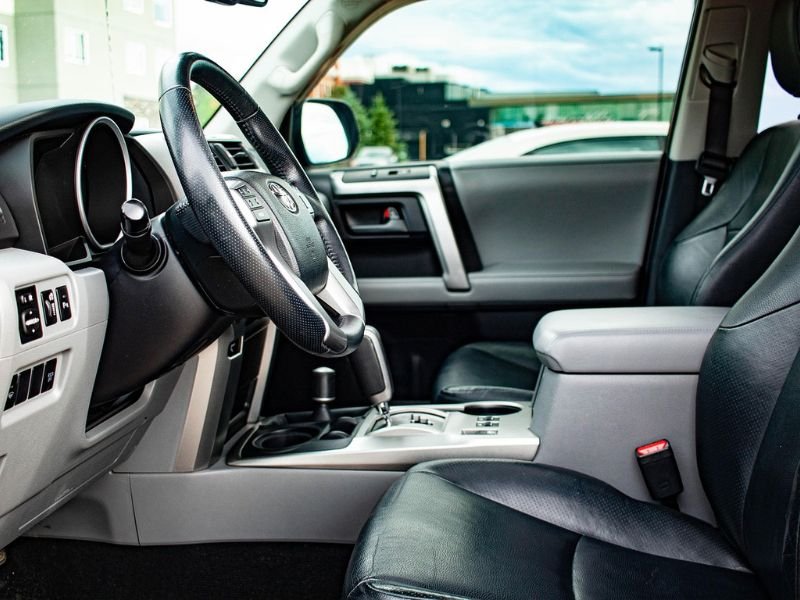
The Toyota Prius interior is designed to support comfortable, efficient, and distraction-free driving in everyday US conditions. The cabin layout focuses on practicality, with a clean design that emphasizes visibility, ease of use, and efficient space utilization. Materials and controls are arranged to create a functional environment rather than a luxury-oriented feel.
Comfort in the Toyota Prius is centered on daily usability for commuting and longer trips. Seating is supportive for regular driving, and the cabin remains quiet during low-speed operation thanks to the hybrid system. Feature availability depends on trim level, but the Prius consistently offers modern convenience and safety-focused technology that aligns with its role as a reliable and efficient hybrid car for the US market.
Interior Design and Cabin Layout
The Toyota Prius features an interior design that prioritizes simplicity and functionality for daily driving in the USA. The cabin layout is clean and well-organized, with controls placed for easy access and minimal distraction. This design approach helps drivers focus on the road while still having essential information clearly visible.
Space inside the Toyota Prius is used efficiently, allowing for a comfortable seating position and good outward visibility. The dashboard and center area are designed to feel open, which contributes to a more relaxed driving experience. Overall, the interior layout supports the Prius’s role as a practical and user-friendly hybrid vehicle.
Seating Comfort and Passenger Space
The Toyota Prius is designed to provide comfortable seating for daily commuting and regular travel in the USA. The seats offer adequate support for both short trips and longer drives, helping reduce fatigue during extended time behind the wheel. Front seating positions are easy to adjust, allowing drivers to find a relaxed and efficient driving posture.
Passenger space in the Toyota Prius is planned to maximize usability within its compact footprint. Both front and rear passengers have sufficient room for everyday travel, making the Prius suitable for small families and group commutes. Overall, the seating layout balances comfort and space efficiency, supporting the Prius’s role as a practical hybrid for daily use.
Infotainment and Connectivity Features
The Toyota Prius offers infotainment and connectivity features that support convenient and modern driving in the USA. The system is designed for ease of use, with a central display that provides access to navigation, media, and vehicle information without overwhelming the driver. Controls are laid out to keep interaction simple while driving.
Connectivity features in the Toyota Prius focus on smartphone integration and hands-free operation. These features allow drivers to manage calls, messages, and audio streaming safely while on the move. Overall, the infotainment setup complements the Prius’s practical interior by delivering essential technology that enhances daily driving without unnecessary complexity.
Toyota Prius-Specific Technology Features
The Toyota Prius includes technology features that are designed specifically to support hybrid efficiency and driver awareness. One of the key elements is the hybrid information display, which shows how power is being used between the gasoline engine and electric motor. This helps drivers understand driving efficiency and adjust their habits for better fuel economy.
The Toyota Prius also offers energy flow monitoring and efficiency-focused driving feedback, which are unique to its hybrid system. These features encourage smoother acceleration and smarter braking, helping maximize the benefits of hybrid driving. Together, these Prius-specific technologies reinforce its identity as an efficiency-first vehicle built for practical and informed driving in the USA.
Toyota Prius Cargo Space and Practicality

The Toyota Prius is designed to balance fuel efficiency with everyday practicality, making cargo space an important part of its usability in the USA. Its hatchback-style design allows for flexible storage, which is useful for groceries, luggage, and daily errands. The rear cargo area is shaped to maximize usable space rather than focusing on visual design.
Practicality in the Toyota Prius extends beyond cargo volume alone. The vehicle supports regular family use, short trips, and light travel needs without feeling restrictive. This makes the Prius a practical choice for drivers who want an efficient hybrid car that can also handle routine storage and transport requirements in daily life.
Boot Space and Cargo Capacity
The Toyota Prius offers practical boot space that suits everyday needs such as grocery shopping, work equipment, and small travel bags. Its hatchback design makes loading and unloading easier compared to traditional sedans, allowing better use of the available cargo area. The shape of the boot is optimized for usable space rather than just visual depth.
For daily use in the USA, the Toyota Prius provides enough cargo capacity for regular commuting and light trips without compromising passenger comfort. While it is not designed for heavy hauling, the cargo area supports a balanced mix of efficiency and practicality, which aligns well with the Prius’s role as a fuel-focused hybrid vehicle.
Rear Seat Folding and Storage Options
The Toyota Prius improves practicality through rear seats that can be folded down to expand the cargo area when needed. This feature allows drivers to carry longer or bulkier items without sacrificing everyday usability. The folding mechanism is designed to be simple, making it easy to switch between passenger space and additional storage.
In addition to rear seat flexibility, the Toyota Prius includes small storage areas throughout the cabin for daily items such as bags and personal belongings. These storage options support organized and convenient use, helping the Prius remain functional for commuting, errands, and light travel needs in the USA.
Everyday Usability for Families and Travel
The Toyota Prius is designed to handle everyday family needs and regular travel with ease. Its balanced interior space, comfortable seating, and practical cargo layout make it suitable for daily school runs, grocery trips, and short family outings. The hatchback design adds flexibility, which is useful for carrying strollers, bags, or travel essentials.
For travel use in the USA, the Toyota Prius offers a calm and efficient driving experience that helps reduce fatigue on longer trips. Consistent fuel efficiency and reliable performance support frequent travel without frequent fuel stops. Overall, the Prius provides dependable everyday usability for families and individuals who value efficiency, comfort, and practicality.
Toyota Prius Safety, Reliability, and Build Quality

The Toyota Prius is engineered with a strong focus on safety, long-term reliability, and consistent build quality for the US market. As a hybrid designed for everyday use, it prioritizes driver confidence, passenger protection, and dependable operation over aggressive performance. This makes the Prius a trusted option for daily commuting and long-term ownership.
Build quality in the Toyota Prius reflects Toyota’s emphasis on durability and efficient engineering. Components are designed to withstand regular use over many years, while the hybrid system is built for stable and predictable performance. Combined with a strong safety-oriented design approach, the Prius maintains a solid reputation as a reliable and well-built hybrid vehicle in the USA.
Toyota Safety Sense in Toyota Prius
The Toyota Prius comes equipped with Toyota Safety Sense, a suite of driver-assistance technologies designed to improve safety during everyday driving in the USA. These systems work together to support the driver by monitoring the road, surrounding vehicles, and potential hazards. The goal is to reduce the risk of accidents rather than replace driver control.
In the Toyota Prius, Toyota Safety Sense supports safer driving in city traffic and on highways by assisting with awareness and response. These features are especially useful during long commutes and busy driving conditions, reinforcing the Prius’s focus on practical safety and confidence behind the wheel.
NHTSA and IIHS Safety Ratings
In the United States, the Toyota Prius is evaluated by both NHTSA and IIHS, which are the primary authorities for vehicle safety testing. These organizations assess crash protection, structural strength, and the effectiveness of safety systems to determine how well a vehicle protects occupants in real-world accidents.
Within its segment, the Toyota Prius is generally positioned as a safety-focused hybrid, supported by its structural design and standard safety technologies. While safety ratings can vary by model year and testing criteria, the Prius consistently aligns with US safety expectations for compact hybrid vehicles. This reinforces its reputation as a dependable choice for drivers who prioritize safety alongside fuel efficiency and long-term reliability.
Build Quality and Long-Term Reliability
The Toyota Prius is known for build quality that emphasizes durability and consistent performance over time. Materials, components, and assembly are focused on long-term use rather than short-term visual appeal, which helps the Prius handle daily driving demands in the USA without frequent issues. This approach supports steady operation across years of ownership.
Long-term reliability is a key strength of the Toyota Prius, especially in real-world ownership scenarios. The hybrid system is engineered to operate smoothly with minimal stress on major components, contributing to dependable performance over high mileage. For buyers planning extended ownership, the Prius stands out as a hybrid vehicle designed to remain reliable, efficient, and practical over the long run.
Toyota Prius Maintenance Cost and Ownership Experience

The Toyota Prius is designed to keep maintenance predictable and manageable for long-term ownership in the USA. Its hybrid system reduces wear on certain components, such as brakes, due to regenerative braking, which can help lower routine service needs over time. Regular maintenance follows a familiar schedule similar to other Toyota vehicles, making ownership straightforward.
From an ownership perspective, the Toyota Prius is known for consistency and dependability in daily use. Drivers often experience stable performance, fewer unexpected issues, and manageable service requirements when the vehicle is properly maintained. This balance of efficiency, reliability, and reasonable upkeep contributes to a positive ownership experience for those who plan to keep the Prius for many years.
Yearly Maintenance Cost in the USA
The yearly maintenance cost of the Toyota Prius in the USA is generally considered reasonable for a hybrid vehicle. Routine services such as oil changes, tire rotations, brake inspections, and basic system checks follow standard Toyota maintenance practices. Because the hybrid system uses regenerative braking, brake wear is often lower than in traditional gasoline cars, which can reduce service frequency over time.
Overall, Toyota Prius ownership benefits from predictable maintenance rather than unexpected repairs when serviced on schedule. While costs can vary based on driving habits, location, and service provider, the Prius is positioned as a hybrid with manageable yearly upkeep. This makes it suitable for long-term ownership by drivers who want efficiency without high maintenance pressure.
Hybrid Battery Life and Replacement Cost
The Toyota Prius hybrid battery is designed for long-term use and is built to last for many years under normal driving conditions in the USA. Toyota engineers the battery system to operate within safe limits, which helps maintain performance and durability over time. With regular driving and proper maintenance, the hybrid battery is intended to support long-term ownership rather than frequent replacement.
When it comes to replacement cost, the hybrid battery is one of the most discussed aspects of Prius ownership. While replacing the battery can be expensive compared to conventional car components, it is not a common short-term expense for most owners. Advances in hybrid technology and wider availability of parts have also made battery replacement more manageable over time. As a result, the Toyota Prius remains a practical hybrid option for buyers who plan to keep their vehicle for the long run.
Service Schedule and Parts Availability
The Toyota Prius follows a service schedule that is similar to other Toyota vehicles, making routine maintenance easy to plan for US owners. Regular inspections, fluid checks, and scheduled servicing are designed to keep both the hybrid system and mechanical components running smoothly. This familiar maintenance structure helps reduce uncertainty for long-term ownership.
Parts availability for the Toyota Prius is strong across the USA due to its long presence in the market. Replacement parts for both standard components and hybrid-specific systems are widely accessible through Toyota service centers and authorized suppliers. This broad availability supports quicker servicing and helps keep maintenance practical and consistent over time.
Long-Term Ownership Experience
The Toyota Prius is well-suited for long-term ownership due to its consistent performance and efficiency-focused design. Over extended use, the hybrid system is engineered to operate smoothly without placing excessive strain on major components. This contributes to stable day-to-day performance across years of driving in the USA.
From an ownership perspective, the Toyota Prius offers predictability and reliability rather than excitement. Owners who follow regular maintenance schedules typically experience fewer unexpected issues and steady operating costs. This makes the Prius a practical choice for drivers who plan to keep their vehicle for many years and value dependable, low-stress ownership.
Toyota Prius Pros, Cons, and Honest Review
The Toyota Prius is widely known for efficiency-focused engineering and dependable hybrid performance, but like any vehicle, it comes with both strengths and limitations. An honest review of the Prius requires looking beyond fuel savings to understand how it performs in real ownership scenarios in the USA.
As a hybrid designed for daily use, the Toyota Prius excels in areas such as fuel economy, reliability, and ease of driving. At the same time, its performance-oriented compromises and design priorities may not suit every type of driver. Evaluating the pros and cons together helps buyers decide whether the Prius aligns with their driving needs, expectations, and long-term ownership goals.
Advantages of Buying Toyota Prius
The Toyota Prius offers several advantages that make it a strong choice for efficiency-focused drivers in the USA. Its hybrid system is designed to reduce fuel consumption, especially in city driving, which helps lower overall running costs. Smooth and quiet operation also adds to driving comfort during daily commutes.
Another key advantage of the Toyota Prius is its long-term reliability and proven hybrid technology. The vehicle is built for consistent performance over high mileage, supported by strong parts availability and predictable maintenance. Combined with a comfortable driving experience and practical usability, these strengths make the Prius a dependable option for long-term hybrid ownership.
Disadvantages You Should Know
The Toyota Prius also has some limitations that buyers should consider before making a decision. Its performance is tuned for efficiency rather than speed, which means acceleration and driving excitement may feel limited compared to non-hybrid or performance-oriented vehicles. Drivers who prefer a more engaging or powerful driving experience may find the Prius less appealing.
Another drawback is the higher upfront cost compared to traditional gasoline compact cars. While long-term fuel savings can balance this over time, the initial purchase price may not suit every budget. Additionally, the design and driving feel of the Toyota Prius are clearly focused on practicality, which may not match the expectations of buyers looking for a more premium or sporty vehicle.
Common Myths About Toyota Prius Ownership
There are several common myths about Toyota Prius ownership that often create confusion among buyers in the USA. One frequent misconception is that hybrid cars are complicated to drive or maintain, when in reality the Prius operates automatically and follows a straightforward maintenance routine similar to other Toyota vehicles.
Another myth is that the Toyota Prius is only suitable for short city trips. In practice, it performs reliably in both city and highway driving, offering stable performance for daily use and longer journeys. Misunderstandings about hybrid durability also exist, but the Prius is designed for long-term use, making it a practical and dependable option rather than a risky ownership choice.
Toyota Prius vs Other Hybrid Cars in the USA
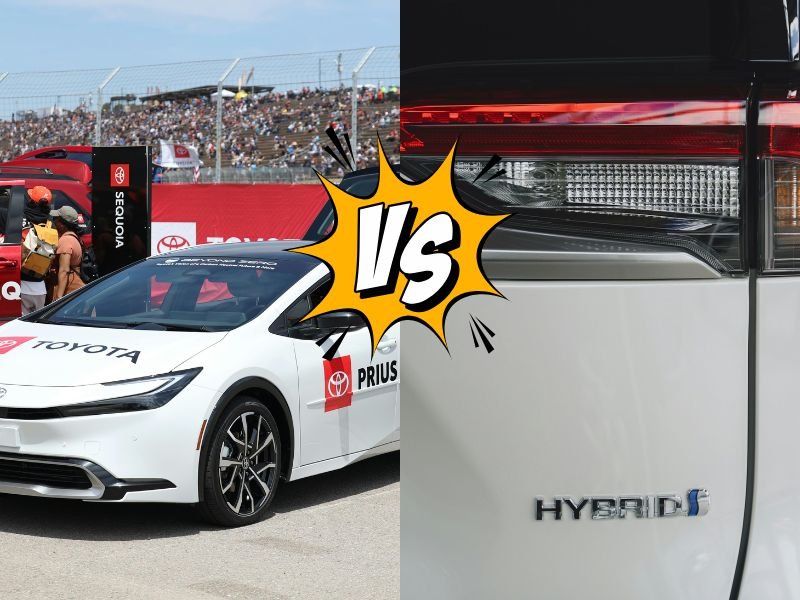
In the US hybrid market, the Toyota Prius is often used as a reference point when comparing fuel-efficient vehicles (such as those discussed in the Toyota Corolla Review (USA). Its long history and focus on hybrid-only engineering set it apart from many competitors that offer hybrids as part of a broader lineup. Rather than prioritizing performance or luxury, the Prius centers on efficiency, reliability, and predictable ownership.
When compared with other hybrid cars in the USA, the Toyota Prius stands out for its balanced approach to daily usability and long-term value. While newer hybrids may offer different styling or features, the Prius continues to appeal to buyers who want proven hybrid technology and consistent real-world efficiency. This makes it a benchmark model in hybrid comparisons across the US market.
Toyota Prius vs Corolla Hybrid
The Toyota Prius and Corolla Hybrid both use Toyota’s hybrid technology. Still, they are built with different priorities for the US market (as also explained in the Toyota Corolla Hybrid Review (USA) The Prius is developed as a hybrid-first vehicle. At the same time, the Corolla Hybrid adapts hybrid technology into a traditional compact sedan format. This difference affects efficiency focus, driving feel, and overall positioning.
| Comparison Area | Toyota Prius | Corolla Hybrid |
|---|---|---|
|
Hybrid focus |
Purpose-built hybrid model |
Hybrid version of a standard sedan |
|
Fuel efficiency priority |
Higher, efficiency-first design |
Balanced between efficiency and familiarity |
|
Driving character |
Calm, smooth, efficiency-oriented |
More traditional sedan-like feel |
|
Body style |
Hatchback |
Sedan |
|
Buyer profile |
Fuel-saving, eco-focused drivers |
Buyers wanting a normal car feel with hybrid benefits |
In summary, the Toyota Prius suits drivers who want maximum efficiency and a hybrid-optimized driving experience. The Corolla Hybrid is better for those who prefer a familiar compact sedan feel while still enjoying the benefits of hybrid technology.
Toyota Prius vs Hyundai Ioniq Hybrid
The Toyota Prius and Hyundai Ioniq Hybrid are both popular hybrid cars in the USA, but they follow different design and ownership philosophies. While both aim to reduce fuel consumption, their approach to hybrid driving and long-term usability is not the same.
| Comparison Area | Toyota Prius | Hyundai Ioniq Hybrid |
|---|---|---|
|
Hybrid design focus |
Purpose-built hybrid platform |
Hybrid adapted into a conventional design |
|
Driving character |
Smooth, calm, efficiency-focused |
Balanced with a slightly more conventional feel |
|
Long-term reliability focus |
Strong emphasis on durability and longevity |
Focus on modern features and styling |
|
Ownership mindset |
Proven hybrid ownership experience |
Tech-focused hybrid alternative |
|
Buyer preference |
Efficiency-first, long-term owners |
Buyers wanting modern design with hybrid benefits |
Overall, the Toyota Prius appeals to US buyers who value proven hybrid engineering, long-term reliability, and predictable ownership. The Hyundai Ioniq Hybrid suits drivers who want competitive efficiency combined with a more modern design approach and contemporary features.
Toyota Prius vs Other Compact Hybrids
In the US market, the Toyota Prius competes with several compact hybrid cars, each offering different priorities in efficiency, driving feel, and ownership focus (including models covered in the Toyota Corolla Hatchback Review). The Prius is developed as a hybrid-first vehicle, while many other compact hybrids adapt hybrid systems into existing gasoline platforms. This difference affects real-world efficiency and long-term usability.
| Comparison Area | Toyota Prius | Other Compact Hybrids |
|---|---|---|
|
Hybrid development approach |
Purpose-built hybrid platform |
Hybrid added to conventional platforms |
|
Efficiency focus |
Strongly efficiency-oriented |
Balanced between efficiency and performance |
|
Driving character |
Calm, smooth, predictable |
Often more conventional or sporty |
|
Long-term ownership |
Proven hybrid durability |
Varies by brand and model |
|
Buyer type |
Fuel-saving, reliability-focused drivers |
Buyers wanting hybrid benefits with different styling or feel |
Overall, the Toyota Prius stands out among compact hybrids for its consistent efficiency and long-term hybrid reliability. Other compact hybrids may appeal to drivers who want different styling or driving dynamics, but the Prius remains a benchmark choice for efficiency-focused ownership in the USA.
Who Should Buy Toyota Prius in the USA

The Toyota Prius is best suited for drivers in the USA who prioritize fuel efficiency, reliable daily driving, and long-term ownership value. It is designed for people who want lower fuel usage and predictable running costs without moving to a fully electric vehicle. The Prius fits well into everyday routines rather than performance-focused driving.
This hybrid car appeals to buyers who spend significant time in city traffic, commute regularly, or want an eco-friendly option with proven technology (rather than larger sedans like those discussed in the Toyota Camry Review (USA)). Drivers who value comfort, smooth driving, and dependable operation over aggressive acceleration or luxury features are more likely to find the Toyota Prius a suitable match for their needs.
Best for City Commuters
The Toyota Prius is an ideal choice for city commuters in the USA because its hybrid system performs best in stop-and-go traffic. At lower speeds, the Prius can rely more on electric power, which helps reduce fuel consumption and engine noise during daily urban commutes. This makes city driving smoother and more efficient.
Frequent braking in city traffic also benefits the Toyota Prius through energy recovery, improving overall efficiency. Combined with easy handling and a calm driving experience, the Prius suits commuters who want a reliable, fuel-saving vehicle for everyday city travel.
Best for Fuel-Saving Buyers
The Toyota Prius is especially suitable for buyers in the USA who place fuel savings at the top of their priorities. Its hybrid system is engineered to minimize gasoline use by maximizing electric assistance during everyday driving. This approach helps reduce fuel expenses over time, particularly for drivers with regular commuting needs.
For fuel-conscious buyers, the Toyota Prius delivers consistent efficiency without requiring changes in driving habits or charging routines. The combination of low fuel consumption and stable real-world performance makes it a practical option for those looking to control long-term running costs while maintaining reliable daily transportation.
Best for Environment-Conscious Drivers
The Toyota Prius is well-suited for environment-conscious drivers in the USA who want to reduce their environmental impact without switching to a fully electric vehicle. Its hybrid system lowers fuel consumption and tailpipe emissions compared to conventional gasoline cars, especially in city driving where electric power is used more frequently.
For drivers who value eco-friendly transportation, the Toyota Prius offers a practical balance between sustainability and everyday usability. It allows environmentally aware buyers to make a responsible choice while still enjoying reliable performance, comfort, and long-term ownership stability.
Is Toyota Prius Worth Buying in the USA
Deciding whether the Toyota Prius is worth buying in the USA depends on a buyer’s priorities and driving needs. The Prius is engineered with efficiency and reliability at its core, making it a strong choice for those who value long-term fuel savings and dependable daily performance over performance-oriented features.
For drivers focused on predictable operating costs, lower fuel consumption, and a calm driving experience, the Toyota Prius delivers consistent value. Its hybrid system and practical design meet the needs of many American commuters and efficiency-focused buyers. When evaluated as a complete package—fuel economy, reliability, and usability—the Prius remains a compelling option for hybrid buyers in the USA.
Who Should Avoid Toyota Prius
The Toyota Prius may not be the right choice for drivers in the USA who prioritize strong acceleration, sporty handling, or an engaging driving feel. Its performance is tuned for efficiency and smoothness rather than excitement, which may not satisfy buyers looking for a more dynamic or powerful driving experience.
Drivers who frequently carry heavy loads or expect premium interior materials and luxury-focused features may also find the Toyota Prius less suitable. While it excels in efficiency and reliability, it is designed as a practical hybrid rather than a performance-oriented or luxury vehicle, making it less ideal for buyers with those expectations.
Best Toyota Prius Trim to Buy
For most buyers in the USA, the best Toyota Prius trim is the one that balances efficiency, essential features, and overall value rather than premium add-ons. Mid-level trims are often the most practical choice because they include useful comfort and technology upgrades without significantly increasing the purchase price. This makes them suitable for daily commuting and long-term ownership.
Buyers who want the lowest upfront cost and maximum fuel efficiency may prefer the base trim, as it delivers the core Prius hybrid experience without unnecessary extras. Higher trims are better suited for drivers who value added convenience and interior upgrades, but from a value-focused perspective, a well-equipped mid-level Toyota Prius trim usually offers the best overall balance for US buyers.
Value for Money Analysis
The Toyota Prius delivers value for money in the USA by focusing on long-term benefits rather than short-term cost savings. Its pricing reflects the inclusion of proven hybrid technology, standard safety features, and efficient engineering designed to reduce fuel usage over time. This makes the Prius a cost-effective option when evaluated beyond the initial purchase price.
From an ownership perspective, the Toyota Prius balances fuel savings, predictable maintenance, and long-term reliability. For buyers who plan to keep their vehicle for several years, these factors help offset the upfront cost. When efficiency, durability, and everyday usability are considered together, the Prius offers solid overall value for money in the US market.
Toyota Prius FAQs
This section addresses common questions that US buyers often search for when researching the Toyota Prius. These FAQs focus on real ownership concerns such as reliability, fuel efficiency, maintenance, and long-term usability. The goal is to provide clear, experience-based answers that help readers quickly understand whether the Toyota Prius fits their needs.
By covering search-intent-driven questions, this section supports informed decision-making for buyers who want practical insights rather than specifications alone. It also reflects real-world considerations faced by Toyota Prius owners in the USA.
Is Toyota Prius reliable in the USA?
The Toyota Prius is widely regarded as a reliable hybrid vehicle in the USA due to its proven engineering and long-standing presence in the market. Its hybrid system is designed for stable operation under daily driving conditions, and the overall vehicle focuses on durability rather than high-stress performance. With regular maintenance, the Prius is built to deliver consistent and dependable service over time.
What is the real mileage of Toyota Prius?
In real-world daily driving, the Toyota Prius delivers strong fuel efficiency that aligns well with its efficiency-focused design. Mileage can vary based on traffic conditions, driving style, and road type, but the Prius performs best in city and mixed driving where the hybrid system can use electric power more frequently. This makes it one of the most fuel-efficient non-plug-in cars for everyday use in the USA.
How long does a Toyota Prius hybrid battery last?
The hybrid battery in the Toyota Prius is engineered for long-term use and is designed to last many years under normal driving conditions. Toyota’s hybrid management system controls charging and discharging carefully to protect battery health. For most owners, the hybrid battery supports long-term ownership without becoming an early replacement concern.
Is the Toyota Prius expensive to maintain?
The Toyota Prius is not considered expensive to maintain compared to other vehicles in the hybrid segment. Routine maintenance follows standard Toyota service practices, and regenerative braking helps reduce wear on brake components. As a result, ongoing maintenance remains predictable and manageable for most US owners.
Is Toyota Prius good for long-term ownership?
The Toyota Prius is well-suited for long-term ownership in the USA because it combines fuel efficiency, reliability, and consistent performance. Owners who follow regular service schedules typically experience stable running costs and dependable operation over the years. This makes the Prius a practical choice for buyers planning to keep their vehicle for extended periods.
Final Buying Verdict for Toyota Prius (USA)
The Toyota Prius stands out in the US market as a hybrid car built around efficiency, reliability, and long-term usability. Its design, hybrid system, and ownership-friendly nature make it a sensible option for drivers who want lower fuel consumption and predictable running costs without moving to a fully electric vehicle.
As a complete package, the Toyota Prius delivers consistent value through dependable performance, practical comfort, and proven hybrid technology. For buyers who prioritize fuel savings, smooth daily driving, and long-term ownership stability, the Prius remains a strong and practical choice in the USA.
Should You Buy Toyota Prius in 2025?
Deciding whether to buy the Toyota Prius in 2025 depends on your priorities as a driver in the USA. If fuel efficiency, long-term reliability, and practical daily usability are at the top of your list, then the Prius remains a strong contender. Its hybrid system continues to offer predictable performance without requiring charging infrastructure, which suits drivers who want efficiency without the complexity of fully electric vehicles.
For buyers focused on a calm, cost-conscious driving experience and dependable ownership, the Toyota Prius offers clear benefits in 2025. However, if your priorities lean toward sportier performance or the latest luxury features, other options may better match those preferences. Overall, the Prius remains worth considering for efficiency-driven buyers in the current US market.
Final Recommendation for US Buyers
The Toyota Prius is best recommended for US buyers who prioritize fuel efficiency, dependable performance, and long-term ownership value. It suits drivers who want a reliable hybrid for daily commuting, regular travel, and predictable running costs without the need for charging infrastructure.
For buyers focused on practicality, smooth driving, and proven hybrid technology, the Toyota Prius remains a sensible and well-balanced choice. It may not appeal to performance-focused or luxury-oriented drivers, but for efficiency-driven ownership in the USA, the Prius continues to be a reliable and practical option.