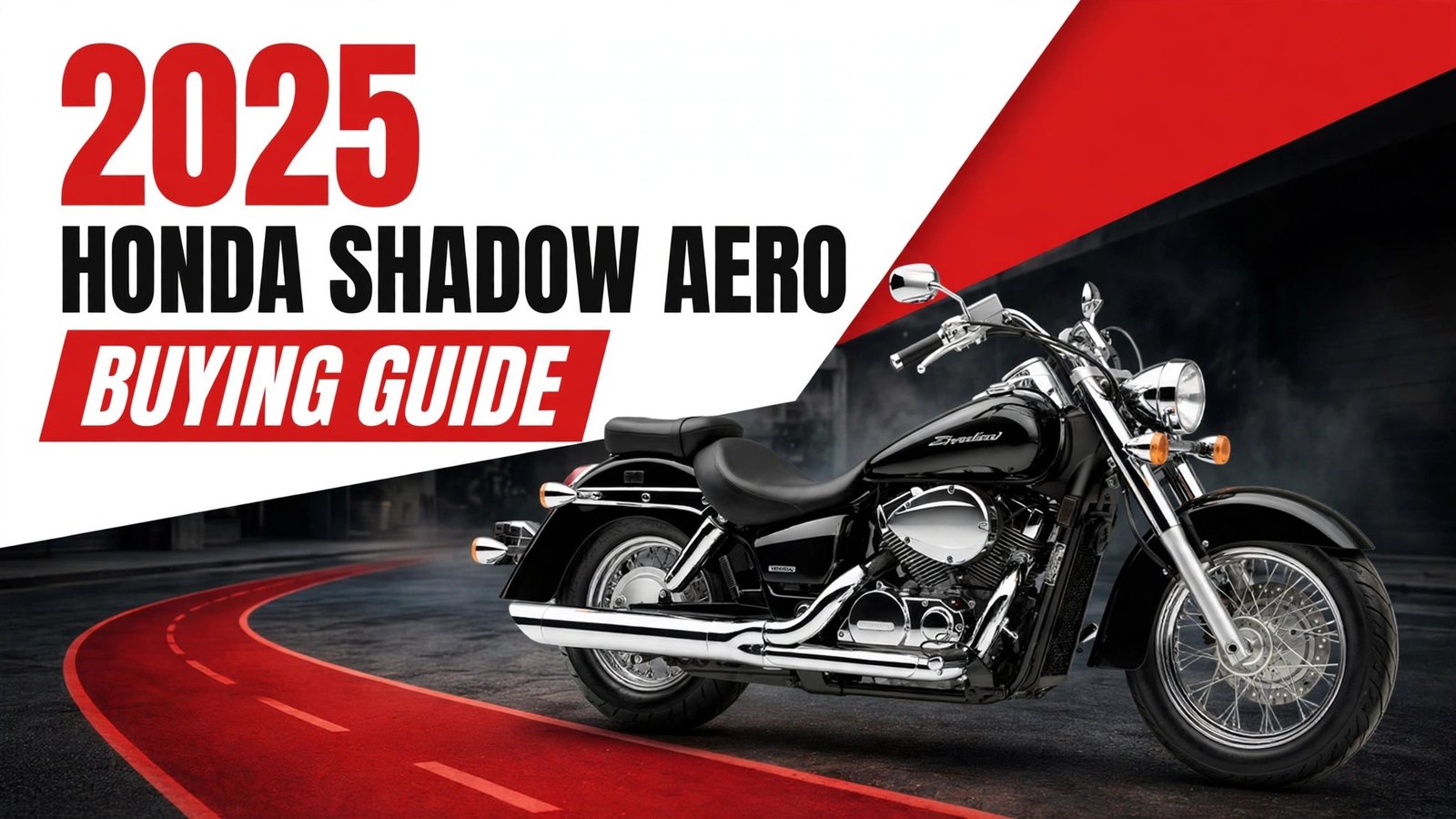
If you want a classic-looking, low-seat, shaft-drive cruiser without paying Harley money, this Honda Shadow Aero buying guide starts with one blunt fact: you can only buy it used. Honda sold its last new Shadow Aero for 2025, priced at $7,949, and there is no Honda-announced 2026 model.
The short version of this Honda Shadow Aero buying guide: buy a 2011-or-newer fuel-injected bike for easy starts, buy a 2004–2009 carbureted bike if you love the price, and check every 2024–2025 bike against the fuel-pump recall before you pay. There was no 2021 Aero, so any claimed 2021 needs a VIN check.
Honda Shadow Aero Price and Market Availability
The Aero changed little across its long run, so condition and mileage matter far more than model year in this Honda Shadow Aero buying guide.
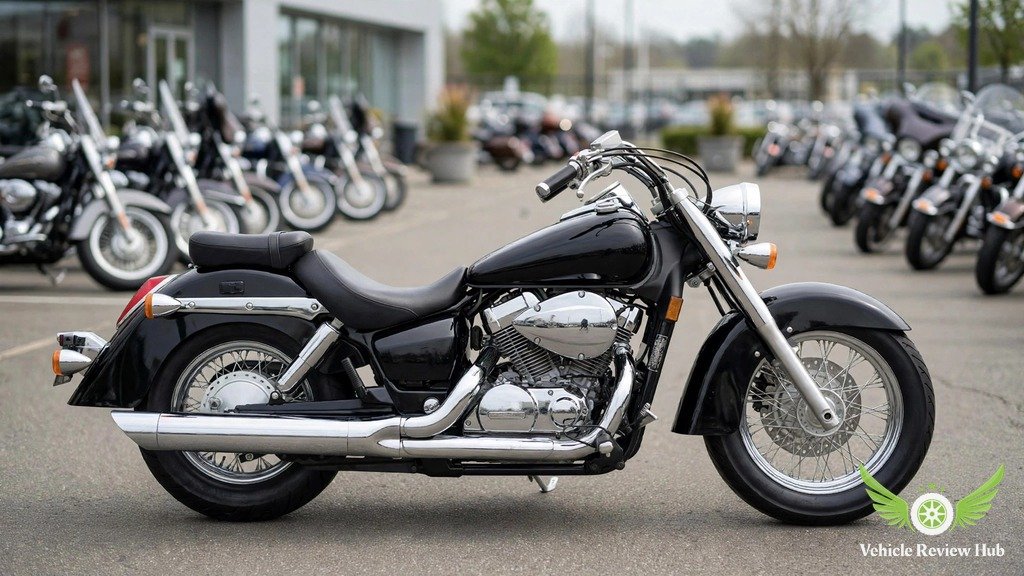
What Does a Used Honda Shadow Aero Cost in the USA by Era?
Three eras cover nearly every Aero you will meet. Early carbureted bikes (2004–2009) are the cheapest way in, mid-era fuel-injected bikes (2011–2023) are the sweet spot, and late bikes (2024–2025) cost the most but bring a rear disc brake on every trim.
| Era | Typical asking range (Nov 2026) | What you get |
|---|---|---|
| 2004–2009 carbureted | $2,700–$5,500 | Carburetor, rear drum, lowest buy-in |
| 2011–2023 fuel-injected | $3,000–$6,500 | PGM-FI, drum or disc (ABS trim) |
| 2024–2025 late models | $5,995–$7,499 | Rear disc on all trims, newest condition |
The examples in this Honda Shadow Aero buying guide: A 2005 Aero was listed at $2,699, 2007 bikes at $2,999–$3,250, and 2009 bikes at $4,199–$4,750.
Fuel-injected examples in this Honda Shadow Aero buying guide include 2011 bikes at $3,999–$4,699, a private-party 2015 with just 4,541 miles at $3,000, and a dealer 2016 with 1,626 miles at $4,190 from J&J Motors in Massillon, Ohio. A used 2024 with only 869 miles was listed at $5,995 by Chase Motorsports in Paducah, Kentucky, and a leftover-new 2024 ABS model was advertised at $6,998 by I-90 Motorsports in Issaquah, Washington, against its $8,249 list price.
Carbureted Bikes From Around $1,900 and Late Models Near $7,500
This heading deserves an honest correction, because this Honda Shadow Aero buying guide could not verify its first figure. No carbureted Aero asking near $1,900 turned up in the November 2026 snapshot; the lowest carb-era ask found was $2,699 for a 2005, and TopSpeed’s used-cruiser guide puts used Shadows generally from $2,800 upward. Budget $2,700 as the realistic floor, and $3,000–$5,000 for a clean one.
The second half of the heading holds up better. Late models near $7,500 are real, but this Honda Shadow Aero buying guide frames the number as the top of the band: the $6,998 leftover-new 2024 ABS bike and a handful of $7,499 dealer asks bracket it, while TopSpeed notes fairly low-mileage 2024–2025 models selling for as low as $6,000. In practice, a late Aero costs $6,000–$7,500.
Honda Shadow Aero Insurance and Ownership Costs
Insurance is where this Honda Shadow Aero buying guide has to be blunt: no Aero-specific US insurance average exists in any published source this Honda Shadow Aero buying guide could find.
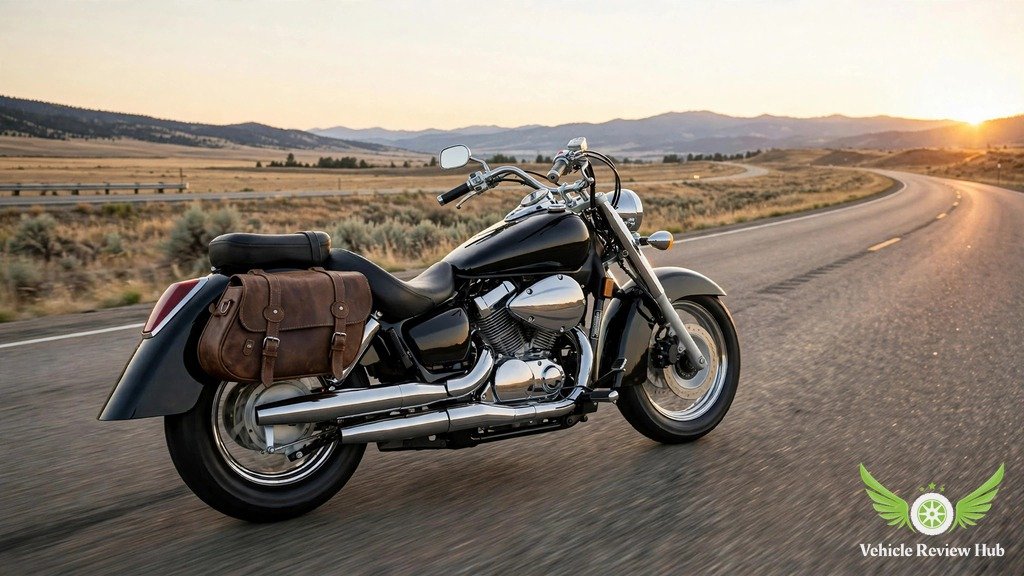
Why No Aero-Specific Insurance Figure Exists and Quote Factors
The closest usable benchmark in this Honda Shadow Aero buying guide comes from MoneyGeek’s motorcycle insurance study, and it is a Rebel 500 figure, not an Aero quote: about $141 per year for liability-only and about $364 per year for full coverage, for a 40-year-old rider with a clean record on a 2018 Rebel 500. Your quote will differ by age, location, history, garaging, mileage, and deductibles, and the ABS trim matters: tell your insurer whether the bike is a VT750CS (ABS) or a VT750C (non-ABS), Get quotes from three companies before you buy, advises this Honda Shadow Aero buying guide.
How to Estimate Fuel, Maintenance, Parts and Other Ownership Expenses
Fuel is cheap on an Aero. Cycle World’s 2024 buyer’s guide lists 3.9 gallons, while older spec sheets list 14 litres, which is 3.7 US gallons, so plan on 3.7–3.9 gallons and a planning figure of about 50 mpg, giving 185–195 miles per tank before reserve. That planning figure is a budgeting estimate in this Honda Shadow Aero buying guide, not a tested claim.
Maintenance is where the Aero earns its reputation. The shaft drive needs no chain work, but the final-drive oil still needs changing, and the VT750 service pattern calls for valve inspection every 8,000 miles, Budget for tires roughly every 8,000–12,000 miles, and set aside roughly $300–$600 a year for routine shop maintenance, as this Honda Shadow Aero buying guide recommends. Parts support remains good: Honda still supports the VT750 family.
How to Inspect a Used Honda Shadow Aero
A used Aero rewards a slow inspection and punishes a rushed one. This section of the Honda Shadow Aero buying guide gives you the two recall checks first, because they can stop a sale outright, then the hands-on checklist in this Honda Shadow Aero buying guide.
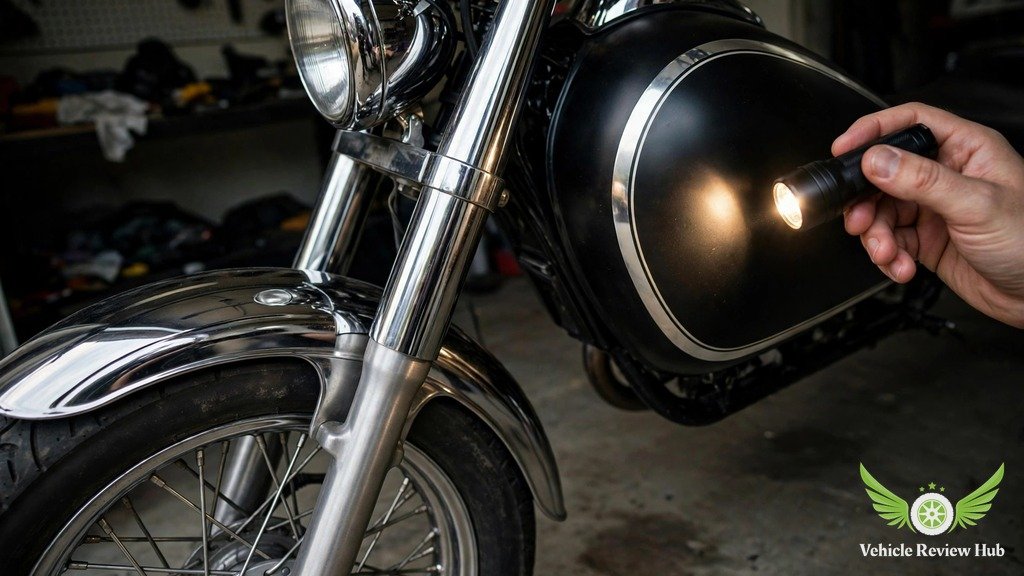
Checking VIN Recall Status Including Fuel Pump Recall 26V633
Run the VIN through the NHTSA recalls lookup and Honda’s own recall search before you pay anything. The big one is fuel-pump recall 26V633, and the Aero’s place in it is verified in this Honda Shadow Aero buying guide rather than assumed from the Phantom. The campaign covers 4,206 motorcycles: 3,386 certain 2024–2025 VT750 models, built from March 24, 2023 to January 17, 2025, plus 820 Fury VT1300CX models.
The VT750 family covers the Aero (VT750C/CS) and Phantom, and Honda has not published an Aero-only count inside the 3,386, so never let a seller claim the whole figure is Aeros. The defect is a faulty fuel pump (part 16700-HN8-6011-M1) that can stall the engine, declared September 24, 2026, letters phasing from November 27, 2026, a stop sale on certain new and used 2024–2025 VT750 bikes until the pump is replaced, 48 claims, no injuries, and a free repair. The recall acknowledgement confirms the scope for this Honda Shadow Aero buying guide.
One timing detail is easy to get wrong: Honda’s bulletin puts Aero parts (VT750C/S codes) in November 2026, while the Phantom codes (VT750CBS/C2B) wait until January 2027, so an Aero seller quoting January is giving you the Phantom’s date, warns this Honda Shadow Aero buying guide.
The older recall to check is 08V141, covering certain 2007–2008 VT750 bikes inside a 38,934-unit multi-model campaign. The defect is an improperly manufactured petcock diaphragm that can drip fuel, creating a fire risk near an ignition source, and the remedy is a free diaphragm replacement through Honda (866-784-1870). Not every 2007–2008 Aero is inside the recall, and one owner’s record shows a leaking 2007 VT750 petcock whose VIN was not in 08V141, so a clean lookup never excuses skipping the physical petcock check below, stresses this Honda Shadow Aero buying guide.
Inspecting Carb Condition, Shaft Drive, Spokes, Chrome and Fenders
Start cold. A carbureted Aero should start on choke, settle to a steady idle. On any carb bike, smell for fuel around the petcock, look for drips or staining under the fuel valve, ask when the carburetor was last cleaned. On the shaft drive, check the final-drive oil level and condition, ask for evidence of spline lubrication, since shaft drive is low-maintenance, not no-maintenance, notes this Honda Shadow Aero buying guide.
Then work the Aero’s signature parts. Spin each wheel and check every spoke for looseness, breakage, or rust, because a rusted spoked set is a safety item, not cosmetics. Run your hand over the chrome, especially the fenders, headlight shell, and exhaust, looking for pitting, flaking, and crash rash. Check both fenders for dents, cracks, and loose mounts, Finish with tire age codes, fork seals, and brake wear, advises this Honda Shadow Aero buying guide.
Honda Shadow Aero Model Years and Features to Compare
Carbureted bikes ran from 2004 through 2009, the line returned fuel-injected from 2011, and it ran to the final 2025 model year. The sibling Shadow Aero review covers how those years ride; this Honda Shadow Aero buying guide focuses on what to pay for and what to check.
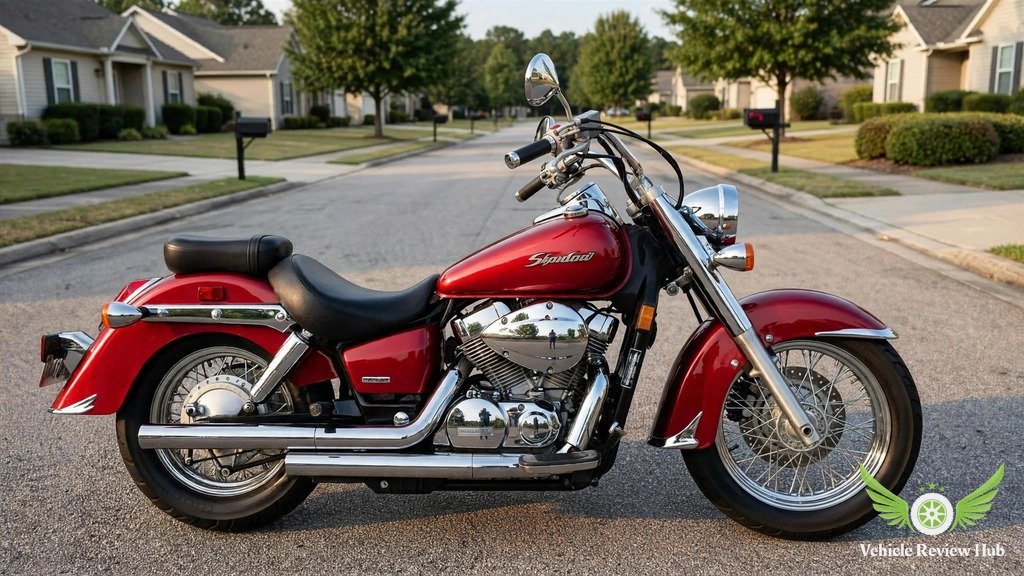
Comparing Carbureted 2004-2009 Bikes With Fuel-Injected 2011-On Models
Carbureted Aeros are simpler and cheaper: a single carburetor, no fuel pump or injectors to fail, and a huge base of owners who know the bike, in exchange for choke starts, warm-up time, and periodic carb cleaning, especially after storage. Fuel-injected bikes from 2011 onward start instantly in any weather and need no jetting changes, which is why this Honda Shadow Aero buying guide steers most first-time buyers to 2011-or-newer bikes even though they cost more. Power is a wash: Honda publishes no horsepower figure, secondary sources quote roughly 43–45 hp, so buy on condition, not on a horsepower boast, concludes this Honda Shadow Aero buying guide.
One gap-year warning belongs in this Honda Shadow Aero buying guide. A few secondary write-ups credit 2010 with fuel injection, but that year lines up with the fuel-injected Phantom’s debut, not an Aero model year, and no 2010 Aero appears in Honda’s US Aero run, which jumps from the 2009 carbureted bike to the 2011 fuel-injected return. If a seller advertises a 2010 Shadow Aero, verify the VIN and the VT750C/VT750CS model code before you pay. The same applies to 2021: Honda skipped production that year on both Shadow lines, so any claimed 2021 Aero is a VIN-check case, warns this Honda Shadow Aero buying guide.
Which Features Matter Most: ABS Trim and Rear Disc or Drum by Year?
Two hardware questions decide most of the money in this Honda Shadow Aero buying guide: does it have ABS, and does the rear brake use a disc or a drum? Before 2024 the answer split by trim. The base Aero (VT750C) used a rear drum brake, while the ABS trim (VT750CS) used a 276mm rear disc, For 2024 that split ended: Cycle World’s 2024 buyer’s guide lists a 276mm rear disc on the Aero generally, so a 2024 buyer gets a rear disc on both trims, and this Honda Shadow Aero buying guide rates that change alone as the strongest practical reason to stretch to a 2024.
| Model year | Fuel system | Rear brake | List price (when new) |
|---|---|---|---|
| 2004–2009 | Carburetor | Drum | Varied (used only now) |
| 2011–2023 | PGM-FI | Drum (base) / 276mm disc (ABS) | 2023: $7,799 |
| 2024 | PGM-FI | 276mm disc (both trims) | $7,949 / $8,249 ABS + $600 dest. |
| 2025 (final year) | PGM-FI | 276mm disc | $7,949 |
Price history helps you judge whether a used ask is fair. The 2023 Aero listed at $7,799 in Ultra Blue Metallic, the 2024 listed at $7,949 or $8,249 for the ABS trim plus $600 destination, in Black only, and the final 2025 listed at $7,949.
Honda Shadow Aero vs Honda Shadow Phantom: Which One to Buy in the USA
The Aero and the Phantom are fraternal twins, and this Honda Shadow Aero buying guide keeps the comparison fair. Both use the same 745cc liquid-cooled 52-degree V-twin, five-speed gearbox, and shaft drive.
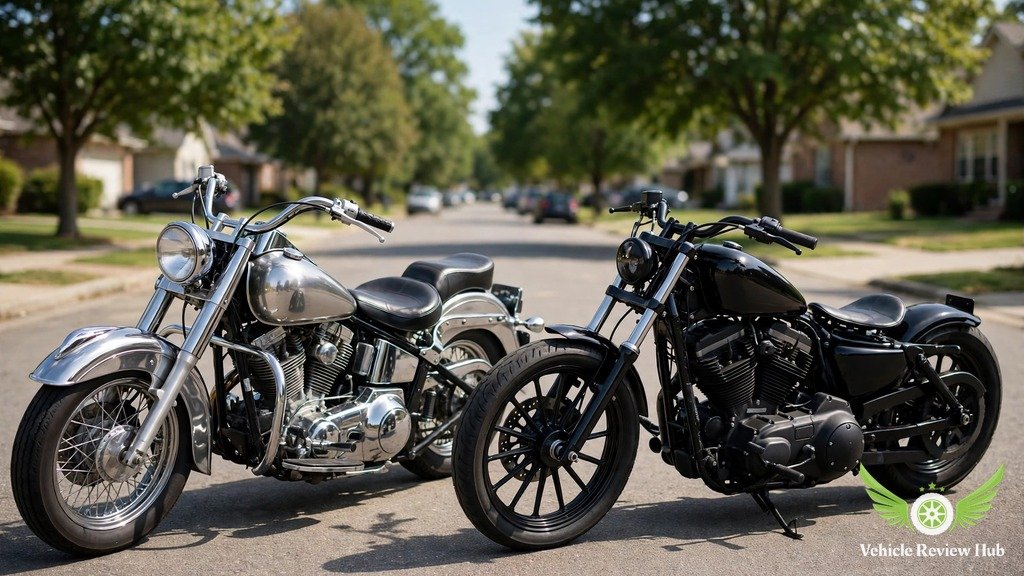
Aero Retro Chrome Style Against the Phantom Blacked-Out Bobber Look
The Aero is the retro one: full fenders, generous chrome, a teardrop tank, floorboards, and a two-up seat. The Phantom is the bobber: blacked-out bodywork, short chopped fenders, and a leaner solo look. The measurements in this Honda Shadow Aero buying guide follow the styling: the Aero’s seat sits at roughly 26.0 inches against the Phantom’s 25.6, the Aero weighs about 560 pounds (570 with ABS) against the Phantom’s 543 (553 with ABS), and the Aero’s two-up seat makes it the better two-up starting point. The Phantom’s final 2025 price was $8,699 plus $600 destination as a single ABS-only trim, against the Aero’s $7,949. Buy the Aero if you love chrome or carry a passenger; for the blacked-out solo look, the Shadow Phantom review is next, advises this Honda Shadow Aero buying guide.
When a Rebel 500, Vulcan S or Super Meteor 650 Makes More Sense
Three rivals beat the Aero for specific buyers in this Honda Shadow Aero buying guide. The Honda Rebel 500 makes more sense if you are newer, shorter, or budget-focused: the 2026 model lists at $6,799 plus destination with ABS standard, The Kawasaki Vulcan S makes more sense if you want modern adjustability and a sportier engine: the 2026 lists at $7,649, or $8,149 with ABS, plus $685 destination, but note the real curb weights are 492 pounds without ABS and 498 with it, not the 461–468 pound dry weights quoted online. The Royal Enfield Super Meteor 650 makes more sense if you want a brand-new retro cruiser at Aero money: the 2026 lists at $7,899 plus $545 destination, with a 648cc parallel twin making about 47 hp, notes this Honda Shadow Aero buying guide.
Is Buying a Used Honda Shadow Aero Worth It?
Yes, with two conditions attached. A clean fuel-injected bike at $4,000–$6,000 gives you Honda reliability, shaft drive, a low seat, and classic styling for less than any comparable new cruiser, says this Honda Shadow Aero buying guide.
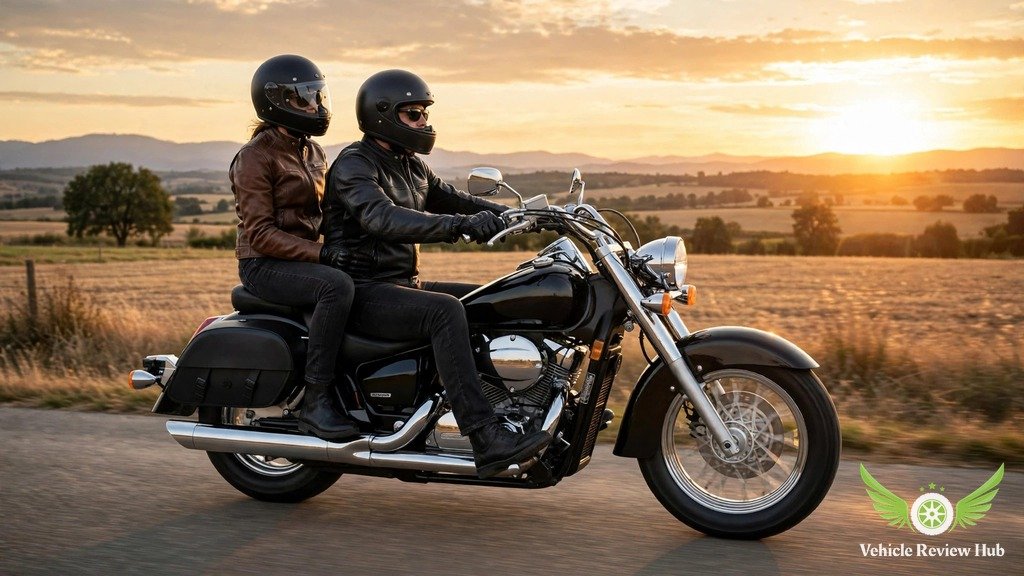
Benefits and Risks: Discontinued After 2025 and No 2021 Model Year
Benefits: a proven VT750 platform, no chain maintenance, and a comfortable two-up seat. Discontinuation after 2025 means no new supply and thinning dealer stock, The missing 2021 model year means any claimed 2021 bike is a red flag until the VIN proves otherwise. The 26V633 stop sale means a 2024–2025 bike with an open recall cannot legally be sold until the pump is replaced, And carbureted bikes bring age, so a cheap early bike can become an expensive one if the inspection is skipped.
US-Market Alternatives: Shadow Phantom, Rebel 500 and Vulcan S
If the Aero you find fails inspection or the price is wrong, the Shadow Phantom is the same bike in blacked-out bobber clothes, and a clean used Phantom is the closest possible substitute. The Rebel 500 is the smarter buy for a new or shorter rider, with a lower price, standard ABS, and far less weight, and the Rebel 500 review lays out that case in full. The Vulcan S is the pick for modern ergonomics and a livelier engine, If none of those fits, wait for the right Aero, advises this Honda Shadow Aero buying guide.
Honda Shadow Aero Buying Guide FAQs
These are the questions used Aero shoppers actually ask, answered directly from the research in this Honda Shadow Aero buying guide.
How much does a used Honda Shadow Aero cost?
November 2026 asking prices run from about $2,700 for a rough early carbureted bike to about $7,000 for a leftover-new or low-mileage late model. Clean fuel-injected bikes mostly sit between $4,000 and $6,000, and late bikes run $6,000–$7,500, per this Honda Shadow Aero buying guide.
Can you really buy a carbureted Shadow Aero for $1,900?
No verified listing near $1,900 turned up in the November 2026 snapshot. The lowest carb-era ask found was $2,699 for a 2005, and the used-cruiser guide puts used Shadows from $2,800 upward, per this Honda Shadow Aero buying guide.
What is the newest Shadow Aero you can buy?
The 2025 model year, listed at $7,949, is the last new Aero; Honda has announced no 2026 model, notes this Honda Shadow Aero buying guide.
Was there a 2021 Honda Shadow Aero?
No. Honda skipped model year 2021 on both Shadow lines, then built a 2022 model that rolled into 2023, notes this Honda Shadow Aero buying guide.
Is the Shadow Aero affected by the fuel pump recall 26V633?
Certain 2024–2025 VT750 models are, and the Aero is inside the VT750 family, so check your VIN. The campaign covers 3,386 certain 2024–2025 VT750 bikes plus 820 Furys, the repair is free, and Aero parts were expected in November 2026, notes this Honda Shadow Aero buying guide.
Does the Shadow Aero have ABS?
It depends on trim and year. The ABS trim carries the VT750CS code against the base bike’s VT750C, and ABS was a $300 option in 2024 ($8,249 against $7,949). Verify ABS by model code and hardware, advises this Honda Shadow Aero buying guide.
Should I buy a carbureted or fuel-injected Shadow Aero?
Buy fuel-injected (2011 or newer) for easy starts and low fuss. Buy carbureted (2004–2009) if the price is right and you accept choke starts, warm-up time, and periodic carb cleaning, advises this Honda Shadow Aero buying guide.
How much does Honda Shadow Aero insurance cost?
No Aero-specific US average exists in any published source this Honda Shadow Aero buying guide could find, so no single premium is quoted here as an Aero figure. The closest labelled benchmark is a Rebel 500 number from MoneyGeek, about $141 a year for liability-only and $364 for full coverage.
What should I check first when inspecting a used Aero?
Check the VIN against recalls 26V633 and 08V141 first, then start the bike cold, check the petcock for drips, inspect the shaft final drive, spin the wheels for loose spokes, and examine the chrome and fenders in daylight.
How far can a Shadow Aero go on a tank?
Plan on roughly 185–195 miles before reserve, using 3.9 gallons from Cycle World’s 2024 guide (older sheets list 3.7) and a planning figure of about 50 mpg.
Is the Shadow Aero good for two-up riding?
Yes. Its genuine two-up seat, floorboards, low 26-inch seat height, and stable shaft-drive chassis make it one of the better middleweight two-up cruisers.
Should I buy the Aero or the Phantom?
Buy the Aero if you love chrome, full fenders, and the classic retro silhouette, or if you ride two-up. Buy the Phantom if you prefer the blacked-out bobber look and ride solo; its seat is slightly lower at 25.6 inches.