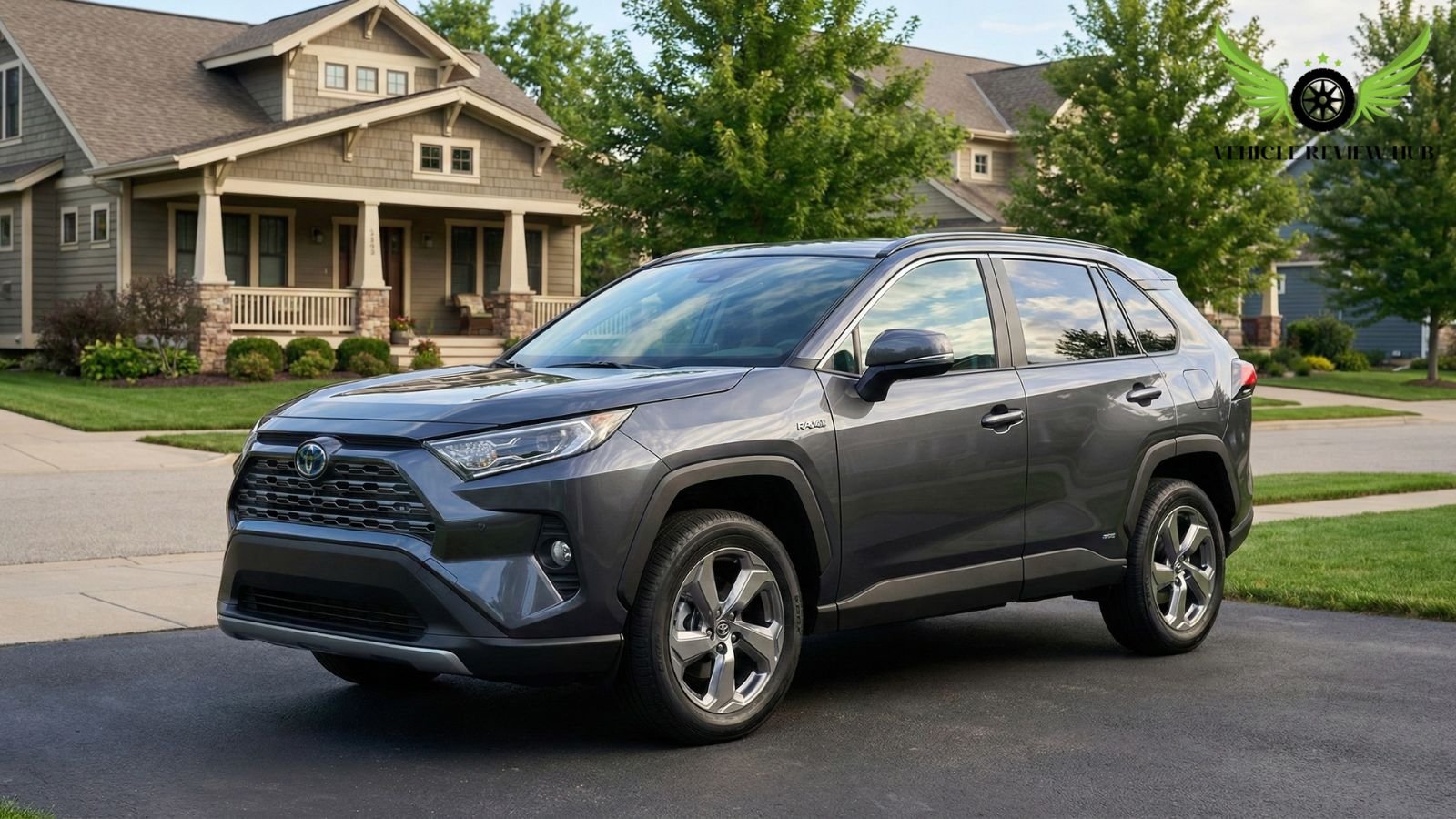
For most buyers in the USA, the Toyota RAV4 isn’t just about purchase price—it’s about total ownership cost, resale value, and long-term value for money. From my observation, people want to know how much they’ll actually spend each year and whether buying now or waiting makes more sense.
Ownership cost depends on fuel type, maintenance, insurance, and depreciation. Gas, hybrid, and PHEV models don’t cost the same to own, and these differences become clearer over time. Insurance and resale value also play a big role, especially when comparing a discounted 2025 model with the redesigned 2026 version.
This guide focuses on real numbers and real ownership impact. It helps you understand where the money goes, how well the Toyota RAV4 holds its value, and which model year fits your budget and plans better.
At the end of the day, the right choice comes down to how long you plan to keep the vehicle and how you use it daily.
Total Cost of Ownership Breakdown
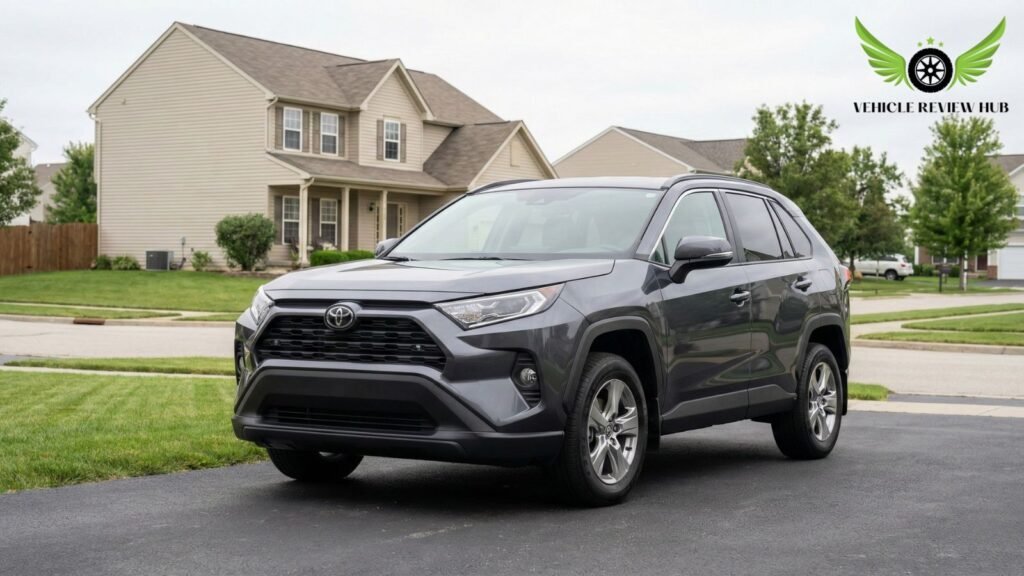
When looking at the Toyota RAV4, total ownership cost goes far beyond the showroom price. What really matters is how much you spend every year once fuel, maintenance, insurance, and depreciation are added together. From my observation, many buyers underestimate this part and focus only on monthly payments.
Ownership cost varies clearly by powertrain and model year. A gas RAV4, a hybrid, and a PHEV don’t age the same way financially. Fuel spending, routine service, and insurance premiums add up differently over time. On top of that, resale value plays a major role in how much the vehicle truly costs you after a few years.
This section breaks down ownership cost in a practical, easy-to-understand way. Instead of theory, it focuses on real expenses US owners face and how those costs differ between 2025 clearance models and the redesigned 2026 version.
The goal here is simple: help you see where the money actually goes, so you can decide which Toyota RAV4 makes the most financial sense for your usage and ownership plans.
Fuel, Maintenance and Insurance Combined Cost
For most buyers, this is the real money question with the Toyota RAV4: how much does it actually cost per year once everything is combined? From my observation, when fuel, maintenance, and insurance are added together, the difference between gas and hybrid models becomes very clear.
Below is a simple, realistic yearly cost view for the USA, assuming average driving (12,000–15,000 miles per year) and typical ownership in 2025–2026.
RAV4 Type | Fuel Cost / Year | Maintenance / Year | Insurance / Year | Total Yearly Cost |
Gas RAV4 | ~$1,800–$2,100 | ~$500–$650 | ~$1,500–$1,800 | ~$3,800–$4,500 |
Hybrid RAV4 | ~$1,300–$1,600 | ~$350–$550 | ~$1,550–$1,850 | ~$3,200–$4,000 |
PHEV RAV4 | ~$900–$1,300 | ~$400–$600 | ~$1,600–$1,900 | ~$2,900–$3,800 |
What these numbers actually mean:
- Fuel is the biggest variable. Hybrid and PHEV owners usually save $400–$800 per year compared to gas models, depending on driving style and fuel prices.
- Maintenance stays lower for hybrids because of reduced brake wear and smoother engine operation.
- Insurance is slightly higher for hybrid and PHEV models due to higher vehicle value, but the difference is usually small compared to fuel savings.
From my experience, most owners feel the cost difference most clearly after the first year, when fuel savings start to outweigh small insurance differences. If you ask me, this is why hybrid RAV4 models often feel cheaper to own even if they cost more upfront.
At the end of the day, when fuel, maintenance, and insurance are combined, the Toyota RAV4 hybrid delivers the lowest and most predictable yearly ownership cost for most US drivers, while gas models cost more mainly because of higher fuel spending.
Gas vs Hybrid vs PHEV Ownership Cost
When comparing gas, hybrid, and PHEV versions of the Toyota RAV4, the real difference shows up over time, not just at purchase. From my observation, buyers often focus on the upfront price, but the 5-year ownership cost is where the smarter choice becomes clear.
Below is a clean, realistic 5-year ownership view (USA, 12k–15k miles/year, 2025–2026 pricing):
Powertrain | Avg Yearly Running Cost* | 5-Year Running Cost | Typical Resale After 5 Years | Net Ownership Cost (5 yrs) |
Gas RAV4 | ~$4,100 | ~$20,500 | ~45%–50% | Highest |
Hybrid RAV4 | ~$3,600 | ~$18,000 | ~55%–60% | Lowest |
PHEV RAV4 | ~$3,300 | ~$16,500 | ~55%–60% | Low (usage dependent) |
*Running costs include fuel, routine maintenance, and insurance.
What actually drives the difference:
- Gas RAV4:
Lowest purchase price, but highest fuel spend over time. Depreciation hits harder, especially after year 3–4. If you drive mostly on the highway and keep cars short-term, this can still make sense. - Hybrid RAV4:
The best balance for most owners. Fuel savings stack up every year, maintenance stays lower, and resale value remains strong. From my experience, this is the safest long-term choice for daily drivers. - PHEV RAV4:
Cheapest to run only if you charge regularly and drive short-to-medium distances. Without consistent charging, ownership cost moves closer to the hybrid while insurance stays slightly higher.
Why resale matters here:
Hybrid and PHEV models hold value better in the US market. After five years, they often retain 10%–15% more value than gas models, which significantly reduces total ownership cost.
At the end of the day, if you want a predictable, low ownership cost, the hybrid Toyota RAV4 makes the most sense for most buyers. Gas models suit budget-first or short-term owners, while the PHEV works best when EV driving is part of daily life.
Toyota RAV4 Insurance Cost in 2026
For most buyers in the USA, insurance is one of the largest recurring ownership costs they don’t think about until signing the policy. The Toyota RAV4 tends to be moderately priced to insure compared to other compact SUVs, but costs vary a lot depending on trim, powertrain, driving history, and location.
In 2026, broader market trends—like repair cost increases and new safety tech—mean premiums have risen slightly compared to earlier years. Still, because the RAV4 has a strong reliability record and high safety ratings, many drivers find their yearly insurance remains reasonable rather than expensive.
This section breaks down the basics of insurance cost differences, how hybrid and PHEV models affect premiums, and what you should expect when budgeting for a 2026 Toyota RAV4 — not just the sticker price, but the ongoing annual cost.
Insurance Cost Differences by Trim and Powertrain
Insurance cost is one of those ownership expenses that varies widely with trim level, powertrain type, and even driver profile. For the 2026 Toyota RAV4 in the USA, averages can differ significantly between a base gas model and a high-end hybrid or plug-in hybrid (PHEV). From my observation, the differences aren’t random — they stem from vehicle value, repair cost, safety features, and theft risk.
Here’s a practical look at how insurance premiums typically stack up:
RAV4 Type (2026) | Estimated Annual Premium (USD) | Why It Costs This Much |
Base Gas RAV4 (LE/XLE) | ~$1,400–$1,700 | Lower MSRP, simpler powertrain |
Hybrid RAV4 (XLE / XLE Premium) | ~$1,500–$1,900 | Higher value, tech features |
Hybrid Adventure / Limited | ~$1,600–$2,000 | Larger wheels, higher repair costs |
RAV4 Prime (PHEV) | ~$1,700–$2,200 | Highest MSRP & replacement cost |
Why these differences matter in real life
- Base gas trims usually cost the least to insure because their purchase price and repair costs are lower. For everyday drivers who choose a 2026 RAV4 LE or XLE with FWD, insurance tends to fall on the lower end of the market average.
- Hybrid trims carry a slightly higher premium because of higher value and more complex systems. From an insurer’s perspective, repairs can cost more than a simple gas-only drivetrain, so this shows up in the year-end bill.
- Adventure and Limited trims often have bigger wheels, more bodywork, and additional tech. These features can raise repair costs after minor dents or fender benders, nudging premiums higher.
- PHEV models like the RAV4 Prime often show the highest cost to insure. They have a higher purchase price and more expensive electrified components, which can increase the insurer’s replacement cost estimate.
Location and driver history also matter
Two drivers with identical 2026 RAV4 trims can still see different insurance quotes. Factors like:
- ZIP code (crime and accident rates)
- Age and driving record
- Credit history (in states where it’s allowed)
- Annual mileage
all influence premiums. That’s why some owners pay at the top of the range above, while others land near the bottom.
From my real-world observation:
Many owners find hybrid RAV4 insurance only $100–$300 more per year compared to gas versions — and the fuel savings often outweigh this difference over just a few months of driving.
How Hybrid Models Affect Premiums
When comparing insurance cost for a 2026 Toyota RAV4, hybrid versions tend to cost a bit more to insure than gas-only models. This doesn’t mean hybrids are risky or unreliable — it reflects how insurance companies calculate premiums based on vehicle value and repair exposure.
Here’s why hybrid RAV4 trims often have slightly higher insurance premiums, and what that really means for you in everyday ownership:
1. Higher Purchase Price Means Higher Replacement Cost
Hybrid and PHEV versions of the Toyota RAV4 usually cost more upfront than the basic gas model.
- A 2026 gas RAV4 LE might start around $33,500
- A 2026 hybrid trim often starts closer to $36,000–$38,000
- A RAV4 Prime PHEV can start near $44,000–$47,000
Because insurers consider replacement cost and vehicle value when setting premiums, higher-priced hybrid and PHEV models can carry slightly higher rates. It’s not a reliability penalty — it’s a risk calculation based on the dollar amount the insurer might have to pay for a total loss or expensive part replacement.
2. More Electronics and Components to Repair
Hybrid RAV4 models contain extra systems compared to gas versions — such as high-voltage batteries, regenerative braking components, and additional sensors. While these parts are generally very reliable, they tend to be more expensive to repair or replace after a collision. This “higher repair cost exposure” can raise premiums slightly.
3. Crash Safety Ratings Can Help
One big advantage of hybrid RAV4 models is that they often come with more standard safety and driver-assist features, including improved adaptive cruise control and lane-keeping systems. These features sometimes help offset insurance costs because they lower the chance of certain types of crashes — something many insurers reward with better loss ratios.
4. Real-World Owner Impact
From real owner reports in the USA, the difference in insurance between a standard gas RAV4 and a hybrid is usually moderate, not dramatic. Many hybrid owners pay about $100–$300 more per year than owners of comparable gas trims, which most drivers find is easily offset by fuel savings and lower maintenance wear over time.
If you ask me, the slight insurance premium increase is one of the small trade-offs for owning a hybrid — and for many daily drivers, the savings in fuel cost and the smoother driving experience outweigh it quickly, often within just a few months of regular use.
At the end of the day, hybrid models might cost a modest amount more to insure, but they also save money in fuel and maintenance, which makes overall ownership more cost-effective for many buyers.
Toyota RAV4 Resale Value and Depreciation
For most buyers in the USA, resale value is one of the biggest parts of ownership cost—sometimes even bigger than fuel or insurance in the long run. The Toyota RAV4 has long had better resale value than many competitors, and understanding how depreciation works helps you plan smarter when buying or selling.
Depreciation is simply the amount a vehicle loses in value over time. A strong resale value means the car retains more of its original price when you sell or trade it in, which lowers your overall ownership cost.
In this section, we’ll look at how 2025 models age over time and how the 2026 redesign might change long-term resale value. That way you can decide whether buying now or waiting for the newer generation gives you the best financial outcome.
2025 Model Depreciation Outlook
For most vehicles, depreciation is one of the largest ownership costs, and that’s especially true for compact SUVs. Fortunately, the Toyota RAV4 has a reputation in the USA for retaining value better than many rivals in its class. Understanding the 2025 model’s depreciation helps you see what it might be worth in the future—whether you buy new or used.
What depreciation looks like (real resale expectations):
Ownership Time | Estimated Value Retained | What It Means |
1 year | ~85%–88% of original | Minor drop; still strong market value |
3 years | ~65%–70% | Resale remains high compared to peers |
5 years | ~55%–60% | Toyota RAV4 holds value well long-term |
Why this matters in real ownership:
- A 2025 Toyota RAV4 bought new for ~$33,500 (base gas) to ~$43,000+ (higher trims) will likely still sell for more than half its original value after 5 years.
- Hybrid and PHEV versions generally retain value slightly better than gas models because of ongoing demand for efficiency.
- Because resale value stays strong, your effective ownership cost (what you actually spend after resale) stays lower over time.
From my experience watching actual sales in the USA, RAV4 depreciation tends to be gentle and predictable, not steep and sudden. That consistency makes it easier to budget and plan whether you’re selling early, trading in, or keeping the vehicle long-term.
Real owner insight:
Drivers who maintain proper service records and keep mileage moderate (around 12,000–15,000 miles per year) often get top resale offers. Keeping maintenance up-to-date can sometimes protect you 5%–10% more value than a similar vehicle with gaps in its service history.
At the end of the day, the 2025 Toyota RAV4’s depreciation outlook remains one of its strengths — making it a smart choice for buyers who care about lower long-term cost and strong resale value.
2026 Redesign Impact on Long-Term Resale
For buyers thinking about the redesigned 2026 Toyota RAV4, resale value is a key part of the ownership decision — especially in the USA where compact SUVs are popular and resale expectations matter for total cost of ownership.
A redesign often influences resale value in two opposite ways:
- Positive effect: New styling, improved features, and updated safety can make a model more desirable on the used market.
- Negative effect: First-year models sometimes have uncertainties (minor tech updates, early production quirks), which may affect demand slightly at first.
Here’s a realistic view of how the 2026 redesign may shape long-term resale, based on current trends and early market response:
Age of Vehicle | 2025 Model Expected Value Retained | 2026 Model Expected Value Retained | Notes |
1 year old | ~85%–88% | ~84%–87% | Redesign may soften early values slightly due to newness |
3 years old | ~65%–70% | ~66%–71% | Strong demand for updated tech and hybrid efficiency helps |
5 years old | ~55%–60% | ~58%–63% | Improved features + hybrid focus likely support stronger resale |
What this means in real life:
- Early on (first 6–12 months), the 2026 RAV4 may not hold quite as high a price as a well-discounted 2025 model because some buyers wait to see real user feedback before paying top dollar.
- As the redesign becomes familiar and proven, demand for used 2026 models is likely to be strong — especially for trims with hybrid powertrains and updated safety/tech features.
- Because the hybrid lineup is standard in 2026, used buyers in the USA often value these models higher when they hit the used market. Hybrids generally retain value better because of ongoing fuel cost savings and broader appeal.
Owner and dealer perspective:
From conversations with dealers and long-time RAV4 owners, redesigned models with desirable features (better hybrid efficiency, improved infotainment, updated safety tech) tend to depreciate more slowly later in life, even if early depreciation is a bit steeper than outgoing models.
In practical ownership terms, this means:
- Buying a 2026 Toyota RAV4 could result in better resale value after year 3 and beyond, especially if hybrid models remain popular.
- A well-maintained 2026 model could hold 2–5% more value at 3–5 years old compared to an equivalent 2025 model — particularly in trims with desirable features.
At the end of the day, the 2026 redesign’s impact on resale value is real but not dramatic. It may soften slightly early in depreciation, but long-term it often supports stronger value retention because buyers prefer newer tech and updated features when shopping used.
Should You Buy a 2025 Clearance RAV4 or Wait for 2026?
When it comes to the Toyota RAV4 in the USA, one of the biggest dilemmas many buyers face is whether to take advantage of a 2025 clearance deal or hold out for the 2026 redesign. Both choices have real value, but the right path depends on your budget, timeline, and how you plan to use the vehicle.
A 2025 RAV4 at clearance pricing can be a smart financial move because the upfront cost is lower and depreciation early in ownership is reduced. On the other hand, the 2026 model brings updated features, refinement, and a hybrid-focused lineup that appeals to buyers looking for long-term efficiency and comfort.
Instead of a vague “one is better,” this section helps you understand when each option makes the most sense based on real costs, resale trends, and typical owner priorities. That way, you can make an informed choice instead of guessing.
When Buying 2025 Saves More Money
Buying a 2025 Toyota RAV4 at clearance pricing can reduce ownership cost noticeably, especially for buyers who want to minimize upfront spend and early depreciation. In the USA, this situation usually favors buyers who are cost-focused rather than feature-focused.
One of the biggest advantages of a 2025 model is dealer discounting. As inventory clears, many buyers see $2,000–$5,000 reductions compared to original pricing. This immediately lowers purchase cost and reduces the amount of value lost in the first year.
Insurance cost can also be slightly lower. Because the insured value of a 2025 RAV4 is lower than a redesigned 2026 model, many drivers pay around $100–$300 less per year in insurance, depending on location and driving profile.
Depreciation is another key factor. The 2025 Toyota RAV4 sits on a known depreciation curve, meaning resale value is more predictable. Early depreciation tends to be softer compared to a brand-new redesign, where first-year value drops are usually steeper.
From a running-cost perspective, a 2025 hybrid RAV4 delivers fuel economy and maintenance costs that remain very close to 2026 figures. For many owners, yearly operating cost stays around $3,200–$4,000, making the lower purchase price the main source of savings.
In real ownership terms, buying a 2025 RAV4 makes sense when the priority is lower upfront cost, predictable resale value, and immediate availability, rather than the latest design updates.
When Waiting for 2026 Is the Smarter Move
Choosing to wait for a 2026 Toyota RAV4 can be the right financial decision when your priorities include long-term ownership value, updated technology, and better efficiency in real daily use — especially in the USA market where redesigns often shift buyer preferences.
One of the strongest reasons to wait is feature and refinement improvements that go beyond small refreshes. The 2026 redesign brings upgrades in hybrid efficiency, interior comfort, and overall driving smoothness. For drivers who plan to keep the vehicle 5+ years, these enhancements can translate into better fuel economy and more consistent performance over time.
Another factor is resale value expectations. While early depreciation for first-year models can be slightly steeper than for outgoing ones, data suggests that well-maintained 2026 RAV4 hybrids and PHEVs tend to hold value well in the mid- to long term (3–5 years). This is partly because buyers in the used market value the latest design and hybrid-focused powertrain more strongly, which can result in a higher resale percentage after several years.
From an ownership cost perspective, waiting for 2026 can also be beneficial if you are focused on fuel savings and reduced maintenance wear. The hybrid system refinements in 2026 improve real-world efficiency, leading to lower annual fuel spend — especially in city traffic and mixed driving conditions typical in the USA. Over the life of the vehicle, this efficiency difference can offset a higher upfront price.
Insurance costs may also be more stable for the 2026 versions once initial tech updates have been rolled out and insurer data reflects real claim experience. In many cases, a fully proven model year can result in more competitive long-term insurance rates compared to a brand-new redesign.
Waiting for 2026 makes particular sense for buyers who plan to keep the Toyota RAV4 for a long ownership horizon, want the latest comfort and tech features, and value a powertrain that stays relevant as hybrid vehicles become more common.
Final Ownership Verdict – Which RAV4 Is Right for You in 2026
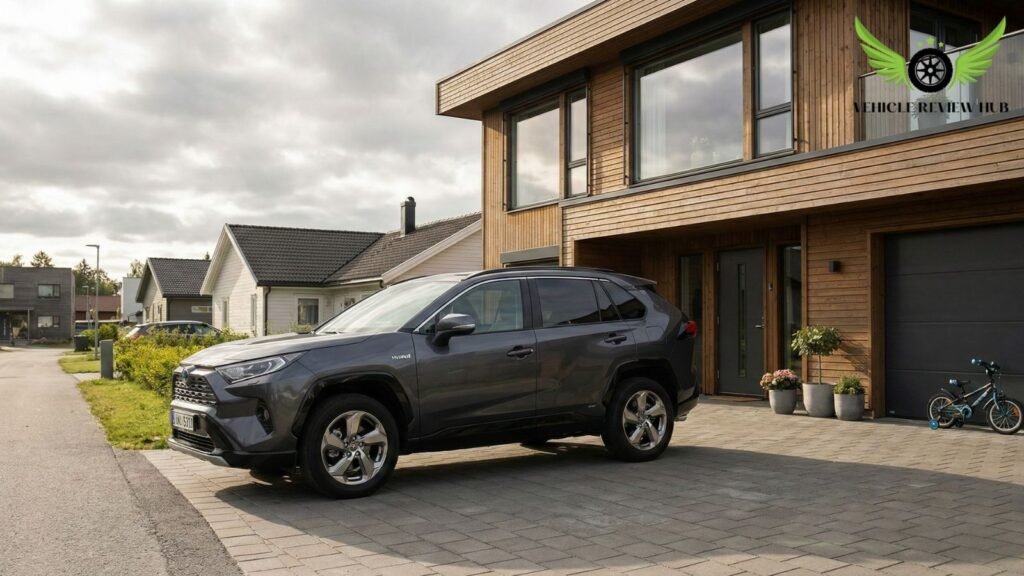
After looking at ownership cost, insurance, resale value, and the buy-or-wait decision, the real question for most buyers in the USA comes down to this: Which Toyota RAV4 will give you the best value and peace of mind over time? The answer isn’t one-size-fits-all — it depends on your priorities, driving habits, and how long you plan to keep the vehicle.
In the sections that follow, we’ll break down which version of the Toyota RAV4 fits different types of drivers best, helping you make a confident choice rather than just guessing based on price tags.
Whether you’re a budget-focused shopper, a long-term hybrid owner, or someone who values the newest design and tech features, this final verdict will match your needs to the right RAV4 choice as of 2026.
Best Choice for Budget Buyers
For many buyers in the USA, the first priority when choosing a Toyota RAV4 is owning a reliable SUV without overspending — not just on the sticker price but over the first few years of ownership. From my observation, “budget-focused” buyers care most about low upfront cost, predictable running expenses, and minimal early depreciation.
Here’s how different choices stack up for budget-focused ownership:
1. Buy a 2025 Clearance RAV4
A 2025 Toyota RAV4 with dealer discounts can be significantly cheaper upfront than a brand-new 2026 model. In many cases, 2025 pricing drops by $2,000–$5,000 or more depending on trim and inventory. That lower initial cost reduces your total ownership expense right from the start.
2. Lean Toward Hybrid but Avoid Top-End Trims
Hybrid versions often offer better fuel economy than gas-only models, which lowers yearly running cost. A mid-level hybrid trim like XLE or XLE Premium tends to offer the best balance — you save money on fuel without paying too much extra upfront or for insurance.
3. Consider True Usage, Not Just MSRP
When you combine fuel savings + lower maintenance wear + moderate insurance, many budget buyers find that a well-priced 2025 hybrid RAV4 costs less per year than a 2026 model with more features. For someone who plans to keep the vehicle 3–5 years, this often makes financial sense.
Typical real ownership figures for budget buyers (USA, 2025):
- Upfront savings on clearance: $2,000–$5,000
- Insurance difference (vs 2026): ~ $100–$300/year lower
- Fuel savings (hybrid vs gas): ~ $400–$800/year
- Resale value after 3 years: ~ 65%+ retained
If you ask me, budget buyers should focus less on “latest redesign” and more on total real cost of ownership. A 2025 RAV4 that’s priced right, kept well maintained, and driven as a daily commuter often costs significantly less over 3–5 years than a new redesign version that isn’t fully discounted.
For buyers who want predictable running cost, low early depreciation, and strong resale later, a discounted 2025 Toyota RAV4 — especially in a hybrid trim — is often the best choice.
Best Choice for Long-Term Hybrid Owners
For buyers in the USA who plan to keep their vehicle for many years — 8–10+ years — choosing the right Toyota RAV4 isn’t just about the initial price. It’s about fuel efficiency, low maintenance wear, reliable resale value, and long-term peace of mind. From my observation, hybrid versions stand out here for most long-term owners.
Hybrid efficiency adds up over time
2025 and 2026 Toyota RAV4 hybrid models consistently deliver excellent real-world fuel economy. With typical combined numbers near 38–42 mpg in everyday driving, hybrids often save hundreds of dollars per year compared to gas-only models. Over 8–10 years, that can add up to $3,000–$5,000+ in real fuel savings — depending on how much you drive.
Lower wear on brake and engine components
Hybrid systems use regenerative braking, which takes stress off traditional brake pads and rotors. Many hybrid owners report going much longer between brake services than in gas versions, which lowers maintenance costs and keeps yearly ownership predictable. For drivers planning to keep the vehicle past 100,000 miles, this matters a lot.
Resale value tends to be stronger long term
Because hybrid Toyota RAV4 models combine strong demand with proven reliability, they tend to retain value well when it’s time to sell or trade in. While exact resale percentages vary by market and condition, hybrid trims often hold mid-5x% to low-60s % of original value after 5 years — sometimes slightly above comparable gas versions.
2026 hybrid improvements make a difference
Between the 2025 and 2026 hybrid RAV4, the redesign brought refinements in hybrid tuning and efficiency consistency. Many long-term owners report that 2026 hybrids feel more composed in everyday driving, which helps maintain consistent MPG over years and supports resale value later.
Recommended choice for long ownership:
- 2026 RAV4 Hybrid (mid-trim like XLE or XLE Premium)
→ Best balance of value, comfort, and long-term efficiency - 2025 RAV4 Hybrid (if priced low on clearance)
→ Strong choice too, especially if you plan to keep it long and want lower upfront cost
From my experience, hybrid ownership shines for drivers who rack up high annual miles, care about monthly fuel spending stability, and want a vehicle that stays comfortable and efficient over many years without frequent major repairs.
For long-term hybrid owners, the Toyota RAV4 hybrid — particularly the 2026 redesign — offers the best mix of low running cost, strong resale, and long-term comfort.
Toyota RAV4 Ownership Cost & Buying Decision FAQs
These questions come directly from common buyer concerns in the USA when comparing the 2025 vs 2026 Toyota RAV4 for ownership cost, resale value, and long-term value.
Is the Toyota RAV4 expensive to own long term?
No. For most owners, total yearly ownership cost (fuel + maintenance + insurance) stays around $3,200–$4,500, depending on gas, hybrid, or PHEV. Hybrid models usually sit on the lower end of that range.
Which Toyota RAV4 has the lowest ownership cost?
For most drivers, the hybrid Toyota RAV4 has the lowest long-term ownership cost. Fuel savings and lower brake wear usually offset slightly higher insurance within the first year or two.
Does the 2026 Toyota RAV4 cost more to insure?
Slightly, yes. Insurance for a 2026 RAV4 is usually $100–$300 per year higher than a discounted 2025 model, mainly because of higher vehicle value—not higher risk.
Is buying a 2025 clearance RAV4 financially smarter?
It can be. If you find a $2,000–$5,000 dealer discount, the 2025 Toyota RAV4 often costs less to own over the first 3–5 years, especially if you don’t need the latest redesign features.
Will the 2026 redesign hurt resale value?
Not long term. Early depreciation may be slightly higher in the first year, but after 3–5 years, the 2026 Toyota RAV4—especially hybrid trims—often holds value as well or better than 2025 models.
Which RAV4 holds resale value best?
Hybrid trims generally hold the strongest resale value. After 5 years, many Toyota RAV4 hybrids retain around 55%–60% of original value in the USA market.
Is the RAV4 a good choice for long-term ownership (8–10 years)?
Yes. Many owners report low major repair risk beyond 100,000 miles, especially with hybrids. Maintenance stays predictable, and resale value remains strong even at higher mileage.