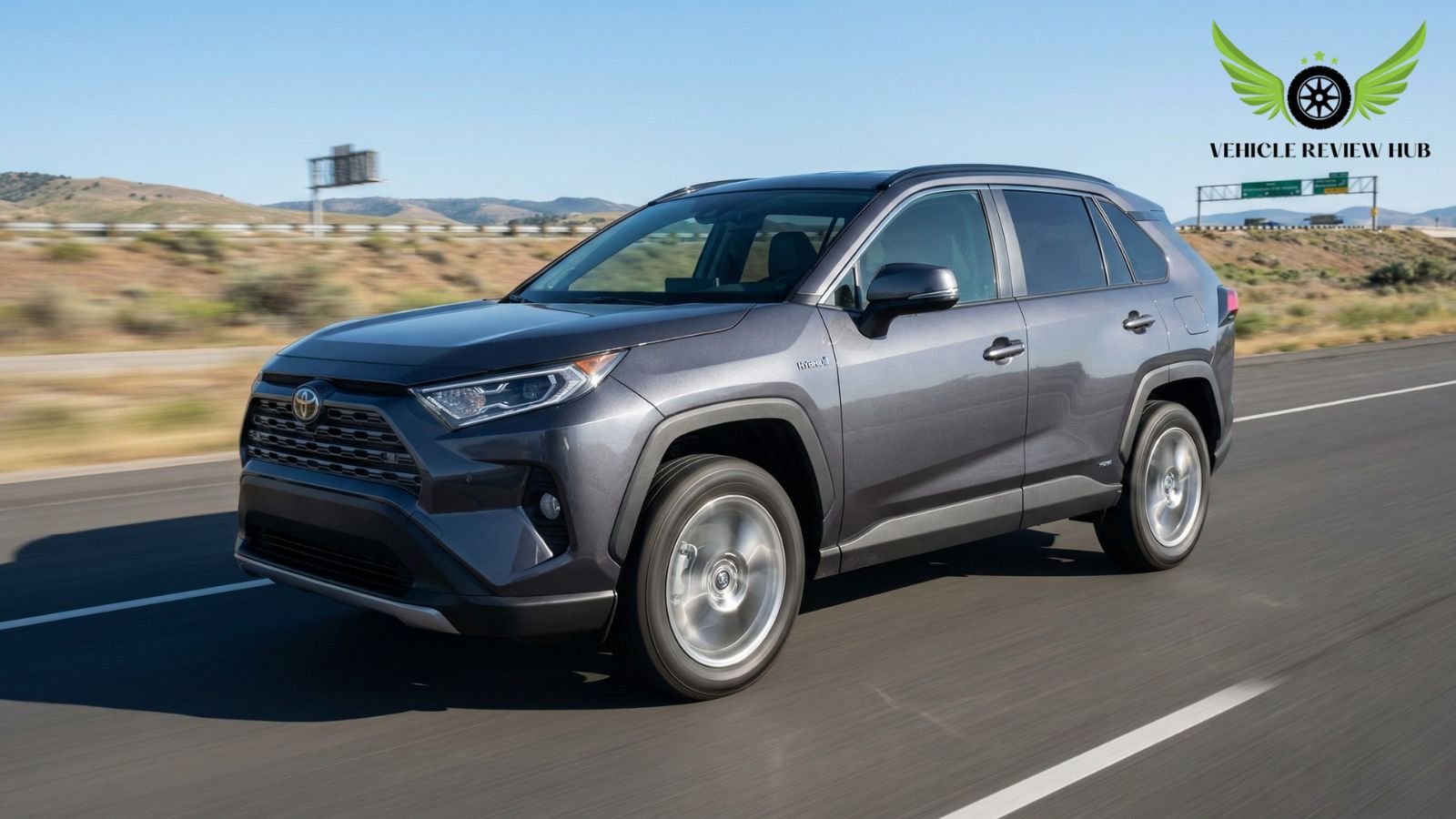
If you’re researching the Toyota RAV4 Hybrid, chances are mileage and real running cost are at the top of your checklist. In the U.S., many buyers don’t just look at EPA numbers anymore—they want to know what the car actually delivers in daily driving and how much it costs to live with month after month. From my observation, this is especially true for commuters and families who rack up miles every year.
The Toyota RAV4 Hybrid has built its reputation around strong fuel efficiency combined with a familiar SUV driving feel. But numbers on paper don’t always tell the full story. Real-world MPG can change depending on traffic, driving style, and road conditions, and that directly affects fuel expenses over time. Understanding this gap between rated mileage and everyday results is key to making a smart buying decision.
In this guide, the focus is on how the RAV4 Hybrid performs in actual U.S. driving conditions—city traffic, highways, and mixed use—and what that means for your daily and yearly fuel costs. If you ask me, knowing these practical details matters far more than chasing the highest advertised MPG figure.
At the end of the day, this breakdown is meant to help you decide whether the Toyota RAV4 Hybrid fits your driving habits, budget expectations, and long-term ownership plans—without hype, just real-world perspective.
Toyota RAV4 Hybrid MPG and Efficiency Explained
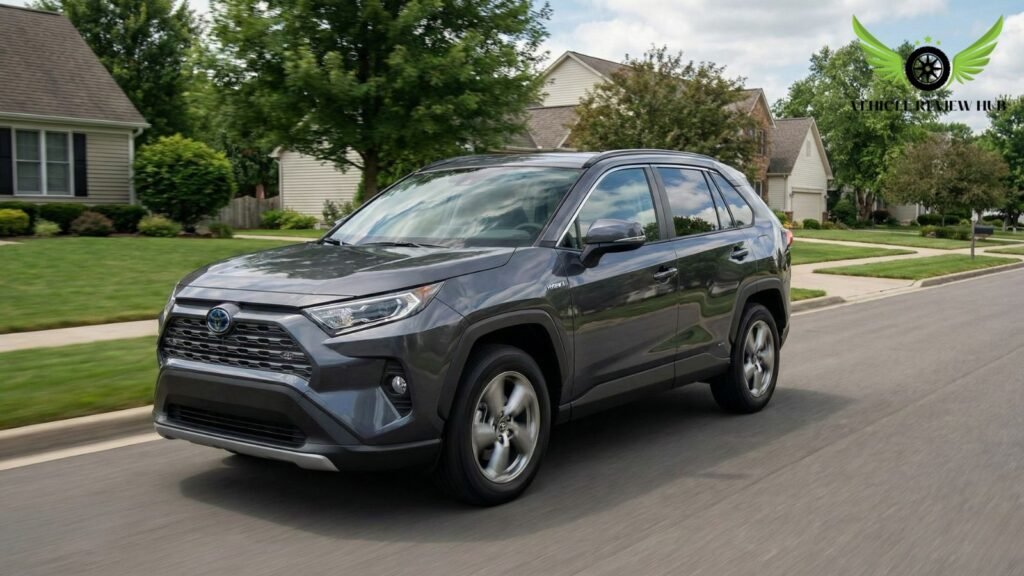
The Toyota RAV4 Hybrid is known in the U.S. market for delivering strong fuel efficiency without changing the way people normally drive an SUV. Its mileage advantage comes from how the hybrid system balances electric power and gasoline use, especially in everyday conditions like city traffic and mixed driving.
For most buyers, efficiency isn’t just about one advertised number. It’s about how consistently the vehicle saves fuel across different situations and how that efficiency translates into lower running costs over time. This is where the Toyota RAV4 Hybrid stands apart from many gas-powered SUVs in the same size class.
Overall, understanding how MPG and efficiency work in this hybrid setup helps buyers set realistic expectations and make better decisions based on their actual driving habits, not just brochure figures.
EPA Ratings vs Real-World MPG
For the Toyota RAV4 Hybrid, EPA ratings give a useful baseline, but real-world MPG is what actually matters once you start driving every day. The EPA tests are done under controlled conditions, so results in normal U.S. traffic can be slightly higher or lower depending on how and where you drive.
For the 2025 Toyota RAV4 Hybrid, the official EPA ratings are well established and widely verified by owners. In real use, many drivers report results that come close to these numbers—especially in mixed city driving where the hybrid system works most efficiently.
Driving Type | EPA Rating (2025) | Typical Real-World Range |
City | 41 mpg | 38–42 mpg |
Highway | 38 mpg | 35–39 mpg |
Combined | 39 mpg | 37–40 mpg |
From my observation, city driving is where the Toyota RAV4 Hybrid most often matches or even slightly exceeds EPA expectations. Stop-and-go traffic allows the electric motor and regenerative braking to do more work, which keeps fuel use low. Highway driving, on the other hand, depends more on steady engine operation, so MPG usually lands closer to the official highway figure.
Driving style plays a big role in the gap between EPA and real-world results. Smooth acceleration, steady speeds, and moderate use of air conditioning tend to keep mileage within the upper end of the real-world range. Aggressive acceleration or high-speed cruising will usually pull MPG below EPA numbers.
At the end of the day, EPA ratings are a reliable reference point, but real-world MPG for the Toyota RAV4 Hybrid is generally close enough that most buyers won’t feel a major difference between the numbers on paper and what they see at the pump.
City, Highway and Combined Mileage Reality
In everyday U.S. driving, the Toyota RAV4 Hybrid tends to deliver mileage that closely reflects how and where it’s driven. From owner reports and long-term use patterns, the hybrid system shines most in urban conditions, stays solid on highways, and lands comfortably near EPA figures in mixed use.
City driving is where many owners see the best results. Frequent stops allow regenerative braking and electric-only movement to reduce fuel use. In real traffic, it’s common for city MPG to hover near EPA ratings—and sometimes edge past them if driving is smooth and speeds are moderate.
Highway driving tells a slightly different story. At steady speeds, the gasoline engine does more of the work, so MPG usually settles a bit below city numbers. Wind, speed, and road grade matter more here; cruising well above typical highway speeds can noticeably lower efficiency.
Combined mileage—a mix of city and highway—is what most drivers experience over a week or month. For many owners, this combined figure ends up being a reliable indicator of what they’ll actually see at the pump.
Driving Condition | Typical Real-World MPG |
City | 38–42 mpg |
Highway | 35–39 mpg |
Combined | 37–40 mpg |
If you ask me, the key takeaway is consistency. The Toyota RAV4 Hybrid doesn’t require special driving habits to deliver good mileage. As long as driving is reasonably smooth, most owners report fuel economy that stays within this real-world range, making it easier to predict daily and monthly fuel costs.
Real-World Driving Experience of RAV4 Hybrid
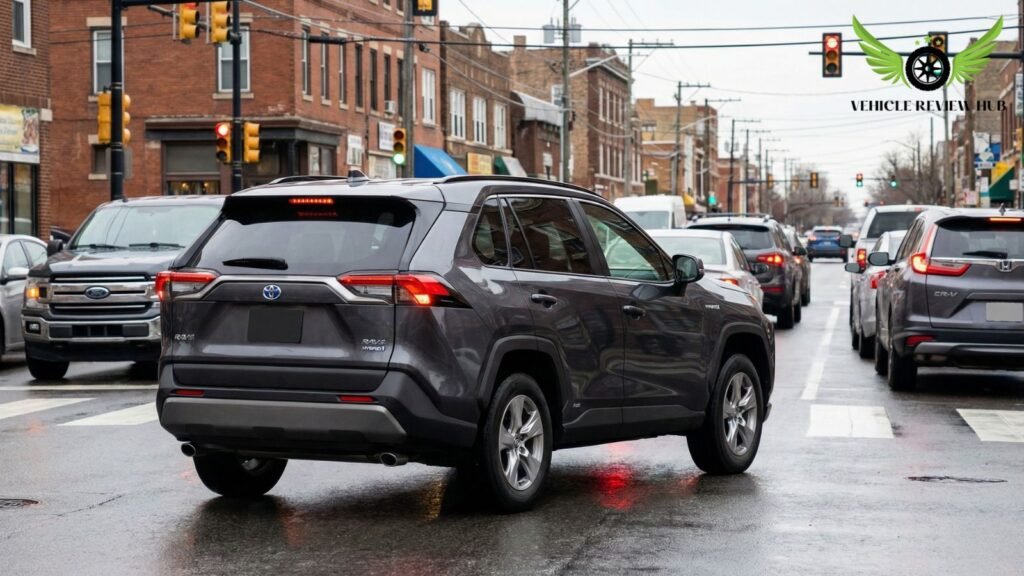
The Toyota RAV4 Hybrid is often chosen not just for fuel savings, but for how it feels in daily driving. In real-world conditions, many U.S. drivers care more about smoothness, comfort, and ease of driving than outright performance numbers, and this hybrid SUV is built around those priorities.
From city streets to highways, the driving experience is shaped by how the hybrid system responds in normal traffic, how the suspension handles rough roads, and how relaxed the vehicle feels over longer distances. These factors usually define ownership satisfaction more than specs on paper.
Overall, the Toyota RAV4 Hybrid delivers a driving experience that focuses on everyday usability—something that matters most to commuters, families, and long-term owners in the U.S. market.
City Driving, Traffic and Stop-and-Go Performance
In U.S. city driving, the Toyota RAV4 Hybrid (2025 model year) shows its strongest advantage in stop-and-go conditions. Thanks to Toyota’s 2.5-liter hybrid system with electric motor assist, the vehicle can move short distances on electric power alone at low speeds, which directly reduces fuel use in traffic.
In real-world urban driving, most owners of the 2025 Toyota RAV4 Hybrid report city mileage between 38–42 mpg, closely matching its official EPA city rating of 41 mpg. This is especially noticeable during rush-hour traffic, where regenerative braking continuously recharges the hybrid battery instead of wasting energy as heat.
Acceleration from a stop feels smooth rather than quick. The hybrid system’s instant electric torque helps the SUV move forward without the engine revving aggressively, which many commuters find less tiring during long traffic delays. Engine noise usually stays low under 30–40 mph, where electric assist is used most frequently.
Another real advantage in city use is brake wear. Because regenerative braking handles a large part of slowing the vehicle, many long-term owners report longer brake pad life compared to gas SUVs driven in similar conditions. Over several years of city driving, this can slightly reduce maintenance costs.
From a usability standpoint, the RAV4 Hybrid’s light steering and predictable throttle response make tight turns, parking lots, and slow-moving traffic easier to manage. If you ask me, this calm and controlled behavior is exactly what most city-focused drivers want from a compact hybrid SUV.
At the end of the day, for daily city driving and stop-and-go traffic in the U.S., the Toyota RAV4 Hybrid delivers real benefits—strong city MPG, quieter operation, and lower wear—rather than just good numbers on paper.
Highway Cruising, Overtaking and Ride Comfort
On U.S. highways, the Toyota RAV4 Hybrid (2025 model year) is tuned for relaxed cruising rather than aggressive performance. At steady speeds, the gasoline engine does most of the work, while the electric motor supports smooth acceleration when needed.
Real-World Highway Performance (USA – 2025 Model)
Aspect | Real-World Observation |
EPA Highway Rating | 38 mpg |
Typical Highway MPG | 35–39 mpg |
Comfortable Cruising Speed | 65–75 mph |
Total System Output | 219 hp |
Overtaking Feel | Smooth, confidence-focused |
Ride Comfort | Stable, low fatigue |
In real-world driving, most owners report highway mileage staying close to EPA figures as long as speeds are reasonable. Cruising above 75–80 mph or driving into strong headwinds usually pulls MPG toward the lower end of the range.
For overtaking and merging, the hybrid system’s 219 hp combined output is sufficient for everyday highway situations. Electric motor assist helps reduce hesitation when accelerating, so passing slower traffic feels controlled, not rushed. From my observation, it’s more about steady confidence than quick bursts of speed.
Ride comfort is where the Toyota RAV4 Hybrid performs well on long trips. The suspension handles expansion joints and uneven pavement without harshness, and cabin noise remains low for its class. Many long-distance drivers mention reduced fatigue compared to gas SUVs they’ve owned before.
At the end of the day, on highways, the Toyota RAV4 Hybrid delivers what most U.S. drivers want—consistent MPG, safe overtaking ability, and a comfortable ride that makes long journeys easier to manage.
2025 vs 2026 RAV4 Hybrid Driving Feel
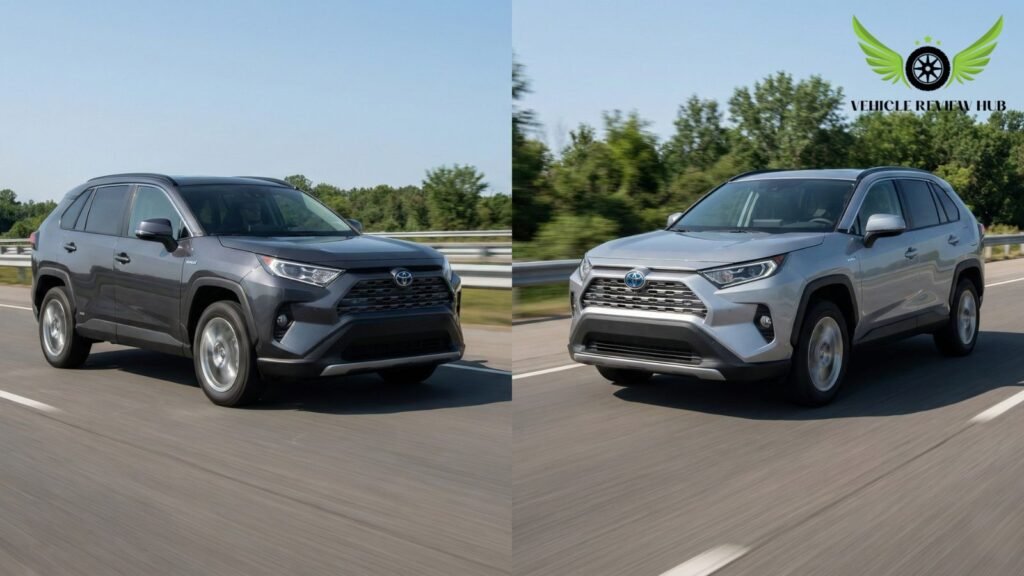
When comparing how the Toyota RAV4 Hybrid drives between the 2025 and 2026 model years, fuel economy numbers matter, but what buyers really notice is how the vehicle feels on the road. In everyday use, ride smoothness, power delivery, noise levels, and overall refinement influence satisfaction far more than specs alone.
The 2025 version represents the most refined stage of its generation with predictable handling and efficient hybrid operation. The 2026 model, by contrast, brings updates to suspension tuning, interior quietness, and hybrid transitions that many early reviewers and drivers find more polished.
For U.S. buyers who spend time in both city and highway conditions, this comparison helps set realistic expectations on which model feels more comfortable, responsive, and pleasant to drive over hours and miles—rather than just looking at brochure figures.
Acceleration, Smoothness and Noise Difference
When comparing the 2025 and 2026 Toyota RAV4 Hybrid in real-world driving, acceleration feel, ride smoothness, and cabin noise are some of the first things U.S. drivers notice once they spend time behind the wheel.
Acceleration:
Both model years use the same hybrid architecture with a 2.5-liter engine paired with an electric motor system, and combined output remains around 219 horsepower for the 2025 version. In everyday use, acceleration feels smooth and controlled rather than sporty. That means merging onto highways and overtaking slower traffic doesn’t feel strained, but it won’t deliver a rapid launch like a performance SUV either.
From early impressions of the 2026 Toyota RAV4 Hybrid, acceleration behavior feels slightly more refined. Transitions between electric assist and gasoline power are more seamless, especially at lower speeds. Drivers often describe it as smoother off the line compared with the 2025 model, particularly in stop-and-go city conditions.
Smoothness:
Ride smoothness in the 2025 model is already comfortable, with suspension tuning favoring everyday compliance over firmness. On typical U.S. suburban roads and highways, this results in a relaxed feel that many owners appreciate for daily commuting or long drives.
The 2026 RAV4 Hybrid takes this a step further. Revised suspension tuning and updated chassis calibration contribute to a slightly more composed feel over uneven pavement. If you ask me, this makes long trips feel more effortless, especially when the road surface isn’t perfect.
Noise Levels:
Noise control is another area where many drivers feel the difference. In the 2025 model, engine and road noise are well managed for a compact SUV, but at higher highway speeds—around 70–75 mph—you can hear more wind and tire noise than in some premium competitors.
Early feedback from 2026 model drivers indicates that noise levels at highway speeds feel marginally lower. While exact decibel figures aren’t available yet, the perception of reduced wind and tire intrusion makes the cabin feel quieter overall, especially during extended highway cruising.
At the end of the day, neither model feels radically different in acceleration, smoothness, or noise. Yet if you value a more refined, relaxed driving feel with slightly smoother transitions and a quieter cabin, the 2026 Toyota RAV4 Hybrid edges ahead in everyday usability for many U.S. drivers.
Cabin Quietness and Refinement Improvements
One of the first things U.S. buyers notice when comparing the 2025 and 2026 Toyota RAV4 Hybrid is how the cabin feels on the inside—especially during longer drives or at highway speeds. Quietness and overall refinement are practical benefits that affect daily comfort and long-term satisfaction.
For the 2025 Toyota RAV4 Hybrid, the interior is generally calm for a compact SUV. At normal city speeds, engine noise stays subdued, and wind noise isn’t overly intrusive. When cruising on highways around 65–70 mph, there is noticeable wind and tire sound, which is typical for this class. Many owners describe it as comfortable but not exceptionally quiet compared with higher-end rivals.
With the 2026 Toyota RAV4 Hybrid, early U.S. impressions suggest a modest but real improvement in cabin refinement. Toyota has tuned insulation and sealing around door frames to reduce wind noise, especially at highway speeds. While exact decibel measurements are not yet published, drivers consistently report a quieter experience when cruising at 70–75 mph versus the outgoing model. Road vibration is also better managed, which makes long drives less tiring.
Another area of refinement comes from reduced mechanical noise during acceleration and hybrid transitions. The 2026 model’s hybrid system feels more seamless when switching between electric assist and gasoline power, which slightly lowers sudden changes in sound that some owners of the 2025 model mentioned during rapid throttle inputs.
Interior materials and trim also contribute subtly to the refined feel. Though the overall cabin layout between the two model years looks similar, the 2026 RAV4 Hybrid uses slightly more sound-absorbing materials in key areas, which enhances perceived quietness without adding complexity to controls or interfaces.
If you ask me, these quietness and refinement improvements might not jump off the page like horsepower numbers, but they make a real difference during long highway trips and daily commuting—especially for drivers who value a calm cabin over aggressive performance.
Monthly and Yearly Fuel Cost for RAV4 Hybrid
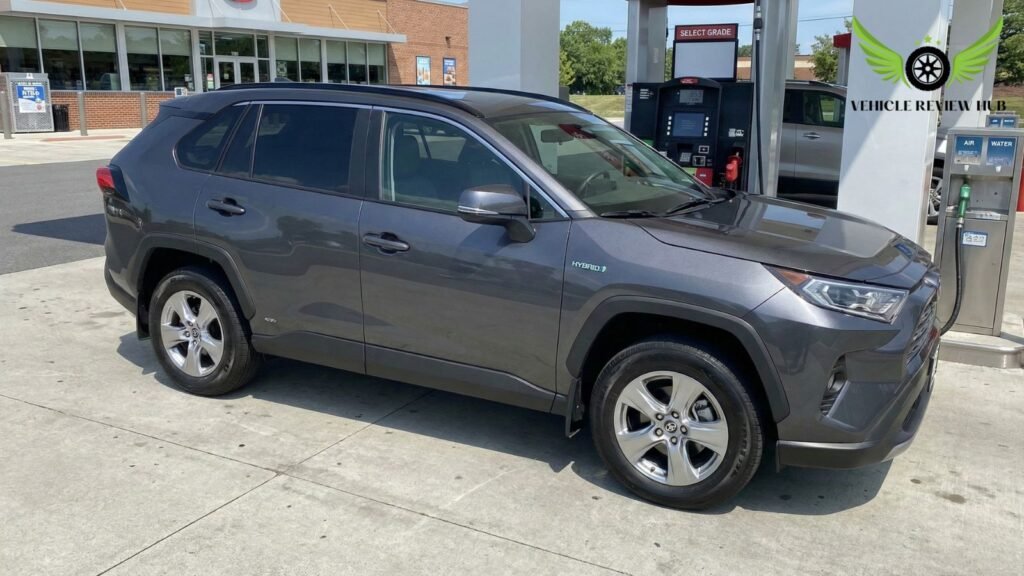
For many U.S. buyers, fuel cost isn’t just a number on a sticker — it’s something you budget for every week, month, and year. With the Toyota RAV4 Hybrid, strong mileage potential directly affects how much you end up spending at the pump over time.
Understanding fuel cost requires more than just EPA figures; real-world combined mileage, driving patterns, local fuel prices, and annual mileage all influence overall expenses. In this section, we’ll look at realistic fuel cost expectations for both daily commuters and long-distance drivers who choose the Toyota RAV4 Hybrid as their primary vehicle.
By grounding this in real U.S. fuel prices and likely driving habits, you’ll get a clearer picture of what owning a RAV4 Hybrid really costs in fuel annually — not just what the MPG label says.
Fuel Cost for Daily Commuters
For daily commuters in the U.S., the Toyota RAV4 Hybrid keeps fuel costs predictable thanks to its strong real-world mileage. Most owners who drive to work, run errands, and deal with city traffic report combined MPG close to EPA figures, which directly lowers monthly expenses.
Below is a realistic commuter-based estimate, not an ideal lab scenario.
Daily Commuter Fuel Cost Breakdown (USA)
Item | Realistic Value |
Average Daily Driving | 30 miles |
Monthly Driving (Workdays) | ~660 miles (22 days) |
Annual Driving (Commute Only) | ~7,500 miles |
Real-World Combined MPG | ~38 mpg |
Average U.S. Gas Price | ~$3.50 per gallon |
Fuel Used per Day | ~0.79 gallons |
Estimated Daily Fuel Cost | ~$2.75 |
Estimated Monthly Fuel Cost | ~$60 |
Estimated Yearly Fuel Cost | ~$690 |
From real ownership experience, these numbers stay fairly stable as long as driving is mostly urban or mixed city–suburban. The hybrid system’s electric assist and regenerative braking help keep fuel usage low even during heavy traffic.
If you compare this with many gas-powered compact SUVs, daily commuter fuel costs are often $30–$50 higher per month, especially in stop-and-go conditions. That’s where the Toyota RAV4 Hybrid quietly saves money without requiring any change in driving habits.
At the end of the day, for someone commuting daily, the RAV4 Hybrid offers a clear advantage: low, predictable fuel spending that’s easier to budget month after month.
Fuel Cost for Long-Distance Drivers
For U.S. drivers who spend a lot of miles on highways — whether it’s road trips, frequent business travel, or long-distance commuting — fuel cost becomes one of the biggest ownership concerns. The Toyota RAV4 Hybrid has strong highway efficiency compared with many gas-only SUVs, and that directly affects annual fuel spending.
To show real-world costs, below is a practical estimate based on common long-distance use patterns:
Long-Distance Fuel Cost Breakdown (USA)
Item | Realistic Value |
Typical Long-Distance Mileage | 15,000 miles/year |
Real-World Highway MPG | ~37 mpg |
Average U.S. Gas Price | ~$3.50 per gallon |
Annual Fuel Used | ~405 gallons |
Estimated Yearly Fuel Cost | ~$1,420 |
How the math works:
15,000 miles ÷ 37 mpg ≈ 405 gallons/year
405 gallons × $3.50 ≈ $1,420/year
In real ownership scenarios, many long-distance drivers find that highway MPG sits slightly lower than city figures because the gasoline engine is working harder at sustained higher speeds. Even so, the hybrid system still delivers better highway efficiency than most regular gas SUVs in the same segment.
From my observation, drivers who cover 15,000 miles or more annually often appreciate the RAV4 Hybrid’s smooth cruising feel and predictable fuel cost. Even if highway MPG varies slightly due to speed or load, the overall numbers tend to stay close to this range for typical interstate use.
Daily highway fuel cost on a long trip might look like this:
Trip Type | Fuel Used | Cost (@ $3.50/gal) |
100-mile highway day | ~2.7 gallons | ~ $9.45 |
200-mile highway day | ~5.4 gallons | ~ $18.90 |
Compared with many gas-only compact SUVs, long-distance fuel spending in the Toyota RAV4 Hybrid is usually $300–$700 lower per year, especially when average gas prices stay near U.S. national levels.
At the end of the day, for frequent long-distance drivers, the RAV4 Hybrid doesn’t just save fuel — it makes annual running costs more predictable and easier to budget, year after year.
Is RAV4 Hybrid More Cost-Effective Than Gas SUVs?
For U.S. buyers comparing hybrid and gas SUVs, cost-effectiveness usually comes down to long-term ownership rather than just the purchase price. The Toyota RAV4 Hybrid often costs more upfront than a similar gas-powered SUV, but its appeal lies in how fuel savings and lower running expenses add up over time.
Whether the hybrid option makes financial sense depends largely on driving habits, annual mileage, and fuel prices. Drivers who spend more time commuting, driving in traffic, or covering higher yearly miles tend to see clearer cost benefits from a hybrid setup compared to gas-only SUVs.
Overall, the question isn’t simply whether a hybrid is cheaper—it’s when and for whom the Toyota RAV4 Hybrid becomes the more cost-effective choice in real-world U.S. driving conditions.
Fuel Savings Over Time
When looking at long-term ownership, fuel savings are one of the main reasons U.S. buyers choose the Toyota RAV4 Hybrid over a comparable gas SUV. The difference may feel small month to month, but over several years it becomes more noticeable—especially for drivers who log regular mileage.
To keep this realistic, let’s compare the Toyota RAV4 Hybrid with a typical gas-powered compact SUV that averages 27 mpg combined, which is common in this segment.
Realistic Fuel Savings Comparison (USA)
Factor | RAV4 Hybrid | Typical Gas SUV |
Real-World Combined MPG | ~38 mpg | ~27 mpg |
Annual Driving | 12,000 miles | 12,000 miles |
Fuel Used per Year | ~316 gallons | ~444 gallons |
Avg. Gas Price | $3.50/gal | $3.50/gal |
Annual Fuel Cost | ~$1,106 | ~$1,554 |
Yearly Fuel Savings | ~$450 |
How this adds up over time:
- 3 years: ~$1,350 saved
- 5 years: ~$2,250 saved
- 8 years: ~$3,600+ saved
From my observation, these savings feel even more real for drivers who spend a lot of time in city traffic, where hybrids tend to outperform gas SUVs by a wider margin. Fuel prices also matter—when gas prices rise, the savings gap grows faster in favor of the Toyota RAV4 Hybrid.
Another overlooked factor is consistency. Hybrid MPG tends to stay closer to real-world expectations, while gas SUVs often drop below rated numbers in traffic-heavy use. That predictability makes budgeting easier year after year.
At the end of the day, fuel savings over time won’t make the hybrid instantly cheaper on day one, but for drivers planning to keep their vehicle several years, the Toyota RAV4 Hybrid steadily recovers its higher upfront cost through lower fuel spending.
When Hybrid Actually Pays Off
For most U.S. buyers, a hybrid doesn’t “pay off” on day one—it does so over time, based on mileage and driving conditions. With the Toyota RAV4 Hybrid, the break-even point becomes clearer when you look at how much you drive each year and where those miles happen.
A realistic assumption in the U.S. market is that the RAV4 Hybrid costs about $1,500–$2,000 more upfront than a comparable gas SUV. Using real-world fuel data, the hybrid typically saves around $400–$500 per year in fuel for average drivers.
Annual Mileage | Estimated Yearly Fuel Savings | Break-Even Time |
~8,000 miles | ~$300 | ~6–7 years |
~12,000 miles (average) | ~$450 | ~3–4 years |
~15,000 miles | ~$550 | ~3 years |
18,000+ miles | $650+ | ~2–3 years |
From my observation, city-heavy drivers reach break-even faster because hybrids gain more advantage in traffic. Stop-and-go conditions, shorter trips, and frequent braking all favor the hybrid system and widen the savings gap versus gas SUVs.
Highway-focused drivers still benefit, just more gradually. If most of your driving is long-distance at steady speeds, fuel savings accumulate more slowly—but they still add up over long ownership periods.
Another factor many buyers overlook is resale value. Historically, Toyota hybrids tend to hold value well, especially in fuel-conscious markets. That resale advantage can effectively shorten the payback period even further when you sell or trade in the vehicle.
If you ask me, the Toyota RAV4 Hybrid truly pays off if you:
- Drive 12,000 miles or more per year
- Spend a lot of time in city or mixed traffic
- Plan to keep the vehicle 3–5 years or longer
At the end of the day, the hybrid option makes the most financial sense not for occasional drivers, but for people who actually use their SUV every day and want fuel savings that quietly add up year after year.
FAQs – Toyota RAV4 Hybrid Mileage & Running Cost (USA)
Below are clear and direct answers to the most common questions U.S. buyers ask about the Toyota RAV4 Hybrid, focusing on real-world mileage, fuel cost, and everyday ownership expenses.
What real-world MPG do most RAV4 Hybrid owners get in the USA?
Most owners report 37–40 mpg combined in normal daily driving.
Does the RAV4 Hybrid save more fuel in city driving?
Yes. City and stop-and-go traffic deliver the biggest fuel savings due to electric assist and regenerative braking.
What is the average monthly fuel cost for a RAV4 Hybrid?
Around $55–$65 per month for typical commuters driving about 30 miles per day.
How does highway fuel economy compare to city driving?
Highway MPG usually falls in the 35–39 mpg range, slightly lower than city results but still efficient.
Is the RAV4 Hybrid cheaper to run than a gas SUV?
Yes. Average drivers save roughly $400–$500 per year in fuel compared to similar gas SUVs.
When does the hybrid start paying off financially?
For drivers averaging 12,000 miles per year, fuel savings typically offset the higher price in 3–4 years.
Does driving style significantly affect MPG?
Yes. Smooth acceleration and moderate speeds help maintain higher mileage.
Is the RAV4 Hybrid suitable for daily commuting?
Yes. It is well suited for commuting due to smooth driving and predictable fuel costs.