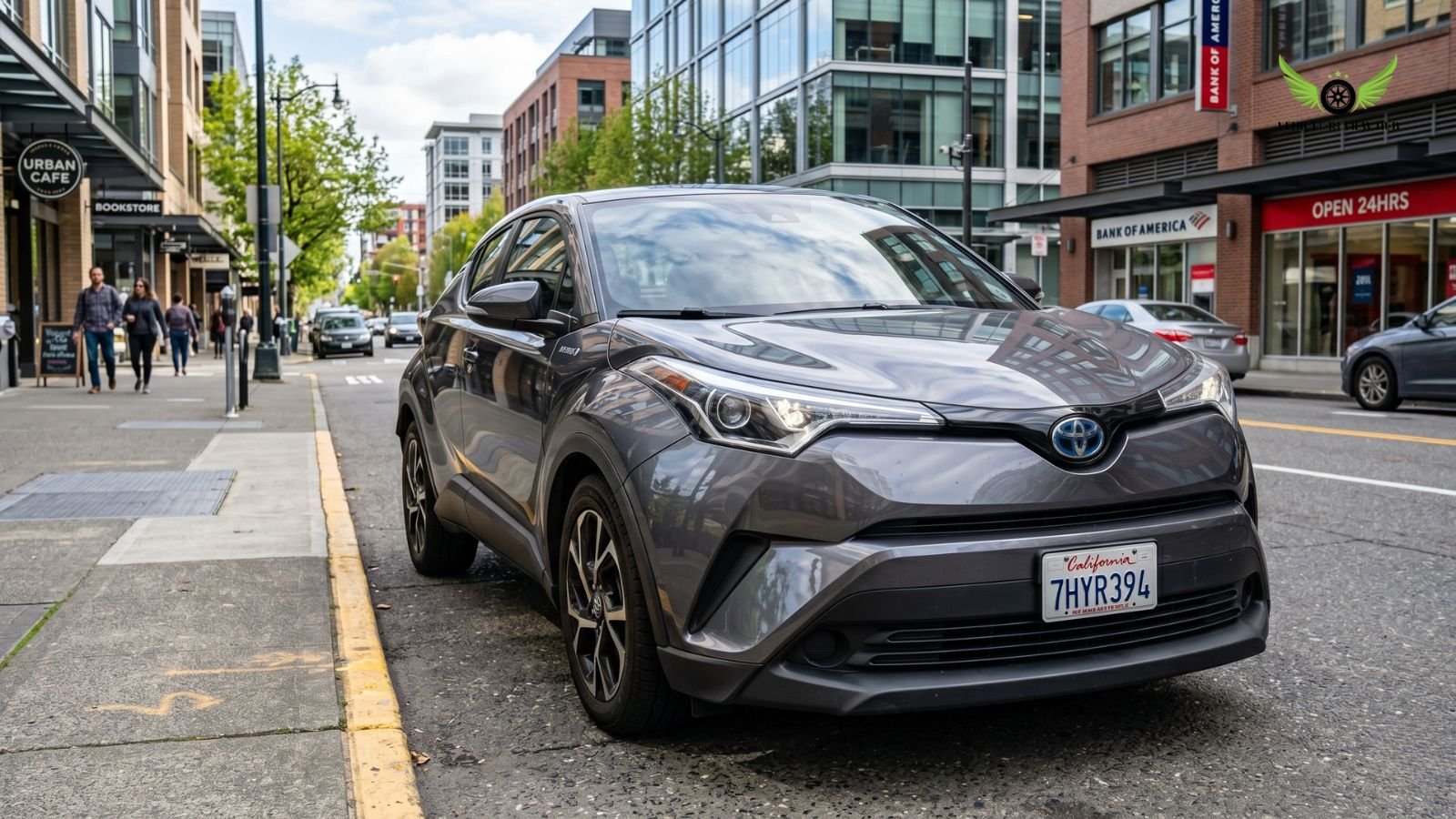

The Toyota Corolla Cross Hybrid attracts US buyers who want a practical compact SUV with better fuel efficiency and lower ownership stress. As hybrid options grow in popularity, many shoppers now compare real-world advantages, possible drawbacks, and how this model stacks up against close rivals before making a decision. This guide focuses on those exact questions—without hype or exaggeration.
Instead of listing features only, this article looks at everyday ownership value. From strengths and limitations to how it competes with other hybrid SUVs in the USA, the goal is to help buyers understand whether this hybrid fits their driving habits, budget, and long-term plans. By the end, readers should have a clear sense of who this vehicle is best for and when it makes sense to choose something else.
Toyota Corolla Cross Hybrid Pros and Cons (Honest Review)

This section breaks down the real strengths and weaknesses of the Toyota Corolla Cross Hybrid based on everyday driving and ownership in the USA. Instead of marketing claims, the focus stays on what buyers actually notice after living with the vehicle—how it performs in daily traffic, how practical it feels, and where it may fall short for certain needs.
Every vehicle has trade-offs, and understanding them early helps buyers avoid disappointment later. Some drivers value efficiency, comfort, and low running stress, while others prioritize power, size, or premium features. Looking at both the pros and cons together gives a clearer picture of whether this hybrid SUV matches your driving style and expectations.
By approaching this review honestly, the goal is to help shoppers make an informed decision. For the right buyer, the Toyota Corolla Cross Hybrid offers strong everyday value, but it may not be the best fit for everyone.
Advantages of the Corolla Cross Hybrid
The Toyota Corolla Cross Hybrid stands out for its balanced approach to everyday driving. It’s designed to be easy to live with, offering a calm and predictable driving feel that suits both city traffic and longer highway trips. This makes it appealing to drivers who value comfort and simplicity over aggressive performance.
One of the biggest advantages is fuel efficiency. The hybrid system works especially well in stop-and-go traffic, helping reduce fuel use during daily commuting. Over time, this can make a noticeable difference in running costs, which is a key reason many US buyers consider this model.
Comfort and ease of use are also strong points. Steering feels light, controls are straightforward, and the overall driving experience is relaxed. New hybrid drivers often find it easy to adapt, as the vehicle behaves much like a traditional SUV without added complexity.
From a long-term perspective, the Toyota Corolla Cross Hybrid benefits from a reputation for reliability and low ownership stress. For buyers looking for a compact hybrid SUV that delivers steady value, efficiency, and everyday comfort, these advantages make it a solid and practical choice.
Disadvantages and Limitations
While the Toyota Corolla Cross Hybrid offers many practical benefits, it also has some limitations that buyers should consider before making a decision. One common concern is performance. The focus here is on efficiency and smooth driving rather than quick acceleration, which may feel underwhelming for drivers who prefer a more sporty or powerful SUV.
Another limitation is size. Although it works well for daily use, families who need maximum rear-seat space or a large cargo area may find it slightly limited compared to bigger compact or midsize SUVs. For frequent long trips with multiple passengers, space can feel just adequate rather than generous.
Some buyers may also find that available features are more practical than premium. The interior and technology are designed for ease of use, not luxury, which might not satisfy drivers looking for high-end materials or advanced customization options.
Overall, these drawbacks don’t make the vehicle a poor choice, but they do shape who it’s best for. Understanding these limitations helps buyers decide whether the Toyota Corolla Cross Hybrid fits their expectations and driving needs.
Who the Hybrid Version Is Best Suited For
The Toyota Corolla Cross Hybrid is a great fit for drivers who value practicality, comfort, and fuel efficiency over raw power or sporty performance. It’s especially well suited to daily commuters, families, and anyone who spends a lot of time in city traffic or on mixed roads around the USA. Its smooth ride and easy handling make everyday driving feel calm and predictable.
This hybrid version also appeals to drivers who are new to electrified vehicles. Because it doesn’t require external charging and feels familiar to drive, it acts as a natural step up from a conventional gas SUV. People switching from a sedan or small SUV often find the transition smooth and stress-free.
For families and regular users, the Corolla Cross Hybrid’s balance of space, comfort, and fuel savings makes it a solid choice without pushing into larger, harder-to-drive SUVs. However, if you’re someone who prioritizes sporty acceleration, large cargo space, or premium features, you might want to explore other options.
Overall, this hybrid version is best suited for drivers who want a dependable, efficient, and easy-to-live-with SUV for daily use in the USA.
Toyota Corolla Cross Hybrid vs Competitors in the USA

In the USA, compact hybrid SUVs offer a wide range of choices, and buyers often compare value, efficiency, and everyday usability before deciding. This section looks at how the Toyota Corolla Cross Hybrid fits within that competitive space, focusing on real-world priorities rather than spec-sheet numbers alone.
Instead of chasing performance or luxury, this model competes on balance. Buyers usually want to know how it compares in fuel efficiency, comfort, size, and long-term ownership stress against other popular hybrid SUVs. Understanding these differences helps clarify whether this hybrid makes more sense than stepping up to a larger option or choosing a different brand.
By comparing strengths and trade-offs, this section aims to give shoppers a clearer view of where the Toyota Corolla Cross Hybrid stands in the US market—and which type of buyer it suits best compared to its closest rivals.
Corolla Cross Hybrid vs Honda CR-V Hybrid
When comparing the Toyota Corolla Cross Hybrid with the Honda CR-V Hybrid, many US buyers focus on how each model fits into daily life rather than just specs. Both are popular hybrid SUVs, but they take slightly different approaches to space, comfort, efficiency, and value.
The Honda CR-V Hybrid generally offers more interior room and cargo space, which can be helpful for families or frequent travelers. Its larger size also tends to give a smoother feel on highways, especially with multiple passengers or luggage. This extra space and ride feel often appeal to buyers who prioritize comfort on long trips.
The Corolla Cross Hybrid, on the other hand, shines with a more compact footprint and strong urban efficiency. Its size makes it easier to park and maneuver in city traffic, and many owners notice lower fuel use in stop-and-go driving. For drivers whose daily routine involves commuting and running errands, this simplicity and efficiency can outweigh the benefits of extra space.
To make the key differences easier to understand at a glance, here’s a comparison table focused on real-world priorities:
Comparison Point | Toyota Corolla Cross Hybrid | Honda CR-V Hybrid |
Size & Maneuverability | More compact and city-friendly | Larger, needs more room |
Interior Space | Practical for commuters and small families | Roomier for passengers and cargo |
Cargo Practicality | Good for daily use and errands | Better for long trips and larger loads |
Fuel Efficiency (Everyday) | Strong city focus and lower running cost | Excellent overall but slightly less city-focused |
Ride Feel | Calm and easy around town | Smooth and steady, especially on highways |
Starting Price | Typically lower | Usually higher |
Best Suited For | Urban commuters, efficiency-focused buyers | Families needing room and longer trips |
In real usage, the Toyota Corolla Cross Hybrid feels most natural for drivers who want easy handling, efficient everyday performance, and lower ownership cost, particularly in urban or mixed driving conditions. Meanwhile, the Honda CR-V Hybrid makes more sense for buyers who need extra space and a smoother highway feel, even if that means a higher purchase price.
Corolla Cross Hybrid vs Toyota RAV4 Hybrid
When comparing the Toyota Corolla Cross Hybrid with the Toyota RAV4 Hybrid, US buyers usually look at size, daily usability, and overall value rather than just brand loyalty. Both vehicles come from Toyota’s trusted hybrid lineup, but they are built for different types of drivers and lifestyles.
The RAV4 Hybrid is positioned as a more spacious and slightly more premium option. It offers more interior room and cargo capacity, which can be helpful for families or drivers who often travel with passengers and luggage. On highways, the RAV4 Hybrid also feels more planted due to its larger size.
The Corolla Cross Hybrid, on the other hand, focuses on simplicity and efficiency. Its compact size makes it easier to drive in traffic, park in tight spaces, and manage during everyday commuting. For many buyers, this smaller footprint feels more practical for city and suburban use.
To make the real-world differences clearer, the comparison below highlights what actually matters in daily ownership:
Comparison Area | Toyota Corolla Cross Hybrid | Toyota RAV4 Hybrid |
Overall Size | Compact and city-friendly | Larger and more spacious |
Interior Space | Practical for daily use | More room for passengers |
Cargo Practicality | Enough for errands and short trips | Better for family travel and luggage |
Fuel Efficiency | Strong focus on city efficiency | Efficient, but balances size and power |
Driving Feel | Light, calm, and easy to handle | More stable on highways |
Parking & Maneuvering | Easier in tight areas | Needs more space |
Starting Price | Lower and more budget-friendly | Higher starting price |
Best Suited For | Commuters and small families | Families needing extra space |
In real-world use, the Toyota Corolla Cross Hybrid works best for drivers who prioritize fuel efficiency, easy handling, and lower upfront cost. It fits naturally into daily commuting and urban driving in the USA.
The RAV4 Hybrid makes more sense for buyers who need extra space and are willing to pay more for a larger SUV experience. Both are strong hybrid options, but the right choice depends on whether everyday simplicity or added space is the higher priority.
Corolla Cross Hybrid vs Hyundai Tucson Hybrid
When comparing the Toyota Corolla Cross Hybrid with the Hyundai Tucson Hybrid, US buyers often look at how each model balances fuel efficiency, interior comfort, and overall value for daily driving. Both are strong contenders in the compact hybrid SUV segment, but they do have distinct strengths that appeal to different types of drivers.
The Hyundai Tucson Hybrid tends to offer a slightly more modern interior with a bit more space for passengers and cargo. Its design often feels a bit more upscale, especially in higher trim levels, which can attract buyers who want a mix of technology and comfort. On highways, the Tucson Hybrid’s suspension and chassis tuning can provide a composed ride, which suits longer-distance driving.
On the other hand, the Toyota Corolla Cross Hybrid focuses more on simplicity, ease of use, and strong fuel efficiency in city and suburban conditions. Its compact size makes it easier to park and maneuver in urban traffic, and many owners find that the hybrid system delivers predictable, smooth performance without complicated controls. For buyers who prioritize everyday efficiency and easy handling over premium cabin features, this model stands out.
To highlight the real-world differences that matter most to everyday drivers, here’s a concise comparison table:
Comparison Point | Toyota Corolla Cross Hybrid | Hyundai Tucson Hybrid |
Interior Comfort | Practical and straightforward | More spacious and modern |
Cargo Space | Good for daily errands | Slightly larger cargo area |
Fuel Efficiency | Strong in city driving | Balanced city and highway efficiency |
Ride Quality | Calm and easy | Smooth and composed at higher speeds |
Design & Features | Simple and usable | More tech and comfort options |
Starting Price | Typically lower | Often higher with added features |
Best Suit | Commuters and efficiency-focused buyers | Buyers wanting modern tech and space |
In real-world use, the Toyota Corolla Cross Hybrid is a natural choice for drivers who want an efficient, easy-to-drive hybrid SUV that feels confident in everyday urban and suburban situations. The Hyundai Tucson Hybrid, meanwhile, is better suited for buyers who value a bit more interior room, modern technology, and a composed highway feel, even if that comes with a slightly higher price.
Corolla Cross Hybrid vs Other Compact Hybrid SUVs
In today’s SUV market, several compact hybrid models compete for attention from drivers who want a balance of efficiency, comfort, and everyday usability. Beyond the well-known Honda CR-V Hybrid, Toyota RAV4 Hybrid, and Hyundai Tucson Hybrid, there are other compact hybrid SUVs that buyers in the USA often consider before making a choice.
Unlike some rivals that chase sporty performance or premium features, the Toyota Corolla Cross Hybrid focuses on reliable everyday driving, low running costs, and easy handling. This approach makes it well-suited for commuters, small families, and first-time hybrid owners who want the benefits of hybrid technology without a steep price tag or complicated systems.
Other compact hybrid SUVs may offer more space, advanced tech, or stronger highway cruising stability. For example, some competitors provide larger cabins or higher-end infotainment systems that appeal to buyers seeking a more feature-rich experience. However, these additional perks often come with higher starting prices or slightly lower fuel efficiency in city driving, where hybrids show their biggest advantage.
To give a clearer picture of how the Corolla Cross Hybrid compares with other compact hybrids you might be considering, here’s a simple comparison table focused on the traits that matter most to everyday drivers:
Comparison Area | Toyota Corolla Cross Hybrid | Other Compact Hybrid SUVs* |
Urban Fuel Efficiency | Strong city economy | Good to moderate |
Daily Driving Ease | Easy to park and maneuver | Varies (some larger SUVs are harder to manage) |
Interior Practicality | Comfortable and usable | Depends on model (some more spacious) |
Purchase Price | Generally more affordable | Often higher on average |
Running Costs | Predictable and low | Comparable, sometimes slightly higher |
Best For | Commuters, small families, budget-aware buyers | Buyers seeking more space or features |
*Other compact hybrid SUVs include models from brands such as Ford, Subaru, Kia, and Mazda in similar hybrid categories.
In real-world use, the Toyota Corolla Cross Hybrid stands out for its simple, practical design and everyday value. It isn’t always the most feature-packed or largest SUV in the segment, but for drivers who prioritize ease of ownership, reliable fuel economy, and low stress behind the wheel, it’s a strong contender among compact hybrid options.
Toyota Corolla Cross Hybrid FAQs

This section answers the most common questions people search for when researching the Toyota Corolla Cross Hybrid in the USA. These FAQs are based on real buyer concerns around fuel efficiency, reliability, maintenance, and everyday usability. Instead of technical jargon, the focus stays on clear, practical answers that help shoppers make confident decisions.
Many buyers reach this stage after comparing options and narrowing down their choices. The goal here is to address last-minute doubts and clarify how this hybrid SUV fits into daily driving, long-term ownership, and real-world expectations. Each question reflects what potential owners actually want to know before purchasing.
By covering these search-intent-driven questions, this section helps complete the buying journey for readers considering the Toyota Corolla Cross Hybrid, especially those looking for straightforward, honest information.
What is the real fuel economy of the Corolla Cross Hybrid?
The Toyota Corolla Cross Hybrid delivers strong real-world fuel economy, especially in city and mixed driving, making it more efficient than most gas-only compact SUVs in everyday use.
In daily driving across the USA, many owners notice better fuel savings during stop-and-go traffic because the hybrid system relies more on electric assistance at lower speeds. This reduces engine workload and helps conserve fuel during commuting, errands, and urban driving.
On highways, efficiency remains stable rather than dropping sharply, which is useful for longer trips. Actual results depend on driving habits, traffic conditions, and road types, but smooth acceleration and consistent speeds usually help achieve better efficiency. For buyers who want lower fuel costs without changing driving routines or dealing with charging, the Toyota Corolla Cross Hybrid performs reliably in real-world conditions.
Is the Corolla Cross Hybrid reliable long-term?
Yes, the Toyota Corolla Cross Hybrid is generally considered reliable over the long term and holds up well for many years of daily use in the USA.
Buyers and long-time owners often report that the vehicle runs consistently without frequent unexpected repairs. Key mechanical systems, including the hybrid components, are designed to work quietly in the background and don’t typically demand special attention beyond regular servicing. This dependable behavior is one reason many drivers feel comfortable keeping this hybrid SUV for several years.
Of course, actual long-term reliability depends on how the vehicle is maintained. Following the manufacturer’s recommended service schedule, addressing maintenance items on time, and using quality parts help make sure the Corolla Cross Hybrid continues to perform without major issues. For drivers who treat routine maintenance as a priority, the model’s reliability record matches what most everyday buyers expect from a Toyota hybrid.
How does AWD affect the hybrid economy?
AWD has a small impact on fuel economy, but the Toyota Corolla Cross Hybrid is designed to keep that difference minimal in everyday driving.
In real-world use, the AWD system only sends power to the rear wheels when extra traction is needed, such as during rain, light snow, or slippery roads. During normal driving—especially in city traffic and steady cruising—the vehicle mainly operates like a front-wheel-drive hybrid, which helps preserve fuel efficiency.
Because the AWD setup uses an electric motor rather than a traditional mechanical system, it avoids constant power loss and unnecessary fuel use. Most drivers notice that day-to-day fuel economy remains strong, with only a slight reduction compared to non-AWD driving under certain conditions.
For buyers in the USA who face changing weather or want added confidence on the road, the trade-off is usually worth it. The hybrid economy stays competitive while AWD adds stability and peace of mind without significantly increasing running costs.
Is the Toyota Corolla Cross Hybrid expensive to maintain?
Maintenance for the Toyota Corolla Cross Hybrid is generally affordable and similar to what you’d expect from most compact SUVs, so it’s not usually considered expensive compared to other hybrid models.
Because the hybrid system is built to be simple and reliable, typical service items like oil changes, tire rotations, and brake checks follow a normal schedule without demanding unusual or costly treatments. In real-world ownership across the USA, most drivers find that regular servicing fits comfortably within a standard vehicle maintenance budget.
The hybrid components themselves don’t require frequent attention. The system manages itself, and unless there’s an uncommon issue, you won’t be paying extra just because it’s a hybrid. Parts that sometimes wear out faster in gas-only vehicles—like brake pads—may actually last longer here due to regenerative braking that reduces wear.
Of course, long-term costs depend on how well maintenance is kept up, but for everyday driving and normal care, owning the Corolla Cross Hybrid doesn’t typically lead to unusually high service bills. For buyers who value predictable upkeep and low stress, the maintenance costs align well with overall ownership expectations.
What standard safety features come with the Hybrid?
The Toyota Corolla Cross Hybrid comes with a solid set of standard safety features that help protect you and your passengers in everyday driving around the USA.
Most models include a suite of driver-assistance technologies designed to help prevent accidents before they happen. These features typically work together to monitor the road, support safe driving habits, and reduce the risk of common collisions.
In real-world use, drivers benefit from systems like automatic emergency braking that can help stop the vehicle if a sudden obstacle appears, lane-keeping support to help keep you centered on the road, and adaptive cruise control that adjusts your speed based on traffic flow. Other features, such as blind-spot monitoring and rear cross-traffic alert, make it easier to handle lane changes and backing out of parking spaces with more confidence.
The inclusion of these safety tools means you get a well-rounded package that supports everyday awareness and helps reduce stress behind the wheel. For many buyers, having these systems standard adds reassurance, especially during busy city driving or long highway trips.
Final Buying Verdict for Toyota Corolla Cross Hybrid in the USA

The Toyota Corolla Cross Hybrid is a smart buying choice for US drivers who want a practical, fuel-efficient SUV that stays easy to own over the long term.
From a real-world perspective, this hybrid SUV delivers where it matters most—daily comfort, lower fuel costs, and predictable ownership. It doesn’t try to be sporty or overly premium, but instead focuses on balance. The driving experience feels calm and confident, fuel efficiency holds up well in everyday use, and the overall size fits naturally into both city and suburban life.
For buyers comparing compact hybrid SUVs, the Corolla Cross Hybrid stands out for its simplicity. There’s no need to worry about charging, complex systems, or high maintenance stress. Everything about the vehicle is designed to feel familiar and manageable, especially for first-time hybrid buyers or drivers moving up from a sedan.
If your priority is reliable daily transportation, long-term value, and lower running costs, the Toyota Corolla Cross Hybrid makes a lot of sense in the current US market. It may not be the largest or most powerful option, but it offers a well-rounded ownership experience that suits most real-life driving needs.
Should You Buy the Corolla Cross Hybrid?
If your goal is to own a practical and efficient hybrid SUV that feels easy to live with every day, the Toyota Corolla Cross Hybrid is worth serious consideration in the USA.
This model doesn’t try to be the most powerful or the most spacious vehicle in its segment. Instead, it focuses on real-world comfort, steady fuel savings, and predictable ownership costs—qualities most everyday drivers care about more than raw performance numbers. If your driving routine involves city traffic, weekly commuting, and mixed suburban/hwy miles, this hybrid delivers a calm and efficient experience that fits naturally into daily life.
The Corolla Cross Hybrid also stands out for its simplicity. You won’t need to adapt to complex hybrid systems or charging schedules like with plug-in electric vehicles. The hybrid powertrain works quietly behind the scenes, helping reduce fuel use without changing how you normally drive.
However, if you prioritize things like sportier acceleration, premium tech features, or maximum cargo space, there are larger SUVs and more luxury-focused hybrids that might fit those specific needs better. In that case, consider how you plan to use the vehicle most often.
In short:
Yes — if you want an easy-to-own, fuel-efficient, everyday hybrid SUV with low stress and solid reliability in the USA. Maybe consider alternatives — if you want sporty performance, premium features, or extra space as your top priorities.
Best Corolla Cross Hybrid Trim to Buy in the USA
When deciding which trim of the Toyota Corolla Cross Hybrid to choose, it helps to match your priorities with what each version offers. Unlike some SUV lines with long trim lists, the Corolla Cross Hybrid keeps things relatively simple — meaning your choice often comes down to features you can’t live without and what you’re willing to pay for.
For many buyers, the mid-level trim strikes the best balance of comfort, technology, and value. It typically includes:
- A larger infotainment screen with smartphone integration
- More advanced driver-assistance features
- Better interior materials and convenience options
- Comfortable seating and upgraded upholstery
This “sweet spot” trim gives you the core benefits of the hybrid system without paying premium prices for features you might not use every day.
If your priority is maximizing value, the base trim still delivers excellent fuel efficiency, quality build, and the dependable hybrid drivetrain that the Corolla Cross Hybrid is known for. It’s a good choice if you want the essentials without extras that add to the sticker price.
On the other hand, if you want more tech features, optional packages, or comfort upgrades, stepping up to the higher trim might make sense — especially if you plan to keep the vehicle for several years. Higher trims usually include things like larger screens, premium audio, ventilated seats, and more convenience tech.
In summary, for most buyers in the USA:
- Best overall choice: Mid-level trim — balanced features and value
- Best budget choice: Base trim — core hybrid experience
- Best perks/features choice: Higher trim — extra comfort and tech
Choosing the right trim depends on what matters most to you: value, features, or full comfort.
Final Recommendation for Compact Hybrid SUV Buyers
If you’re considering a compact hybrid SUV in the USA and want a well-rounded package that blends efficiency, comfort, and ease of ownership, the Toyota Corolla Cross Hybrid remains one of the most sensible choices for everyday drivers.
For buyers who prioritize fuel savings, low ownership stress, and a calm driving experience, the Corolla Cross Hybrid hits the sweet spot. It doesn’t chase peak performance or luxury features, but it does deliver reliable hybrid operation, smooth city and highway driving, and a practical size that works well for daily commuting, errands, and family life.
That said, every buyer has different needs:
- If you want more interior space or cargo room, a slightly larger hybrid like the Toyota RAV4 Hybrid or Honda CR-V Hybrid might be worth considering.
- If modern tech and a more upscale interior are top priorities, models like the Hyundai Tucson Hybrid may offer more features for the money.
- If your daily driving is mostly city traffic and short trips, the Corolla Cross Hybrid’s compact size and strong fuel economy make it especially appealing.
In real-world terms, the Toyota Corolla Cross Hybrid is best for drivers who value:
- Lower fuel costs without complex charging
- Predictable ownership and easy maintenance
- Comfortable everyday use in urban and suburban environments
- A practical hybrid SUV that doesn’t demand special attention
For many compact hybrid SUV buyers, this combination of traits offers the best everyday balance — reliable, efficient, and ready for both city streets and longer highway journeys.