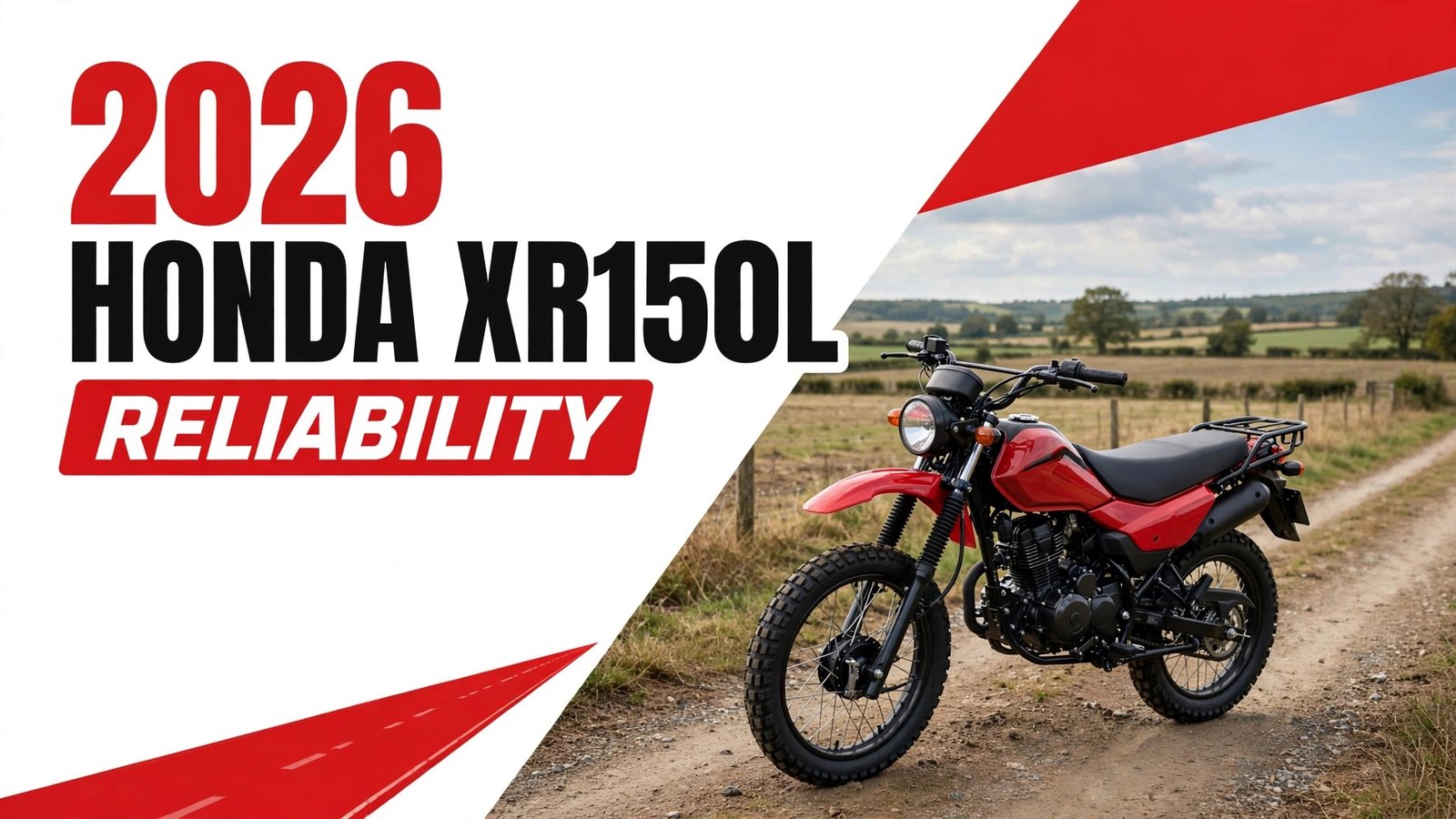
Short answer: Honda XR150L reliability is the bike’s whole reason for existing. The XR150L is a simple, air-cooled, carbureted single with almost nothing electronic to fail, a design Honda has built and refined abroad since 2014, and it arrived in the United States for 2023 as the cheapest full-size dual-sport on the market. Owners and testers report the same Honda XR150L reliability story: it starts, runs, and keeps running, provided you respect its short intervals. The honest caveats for Honda XR150L reliability are a carburetor that gums up in storage, a small oil capacity that punishes neglect, soft budget suspension, and a rear drum needing regular adjustment.
This Honda XR150L reliability guide separates what is proven from what is merely repeated online, and the service schedule is the one thing new owners most often get wrong.
Honda XR150L Reliability Overview
The case for Honda XR150L reliability starts with what the bike does not have: no liquid cooling, no fuel injection, no ride-by-wire, no traction control, no ABS. The engine is a 149cc air-cooled single with two valves, one overhead cam, and a 22mm Keihin carburetor, built by Sundiro Honda to a design produced abroad for a decade. Fewer systems means fewer failure points, and that simplicity is why Honda XR150L reliability holds up in farm use, where bikes sit outside and get serviced when someone remembers.
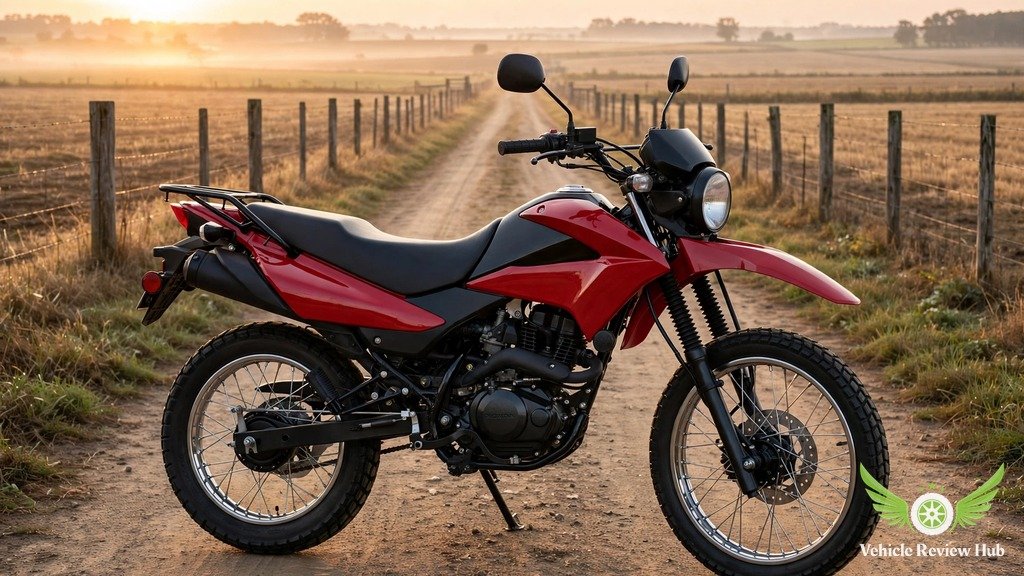
Simple Air-Cooled Design and a Decade of Production History Abroad
The XR150L reached Asia in 2014 and spent nine years as a workhorse in Latin America, Southeast Asia, and Australia and New Zealand, before American Honda brought it to the United States for 2023. That long run matters for Honda XR150L reliability: by the time US buyers saw the bike, Honda had ironed out early problems, and the global parts pipeline was already deep. TopSpeed’s retrospective makes the same longevity point. RevZilla’s 2023 first ride notes the same point, describing a bike that felt deliberately old-fashioned. Motorcycle.com’s first ride likewise put the bike at 282 pounds wet. The engine makes modest power low down, tolerates ordinary pump fuel at 9.5:1, and the steel frame and simple electrics are easy to repair. One caution: foreign-market figures do not always match the US bike — the Canadian model lists a 3.2-gallon tank and 284 pounds against the US model’s 2.8 gallons and 282 pounds.
How Mileage, Maintenance History and Previous Use Affect Reliability
Mileage alone tells you little about Honda XR150L reliability. A 10,000-mile bike with 2,500-mile oil changes and garaged life beats a 2,000-mile bike that sat a year with ethanol fuel in the carburetor. Previous use matters more than the odometer: farm bikes collect mud in the airbox and chain, town bikes collect short-trip condensation, learner bikes collect drops. Service records are the real currency for Honda XR150L reliability: a stamped maintenance record is worth more than a low odometer reading. The video below walks through the XR150L’s 600-mile service — oil change, valve adjustment and inspection.
Honda XR150L Common Problems and Wear Items
Here is the honest list: Honda XR150L reliability is not about engines failing, but about wear items owners meet again and again — carburetor, chain, tires, rear brake — while engine, gearbox, and frame stay quiet. None is expensive, but all reward attention.
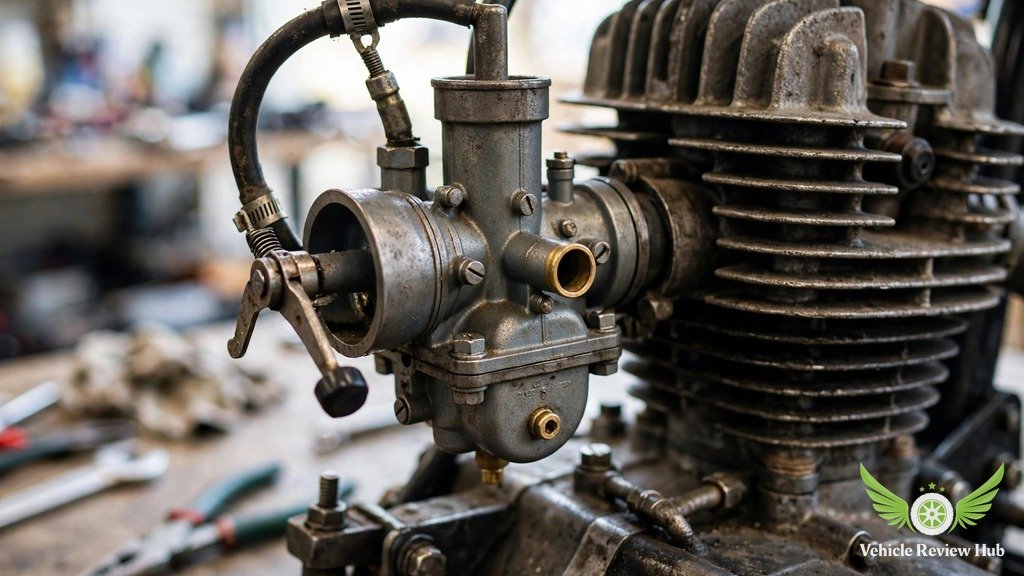
Carburetor Jets Gumming in Storage and Manual Choke Checks
The carburetor is the most common Honda XR150L reliability complaint, and it is a storage problem rather than a design defect. The 22mm Keihin carburetor has small jets, and modern ethanol fuel leaves deposits in them when the bike sits. A bike that ran fine in October can refuse to idle in March, surge at small throttle openings, or need choke long after warm-up. For Honda XR150L reliability, the fix is prevention: drain the carburetor before long storage, run the bike regularly, and use stabilizer if it will sit for weeks. Check the manual choke every spring. The choke lever should move smoothly and the engine should start cleanly with choke on a cold morning, then settle as it warms; a sticking choke points to a partially blocked pilot jet. The related habit is the missing fuel gauge: no gauge or low-fuel light, so riders watch the trip meter and switch the petcock to reserve.
Oil Consumption Reports Labelled as Single-Source, Chain and Sprockets
Oil consumption deserves careful wording, because this is where Honda XR150L reliability reporting overreaches most often. One service-manual publisher, Cyclepedia, notes the stock crankcase breather is poorly designed and can lead to excessive oil consumption. That is a single source, and this Honda XR150L reliability guide labels it as such: it is not a pattern confirmed by Honda, by a recall, or by a broad owner survey. What is certain is that the engine holds only about 1.2 liters, so even modest consumption matters and the level must be checked often. Check the level before rides, top up with SAE 10W-30, and treat frequent topping up as a sign the breather and seals need inspection. The chain is the other consumable story: exposed to mud, dust, and farm grit, a neglected chain wears sprockets and stretches unevenly. Check slack, which the owner’s manual puts at 20 to 30mm, lubricate often, and replace chain and sprockets as a set when teeth hook. A tight spot or shark-fin sprocket is wear doing its job, not a Honda XR150L reliability surprise.
Honda XR150L Maintenance Schedule and Servicing
The XR150L’s schedule is the shortest in Honda’s current dual-sport range, and getting it wrong is the fastest way to hurt Honda XR150L reliability. Where larger Hondas ask for oil every 8,000 miles, this bike asks every 2,500, because it carries little oil and uses no disposable filter element. The schedule below follows the owner’s manual: a 600-mile first service, then 2,500-mile intervals, with valve and filter work on their own cadence.
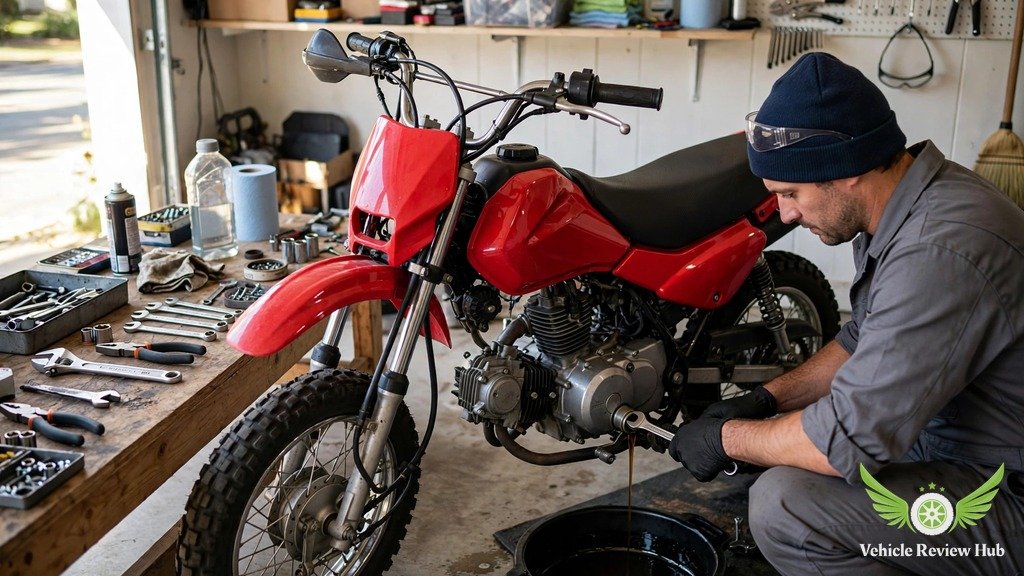
First Oil at 600 Miles, Then Every 2,500 Miles or Six Months
The 600-mile first service is the most important visit in the bike’s life for Honda XR150L reliability. It covers the first oil change, bolt and spoke checks, chain adjustment, and a general inspection after break-in. After that, engine oil changes fall every 2,500 miles or six months, using SAE 10W-30 rated SJ or higher. That interval looks short next to bigger bikes, but it is honest Honda XR150L reliability engineering for a 1.2-liter sump: the oil works harder and hotter with less reserve capacity, so fresh oil is cheap insurance. Low-mileage owners still owe the six-month change, because oil degrades with time and short-trip condensation. Skipping oil changes is the one maintenance sin this engine does not forgive, and the first thing a used-bike buyer should check in the service record.
No Paper Oil Filter: Strainer Screen, Centrifugal Filter and Valve Checks
New owners often go looking for a spin-on oil filter that does not exist. The XR150L has no paper oil filter. Instead it uses two systems: an engine oil strainer screen catching larger debris, and a crankshaft-driven centrifugal filter spinning fine particulates out of the oil. The centrifugal filter needs cleaning every 7,500 miles according to Cyclepedia’s service manual, a dealer-level job for most owners because it means opening the engine side cover. Valve clearance checks fall every 2,500 miles on the same schedule as oil changes, which sounds frequent until you remember this is a simple two-valve engine with screw-and-locknut adjusters a competent home mechanic can check in an afternoon. The exhaust valve wears faster than the intake, so hard starting, loud ticking, or a lost crisp idle often means a valve check, not a rebuild. Air filter servicing follows the same logic: inspect often, service sooner in dusty farm use, and never run with a torn filter.
| Service item | Interval | Notes |
|---|---|---|
| First service | 600 miles | First oil change, bolts, spokes, chain, inspection |
| Engine oil change | Every 2,500 miles or 6 months | SAE 10W-30, SJ or higher, about 1.2 liters |
| Valve clearance check | Every 2,500 miles | Two-valve engine, screw-and-locknut adjusters |
| Centrifugal filter cleaning | Every 7,500 miles | No paper filter; dealer-level job for most owners |
| Chain check and lubrication | Every 500 miles, plus pre-ride checks | Slack 20 to 30mm; more often in mud and dust |
| Air filter inspection | Inspect often | Sooner in dusty farm and trail use |
| Brake fluid | Every 2 years | Flush, not just top up |
Honda XR150L Tires, Brakes and Suspension Maintenance
Tires, brakes, and suspension are where Honda XR150L reliability meets daily use: knobby tires wear fast on pavement, the rear drum needs adjustment, and the suspension is deliberately basic.
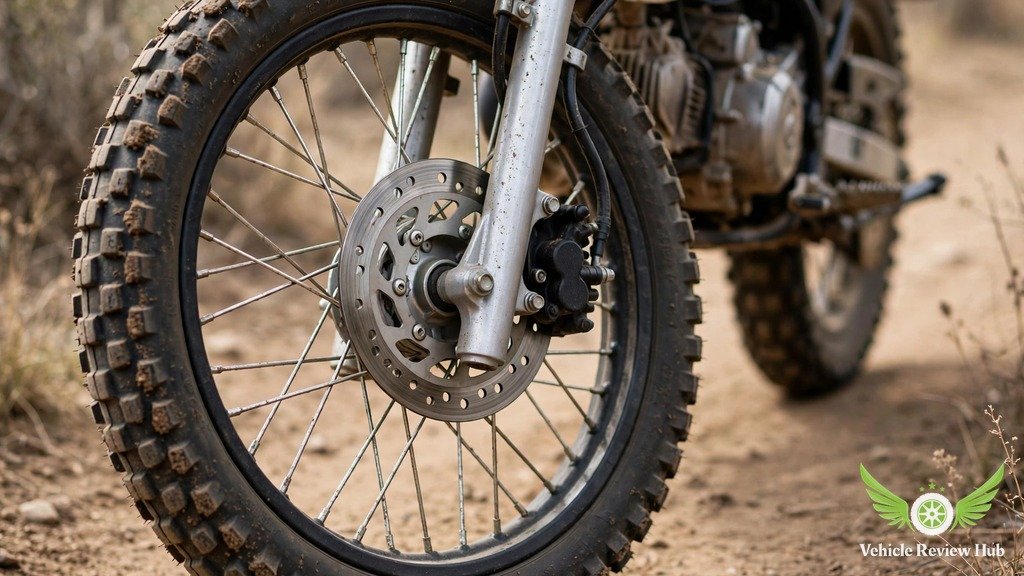
Tire Condition, Pressure, Tread Wear and Replacement
The XR150L runs a 90/90-19 front tire and a 110/90-17 rear, and for Honda XR150L reliability, tire care starts with pressure: the owner’s manual specifies 22 psi at the front and 29 psi at the rear. Underinflation wears edges and makes the light bike feel vague; overinflation costs grip on dirt. For Honda XR150L reliability, check pressures cold before rides, and inspect tread and sidewalls for cuts and embedded stones after trail and farm use. Knobby tires wear quickly on pavement, so a road-used bike needs rear tires sooner, and a squared-off rear is normal road wear, not a defect. Check spoke tightness too: spoked wheels loosen off-road, and a loose spoke leads to a wobbling rim and a bigger bill.
Brake Fluid Every Two Years, Drum Brake, Forks and Shock Checks
The front is a single 240mm disc with a two-piston caliper and does most of the stopping; the rear is a 110mm drum needing a different kind of attention. For Honda XR150L reliability, brake fluid must be flushed every two years because it absorbs moisture and softens lever feel; old fluid is a common cause of the vague front brake owners blame on the pads. The drum brake needs cable adjustment as the shoes wear, and a rear pedal travelling too far or feeling wooden usually asks for adjustment, not new parts. There is no ABS on any year, so emergency stops depend on the rider. Suspension checks are equally simple: the 31mm fork gives 7.1 inches, non-adjustable; the single rear shock gives 5.9 inches with preload only. Look for weeping fork seals, knocking over bumps, and a shock that bottoms with a passenger or luggage. The fork is soft by design, and heavier riders should expect dive under braking rather than treating that as a Honda XR150L reliability fault.
Honda XR150L Maintenance and Ownership Costs
Honda XR150L reliability keeps running costs low, but unevenly: fuel and servicing cost little, tires and chains recur often, and neglect turns cheap jobs into expensive ones.
Fuel, Oil, Tires and Replacement Parts
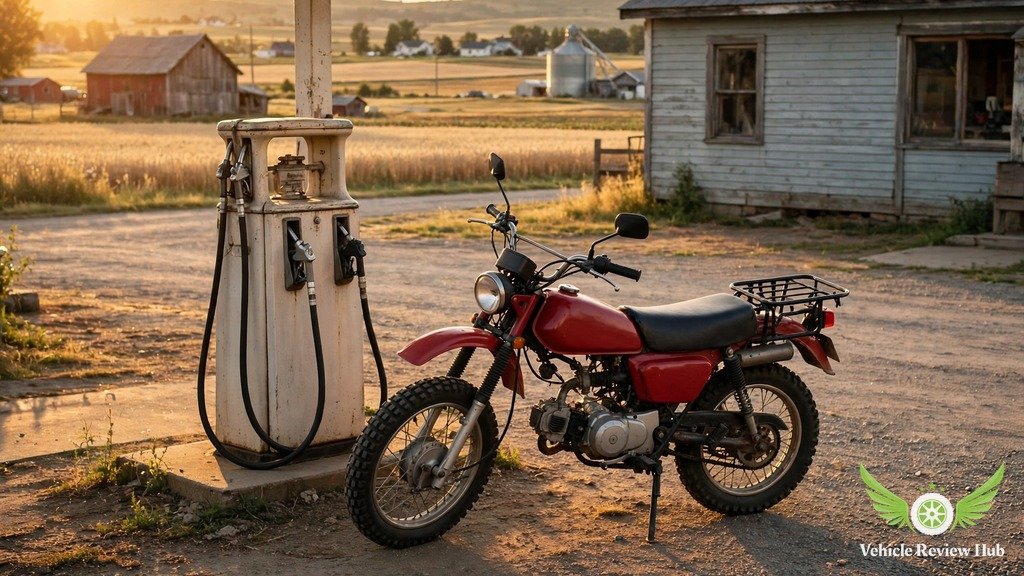
Fuel is the cheapest Honda XR150L reliability habit. Honda USA publishes no MPG figure, but independent testing and owner reports land in the 70 to 100 mpg range, and the 2.8-gallon tank turns that into roughly 200 to 280 miles as labelled arithmetic. At 80 mpg and 5,000 miles a year, fuel is roughly 63 gallons a year, about $220 at $3.50 a gallon — an estimate, not a quote. Oil is the next cheapest habit: about 1.2 liters of 10W-30 per change, a job most owners do at home. Tires and chains recur: a set of each per year for a regularly ridden bike is realistic, and both are inexpensive with wide availability from the global platform. The standard CRF300L reliability picture shows the contrast: a bigger, faster, fuel-injected bike with longer intervals but higher parts and tire costs.
Repair Expenses, Parts Availability and Long-Term Ownership Costs
Honda XR150L reliability repair expenses split two ways: cheap wear parts and the occasional bigger job. Chains, sprockets, brake shoes and pads, cables, and levers are inexpensive, and Honda parts availability is excellent for a global model with a decade of production behind it. The bigger jobs are neglect-created: a carburetor gummed for years, a chain that snaps and cracks the case, or valves left until compression is lost. None is a Honda XR150L reliability defect; all are maintenance deferred past the point where it stays cheap. Long-term costs stay among the lowest in the dual-sport class if the 2,500-mile oil rhythm is kept, and most work can be done at home or by any independent shop. Insurance has no model-specific US average published: get quotes on the exact VIN before buying.
| Annual ownership item | Planning estimate |
|---|---|
| Fuel, 5,000 miles a year | About $220 |
| Oil changes, two per year | Low; about 1.2 liters of 10W-30 per change |
| Tires, one set per year | About $200 to $350 fitted |
| Chain and sprockets, as needed | About $100 to $200 per set |
| Brake shoes, pads, cables | Low; inexpensive Honda parts |
| Insurance | Quote it yourself; no verified average exists |
| Total before insurance | Roughly $520 to $770 per year plus servicing |
How to Keep a Honda XR150L Reliable
Honda XR150L reliability is mostly about discipline, not skill: follow the short schedule, protect the carburetor from storage, and check the bike after trail and farm rides.
Preventive Maintenance, Chain Care Every 500 Miles and Fuel Care
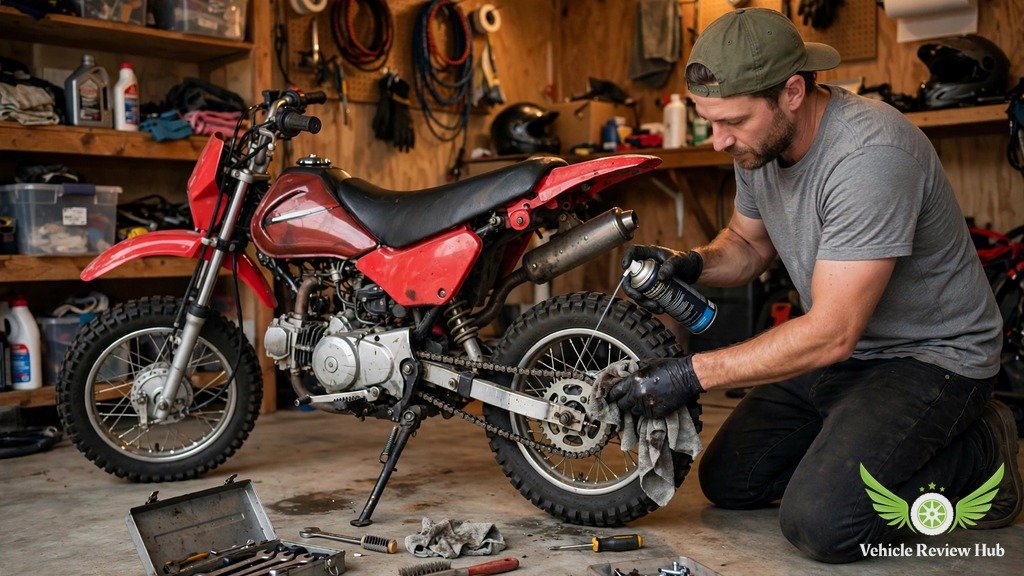
For Honda XR150L reliability, preventive maintenance starts with the chain. Check slack and lubricate every 500 miles, more often after wet, muddy, or dusty rides, and replace chain and sprockets together when teeth hook or adjustment no longer holds. Fuel care is the second habit: fresh fuel, stabilizer before storage, a drained carburetor if it will sit for months, and regular winter runs. After every trail ride, wash mud from the airbox area, check fork seals, look for bodywork cracks, and confirm levers and the rack are tight. For Honda XR150L reliability, check the oil level before rides: a 1.2-liter sump leaves no margin for a slow leak. These four habits are the whole secret of Honda XR150L reliability, and they cost almost nothing.
Recall Reality Check: None Found in NHTSA as of November 2026, Check by VIN
The Honda XR150L reliability recall record is clean, and this Honda XR150L reliability guide verified it directly rather than repeating the claim. A query of the NHTSA recalls database for the Honda XR150L returned zero records for the 2023, 2024, 2025, and 2026 model years, matching the outline’s statement that none had been found as of November 2026. That fits the bike’s simple design: no fuel-injection software, no ABS module, no complex electronics to fail. But a clean result is not a guarantee for a specific bike: still run the VIN through NHTSA and a Honda dealer before paying, because campaigns can be filed later. The XR150L review and XR150L performance coverage carry the full model story.
Honda XR150L Reliability FAQs
Direct answers to the Honda XR150L reliability questions buyers and owners ask most, covering the service schedule, carburetor, oil, brakes, and recall record, so you can check a used bike or plan maintenance with confidence.
Is the Honda XR150L reliable?
Yes. Honda XR150L reliability rests on a simple air-cooled single with almost no electronics, a design in production abroad since 2014, and a clean NHTSA recall record for all four US model years. Testers and owners describe it as a bike that starts every time, provided the short schedule is followed.
How often does the Honda XR150L need an oil change?
Every 2,500 miles or six months after a 600-mile first service. That is far shorter than larger Hondas, and it is the single most important Honda XR150L reliability habit, because the engine holds only about 1.2 liters of oil.
Does the Honda XR150L have an oil filter?
Not a paper one: Honda XR150L reliability depends on a strainer screen plus a crankshaft-driven centrifugal filter, cleaned every 7,500 miles.
What is the most common Honda XR150L problem?
Carburetor jets gumming up in storage. Ethanol fuel leaves deposits in the small jets when the bike sits, causing hard starting and rough idling. Drain the carburetor before long storage or use stabilizer, and check the choke every spring.
Does the Honda XR150L burn oil?
Not as a confirmed pattern. One service-manual publisher notes the stock crankcase breather can lead to excessive oil consumption, but that is a single-source observation, labelled as such in this Honda XR150L reliability guide. For Honda XR150L reliability, check the oil level often, because the small sump leaves little margin.
How often should I check the chain?
Every 500 miles plus a pre-ride check, with slack at 20 to 30mm. Farm and trail grit wear chains fast, so lubricate more often after muddy or dusty rides and replace chain and sprockets together when teeth hook.
Does the Honda XR150L have ABS?
No, on no model year: a 240mm front disc and a 110mm rear drum, with emergency stops depending on the rider. Flush brake fluid every two years, and adjust the drum cable as shoes wear.
Are there any Honda XR150L recalls?
None found in NHTSA’s database for the 2023, 2024, 2025, or 2026 model years as of November 2026, verified directly for this Honda XR150L reliability guide. Still run the VIN through NHTSA and a Honda dealer before buying any used bike.
How long will a Honda XR150L last?
With the 2,500-mile oil rhythm, clean fuel habits, and regular chain care, a well-kept XR150L should last tens of thousands of miles — which is why Honda XR150L reliability is rated so highly.
Is the XR150L cheap to maintain?
Yes. For Honda XR150L reliability, fuel, oil, tires, and chains dominate the bill, all inexpensive with wide parts availability. The expensive outcomes come from neglect — a gummed carburetor, a snapped chain, unadjusted valves — which is why Honda XR150L reliability rewards discipline over spending.
Bottom line: Honda XR150L reliability is genuinely strong where it counts — proven engine, clean recall record, lowest running costs in the class — and its weaknesses are well known, cheap, and easy to inspect. Keep the oil fresh, the carburetor clean, and the chain adjusted, and the XR150L will repay that discipline for years.