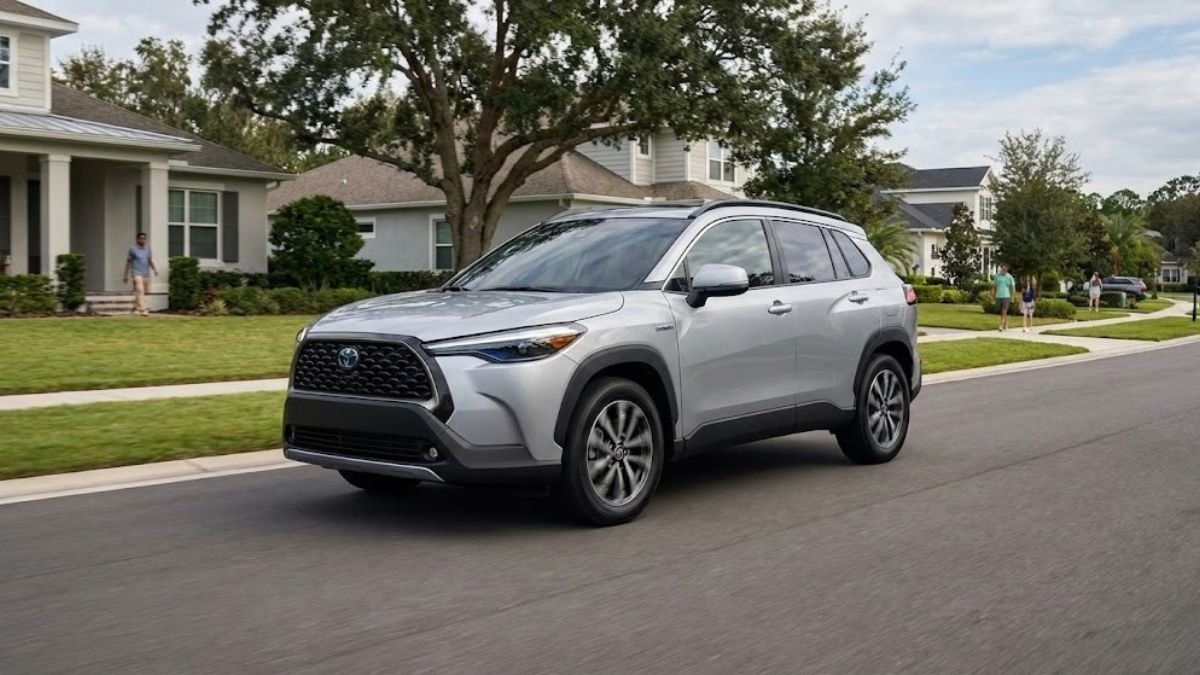
The Toyota Corolla Cross Hybrid has quickly become a smart choice for US buyers who want SUV space without giving up fuel efficiency. It sits between a compact car and a full-size SUV, making it easy to live with in daily American driving conditions. From city traffic to long highway trips, this hybrid SUV is designed for people who want lower fuel costs, smooth driving, and Toyota’s long-term reliability.
In this Toyota Corolla Cross Hybrid Review, we focus on what really matters to buyers in the USA—how it feels on real roads, how practical it is for families or commuters, and whether the hybrid system actually makes a difference in everyday use. Instead of just listing specs, this review looks at ownership expectations, driving comfort, and why many buyers see it as a safer long-term option compared to the non-hybrid Corolla Cross.
With rising fuel prices and growing interest in hybrid vehicles, the Toyota Corolla Cross Hybrid fits well into today’s US market. It offers the familiarity of the Corolla name with added ground clearance, available AWD, and better fuel economy than most gas-only compact SUVs. This makes it appealing for first-time hybrid buyers as well as drivers upgrading from a sedan.
What Is the Toyota Corolla Cross Hybrid and Why It’s Popular in the USA
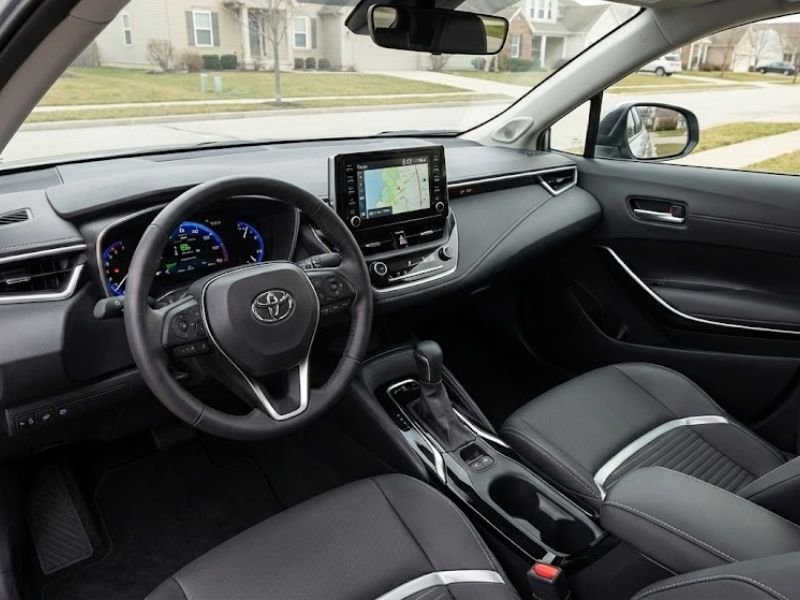
The Toyota Corolla Cross Hybrid is a compact hybrid SUV built for drivers who want the comfort of an SUV with the fuel savings of a hybrid. It combines Toyota’s trusted Corolla platform with a hybrid powertrain, higher ground clearance, and a more practical body style. This balance is one of the main reasons the model is gaining attention across the USA.
In today’s market, many American buyers are moving away from sedans but still want something easy to drive and affordable to own. The Toyota Corolla Cross Hybrid fits that need well. It is smaller than many midsize SUVs, which makes parking and city driving simple, yet it still offers enough space for daily errands, family use, and weekend trips. For many buyers, this mix of size and efficiency feels just right.
Another reason behind its popularity is fuel efficiency without range anxiety. Unlike full electric vehicles, the Corolla Cross Hybrid does not require charging. Drivers can refuel at any gas station while still enjoying lower fuel consumption in city traffic. This makes the hybrid system more attractive for people who are new to electrified vehicles.
From a value perspective, this model also stands out. Toyota’s reputation for reliability, combined with lower fuel costs, makes ownership feel less risky in the long run. As highlighted in many real-world discussions and reflected in this Toyota Corolla Cross Hybrid Review, buyers in the USA often see it as a practical step into hybrid ownership rather than a major lifestyle change.
Toyota Corolla Cross Hybrid Overview in the US Hybrid SUV Segment
In the US hybrid SUV market, this model is positioned as a practical entry-level option rather than a high-performance or luxury-focused vehicle. It targets buyers who want better fuel efficiency than a traditional gas SUV but are not ready to move into plug-in or fully electric models. This makes it especially appealing to everyday drivers who value simplicity and long-term usability.
Compared to many larger hybrid SUVs, it feels easier to handle in city traffic and suburban roads. The size works well for American driving habits—comfortable for daily commuting, grocery runs, and short family trips without feeling bulky. At the same time, it offers more ground clearance and visibility than a sedan, which many US buyers now prefer.
Within the hybrid SUV segment, it competes mainly on value and reliability rather than flashy design or advanced tech. Toyota’s experience with hybrid systems gives buyers confidence, especially those who plan to keep their vehicle for many years. This approach has helped the Toyota Corolla Cross Hybrid gain attention among first-time hybrid buyers and drivers downsizing from larger SUVs.
Overall, its role in the US market is clear: a balanced hybrid SUV that focuses on real-world efficiency, ease of ownership, and everyday comfort instead of aggressive styling or performance claims.
Corolla Cross Hybrid vs Corolla Cross (Non-Hybrid) Differences
When choosing between the hybrid and non-hybrid versions, most buyers focus on fuel use, driving feel, and long-term costs. Both models share a similar design and cabin layout, so the real differences are mostly under the hood and in day-to-day ownership experience.
Below is a clear, practical comparison table to make those differences easy to understand:
Feature | Corolla Cross Hybrid | Corolla Cross (Non-Hybrid) |
Powertrain | Gas engine + electric motor | Gas engine only |
Fuel Efficiency | Better, especially in city driving | Lower compared to hybrid |
Driving Feel | Smooth and quiet in traffic | More traditional engine response |
Fuel Type | Gasoline (no charging needed) | Gasoline |
Upfront Cost | Slightly higher | Lower starting price |
Long-Term Running Cost | Lower fuel cost over time | Higher fuel cost over time |
Interior & Cargo Space | Very similar | Very similar |
In real-world use, the hybrid version is better suited for drivers who spend a lot of time in city traffic or want lower fuel expenses over the years. The non-hybrid option still makes sense for buyers who prefer a simpler setup and a lower purchase price.
The decision mostly depends on driving habits. If fuel savings and smoother urban driving matter more, the Toyota Corolla Cross Hybrid feels like the smarter choice. If upfront cost is the main concern, the gas-only version remains a solid option.
Who Should Consider the Corolla Cross Hybrid in the USA
The Corolla Cross Hybrid makes sense for a wide range of drivers, but it fits especially well with certain needs and lifestyles common in the USA. It’s not just another SUV—it’s a practical choice for people who want everyday comfort, low running costs, and a simple hybrid experience without complicated charging routines.
If you spend most of your time driving in city traffic or suburbs, the hybrid setup can save noticeable money at the pump. The balance between electric motor support and gasoline use means stop-and-go driving feels smoother and more efficient, which many commuters appreciate. For families with school runs, errands, and weekend plans, this can add up to meaningful savings over time.
Drivers who care about long-term ownership value may also lean toward this model. Toyota’s reputation for reliability adds peace of mind, and the hybrid version often holds its value well. If you plan to keep your vehicle for several years, the fuel savings and steady performance make it a strong candidate.
Another good match is drivers who are curious about hybrid technology but not ready for a plug-in or full electric vehicle. Since the Corolla Cross Hybrid doesn’t need external charging, it feels familiar to traditional SUV owners while still offering many benefits of electrification.
On the other hand, if your daily driving is mostly highway at high speeds or if you prioritize sporty performance, other SUV options might suit your style better. But for most everyday situations—commuting, family duty, and regular errands—the Corolla Cross Hybrid strikes a nice balance between comfort and economy.
Toyota Corolla Cross Hybrid Specs & Powertrain Details
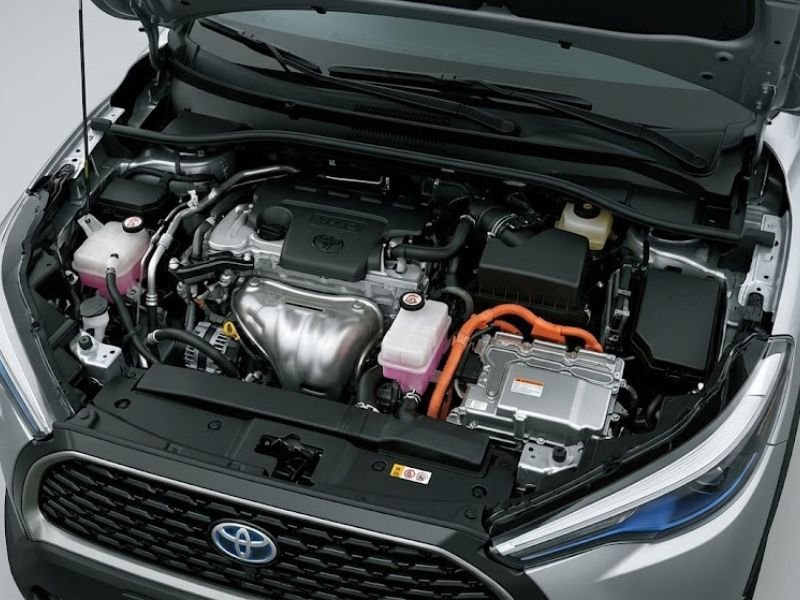
This section looks at the mechanical side of the Toyota Corolla Cross Hybrid in a simple, real-world way—focusing on what the specs actually mean for daily driving in the USA. Instead of listing numbers only, the goal here is to explain how the hybrid system works together and why it feels different from a regular gas-powered compact SUV.
The powertrain is designed around balance rather than performance. It aims to deliver steady power, smooth response, and better fuel use in everyday conditions like city traffic, suburban roads, and mixed highway driving. For most drivers, the experience feels calm and predictable, which fits well with the vehicle’s practical nature.
From an ownership point of view, the hybrid setup is also about convenience. There’s no need for external charging, and the system manages itself automatically. This makes it easier for drivers who want the benefits of a hybrid without changing their driving habits. As often discussed in a detailed Toyota Corolla Cross Hybrid Review, this simplicity is a big reason many buyers feel comfortable choosing it as their first hybrid vehicle.
Overall, the specs and powertrain details are less about impressive numbers and more about efficiency, reliability, and ease of use—key factors for long-term ownership in the US market.
Hybrid Powertrain Overview (Engine + Electric Motor)
The hybrid system in this model is built to work quietly in the background, focusing on smooth driving rather than drawing attention to itself. It uses a gasoline engine paired with an electric motor, and both work together automatically based on driving conditions. The driver doesn’t need to switch modes or manage anything manually—the system decides when to use electric power, engine power, or a mix of both.
At lower speeds, especially in city traffic, the electric motor often takes the lead. This helps reduce fuel use and keeps the drive calm and quiet. When more power is needed—such as merging onto highways or climbing gentle hills—the engine steps in seamlessly. The transition between the two feels natural, which is something many first-time hybrid drivers appreciate.
In real-world use, this setup feels less mechanical and more relaxed compared to traditional gas-only SUVs. There’s no sudden engine noise during slow driving, and stop-and-go traffic feels smoother overall. That’s one reason many US drivers find the Toyota Corolla Cross Hybrid easy to adapt to, even if they’ve never owned a hybrid before.
Instead of chasing performance numbers, the powertrain focuses on efficiency, comfort, and reliability. This approach fits well with daily American driving habits, where steady response and lower fuel costs matter more than quick acceleration.
Horsepower, Torque, and System Output
Instead of focusing on big numbers, the hybrid system here is tuned for smooth and usable power in everyday driving. The combined output from the gasoline engine and electric motor is designed to feel balanced, not aggressive. For most drivers, this means steady acceleration that feels confident without being sporty.
In city driving, the electric motor helps deliver instant torque at low speeds. This makes pulling away from traffic lights or moving through busy streets feel easier and more controlled. On the highway, the system blends engine and motor power to maintain speed comfortably, especially during passing or gentle uphill sections.
What matters in real-world use is how the power feels, not just the figures on paper. The response is predictable and linear, which suits daily commuting and family use well. Drivers don’t experience sudden bursts or lag, making the overall drive feel calm and composed.
As often noted in a practical Toyota Corolla Cross Hybrid Review, the system output is well-matched to the vehicle’s size and purpose. It’s not built for performance driving, but it delivers enough strength to handle typical US road conditions with ease and confidence.
Transmission and AWD Hybrid System
The hybrid setup uses a smooth, automatic-style transmission that focuses on efficiency and comfort rather than sporty shifting. In everyday driving, it feels simple and predictable, with no noticeable gear changes. This makes city traffic and long drives less tiring, especially for drivers who prefer a relaxed driving experience.
One key advantage for US buyers is the available all-wheel-drive hybrid system. Instead of a traditional mechanical setup, the AWD system uses an extra electric motor to power the rear wheels when extra grip is needed. This happens automatically, without driver input, and is most useful in situations like rain, light snow, or slippery roads.
In real-world conditions, this system adds confidence rather than performance. It helps the vehicle feel more stable during bad weather while keeping fuel use low. For many drivers, this balance between traction and efficiency is a strong reason to consider the Toyota Corolla Cross Hybrid, especially in regions where weather can change quickly.
The transmission and AWD system work quietly in the background, doing their job without drawing attention. That fits well with the vehicle’s overall character—easy to drive, easy to own, and well-suited for everyday American roads.
Dimensions, Cargo Space, and Weight
When it comes to size and practicality, this hybrid SUV is designed to feel easy to manage while still offering useful interior space. Its overall dimensions sit comfortably in the compact SUV category, which helps with parking, tight city streets, and daily commuting in the USA. At the same time, it provides more room than a typical sedan, especially for passengers who prefer a higher seating position.
Cargo space is one of its stronger points for everyday use. The rear area is large enough for groceries, strollers, or weekend luggage, and the shape of the cargo floor makes loading and unloading simple. With the rear seats folded down, the space becomes more flexible for longer items, which suits small families or active lifestyles.
Weight distribution is also important here. The added hybrid components increase weight slightly compared to the gas-only version, but this is managed well. In real driving, the vehicle doesn’t feel heavy or slow. Instead, it feels stable, especially at highway speeds, and remains comfortable over uneven roads.
To make things clearer, here’s a simple overview table of how space and size matter in daily use (without forcing technical numbers):
Aspect | Real-World Impact |
Overall Size | Easy to drive and park in cities |
Cabin Space | Comfortable for daily commuting and family use |
Cargo Area | Practical for shopping and short trips |
Folded Rear Seats | Extra flexibility for larger items |
Vehicle Weight | Feels stable, not heavy, on highways |
Overall, the balance between dimensions, cargo space, and weight makes the Toyota Corolla Cross Hybrid a practical choice for drivers who want SUV usefulness without stepping into a larger, harder-to-handle vehicle.
Toyota Corolla Cross Hybrid Performance and Driving Dynamics
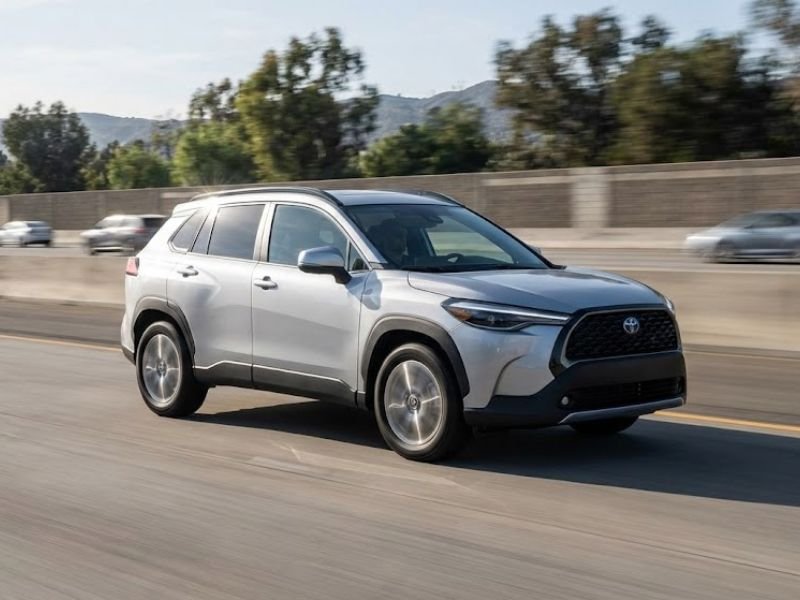
This section focuses on how the Toyota Corolla Cross Hybrid behaves on real roads in the USA, not just how it looks on paper. Performance here is about smooth movement, confidence, and control rather than speed or sporty driving. For daily commuting, school runs, and long highway stretches, the driving dynamics are tuned to feel calm and predictable.
In normal use, the hybrid system delivers power in a relaxed way. Acceleration feels steady, steering remains light, and the overall ride is comfortable even on uneven city roads. These traits make it easy to drive for long periods without feeling tired, which matters more to most buyers than quick acceleration times.
From a practical point of view, the suspension and steering setup are designed for comfort first. The vehicle stays stable at highway speeds and feels composed during lane changes or gentle curves. This balance is often highlighted in a real-world Toyota Corolla Cross Hybrid Review, where drivers appreciate how natural and stress-free the driving experience feels.
Overall, the performance and driving dynamics suit buyers who want a dependable hybrid SUV for everyday American driving. It’s not built to impress on a racetrack, but it delivers exactly what most owners expect—comfort, control, and confidence in daily situations.
Acceleration and Power Delivery
Acceleration in this hybrid SUV is tuned for smoothness rather than excitement. Power comes in gradually, which helps the vehicle feel controlled and easy to manage in everyday driving. In city conditions, pulling away from traffic lights feels calm and predictable, without any sudden jumps or hesitation.
The electric motor plays a key role at lower speeds, providing quick initial response when the driver presses the accelerator. This makes stop-and-go traffic less stressful and helps the vehicle move forward smoothly. As speed increases, the gasoline engine joins in quietly to maintain momentum, creating a balanced and steady flow of power.
On highways, power delivery feels consistent rather than aggressive. Merging into traffic or passing slower vehicles can be done confidently, even though the focus is clearly on efficiency instead of performance. This driving character suits most US roads, where steady speed and comfort matter more than rapid acceleration.
Overall, the way power is delivered matches the vehicle’s purpose well. It feels natural, easy to control, and well-suited for daily commuting and family use—qualities many drivers expect from the Toyota Corolla Cross Hybrid.
Handling, Steering, and Ride Comfort
Handling in this hybrid SUV is set up to feel safe and easy rather than sporty. The steering is light and predictable, which helps during tight turns, parking, and low-speed driving in city areas. For most drivers, this makes daily use feel less stressful and more confident.
On the road, the suspension does a good job of absorbing bumps and uneven surfaces. Rough patches, speed breakers, and broken city roads are handled smoothly, keeping passengers comfortable. At the same time, the body stays stable during normal cornering, so the vehicle doesn’t feel floaty or unstable.
Ride comfort is one of its strongest points, especially for longer trips. Road noise is kept low, and vibrations are well controlled, even at highway speeds. This relaxed driving feel is often mentioned in owner feedback and in many Toyota Corolla Cross Hybrid Review discussions, where comfort is valued more than sharp handling.
Overall, the balance between handling, steering, and ride comfort fits everyday American driving well. It’s designed to be easy to live with, comfortable for passengers, and confidence-inspiring for drivers of all experience levels.
Hybrid Driving Modes and Responsiveness
The hybrid system adjusts itself based on how and where you drive, without asking the driver to think about modes all the time. In normal conditions, the vehicle smoothly switches between electric power, engine power, or a mix of both. This automatic behavior keeps driving simple and stress-free, especially for people new to hybrid vehicles.
In slow city traffic, the system often relies more on electric assistance. This helps improve fuel use and keeps the drive quiet and smooth. When the driver presses the accelerator harder, the response remains controlled rather than sharp, which suits everyday driving habits in the USA.
Responsiveness is tuned for comfort instead of speed. Throttle input feels predictable, and the vehicle reacts smoothly rather than suddenly. This makes it easier to maintain steady speed in traffic or on long highway drives without constant adjustments.
Overall, the driving modes and system response work quietly in the background, delivering a relaxed and easy driving experience. This balanced behavior is one of the reasons many drivers feel comfortable choosing the Toyota Corolla Cross Hybrid for daily use.
City vs Highway Driving Experience
The driving experience changes slightly depending on where you spend most of your time. City roads highlight the efficiency and smoothness of the hybrid system, while highway driving shows stability and long-distance comfort. To make this difference clearer, a simple comparison table works well here.
Driving Aspect | City Driving | Highway Driving |
Power Use | More electric assistance in slow traffic | Engine and motor work together steadily |
Driving Feel | Smooth, quiet, and relaxed | Stable and confidence-inspiring |
Steering Response | Light and easy for tight streets | Firm and controlled at higher speeds |
Noise Levels | Very low at low speeds | Well controlled, minimal road noise |
Best Use Case | Daily commuting and errands | Long trips and consistent cruising |
In real-world use, city driving shows the strongest benefits of hybrid operation, while highway conditions prove that comfort is not sacrificed at higher speeds. This balanced behavior is a key reason many drivers prefer the Toyota Corolla Cross Hybrid for mixed daily use in the USA.
Toyota Corolla Cross Hybrid Real-World Driving Experience
This section focuses on how the Toyota Corolla Cross Hybrid feels in everyday use, beyond test drives or spec sheets. Real-world driving is where this hybrid SUV shows its true character—calm, comfortable, and easy to live with. From daily commuting to longer weekend trips, the experience is designed to reduce stress rather than add excitement.
In normal conditions, the vehicle feels predictable and smooth. Acceleration, steering, and braking work together in a balanced way, making it suitable for drivers of all experience levels. The hybrid system stays mostly unnoticed, quietly managing power and efficiency without demanding attention from the driver.
What stands out most in real use is consistency. Whether driving in traffic, cruising on highways, or handling mixed road conditions, the vehicle maintains the same relaxed feel. This is often highlighted in owner feedback and in many Toyota Corolla Cross Hybrid Review discussions, where drivers appreciate how natural the vehicle feels in daily life.
Overall, the real-world driving experience supports its role as a practical hybrid SUV for the USA. It may not be designed to impress with performance numbers, but it delivers comfort, ease, and reliability—qualities that matter most once the new-car excitement fades.
Urban Driving Experience
In daily city use, this hybrid SUV feels calm and easy to handle. Slow-moving traffic, frequent stops, and short trips are where the hybrid system feels most natural. The vehicle moves smoothly from a standstill, and low-speed driving stays quiet, which helps reduce fatigue during busy urban commutes.
Steering remains light in tight spaces, making parking and narrow streets easier to manage. The elevated seating position also improves visibility, which is helpful in crowded city environments. Braking feels controlled and predictable, adding confidence when dealing with sudden stops or heavy traffic.
Fuel efficiency benefits are more noticeable in urban conditions, where the system relies more on electric assistance. This is one reason many owners highlight city driving in a Toyota Corolla Cross Hybrid Review, especially those who commute daily or live in metro areas.
Overall, the urban driving experience is smooth, relaxed, and well-suited for everyday city life. It handles real-world traffic conditions without effort, making it a practical choice for regular urban use.
Highway and Long-Distance Comfort
On highways, this hybrid SUV is tuned to feel relaxed and stable over long distances. At cruising speeds, the vehicle holds its line well and doesn’t feel nervous or unsettled. This steady behavior makes long drives less tiring, especially for drivers who spend a lot of time on interstates and open roads in the USA.
Seat comfort and suspension tuning play a big role during extended trips. The ride stays smooth over uneven surfaces, and small road imperfections are absorbed without harshness. Cabin noise remains controlled, so conversations and music stay clear even after hours of driving.
Another benefit during long-distance travel is the consistent power delivery. The hybrid system maintains speed smoothly without frequent downshifts or sudden engine noise. This calm driving feel is often mentioned in owner feedback and in many Toyota Corolla Cross Hybrid Review discussions focused on road trips and daily commuting.
Overall, highway and long-distance comfort is one of the vehicle’s quiet strengths. It’s built to cover miles comfortably, making it a dependable option for regular highway driving and weekend travel.
Ride Quality and Noise Levels
Ride quality is tuned for comfort, making this hybrid SUV easy to live with on a daily basis. The suspension absorbs most road imperfections well, so bumps, rough patches, and uneven surfaces don’t feel harsh inside the cabin. Even on less-than-perfect city roads, the vehicle stays composed and comfortable.
Noise levels are kept low, especially at slower speeds where the hybrid system often runs quietly. In traffic, the cabin feels calm, with minimal engine sound and reduced vibration. As speed increases, wind and road noise remain well controlled, helping maintain a relaxed environment for both drivers and passengers.
This quiet and smooth character is often mentioned in owner feedback and in many Toyota Corolla Cross Hybrid Review conversations. Drivers who value comfort over sportiness tend to appreciate how the vehicle isolates them from everyday road noise and distractions.
Overall, the balance between ride quality and noise control supports long drives and daily commuting alike. It creates a peaceful driving experience that matches the practical nature of the Toyota Corolla Cross Hybrid.
Owner Testimonials and Practical Feedback
Real owner feedback often focuses on how easy this hybrid SUV is to live with over time. Many drivers mention that daily driving feels smooth and predictable, especially during commuting hours. The vehicle doesn’t demand attention or adjustment, which makes it appealing for people who just want a reliable and comfortable ride.
Practical feedback also highlights fuel savings in everyday use. Owners who drive mostly in city or mixed conditions often notice lower fuel costs compared to gas-only SUVs they owned before. This benefit becomes more noticeable over months of ownership rather than just during short test drives.
Comfort and reliability are two other points that come up frequently. Drivers appreciate the quiet cabin, relaxed ride, and low-stress driving feel. In many Toyota Corolla Cross Hybrid Review discussions, owners describe it as a vehicle that fits naturally into daily life, whether it’s for work commutes, family duties, or weekend errands.
Overall, owner experiences suggest that this model delivers what it promises—practical hybrid efficiency, comfort, and dependable performance—without trying to be something it’s not. That honest, no-surprise ownership experience is what many buyers value most.
Toyota Corolla Cross Hybrid FAQs (USA)
Before getting into the most common questions, it’s important to understand how this hybrid SUV fits into everyday life in the USA. Many buyers have similar concerns about fuel use, reliability, and real-world comfort. The following FAQs are based on practical ownership questions that come up often during research and after purchase, helping potential buyers make a more confident decision.
Is the Toyota Corolla Cross Hybrid a good choice for daily driving in the USA?
Yes, it’s well-suited for daily use. It feels easy to drive in traffic, comfortable on highways, and practical for regular commuting, errands, and family needs. Most drivers find it stress-free for everyday American road conditions.
Does the Toyota Corolla Cross Hybrid need to be charged?
No. It does not require external charging. The hybrid system charges itself while driving and braking, so owners can refuel normally at gas stations without changing driving habits.
How reliable is the Toyota Corolla Cross Hybrid for long-term ownership?
Toyota hybrids are known for long-term reliability. Owners often choose this model because it combines proven hybrid technology with simple maintenance needs, making it a dependable option over several years of ownership.
Is the AWD system useful in real-world driving?
Yes, especially in rain, light snow, or slippery conditions. The AWD hybrid system adds extra traction automatically when needed, helping the vehicle feel more stable without affecting daily driving comfort.
Is the Toyota Corolla Cross Hybrid better than the non-hybrid version for most buyers?
For drivers who want better fuel efficiency and a smoother city driving experience, the hybrid version often makes more sense. Many discussions in a Toyota Corolla Cross Hybrid Review point out that the non-hybrid still works well, but the hybrid offers lower fuel costs over time.