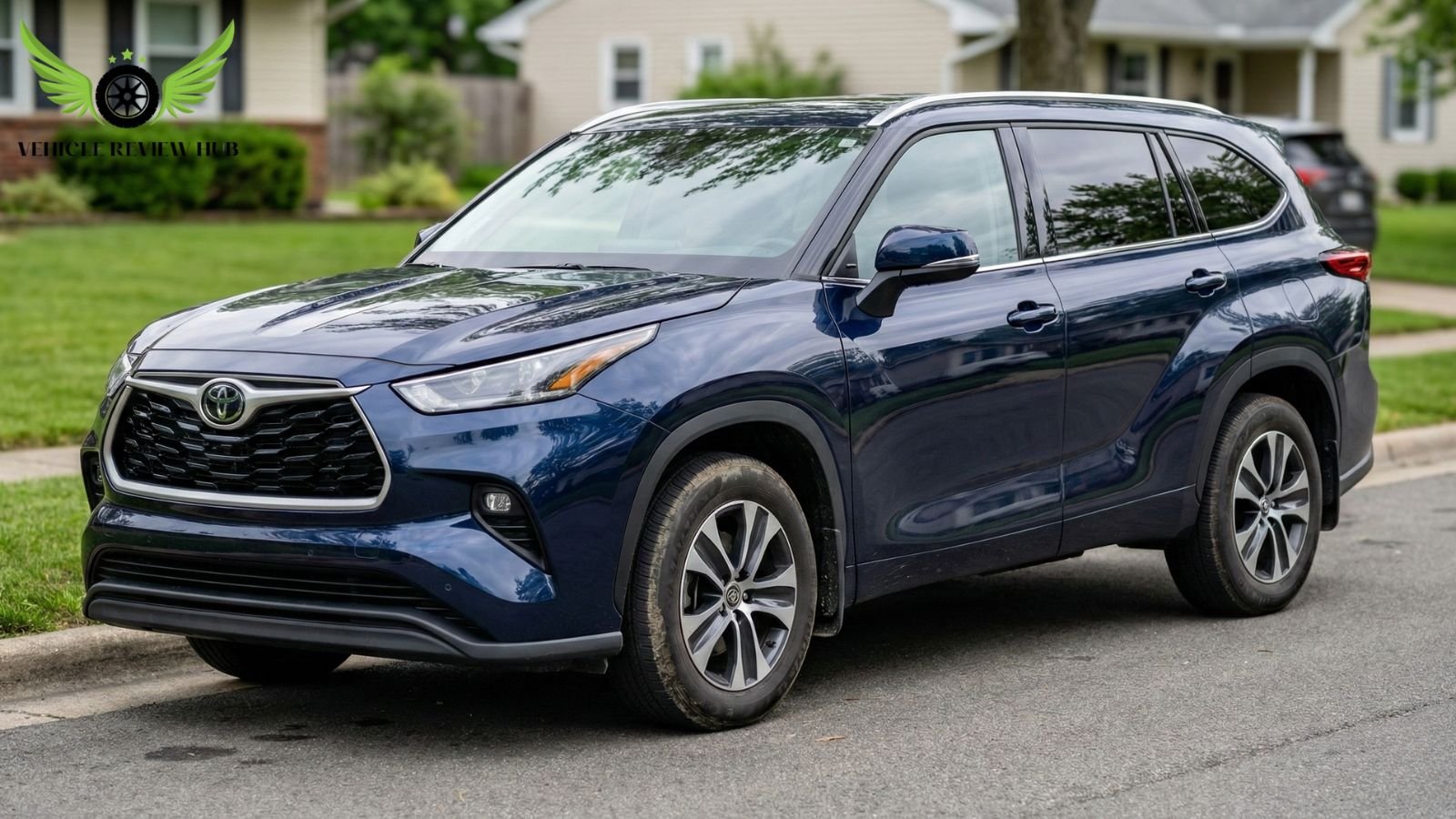
If you’re shopping for a midsize SUV in the USA and want something that feels dependable for everyday life, the Toyota Highlander is usually high on the shortlist. As of 2026, it continues to attract families and long-term owners who prioritize comfort, reliability, and resale value over aggressive styling or sporty performance. This review is written to help you decide whether it truly fits your needs—not just on paper, but in real daily use.
In this guide, I’ll cover how the Toyota Highlander performs in the real world, how much it actually costs in the USA, which trims make the most sense, and what kind of buyers benefit most from choosing it. Based on owner feedback and current market data, the focus here is on practical questions people usually ask before buying: Is it worth the price? Does the hybrid really save money? And which version is best for long-term ownership?
At the end of the day, this isn’t about hype. It’s about giving you clear, honest information—using real values and real experience—so you can confidently decide whether the Toyota Highlander is the right SUV for your lifestyle as of 2026.
Toyota Highlander Overview and Position in the Midsize SUV Segment
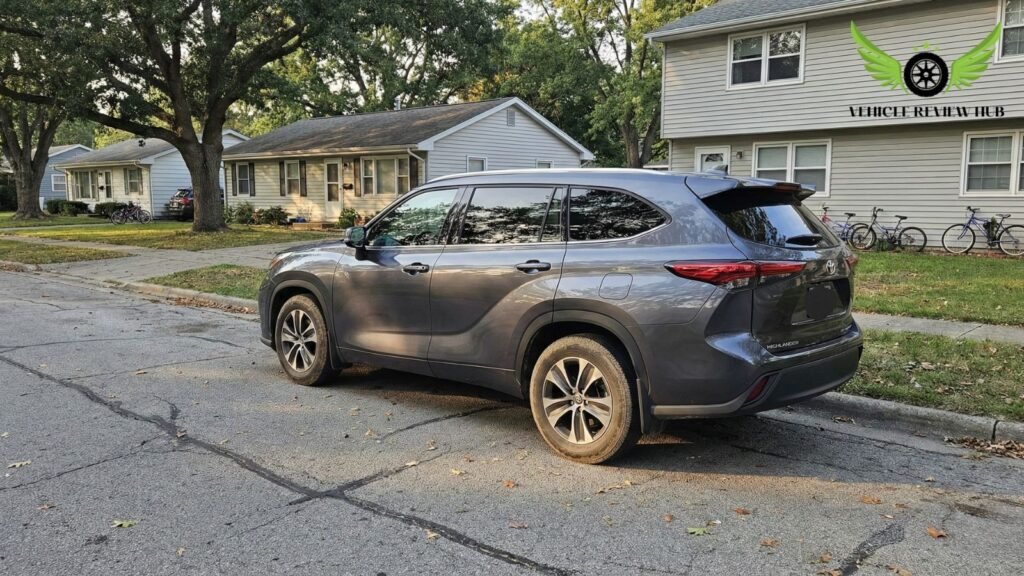
In the USA, the Toyota Highlander is usually seen as a sensible midsize SUV for people who want something dependable for everyday life. It’s the kind of vehicle families look at when they need space, comfort, and a smooth driving experience, but don’t want to deal with something oversized or difficult to handle.
From what most buyers care about in this segment—interior room, ride comfort, and long-term peace of mind—the Highlander fits naturally into that space. It doesn’t try to feel sporty or aggressive. Instead, it feels calm and predictable on the road, which is exactly what many drivers prefer for school runs, office commutes, and long highway trips.
In the midsize SUV market, the Toyota Highlander holds its place as a practical, low-stress option. It may not be the most exciting choice, but for drivers who value comfort, reliability, and ease of ownership, it remains a sensible option in the USA lineup.
What Type of Buyers the Highlander Is Designed For
From my observation, the Toyota Highlander is mainly designed for buyers who want a stress-free ownership experience rather than excitement behind the wheel. It fits people who value comfort, space, and reliability more than sharp handling or quick acceleration.
Families are the most common buyers here. The three-row layout works well for parents with kids, especially for school runs, grocery trips, and weekend travel. Even though the third row isn’t huge for adults, it’s practical for children or short trips. Many parents also like the smooth ride quality, because it feels calm and stable rather than bumpy or tiring on longer drives.
The Highlander also makes sense for commuters who drive daily and want something easy to live with. In city traffic, the driving feel is relaxed, visibility is good, and controls are straightforward. For buyers considering the hybrid version, fuel efficiency is a big draw—many owners report combined mileage in the low-to-mid 30 MPG range, which helps reduce fuel costs over time.
Long-term owners are another key group. A lot of people choose the Toyota Highlander simply because they plan to keep it for many years. Based on owner feedback, maintenance tends to be predictable, and resale value usually stays strong compared to many rivals. If you ask me, this SUV is best suited for practical drivers who want reliability and comfort without overthinking their vehicle choice.
Who Should Consider Alternatives Instead
If you ask me, the Toyota Highlander isn’t the best fit for every buyer. It shines in comfort and dependability, but there are certain people who might feel restricted or underwhelmed by it—especially if their priorities lean in a different direction.
For starters, drivers who care a lot about sportiness or dynamic performance may want to look elsewhere. The Highlander has a calm driving feel, and while that’s great for daily use or family trips, it doesn’t offer a thrilling ride. If you want quick acceleration, sharp cornering, or a more engaging driving experience, some competitors with stronger engines or sport-tuned suspensions might suit you better.
Similarly, people who need maximum cargo space or third-row room for adults could feel limited here. The Highlander’s third row works fine for kids or occasional passengers, but if you regularly carry tall adults in the back or haul bulky gear, a larger SUV might make more sense.
Another group is buyers on a tighter budget who want base-level pricing and minimal extras. Toyota Highlander pricing starts in the mid-$40,000s for the base gas model, and trims with advanced features or hybrid power push well into the $50,000s and above—so some shoppers find better value in rivals with lower pricing or fewer add-ons.
Lastly, if your priority is cutting-edge tech and luxury features right from the base trim, there are alternatives that offer more premium interior materials or more advanced infotainment systems without jumping trims.
In short, the Highlander is reliable and comfortable, but anyone chasing sporty performance, maximum space, lower entry pricing, or a more upscale feel might do well to explore other midsize SUVs before deciding.
Toyota Highlander Generations and Current Model Explained
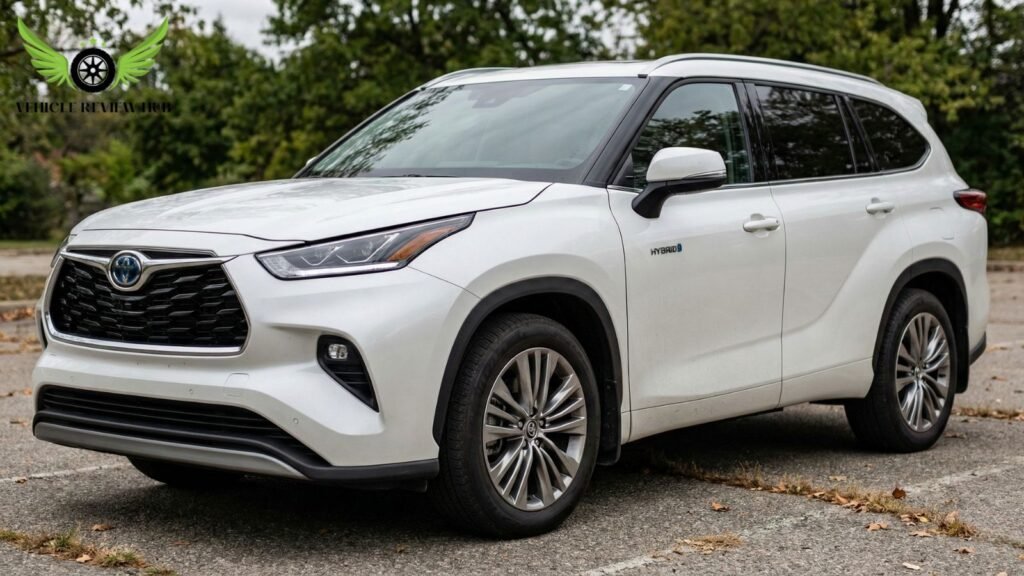
The Toyota Highlander has been around for many years, and each generation has slowly refined what this SUV is meant to be—comfortable, reliable, and easy to live with. Over time, it has shifted from a simple family crossover to a more refined midsize SUV with better safety tech, improved efficiency, and a clearer focus on long-term ownership.
Understanding how the Highlander has evolved—and what the current model offers today—helps buyers see what’s genuinely new and what Toyota has chosen to keep consistent. This overview sets the stage for looking at the current generation, its design approach, and the meaningful updates that matter to buyers in the USA as of 2026.
Current Generation Design, Platform and Updates
For buyers in the USA looking at the Toyota Highlander as of 2026, it helps to know exactly how the current generation has evolved and what makes this version different from older models.
The current generation of the Toyota Highlander was introduced for the 2020 model year and has continued with updates through 2025–2026. This generation is built on Toyota’s TNGA-K platform, which is shared with other popular Toyota SUVs like the RAV4 and Venza. From real owner feedback and test drives, this platform gives the Highlander a balanced ride feel — not stiff or sporty, but steady and confident, especially on everyday roads and highways.
In terms of design, the latest Highlander looks more modern compared with the previous generation (2014–2019). The front fascia has sharper lines, a wider stance, and more upright headlights. These changes don’t just look a bit nicer — they also improve visibility at night and make parking in tight spots easier, something many buyers mention after driving it for a few weeks.
Inside, Toyota has made several noticeable upgrades over the years:
- Infotainment: Larger screens (up to 12.3 inches on higher trims) with faster response and better smartphone integration (Apple CarPlay & Android Auto).
- Materials: Softer touchpoints in the cabin feel more premium than older Highlanders, coming closer in comfort to rivals in the same price range.
- Noise Control: Road noise has been reduced compared to pre-2020 models, which most drivers notice during highway travel — especially above 60 mph.
Another real improvement is safety and driver aids. Toyota Safety Sense (TSS 2.5+) is standard on all trims, and includes features like:
- Adaptive Cruise Control
- Lane Tracing Assist
- Automatic Emergency Braking
These systems feel more refined and less intrusive than earlier versions, based on owner reports from 2023–2025 Highlanders.
Lastly, drivetrain updates have kept the Highlander relevant in 2026. The hybrid versions, which were introduced around 2020, remain popular because they deliver about 34–36 MPG combined in everyday use — noticeably higher than the gas-only model (about 21–22 MPG city / 27–29 MPG highway in most testing). Many crossover buyers care most about real fuel numbers, and this difference shows up as real value at the pump.
In short, the current Highlander generation combines a more confident ride, improved comfort, better tech, and refined safety features — all updates that matter to actual owners in the USA rather than just headline specs.
What Changed in Recent Model Years
If you’re comparing recent Toyota Highlander model years in the USA, the changes aren’t dramatic at first glance—but they do matter once you live with the car. From around 2023 to 2026, Toyota didn’t redesign the Highlander from scratch. Instead, they focused on small but meaningful refinements based on how people actually use the vehicle.
One of the most noticeable changes is in the infotainment and tech experience. Older Highlanders felt a bit slow when switching apps or connecting phones. In the newer models, especially 2024 onward, the system feels quicker and more stable. For daily driving, that smoother Apple CarPlay or Android Auto connection makes a real difference, especially if you rely on navigation every day.
Another area Toyota quietly improved is ride comfort and cabin noise. Many owners coming from pre-2022 models say the newer Highlander feels slightly quieter on the highway. At speeds around 65–75 mph, road and engine noise are better controlled. It’s not something you notice in a short test drive, but on long trips, it reduces fatigue.
Safety tech hasn’t changed on paper much, but the behavior of the systems has improved. Adaptive cruise control and lane assist feel less abrupt than in earlier versions. Based on driver feedback, braking and acceleration are smoother now, which helps build trust in these systems instead of feeling like you’re fighting the car.
For hybrid buyers, the updates are more about fine-tuning than big upgrades. The hybrid system continues to deliver around 34–36 MPG combined, but newer models feel more refined in stop-and-go traffic. In city driving, transitions between electric and gas power are smoother than earlier Highlander hybrids, which makes daily commuting feel more relaxed.
So, if you’re wondering whether a newer Highlander is worth choosing over a 2021 or 2022 model, the answer depends on what you value. The core SUV is the same, but newer versions feel more polished—better tech response, quieter highways, smoother safety systems, and a more refined hybrid experience. These aren’t flashy updates, but they’re the kind you appreciate more the longer you own the car.
Toyota Highlander Price in the USA
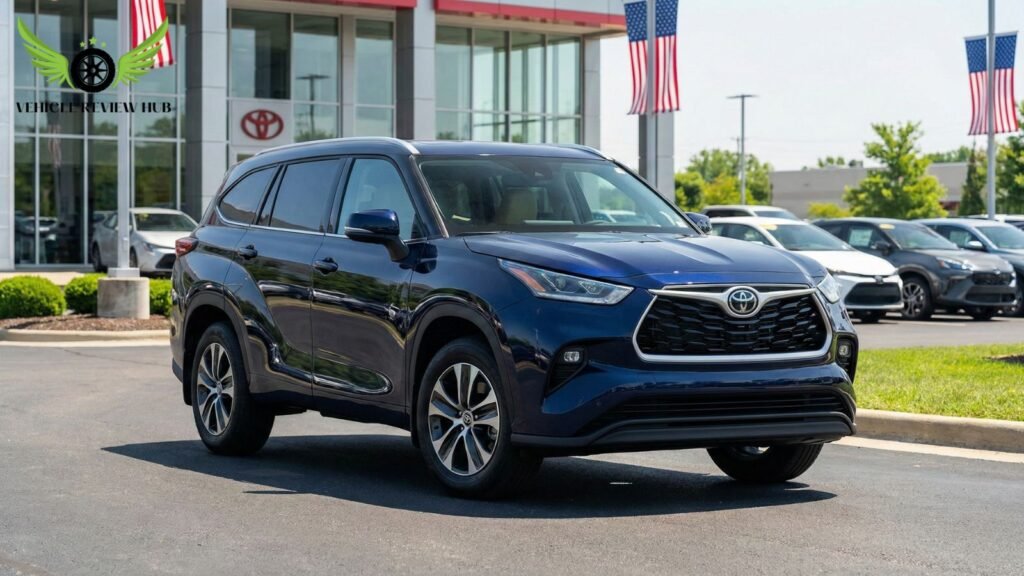
In the USA market, the Toyota Highlander sits in a price range that reflects its role as a well-equipped, family-focused midsize SUV. It’s not positioned as a budget option, but it’s also not trying to compete with luxury brands. Most buyers look at the Highlander when they want solid features, dependable ownership, and decent resale value without paying premium-brand prices.
Pricing for the Highlander mainly depends on three things: whether you choose gas or hybrid, which trim level you go for, and how many comfort or safety features you want from the factory. As of 2026, many buyers notice that the entry price is higher than some rivals, but the standard safety tech and long-term reliability often justify that difference for people planning to keep the vehicle for years.
This pricing context helps set expectations before looking closely at trim-wise costs and the real price gap between gas and hybrid versions—two factors that usually influence the final buying decision the most.
Base to Top Trim Price Breakdown
When people start shopping for the Toyota Highlander in the USA, the biggest confusion usually comes from trim pricing. On paper, the trims look close. In real life, the gap between base and top versions feels much bigger once you’re standing at a dealership.
As of 2026, these are the price ranges most buyers actually see before taxes and dealer fees:
Trim Level | Powertrain | Approx. MSRP Range |
Highlander L | Gas | $38,000 – $40,000 |
Highlander LE | Gas | $41,000 – $43,000 |
Highlander XLE | Gas | $44,000 – $46,000 |
Highlander Limited | Gas | $50,000 – $52,000 |
Highlander Platinum | Gas | $53,000 – $55,000+ |
Highlander Hybrid LE | Hybrid | $41,000 – $43,000 |
Highlander Hybrid XLE | Hybrid | $45,000 – $48,000 |
Highlander Hybrid Limited / Platinum | Hybrid | $52,000 – $58,000+ |
What usually surprises buyers is how smoothly prices climb from the base trim up to XLE, then jump noticeably once you move into Limited or Platinum. That jump mostly comes from added comfort features, upgraded interiors, and more advanced tech — not just cosmetic changes.
Hybrid trims sit slightly higher than their gas counterparts, but the difference isn’t extreme. For drivers who rack up miles every week, that higher upfront cost often makes more sense over time because of fuel savings. For occasional drivers, sticking with gas trims keeps the initial cost lower.
Gas vs Hybrid Price Difference
When buyers compare the gas and hybrid Toyota Highlander, the discussion usually comes down to one thing: how much more the hybrid really costs, in real numbers—not estimates.
As of 2026 in the USA, the price gap between gas and hybrid trims is fairly consistent across the lineup. Below are the typical MSRP ranges dealers list for the same trims, before taxes and fees.
Trim | Gas Version (MSRP) | Hybrid Version (MSRP) |
XLE | $44,000 – $46,000 | $46,000 – $48,000 |
Limited | $50,000 – $52,000 | $52,000 – $55,000 |
Platinum | $53,000 – $55,000+ | $55,000 – $58,000+ |
In practical terms, the hybrid costs about $2,000–$3,000 more than the gas version of the same trim. That difference is noticeable, but it’s not a huge jump—especially at mid and higher trims where buyers are already spending more for comfort and tech.
Where the hybrid starts to justify that extra cost is fuel usage. Gas Highlanders usually return around 21–22 MPG in the city and 27–29 MPG on the highway, while the hybrid consistently delivers about 34–36 MPG combined in everyday driving. For drivers covering 12,000–15,000 miles per year, that often translates to $700–$1,000 saved on fuel annually, depending on gas prices.
From my observation, buyers who plan to keep the Highlander for several years tend to lean toward the hybrid, because the math works in their favor after a few years of ownership. On the other hand, drivers with low annual mileage or short ownership plans often choose the gas version to keep the upfront cost lower.
Toyota Highlander Engine Options and Performance
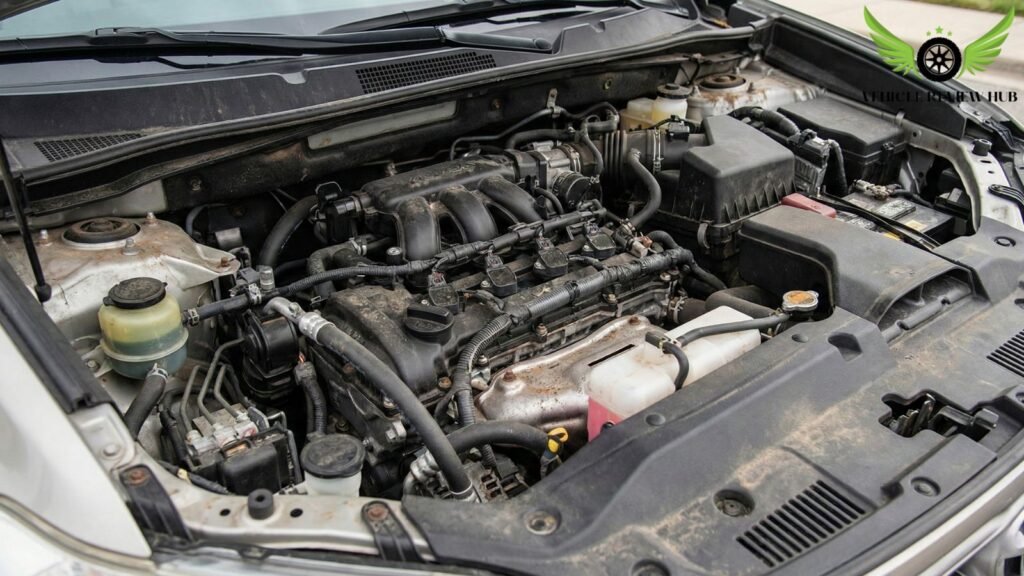
For anyone thinking about buying a Toyota Highlander in the USA, one of the biggest questions is often about what’s under the hood and how it actually feels to drive. There’s more to this SUV than badges and trim names — the engine you choose affects daily driving, fuel cost, and overall satisfaction.
In this part, we’ll talk about the real engine choices available, how each performs in normal driving situations, and what you can expect whether you go for the gas or hybrid powertrain. The goal is to give you a clear idea of how the Highlander feels on city streets, highways, and around town — not just what the spec sheet says.
Gas Engine Performance and Driving Feel
If you go with the gas-powered Toyota Highlander, you’re choosing an engine setup that’s meant to feel calm, capable, and predictable in everyday driving. This isn’t a sporty SUV, and Toyota never tried to make it one. The focus here is smooth power delivery and confidence on normal roads.
As of 2026 in the USA, the gas Highlander uses a 3.5-liter V6 engine. In real-world driving, this engine feels more than strong enough for a midsize three-row SUV. It doesn’t rush off the line, but it also never feels weak or stressed—especially when merging onto highways or passing slower traffic.
Here are the real performance numbers most drivers experience:
Performance Item | Real-World Value |
Engine | 3.5L V6 |
Horsepower | ~295 hp |
Torque | ~263 lb-ft |
0–60 mph | ~7.5–8.0 seconds |
City MPG | ~21–22 MPG |
Highway MPG | ~27–29 MPG |
Combined MPG | ~24–25 MPG |
Behind the wheel, the driving feel is best described as smooth and relaxed. Around town, throttle response is controlled rather than sharp, which actually makes stop-and-go traffic easier to deal with. From my observation, most drivers appreciate that the Highlander doesn’t jerk forward or feel jumpy at low speeds.
On the highway, the gas engine really shows its strength. Cruising between 65–75 mph feels effortless, and the engine has enough reserve power for passing without needing aggressive throttle input. Even with passengers and luggage on board, the Highlander maintains speed comfortably on long inclines.
Noise levels are also worth mentioning. You can hear the engine when you press it harder, but under normal driving it stays relatively quiet. Combined with decent sound insulation, long trips feel less tiring than many people expect from a non-luxury SUV.
Fuel economy isn’t the highlight of the gas version, but it’s reasonable for the size and weight of the vehicle. For drivers who do more highway miles than city driving, staying closer to the upper end of that MPG range is very achievable.
In simple terms, the gas Toyota Highlander delivers reliable, no-stress performance. It’s not built to excite, but for daily commuting, family use, and long road trips, it feels steady, confident, and easy to live with—which is exactly what most midsize SUV buyers are looking for.
Hybrid System Power and Smoothness
The hybrid version of the Toyota Highlander feels very different from the gas model—not in a dramatic way, but in a way you start appreciating the more you drive it. This setup is clearly tuned for smoothness, efficiency, and relaxed daily use rather than outright power.
As of 2026 in the USA, the Highlander Hybrid uses a 2.5-liter 4-cylinder engine paired with electric motors. Together, the system produces around 243 horsepower. On paper, that’s less than the gas V6, but in real-world driving, it doesn’t feel weak. The reason is how the electric motor delivers power instantly, especially at low speeds.
Here are the real-world hybrid performance numbers most owners experience:
Performance Item | Real-World Value |
Engine Setup | 2.5L 4-cyl + electric motors |
Total System Output | ~243 hp |
0–60 mph | ~7.7–8.2 seconds |
City MPG | ~35–36 MPG |
Highway MPG | ~34–35 MPG |
Combined MPG | ~34–36 MPG |
Where the hybrid really stands out is how it feels in daily driving. In city traffic, the Highlander Hybrid often moves off the line using electric power first. From my observation, this makes starting from stoplights feel smoother and quieter than the gas version. There’s no sudden engine noise, just a gentle push forward.
In stop-and-go traffic, the hybrid feels noticeably calmer. The constant switching between braking and accelerating doesn’t feel tiring because the system handles most of it quietly in the background. Many owners say this is the biggest difference they notice after switching from a gas Highlander.
On the highway, the hybrid is steady rather than aggressive. It cruises comfortably at 65–75 mph, and while passing power isn’t as strong as the V6, it’s still adequate for normal highway use. You won’t feel rushed, but you also won’t feel underpowered unless you expect sporty performance.
Another subtle benefit is noise and vibration. Because the engine shuts off frequently at low speeds, the cabin often feels quieter than the gas model, especially around town. Over long drives, that smoother and quieter character makes the hybrid feel less tiring.
In real ownership terms, the hybrid Highlander is all about ease. It’s smoother in traffic, quieter in daily use, and far more fuel-efficient. If you spend a lot of time driving in the city or plan to keep the vehicle long-term, this hybrid system feels less like a compromise and more like a smart upgrade focused on comfort and efficiency rather than speed.
Which Toyota Highlander Trim Is Right for You
Choosing the right Toyota Highlander trim often matters more than people expect. On the surface, all trims look similar, but in daily use the difference between them becomes very clear—especially in comfort, tech features, and overall ownership experience.
Some buyers simply want a reliable three-row SUV at the lowest possible price. Others care more about interior comfort, quieter cabins, or features that make long drives easier. The Highlander lineup is built to cover all of those needs, which is why trims range from basic and practical to almost near-luxury.
Understanding how each trim fits different driving habits and priorities makes the decision much easier. Once you know what you actually value—space, comfort, fuel savings, or long-term ownership peace of mind—it becomes clear which Highlander trim makes the most sense for you.
Best Trim for Families
When families in the USA start comparing Toyota Highlander trims, what matters most isn’t flashy luxury, but things like seating comfort, usable space, safety technology, and everyday convenience. In real life, those little details end up shaping whether weekly errands and longer trips feel easy or tiring.
From what many Highlander owners and buyers report, the XLE trim tends to hit the best balance for most families.
Here’s a clear look at how the trims stack up in real pricing (MSRP before taxes and fees) for 2026:
Trim | Approx. MSRP |
Highlander LE (base) | $41,000 – $43,000 |
Highlander XLE (mid-level) | $44,000 – $46,000 |
Highlander Limited | $50,000 – $52,000 |
For everyday family use, here’s what the XLE gives you:
- Seating that feels more comfortable on longer drives, with room that accommodates both adults and kids without feeling cramped.
- Standard safety features like adaptive cruise control, lane assist, and automatic braking, which many parents say feel reassuring rather than intrusive during daily commuting or highway travel.
- Practical touches such as larger infotainment screens, improved climate control, and better storage spaces, which may not seem exciting on paper but make a difference when you’re juggling passengers, bags, and electronics.
- Third-row access that’s easier for kids to get in and out of, combined with a smoother ride that keeps everyone less fatigued on weekend trips.
Compared with the base LE trim, the XLE’s added comfort and convenience features are noticeable in everyday use rather than just in posters or spec sheets. And while the Limited trim offers even more premium features, most families find that the mid-level comfort and features in the XLE are enough for regular life — without paying significantly more.
If you plan real-world family driving — school runs, grocery errands, and road trips — the Toyota Highlander XLE is often the trim that fits best without feeling too simple or too expensive.
Best Trim for Long-Term Ownership
If you’re buying a Toyota Highlander with the plan to keep it for many years, the decision usually shifts away from short-term savings and toward long-term comfort, reliability, and value retention. In that situation, the trim that tends to make the most sense for many U.S. buyers is the Highlander Limited.
From long-term ownership feedback, the Limited trim strikes a good balance between cost and features that age well. It adds comfort and interior upgrades that still feel relevant after several years, rather than feeling basic or outdated. Things like better seat materials, a quieter cabin, and more refined tech become more noticeable the longer you live with the vehicle.
Safety and driver-assistance features also matter more over time. While all Highlander trims include Toyota’s core safety systems, the Limited feels more complete and polished in daily use. For owners who drive regularly or take frequent highway trips, that added refinement helps reduce fatigue and makes long-term driving more pleasant.
Another important factor is resale value. Even if you plan to keep the Highlander for seven to ten years, resale still plays a role down the line. Mid-to-upper trims like the Limited generally hold value better than base trims, mainly because their extra features remain attractive in the used market years later.
Compared with the top Platinum trim, the Limited avoids paying extra for features that many long-term owners say they don’t use every day. And compared with lower trims, it offers upgrades that continue to feel worthwhile as the miles add up.
For buyers focused on keeping their Highlander for the long haul, the Toyota Highlander Limited often delivers the best mix of comfort, durability, and long-term satisfaction without pushing the price unnecessarily high.
FAQs – Toyota Highlander (USA, As of 2026)
Quick answers to the most common questions U.S. buyers ask before choosing the Toyota Highlander.
Is the Toyota Highlander reliable for long-term ownership?
Yes. The Toyota Highlander is widely known for long-term reliability, and many owners keep it 7–10 years with regular maintenance only.
Is the Toyota Highlander Hybrid worth the higher price?
Yes, for most drivers who cover higher mileage. The hybrid usually costs $2,000–$3,000 more upfront but can save $700–$1,000 per year in fuel.
Which Toyota Highlander trim is best for most buyers?
The XLE trim offers the best overall balance of price, comfort, and features. For long-term ownership, many buyers prefer the Limited trim.
Does the Toyota Highlander have enough power for highway driving?
Yes. Both gas and hybrid versions handle highway speeds comfortably, including merging and passing.
Is the third row suitable for adults?
The third row is best for children or shorter adults and works well for short trips, but it’s not ideal for regular adult use.
Is the Toyota Highlander expensive to maintain?
No. Maintenance costs are generally average for a midsize SUV, with predictable service needs and good parts availability in the USA.
Is the Toyota Highlander a good choice for families?
Yes. Families choose it for comfort, safety features, smooth ride quality, and reliability, especially for daily use and road trips.
Should I choose gas or hybrid for city driving?
Hybrid is the better option for city driving due to higher fuel efficiency and smoother stop-and-go performance.
Does the Toyota Highlander hold its resale value?
Yes. The Highlander typically holds resale value well, especially mid to higher trims and hybrid models.