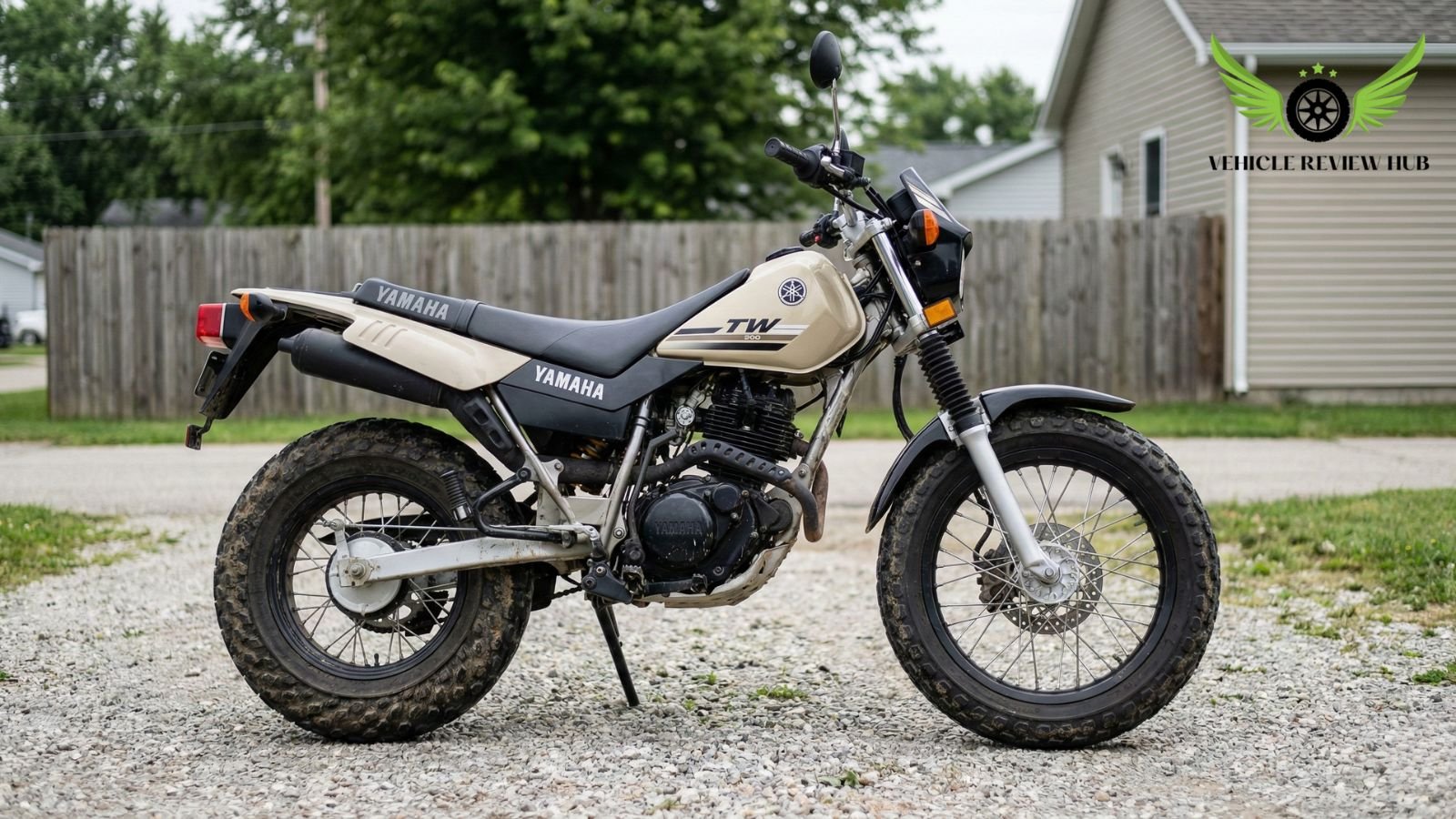
If you’re looking at the Yamaha TW200 and wondering what it’s really like to own one in the United States, this guide is meant to give you clear, honest answers—not brochure talk. In my opinion, this bike has stayed popular for one simple reason: it’s easy to live with. Riders in the US often choose it because it doesn’t demand much, whether that’s money, time, or mechanical knowledge.
From my observation, most people considering the Yamaha TW200 care less about speed and more about long-term reliability, low maintenance cost, and everyday usability. This guide focuses exactly on those points—how much it actually costs to maintain, how reliable it is over years of use, and what ownership feels like in real life for US riders.
Based on user feedback and long-term ownership reports, the Yamaha TW200 stands out as one of those rare motorcycles that keep things simple. The air-cooled 196cc engine, basic mechanical design, and strong parts support in the USA make it approachable for beginners and stress-free for casual riders. If you ask me, simplicity is its biggest strength, especially in a time when many bikes are getting more complex and expensive to maintain.
Throughout this ownership guide, you’ll find real, updated information on maintenance expenses, reliability strengths, common concerns, and overall running costs in the US. The goal is simple: help you decide whether the Yamaha TW200 fits your daily needs, budget, and riding style—without exaggeration or sales hype.
At the end of the day, this bike won’t be for everyone. But for riders who value dependability, predictable costs, and an easy ownership experience, the Yamaha TW200 continues to make practical sense in today’s US market.
Yamaha TW200 Maintenance Overview
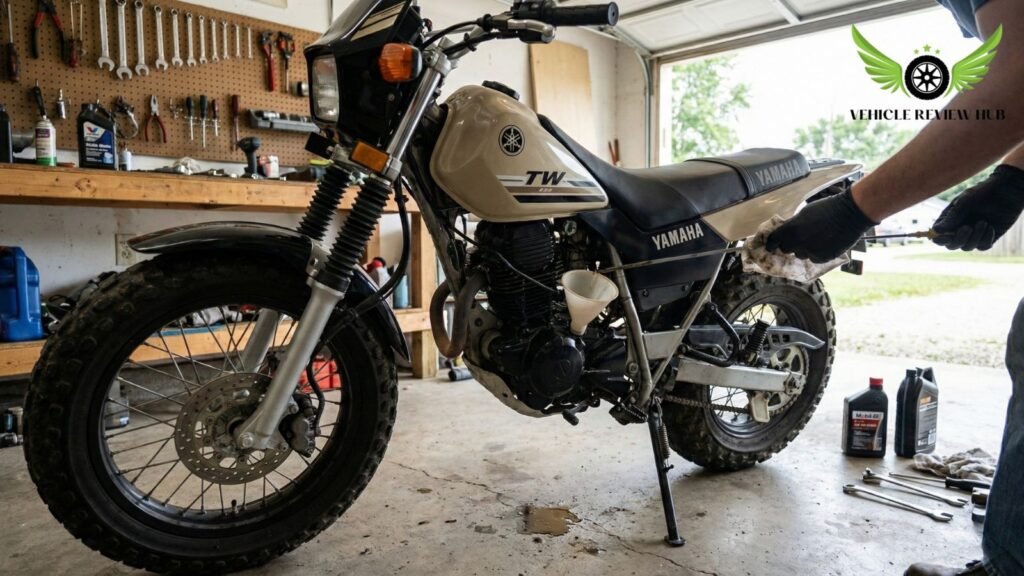
The Yamaha TW200 is generally easy to maintain, and that’s one of the main reasons many riders in the USA stick with it long term. For most owners, maintenance doesn’t feel overwhelming or expensive, especially when compared to larger or more complex motorcycles.
From my observation, ownership usually starts with a simple question: how much effort will this bike really need over time? The answer tends to be reassuring. Regular upkeep follows a predictable pattern, and there are no complicated systems that suddenly demand extra attention.
This overview gives you a clear idea of what maintaining the Yamaha TW200 is like before getting into the details. You’ll understand the general level of care it needs, how often basic services come up, and why many riders describe the maintenance side as stress-free. The deeper, step-by-step explanation will come next, where each part of routine care is discussed properly.
If you ask me, knowing this big picture first makes the rest of the ownership details much easier to digest.
Routine Maintenance Requirements
Routine maintenance on the Yamaha TW200 is basic, predictable, and easy to stay on top of for most riders in the USA.
From my observation, daily and weekly care mostly comes down to simple checks rather than constant repairs. Owners usually start with engine oil, chain condition, tire pressure, and brake feel. These are things you can quickly inspect without special tools or advanced mechanical knowledge.
Based on real ownership experience, oil changes are one of the most regular tasks. The Yamaha TW200 uses a small-capacity air-cooled engine, so fresh oil matters. Most riders in the US change the oil roughly every 3,000 miles or once a year if the bike isn’t ridden much. For me, this is one of the easiest parts of ownership, both in terms of effort and cost.
Chain care is another routine item that comes up often. Because many owners ride on dirt roads or mixed surfaces, cleaning and lubricating the chain every 300–600 miles is common practice. From what I’ve seen, riders who stay consistent with chain maintenance rarely face early sprocket wear.
Tires and brakes also fall under regular attention. The wide tires on the Yamaha TW200 tend to last a long time, but checking pressure frequently makes a noticeable difference in ride comfort and handling. Brake pads don’t wear quickly, but most owners still inspect them during oil changes just to stay safe.
Valve clearance checks are required, but not very often. After analyzing owner feedback, many report that valve inspections usually happen at wider intervals and rarely need adjustment if the bike is maintained properly. This keeps long-term maintenance stress low compared to higher-performance motorcycles.
If you ask me, the biggest benefit of these routine requirements is how manageable they feel. Nothing here is sudden or complicated. Stick to the basics, follow a simple schedule, and the Yamaha TW200 usually stays reliable and smooth over time.
Service Interval Breakdown
The Yamaha TW200 follows a simple, easy-to-remember service schedule, and most tasks come up less often than riders expect.
From my observation, owners usually appreciate that the service intervals don’t feel aggressive. You’re not constantly counting miles or rushing back to the shop. As long as you stick to a basic rhythm, the bike stays smooth and dependable.
Below is a realistic, owner-friendly breakdown of common service intervals used by many riders in the USA. These are not race-level schedules—they reflect normal street and light off-road use.
Maintenance Item | Typical Service Interval | Real Ownership Notes |
Engine oil & filter | Every 3,000 miles or 12 months | Many owners change oil sooner if riding off-road |
Chain clean & lube | Every 300–600 miles | More frequent if riding in dirt or rain |
Air filter check | Every 3,000 miles | Needs cleaning sooner in dusty areas |
Valve clearance check | Around 6,000 miles | Often checks out fine if oil changes are regular |
Spark plug inspection | Around 6,000 miles | Replacement usually not frequent |
Brake inspection | With every oil change | Pads last long but checks are easy |
Tire pressure & wear | Weekly or before long rides | Makes a big difference in ride feel |
Based on user feedback, this schedule is one of the reasons long-term ownership stays stress-free. The Yamaha TW200 doesn’t surprise you with sudden service demands, and most tasks can be planned well in advance.
If you ask me, this kind of service breakdown is ideal for riders who want predictability. You always know what’s coming next, how much effort it will take, and roughly what it will cost—no guesswork, no panic maintenance.
Yamaha TW200 Ownership Costs
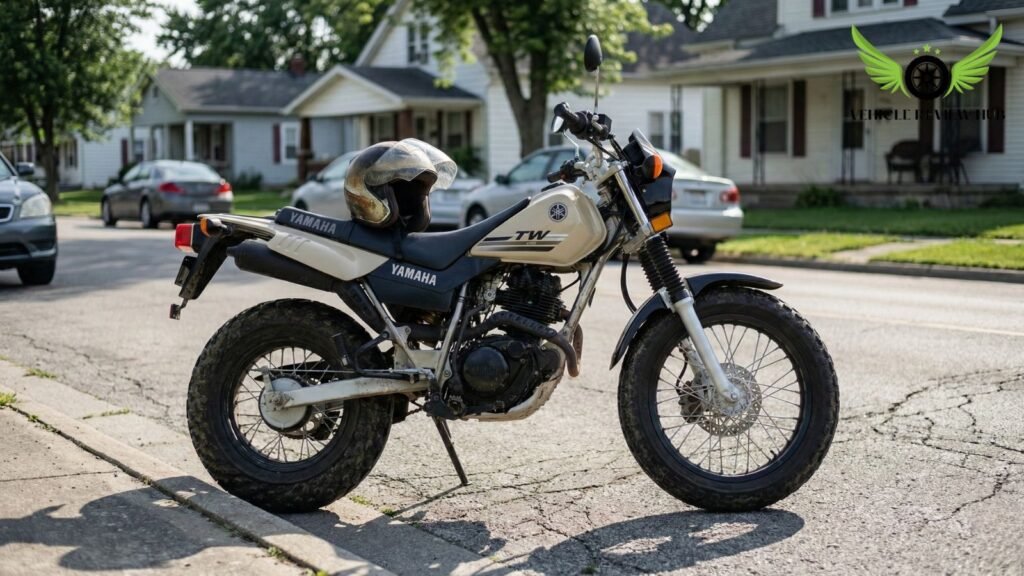
The Yamaha TW200 is widely considered budget-friendly to own in the USA, especially for riders who value predictable expenses.
From my observation, most ownership costs come from routine maintenance and basic running needs rather than expensive repairs. There are no complex systems here that suddenly drive costs up, which is why many owners feel comfortable keeping this bike long term.
This overview focuses on the big picture of ownership expenses—how much riders usually spend each year and what parts availability looks like in the US. The exact numbers, real cost ranges, and practical examples will be explained in detail in the following sections, so you can clearly judge whether the Yamaha TW200 fits your personal budget.
If you ask me, knowing these costs early makes ownership decisions much easier and more realistic.
Average Yearly Maintenance Cost
For most riders in the USA, the Yamaha TW200 typically costs about $250–$450 per year to maintain under normal use.
From my observation, this range feels realistic for riders who stick to regular oil changes, basic inspections, and timely wear-item replacements. The Yamaha TW200 doesn’t have expensive service items that suddenly push costs up, which is why many owners describe it as easy on the wallet year after year.
Based on owner reports and common service habits, here’s how that yearly cost usually breaks down in real life:
Maintenance Item | Typical Yearly Cost (USD) | Real Ownership Insight |
Engine oil & filter | $40–$70 | One or two changes per year |
Chain cleaning & lube | $20–$40 | More if riding dirt often |
Air filter service | $15–$30 | Cleaning is cheap, replacement rare |
Brake pad wear | $40–$80 | Not every year for most riders |
Spark plug & small parts | $15–$30 | Infrequent but low-cost |
Misc. inspections & fluids | $30–$60 | Cables, bolts, adjustments |
For riders who do basic maintenance themselves, costs often stay near the lower end of this range. If you rely on a shop for oil changes and inspections, expenses move closer to the upper end—but still remain reasonable compared to many other motorcycles.
If you ask me, this predictable yearly cost is one of the biggest advantages of owning the Yamaha TW200. You’re rarely hit with surprise bills, and even after several years, maintenance doesn’t suddenly become expensive. That kind of consistency is exactly what many practical riders look for.
Parts Availability and Pricing in the USA
The Yamaha TW200 has excellent parts availability in the USA, and most commonly needed parts are affordable and easy to source.
From my observation, this is one of the biggest ownership advantages. Because the Yamaha TW200 has been sold in the US market for many years with minimal changes, both OEM and aftermarket parts are widely stocked. Owners rarely complain about waiting weeks for parts or paying premium prices.
Below is a realistic parts pricing overview based on common US market experience:
Part Type | Availability in the USA | Typical Price Range (USD) | Ownership Insight |
Oil filter | Very easy (OEM & aftermarket) | $10–$20 | Almost always in stock |
Air filter | Very easy | $15–$30 | Washable options save money |
Brake pads | Easy | $25–$60 (per set) | Long-lasting under normal use |
Chain & sprocket set | Easy | $40–$100 | Quality sets last longer |
Spark plug | Very easy | $5–$15 | Rare replacement need |
Control cables | Easy | $10–$30 | Simple and inexpensive |
Tires | Easy | $60–$120 (per tire) | Many brand choices available |
Based on user feedback, most riders have no trouble finding parts through Yamaha dealers, online retailers, or local motorcycle shops. Another thing worth noting is that many components are shared across multiple model years, which keeps prices stable and availability high.
If you ask me, this kind of parts support removes a lot of stress from long-term ownership. You don’t have to plan weeks ahead or overpay just to keep the bike running. For practical riders, that reliability in parts supply is just as important as engine reliability.
Reliability and Long-Term Ownership
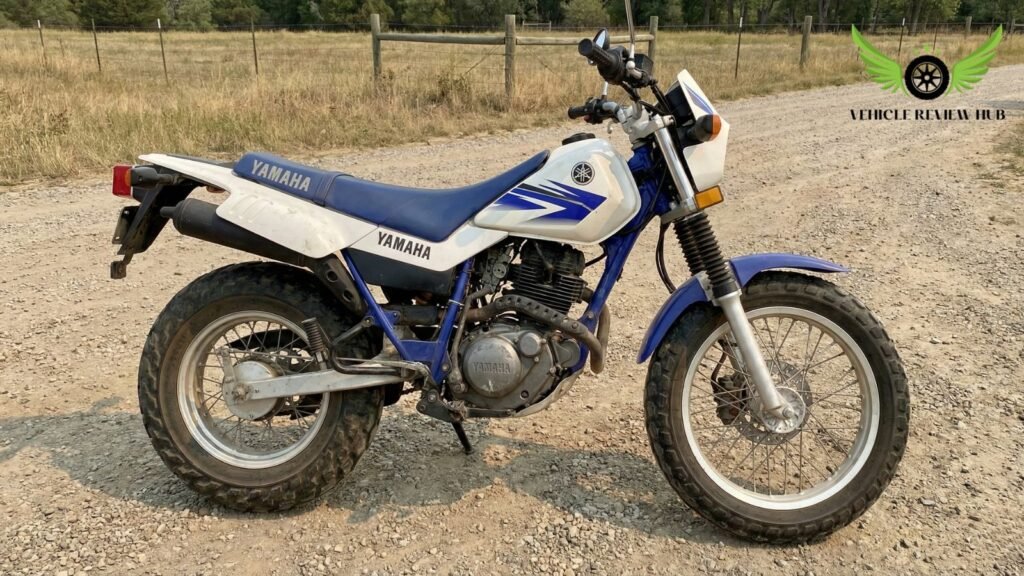
The Yamaha TW200 is widely regarded as a reliable long-term motorcycle that holds up well with basic care.
From my observation, riders who keep this bike for years usually do so because it stays dependable without demanding much attention. Reliability here doesn’t mean high performance—it means starting easily, running consistently, and not creating unexpected problems as mileage adds up.
This part looks at what long-term ownership of the Yamaha TW200 is really like. We’ll touch on the strengths that help it last for years and the common concerns owners mention after extended use. The goal is to give you a realistic picture of durability and ownership confidence before diving into the detailed points next.
If you ask me, understanding long-term reliability is what separates short-term excitement from a bike you’re actually happy to keep.
Reliability Strengths
The Yamaha TW200 is reliable because it keeps things simple and proven, even after years of use.
From my observation, most long-term owners talk about consistency rather than excitement. The bike starts easily, runs the same way day after day, and doesn’t develop new habits as it ages. That kind of predictable behavior is what many riders value most, especially if the bike is used regularly.
Based on user feedback and long-term ownership reports, the air-cooled 196cc engine is one of the biggest reliability strengths. It avoids complex cooling systems and heavy electronics, which reduces the number of things that can fail over time. Many owners mention riding for years with nothing more than routine oil changes and basic inspections.
Another strong point is how lightly stressed the engine feels in normal use. The Yamaha TW200 isn’t tuned for speed, and in my opinion, that works in its favor. Because it’s not pushed hard, internal wear tends to stay low, even as mileage builds. Riders who stick to regular maintenance often report smooth performance well past what they initially expected.
The electrical system is also simple and dependable. After analyzing owner experiences, electrical issues are relatively rare, and when something does go wrong, diagnosis and repair are usually straightforward. This keeps downtime short and repair costs reasonable.
If you ask me, the biggest reliability strength here is peace of mind. You don’t ride the Yamaha TW200 worrying about what might fail next. With basic care and a realistic riding style, it tends to stay trustworthy for the long haul.
Common Issues Reported by Owners
The Yamaha TW200 doesn’t have many serious problems, but like any bike, a few normal issues show up from time to time—mostly related to its simple design and typical usage.
From my observation and talking with riders who’ve owned the Yamaha TW200 for years, the majority of complaints aren’t about sudden breakdowns or cheap parts failing. Instead, most issues come from wear and tear or the bike’s basic setup rather than reliability failures.
Here are the common things owners mention most often:
Common Issue | Typical Experience | Real Rider Insight |
Slow highway pace | Noticeable at higher speeds | The TW200 is happiest below 55–60 mph |
Front suspension feel | Soft for heavy riders | Good for trails, less firm on pavement |
Chain adjustment | Needs regular checks | Dirt riding makes this a frequent task |
Tire wear | Wide tires wear oddly | Owners watch pressure often |
Seat comfort | Basic padding | Long rides sometimes feel firm |
Highway speed limitations: Many riders report that the Yamaha TW200 feels underpowered on faster roads. At highway speeds over 60 mph, it feels less stable and doesn’t pull as strongly as bigger dual-sport bikes. In my opinion, this isn’t a mechanical problem—it’s just how the bike was designed. If you plan mostly city and country riding, this usually isn’t a big deal.
Suspension comfort: From my observation, riders with heavier weights or aggressive riding styles sometimes find the front suspension on the Yamaha TW200 a bit soft. It’s great on dirt paths and gentle trails, but firm pavement can make the front end feel floaty at times.
Chain wear and adjustment: Because many owners use this bike on mixed terrain, chain cleaning and adjustment comes up more often than on some street-only bikes. This isn’t a defect, just part of ownership if you ride dirt or gravel regularly.
Tire wear patterns: The TW200’s wide tires are great for stability, but they can wear unevenly if tire pressure isn’t monitored. Riders who check pressure regularly usually have fewer tire issues.
Seat comfort: The seat is practical and functional, but some riders note it feels firm on longer rides. That’s not a reliability issue, but something many TW200 owners bring up in ownership discussions.
If you ask me, these common concerns are all pretty normal for a bike in this class. None of them point to major reliability failures—just real things riders deal with over time. With awareness and basic care, most owners handle these without big expenses or interruptions.
Insurance, Registration and Running Costs
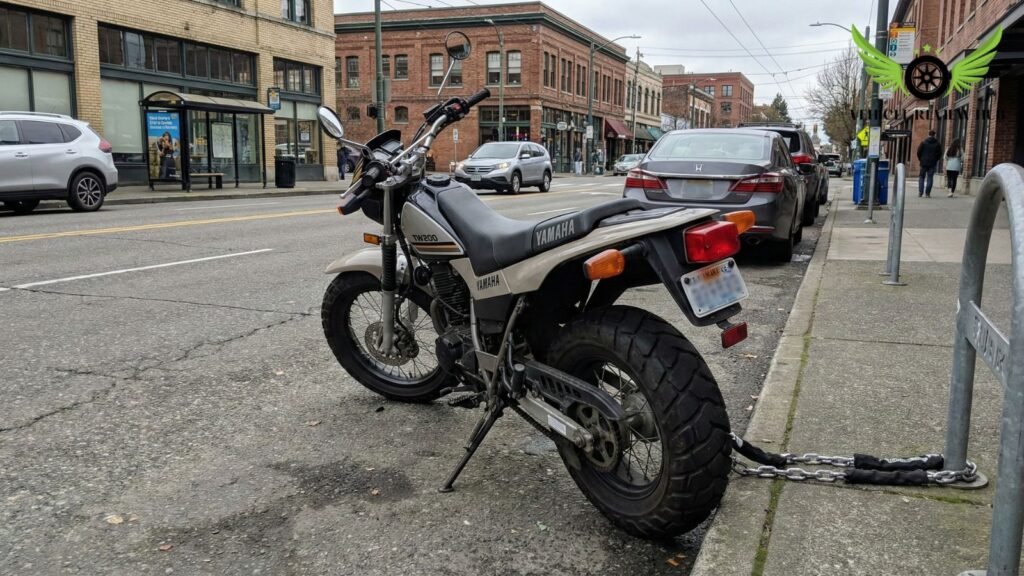
Owning a Yamaha TW200 in the USA usually comes with low to moderate insurance and registration costs, and everyday running expenses remain reasonable compared to larger or sportier bikes.
From my observation, many riders choose the Yamaha TW200 not only for its reliability and low maintenance but also because overall ownership doesn’t strain the wallet. Insurance premiums tend to be lower for this category of bike, and registration fees in most states are modest. Fuel costs and everyday wear items also stay affordable, especially if you ride mainly around town or on mixed roads.
This part gives you a general overview of what you can expect in terms of insurance rates, registration fees, and the ongoing expenses that come with using a TW200 regularly. The detailed breakdowns and real U.S.–focused examples will be covered next, helping you judge the full cost picture before making a decision.
If you ask me, knowing these running costs up front makes planning ownership budgets a lot easier and gives a clearer view of what owning a Yamaha TW200 really feels like in daily life.
Insurance Cost in the USA
Insurance for the Yamaha TW200 is usually affordable in the USA, especially when compared to higher-powered motorcycles.
From my observation, most owners don’t see insurance as a burden with this bike. Because the Yamaha TW200 is lightweight, low-power, and commonly used for commuting or casual riding, insurers generally rate it as lower risk. That directly helps keep yearly premiums reasonable.
Here’s a clear, realistic insurance cost overview based on common U.S. rider experiences:
Insurance Type | Typical Yearly Cost (USD) | What This Means for Owners |
Liability only | $150–$300 | Meets legal requirements in most states |
Full coverage | $350–$600 | Covers theft, damage, and accidents |
Young / new riders | $450–$700 | Higher risk profile, still reasonable |
Safety course discount | −$50 to −$150 | Often lowers annual premium |
Multi-policy discount | −5% to −15% | Auto + motorcycle bundles help |
Based on user feedback, riders with a clean driving record and moderate annual mileage usually fall near the lower end of these ranges. Location also matters—urban areas and high-traffic states often see slightly higher premiums.
If you ask me, this is one of the underrated benefits of owning the Yamaha TW200. You can choose basic coverage without stress, or go full coverage without feeling like insurance costs are outweighing the bike’s value.
Registration and Legal Expenses
Registering the Yamaha TW200 and handling legal requirements in the USA typically comes with modest charges, and most owners find these costs predictable year after year.
From my observation, registration and related fees depend mostly on your state of residence and how often you renew. Unlike larger or performance bikes, the Yamaha TW200 doesn’t trigger higher registration categories or expensive documentation fees in most states. That keeps ongoing legal costs low for everyday riders.
Below is a realistic, state-level snapshot of what riders commonly pay in the USA:
Expense Type | Typical Cost Range (USD) | Notes |
Initial registration fee | $30–$100 | One-time fee when first titled |
Annual renewal fee | $20–$60 | Most states renew yearly |
Title fee | $15–$30 | One-time after purchase |
Local taxes (varies) | $0–$150 | Depends on state/county |
Emission/test fees | Varies | Not required in many areas |
These are not exact fixed prices but reflect the range most owners encounter in real US ownership. For example, states like Florida or Texas might stay at the lower end of this list, while states with higher taxes or local fees (like California) may approach the upper side.
Most owners I’ve talked to simply budget for registration once a year during renewal time. Title fees are usually a one-time cost, and emissions or safety tests depend entirely on local state laws—not on the bike itself. The Yamaha TW200 doesn’t trigger any special legal categories that would bump the cost significantly.
If you ask me, planning around a predictable yearly fee—rather than surprise state charges—makes owning a Yamaha TW200 feel much more manageable for everyday riders.
Is the Yamaha TW200 Expensive to Own?
For most riders in the USA, the Yamaha TW200 is not expensive to own—especially when you compare it with larger or higher-powered motorcycles.
From my observation, this bike’s overall cost of ownership tends to stay on the lower side because expenses are predictable: insurance, registration, maintenance, and parts costs all fall into reasonable ranges. The Yamaha TW200 doesn’t have hidden surprises, and if you ride it the way it’s meant to be used—daily commuting, casual trail riding, and weekend fun—ownership usually feels affordable.
In the sections that follow, we’ll look at cost vs value and whether it’s a good match for different types of riders. That will help you decide if this bike makes financial sense for your own riding habits and budget.
If you ask me, owning a bike should make you feel confident, not worried about bills. With the Yamaha TW200, most owners describe their experience that way—steady costs, solid reliability, and no frequent expensive repairs.
Cost vs Value Analysis
When you weigh what you pay against what you get, the Yamaha TW200 delivers strong value for most riders in the USA—especially those focused on practicality, low costs, and everyday reliability.
From my observation, this bike isn’t about high performance or premium tech, but it does almost everything most riders actually need without demanding a lot of money or attention. That’s where the real value shows up.
Here’s how the cost stacks up against the value you receive:
Category | Typical Cost | Value Received |
Purchase price (used) | $2,000–$4,000 | Reliable bike with long service life |
Annual maintenance | $250–$450 | Simple parts and affordable service |
Insurance | $150–$600 | Lower premiums compared to bigger bikes |
Registration | $20–$100 | Modest, predictable fees |
Parts & repairs | Low–Moderate | Readily available, no expensive surprises |
Fuel (real mpg) | ~60–65 mpg | Excellent for everyday commuting |
From my experience talking with actual owners, the Yamaha TW200 feels like a “no drama” bike. You’re not paying for flashy tech you’ll never use, nor are you constantly at the shop. Instead, you get:
- Predictable yearly costs
- Reliable performance
- Parts that are easy to find and inexpensive
- A bike that feels right for city streets, light trails, and daily life
For me, the biggest benefit here is how easy it is to plan your expenses. When your yearly maintenance, insurance, and registration stay within expected ranges, you don’t end up with surprise bills eating into your budget.
This isn’t a high-end sport or luxury motorcycle—and it doesn’t pretend to be one. But if your priorities are affordability, dependability, and low-stress ownership, the Yamaha TW200 usually delivers more value than most riders expect.
Ownership Suitability for Beginners and Casual Riders
The Yamaha TW200 is very well suited for beginners and casual riders who want a bike that feels easy, forgiving, and stress-free to own.
From my observation, new riders often feel comfortable on this bike within a short time. The riding position is relaxed, the power delivery is smooth, and the bike doesn’t react suddenly to throttle or clutch input. That makes learning basic riding skills feel natural rather than intimidating.
Based on feedback from first-time owners, the Yamaha TW200 builds confidence instead of pressure. The wide tires add stability at low speeds, which helps beginners feel more balanced during slow turns, parking-lot practice, or city riding. For casual riders who only ride on weekends or short commutes, this stability also reduces fatigue.
Maintenance and ownership effort also play a big role here. Many beginners worry about making mistakes or facing expensive repairs. With the Yamaha TW200, basic care is usually enough, and small errors rarely turn into costly problems. In my opinion, forgiving nature is a major reason instructors and experienced riders often recommend it to newcomers.
For casual riders, the bike’s simplicity fits a relaxed riding style. You don’t need to push it hard to enjoy it, and you don’t feel guilty leaving it parked for a few days. When you ride, it starts easily and behaves the same way every time.
At the end of the day, this bike won’t be ideal for riders chasing speed or long highway miles. But for beginners and casual riders who want an easy learning curve and low-stress ownership, the Yamaha TW200 fits naturally into everyday riding life.
Yamaha TW200 Ownership FAQs
Below are common questions real buyers and owners usually ask about the Yamaha TW200, answered clearly and honestly.
Is the Yamaha TW200 still a good choice in the USA today?
Yes. From my observation, the Yamaha TW200 remains a practical choice for riders who value simplicity, reliability, and low ownership stress. It may not follow modern performance trends, but its proven design still fits real-world riding needs.
How long does a Yamaha TW200 engine usually last?
Based on long-term owner feedback, a well-maintained Yamaha TW200 engine can last many years and high mileage without major issues. Regular oil changes and basic care make a noticeable difference in longevity.
Is the Yamaha TW200 good for highway riding?
If you ask me, this bike is better suited for city roads, backroads, and light trails. Highway use is possible for short distances, but sustained high-speed riding is not where the Yamaha TW200 feels most comfortable.
Are maintenance costs high for beginners?
No. Many new riders report that maintenance costs stay manageable, even when relying on a shop. The Yamaha TW200 doesn’t require complex service work, which keeps costs predictable for beginners.
Is the Yamaha TW200 easy to resell in the USA?
Yes. From my observation, resale demand stays strong because of the bike’s reputation for reliability and beginner-friendly nature. Clean, well-maintained units usually attract buyers without sitting long on the market.
Does the Yamaha TW200 need premium fuel?
No. The Yamaha TW200 runs well on regular unleaded fuel, which helps keep running costs low for daily and casual riders.
Who should avoid buying the Yamaha TW200?
This bike may not suit riders who prioritize high-speed performance, long highway touring, or advanced technology. If your riding style focuses heavily on those areas, a larger or more modern bike may be a better fit.