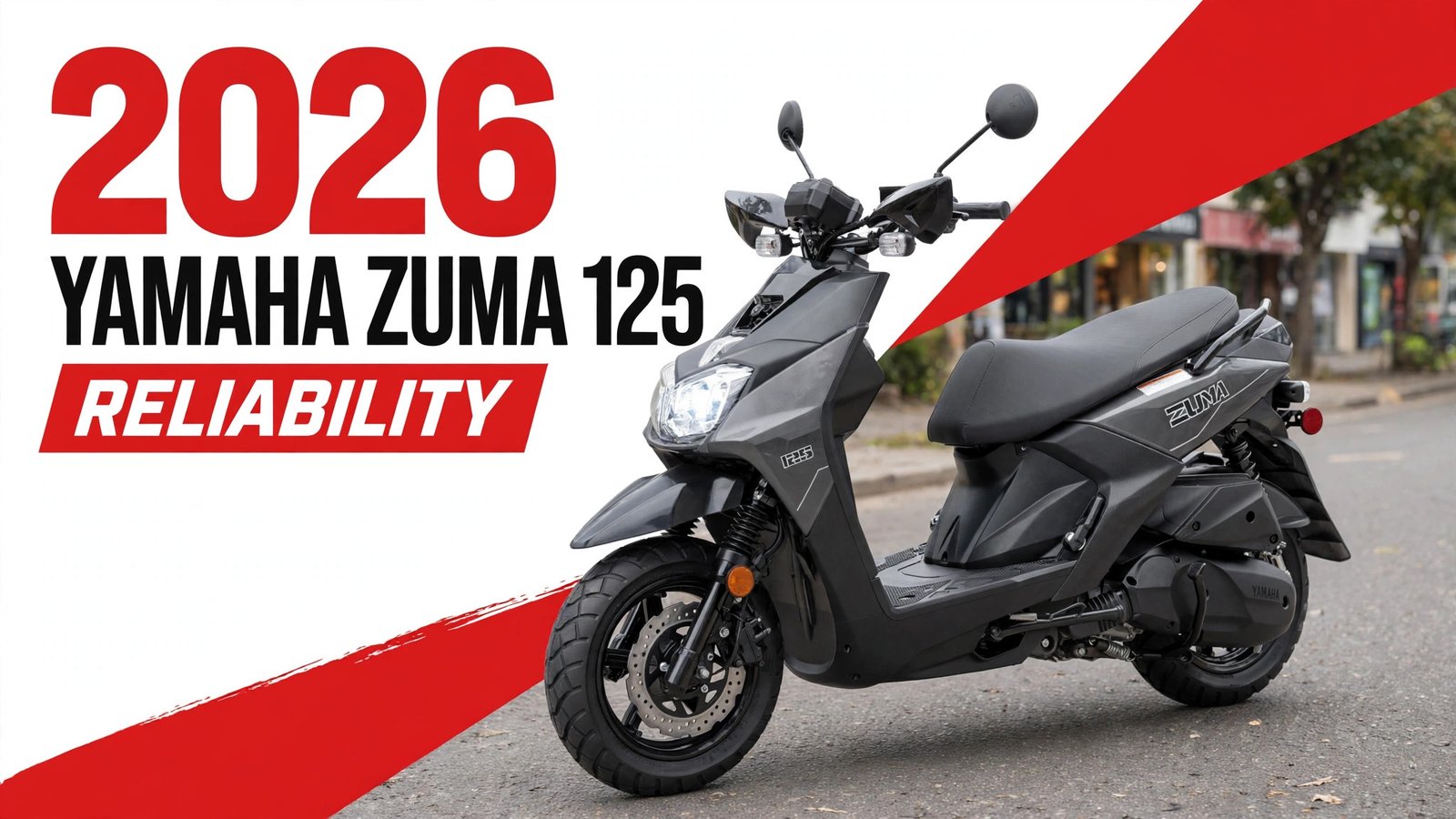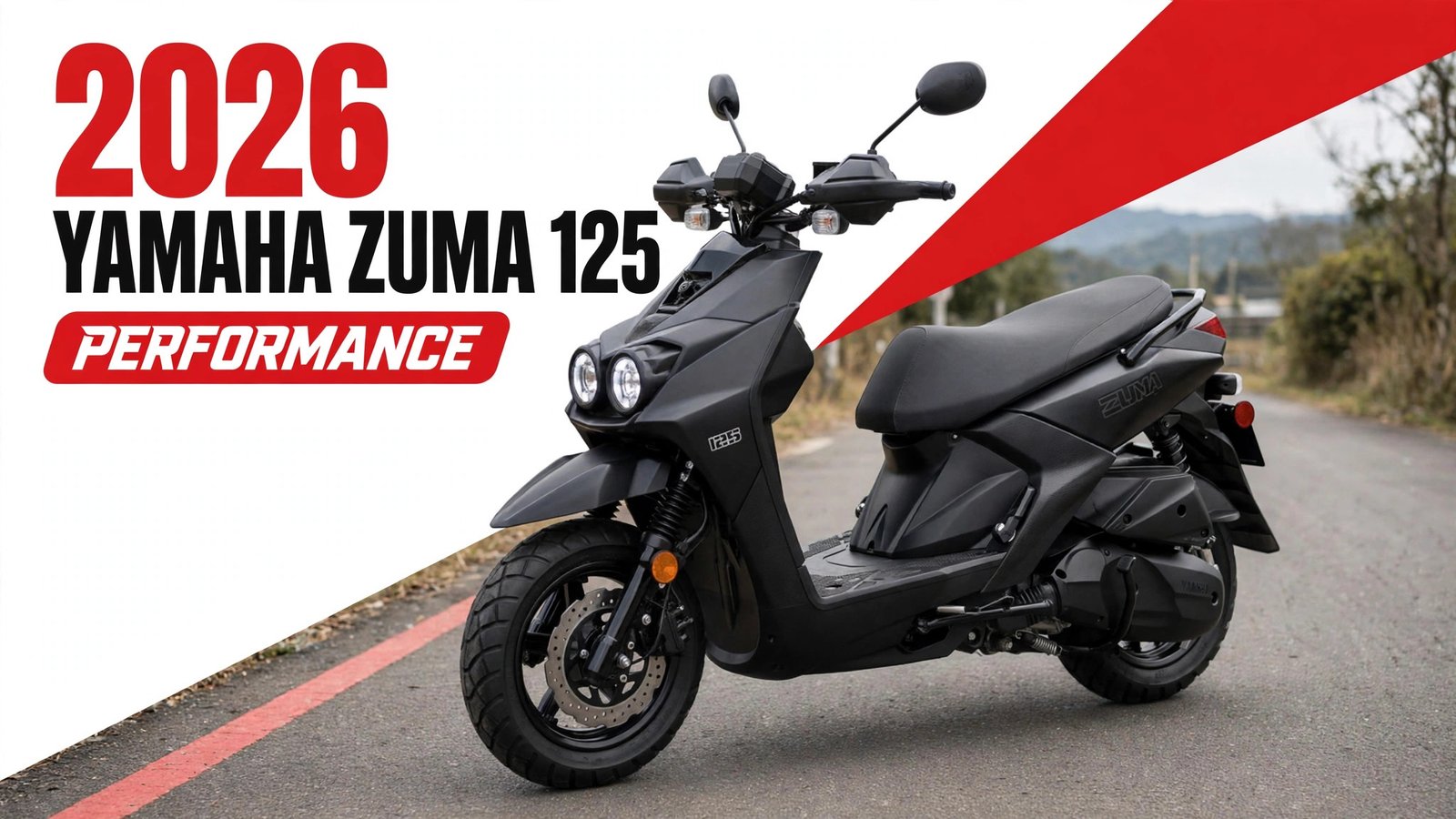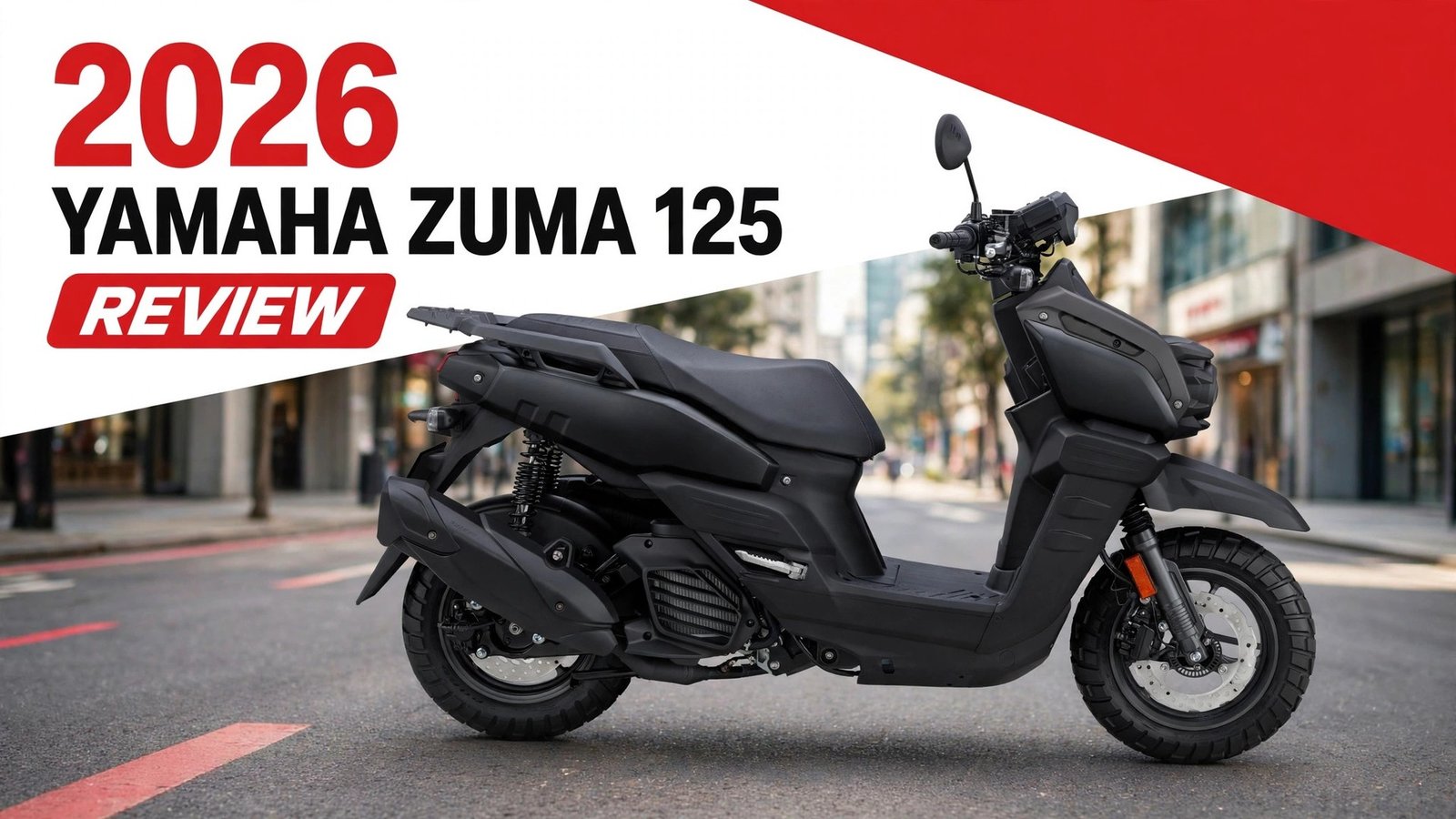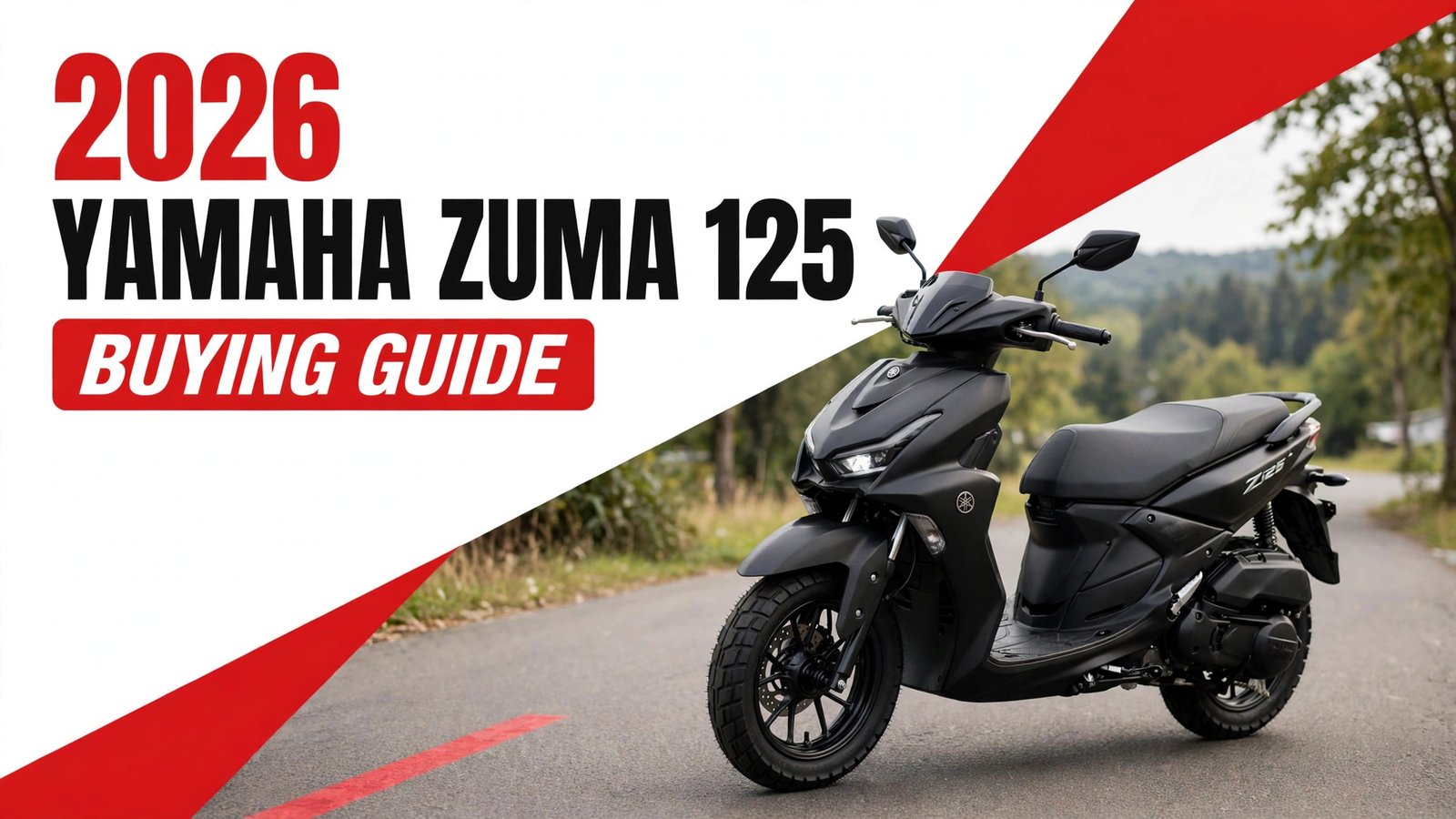
This Yamaha Zuma 125 buying guide answers the questions that matter before money changes hands: what a used one should cost by generation, what insurance and running costs really look like, how to inspect the CVT belt and frame, which model year is worth paying extra for, and whether the Honda ADV160 or a smaller Honda makes more sense. Every used price below comes from a real US listing found in October 2026, and every new price is a verified manufacturer or dealer figure, so this Yamaha Zuma 125 buying guide separates asking prices from planning estimates instead of blending them.
The short answer: a clean 2022-on Zuma 125 with service records is the sweet spot for most buyers, while a 2016–2021 bike is the value pick if its belt history checks out. Early 2009 bikes need one extra check — the fuel-pump recall. Use this Yamaha Zuma 125 buying guide as a checklist at the viewing, not just a price list.
Yamaha Zuma 125 Price and Market Availability
The first job of any Yamaha Zuma 125 buying guide is to anchor expectations in real money.
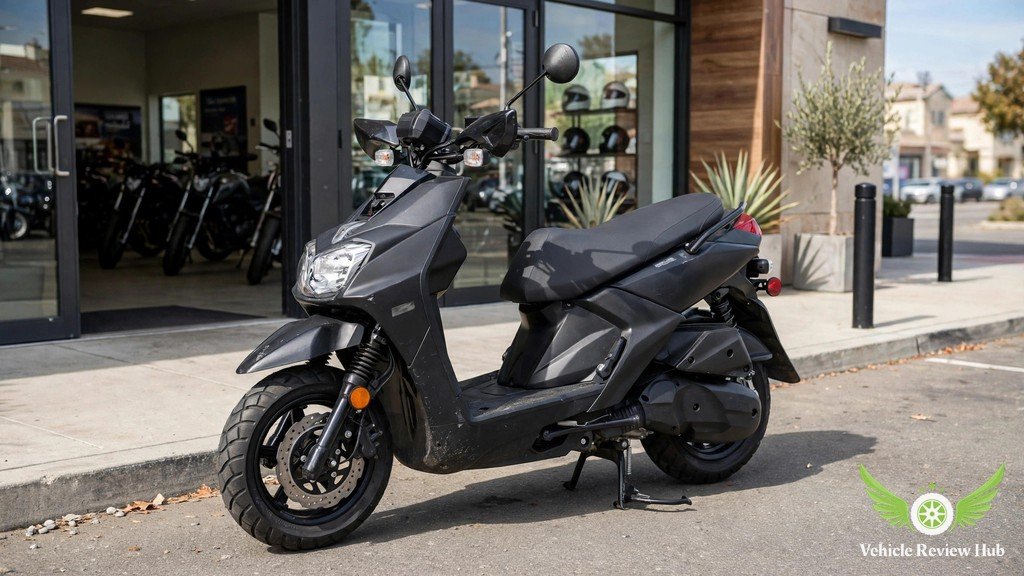
What Does a Used Yamaha Zuma 125 Cost in the USA by Generation?
In this Yamaha Zuma 125 buying guide, every used price in the table is an asking price from a real US listing found in October 2026, not a sale price.
| Year | Miles | Asking price | Seller and location |
|---|---|---|---|
| 2026 | 154 | $3,695 | Metro Motorcycle Inc., Neenah, WI |
| 2025 | 21 | $3,492 | RideNow Powersports Rancho, Las Vegas, NV |
| 2023 | 347 | $3,399 | Mainland Cycle Center, La Marque, TX |
| 2023 | 1,037 | $3,699 | Cycle Design, Phillipston, MA |
| 2022 | Not shown | $2,890 | J & J Motors, Massillon, OH |
| 2020 | 899 | $2,999 | All-Terrain Motorsports, Grand Junction, CO |
The spread tells the story this Yamaha Zuma 125 buying guide keeps coming back to: a nearly new 2026 at $3,695 saves barely $100 against a new 2026 at $3,799, while a 2022 at $2,890 saves real money. That is why a Yamaha Zuma 125 buying guide cannot give one number for “a used Zuma” — generation, mileage, and fresh belt service move the price by more than $800.
Labelled as estimates rather than listings, expect roughly $1,500–$2,500 for a 2009–2015 bike, $2,000–$3,000 for a 2016–2021 bike, and $2,800–$3,700 for a 2022-on bike. A Yamaha Zuma 125 buying guide should give that context: use the bands to set your budget and the table to test it against real bikes.
Is the Yamaha Zuma 125 Available Through Official US Dealers?
The Yamaha Zuma 125 buying guide answer is yes: the Zuma 125 is a current, officially sold US model through Yamaha dealers nationwide, with the 2026 bike in Sand Gray and Matte Black on Yamaha’s US list. Parts, service information, and recall support therefore flow through the normal dealer network, and a new 2026 carries a one-year limited factory warranty.
This Yamaha Zuma 125 buying guide recommends buying the bike with the best service file, not the cheapest bike, because a $300 saving evaporates when a neglected belt strands you. For the full model story, see the Zuma 125 review for price and specs by year.
Yamaha Zuma 125 Insurance and Ownership Costs
No Yamaha Zuma 125 buying guide is complete without running costs, because the purchase price is only the first payment.
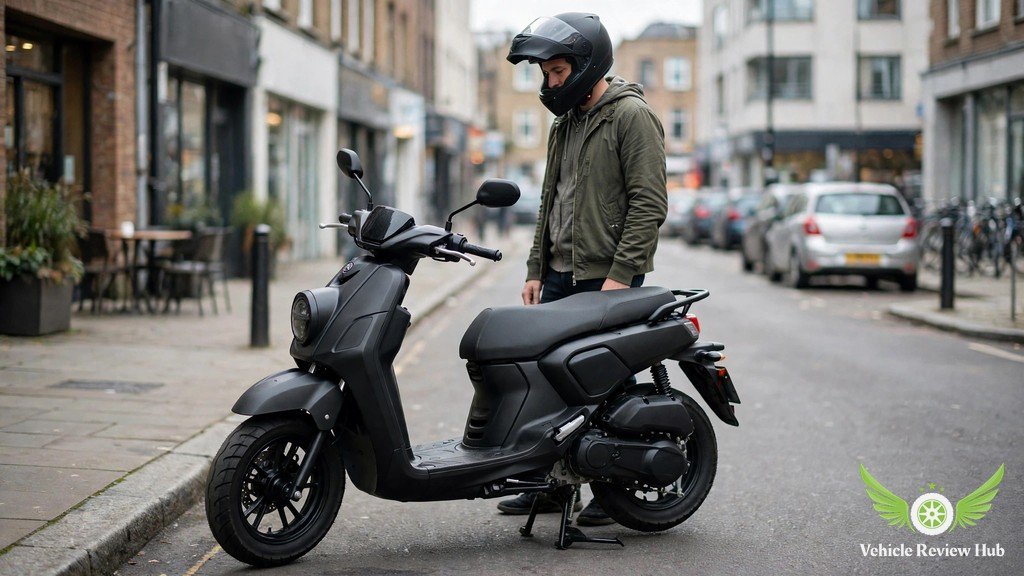
What Affects Scooter Insurance Premiums for a 125cc City Scooter?
For a Yamaha Zuma 125 buying guide, no single insurance figure fits every rider, because insurers price the rider, location, and coverage at least as much as the scooter.
MoneyGeek averages from October 2026 put a 40-year-old clean-record rider on a mid-size bike at about $141 a year liability-only and about $364 full coverage, versus about $1,446 for a 16-year-old on full coverage. A Yamaha Zuma 125 buying guide rule of thumb is $150–$400 a year for a mature clean-record rider — then get three quotes of your own, and ask about lay-up or seasonal cover if the scooter sits all winter.
One more insurance note for this Yamaha Zuma 125 buying guide: the Zuma needs a motorcycle endorsement in nearly all states because it displaces more than 50cc, and insurers will ask for it.
How to Estimate Fuel, Maintenance, Parts and Other Ownership Expenses
This Yamaha Zuma 125 buying guide uses verified figures where they exist and labels the rest as planning assumptions. The 2022-on bike carries Yamaha’s 101 mpg estimate with a 1.6-gallon tank, about 162 miles of range, while the 2016–2021 bike claimed 103 mpg from a 1.7-gallon tank.
| Annual cost item | Planning figure | Basis |
|---|---|---|
| Fuel (4,000 miles a year) | About $140–$160 | 101 mpg rating, $3.50 a gallon planning price |
| Insurance | About $150–$400 | MoneyGeek averages for a mature clean-record rider; get your own quotes |
| CVT belt and rollers | Price it before purchase | Inspect every 3,000 miles, replace at 12,000 miles; a fresh belt adds value |
| Tires (120/70-12 front, 130/70-12 rear) | As wear or age demands | Check tread depth and date codes at inspection, not just at service time |
| Annual routine total (excluding belt years) | Roughly $300–$550 | Before tires, belt work, and unexpected repairs |
A Yamaha Zuma 125 buying guide budget lands at roughly $300–$550 a year before tires, belt work, and unexpected repairs — genuinely cheap transport for a city machine. Before signing, this Yamaha Zuma 125 buying guide suggests one call to your local dealer for belt-and-roller and annual-service prices, turning a vague budget into a real one.
How to Inspect a Used Yamaha Zuma 125
The inspection chapter of a Yamaha Zuma 125 buying guide matters more than the price chapter, because a cheap Zuma with a dead belt, bent forks, or an open recall is not cheap at all.
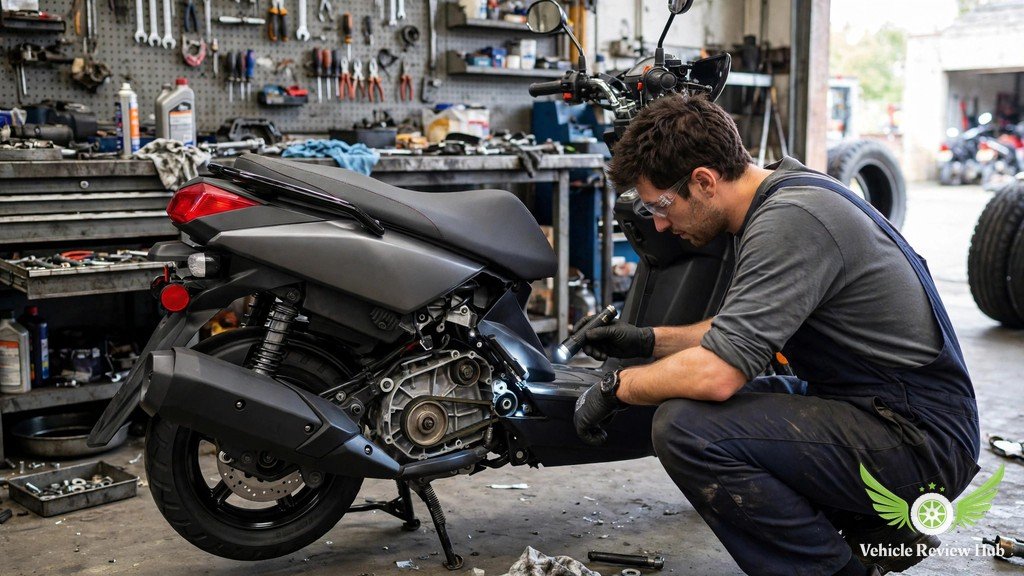
Checking the Engine, Cold Start, Service Records and Maintenance History
A Yamaha Zuma 125 buying guide inspection starts cold, so arrive early or ask the seller not to warm the bike up. A cold engine should start promptly, idle steadily, and run without smoke or rattles.
Service records are the real test. The manual pattern is a first service at 600 miles, then routine services every 2,000 miles, with spark plug replacement at 4,000 miles and every 4,000 miles after. The Yamaha Zuma 125 buying guide test is simple: a stamped book or dealer receipts are worth more than a story, and a bike with no records should be priced as if the next major service is due tomorrow. For the full service picture, see the Zuma 125 maintenance schedule before you go.
Recall status is non-negotiable on any early 2009 bike, and every Yamaha Zuma 125 buying guide must flag it. Yamaha’s 13V035 recall covers certain 2009 Zuma 125 scooters built between July 2008 and April 2009 — 8,700 units — because improper clearances in the fuel pump could starve the engine and cause a stall. The remedy is a free replacement pump, and the recall began in February 2013. Confirm it through NHTSA’s recall tool by VIN before money changes hands.
Inspecting the CVT Belt History, Frame, Tires, Brakes and Suspension
If one item deserves headline status in a Yamaha Zuma 125 buying guide, it is the CVT belt. The manual calls for belt inspection every 3,000 miles and replacement at 12,000 miles, and a worn belt shows up as sluggish take-off or lost top speed long before it snaps.
A Yamaha Zuma 125 buying guide belt check has two parts: receipt and ride. The receipt should show a belt change near the 12,000-mile mark, ideally with rollers at the same visit. The ride should pull away smoothly, with no shudder, squeal, or flat spot.
Frame, tires, brakes, and suspension complete the Yamaha Zuma 125 buying guide inspection. Tires must be 120/70-12 front and 130/70-12 rear, with legal tread and date codes under five years. Check the brakes by generation: 2009–2015 bikes have a 220mm front disc and a rear drum, 2016–2021 bikes have 245mm front and 200mm rear discs, and 2022-on bikes have 245mm front and 230mm rear discs with the linked Unified Brake System.
Yamaha Zuma 125 Model Years and Features to Compare
Model-year choice is where a Yamaha Zuma 125 buying guide earns its keep, because the Zuma lived in three US generations and sellers do not always know which one they own.
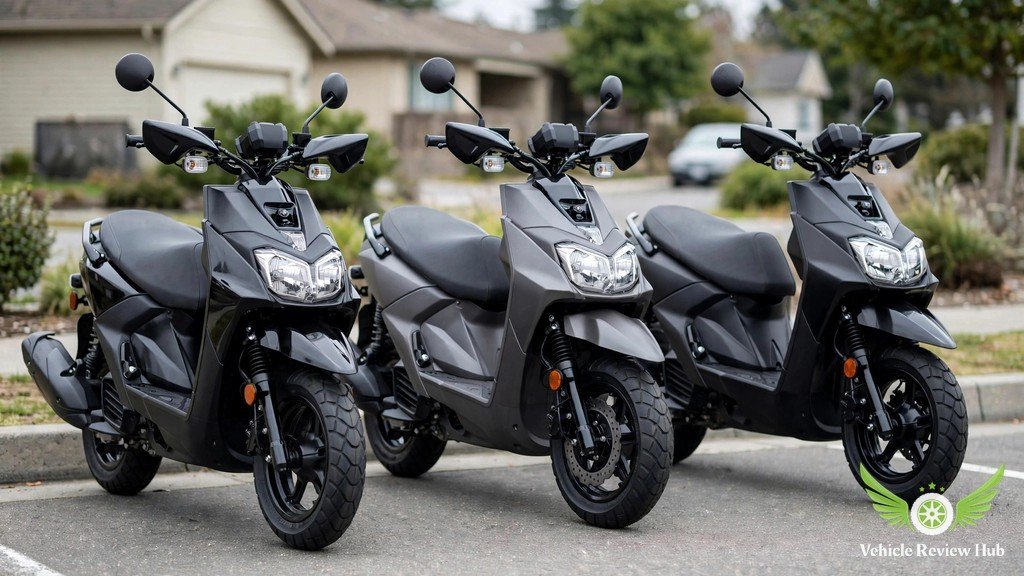
Comparing Air-Cooled 2009-2021 Models With Liquid-Cooled 2022-On Versions
The Yamaha Zuma 125 buying guide generation split is simple, but one trap catches buyers: the 2016 update changed styling, not the engine. Only the 2022 redesign brought liquid cooling and VVA.
| Feature | 2009–2015 | 2016–2021 | 2022-on |
|---|---|---|---|
| Engine | 125cc forced-air single, 52.4 x 57.9 mm, 10.0:1 | Same air-cooled engine | 125cc liquid-cooled Blue Core VVA, 52.0 x 58.7 mm, 11.2:1 |
| Headlights | Dual bug-eye headlights | Single unit with dual lamps | Rugged asymmetric dual headlights |
| Brakes | 220mm front disc, rear drum | 245mm front, 200mm rear discs | 245mm front, 230mm rear discs, Unified Brake System |
| Fuel / economy | About 1.5 gal, 89 mpg | 1.7 gal, 103 mpg claimed | 1.6 gal, 101 mpg estimated |
| Weight / seat | 268 lb wet, 30.7-in seat | 262 lb wet, 30.7-in seat | 282 lb wet, 30.9-in seat |
| New price (USA) | $2,999 (2009) | $3,499 (2020) | $3,699 (2022) / $3,799 (2023–2026) |
A Yamaha Zuma 125 buying guide warning on 2009–2021 bikes is the weight of age, not design: rubber parts, tires, and batteries age even on low-mileage bikes, so a 2012 with 800 miles still needs fresh tires and fluids.
The 2022 redesign is the Yamaha Zuma 125 buying guide sweet spot for most used buyers, bringing liquid cooling, VVA, linked braking, and USB charging at a used discount.
Which Features Matter Most: VVA Engine, Storage and USB Charging?
This Yamaha Zuma 125 buying guide ranks features by how much they change daily riding. The VVA engine matters most, because variable valve timing gives the little single stronger low-speed pull.
Storage matters second. The 2022-on underseat compartment swallows a full-face helmet and adds two helmet hangers, with a front compartment carrying the USB-A socket for charging a phone on the go. The Yamaha Zuma 125 buying guide verdict: a pre-2022 bike is fine around town, but the 2022-on storage and charging setup is the one that replaces a car for errands.
Two warnings belong in any honest comparison. First, no US-market Zuma 125 has ABS on any year — the 2022-on bike has the linked Unified Brake System, where the rear lever also applies some front brake, which is not the same thing. Second, there is no start-stop system on the US Zuma, despite the feature appearing on some overseas scooters, so do not pay extra for a seller’s claim that it has one.
Yamaha Zuma 125 vs Honda ADV160: Which One to Buy in the USA
The ADV160 question comes up in every Yamaha Zuma 125 buying guide conversation.
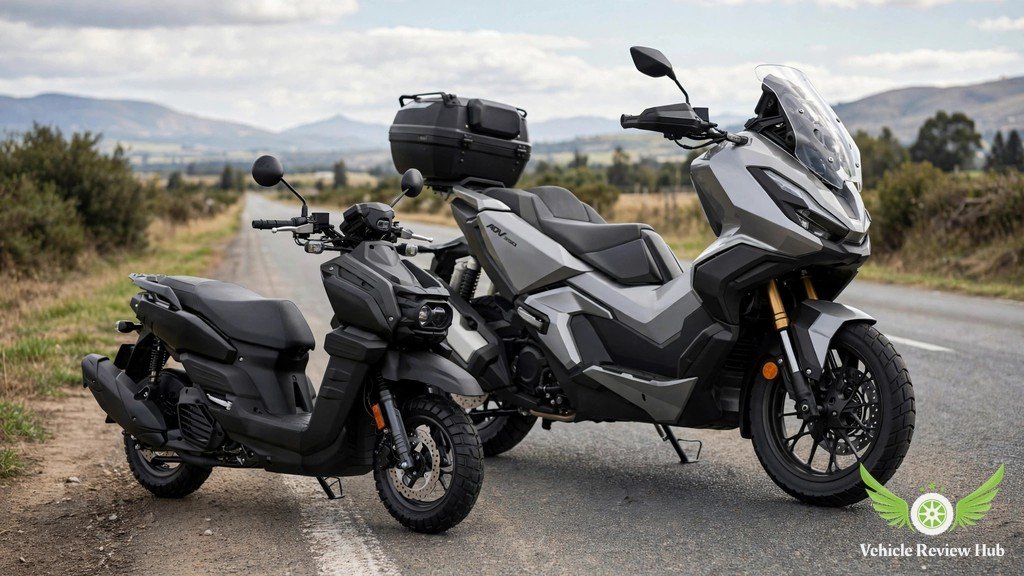
Price Compared: Rugged 125 Scooter vs Bigger 157cc Honda With Front ABS
On price alone, the Yamaha Zuma 125 buying guide math favors the Yamaha by a wide margin. A new 2026 Zuma costs $3,799 before destination, while a new 2026 ADV160 costs $4,499 plus $600 destination, $5,099 total — a $1,300 gap before a single option.
| Comparison point | Yamaha Zuma 125 | Honda ADV160 |
|---|---|---|
| New price (USA) | $3,799 (2026) + $460 dest. | $4,499 (2026) + $600 dest. |
| Engine | 125cc single, CVT, V-belt | 157cc single, V-Matic CVT |
| Weight | 282 lb wet (2022-on) | 294 lb curb |
| Seat height | 30.9 inches (2022-on) | 30.7 inches |
| Fuel tank | 1.6 gallons | 2.1 gallons |
| Brakes | 245mm / 230mm discs, linked UBS, no ABS | 240mm front disc with ABS, rear drum |
| Storage | Full-face helmet underseat + front compartment | 27-litre underseat + 2-litre front compartment |
Performance splits by priority, not by a single winner. The Yamaha Zuma 125 buying guide highway note applies to both, honestly: the ADV160 is the better 55 mph road bike, but neither is a freeway machine, and the Zuma 125 performance figures show exactly where the smaller bike’s limits sit.
When a Honda Navi, Trail 125 or Super Cub Makes More Sense
A Yamaha Zuma 125 buying guide must also say when not to buy the Zuma. The 2026 Honda Navi costs $2,199 for a 109cc automatic mini-bike that undercuts the Zuma by $1,600 — the right pick when the budget is the whole decision and speeds stay under 45 mph. The 2026 Honda Trail125 costs $4,199 plus $300 destination for a 124cc semi-automatic with standard front ABS, a cargo rack, and real trail manners — the pick for unpaved driveways and weekend dirt detours the Zuma only pretends to handle.
The Super Cub C125 ABS, listed around $3,899 in 2026 price guides, is the style pick: retro looks, a 124cc semi-automatic, and front ABS, but a small tank The Yamaha Zuma 125 buying guide smaller-bike rule is simple: never ride above 50 mph, rarely carry a passenger, and park in tight spaces, and the Navi will do everything you need for far less money.
Is Buying a Used Yamaha Zuma 125 Worth It?
So, is buying a used Yamaha Zuma 125 worth it? This Yamaha Zuma 125 buying guide says yes, with conditions.
Benefits and Risks of Buying a Used Zuma 125 in the USA
The Yamaha Zuma 125 buying guide case for buying used rests on two strengths. First, it is cheap to buy and cheaper to run: roughly $300–$550 a year in routine costs and fuel economy around 100 mpg. Second, it is easy to live with: twist-and-go CVT, no chain maintenance, helmet-sized storage, and a seat height under 31 inches.
The Yamaha Zuma 125 buying guide risks are narrower but worth naming. A 2009 bike without recall proof is a walk-away. A bike near a belt interval without a receipt is a $200–$400 bill waiting to happen.
Before you decide, watch this buying checklist video as a Yamaha Zuma 125 buying guide companion: it walks through ten things to know before buying a 2026 Zuma 125, a useful second pair of eyes alongside the inspection steps above.
US-Market Alternatives: PCX, ADV160 and Why Suzuki Has No 125 Scooter
If the used Zuma you inspected fails the Yamaha Zuma 125 buying guide checks, or you simply want to compare first, three current US-market alternatives deserve a look. The 2026 Honda PCX costs $4,349 for a 157cc city scooter with front-wheel ABS, a 30.1-inch seat, and 291 lb curb weight — the polished commuter pick. The 2026 Honda ADV160 costs $4,499 plus $600 destination for the rugged alternative with longer suspension travel and a bigger tank. And if you genuinely need freeway capability, step up to Yamaha’s own XMAX review class: the 292cc XMAX is a real freeway scooter, at a much higher price.
Suzuki, notably, offers no answer at this size. Its only current US scooter is the Burgman 400 at $8,949 — more than double the Zuma’s price and a far bigger machine. That gap is exactly why the Yamaha Zuma 125 buying guide verdict holds: none of the alternatives beats a clean used Zuma on value, but the ADV160 comes closest for riders who want more engine and real ABS.
Yamaha Zuma 125 Buying Guide FAQs
These Yamaha Zuma 125 buying guide FAQs answer buyers’ most common questions, from fair prices and belt intervals to recall checks and rivals.
What is a fair price for a used Yamaha Zuma 125 in the USA?
A fair price depends on generation and mileage, but this Yamaha Zuma 125 buying guide puts a clean low-mileage 2023 near $3,399, a higher-mileage 2020 near $2,999, and most 2022-on bikes between $2,800 and $3,700, based on real October 2026 listings.
How often does the Yamaha Zuma 125 CVT belt need replacing?
The Yamaha Zuma 125 buying guide belt rule is to buy on receipts, not promises: ask for the belt record by mileage, test-ride for smooth takeoff without shudder or squeal, and price any bike near the 12,000-mile belt interval as if the service is due tomorrow.
How do I check the 13V035 recall on a used Zuma 125?
Take the VIN to a Yamaha dealer and check for open campaigns before you pay. The recall covers certain 2009 bikes built between July 2008 and April 2009 only — 8,700 units — and the free fix is a replacement fuel pump.
Should I buy a 2022 Zuma 125 or pay more for a 2025 model?
Buy the 2022 for the best value, because it brings liquid cooling, VVA, linked braking, and USB charging at a used discount. The Yamaha Zuma 125 buying guide pick for most buyers is a clean 2022 or 2023 with full service records.
Can a Yamaha Zuma 125 handle freeway commuting?
No, not as a daily freeway machine. The 125cc engine tops out around 55–60 mph in typical riding, and in California a sub-150cc machine is classed as a motor-driven cycle and is not freeway-approved. Other states vary, so check your state’s rule.
How much does insurance cost for a Yamaha Zuma 125?
A Yamaha Zuma 125 buying guide rule of thumb is $150–$400 a year for a mature clean-record rider.
What should I check first when inspecting a used Zuma 125?
Check four things first: a cold start, the service file, the belt receipt, and the recall status. This Yamaha Zuma 125 buying guide recommends walking away from any bike failing two or more of those checks, however good the price looks.
Does a used Yamaha Zuma 125 still have warranty coverage?
New bikes carry a one-year limited factory warranty, so a nearly new used bike may still have months left — ask for the in-service date, not just the model year. The Zuma 125 reliability record behind that question is strong, but a warranty is a contract, so read what it covers before counting on it.