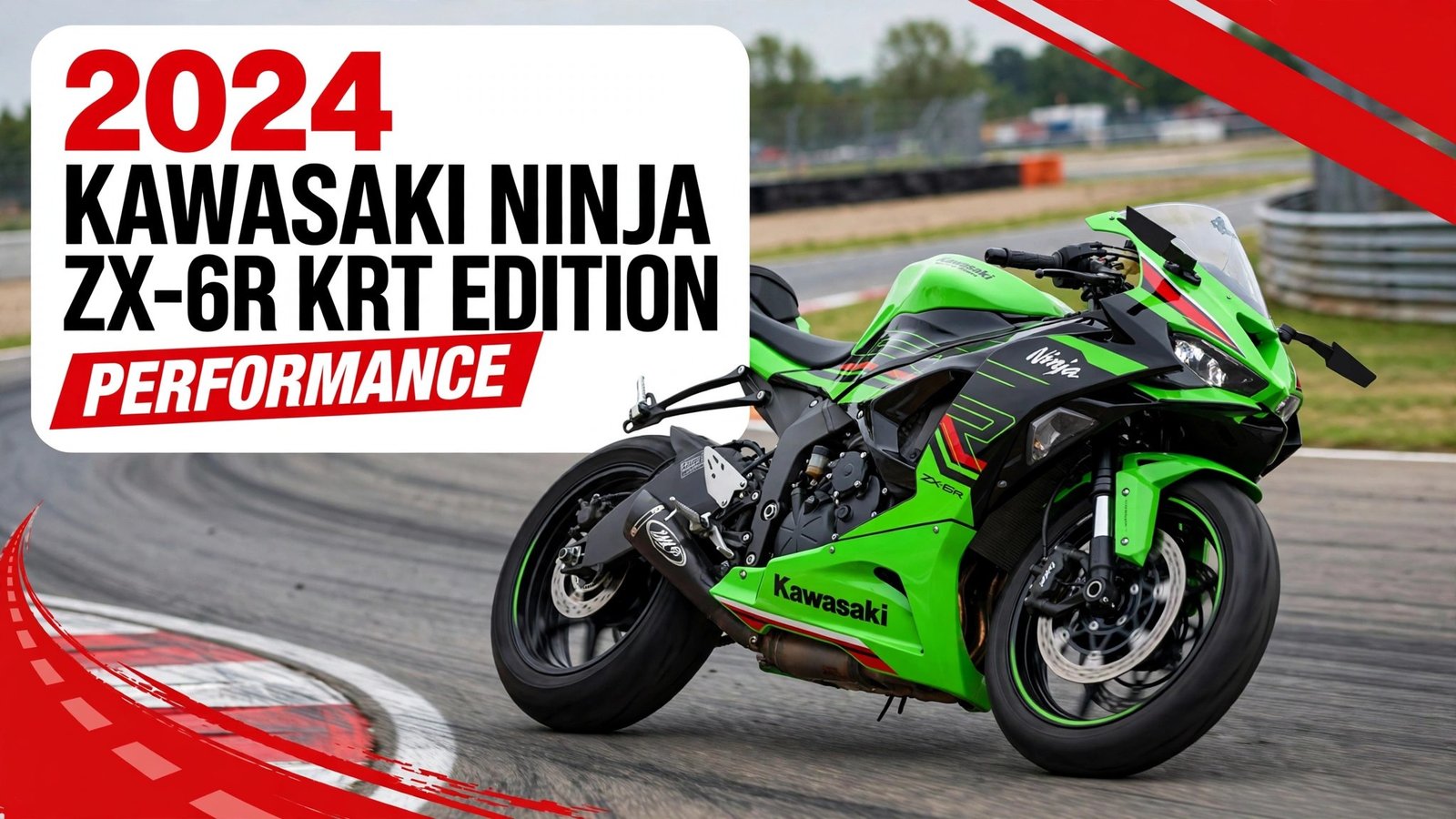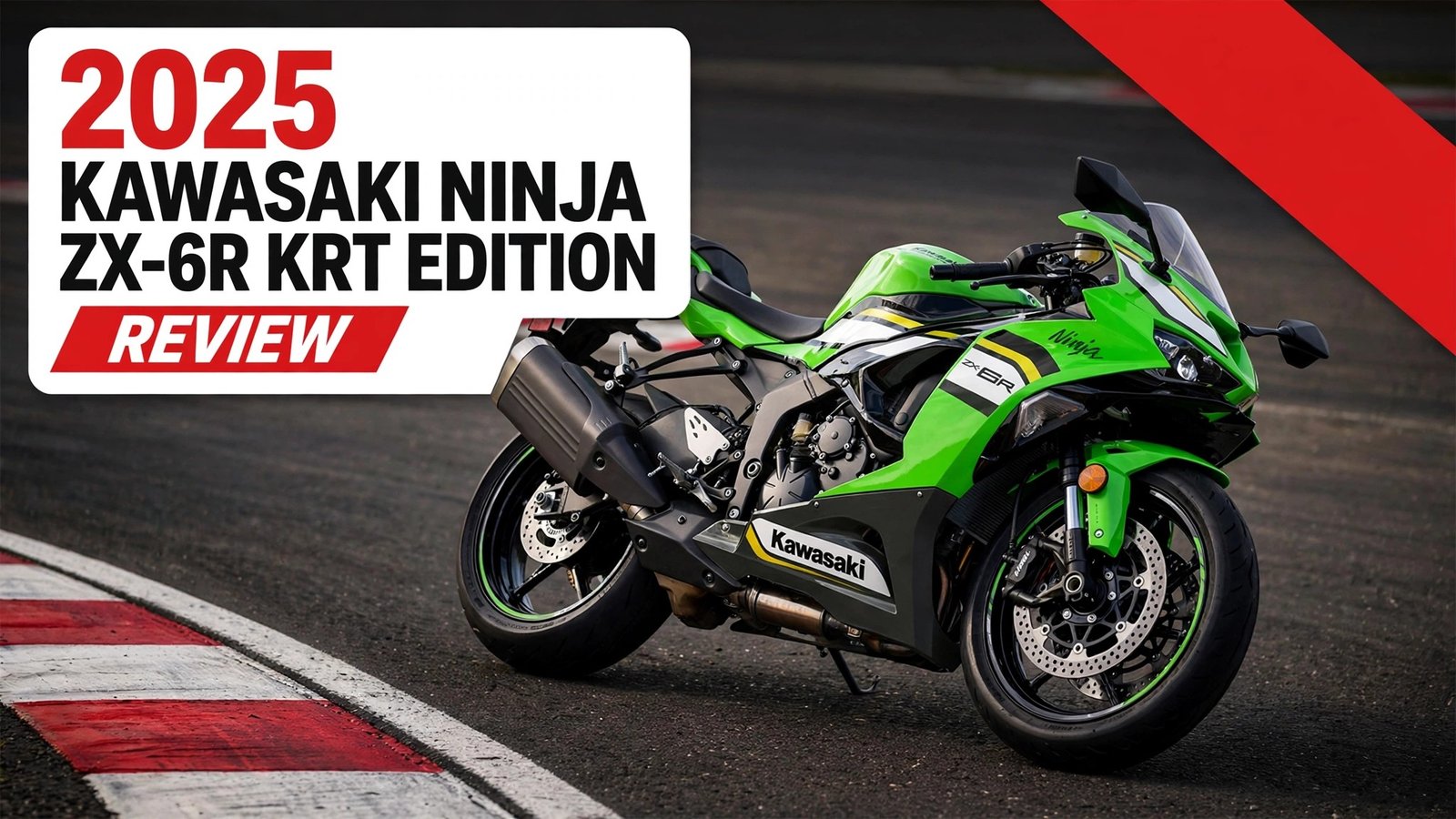
The short answer is that the Kawasaki Ninja ZX-6R KRT Edition is a standard Ninja ZX-6R wearing Kawasaki Racing Team paint, and nothing else. The same 636cc inline-four, the same chassis, the same brakes, the same electronics and the same weight as the standard bike of the same year — the KRT badge bought a livery, not a faster motorcycle. This Kawasaki Ninja ZX-6R KRT Edition review covers all 11 model years, from the first 2016 bike to the last 2026 bike, with the prices, the premium that fell to zero, and the two crankshaft recalls every used buyer must check.
That matters because sellers still ask extra money for the KRT name, and this Kawasaki Ninja ZX-6R KRT Edition review shows why they should not get it. Kawasaki charged $300 for the paint from 2016 to 2022, then gave the livery away free from 2023 to 2026, and dropped the KRT name entirely for 2027. The bike underneath never changed because of the badge, and the used market knows it.
Kawasaki Ninja ZX-6R KRT Edition Overview and Model-Year Updates
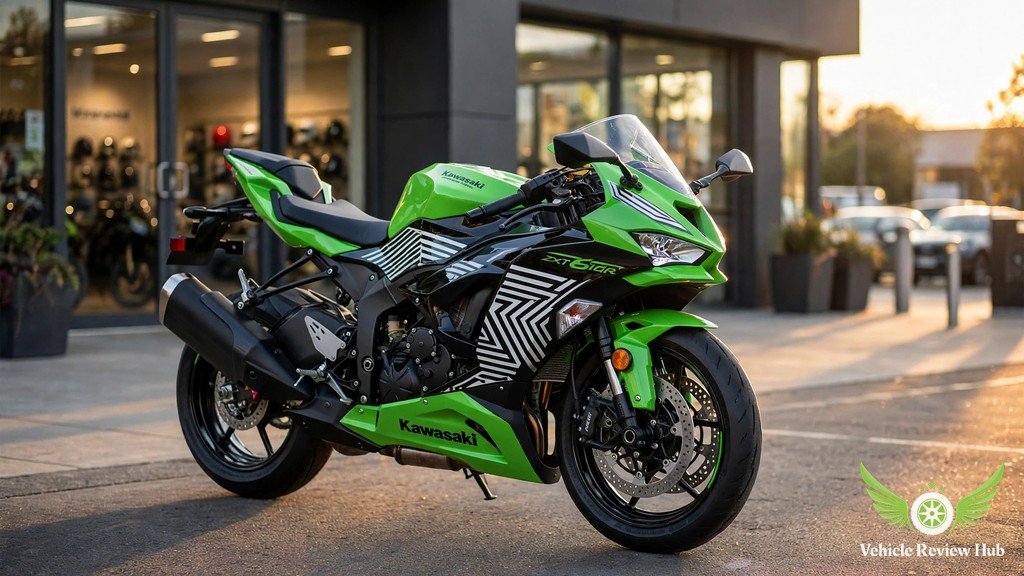
The KRT Edition ran for a decade on the ZX-6R platform, and this Kawasaki Ninja ZX-6R KRT Edition review treats it as what it is: a trim, not a model. KRT stands for Kawasaki Racing Team, and the edition dressed the standard ZX-6R in the Lime Green and black racing colours of the factory World Superbike team. Every mechanical part stayed identical to the standard bike of the same year, which means the KRT inherited every update the platform received — the 2019 price cut and quickshifter, the 2024 TFT dash and revised cams — and every weakness too, including the cable throttle and the two crankshaft recalls of 2025. This Kawasaki Ninja ZX-6R KRT Edition review follows the KRT through all 11 years because the livery stayed while the platform changed underneath it.
KRT Dates From 2016
The first KRT Edition was the 2016 model, and this Kawasaki Ninja ZX-6R KRT Edition review counts 11 model years from there: 2016 through 2026. The 2016 bike was ABS-only, as were the 2017, 2019, 2020 and 2021 bikes. A non-ABS KRT appeared in 2018 and then again from 2022 through 2026, so the ABS-only years are the exception rather than the rule. The livery stayed Lime Green with black and white KRT graphics throughout, though the exact colour combination shifted — Lime Green/Ebony/Metallic Graphite Gray in 2018, Lime Green/Ebony/Pearl Blizzard White in 2022 and 2025, and Lime Green/Ebony in 2024. Through all of it the KRT was the same motorcycle as the standard ZX-6R, built on the same line, with the same 636cc engine and the same running gear.
Final Year Was 2026
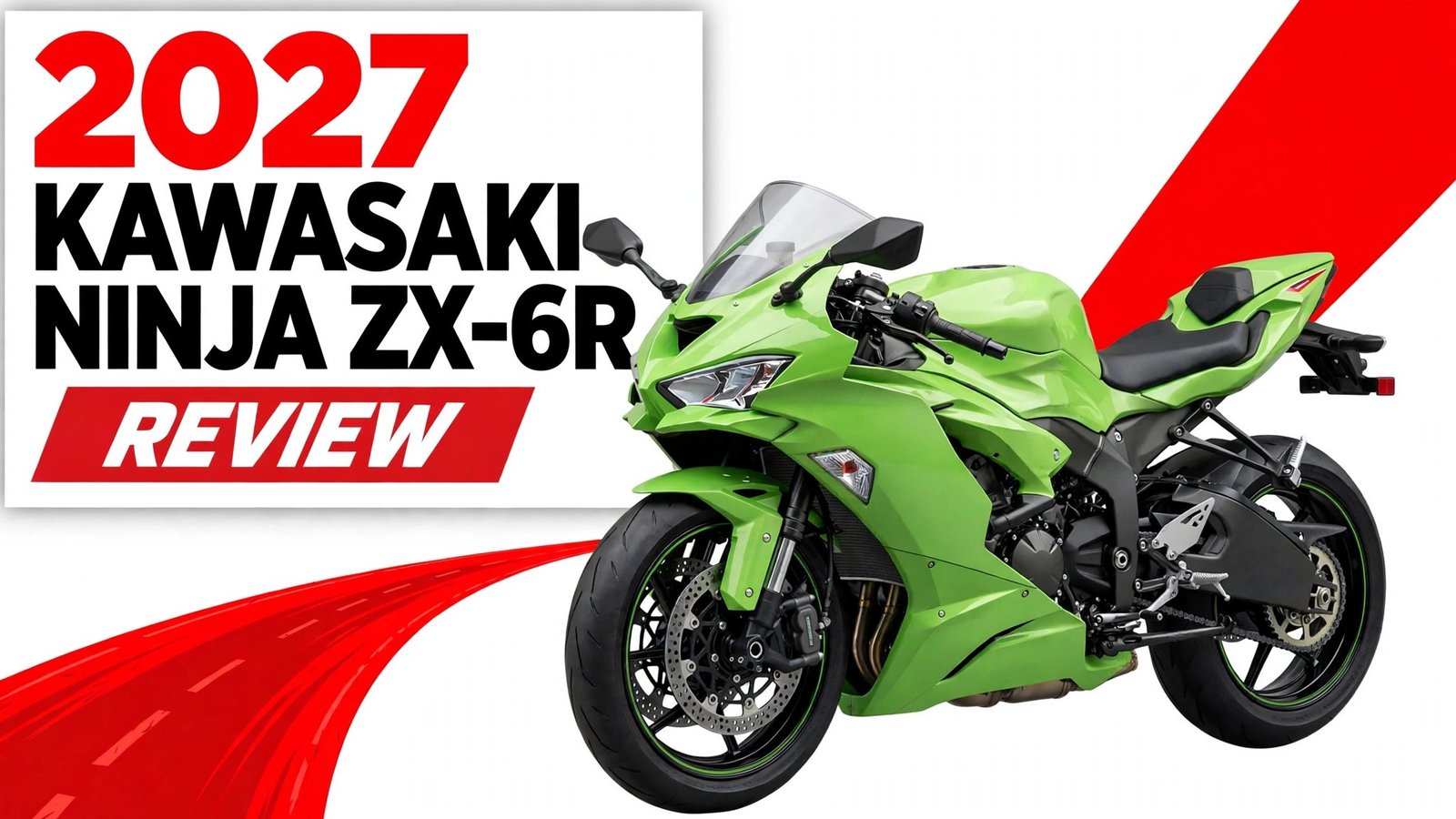
The final KRT year was 2026, not 2025, and this Kawasaki Ninja ZX-6R KRT Edition review corrects the document heading on that point. The 25V798 Part 573 recall report names 2024–2026 KRT Editions among the affected bikes, which proves a 2026 KRT Edition existed and was sold in the United States. Kawasaki dropped the KRT name for 2027 and made Lime Green a standard colour on the base ZX-6R instead, so a 2027 bike in Lime Green is not a KRT Edition — it is a standard bike in a colour that used to cost extra. Buyers shopping for the last KRT should look at 2026 bikes, and buyers looking at a 2027 Lime Green bike should not pay a KRT premium for it, because there is none to pay.
Kawasaki Ninja ZX-6R KRT Edition Engine and Specifications
The KRT engine is the standard ZX-6R engine, and this Kawasaki Ninja ZX-6R KRT Edition review starts there because it is the whole point of the bike. The 636cc inline-four is the largest engine in the Japanese 600 class, and its extra 37cc over a 599cc rival is what gives the ZX-6R its midrange. Nothing about the KRT paint changed the engine, the exhaust, the gearing or the fueling, so every power and torque figure for the standard bike applies to the KRT of the same year, digit for digit, and this Kawasaki Ninja ZX-6R KRT Edition review uses those figures throughout.
127 HP Is Platform Data
The 127.0 hp headline is platform data, not a KRT figure, and this Kawasaki Ninja ZX-6R KRT Edition review is careful about that distinction. Kawasaki claims 127.0 hp at 13,000 rpm on the ISO 4106 standard with ram air for the 2026 and 2027 bikes, and 122 hp without ram air for the 2024 and 2025 bikes — the same numbers for the KRT and the standard bike, because they are the same engine. No KRT Edition has ever been put on a dyno, so the only measured figures come from standard bikes: Cycle World’s dyno test measured 108.4 hp at 13,200 rpm and 45.8 lb-ft at 10,900 rpm from a stock 2023 standard ABS, and MCN dyno’d the 2024 bike at 115 bhp at the rear wheel. Torque is 52.1 lb-ft at 10,800 rpm on 2024 and later bikes, and the KRT carries exactly that, because the KRT is the standard bike with different paint.
| Specification | Kawasaki Ninja ZX-6R KRT Edition |
|---|---|
| Engine | 636cc liquid-cooled inline-four |
| Claimed power | 127.0 hp @ 13,000 rpm (ISO 4106, ram air, 2026) |
| Claimed power, no ram air | 122 hp (2024–2025) |
| Claimed torque | 52.1 lb-ft @ 10,800 rpm (2024+) |
| Dyno power, standard ABS | 108.4 hp @ 13,200 rpm (Cycle World 2023) |
| Dyno power, MCN 2024 | 115 bhp, rear wheel |
| Top speed, measured | 144 mph (MCN datalogger, 2024) |
| Quarter mile | 10.58 sec @ 132.36 mph (Cycle World testers, 2013-era) |
| Fuel economy | 40.6 mpg EPA estimate (2024), about 183 miles per tank |
| Seat height | 32.7 in |
| Curb weight, base | 430.0 lb (49-state) / 432.2 lb (50-state) |
| Fuel tank | 4.5 gal |
| Warranty | 12-month limited warranty |
Note: Every figure in this table is the standard ZX-6R figure for the same year, because the KRT Edition shares the engine, chassis and running gear with the standard bike. No KRT Edition has ever been dyno tested, so the dyno rows come from standard bikes. The 164 mph top-speed figure repeated by listicles is an unofficial claim no reputable publication has ever measured on a stock bike. This Kawasaki Ninja ZX-6R KRT Edition review uses the MCN datalogger figure of 144 mph as the only measured top speed.
No IMU on KRT Bikes
No KRT bike has an IMU, and this Kawasaki Ninja ZX-6R KRT Edition review says so plainly because the paint suggests a race bike and the electronics do not match. The ZX-6R runs a cable throttle, not ride-by-wire, and it has no inertial measurement unit and no cornering ABS. Traction control is KTRC, which works from wheel speed only, with two power modes and KIBS ABS on ABS models. The quickshifter is KQS, standard since 2019, and it shifts up only — there is no auto-blip downshift. No year of the KRT, from 2016 to 2026, ever offered them.
Kawasaki Ninja ZX-6R KRT Edition Price and Market Availability
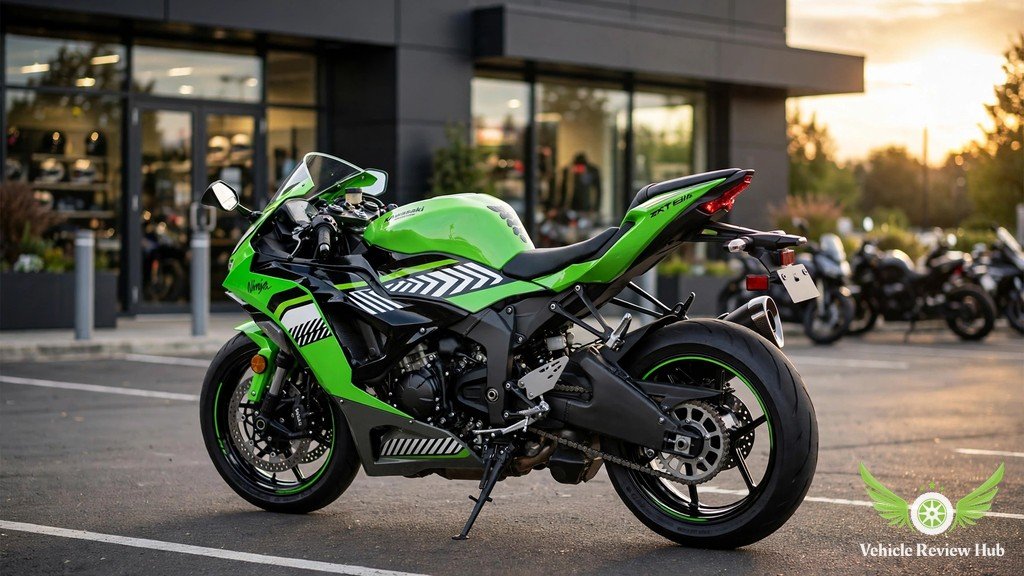
Price is where the KRT story is most useful, and this Kawasaki Ninja ZX-6R KRT Edition review puts the numbers first. The KRT was never a cheap way into the ZX-6R, and in its final years it was not a more expensive way in either — it was the same price as the standard bike, with the racing livery included free. That is the whole pricing history in one sentence, and the table below fills in the years.
Kawasaki Ninja ZX-6R KRT Edition Price in the USA: $11,399 (2025)
The 2025 KRT Edition cost $11,399, or $12,399 with ABS, plus a $665 destination charge, and this Kawasaki Ninja ZX-6R KRT Edition review uses those figures as the anchor because they are the last full-year prices before the final 2026 bike. Delivered, that is $12,064 for the base KRT and $13,064 for the ABS. The 2026 KRT cost $11,599, or $12,599 with ABS, plus $685 destination — $12,284 and $13,284 delivered. The 2024 KRT cost $11,399, and buyers should not be confused by the superseded $11,299 figure that appeared in pre-launch coverage; Kawasaki’s own 2024 spec sheet governs. One listing to ignore is a dealer page that prints $12,399 as the 2026 KRT ABS price — that is the stale 2025 price carried forward, not the 2026 price.
| Model year | KRT MSRP | KRT ABS MSRP | Destination | Delivered, base | KRT premium |
|---|---|---|---|---|---|
| 2016 | — | $12,999 | Not verified | Not stated | — |
| 2017 | — | $12,999 | Not verified | Not stated | — |
| 2018 | $11,999 | $12,999 | Not verified | Not stated | $300 |
| 2019 | — | $11,299 | Not verified | Not stated | $300 |
| 2020 | — | $11,299 | $410 | Not stated | $300 |
| 2021 | — | $11,499 | $430 | Not stated | $300 |
| 2022 | $10,799 | $11,799 | $430 | Not stated | $300 |
| 2023 | $10,999 | $11,999 | $430 | Not stated | $0 |
| 2024 | $11,399 | $12,399 | Not verified | Not stated | $0 |
| 2025 | $11,399 | $12,399 | $665 | $12,064 | $0 |
| 2026 | $11,599 | $12,599 | $685 | $12,284 | $0 |
Note: The KRT was ABS-only in 2016, 2017, 2019, 2020 and 2021, so no non-ABS KRT price exists for those years. The 2016 and 2017 ABS KRT was $12,999, and the 2018 KRT was $11,999 ($12,999 with ABS); no premium is stated for 2016–2017. The 2022 ABS KRT was $11,799. The 2025 destination charge is $665, not $685 — the $685 figure belongs to 2026. Delivered prices are only stated where the destination charge is verified. This Kawasaki Ninja ZX-6R KRT Edition review never prints a dealer listing price as MSRP.
Premium $300, Then Zero
The KRT premium was $300 from 2016 to 2022, then zero from 2023 to 2026, and this Kawasaki Ninja ZX-6R KRT Edition review treats that change as the most important pricing fact in the blog. For seven years Kawasaki charged $300 for the racing livery, and for the final four years it charged nothing — the KRT cost exactly what the standard bike cost, and the paint came free. That is why used listings show no KRT premium at all: the livery adds no value beyond the paint itself. A seller asking extra for a 2023, 2024, 2025 or 2026 KRT is asking for money Kawasaki itself stopped charging years ago.
Kawasaki Ninja ZX-6R KRT Edition Design, Features and Technology
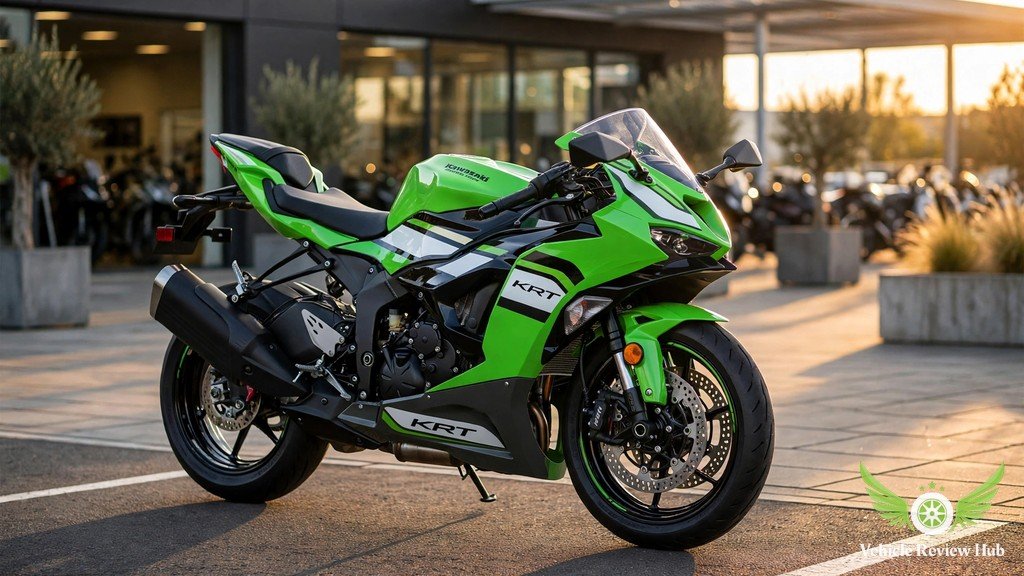
The KRT design is a livery, and this Kawasaki Ninja ZX-6R KRT Edition review describes it as one. Lime Green bodywork with black and white Kawasaki Racing Team graphics, the same fairing shape as the standard bike, the same wheels, the same single muffler on the right side, the same dash and the same switchgear. The 2024 update brought the same changes to the KRT as to the standard bike — the 4.3-inch TFT dash with RIDEOLOGY, revised cam profiles, round front rotors, integrated winglets on the cowl and Bosch 9.3MP ABS — because the KRT is the standard bike, and the platform update did not stop at the paint shop.
Premium Bought Paint Only
The premium bought paint only, and this Kawasaki Ninja ZX-6R KRT Edition review repeats that because it is the fact sellers most often blur. The KRT added no upgraded suspension, no different brakes, no lighter wheels, no extra electronics and no power increase over the standard ZX-6R of the same year, and this Kawasaki Ninja ZX-6R KRT Edition review is explicit about that because sellers blur it. The fork is the same 41 mm inverted Showa SFF-BP unit, fully adjustable, and the rear is the same Bottom-link Uni-Trak shock, fully adjustable. The brakes are the same, the tyres are the same, and the riding position is the same. What the buyer paid for was the Lime Green and black racing livery and the KRT badges — and from 2023, Kawasaki stopped charging for even that.
Weight Delta Is Zero
The weight delta is zero, and this Kawasaki Ninja ZX-6R KRT Edition review states it as a measured fact rather than a claim. The KRT curb weight is 430.0 lb for the 49-state base bike and 432.2 lb for the 50-state bike, exactly the same as the standard ZX-6R, because the only difference between the two is paint and graphics. A decal weighs nothing, and the KRT carries no extra part that could add a pound. Any listing that claims a KRT is lighter than a standard ZX-6R is wrong. The 2024 40th Anniversary Edition is a different bike — Lime Green, Pearl Crystal White and Blue, $12,649, ABS-only, 2024 only — and it is not a KRT, so its livery should never be quoted as a KRT colour.
Kawasaki Ninja ZX-6R KRT Edition Riding Experience and Comfort
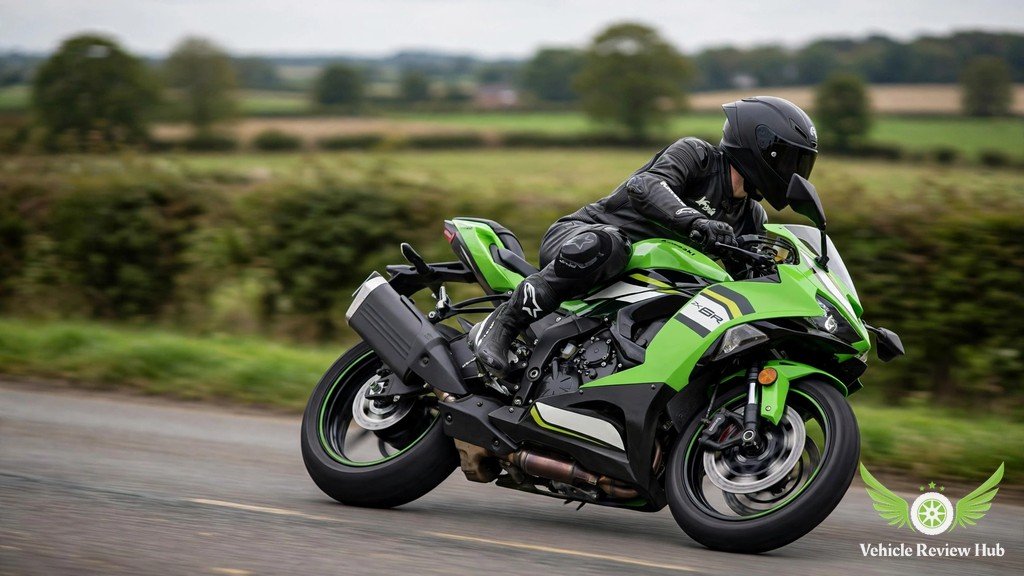
The KRT rides exactly like the standard ZX-6R, and this Kawasaki Ninja ZX-6R KRT Edition review says that first because it is the only honest riding impression there is. The same 32.7-inch seat height, the same committed supersport riding position, the same 636cc midrange that pulls from low revs where a 599cc four feels flat, and the same fully adjustable suspension at both ends. A rider who buys a KRT expecting a different motorcycle will be disappointed.
Launch Bikes Wore KRT Colours
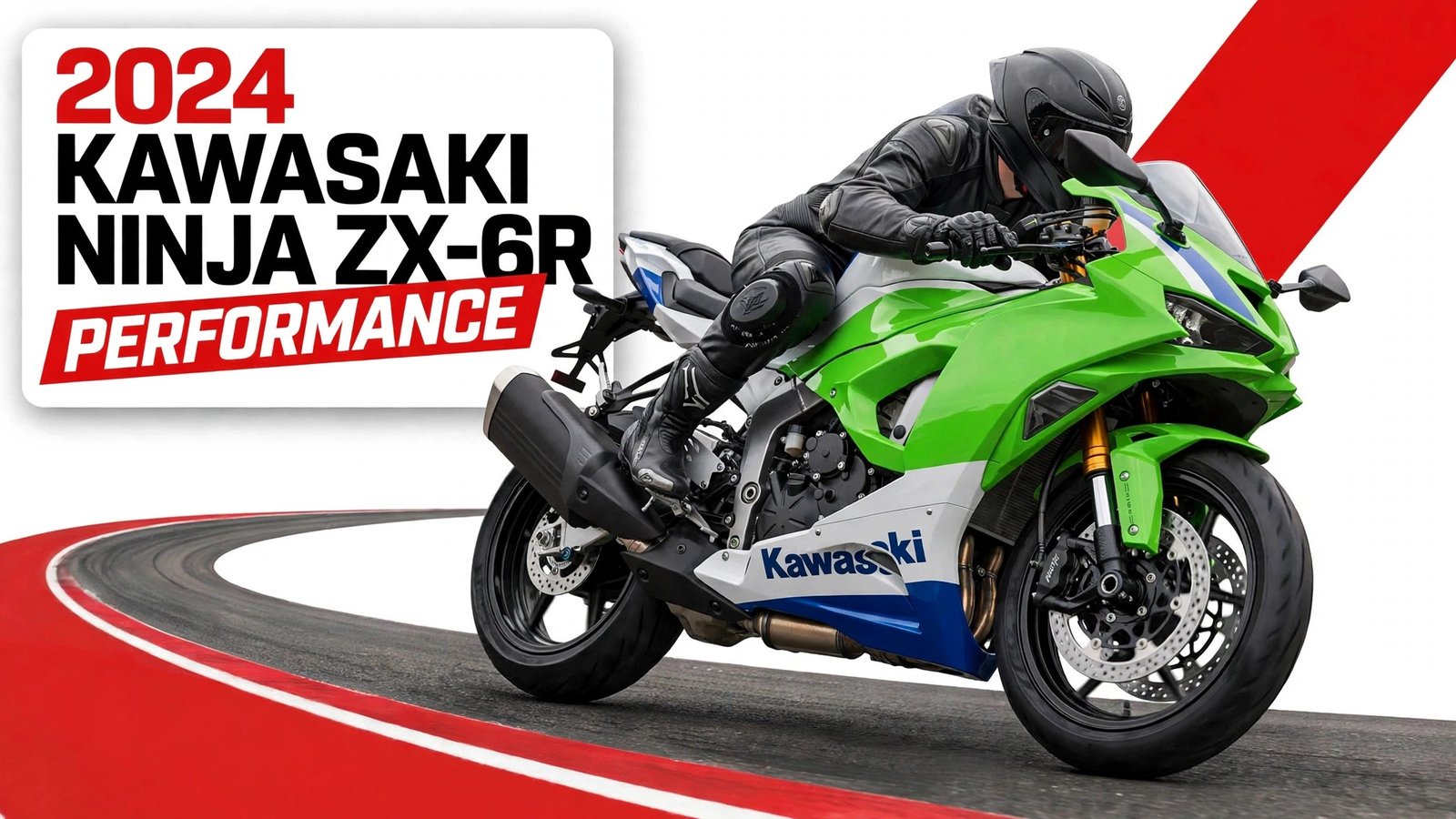
The launch bikes wore KRT colours, and this Kawasaki Ninja ZX-6R KRT Edition review notes it because it explains why the livery feels familiar. When Kawasaki launched the updated ZX-6R, the press bikes were KRT Editions, so the first photos and first rides most buyers saw were of the Lime Green bike — and many buyers still picture the ZX-6R in KRT colours by default. Chase on Two Wheels rode the 2025 KRT in the first-ride video below, a US bike in the Lime Green livery, and his ride shows the standard ZX-6R experience in KRT paint: the same engine, the same TFT dash, the same up-only quickshifter. This Kawasaki Ninja ZX-6R KRT Edition review includes the video because it shows the actual 2025 KRT on the road.
12 Month Limited Warranty
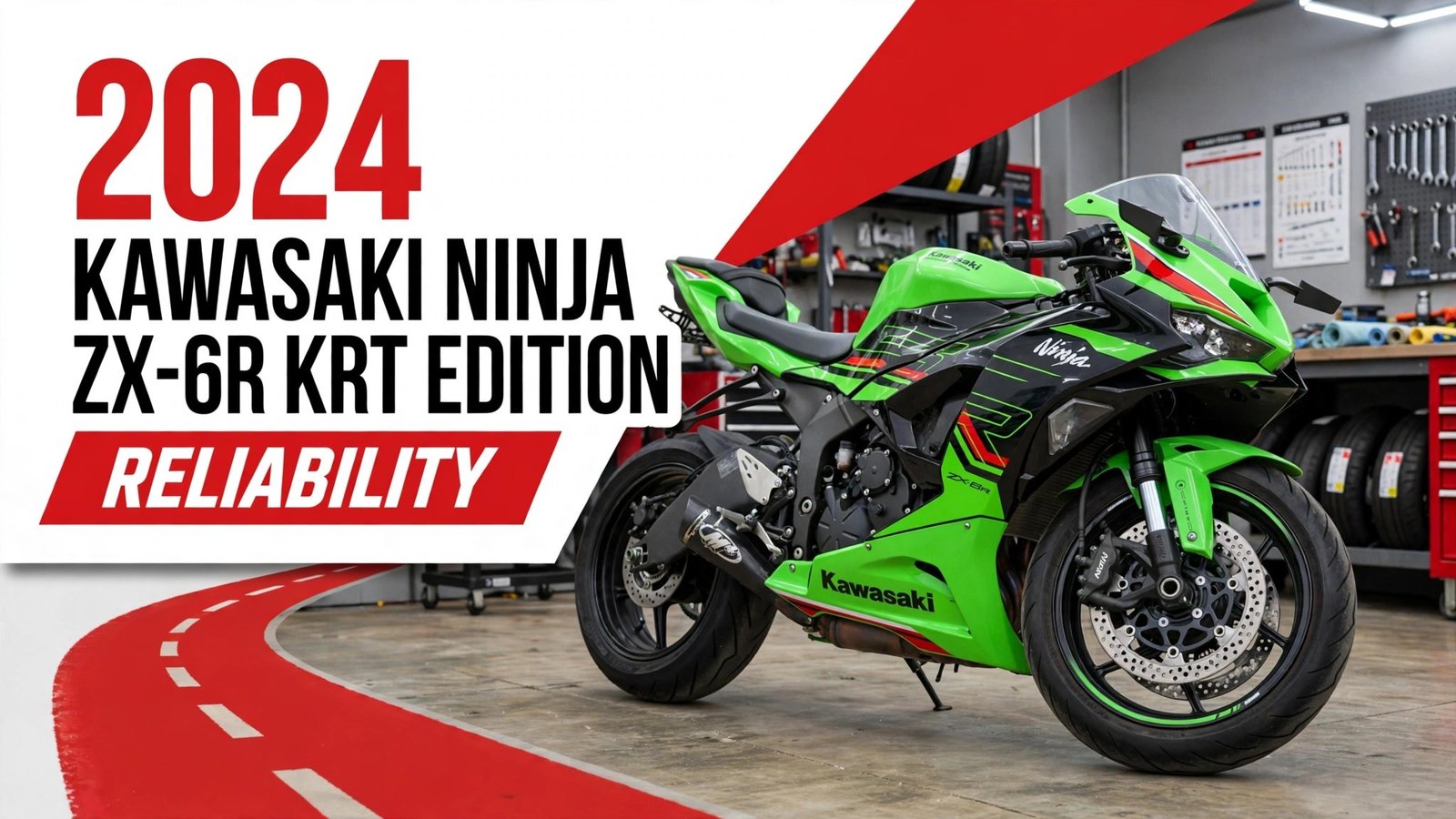
The warranty is 12 months, limited, and this Kawasaki Ninja ZX-6R KRT Edition review lists it because it is the same for the KRT and the standard bike. Kawasaki’s 12-month limited warranty covers the KRT Edition exactly as it covers any ZX-6R, with no extension for the livery and no special KRT coverage. That matters for used buyers because the two crankshaft recalls are the real ownership issue, not the warranty: 25V376 covers 2024–2025 bikes, 17,792 units, do-not-ride, with a white mark on the left side of the crankcase once the repair is done — and it does not cover 2026 models. The follow-up campaign, 25V798, covers 2024–2026 bikes because the first fix could over-tighten the bolts; the Part 573 report lists 19,823 units while the acknowledgment letter lists 20,301, and the re-repair leaves a white mark on the right side. No completion count for 25V798 has ever been published, so a used KRT buyer must check the VIN with a dealer or on the NHTSA recall lookup and look for both marks before paying. The 12V-064 voltage regulator recall predates the KRT entirely — it covers 2009–2012 ZX-6R bikes — and 18V-089 is a ZX-10R recall only, so neither applies to any KRT Edition.
Kawasaki Ninja ZX-6R KRT Edition Review: Pros, Cons and Verdict
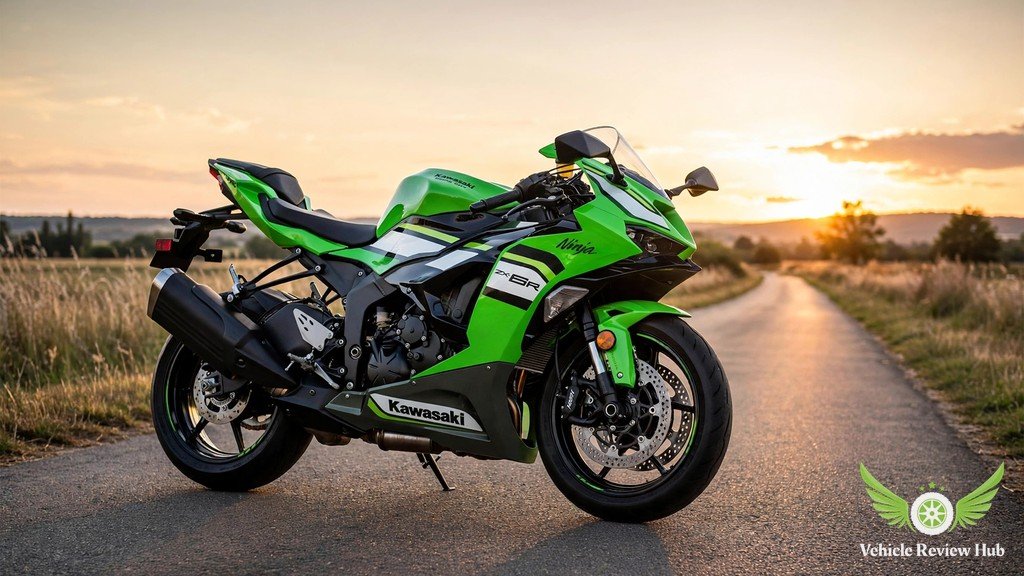
The verdict of this Kawasaki Ninja ZX-6R KRT Edition review is simple: buy the KRT if you love the livery and the price is the same as a standard bike, and walk away from any premium. The KRT is the best-looking ZX-6R ever sold and the same motorcycle underneath, which makes it a good buy at standard money and a bad buy at a markup. The 2026 bike is the last of the line, the 2024 to 2026 bikes need a recall check before payment, and the 2027 Lime Green bike is a standard bike that happens to share the colour.
Main Advantages and Limitations of the Kawasaki Ninja ZX-6R KRT Edition
The advantages are the livery and the bike underneath it, and this Kawasaki Ninja ZX-6R KRT Edition review weighs both. The Lime Green KRT paint is the most recognisable supersport livery of the last decade, the 636cc engine is the strongest in the class, and from 2023 the livery cost nothing extra. The limitations are the platform’s own: a cable throttle, no IMU, no cornering ABS, an up-only quickshifter, a 12-month warranty, and two do-not-ride crankshaft recalls on 2024 to 2026 bikes that a buyer must verify before paying. This Kawasaki Ninja ZX-6R KRT Edition review puts the livery first among the pros and the recalls first among the cons.
| Pros | Cons |
|---|---|
| KRT racing livery, the most recognisable ZX-6R look | Paint only — no extra power, suspension or brakes |
| Same 636cc engine as the standard bike: 127 hp claimed, 108.4 hp on the dyno | Cable throttle, no IMU, no cornering ABS |
| Livery was free from 2023 to 2026 — same price as the standard bike | Quickshifter shifts up only, no auto-blip |
| 2024 update brought TFT dash, revised cams and round rotors | Two do-not-ride crankshaft recalls on 2024–2026 bikes (25V376, 25V798) |
| Fully adjustable suspension both ends | 12-month limited warranty only |
| Strong used value when both recall fixes are proven | No 2027 KRT — the name is gone, so the last bike is 2026 |
Note: The pros and cons above apply to the KRT and the standard ZX-6R alike, because the two bikes are mechanically identical. The only KRT-only pro is the livery itself, and the only KRT-only con is the premium some sellers still ask for it. This Kawasaki Ninja ZX-6R KRT Edition review recommends paying standard-bike money for a KRT, never a premium.
Not ABS-Only Every Year
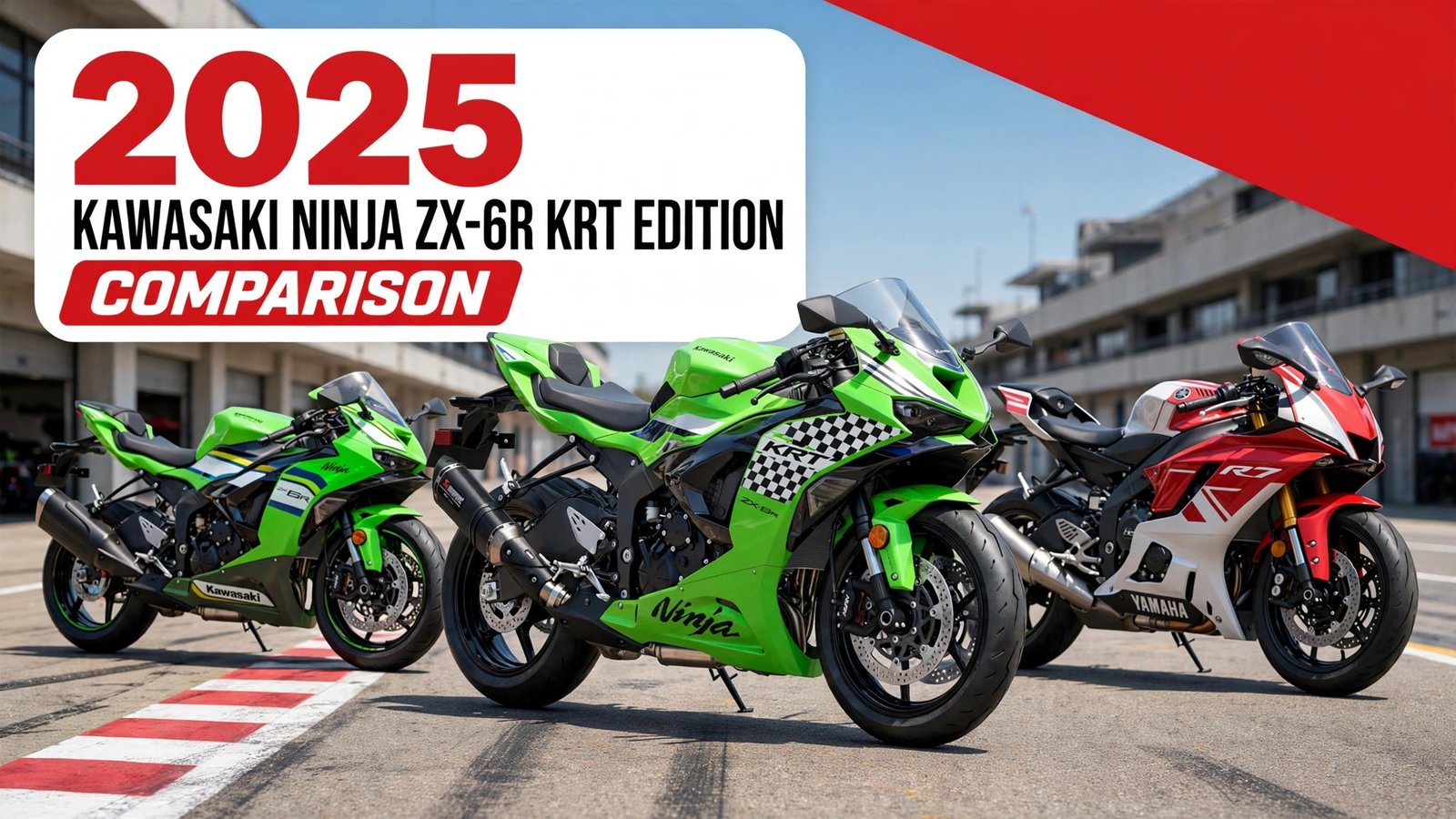
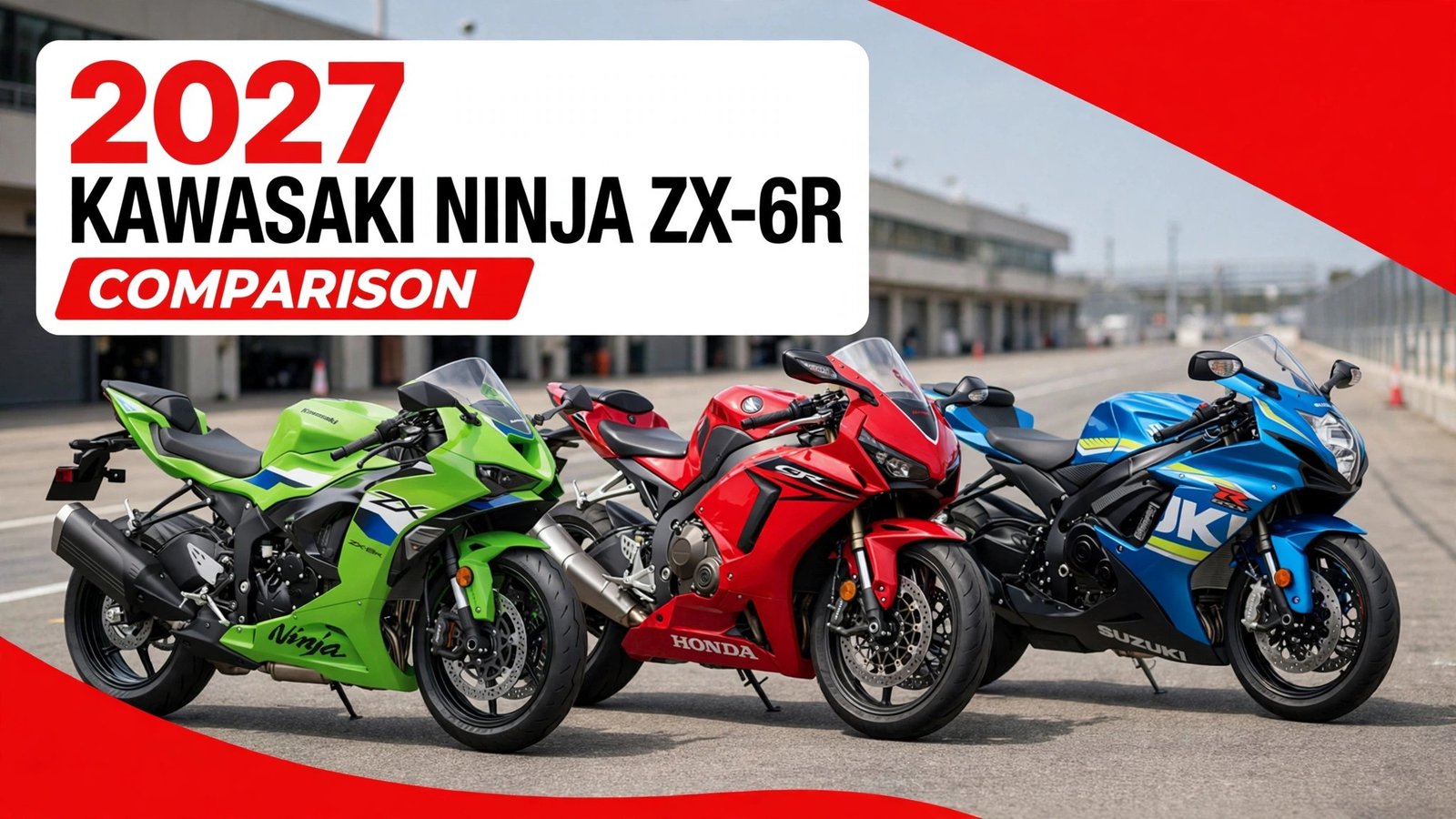
The KRT was not ABS-only every year, and this Kawasaki Ninja ZX-6R KRT Edition review ends the body on that point because buyers still get it wrong. The KRT was ABS-only in 2016, 2017, 2019, 2020 and 2021, but a non-ABS KRT was sold in 2018 and from 2022 through 2026. A buyer who assumes every KRT has ABS will miss the non-ABS bikes. The ZX-6R review covers the standard bike the KRT is based on, and the reliability guide covers the recalls and the maintenance in full. For the full comparison against the CBR600RR, GSX-R600 and R7, see the ZX-6R comparison.
Kawasaki Ninja ZX-6R KRT Edition Review: Frequently Asked Questions
The answers below give the direct version of each question in this Kawasaki Ninja ZX-6R KRT Edition review, with the figures and the sources behind them.
What is the Kawasaki Ninja ZX-6R KRT Edition?
The KRT Edition is a Ninja ZX-6R with Kawasaki Racing Team paint and graphics and nothing else. Same 636cc engine, same chassis, same brakes, same electronics and same weight as the standard bike of the same year. KRT stands for Kawasaki Racing Team. This Kawasaki Ninja ZX-6R KRT Edition review treats the KRT as a trim, not a separate model, because that is what it is.
What years was the Kawasaki Ninja ZX-6R KRT Edition sold in the US?
2016 through 2026, 11 model years. The first KRT Edition was the 2016 model; the last was the 2026 model. There is no 2027 KRT Edition — Kawasaki dropped the KRT name for 2027 and made Lime Green a standard colour. This Kawasaki Ninja ZX-6R KRT Edition review counts the 2026 bike as the last KRT because the 25V798 Part 573 report names 2024–2026 KRT Editions.
How much did the Kawasaki Ninja ZX-6R KRT Edition cost?
The 2025 KRT cost $11,399 ($12,399 with ABS, plus $665 destination). The 2026 KRT cost $11,599 ($12,599 ABS, plus $685 destination). The KRT premium was $300 from 2016 to 2022, then $0 from 2023 to 2026 — in its final years the KRT livery was free. This Kawasaki Ninja ZX-6R KRT Edition review uses delivered prices of $12,064 for the 2025 base KRT and $12,284 for the 2026 base KRT.
Is the KRT Edition faster than the standard ZX-6R?
No. The KRT makes exactly the same power as the standard bike — 127.0 hp claimed with ram air, 108.4 hp on Cycle World’s dyno of a stock 2023 standard ABS. The KRT adds paint, not horsepower. This Kawasaki Ninja ZX-6R KRT Edition review found no KRT Edition ever put on a dyno, so every measured figure comes from a standard bike.
Was the KRT Edition ABS-only?
Not every year. The KRT was ABS-only in 2016, 2017, 2019, 2020 and 2021, but a non-ABS KRT was sold in 2018 and from 2022 through 2026. This Kawasaki Ninja ZX-6R KRT Edition review warns buyers not to assume a non-ABS bike cannot be a genuine KRT.
What colours did the KRT Edition come in?
Lime Green with black/white KRT graphics, always. The exact combination varied: Lime Green/Ebony in 2024, Lime Green/Ebony/Pearl Blizzard White in 2022 and 2025, and Lime Green/Ebony/Metallic Graphite Gray in 2018. The 2024 40th Anniversary Edition’s Lime Green/Pearl Crystal White/Blue livery is a different bike, not a KRT. This Kawasaki Ninja ZX-6R KRT Edition review keeps the two liveries separate because sellers often confuse them.