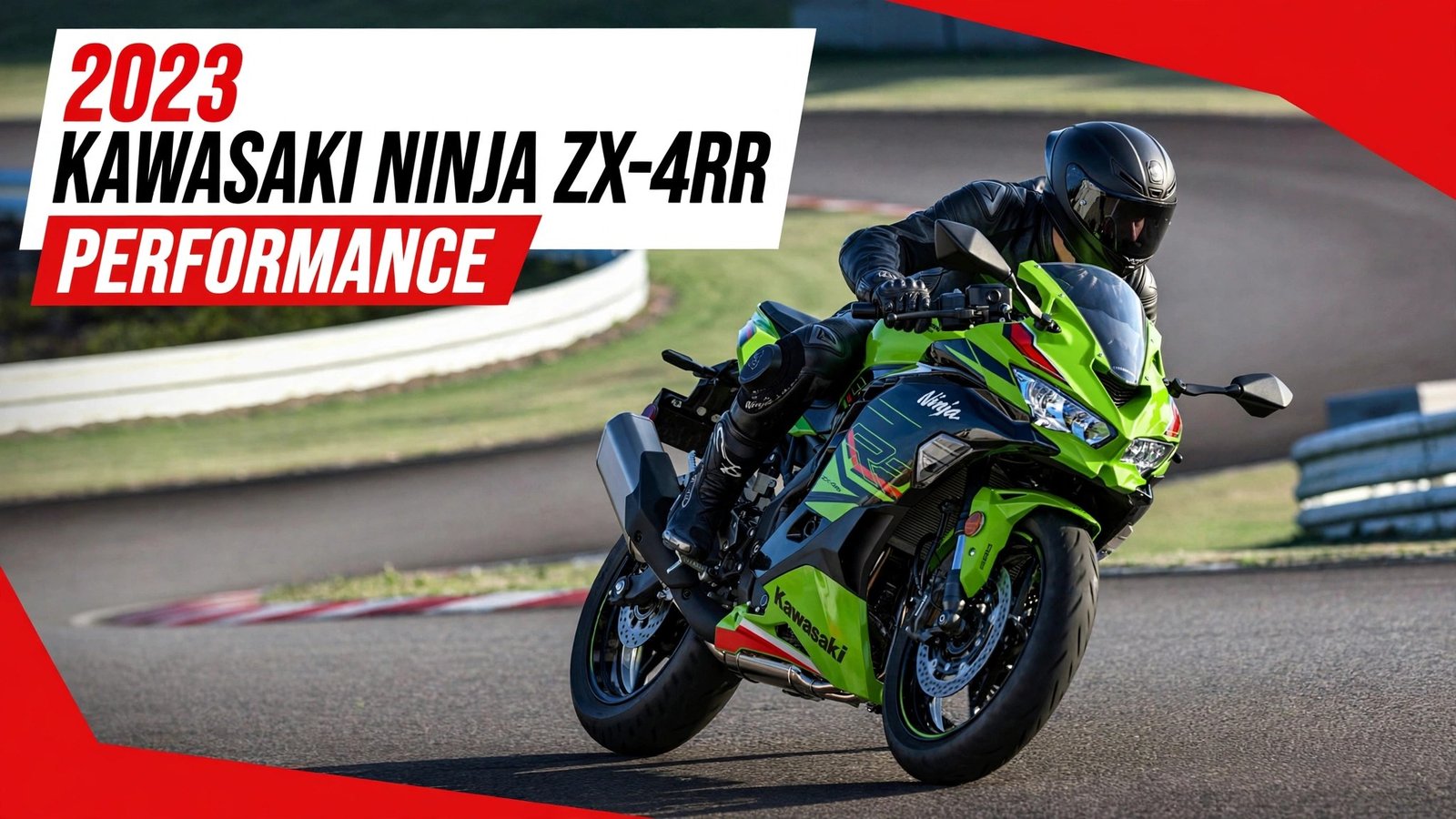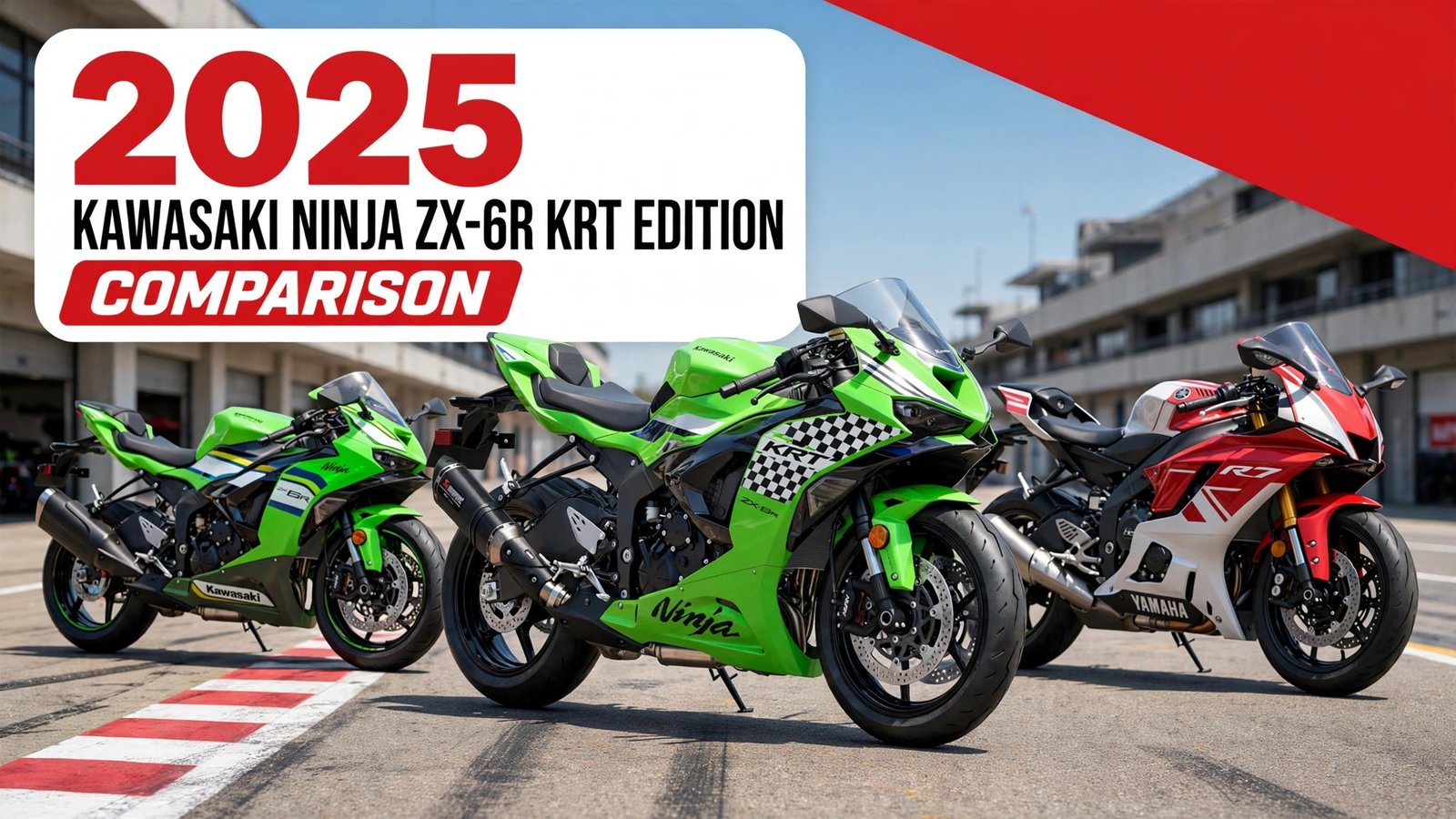
The short answer in this Kawasaki Ninja ZX-6R KRT Edition comparison is that the KRT is the standard ZX-6R in race paint — same engine, same power, same weight, same price since 2023 — so the real choice is how much power, electronics and money you want. The 2025 KRT delivers at $12,064, the 2027 standard ZX-6R at $12,284, the Yamaha YZF-R7 70th Anniversary at $10,374 and the 2027 Suzuki GSX-R600 at $13,149.
This Kawasaki Ninja ZX-6R KRT Edition comparison puts the KRT against its standard twin, the R7 70th Anniversary and the GSX-R600 on price, power, weight, electronics and running costs.
Kawasaki Ninja ZX-6R KRT Edition Overview and Its Closest Rivals
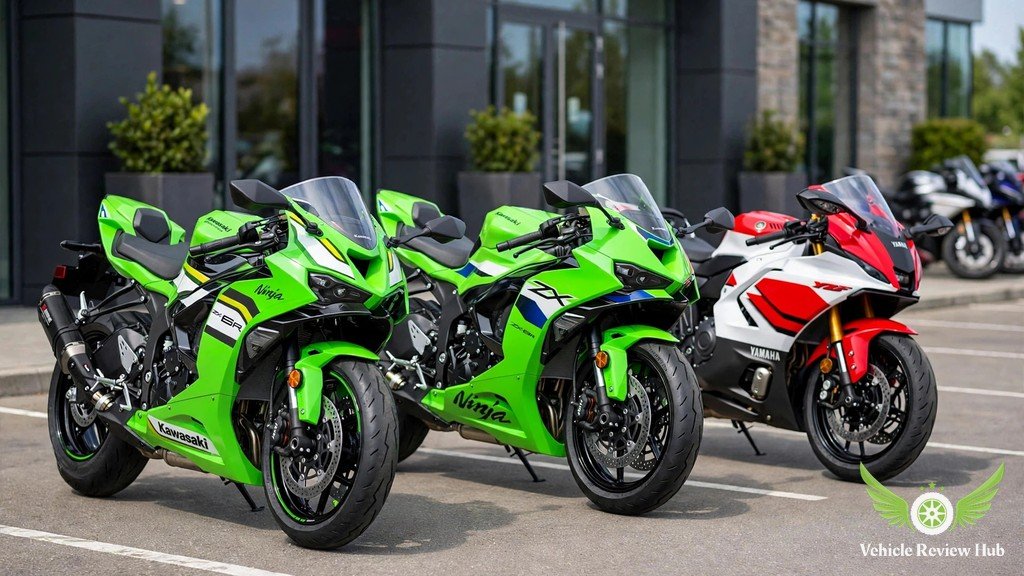
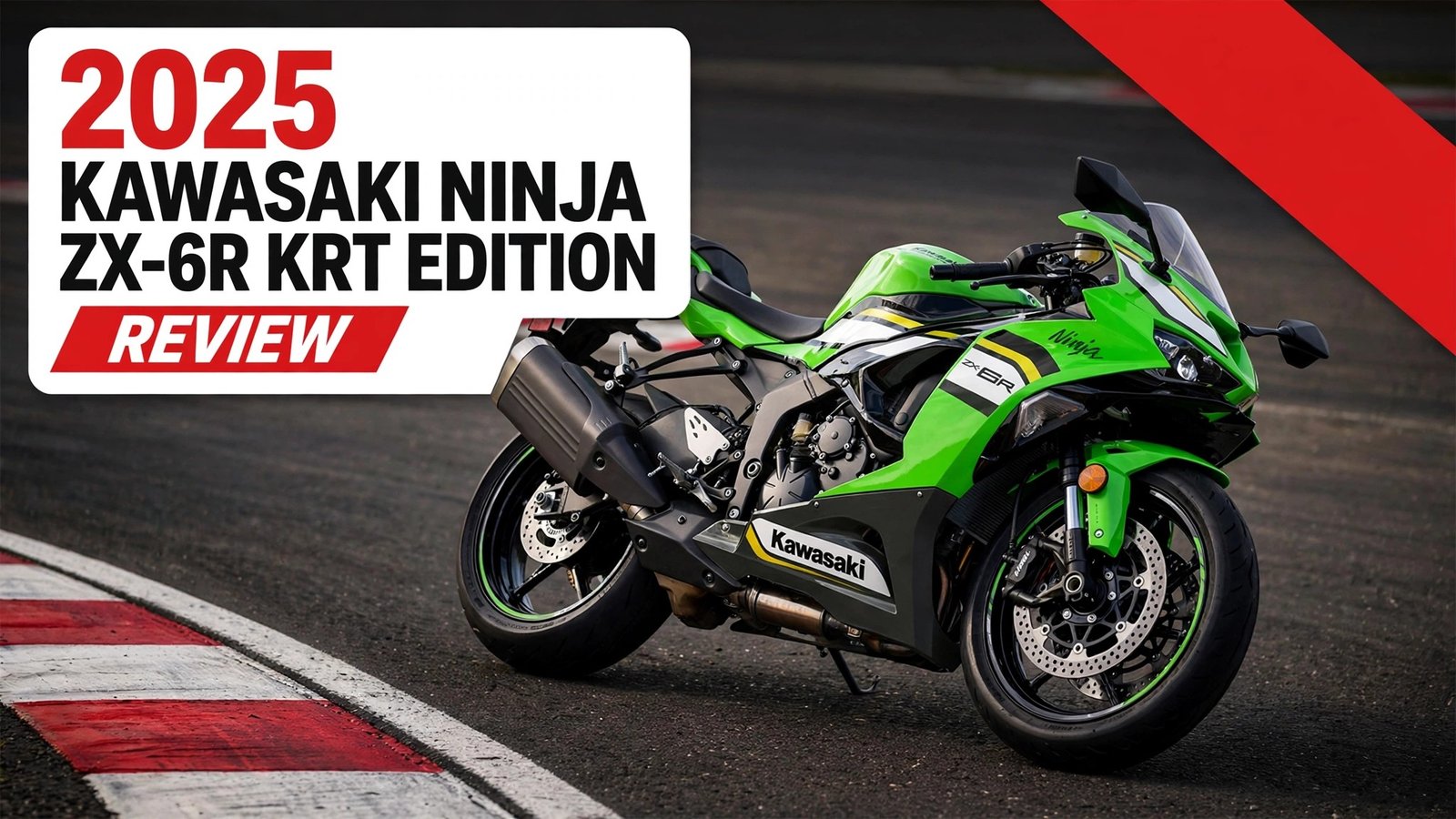
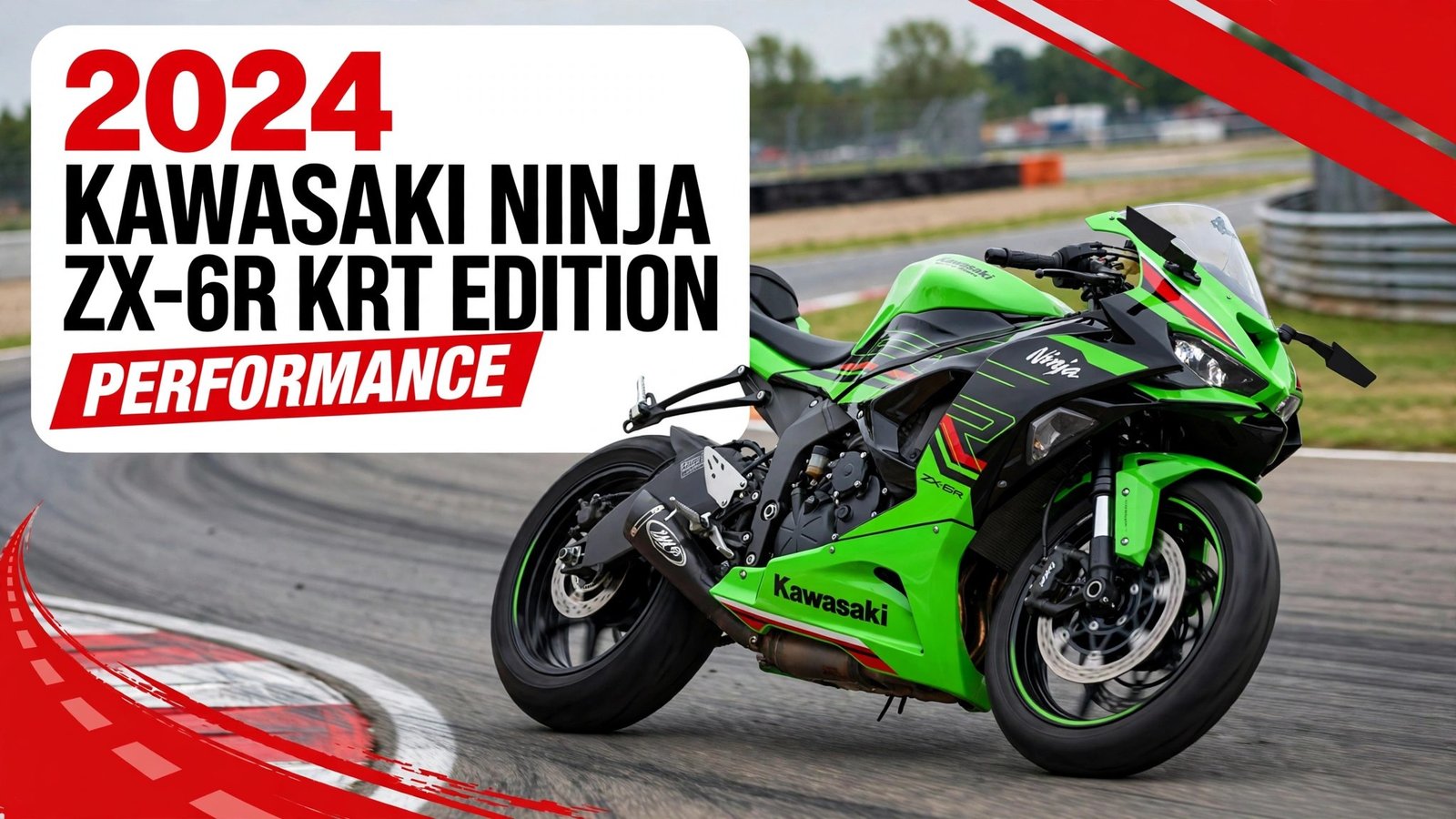
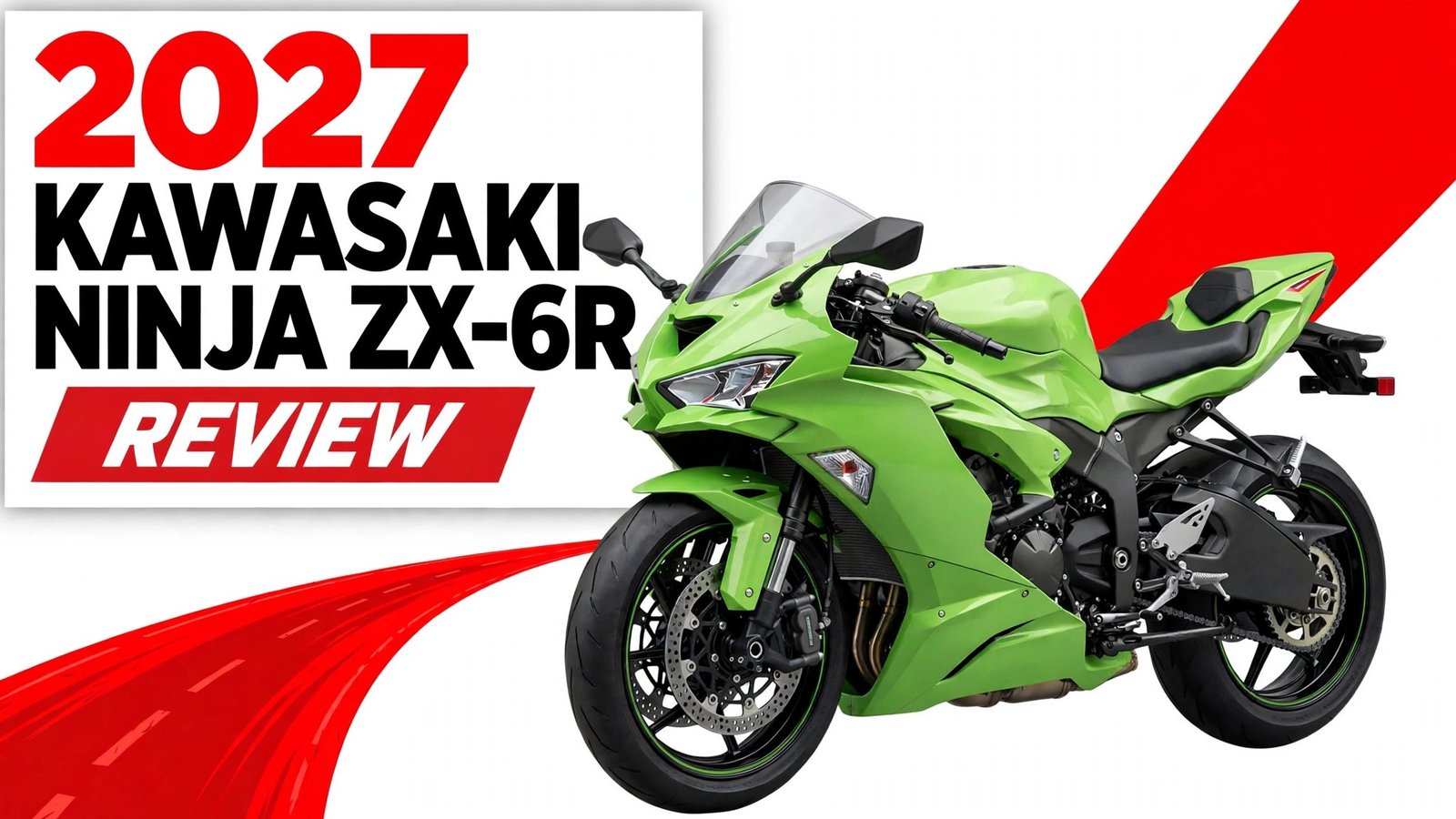
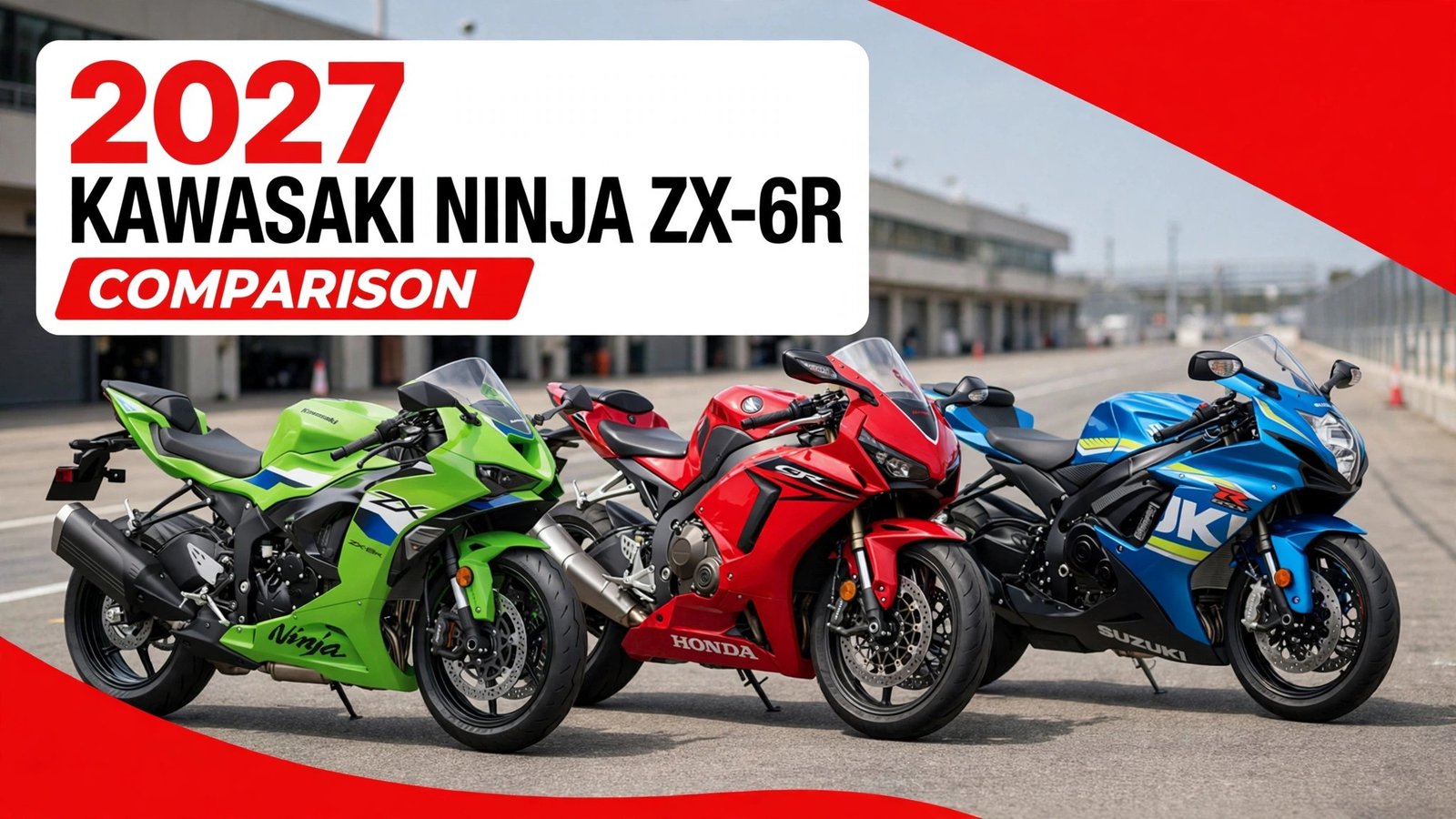
The four bikes in this Kawasaki Ninja ZX-6R KRT Edition comparison are the KRT, the standard Ninja ZX-6R it is painted from, the Yamaha YZF-R7 70th Anniversary and the Suzuki GSX-R600. The KRT and the standard bike are the same motorcycle in different paint, so there are three real rivals, and the table below puts the numbers on them. The KRT review covers the bike itself.
Paint Went From $300 to Free
The KRT premium was $300 from 2018 through 2022 and $0 from 2023. The 2024 and 2025 KRTs cost exactly their base prices, $11,399. Ultimate Motorcycling’s 2024 buyer’s guide says the KRT livery “costs nothing extra”, and Kawasaki’s own 2024 KRT spec sheet lists “Exclusive Kawasaki Racing Team (KRT) color & graphics” as the trim’s only addition. The 2016 and 2017 KRTs were ABS-only at $12,999, and no premium can be confirmed for those years. That matters for this Kawasaki Ninja ZX-6R KRT Edition comparison: a buyer who pays extra for a used KRT is paying for paint that was free when the bike was new.
How the Four Bikes Differ at a Glance
The table below is the whole Kawasaki Ninja ZX-6R KRT Edition comparison in one place: the KRT figures are for the 2025 bike, the standard ZX-6R and the GSX-R600 are 2027 bikes, and the R7 is the 2026 70th Anniversary Edition. Delivered prices are MSRP plus destination.
| Bike | MSRP | Delivered | Claimed power | Dyno (rear wheel) | Curb weight | Seat height |
|---|---|---|---|---|---|---|
| Kawasaki Ninja ZX-6R KRT Edition (2025) | $11,399 | $12,064 ($11,399 + $665) | 127.0 hp @ 13,000 rpm (ISO, ram air) | 108.4 hp (Cycle World 2023, standard bike) | 432.2 lb (50-state) | 32.7 in |
| Kawasaki Ninja ZX-6R (2027) | $11,599 | $12,284 ($11,599 + $685) | 127.0 hp @ 13,000 rpm (ISO, ram air) | 108.4 hp (Cycle World 2023) | 430.0 lb base | 32.7 in |
| Yamaha YZF-R7 70th Anniversary (2026) | $9,699 | $10,374 ($9,699 + $675) | 72.4 hp @ 8,750 rpm | ~68 hp (estimate, not a verified test figure) | 417 lb wet | 32.7 in |
| Suzuki GSX-R600 (2027) | $12,499 | $13,149 ($12,499 + $650) | 123 hp (Motorcycle.com database) | 102.9 hp (Cycle World 2023) | 448 lb | 32.5 in |
Note: Suzuki publishes no claimed power figure for the GSX-R600 — “123 hp” is Motorcycle.com’s specs-database crank figure, carried with that attribution in this Kawasaki Ninja ZX-6R KRT Edition comparison. The R7’s ~68 hp dyno figure is an estimate, not a verified test result. The KRT’s 108.4 hp comes from Cycle World’s dyno of a stock 2023 standard ABS, not a KRT — no KRT has ever been dyno’d, and the figure applies to the KRT because the engine is identical.
Kawasaki Ninja ZX-6R KRT Edition vs Kawasaki Ninja ZX-6R
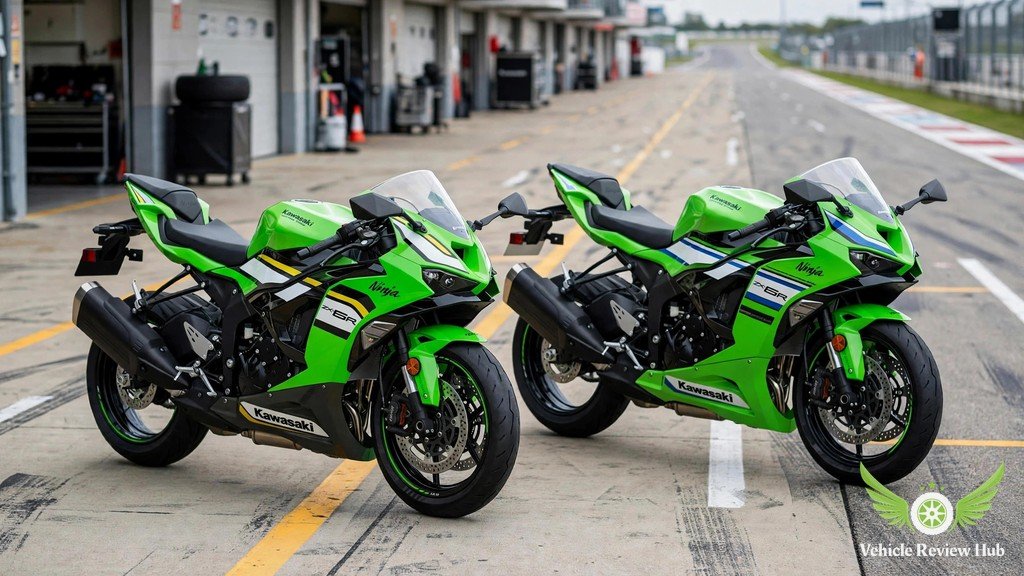
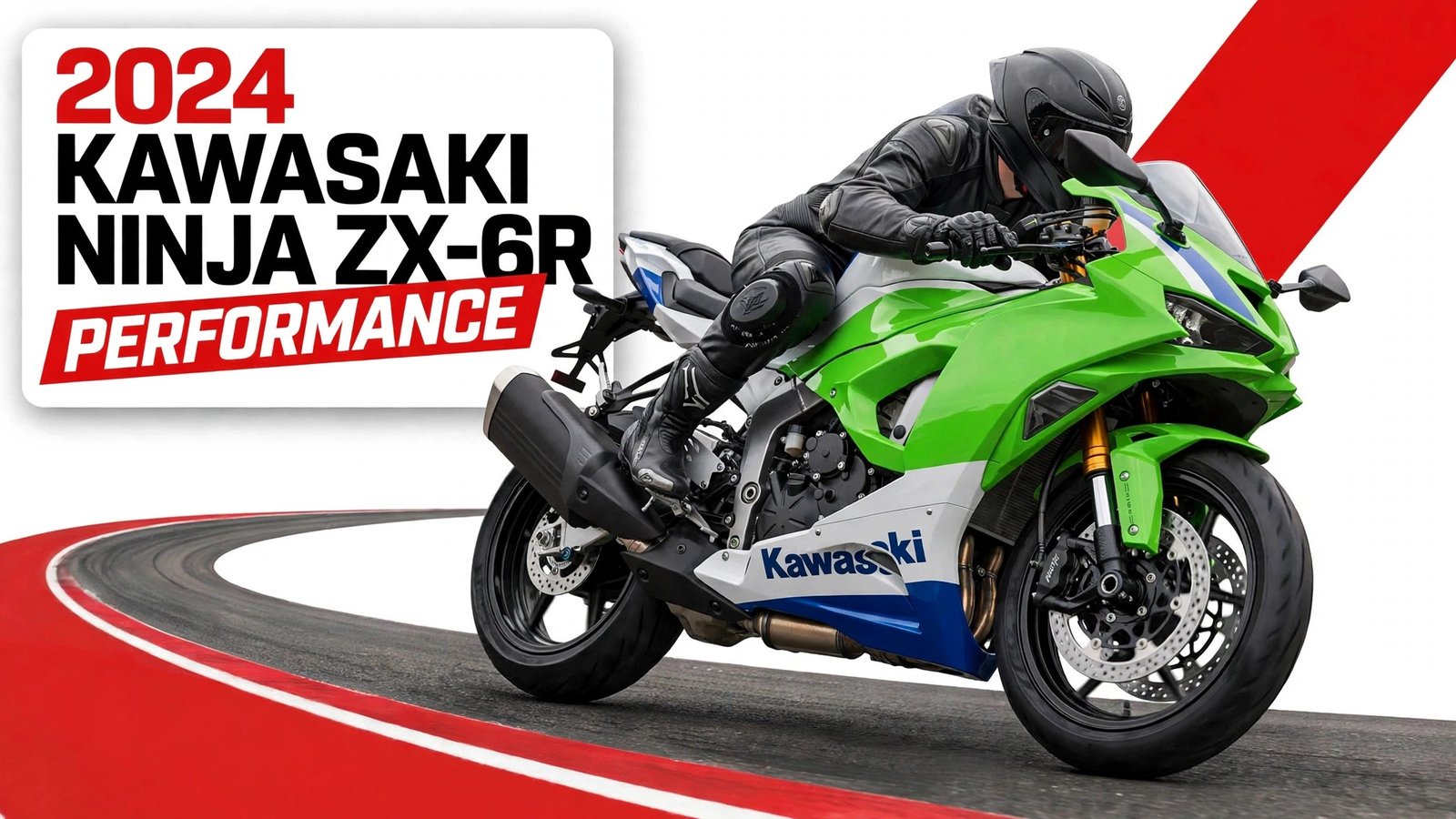
This is the shortest section in this Kawasaki Ninja ZX-6R KRT Edition comparison because there is almost nothing to compare: the KRT is a Ninja ZX-6R with Kawasaki Racing Team paint and graphics and nothing else — same 636cc engine, same chassis, same brakes, same electronics, same weight and, from 2023 to 2026, same price. The standard ZX-6R comparison covers the platform against the same rivals.
Engine, Specs and Performance Side by Side
The KRT and the standard bike share the 636cc liquid-cooled inline-four — 127.0 hp claimed at 13,000 rpm with ram air (122 hp without ram air on 2024–2025 sheets), 52.1 lb-ft at 10,800 rpm — the 41 mm inverted Showa SFF-BP fork, Bottom-link Uni-Trak rear shock, dual 310 mm front discs with radial monobloc calipers, KTRC, two power modes and the up-only KQS quickshifter. Cycle World’s dyno of a stock 2023 standard ABS read 108.4 hp at 13,200 rpm and 45.8 lb-ft at 10,900 rpm, and MCN’s dyno of the 2024 bike read 115 bhp at the rear wheel — both standard bikes, both applying to the KRT by identity. MCN’s datalogger measured 144 mph on the 2024 bike — the only instrument-measured top speed here; the 164 mph in listicles is unofficial and was never measured on a stock bike. The KRT has a cable throttle, no IMU and no cornering ABS — exactly like the standard bike in this Kawasaki Ninja ZX-6R KRT Edition comparison.
Price, Equipment and Which Suits Which Rider
From 2023 the KRT cost exactly what the standard bike cost — $10,999 in 2023, $11,399 in 2024 and 2025, $11,599 in 2026 — with ABS at $1,000 more in every year it applies. The 2025 KRT delivered at $12,064 ($11,399 + $665 destination); the 2027 standard bike delivers at $12,284 ($11,599 + $685). The equipment is identical too — same TFT dash with RIDEOLOGY on 2024 and later bikes, same riding modes, same KIBS ABS on ABS models only. Buy the KRT for the livery, the standard for another colour or a lower used price. In 2027 the choice in this Kawasaki Ninja ZX-6R KRT Edition comparison disappears — there is no KRT Edition, only the standard bike, and Lime Green is a standard colour. The one real difference is not on the spec sheet: every 2024–2026 ZX-6R is covered by the two do-not-ride crankshaft recalls, 25V376 and 25V798, and the KRT reliability guide explains the white crankcase marks that prove both fixes. A KRT with both marks is as reliable as a standard bike with both marks; with either fix outstanding it is a do-not-ride bike, whatever the paint says.
Kawasaki Ninja ZX-6R KRT Edition vs Yamaha YZF-R7 70th Anniversary
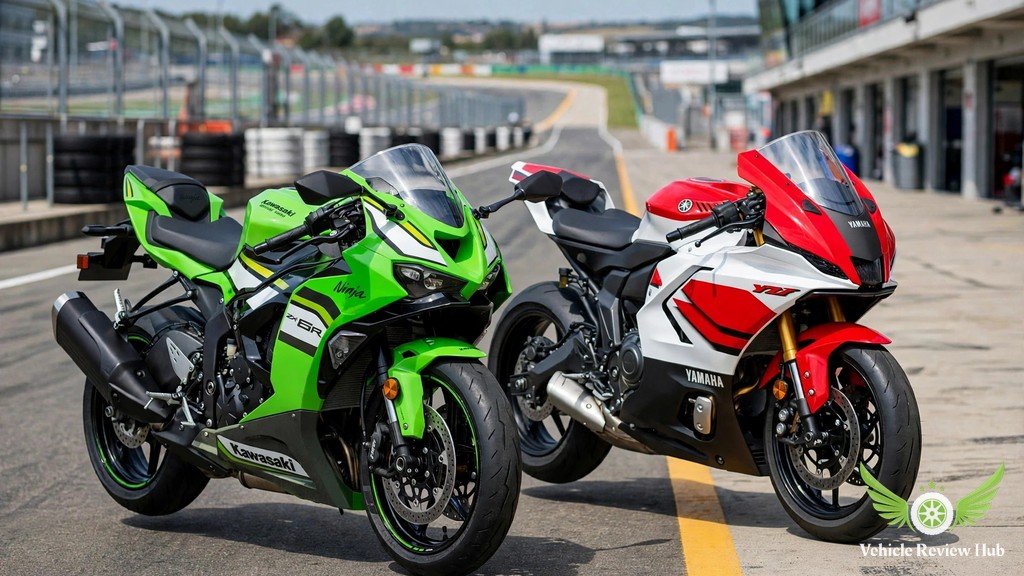
The R7 70th Anniversary is the closest thing to the KRT in this Kawasaki Ninja ZX-6R KRT Edition comparison: a special-paint edition of a current bike, sold for a $300 premium over its own standard version. The 70th is a 2026 R7 with anniversary paint, and the 2026 refresh gives it a six-axis IMU, ride-by-wire, a gen-3 bidirectional quickshifter, cruise control and a 5-inch TFT — none of which the KRT has. The KRT answers with a 636cc inline-four against the R7’s 689cc twin.
Engine, Specs and Performance Side by Side
The KRT claims 127.0 hp at 13,000 rpm with ram air and made 108.4 hp on Cycle World’s dyno of a stock 2023 standard ABS; the R7 70th claims 72.4 hp at 8,750 rpm from its 689cc twin, with a dyno figure around 68 hp that is an estimate, not a verified test result. The R7 is 417 lb wet against the KRT’s 432.2 lb (50-state), and both bikes sit at a 32.7-inch seat height. On electronics the 70th wins outright: a six-axis IMU with lean-sensitive aids, ride-by-wire with the cruise control the KRT has never had, a bidirectional quickshifter where the KRT’s KQS shifts up only, and a 5-inch TFT a generation ahead of the KRT’s 4.3-inch screen. The KRT’s electronics are the standard ZX-6R’s — KTRC, two power modes, cable throttle, no IMU, no cornering ABS. The Ninja 650 KRT Edition comparison tells the same paint-edition story. For the fastest bike in this Kawasaki Ninja ZX-6R KRT Edition comparison, the KRT wins by a wide margin; for the most modern electronics, the 70th wins by the same margin.
Price, Equipment and Which Suits Which Rider
The 70th Anniversary costs $9,699 plus $675 destination, $10,374 delivered — $1,690 less than the 2025 KRT’s $12,064 delivered. Its $300 premium over the standard 2026 R7 ($9,399) is the same $300 the KRT once charged. A rider stepping up from a Ninja 650 will find the R7’s twin familiar; the KRT’s 127 hp and supersport ergonomics are a bigger step. The honest split in this Kawasaki Ninja ZX-6R KRT Edition comparison: buy the 70th for the electronics and the $1,690 saving, buy the KRT for the power and the race paint.
Kawasaki Ninja ZX-6R KRT Edition vs Suzuki GSX-R600
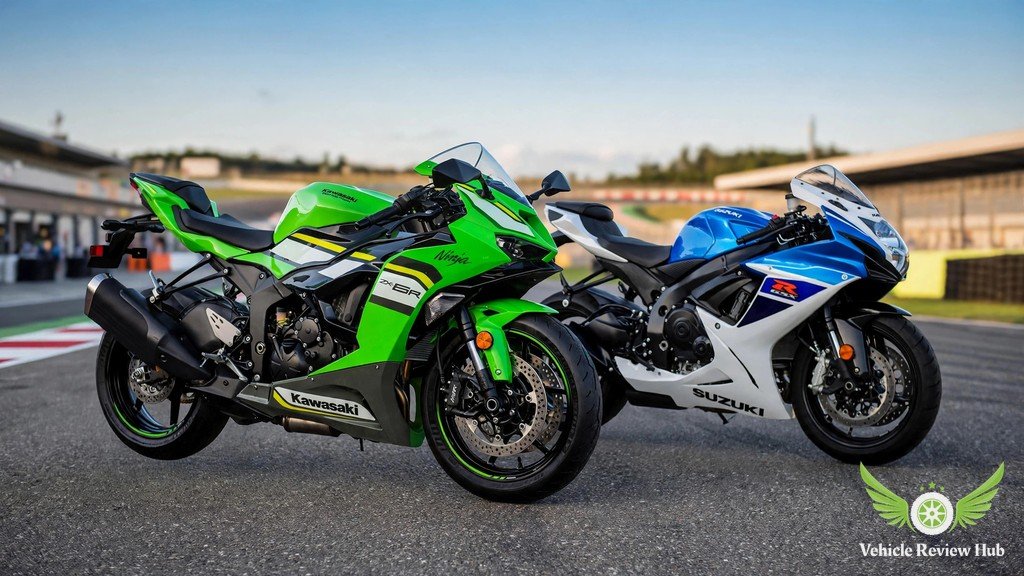
The GSX-R600 is the oldest bike in this Kawasaki Ninja ZX-6R KRT Edition comparison and the most expensive one: the Suzuki has not had a major update in years, while the ZX-6R was revised in 2019 and again in 2024. The 2027 GSX-R600 costs $12,499 plus $650 destination, $13,149 delivered — $1,085 more than the 2025 KRT — for a bike that makes less power on the same dyno and carries 18 lb more weight. The GSX-R600 comparison covers the Suzuki against its own rivals.
Engine, Specs and Performance Side by Side
On Cycle World’s 2023 dyno runs, the ZX-6R made 108.4 hp at 13,200 rpm and the GSX-R600 102.9 hp at 13,520 rpm — the same dyno, the same year, the ZX-6R ahead by 5.5 hp. The GSX-R600’s claimed figure needs its attribution every time it appears: Suzuki publishes no claimed power figure for the GSX-R600, and “123 hp” is Motorcycle.com’s specs-database crank figure, not Suzuki’s. The GSX-R600 is a 599cc inline-four against the ZX-6R’s 636cc. The Suzuki weighs 448 lb against the KRT’s 432.2 lb (50-state) and sits 0.2 inches lower. Its electronics are traction control with three modes plus off, a cable throttle and no IMU — and no quickshifter. The shootout history is split: the GSX-R600 won Motorcycle.com’s 2011 Supersport Street Shootout overall, while the ZX-6R was quicker at Chuckwalla in Cycle World’s 2011 head-to-head, 1:54.65 against 1:55.72. There has been no big shootout since 2011. That is the power picture in this Kawasaki Ninja ZX-6R KRT Edition comparison: the newer bike wins on the dyno.
Price, Equipment and Which Suits Which Rider
The GSX-R600’s $13,149 delivered price is the highest in this Kawasaki Ninja ZX-6R KRT Edition comparison, and it buys the least power per dollar here. The Suzuki’s case rests on its chassis and reputation: a sharp, light-feeling 600 with a loyal following and a long racing history. But a buyer comparing new bikes in 2026 has to weigh that against the KRT’s newer dash, quickshifter, 2024 chassis revisions and $1,085 lower delivered price. The GSX-R600 performance guide covers the Suzuki’s own numbers in full. For a rider buying new in this Kawasaki Ninja ZX-6R KRT Edition comparison, the KRT gives more power, newer equipment and a lower price.
Kawasaki Ninja ZX-6R KRT Edition Price and Value Compared
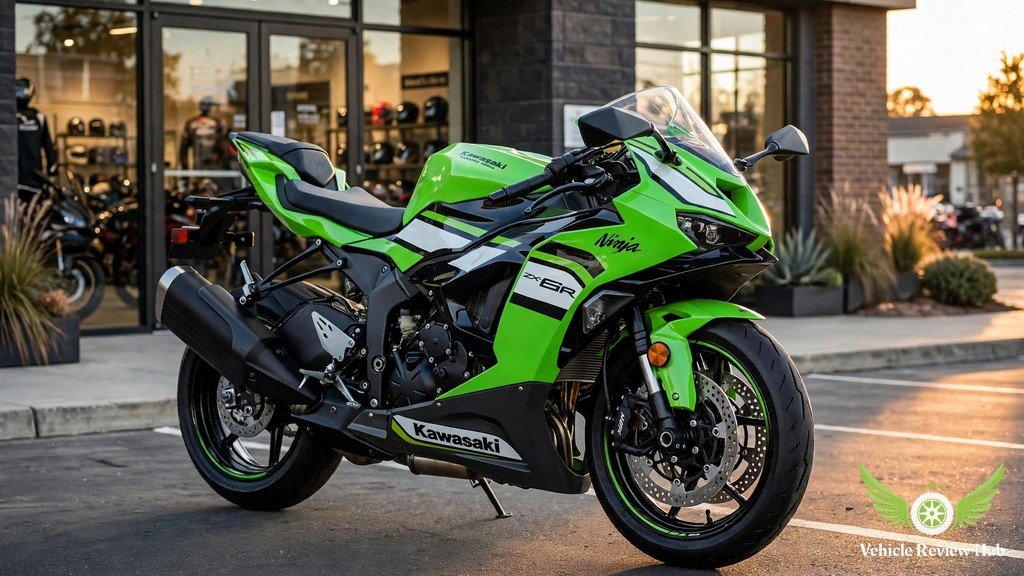
The price story is the heart of this Kawasaki Ninja ZX-6R KRT Edition comparison. The KRT charged $300 for its paint from 2018 through 2022, then nothing from 2023 to 2026, and the name disappeared for 2027 while Lime Green became a standard colour. The KRT performance guide covers what that money does on the road in this Kawasaki Ninja ZX-6R KRT Edition comparison.
No KRT Premium Used
No documented used-market premium exists for the KRT — the premium was $0 new from 2023, so there is nothing to carry into the used market. A November 2026 check of Cycle Trader listings found used 2024 KRTs from $9,990 (20,689 miles) to $12,999 (3,424-mile ABS), and used 2025 KRT ABS bikes from $9,499 (11,186 miles) to $12,395 (605 miles) — the spread tracks mileage and condition, not the paint. A 2025 KRT ABS with 605 miles listed at $12,395 in Sacramento sits close to its $12,399 ABS MSRP — see the 2025 KRT ABS listing. A used KRT that costs more than an equivalent standard bike is charging for paint only in this Kawasaki Ninja ZX-6R KRT Edition comparison — check the VIN plate model code (ZX636KRFAL for a 2024 KRT, ZX636KSFAL for a 2025 KRT) before paying it. The paint is the weakest proof: replica KRT fairing sets are sold widely, and a repainted standard bike can wear KRT colours.
| Model year | KRT (non-ABS) | KRT ABS | Standard base | Standard ABS | KRT premium |
|---|---|---|---|---|---|
| 2016 | — (ABS-only) | $12,999 | — | — | Not stated |
| 2017 | — (ABS-only) | $12,999 | — | — | Not stated |
| 2018 | $11,999 | $12,999 | $11,699 | $12,699 | $300 |
| 2019 | — (ABS-only) | $11,299 | $9,999 | $10,999 | $300 over ABS |
| 2020 | — (ABS-only) | $11,299 | $9,999 | — | $300 over ABS |
| 2021 | — (ABS-only) | $11,499 | $10,199 | — | $300 over ABS |
| 2022 | $10,799 | $11,799 | $10,499 | — | $300 over base |
| 2023 | $10,999 | $11,999 | $10,699 | $11,999 | $0 |
| 2024 | $11,399 | $12,399 | $11,399 | $12,399 | $0 |
| 2025 | $11,399 | $12,399 | $11,399 | $12,399 | $0 |
| 2026 | $11,599 | $12,599 | $11,599 | $12,599 | $0 |
Note: The KRT was ABS-only in 2016, 2017, 2019, 2020 and 2021, so those years have no non-ABS KRT price — a non-ABS price for those years would be invented. No premium can be stated for 2016–2017. The 2023 standard base price varied by colour ($10,699 / $10,999). No 2024 delivered price is printed here because the 2024 destination charge was not verified. This Kawasaki Ninja ZX-6R KRT Edition comparison prints delivered prices only where the destination is verified: $665 for 2025, $685 for 2026.
Running Costs and Resale Value Compared
Running costs are where the KRT’s paint-only nature pays off: the KRT costs exactly what the standard ZX-6R costs to run. SlashGear’s tester, riding a 2025 KRT, saw about 35 mpg over three tanks against the EPA estimate of 40.6 mpg, and the 4.5-gallon tank gives a realistic range in the 150s, not the 183 miles the EPA arithmetic implies. Tyres are Bridgestone Battlax Hypersport S22s, 120/70 front and 180/55 rear; the chain is a 520 with 112 links, lubed every 400 miles and checked every 600 miles for 30–40 mm of slack; oil, filter and four spark plugs come at every 7,600-mile service on 2024 and later bikes. The R7 70th will cost less in fuel, but the KRT’s service schedule is the same as the standard bike’s. Resale is where the recalls matter more than the paint in this Kawasaki Ninja ZX-6R KRT Edition comparison: any 2024–2026 ZX-6R needs both crankshaft-recall fixes proven before it holds its value, and NHTSA’s Part 573 report for 25V798 names the KRT outright among the 19,823 bikes covered. A KRT with both crankcase marks is the easiest used 600 here to buy with confidence; without them it is a do-not-ride bike at any price.
| Bike | Delivered | Claimed power | $ per claimed hp |
|---|---|---|---|
| Kawasaki Ninja ZX-6R KRT Edition (2025) | $12,064 | 127.0 hp | $95.0 |
| Kawasaki Ninja ZX-6R (2027) | $12,284 | 127.0 hp | $96.7 |
| Suzuki GSX-R600 (2027) | $13,149 | 123 hp (Motorcycle.com database) | $106.9 |
| Yamaha YZF-R7 70th Anniversary (2026) | $10,374 | 72.4 hp | $143.3 |
Note: Dollars per claimed horsepower at the delivered price, using each bike’s claimed figure — the GSX-R600 figure is Motorcycle.com’s specs-database number, since Suzuki publishes no claimed power figure. This Kawasaki Ninja ZX-6R KRT Edition comparison ranks the ZX-6R family cheapest per horsepower in the group, and the KRT is the cheapest way to get that power in race paint.
Kawasaki Ninja ZX-6R KRT Edition Comparison Verdict and US Alternatives
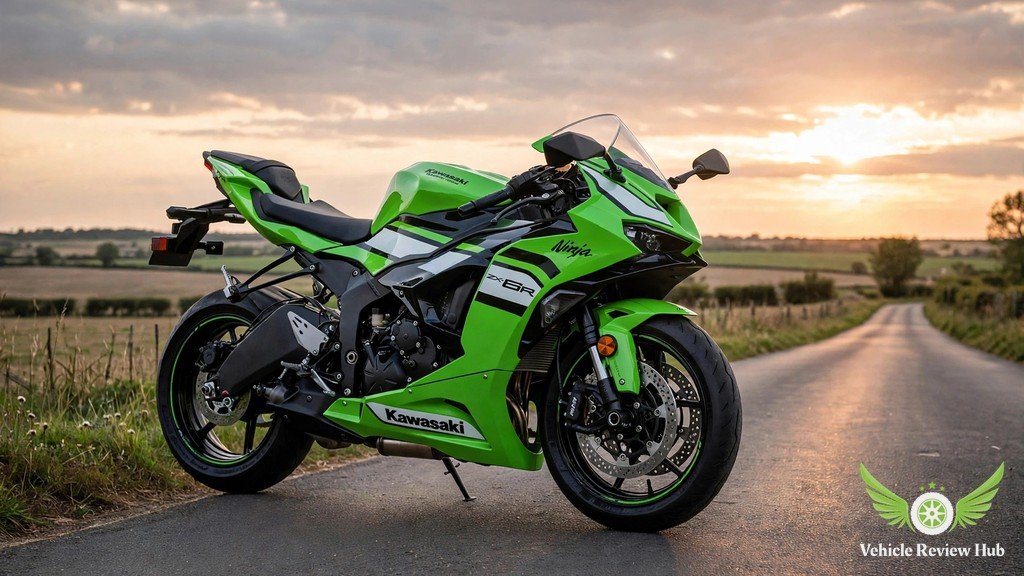
The verdict in this Kawasaki Ninja ZX-6R KRT Edition comparison is that the KRT was the best-value way to buy a ZX-6R for four model years, and still is one on the used market — provided the recalls are done. The 2025 KRT delivered at $12,064 for 127 hp claimed, $95.0 per claimed horsepower, the lowest figure in this group. For the fastest bike in this Kawasaki Ninja ZX-6R KRT Edition comparison, the answer is a ZX-6R; for the most modern bike here, the answer is the R7 70th.
Verdict: Free Paint Wins
Free paint wins because the KRT never asked the buyer to choose between the livery and the money — from 2023 the paint was free. Chase on Two Wheels’ 2025 KRT review scored the bike 69/100, praised the quickshifter and chassis, and criticised the switchgear and lack of cruise control — the same strengths and complaints as the standard bike. The KRT’s case against the standard ZX-6R is the livery itself, and only the buyer can judge that. For a first 636, the Ninja 650 is still the honest first step. The one condition on every recommendation in this Kawasaki Ninja ZX-6R KRT Edition comparison is the recall check: left crankcase mark, right crankcase mark, VIN check at nhtsa.gov/recalls, all three before money changes hands. That is the bottom line of this Kawasaki Ninja ZX-6R KRT Edition comparison.
40th and Factory Differ
The last comparison is the one the doc heading names: the 2024 40th Anniversary Edition against the Aprilia RS 660 Factory. The 40th Anniversary is a 2024-only, ABS-only ZX-6R trim at $12,649 with its own Lime Green / Pearl Crystal White / Blue livery celebrating 40 years of Ninja — a paint edition of the same 636 platform, but a different livery and trim, listed separately from the KRT in the 25V798 recall paperwork. The RS 660 Factory is a different kind of bike: Aprilia’s top RS 660 for 2026 at $14,149 ($13,999 for 2025), 105 hp claimed, Öhlins suspension and full electronics with a six-axis IMU, cornering ABS and riding modes. The 40th is the KRT’s sibling — paint on a ZX-6R — while the Factory is a premium middleweight from another maker. A buyer choosing between them is choosing between a 636 four with race heritage and a twin with top-shelf suspension — and in this Kawasaki Ninja ZX-6R KRT Edition comparison the money follows that choice: $12,649 for the anniversary paint, $14,149 for the Factory’s hardware.
Kawasaki Ninja ZX-6R KRT Edition Comparison: Frequently Asked Questions
The answers below give the direct version of each question about this Kawasaki Ninja ZX-6R KRT Edition comparison.
Is the KRT Edition better than the standard Ninja ZX-6R?
No, and it is not worse either. The KRT is the standard bike in race paint — same engine, power, weight and price from 2023 to 2026. Buy the KRT for the livery, the standard for another colour or a lower used price. In 2027 the choice is gone in this Kawasaki Ninja ZX-6R KRT Edition comparison — there is no KRT Edition, and Lime Green is a standard colour.
Is the KRT Edition cheaper than the Suzuki GSX-R600?
Yes — and that is a straight win for the KRT in this Kawasaki Ninja ZX-6R KRT Edition comparison. The 2025 KRT delivered at $12,064 ($11,399 + $665 destination); the 2027 GSX-R600 delivers at $13,149 ($12,499 + $650), $1,085 more. The ZX-6R is also more powerful on the same dyno: 108.4 hp against 102.9 hp (Cycle World, 2023).
KRT Edition or Yamaha YZF-R7 70th Anniversary?
The 70th Anniversary costs $9,699 + $675 = $10,374 delivered, $1,690 less than the 2025 KRT, and its 2026 refresh brings a six-axis IMU, ride-by-wire, a bidirectional quickshifter, cruise control and a 5-inch TFT — all things the KRT does not have. The KRT answers with 127 hp claimed against the R7’s 72.4 hp. Electronics or power: that is the choice in this Kawasaki Ninja ZX-6R KRT Edition comparison.
Is a used KRT Edition worth a premium over a used standard ZX-6R?
No documented used-market premium exists for the KRT — the premium was $0 new from 2023, so there is nothing to carry into the used market. A November 2026 check of Cycle Trader listings found used 2024–2025 KRTs from $9,499 to $12,999, with prices tracking mileage and condition. A used KRT that costs more than an equivalent standard bike is charging for paint only — that is the used-market answer in this Kawasaki Ninja ZX-6R KRT Edition comparison.
What is the difference between the KRT Edition and the 40th Anniversary Edition?
The 40th Anniversary (2024 only, $12,649, ABS-only) is a separate trim with its own Lime Green / Pearl Crystal White / Blue livery celebrating 40 years of Ninja. The KRT is Lime Green / Ebony. The 25V798 recall paperwork lists them separately too. Never call the 40th a KRT in this Kawasaki Ninja ZX-6R KRT Edition comparison.
Which is the best-value middleweight: KRT, standard ZX-6R, R7 70th or GSX-R600?
The ZX-6R family wins this Kawasaki Ninja ZX-6R KRT Edition comparison on value: the 2025 KRT delivers at $12,064 for 127 claimed hp — about $95 per claimed horsepower, the lowest in this group. The R7 70th undercuts it by $1,690 delivered but gives up 55 hp; the GSX-R600 costs $1,085 more delivered for less power. Any 2024–2026 ZX-6R — KRT or standard — needs a VIN check for both crankshaft recalls before buying, and that check matters more than any price in this Kawasaki Ninja ZX-6R KRT Edition comparison.