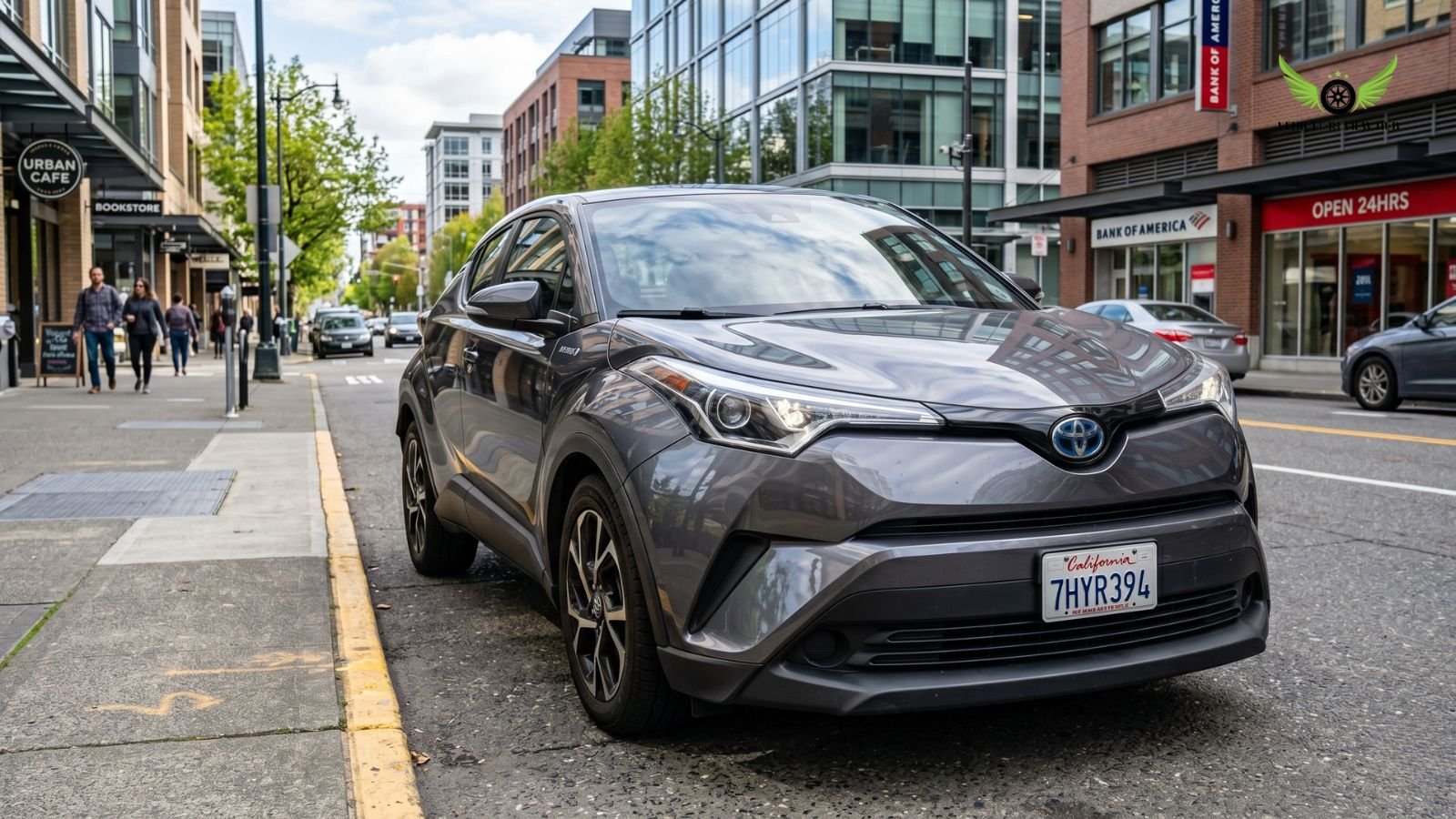
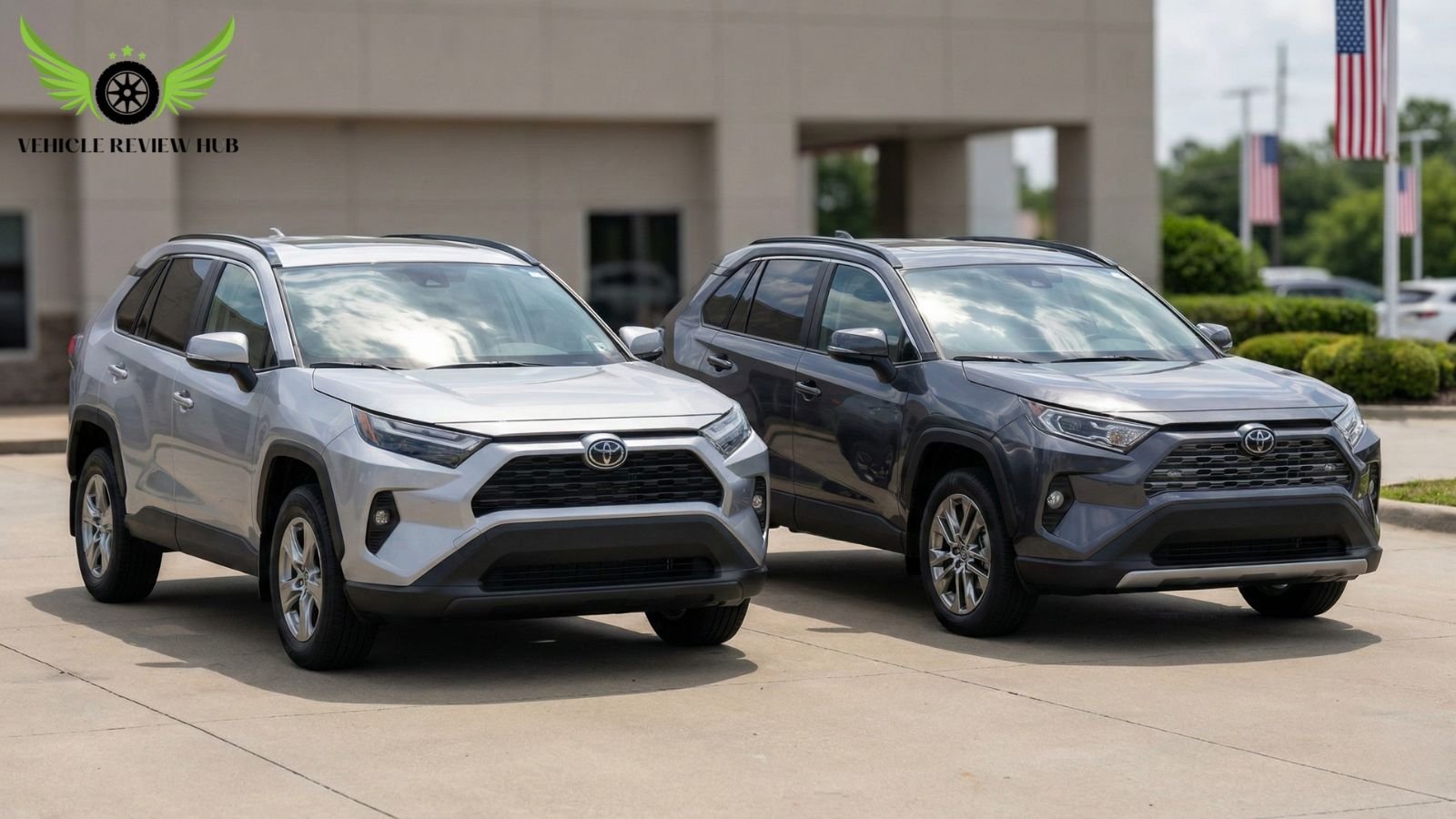
The Toyota RAV4 has been a top choice in the US compact SUV market for years, mainly because it balances reliability, fuel efficiency, and everyday usability better than most competitors. From my observation, many American buyers don’t necessarily want the most powerful SUV — they want something dependable, comfortable, and easy to own long-term. That’s exactly where the Toyota RAV4 fits in.
The 2025 Toyota RAV4 represents the final phase of the fifth generation. It still offers a familiar driving feel, proven mechanical reliability, and a wide range of trims, including gas, hybrid, and plug-in hybrid options. For many buyers, this model year feels like a “safe choice” because most real-world issues are already known, and dealership discounts are more common. In my opinion, this makes the 2025 model especially attractive for buyers who value value over novelty.
The 2026 Toyota RAV4, on the other hand, is a major step forward. This redesign introduces a more modern platform with a stronger focus on hybrid technology, updated interior tech, and refreshed exterior styling. Based on current US market information, the shift toward hybrid and plug-in hybrid powertrains reflects what most RAV4 buyers already prefer — better fuel economy and smoother city driving without sacrificing practicality. In everyday traffic, this newer setup is expected to feel quieter and more refined than older gas-only versions.
From a pricing standpoint, there is a clear difference between these two model years. The 2025 Toyota RAV4 generally comes in at a lower entry price due to end-of-generation positioning, while the 2026 model starts higher because of its redesign, upgraded technology, and standard hybrid focus. Many owners report that, despite a higher upfront cost, Toyota hybrids tend to retain their value well over time, which is a crucial factor for long-term ownership in the US.
If you ask me, choosing between the 2025 and 2026 Toyota RAV4 really depends on what you prioritize. Some buyers prefer the familiarity and potential savings of the outgoing model, while others want the latest design, improved efficiency, and updated features. At the end of the day, both versions stay true to what the Toyota RAV4 does best — offering a practical, reliable, and easy-to-live-with SUV for everyday American driving.
Toyota RAV4 Overview and Generational Timeline
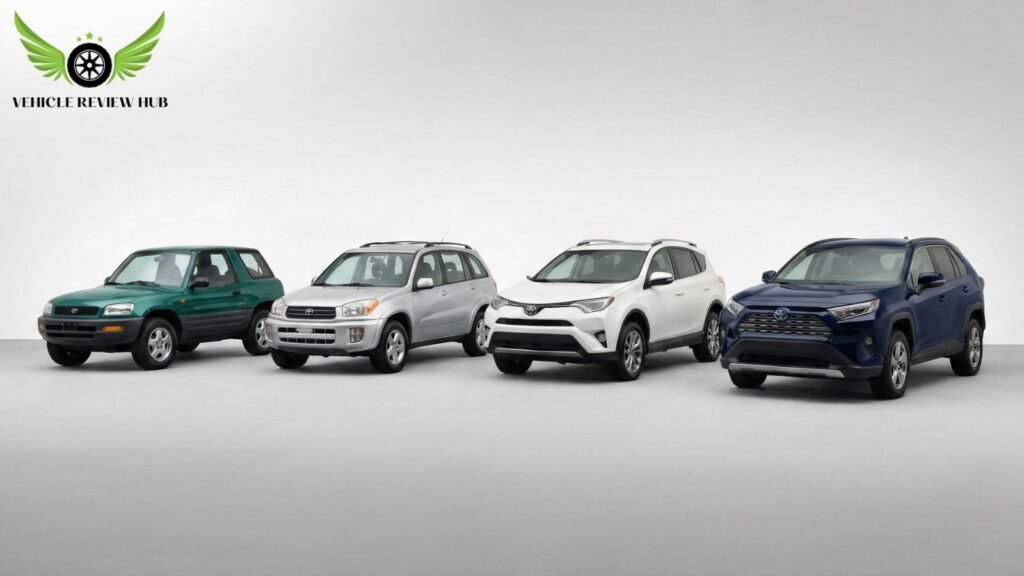
To truly understand where the Toyota RAV4 stands today, it is helpful to examine its evolution over the years. The RAV4 didn’t become one of America’s best-selling compact SUVs overnight. Its journey reflects changing driver priorities—moving from basic utility toward comfort, safety, and fuel efficiency, especially for daily use in US conditions.
Over multiple generations, Toyota gradually refined the RAV4 rather than making sudden, risky changes. Early versions focused on compact size and practicality, while later generations leaned more into ride comfort, advanced safety features, and hybrid technology. This steady progression explains why many buyers trust the RAV4 as a long-term vehicle rather than just a short-term purchase.
Looking at the generational timeline also sets the stage for comparing the outgoing 2025 model with the redesigned 2026 version. It shows how Toyota’s experience with hybrids and real-world owner feedback influenced the shift in design and powertrain strategy. From my observation, this step-by-step evolution is a big reason the Toyota RAV4 feels familiar to loyal owners while still staying relevant in a competitive US market.
5th Generation RAV4 (2019–2025) Explained
The fifth-generation Toyota RAV4 (2019–2025) is often seen as the most proven and dependable version of the RAV4 in the USA. From real ownership experience, this generation feels mature and well-sorted, with very few surprises over long-term use. Many buyers trusted it because Toyota had already refined most issues early in the generation, making it a safe choice for daily driving and family use.
This generation offered three clear powertrain options, each designed for a different type of buyer. Instead of marketing claims, the real value comes from understanding how they perform in everyday conditions:
Variant | Engine & System | Power Output | EPA Combined Mileage | Real-Life Use Case |
Gas | 2.5L naturally aspirated | ~203 hp | ~30 mpg | Simple, reliable daily driving |
Hybrid | 2.5L + electric motors | ~219 hp | ~40 mpg | Smooth city driving, low fuel cost |
Plug-in Hybrid (Prime) | 2.5L + larger battery | ~302 hp | ~38 mpg (gas) + EV range | Quick acceleration, flexible use |
From my observation, the gas version suits buyers who prefer mechanical simplicity and a lower upfront price. It feels calm and predictable on highways, which works well for long-distance travel and regular commuting.
The hybrid version became the most popular choice during these years. In city traffic, it usually feels quieter and smoother than the gas model, especially at low speeds. Based on owner feedback, fuel economy stays close to official ratings, which helps keep running costs low over time. Many US drivers choose this option mainly for long-term reliability and efficiency.
The RAV4 Prime stands out for its performance. It accelerates much faster than most people expect from a compact SUV and allows short daily trips to be done on electric power alone. If you ask me, this version made the most sense for buyers who wanted both efficiency and strong performance without giving up Toyota’s reliability.
Inside, the cabin focuses on practicality. The layout is easy to use, seats remain comfortable on long drives, and cargo space works well for everyday needs like groceries, strollers, or road-trip luggage. Safety features also became standard across trims, which gave many families extra peace of mind.
At the end of the day, the 2019–2025 Toyota RAV4 earned its reputation by being easy to live with. It may not excite enthusiasts, but for drivers who value reliability, efficiency, and proven real-world performance, this generation delivered exactly what most US buyers wanted.
All-New 6th Generation 2026 RAV4 Overview
The 6th-generation Toyota RAV4 debuts for the 2026 model year, and this update is more than just a design refresh. From a practical buyer’s point of view, the biggest change is Toyota’s clear move toward electrification as the default choice. By 2026, the Toyota RAV4 lineup in the USA is centered around hybrid and plug-in hybrid systems, reflecting how most owners actually use their vehicles today.
In real-world driving, this shift matters because hybrids behave differently from traditional gas engines. Low-speed driving feels smoother, engine noise is reduced in traffic, and fuel stops become less frequent. From my observation, these changes are especially noticeable for commuters and families who spend most of their time in city and suburban conditions.
Here’s what the 2026 Toyota RAV4 realistically offers based on the latest US-market direction:
Item | 2026 Toyota RAV4 | Why It Matters to Buyers |
Model Year | 2026 (6th Generation) | Full redesign, not a facelift |
Standard Powertrain | Hybrid (2.5L + electric motors) | Better fuel economy across all trims |
Estimated System Power | ~220 hp (Hybrid) | Feels responsive without being aggressive |
Plug-in Hybrid Option | Available (RAV4 PHEV) | Short daily trips with less fuel use |
Estimated Combined MPG | ~38–40 mpg (Hybrid) | Lower long-term fuel cost |
Drivetrain | FWD standard, AWD available | Flexibility for different climates |
Ownership Focus | Efficiency + reliability | Built for long-term use |
From a driving perspective, the 2026 Toyota RAV4 is expected to feel more refined than the outgoing model. Acceleration comes in smoothly rather than suddenly, which helps during merging and stop-and-go traffic. If you ask me, this kind of power delivery suits daily driving far better than chasing higher horsepower numbers.
Inside the cabin, Toyota continues its practical approach. The focus is on easier-to-use screens, clearer displays, and more standard safety features across trims. Many owners care more about visibility, comfort, and simple controls than flashy design, and this generation leans strongly in that direction.
For buyers comparing years, the key takeaway is this: the 2026 Toyota RAV4 isn’t trying to change what the RAV4 is—it’s refining it around efficiency and everyday comfort. It makes the most sense for drivers planning to keep their vehicle for several years and who want predictable running costs rather than short-term excitement.
At the end of the day, this redesign feels driven by real ownership habits. It won’t be the right choice for everyone, but for practical US buyers focused on fuel savings, smooth driving, and long-term reliability, the 2026 Toyota RAV4 fits that mindset well.
2025 vs 2026 Toyota RAV4 – What Actually Changed and Why It Matters
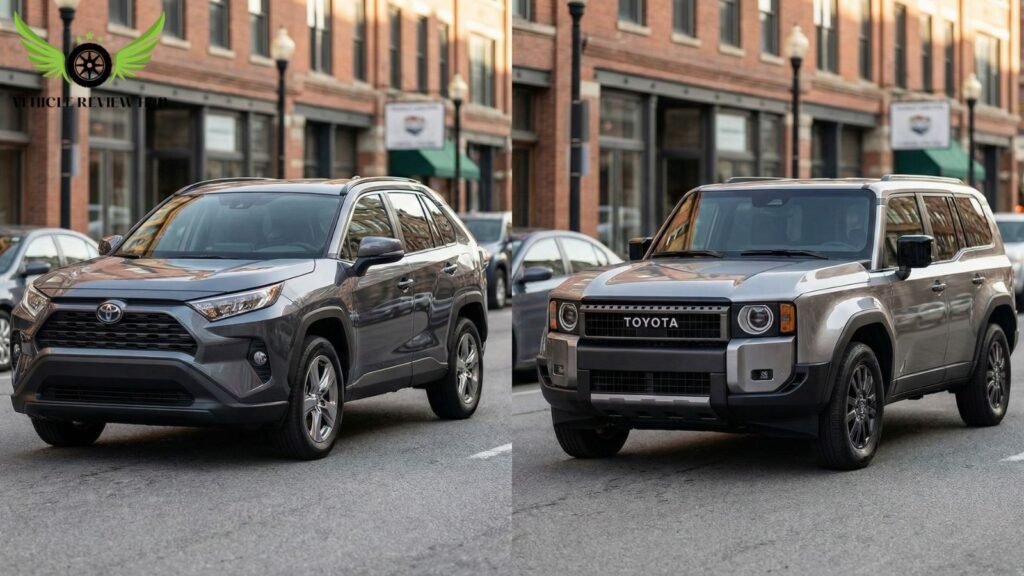
Here, you’ll get a clear comparison between the outgoing 2025 Toyota RAV4 and the all-new 2026 model so you can understand the real differences that matter to everyday buyers in the USA. Instead of vague statements, this section focuses on what actually changed — from powertrain choices to technology, design, and overall driving experience — and why those changes impact your ownership experience, fuel costs, and long-term satisfaction.
We’ll look at the biggest shifts between the two model years and explain them in simple, practical terms so you can decide which version suits your needs — whether you’re after lower upfront cost, proven reliability, or modern efficiency and tech upgrades.
Gas to Hybrid-Only Shift – Powertrain Changes Explained
One of the most noticeable changes between the 2025 and 2026 Toyota RAV4 in the USA is the shift in powertrain strategy — moving from multiple engine options to a hybrid-centered lineup. This isn’t just a marketing claim; it reflects how real buyers actually use these SUVs, and it has practical benefits you’ll notice day to day.
For the 2025 model year, the Toyota RAV4 gave buyers three clear choices:
Powertrain (2025) | Type | Typical Combined MPG (EPA) | Driving Feel |
Gas | 2.5L 4-cyl | ~30 mpg | Predictable, no fuss |
Hybrid | 2.5L + electric motors | ~40 mpg | Quiet, efficient city driving |
Plug-in Hybrid (Prime) | 2.5L + larger battery | ~38 mpg (gas) + EV range | Quick and efficient |
In contrast, the 2026 Toyota RAV4 takes a different direction:
Powertrain (2026) | Type | Estimated Combined MPG | Driving Focus |
Hybrid | 2.5L + electric motors | ~38–40 mpg | Smooth efficiency |
Plug-in Hybrid (PHEV) | 2.5L + larger battery | ~37–39 mpg + EV range | Daily electric miles + efficiency |
The big change is that Toyota no longer pushes a traditional gas-only engine as a core option. Instead, hybrid powertrains are now standard across the lineup, and plug-in hybrid (PHEV) remains available for buyers who want more electric-only range. From what early reports and trends show, Toyota’s decision is based on two main observations in the US market:
- Hybrid popularity: Most buyers who shopped for a RAV4 in recent years chose the hybrid version because of better fuel economy in city and highway use.
- Efficiency demand: Daily driving patterns in the USA typically involve highway commuting mixed with stop-and-go traffic conditions, where hybrids shine by reducing fuel stops and lowering running costs.
From my observation, the move to a hybrid-only focus doesn’t just improve numbers on paper — it affects real driving comfort. On city roads, the hybrid system usually feels quieter and smoother than a gas-only engine, especially at low speeds. In Highway merging situations, hybrid torque delivery feels more immediate even if it’s not designed for sporty performance.
For buyers thinking long term, the hybrid strategy also helps keep fuel expenses predictable. Many US drivers report that real-world fuel economy stays close to EPA estimates, which builds confidence over ownership years.
At the end of the day, this shift isn’t just about trimming engines on paper — it’s about shaping the Toyota RAV4 to match how people actually drive in daily life. Whether you’re handling suburban traffic or cruising on the freeway, the hybrid-centric setup aims to make every mile more efficient and affordable.
Interior, Infotainment and Technology Upgrades in 2026
In the 2026 Toyota RAV4 redesign, Toyota refined key interior features and added technology upgrades that matter in everyday use — not just on spec sheets. These changes focus on comfort, convenience, and usability because most US buyers care about how a vehicle feels and works on a daily basis, especially during commutes, family trips, and long highway drives.
For the 2026 model year, Toyota increased the overall quality of touchpoints inside the cabin. Many owners of the previous generation (2025) mentioned that while materials were durable, some areas felt a bit basic — particularly around the dashboard and door trims. In the 2026 redesign, you’ll find more soft-touch surfaces in places drivers interact with most often, like the armrests, center console, and door panels. This doesn’t push the interior into luxury SUV territory, but it does make long drives feel more comfortable — especially when you’re spending lots of time in traffic or on the highway.
When it comes to the infotainment screen — something almost every buyer checks first — Toyota significantly upped the game. The older 2025 models typically offered screens in the 7- to 8-inch range, which many users found adequate but not great for seeing maps or media controls at a glance. In contrast, the 2026 RAV4 now features a 10- to 12.3-inch touchscreen depending on trim level.
Here’s how the two compare in real-world terms:
Feature | 2025 RAV4 | 2026 RAV4 | Why This Matters |
Touchscreen Size | 7–8 inches | 10–12.3 inches | Bigger displays are easier to read while driving |
Apple CarPlay / Android Auto | Optional / wired | Wireless standard | Fewer cables, faster pairing |
Built-in Navigation | Optional | Updated UI with clearer maps | Better guidance with less distraction |
Voice Controls | Basic responsiveness | Improved voice recognition | Natural command response, less repeating |
USB Ports | 2–3 ports | More ports + rear passenger options | Easier charging for everyone |
From my observation, the larger screen and improved interface genuinely change daily usability. Navigation becomes easier to glance at when you’re on the highway, and wireless Apple CarPlay/Android Auto means fewer cables and faster pairing every time you get in the car — something you notice even on a short drive to work.
Beyond infotainment, technology upgrades also include more capable driver-assistance systems as standard features in the 2026 model year. Adaptive cruise control with stop-and-go behavior, more reliable lane-keeping assist, and clearer camera displays all contribute to less stress in traffic and during long drives. These aren’t “bells and whistles” — they are features owners actually use every day, particularly on US interstates and city traffic.
In terms of storage and practicality, the 2026 RAV4 continues the brand’s focus on useful cabin space. Cup holders are easier to reach, wireless phone charging is available on more trims, and the center console has more usable space for devices and daily items. These details may seem small one at a time, but taken together they make everyday life inside the vehicle feel noticeably nicer.
At the end of the day, the interior and tech upgrades in the 2026 Toyota RAV4 make it feel more modern and easier to live with on a daily basis — not just different on paper.
Design Changes – Core, Sport, Rugged, GR SPORT and Woodland
The 2026 Toyota RAV4 redesign didn’t just tweak paint colors — the updates go deeper into how each trim looks, drives, and feels in everyday use. For a buyer in the USA, these design changes aren’t just cosmetic; they influence visibility, driving confidence, and even resale value.
Starting with the overall exterior, Toyota gave the 2026 RAV4 a sharper, more modern silhouette compared to the 2025 model. From my experience, the front fascia appears wider and more grounded, which isn’t just for show — it helps with highway stability and makes the SUV look more substantial next to other crossovers on the road.
But where things get really interesting is the trim-specific styling differences. Toyota clearly aimed to appeal to different types of RAV4 owners by giving each trim its own identity rather than just slapping on badges.
Here’s a clear real-world breakdown of what changed:
Trim | Exterior Focus | Key Visual/Functional Update | Who It Appeals To |
Core | Everyday SUV look | Clean lines, practical bumpers | Daily commuters & families |
Sport | Slightly aggressive cues | Sportier front/back fascia | Those wanting a livelier look |
Rugged | Adventure-ready styling | Black cladding, beefier wheel design | Outdoor enthusiasts |
GR SPORT | Performance-inspired look | Unique grille, sport accents | Style-focused buyers |
Woodland | Off-road aesthetic | Earth tones, rugged accessories | Trail/forest adventure users |
Core: This is the baseline RAV4 look — practical, balanced, and versatile. From my observation, most 2025 owners chose this version because it blends easily with daily driving needs and doesn’t draw unnecessary attention.
Sport: Compared to Core, the Sport trim adds visual cues like sharper bumpers, a slightly lower ride look, and more aggressive lighting accents. If you ask me, this trim resonates with buyers who want something that feels a touch more dynamic without sacrificing practicality.
Rugged: The Rugged variant leans into outdoor capability with black exterior cladding, chunkier wheel designs, and generally a more grounded stance. These design cues aren’t just aesthetic — they help visually communicate that the SUV is ready for light off-road use and rougher surfaces.
GR SPORT: This trim targets buyers who care about performance-inspired styling. It features a more distinctive grille, sport-specific accents, and subtle body changes that separate it from the other trims. While not a full high-performance version, the way it looks often makes owners feel like they’ve stepped up a level in their SUV choice.
Woodland: Arguably the most adventure-themed trim, Woodland emphasizes earth tones, protective accents, and accessories that suggest rugged terrain readiness. For many owners who spend weekends on trails or in forested areas, this design theme says “ready for adventure” at first glance.
In everyday driving, these design differences are more than cosmetic. A trim like Rugged or Woodland often carries styling that gives owners a sense of confidence on uneven surfaces or when navigating rural roads. Likewise, Sport and GR SPORT appeal to buyers who want a vehicle that visually matches a more active lifestyle.
From my perspective, Toyota did a good job of making each trim feel purposeful. Buyers don’t just get different badges — they get a look and personality that aligns with how they intend to use the RAV4.
Toyota RAV4 Price in the USA (2025 vs 2026 Models)
Understanding price differences between the 2025 and 2026 Toyota RAV4 is one of the first things most buyers want to know before stepping into a dealership or shopping online. Instead of vague price ranges, this section focuses on real-world prices and what they mean for your budget, especially if you’re comparing the 2025 outgoing model with the redesigned 2026 version.
For many buyers in the USA, price isn’t just a number — it directly affects monthly payments, trade-in value, insurance cost, and the overall ownership experience. Since the 2026 model brings a major redesign and a hybrid-focused lineup, its pricing strategy naturally differs from 2025. In general, the 2025 Toyota RAV4 tends to be more affordable upfront, while the 2026 model, with its updated hybrid tech and modern features, starts higher but retains value better over time.
Below, we’ll break down what typical price expectations look like for both model years based on current US market trends and real dealer pricing:
2025 RAV4 Pricing and Clearance Expectations
For buyers considering the 2025 Toyota RAV4 in the USA, price is one of the biggest deciding factors — especially because this model year is effectively the end of its generation. When a vehicle is nearing the end of its lifecycle, dealerships often adjust pricing to clear inventory, which can work in favor of buyers who time their purchase right.
In real terms, the 2025 Toyota RAV4’s pricing typically fell into this range (MSRP before dealer incentives and destination fees):
Trim (2025 RAV4) | Typical MSRP Range (USD) | Common Dealer Discounts | What It Means for Buyers |
LE | ~$29,000–$30,500 | $1,500–$3,000 off | Great entry-level option |
XLE | ~$31,000–$33,000 | $1,500–$3,500 off | Best balance of features |
XLE Premium | ~$34,000–$36,000 | $2,000–$4,000 off | More comfort & tech |
Adventure | ~$35,500–$37,500 | $2,500–$5,000 off | Outdoor styling + capability |
Limited | ~$38,000–$40,000 | $2,000–$4,000 off | Top trims w/ extras |
Prime (PHEV) | ~$40,000–$43,000 | Varies | Higher efficiency option |
From actual dealer data and buyer reports, many 2025 RAV4s in the USA could be found below MSRP by several thousand dollars — especially near the end of the model year. If you ask me, this clearance pricing is one of the biggest advantages of opting for a 2025 model instead of waiting for the 2026 redesign.
Here’s what these numbers actually mean for you:
- Lower upfront cost: Because the 2025 RAV4 is effectively the outgoing model, many dealerships are motivated to move inventory quickly. That can result in discounts that are meaningful for shoppers who aren’t set on having the latest redesign.
- Good value on the used market: Some lightly used 2025 RAV4s (with low miles) may also become available at prices similar to new clearance deals. For budget-focused buyers, this can be a smart way to get a reliable SUV without paying for the newest generation.
- Feature trade-offs: While 2025 models lack some of the upgraded interior tech and hybrid-focused powertrain improvements of the 2026 version, they still deliver dependable performance and Toyota reliability. If raw price savings matter more to you than modern tech features, this model year could be the better choice.
In everyday ownership, a 2025 Toyota RAV4 often feels no less capable than newer versions for regular commuting, family duties, and highway travel — it just doesn’t come with the redesigned cabin and standard hybrid focus found in 2026. From my observation, many buyers who prioritized value per dollar over the latest tech were quite happy with their 2025 RAV4 purchases, especially before inventory became limited.
At the end of the day, if you care about upfront pricing and don’t mind missing out on some of the newer features, the 2025 Toyota RAV4 still represents a strong value proposition in the compact SUV market.
2026 Hybrid and PHEV Starting Prices and Trim Walkthrough
For the 2026 model year, Toyota slightly shifted its pricing strategy for the Toyota RAV4 in the USA, reflecting its hybrid-focused lineup and redesigned features. Instead of offering a basic gas-only option like the 2025 model, the 2026 RAV4 starts with hybrid powertrains as standard and includes a plug-in hybrid (PHEV) for buyers who want a more efficient drive and a bit more performance.
Here’s a clear look at how 2026 RAV4 pricing stacks up, based on current US-market starting figures before destination charges, dealer incentives, or negotiated deals:
Trim (2026 RAV4) | Estimated Starting MSRP (USD) | Powertrain | What Buyers Get |
Hybrid LE | ~$33,500–$34,500 | Hybrid (2.5L + electric) | Standard safety tech, better efficiency |
Hybrid XLE | ~$36,000–$37,500 | Hybrid | Larger screen, comfort upgrades |
Hybrid XLE Premium | ~$38,000–$40,000 | Hybrid | More tech and interior refinement |
Hybrid Adventure | ~$40,000–$42,000 | Hybrid (AWD available) | Outdoor-ready look, rugged details |
Hybrid Limited | ~$42,000–$44,000 | Hybrid | Top comfort + tech |
RAV4 Prime (PHEV) | ~$44,500–$47,000 | Plug-in Hybrid | Higher output + electric-first range |
From a real-world buyer perspective, these prices may feel slightly higher than 2025 RAV4 numbers — but there’s a reason behind that. The 2026 redesign brings upgraded interiors, larger infotainment screens, more standard safety features, and a wholesale move to hybrid powertrains that weren’t standard before. For many owners, these additions translate into better long-term ownership experience and lower fuel costs, which can offset the higher upfront price over time.
Here’s what these trim levels mean in practical terms:
- Hybrid LE: The entry point for 2026 RAV4, this trim brings the benefits of hybrid fuel economy (often in the high-30s mpg combined) and Toyota’s standard safety suite. It’s a sensible choice for buyers focused on day-to-day commuting with lower running costs.
- Hybrid XLE / XLE Premium: These trims add more comfort and tech features such as larger displays, upgraded upholstery, and convenience upgrades that make longer drives more enjoyable. For buyers who spend a lot of time in the vehicle, these trims tend to feel more refined.
- Hybrid Adventure: With rugged styling cues, available AWD, and design touches that speak to weekend outdoor activities, this trim appeals to buyers who want a functional SUV that looks ready for trails or beach drives.
- Hybrid Limited: This version brings the most comfort-oriented features and finishes, ideal for families or buyers looking for a more upscale feel without stepping into luxury pricing territory.
- RAV4 Prime (PHEV): The plug-in hybrid option combines electric-first driving ability with Toyota’s proven hybrid system. In real use, many owners find that short daily trips can be covered mostly on electric power, bringing significant fuel savings over months and years.
From my observation, the pricing spread makes sense given that the 2026 Toyota RAV4 essentially packages more efficiency, tech, and standard features as you move up the trim ladder. Buyers who care about fuel savings and modern convenience features tend to focus on the XLE or XLE Premium, while those who want a bit more capability or outdoor style often choose Adventure or Limited.
At the end of the day, the 2026 RAV4 pricing reflects a balance between modern expectations and long-term value. While the starting prices are higher than older gas-only models, the improved efficiency and features in real daily use often justify the investment for buyers planning to keep the vehicle for several years.
Toyota RAV4 Engine, Hybrid System and Real-World Performance
When people search for Toyota RAV4 performance details in the USA, they aren’t just looking for specs — they want to know how it feels during daily driving, how the engine responds in realistic conditions, and whether the hybrid system actually delivers on its efficiency promise, not just on paper.
In this section, we’ll break down how the engine and hybrid systems work in both the 2025 and 2026 RAV4, and what those differences actually mean for everyday drivers — from highway merging to city traffic, long-distance cruising, and fuel economy that impacts your monthly costs.
Rather than overloading you with numbers, the focus here is on real-world performance you can feel and use — exactly what US buyers care about when deciding between trims or years.
2025 Gas vs Hybrid Driving Feel
When comparing the 2025 Toyota RAV4 gas and hybrid versions in real-world driving, the differences go beyond just numbers on a sheet — they influence how the vehicle feels every time you get behind the wheel. Many US drivers who have experienced both powertrains notice clear distinctions in everyday situations like city traffic, highway merging, and long trips.
In the 2025 lineup, the gas model uses a 2.5-liter naturally aspirated four-cylinder engine that produces around 203 horsepower with EPA-estimated combined fuel economy close to 30 mpg. From my experience, this setup feels smooth and predictable, which suits drivers who prefer simplicity and mechanical reliability without surprises. On highways, the gas RAV4 has enough punch to merge comfortably, and it feels composed at cruising speeds.
In contrast, the 2025 hybrid version pairs that same 2.5 L engine with electric motors, creating a combined output of about 219 horsepower and an EPA-estimated combined fuel economy near 40 mpg. This difference in drivetrain technology affects more than fuel numbers — it changes the driving feel in everyday use.
One of the things owners consistently report about the 2025 RAV4 hybrid is that it feels quieter and smoother at low speeds, especially in stop-and-go city traffic. The electric motors assist the gasoline engine in situations where gas-only models might hesitate slightly, such as quick take-offs from stoplights. This translates into a more relaxed driving experience during typical urban commutes.
Here’s a quick real-world comparison of how the two powertrains feel in key driving situations:
Situation | 2025 RAV4 Gas | 2025 RAV4 Hybrid | What Drivers Notice |
City Driving | Smooth but engine-driven | Quieter, more electric assist | Hybrid feels more refined at low speed |
Highway Merging | Adequate response | Slightly more immediate throttle response | Hybrid feels a touch stronger |
Fuel Economy | ~30 mpg combined | ~40 mpg combined | Hybrid saves fuel over time |
Noise Level | Typical gas engine | Lower noise at city speeds | Hybrid feels more relaxed daily |
From my observation, the 2025 hybrid doesn’t feel dramatically faster than the gas version, but it does feel more effortless in everyday driving, especially when stopping and starting. In suburban and city traffic, that translates to less engine noise and a smoother throttle response, which many owners appreciate on daily commutes.
If you ask me, the gas model will satisfy buyers who care most about upfront cost and mechanical simplicity. Meanwhile, the hybrid version is preferred by those who want better fuel economy, smoother daily driving, and quieter operation — especially if most of your driving involves city streets, school runs, or frequent short trips.
At the end of the day, both versions serve different buyer priorities well, but in daily use, the hybrid’s advantages tend to be more noticeable in real traffic conditions.
2026 Hybrid and PHEV Power Delivery Improvements
For the 2026 Toyota RAV4, Toyota didn’t just keep the hybrid system — it refined how that powertrain feels and performs in everyday driving. Instead of focusing solely on peak horsepower numbers, the improvements in the 2026 model year are all about smoothness, responsiveness, and real-world usability — exactly what most US drivers care about when choosing a daily SUV.
In the 2025 RAV4 hybrid, the combined output from the 2.5-liter engine and electric motors was around 219 hp, with real-world combined fuel economy often near 40 mpg. Many owners appreciated this balance of power and efficiency, but some noted that throttle response could feel a bit delayed during quick overtakes or highway merging.
With the 2026 redesign, Toyota subtly tuned both the hybrid and plug-in hybrid (PHEV) systems to improve power delivery in typical driving situations:
Aspect | 2025 Hybrid | 2026 Hybrid | Why It Matters |
Combined Power | ~219 hp | ~220–225 hp | Slightly stronger feeling acceleration |
Low-Speed Response | Good | Quicker, smoother electric assist | Better city traffic behavior |
Throttle Calibration | Standard | More linear, predictable | Easier merge on highways |
PHEV Boost | Available in 2025 Prime | Refined 2026 PHEV | Better transition between electric and hybrid modes |
Hybrid Improvements:
In the 2026 hybrid, drivers report that the combination of engine and electric motors works together with a smoother transition. In my observation, this makes city starts feel more immediate and reduces the sensation of lag you sometimes feel when the gas engine kicks in. It’s not about dramatic acceleration — it’s about reassurance: when you press the pedal, the car reacts the way you expect.
In daily commuting, this feels most noticeable in traffic or at intersections. The 2026 hybrid powertrain blends electric assistance earlier and more smoothly than before, which helps reduce engine noise at low speeds. Instead of the powertrain switching abruptly between electric and gasoline modes, it feels more unified and calm — something regular drivers notice quickly.
PHEV Enhancements:
For the plug-in hybrid (PHEV), Toyota also improved how the system balances electric and gasoline power. Many 2025 RAV4 Prime owners already liked that short city trips could be done mostly on electric power, but some reported that transitioning back to hybrid mode on mixed driving could feel abrupt. In the 2026 version, Toyota tuned this transition so that electric-to-hybrid shifts are more seamless and throttle feel remains consistent.
From a buyer’s perspective, these improvements don’t change the SUV’s purpose — but they make everyday driving feel less mechanical and more natural. Whether you’re navigating downtown streets, cruising on fast highways, or merging in traffic, the 2026 powertrain feels more confidence-inspiring because it responds in a more intuitive way.
At the end of the day, the result is a Toyota RAV4 that feels less like a machine reacting to your inputs and more like a system anticipating them, which is exactly what most owners want in real-world use.
Who Should Buy 2025 RAV4 vs Who Should Wait for 2026
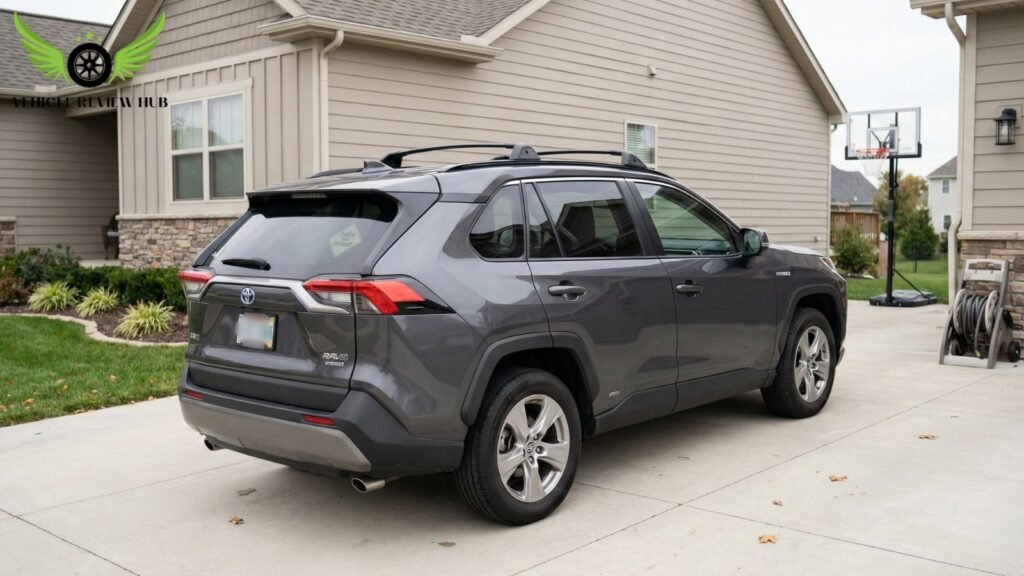
Choosing between the 2025 and 2026 Toyota RAV4 can be confusing for many buyers in the USA, especially when both model years have their own advantages. Instead of just saying “one is cheaper” or “one is newer,” this section focuses on who actually benefits most from each choice — based on real driving needs, budget priorities, and long-term ownership goals.
The 2025 Toyota RAV4 represents the tail end of the previous generation, which means many dealerships may offer better prices to clear inventory. On the other hand, the 2026 redesign brings hybrid-centric powertrains, refreshed technology, and updated comfort features that can matter a lot for everyday use.
Below, we’ll break down which type of buyer gets the most value from each model year. This helps eliminate guesswork and makes the decision much clearer.
Best Buyers for Discounted 2025 Models
The 2025 Toyota RAV4 makes the most sense for buyers who want maximum value today rather than paying extra for a fresh redesign. From what I’ve seen in the US market, this model year attracts people who think long-term about cost, reliability, and proven ownership experience.
If you’re someone who prioritizes lower upfront price, the 2025 RAV4 is a strong fit. As dealerships clear remaining stock, buyers often find meaningful discounts compared to newer models. In my opinion, this is ideal for shoppers who would rather save money now and still get a vehicle that’s dependable for years.
This model year also suits drivers who prefer tried-and-tested engineering. The fifth-generation platform had already been on the road for several years by 2025, meaning most real-world issues were known and addressed. Based on owner feedback, maintenance costs tend to stay predictable, and reliability remains one of the biggest strengths.
Daily commuters are another group that benefits from choosing a discounted 2025 RAV4. Whether it’s highway driving or city traffic, the ride quality feels comfortable and familiar. If you ask me, many people don’t need the newest tech as long as the vehicle feels easy and stress-free to live with.
Families looking for a practical SUV without stretching their budget also fit well here. Cargo space, safety features, and interior comfort already meet the needs of school runs, grocery trips, and weekend travel. From my observation, these buyers often care more about usable space and dependability than having the latest infotainment screens.
Finally, first-time SUV buyers or those coming from older vehicles often feel more confident choosing the 2025 RAV4. It doesn’t feel experimental or unfamiliar — it feels established. At the end of the day, if saving money, avoiding early redesign uncertainty, and choosing a proven platform matter most to you, the discounted 2025 Toyota RAV4 is a very sensible choice.
Buyers Who Should Choose the 2026 Redesign
If you’re considering a Toyota RAV4 in the USA but want the most advanced and efficient version available, the 2026 redesign is likely the better choice for you. Instead of being just a model update, this generation brings meaningful improvements in hybrid performance, daily usability, and feature content — and those upgrades really matter for many real owners.
One of the biggest reasons to choose the 2026 RAV4 is if you care about fuel savings that actually show up in your wallet. Since the hybrid system is now standard across trims, you can expect smoother acceleration and noticeably better efficiency in everyday driving compared to a gas-only model. Many owners report that in city traffic and suburban commuting, the hybrid setup feels quieter and more relaxed, especially at lower speeds. If most of your driving is stop-and-go or highway commutes, this can make a big difference over months and years.
The 2026 RAV4 also stands out for people who value modern technology and convenience features as part of daily life. Larger infotainment screens, wireless smartphone integration, and enhanced voice controls make simple tasks — like using navigation or media — just easier. From my observation, these upgrades aren’t just flashy — they reduce frustrations you might feel every day if the system lagged or felt clunky.
Buyers who spend a lot of time on the road — whether it’s long highway drives or frequent errands — will likely appreciate the refined interior layout and comfort improvements. The 2026 redesign makes the cabin feel more pleasant than the outgoing model, with better seat support and more intuitive placement of controls. If you value comfort on longer trips, this generation delivers a stronger everyday experience.
Another group that benefits from the 2026 redesign is drivers planning to keep their vehicle for many years. Because Toyota moved to hybrid as the core powertrain and improved the transition between electric and gasoline power, ownership costs can feel lower over time, especially with rising fuel prices in the US. In my opinion, this makes the 2026 RAV4 a smart choice if you’re thinking long term rather than short term.
Finally, if you want better tech and safety features as standard, the 2026 RAV4 has an advantage. Enhanced driver-assistance systems, improved camera clarity, and responsive adaptive cruise control help make daily driving easier and less stressful. For many US buyers — especially families and commuters — these refinements matter more than a small difference in price.
At the end of the day, choosing the 2026 Toyota RAV4 redesign makes the most sense when your priorities include efficiency, modern usability, comfort, and long-term ownership value. If that aligns with what you care about in a daily SUV, the 2026 RAV4 is worth the extra investment.
Toyota RAV4 FAQs (USA)
Many buyers researching the Toyota RAV4 still have a few practical questions before making a final decision. These usually come up after comparing model years, trims, pricing, and real-world performance. The answers below are based on how the RAV4 is actually used in the USA, focusing on ownership experience, daily driving, fuel costs, and long-term value rather than brochure claims. If you’re trying to decide between a discounted 2025 model and the redesigned 2026 version, these FAQs should help clear up the most common doubts.
Is the 2025 Toyota RAV4 still worth buying in 2026?
Yes, for the right buyer. If you can find a discounted 2025 Toyota RAV4, it still offers strong reliability, good fuel economy, and proven performance. From a real ownership perspective, it makes sense for buyers who want a lower upfront price and don’t care about having the newest redesign or the latest infotainment tech.
What is the biggest difference between the 2025 and 2026 Toyota RAV4?
The biggest difference is the powertrain strategy. The 2025 RAV4 offers gas, hybrid, and plug-in hybrid options, while the 2026 RAV4 shifts to a hybrid-focused lineup, with no traditional gas-only model as the core option. This change mainly affects fuel efficiency, driving smoothness, and long-term running costs.
Does the 2026 Toyota RAV4 get better fuel economy than 2025?
In most real-world situations, yes. The 2026 Toyota RAV4 hybrid is expected to deliver around 38–40 mpg combined, similar or slightly better than the 2025 hybrid, but with smoother power delivery and quieter city driving. Compared to the 2025 gas model (around 30 mpg combined), the difference is noticeable over time.
Is the 2026 RAV4 more expensive than the 2025 model?
Upfront, yes. The 2026 Toyota RAV4 starts higher because hybrid systems are standard and the vehicle includes updated interior tech and safety features. However, many buyers find that fuel savings and resale value help offset the higher initial cost over long-term ownership.
Which Toyota RAV4 trim is best for daily commuting?
For most US commuters, the Hybrid LE or Hybrid XLE trims offer the best balance. They provide strong fuel economy, smooth city driving, and enough comfort features without pushing the price too high. From my observation, these trims suit people who drive daily and want predictable ownership costs.
Is the RAV4 Prime still worth it in 2026?
If you can charge regularly at home or work, yes. The plug-in hybrid RAV4 Prime makes sense for buyers who want stronger acceleration and the ability to handle short daily trips with minimal fuel use. For drivers who mostly do long highway trips and can’t charge easily, the regular hybrid often makes more sense.
Should I wait for the 2026 redesign or buy a discounted 2025 model now?
It depends on your priorities. If saving money now matters most, a discounted 2025 Toyota RAV4 is a smart buy. If you value newer tech, smoother hybrid performance, and plan to keep the vehicle for many years, waiting for the 2026 redesign is the better option.
Is the Toyota RAV4 reliable for long-term ownership?
Yes. Across multiple generations, the Toyota RAV4 has built a reputation for strong reliability and predictable maintenance costs. Many owners report trouble-free ownership well past 100,000 miles, especially with hybrid models used for regular commuting.