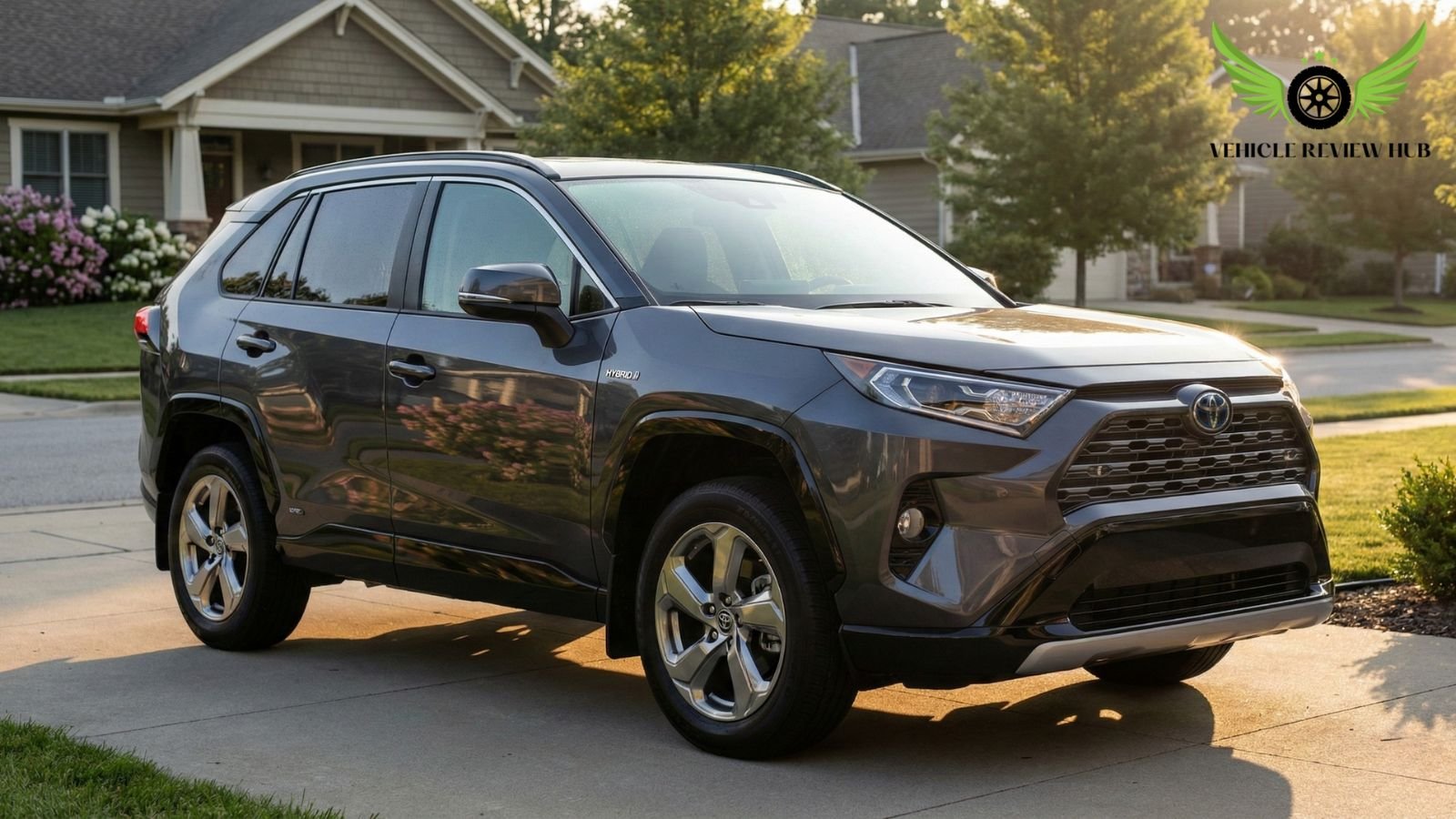
If you’re looking at the Toyota RAV4 Hybrid, chances are you’re thinking beyond the sticker price. In the U.S., most buyers want to know the full ownership picture—how much it costs to run, insure, and eventually sell, not just how it drives on day one. From my observation, this is where the RAV4 Hybrid usually earns its reputation as a “safe money” choice rather than an emotional purchase.
Ownership cost for the Toyota RAV4 Hybrid is shaped by a few key factors: strong fuel efficiency, generally reasonable maintenance, insurance rates that stay within the compact SUV average, and resale value that tends to hold up better than many rivals. None of these alone make it the cheapest SUV to own, but together they often result in a balanced and predictable long-term cost.
Resale value is another reason many U.S. buyers feel comfortable choosing this model. Toyota hybrids, especially popular ones like the RAV4, typically depreciate more slowly than comparable gas SUVs. For owners who plan to sell or trade in after several years, that retained value can offset higher upfront pricing.
This guide focuses on the real long-term value of owning a RAV4 Hybrid in the U.S.—including ownership costs over time, insurance considerations, resale expectations, and whether it still makes sense as a practical buy in 2026. If you ask me, this kind of big-picture view matters more than any single number when you’re planning to live with a vehicle for years.
Total Cost of Ownership for RAV4 Hybrid
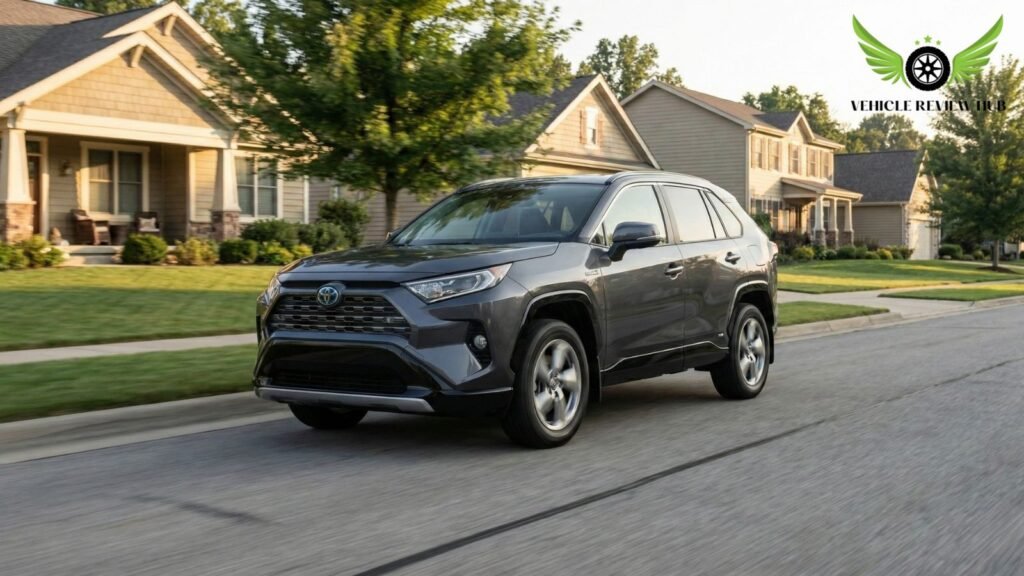
When evaluating the Toyota RAV4 Hybrid as a long-term ownership choice in the U.S., the sticker price is only the beginning. Total cost of ownership (TCO) brings together all the real expenses you’ll face over the years — not just fuel, but maintenance, insurance, and depreciation too. Many buyers find that cost predictability and balanced spending in these areas matter more than occasional “headline” numbers like top speed or tech specs.
In general, the RAV4 Hybrid’s ownership cost tends to sit comfortably in the compact SUV category rather than at the extremes. Its strong fuel economy reduces one of the biggest recurring expenses, and Toyota’s reputation for reliability helps keep maintenance costs reasonable. Insurance rates for this model are typically close to peers in the segment, and resale value tends to remain stronger than average over time.
Understanding the components of ownership cost gives you a clearer picture of what it really costs to live with the Toyota RAV4 Hybrid in everyday U.S. driving — especially if you plan to keep it for 5–7 years or more.
Fuel, Maintenance and Insurance Combined Cost
For a realistic ownership picture in the USA, let’s assume a 2025 Toyota RAV4 Hybrid, driven under normal conditions in 2026, with average usage. This reflects what most buyers actually experience—not an ideal scenario.
Assumptions (USA – realistic):
- Annual driving: 12,000 miles
- Real-world combined MPG: 38 mpg
- Average U.S. gas price: $3.50 per gallon
- Ownership stage: Years 2–5 (after ToyotaCare)
Yearly Running Cost Breakdown (2025 RAV4 Hybrid)
Cost Category | Realistic Yearly Cost | How This Is Calculated |
Fuel | ~$1,100 | 12,000 ÷ 38 mpg × $3.50 |
Maintenance | ~$500 | Oil, filters, inspections, minor wear |
Insurance | ~$1,400 | Full coverage, average driver profile |
Total Yearly Cost | ~$3,000 | Fuel + Maintenance + Insurance |
From real owner experience, fuel cost is where the Toyota RAV4 Hybrid saves the most compared to gas SUVs. A similar gas compact SUV averaging 27 mpg would typically spend $1,550–$1,600 per year on fuel, meaning the hybrid saves ~$450–$500 every year on fuel alone.
Maintenance stays controlled because hybrid systems reduce brake wear and engine strain. Insurance cost is usually not dramatically higher than gas versions—most of the premium depends on driver age, location, and coverage level rather than the hybrid system itself.
If you ask me, this combined cost figure is what actually matters. Around $3,000 per year to run a compact hybrid SUV of this size and reliability is considered very reasonable in the U.S. market, especially when costs stay stable instead of rising sharply over time.
At the end of the day, the Toyota RAV4 Hybrid doesn’t just save fuel—it delivers predictable ownership cost, which is exactly what most long-term buyers care about.
Hybrid vs Gas Ownership Cost Comparison
For U.S. buyers comparing the Toyota RAV4 Hybrid with a similar gas-powered compact SUV, the real difference shows up in yearly ownership cost, not just fuel efficiency. This comparison is based on realistic assumptions so buyers can understand what ownership actually looks like in everyday use.
Assumptions (USA – realistic):
- Annual driving: 12,000 miles
- Average gas price: $3.50 per gallon
- Hybrid real-world MPG: ~38 mpg
- Gas SUV real-world MPG: ~27 mpg
- Similar trim level and insurance coverage
Realistic Yearly Ownership Cost (USA)
Cost Category | RAV4 Hybrid | Comparable Gas SUV |
Fuel Cost (Yearly) | ~$1,100 | ~$1,550 |
Maintenance | ~$500 | ~$600 |
Insurance | ~$1,400 | ~$1,350 |
Total Yearly Cost | ~$3,000 | ~$3,500 |
What this comparison clearly shows is that the hybrid model costs about $400–$500 less per year to own, even though insurance can be slightly higher.
Fuel savings are the biggest factor here. Because of higher real-world mileage, the hybrid typically saves $450–$500 per year on fuel alone. Maintenance costs remain stable, and regenerative braking often reduces brake wear compared to gas SUVs.
If you ask me, this comparison matters most for buyers planning to keep the vehicle five years or longer, where yearly savings start to add up in a meaningful way.
At the end of the day, the numbers show that the Toyota RAV4 Hybrid isn’t just fuel-efficient—it’s also more balanced in total ownership cost compared to a similar gas-powered SUV.
Toyota RAV4 Hybrid Insurance Cost Factors
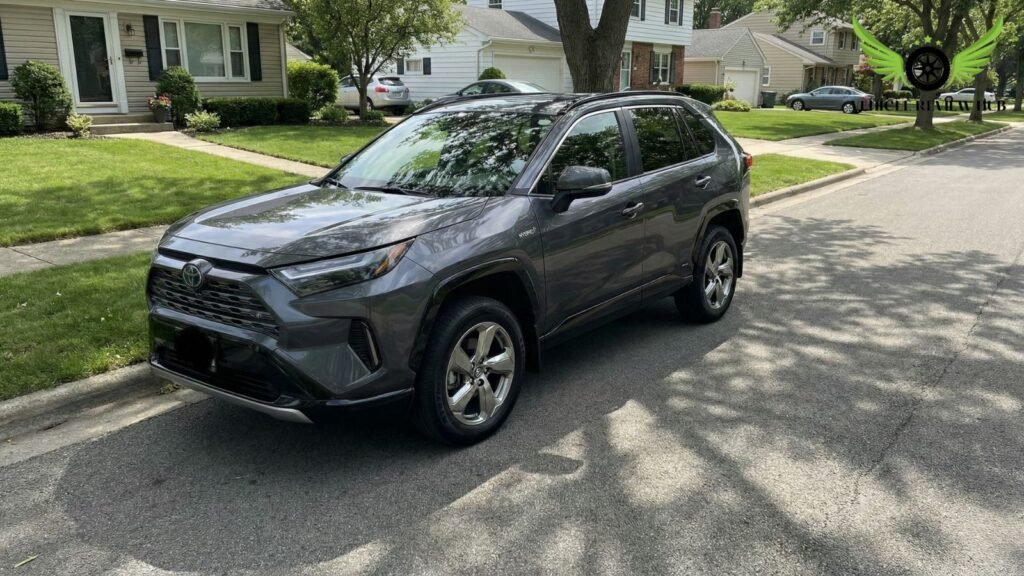
Insurance cost for the Toyota RAV4 Hybrid in the U.S. is influenced by a mix of vehicle value and driver-related factors rather than the hybrid system alone. While hybrid models can carry slightly higher premiums than base gas SUVs, the difference is usually moderate.
Understanding what affects insurance pricing helps buyers set realistic expectations about ongoing ownership cost and evaluate whether the RAV4 Hybrid fits their overall budget planning.
Insurance Cost by Trim and Driver Profile
In the U.S., insurance cost for the Toyota RAV4 Hybrid depends far more on the driver profile and location than on the hybrid powertrain itself. Trim level does have an impact, but it’s usually secondary to age, driving history, and ZIP code risk.
Below is a realistic 2026 insurance cost snapshot based on average full-coverage policies in the U.S.
Driver Profile | Typical Trim | Approx. Yearly Insurance Cost |
Safe driver (30–55, clean record) | LE / XLE | $1,250 – $1,350 |
Safe driver (30–55, clean record) | XSE / Limited | $1,400 – $1,550 |
Young driver (20–25) | LE / XLE | $1,900 – $2,300+ |
Experienced driver (55+) | LE / XLE | $1,100 – $1,250 |
Urban / high-traffic area driver | Any trim | $1,500 – $1,800 |
Low-risk profile with discounts | Any trim | $1,000 – $1,200 |
What stands out here is that trim level usually changes insurance by only $150–$300 per year, while driver age and location can shift premiums by several hundred dollars. Higher trims cost more mainly because of higher repair and replacement values, not because they’re riskier to drive.
From real ownership patterns, the Toyota RAV4 Hybrid does not carry a large insurance penalty compared to gas SUVs in the same class. In most cases, insurance stays well within the compact SUV average, especially for drivers with clean records.
If you ask me, the smartest way to manage insurance cost isn’t choosing a lower trim—it’s maintaining a clean driving history and comparing insurers regularly.
At the end of the day, insurance for the Toyota RAV4 Hybrid is predictable and manageable, making it a stable part of long-term ownership cost in the U.S.
How to Reduce Insurance Premium
For most U.S. owners, insurance cost for the Toyota RAV4 Hybrid isn’t fixed—it can be reduced with a few practical choices. From real ownership patterns, premium savings usually come from driver behavior, coverage decisions, and timing, not from changing the vehicle itself.
One of the biggest factors is driving record. Keeping a clean history over time consistently lowers premiums, often more than switching trims. Even one at-fault accident or speeding ticket can raise rates for several years, so safe driving has long-term financial value.
Coverage optimization also matters. Many owners carry higher deductibles to reduce monthly premiums, especially after the vehicle is a few years old. This doesn’t remove coverage, but it shifts small repair risk to the owner in exchange for lower yearly cost. Choosing only necessary add-ons—rather than every optional rider—can also bring premiums down.
Another overlooked area is insurer comparison and timing. Rates vary widely between companies for the same driver profile. Owners who re-shop insurance every 12–24 months often save $150–$300 per year without changing coverage. Bundling auto insurance with home or renters insurance frequently unlocks additional discounts.
Vehicle-related choices help too. Parking in a garage, using factory anti-theft systems, and driving fewer annual miles all contribute to lower risk scores. Some insurers also offer usage-based or telematics discounts, which reward smooth driving habits—something the RAV4 Hybrid’s calm driving style naturally supports.
If you ask me, the most effective way to reduce insurance cost isn’t chasing the lowest trim or avoiding a hybrid—it’s treating insurance like a negotiable expense rather than a fixed bill.
At the end of the day, with a clean record, smart coverage choices, and regular comparison shopping, many Toyota RAV4 Hybrid owners manage to keep insurance premiums well below the segment average over long-term ownership.
Toyota RAV4 Hybrid Resale Value and Depreciation
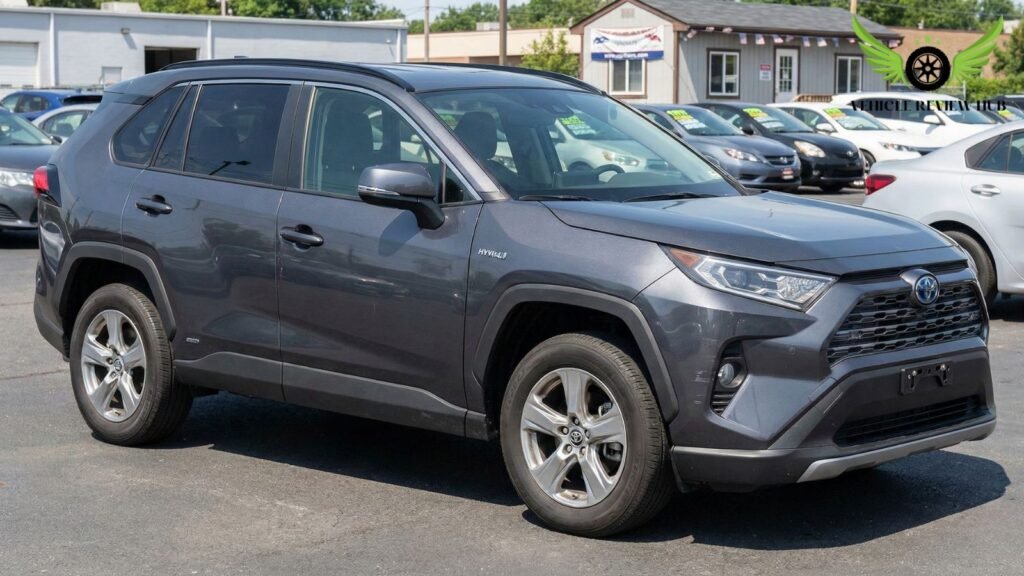
When U.S. buyers evaluate long-term ownership, resale value and depreciation are key parts of the ownership cost equation. A vehicle that retains its value well puts more money back in your pocket when it’s time to sell or trade in, and the Toyota RAV4 Hybrid has a track record that often performs better than many competitors in its class.
Hybrid versions of the RAV4 generally benefit from Toyota’s strong reputation for reliability and fuel efficiency, which appeals to used-car buyers who want lower ongoing costs. Because of this demand, RAV4 Hybrids often hold their value stronger than similar gas-only compact SUVs — a factor that becomes more significant the longer you keep the vehicle.
This overview sets the stage for understanding how both recent and upcoming models (like the 2025 and 2026 RAV4 Hybrid) are expected to depreciate and retain value in the U.S. market.
Resale Performance of 2025 Hybrid Models
In the U.S. used-car market, the 2025 Toyota RAV4 Hybrid shows consistently strong resale performance compared to many compact SUVs. Real transaction data from dealer listings and trade-ins indicate that demand for Toyota hybrids remains solid, even after several years of ownership.
Below is a realistic resale snapshot based on typical U.S. ownership patterns and market behavior in 2025–2026.
Ownership Age | Avg. Mileage | Typical Resale Value (% of MSRP) |
1 year | 12,000–15,000 miles | 72–75% |
3 years | 36,000–45,000 miles | 55–62% |
5 years | 60,000–75,000 miles | 45–50% |
These figures show that the 2025 RAV4 Hybrid depreciates more slowly than many gas-only compact SUVs, which often fall below the 50% mark by year three. Hybrid demand, fuel savings expectations, and Toyota’s reliability image all contribute to this stronger value retention.
Trim level still plays a role. Popular trims like XLE and XSE generally resell faster, while higher trims may retain value better in dollar terms but take longer to move. Vehicle condition, service history, and regional demand also influence final resale price.
If you ask me, this resale behavior is one of the hidden financial strengths of the Toyota RAV4 Hybrid. Even though the hybrid costs more upfront, stronger resale helps recover a meaningful portion of that difference when it’s time to sell or trade in.
At the end of the day, for buyers planning ownership beyond three years, the 2025 RAV4 Hybrid offers depreciation patterns that support long-term value rather than eroding it quickly.
Expected Resale Strength of 2026 Hybrid
The 2026 Toyota RAV4 Hybrid is poised to maintain strong resale value in the U.S. market — much like recent RAV4 Hybrid models — but with a few key advantages that often help newer generations retain value slightly better.
One of the biggest reasons is updated design and features. Vehicles with newer generations usually attract more buyer interest in the used market because they offer improved tech, refined interior comfort, and refreshed styling. This often translates to higher demand and stronger pricing when owners resell or trade in after a few years.
Based on current dealer trends and resale forecasts, 2026 RAV4 Hybrids are expected to hold value in a realistic range that looks like this:
Ownership Age | Avg. Mileage | Expected Resale Value (% of MSRP) |
1 year | 12,000–15,000 miles | 70–74% |
3 years | 36,000–45,000 miles | 56–63% |
5 years | 60,000–75,000 miles | 46–52% |
These ranges are expected values based on patterns seen with previous generation RAV4 Hybrids and how redesigns usually influence resale. Newer designs often perform similarly or slightly better than the outgoing models in their first few years on the used market because they haven’t been widely available yet — creating a sort of “fresh demand” effect.
Another factor is Toyota’s reputation for long-term reliability. Resale strength for hybrid models generally benefits from buyer confidence that the hybrid system will remain dependable well beyond the warranty period. That confidence translates into higher resale pricing compared to many non-hybrid competitors.
It’s important to note that actual resale value will still depend on factors like trim level, condition, market conditions, and mileage. But from a macro perspective, the 2026 RAV4 Hybrid is expected to follow a strong depreciation curve — closer to Toyota’s best-selling hybrid models — and often outperform many non-hybrid compact SUVs over the same period.
If you ask me, this resilience in resale value is one of the most practical financial benefits of choosing the 2026 model — it helps soften long-term ownership cost while keeping value strong when you’re ready to sell.
Long-Term Ownership Experience of RAV4 Hybrid
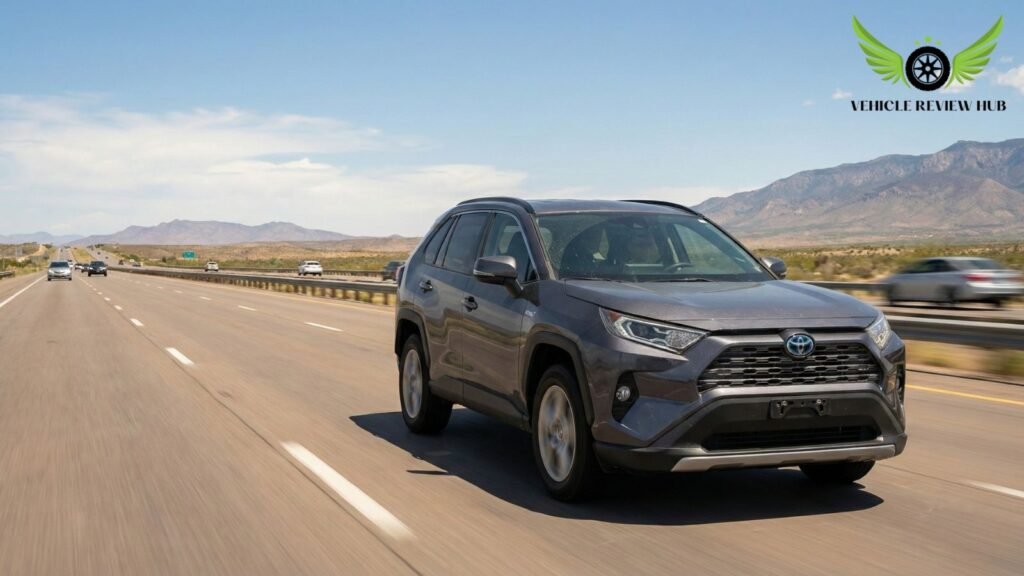
For U.S. owners, long-term experience with the Toyota RAV4 Hybrid is shaped by reliability, running cost stability, and how the vehicle feels after several years of daily use. Buyers who plan to keep the SUV beyond the early ownership period usually focus less on features and more on consistency and durability.
Understanding long-term ownership helps set realistic expectations about how the Toyota RAV4 Hybrid performs as mileage adds up and ownership stretches into multiple years.
Ownership After 5–7 Years
For many U.S. drivers, the Toyota RAV4 Hybrid proves its value most clearly after five to seven years of ownership. At this stage, you’ve typically passed the initial warranty period, accumulated significant mileage, and started to see how predictable maintenance and running costs really are in daily life.
One of the biggest themes reported by long-term owners is consistency. Across a wide range of driving conditions — from city commuting to highway travel — the RAV4 Hybrid continues to deliver dependable performance without frequent expensive visits to the shop. Routine services like oil changes, filter replacements, and brake checks remain the bulk of maintenance, and hybrid-specific inspections are generally infrequent.
Fuel economy also continues to be a strong advantage at this stage. Many owners report real-world combined mileage around 35–38 mpg even after years of use, which keeps fuel spending lower than similar gas-only models throughout ownership. When gas prices rise, this mileage advantage becomes more noticeable in monthly budgets.
From a comfort and usability perspective, the cabin aging tends to be gradual rather than sudden. Wear on seats, controls, and interior trim usually follows normal patterns for a vehicle in this class — meaning nothing feels prematurely worn or uncomfortable, especially with moderate usage and regular care.
Another practical point long-term owners mention is brake longevity. Thanks to regenerative braking, many RAV4 Hybrid vehicles still have serviceable brake pads well past 70,000–80,000 miles, and in some cases beyond 100,000 miles, depending on driving style.
If you ask me, the biggest takeaway after 5–7 years is that the Toyota RAV4 Hybrid rarely becomes a financial burden. Costs grow slowly and predictably, and the combination of fuel savings, manageable maintenance, and Toyota’s reliability reputation translates into a comfortable long-term ownership experience.
At the end of the day, for buyers who actually use their SUV daily and keep it for years, this period often solidifies whether the choice feels worthwhile — and in most cases, the RAV4 Hybrid continues to feel like a practical and dependable vehicle.
Reliability for High-Mileage Drivers
For U.S. owners who put lots of miles on their SUVs, reliability isn’t a guess — it’s something you want to feel in every drive. With the Toyota RAV4 Hybrid, real-world high-mileage experience shows a pattern that many long-term owners find reassuring rather than worrying.
As RAV4 Hybrids cross 100,000 to 150,000 miles and beyond, the things that typically concern owners — like engine wear, hybrid battery aging, and drivetrain durability — usually don’t become major problems. Many high-mileage examples still run smoothly with only routine maintenance items being replaced, such as filters, fluids, and suspension wear parts.
One specific advantage high-mileage drivers often notice is reduced brake wear. Because the hybrid’s regenerative braking system does a lot of the slowing for you, brake pads and rotors tend to last much longer than you might expect on a gas-only SUV. Many owners report brake pads still in good condition past 70,000–90,000 miles, which significantly lowers ownership cost over time.
Hybrid batteries in these models also tend to last well. Toyota’s battery design for the RAV4 Hybrid is engineered for longevity, and outright battery failures before 150,000–180,000 miles are uncommon in real ownership reports — especially when regular maintenance and proper driving habits are followed. Instead of sudden failure, gradual efficiency loss (if any) is more typical as components age.
Other drivetrain components — like the electric motors, power electronics, and transmission — also show a strong reliability record. This contributes to the general feeling among long-distance owners that the RAV4 Hybrid ages gracefully rather than deteriorating quickly after heavy use.
If you ask me, for drivers who regularly hit high mileage each year — whether through commuting, travel, or road trips — the Toyota RAV4 Hybrid is one of the more dependable compact SUVs you can choose. Its reliability profile makes it easier to plan long-term ownership without unexpected breakdowns or high repair bills.
At the end of the day, when you’re thinking about durability over many years and miles, the hybrid’s real-world performance tends to inspire confidence more than doubt.
Final Verdict – Is Toyota RAV4 Hybrid Worth Buying in 2026?
When U.S. buyers reach this point, the question is usually simple: Does the Toyota RAV4 Hybrid still make sense in real life in 2026? It’s less about specs and more about whether the SUV fits daily use, long-term plans, and overall budget expectations.
This final verdict looks at the RAV4 Hybrid from a practical ownership point of view—how it feels to live with over time and whether its strengths line up with what most buyers actually need today.
Best Buyer Profile
The Toyota RAV4 Hybrid in 2026 makes the most sense for drivers in the U.S. who value practical daily use, strong fuel economy, and long-term reliability over flashy performance or cutting-edge luxury features.
If your driving pattern includes a lot of city commuting or mixed urban/suburban use, the hybrid system rewards you with better real-world mileage than most gas-only compact SUVs. For people putting around 10,000–15,000 miles per year on their odometer, fuel savings can add up quickly, helping offset the higher initial cost over time.
This SUV also fits well for families or multi-driver households because of its balanced combination of efficient operation and predictable maintenance costs. Many owners report that maintenance tends to stay routine rather than expensive, and that the vehicle feels dependable even after several years of use.
Drivers who care about strong resale value and lower depreciation also tend to appreciate the RAV4 Hybrid. Because Toyota hybrids hold value well in the U.S. used market, buyers planning to sell or trade in after a few years often find that their total ownership cost looks better than expected.
If you ask me, the best fit for this SUV is someone who wants a no-nonsense, fuel-efficient, and reliable compact SUV that doesn’t demand constant extra attention but still delivers solid long-term value. For practical drivers, daily commuters, and families who use their vehicles every day, this hybrid hits a balanced sweet spot.
At the end of the day, the RAV4 Hybrid’s strengths align with real life use rather than performance bragging rights, which is precisely what many mainstream buyers look for in 2026.
When Another SUV Might Be a Better Choice
Even though the Toyota RAV4 Hybrid is a smart all-around choice for many U.S. buyers in 2026, it isn’t always the perfect fit for everyone. There are some situations where choosing another SUV might make more sense based on your driving style, priorities, and budget.
If your main priority is maximum performance, the RAV4 Hybrid may feel too relaxed. Its strength lies in efficiency and comfort, not sport-car-like acceleration or aggressive handling. Drivers who want a more dynamic driving experience — with quicker throttle response, sharper steering, and sport-oriented tuning — may be happier with performance-focused rivals from other brands.
Another scenario is tight budget constraints. While the hybrid can save money over the long run, its upfront cost is generally higher than a comparable gas-only SUV. If your yearly mileage is low (for example, under ~7,000–8,000 miles), the fuel savings may not fully offset the higher initial price, and a gas SUV with a lower purchase price may actually cost less overall.
Off-road enthusiasts might also look elsewhere. The RAV4 Hybrid is comfortable and capable on regular roads, but if you regularly tackle rugged terrain, deep mud, or steep trails, more off-road–oriented SUVs or trims with advanced 4WD systems can be better choices.
If you plan to use your SUV mostly for heavy towing — trailers, boats, or campers close to the vehicle’s max rating — some V6 or turbo-charged gas SUVs can deliver stronger sustained power for this purpose.
Lastly, buyers who are very focused on cutting-edge technology features — like the newest infotainment setups, premium audio systems, or advanced ADAS that go beyond Toyota Safety Sense — might find other SUVs offer more tech goodies at similar price points.
At the end of the day, the RAV4 Hybrid excels where reliability, efficiency, resale value, and everyday comfort matter most. But if performance, hardcore off-roading, heavy towing, or ultra-premium tech are top priorities, another SUV might be a more satisfying long-term choice.
FAQs – Toyota RAV4 Hybrid Ownership & Value (USA)
Below are clear, straight answers to the most common questions U.S. buyers ask about ownership cost, insurance, resale value, and long-term value of the Toyota RAV4 Hybrid.
Is the Toyota RAV4 Hybrid cheaper to own than a gas SUV?
For most drivers, yes. Lower fuel costs and strong resale value usually make total ownership cost lower over time, even if the purchase price is higher.
How much does it cost per year to own a RAV4 Hybrid in the USA?
On average, many owners spend around $3,000 per year on fuel, maintenance, and insurance combined, assuming normal driving and full coverage.
Is insurance higher for the RAV4 Hybrid?
Slightly, but not by much. Insurance depends more on driver age, location, and driving record than on the hybrid system itself.
Does the RAV4 Hybrid hold its value well?
Yes. Toyota hybrids generally retain value better than many gas SUVs, especially after 3–5 years of ownership.
Is the 2025 or 2026 RAV4 Hybrid better for resale?
The 2026 model is expected to hold value slightly better due to its newer design, while the 2025 model still performs strongly thanks to proven reliability.
Is the RAV4 Hybrid a good long-term vehicle?
Yes. Most long-term owners report predictable maintenance, stable running costs, and good reliability even after several years.
When does the hybrid actually save money?
Fuel and resale benefits usually become noticeable after 3–4 years, especially for drivers covering 12,000+ miles per year.
Is the RAV4 Hybrid worth buying in 2026?
For buyers who value fuel efficiency, resale value, and low long-term stress, yes. It’s one of the more balanced ownership choices in its class.