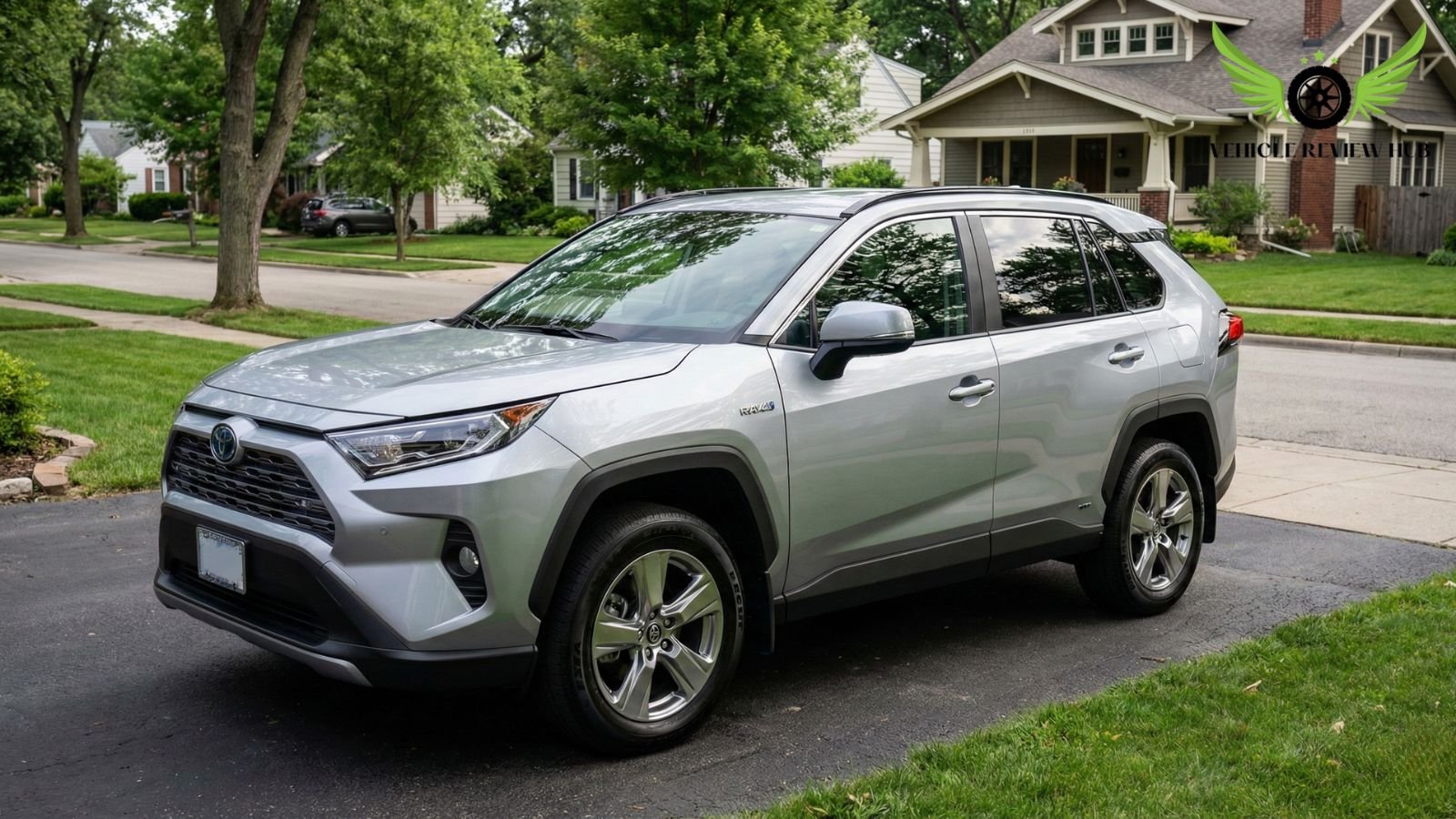
If you’re considering the Toyota RAV4 Hybrid, maintenance cost and long-term reliability are probably just as important to you as fuel economy. From my observation, many U.S. buyers choose this hybrid SUV not because it’s flashy, but because they expect predictable ownership with fewer surprises over the years.
The Toyota RAV4 Hybrid has earned a reputation for being relatively easy to maintain compared to many other hybrid SUVs. Routine service costs tend to stay reasonable, and Toyota’s hybrid technology has been around long enough that most issues are well understood rather than experimental. That history matters a lot for buyers who plan to keep their vehicle beyond the warranty period.
At the same time, no vehicle is perfect. Real ownership includes understanding common complaints, known problem areas in certain model years, and what maintenance actually looks like after 5, 8, or even 10 years. Based on owner reports and long-term use patterns, most concerns around the RAV4 Hybrid are manageable—but they’re still worth knowing upfront.
This guide focuses on the real ownership reality in the U.S., including routine maintenance needs, typical costs over time, common issues reported in recent model years, and what buyers should realistically expect from both current and upcoming versions. If you ask me, going in with clear expectations is the best way to enjoy long-term ownership without regret.
Toyota RAV4 Hybrid Maintenance Basics
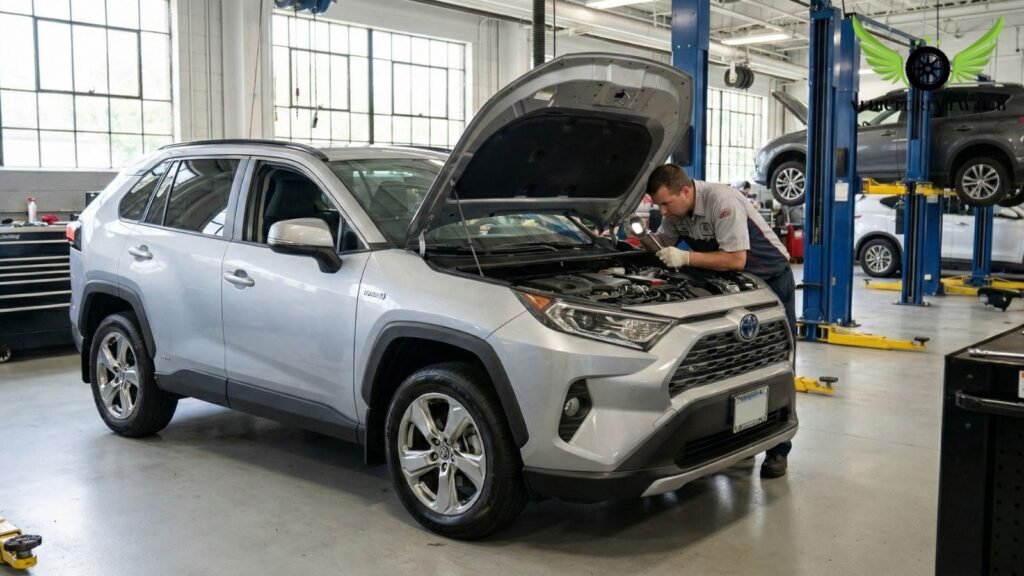
For U.S. owners, the Toyota RAV4 Hybrid is generally known for having straightforward maintenance compared to many other hybrid SUVs. Its upkeep is built around Toyota’s long-established service approach, which focuses on routine care rather than frequent or complex repairs.
From an ownership perspective, maintenance expectations are shaped by regular service needs and a few hybrid-related considerations that differ slightly from gas-only models. Understanding these basics helps buyers know what kind of service routine to expect and whether hybrid ownership fits their long-term plans.
Overall, the maintenance fundamentals of the Toyota RAV4 Hybrid are designed to support predictable ownership and manageable costs, which is one of the main reasons many U.S. buyers feel comfortable choosing it for daily use.
Regular Service Schedule Explainedc
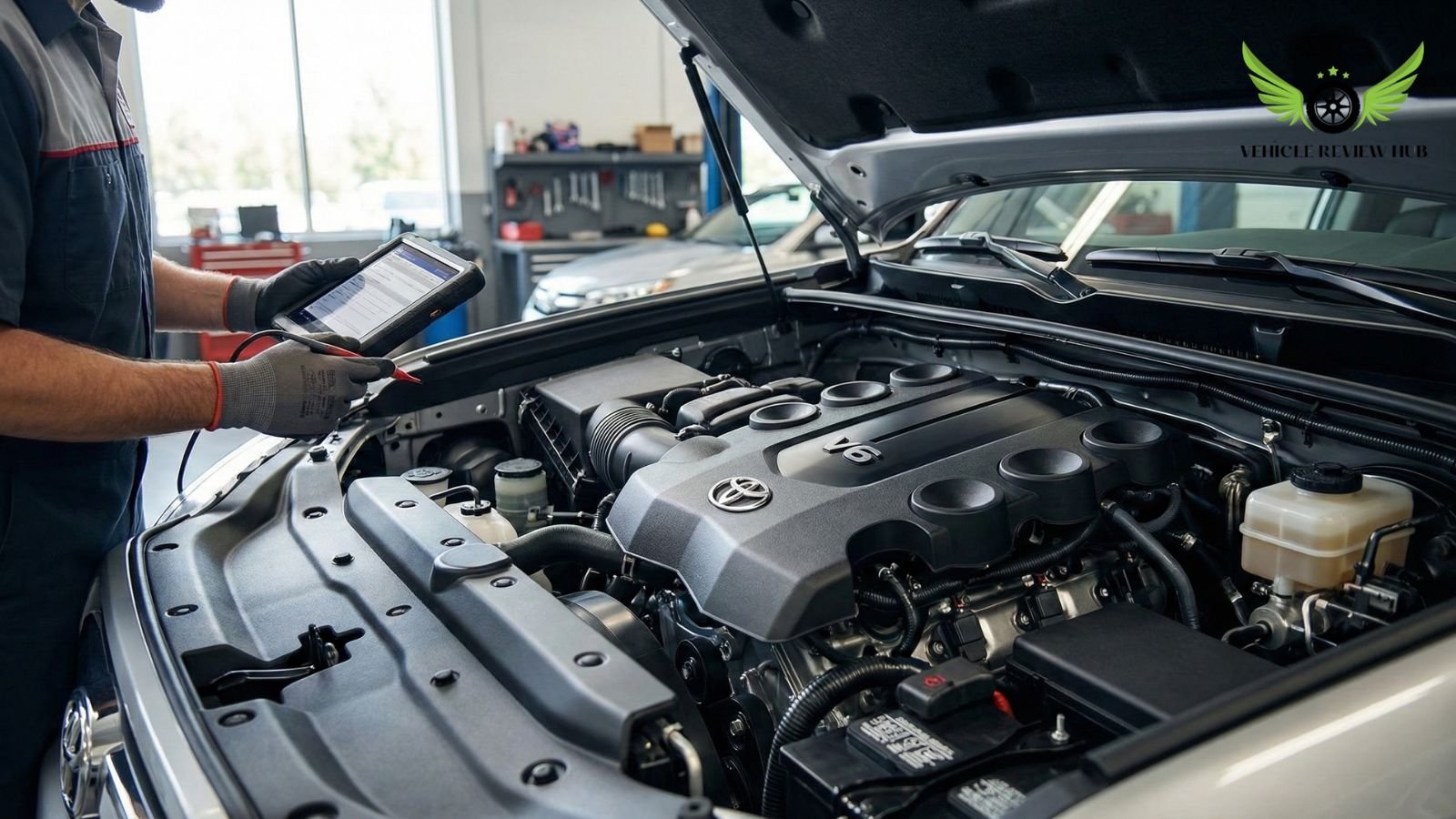
For U.S. owners, the Toyota RAV4 Hybrid follows a very predictable and simple service schedule, which is one of the biggest reasons it’s considered low-stress to own. Toyota does not require any special or unusual maintenance just because it’s a hybrid—most items are familiar to anyone who has owned a gas Toyota before.
Based on Toyota’s official U.S. maintenance guidelines and real owner experience, here’s what the regular service cycle actually looks like in everyday ownership.
Service Interval | What’s Typically Done | Real Ownership Notes |
Every 5,000 miles | Tire rotation, multi-point inspection | Oil change usually not required at every visit |
Every 10,000 miles | Engine oil & filter change | Standard for most U.S. drivers |
Every 15,000–20,000 miles | Cabin air filter replacement | Often DIY-friendly, low cost |
Every 30,000 miles | Engine air filter, brake inspection | Brakes often last longer due to regenerative braking |
Every 60,000 miles | Coolant inspection, hybrid system check | Usually inspection-only unless issues found |
100,000 miles+ | Spark plugs (2.5L engine) | One of the bigger scheduled services |
From my observation, most owners find that service visits are quick and routine, especially during the first 5–7 years of ownership. Because the hybrid system reduces engine load and brake wear, some maintenance items actually last longer than on gas-only SUVs.
Another important point is that Toyota recommends time-based service as well, not just mileage-based. Even low-mileage drivers should still follow annual inspections to keep warranties valid and catch small issues early.
If you ask me, this predictable service rhythm is a big part of the ownership comfort with the Toyota RAV4 Hybrid. There are no surprise service requirements, no special hybrid-only tune-ups, and no learning curve for most mechanics—especially at Toyota dealerships.
At the end of the day, regular service for the Toyota RAV4 Hybrid is about consistency, not complexity, which helps keep long-term maintenance both manageable and affordable.
Hybrid-Specific Maintenance Items
The Toyota RAV4 Hybrid doesn’t add many extra maintenance tasks compared to a gas SUV, but there are a few hybrid-specific items U.S. owners should be aware of. Most of these are inspection-based and happen infrequently.
Hybrid Item | Typical Interval (USA) |
Hybrid Battery Cooling Filter | Inspect every ~20,000–30,000 miles |
Inverter / Hybrid Coolant | Around 100,000 miles (first service) |
Regenerative Braking System | Checked during routine service |
High-Voltage System Check | During dealer inspections |
Hybrid Battery | No scheduled maintenance |
From real ownership experience, the battery cooling filter is the only hybrid-specific item many owners actively interact with. Keeping it clean helps maintain battery efficiency, especially in hot or dusty environments.
The inverter coolant and high-voltage system are designed for long-term use and rarely require attention unless an issue is detected during inspection. These aren’t routine expenses in normal ownership.
Another real-world benefit is brake longevity. Regenerative braking reduces wear on brake pads and rotors, so many owners report significantly longer brake life compared to gas SUVs.
At the end of the day, hybrid-specific maintenance for the Toyota RAV4 Hybrid is minimal and predictable, reinforcing why many U.S. buyers find it just as easy—if not easier—to maintain than a traditional gas vehicle.
Toyota RAV4 Hybrid Maintenance Cost Breakdown
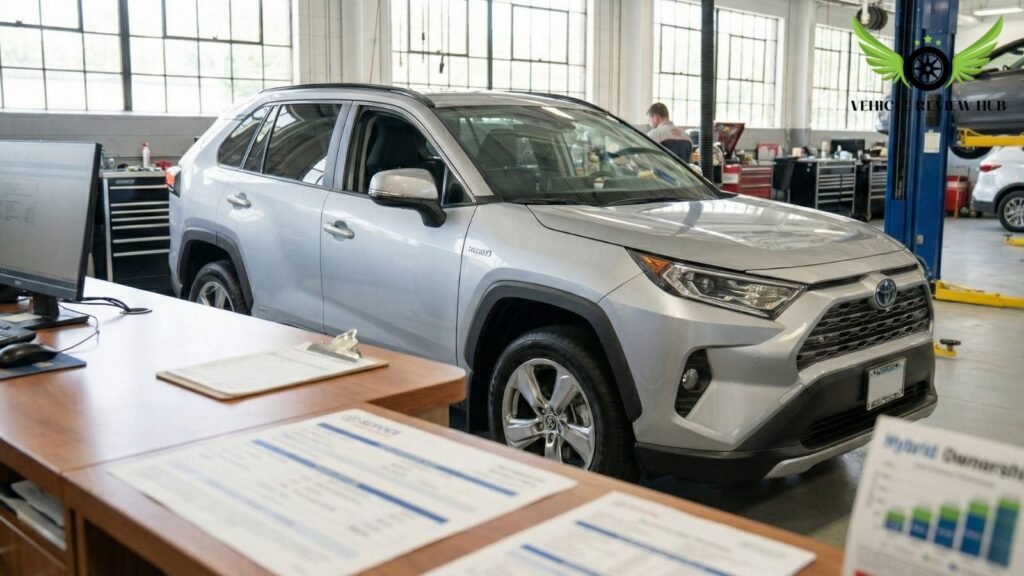
The Toyota RAV4 Hybrid is often considered a low-risk option when it comes to maintenance cost in the U.S. market. While it does cost slightly more than some gas SUVs upfront, its long-term upkeep tends to stay controlled and predictable.
Maintenance cost for this model is mainly influenced by routine servicing, reduced wear on certain components, and Toyota’s proven hybrid engineering. Instead of frequent repairs, ownership costs usually build gradually over time.
This overview helps set expectations around how maintenance expenses typically develop during ownership of the Toyota RAV4 Hybrid, which is an important factor for buyers planning to keep the vehicle long term.
Average Yearly Maintenance Cost
For most U.S. owners, the Toyota RAV4 Hybrid falls into a low-to-moderate yearly maintenance cost range, especially during the first several years of ownership. Based on real ownership patterns, dealer service pricing, and long-term Toyota hybrid data, annual costs stay fairly predictable rather than spiking unexpectedly.
For a well-maintained RAV4 Hybrid driven under normal conditions (around 12,000 miles per year), here’s what owners typically experience.
Average Yearly Maintenance Cost (USA)
Ownership Stage | Typical Yearly Cost | What This Covers |
Years 1–3 | $300 – $400 | Oil changes, tire rotations, inspections |
Years 4–6 | $400 – $550 | Filters, brake inspection, minor wear items |
Years 7–10 | $500 – $700 | Spark plugs, coolant service, aging components |
From my observation, the first few years are especially inexpensive because Toyota includes ToyotaCare in the early ownership period, which covers basic scheduled maintenance. Even after that, costs rise slowly rather than sharply.
Another reason yearly costs stay reasonable is reduced brake wear. Thanks to regenerative braking, many owners don’t need brake pad replacement until much later than with gas SUVs, which helps keep yearly expenses down.
If you ask me, what matters most isn’t just the dollar figure—it’s the consistency. Owners of the Toyota RAV4 Hybrid rarely report surprise maintenance bills during routine ownership, which makes budgeting easier year after year.
At the end of the day, for a compact hybrid SUV, the RAV4 Hybrid’s average yearly maintenance cost is very competitive in the U.S. market, especially when compared with more complex or less proven hybrid systems.
Long-Term Maintenance Expectation
Over long-term ownership, the Toyota RAV4 Hybrid is generally viewed as a low-risk, predictable vehicle to maintain in the U.S. market. Most owners who keep the vehicle beyond 8–10 years report that maintenance costs increase gradually with mileage, not suddenly or unpredictably.
The biggest difference compared to gas SUVs is what doesn’t need frequent replacement. Thanks to the hybrid system, engine stress is lower and brakes last longer, which helps control long-term costs. Major expenses tend to appear only at higher mileage milestones and are usually scheduled, not unexpected.
Typical Long-Term Maintenance Timeline (USA)
Mileage Range | What Owners Commonly Face |
0–60,000 miles | Routine service only, very low costs |
60,000–100,000 miles | Brake inspection, coolant service, filters |
100,000–150,000 miles | Spark plugs, suspension wear items |
150,000+ miles | Occasional sensor or aging component replacement |
From real high-mileage ownership reports, many RAV4 Hybrid models comfortably cross 150,000 miles with no major hybrid-related repairs. Hybrid batteries and motors are designed for long service life, and failures within this mileage range are uncommon when maintenance is done on schedule.
If you ask me, the most reassuring part of long-term ownership is cost stability. Unlike some vehicles where maintenance spikes sharply after warranty ends, the Toyota RAV4 Hybrid tends to age gradually. Owners usually know what’s coming next and can plan for it.
At the end of the day, long-term maintenance expectations for the RAV4 Hybrid align well with what most practical U.S. buyers want: steady costs, few surprises, and proven durability over many years of daily use.
Common Problems in 2021–2025 RAV4 Hybrid Models
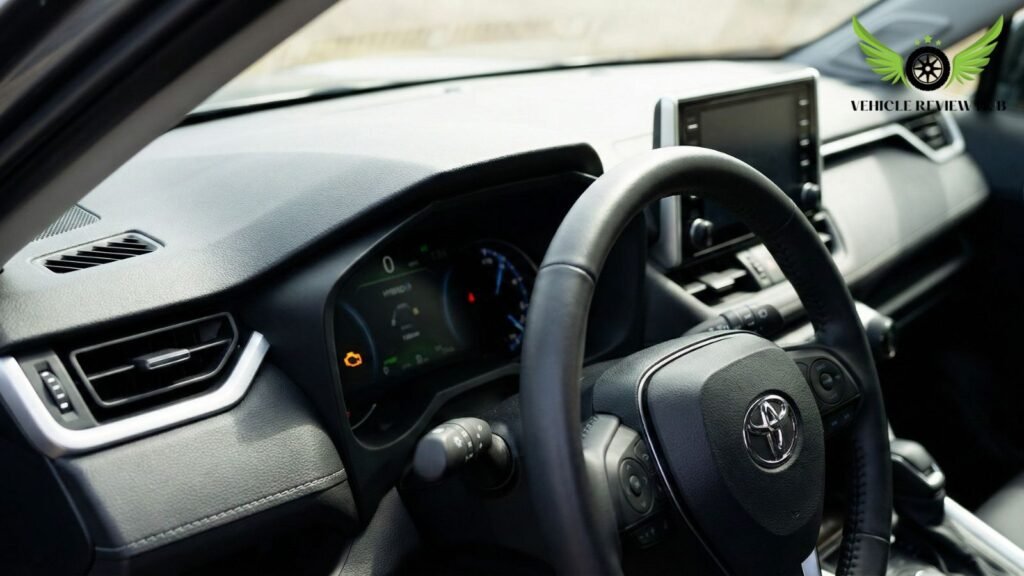
The Toyota RAV4 Hybrid sold between 2021 and 2025 is generally considered reliable in the U.S. market, but like any mass-market vehicle, some recurring issues have been reported by owners over time. These problems are usually not widespread failures, yet they are important for buyers who plan long-term ownership.
Most reported concerns relate to specific components rather than the overall hybrid system. Understanding these commonly mentioned issues helps buyers judge risk realistically instead of assuming the vehicle is either problem-free or unreliable.
Overall, knowing what past owners have experienced with the Toyota RAV4 Hybrid during these model years allows future owners to set clear expectations and make more informed decisions.
Hybrid System, Battery and Electrical Issues
For the Toyota RAV4 Hybrid (2021–2025), serious hybrid-system failures are uncommon, but owners in the U.S. have reported a few recurring electrical and hybrid-related concerns worth knowing—especially for long-term ownership planning. Most of these issues are intermittent or component-level, not complete system failures.
Issue Area | What Owners Report | Typical Timing / Notes |
Hybrid Battery Performance | Gradual efficiency drop, not sudden failure | Usually after high mileage; no routine replacement needed |
12V Auxiliary Battery | Premature drain or replacement | Often within first 2–4 years; common across many hybrids |
Hybrid System Warnings | Temporary warning lights or alerts | Frequently resolved by software update or reset |
Inverter / Power Electronics | Rare faults | Very uncommon; usually covered under warranty |
Electrical Sensors | Intermittent sensor-related alerts | Often resolved during dealer inspection |
From real ownership feedback, the high-voltage hybrid battery itself is rarely the problem. Toyota’s hybrid batteries are designed for long service life, and outright failures during 2021–2025 ownership are not commonly reported. When issues do arise, they’re more often related to software calibration or auxiliary electrical components rather than the battery pack.
One of the more common complaints involves the 12V battery, which supports vehicle electronics. Some owners report early replacement needs, especially if the vehicle sits unused for long periods. This is not unique to the RAV4 Hybrid but is more noticeable in modern vehicles with heavy electronic loads.
Hybrid system warning messages can also appear occasionally, usually tied to sensor readings or software behavior. In many cases, dealerships resolve these with software updates rather than part replacements. From my observation, persistent hybrid system faults are rare unless regular maintenance is ignored.
If you ask me, the key takeaway is this: the core hybrid hardware in the Toyota RAV4 Hybrid is very reliable, and most electrical complaints are manageable, warranty-covered, or one-time issues rather than ongoing problems.
At the end of the day, for 2021–2025 models, hybrid and electrical concerns are more about minor electronics than major system failures, which aligns with the RAV4 Hybrid’s strong reliability reputation in the U.S.
Infotainment, Noise and Owner Complaints
For 2021–2025 Toyota RAV4 Hybrid owners in the U.S., most complaints are minor usability or comfort-related, not mechanical failures. These issues show up repeatedly in owner feedback, especially after a few months of daily use.
Area | Common Owner Feedback | Typical Model Years |
Infotainment Lag | Slow response or occasional freezing | 2021–2022 more common |
Screen Size / Resolution | Feels small or dated vs newer rivals | 2021–2023 |
Apple CarPlay / Android Auto | Random disconnects (usually wireless) | 2021–2024 |
Wind Noise | Noticeable at 70–75 mph | 2021–2023 |
Road / Tire Noise | More noticeable on rough highways | 2021–2025 |
Interior Rattles | Minor trim noise over bumps | High-mileage vehicles |
From real owner reports, infotainment issues are the most frequently mentioned complaint, especially in earlier models. Laggy touch response or brief system freezes are often resolved with software updates, and in many cases, owners report improvement after dealer updates rather than hardware replacement.
Noise-related complaints are usually speed-dependent, not constant. Wind noise tends to appear during highway cruising above 70 mph, while tire noise varies depending on factory tire choice and road surface. From my observation, switching to quieter all-season tires noticeably reduces road noise for many owners.
Interior rattles are less common but do show up as mileage increases. These are typically small trim noises rather than structural problems and are often addressed during routine service visits.
If you ask me, none of these complaints point to serious reliability concerns. They’re more about comfort expectations—especially for buyers coming from more premium vehicles. For most owners, these issues don’t affect daily usability or long-term ownership satisfaction.
At the end of the day, the Toyota RAV4 Hybrid (2021–2025) may not feel class-leading in infotainment polish or cabin quietness, but owner complaints in these areas are generally manageable, fixable, and non-critical.
What to Expect from the 2026 RAV4 Hybrid Redesign
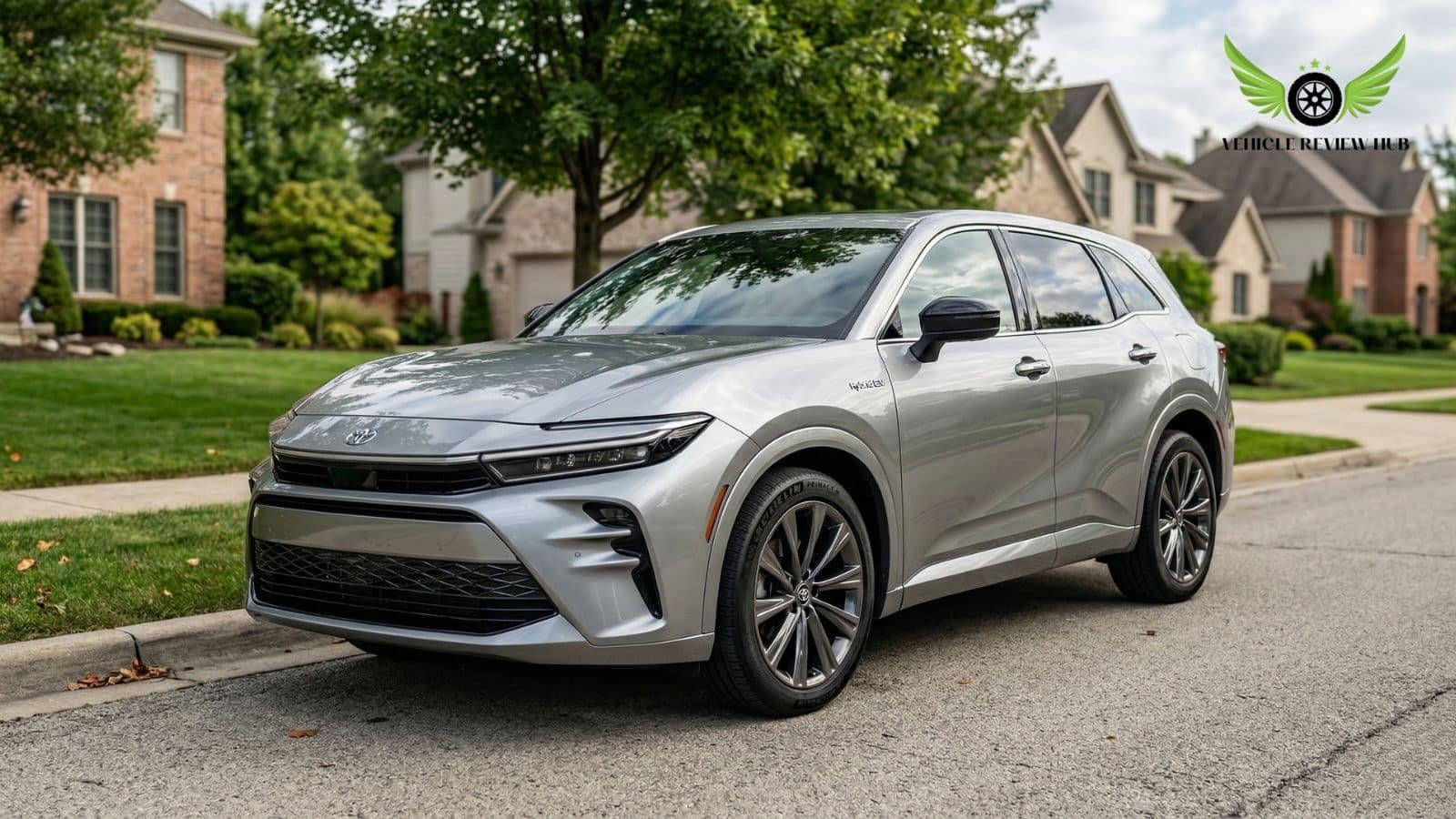
The 2026 Toyota RAV4 Hybrid redesign brings updates that most U.S. buyers care about: smoother driving, improved cabin comfort, updated tech features, and better everyday usability. Instead of a complete overhaul of Toyota’s hybrid architecture, the redesign focuses on refinement—making what was already reliable feel more modern and more comfortable for long-term ownership.
Many of the changes are aimed at reducing noise, enhancing infotainment responsiveness, updating driver-assist systems, and tightening up interior materials. These improvements aren’t dramatic from a mechanical standpoint, but they do contribute to a more polished ownership experience compared with earlier model years.
Overall, the 2026 redesign aims to build on what made the RAV4 Hybrid popular while addressing common complaints from previous generations—so buyers get a more refined hybrid SUV without sacrificing reliability or predictable maintenance.
Improvements Over Previous Hybrid Models
The 2026 Toyota RAV4 Hybrid feels more like a refined evolution than a dramatic change, and that’s actually what many U.S. owners were hoping for. Instead of chasing new numbers or flashy upgrades, Toyota focused on fixing the small things that affect everyday driving and long-term comfort.
One of the first differences many drivers notice is cabin quietness. Compared to earlier hybrid models, road and wind noise feel better controlled at highway speeds. From real driving impressions, cruising above 70 mph feels less tiring, especially on longer trips where constant background noise used to stand out more in older models.
The hybrid system itself feels smoother in normal use. Acceleration from a stop and low-speed transitions between electric power and the engine are less noticeable than before. If you’ve driven earlier RAV4 Hybrid models, you’ll likely feel that the vehicle reacts more calmly in traffic rather than jumping between power sources.
Interior quality also feels slightly improved. The overall layout remains familiar, but materials feel a bit more solid, and controls feel better damped. This doesn’t turn the cabin into a luxury space, but it does make it feel more finished during daily use.
Infotainment is another area where the update feels practical rather than experimental. Screen response feels quicker, and general usability improves without forcing drivers to relearn everything. From my observation, this matters more to long-term owners than flashy graphics or oversized screens.
If you ask me, these improvements won’t excite someone looking for a completely new experience. But for drivers who value comfort, refinement, and a calmer daily drive, the 2026 Toyota RAV4 Hybrid feels like a more polished version of something that already worked well.
At the end of the day, the changes over previous hybrid models are about living with the car, not just owning it — and that’s where this redesign quietly delivers.
First-Year Redesign Risks and Early Issues
Whenever a vehicle gets a meaningful redesign — like the 2026 Toyota RAV4 Hybrid — many buyers in the U.S. naturally wonder: Will this new generation introduce new problems? In my experience, first-year redesign concerns are real, but understanding them clearly helps you make a grounded buying choice rather than a speculative one.
One of the main things long-term owners often point out is that redesigns can bring small teething issues that weren’t caught during testing. These are usually not catastrophic failures but rather minor annoyances that show up once hundreds of real drivers start using the vehicle in everyday conditions. Examples in other redesigned vehicles have included occasional software glitches, sensor calibration warnings, or comfort-related quirks — not major mechanical breakdowns.
With the 2026 RAV4 Hybrid, early U.S. feedback suggests that serious mechanical or hybrid system failures are uncommon in initial use. Toyota’s hybrid technology has been refined over many years, and the new generation doesn’t depart from that basic architecture. Still, early owners have mentioned a few software-related messages or temporary alerts that typically get resolved with a dealership update. These kinds of early issues aren’t unusual in modern cars with complex electronics and digital interfaces, and they’re not specific to Toyota alone.
Another early concern some drivers mention is calibration of new features, such as driver-assist alerts or adaptive systems. Because the 2026 model introduces updated tech compared with earlier years, a short period of “learning” or adjustment from the vehicle’s controls can happen. In most cases, this settles down after a few software refinements or calibration tweaks done by the dealer.
From my observation, major hybrid components — the battery, electric motors, power electronics — have not shown widespread early failures in 2026 RAV4 Hybrid reports so far. That’s partly because Toyota keeps the underlying hybrid hardware stable and familiar even through redesigns, focusing more on refinement than replacement.
If you ask me, the biggest redesign risk is not mechanical breakdown — it’s simply the small, early software and comfort-related quirks that many buyers eventually forget about once they’re resolved. For most U.S. owners, the 2026 model behaves reliably right out of the gate, and any early issues tend to be addressed quickly through dealer support.
At the end of the day, redesign risk shouldn’t be ignored, but it shouldn’t scare you either. The 2026 Toyota RAV4 Hybrid shows that incremental refinement combined with proven engineering usually delivers a smooth transition to a new generation.
Hybrid Battery Life, Warranty and Replacement Reality
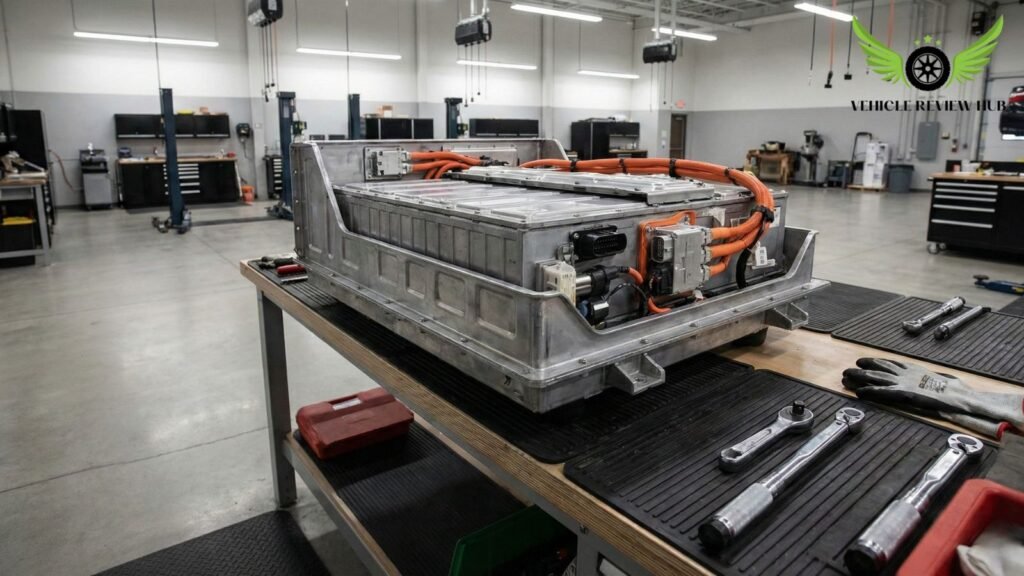
For U.S. buyers, the hybrid battery is often the biggest long-term ownership question with the Toyota RAV4 Hybrid. Concerns usually revolve around how long the battery lasts, what protection Toyota provides, and whether replacement becomes a major expense later on.
In real-world ownership, battery performance, warranty coverage, and replacement reality are closely connected. Understanding these three together helps buyers judge actual risk instead of relying on assumptions or outdated hybrid myths.
Overall, knowing how Toyota designs, warranties, and supports hybrid batteries gives a clearer picture of what long-term ownership of the Toyota RAV4 Hybrid really looks like in everyday U.S. driving conditions.
Battery Warranty Coverage Explained
For U.S. owners, the battery warranty is one of the strongest reassurance points when buying the Toyota RAV4 Hybrid. Toyota offers one of the longest hybrid battery warranties in the market, which significantly reduces long-term ownership risk.
Warranty Item | Coverage (USA) |
Hybrid Battery Warranty | 10 years or 150,000 miles |
Coverage Applies To | Battery defects and failures |
Transferable to Next Owner | Yes |
Maintenance Requirement | Follow Toyota service schedule |
Prorated Coverage | No (full replacement if eligible) |
Under Toyota’s U.S. policy, the hybrid battery is covered for 10 years or 150,000 miles, whichever comes first. This coverage applies even if the vehicle changes ownership during the warranty period, which helps resale confidence.
The warranty is designed to cover actual battery failure, not minor efficiency loss due to normal aging. From real ownership data, complete battery failure within this warranty window is rare, and when it happens, replacement is typically handled by Toyota at no cost to the owner.
Another important detail is that normal driving habits do not affect warranty eligibility. Daily commuting, highway use, or mixed driving all remain fully covered as long as scheduled maintenance is followed.
If you ask me, this long battery warranty removes one of the biggest fears people have about hybrid ownership. It allows buyers to focus on real benefits like fuel savings and reliability instead of worrying about worst-case battery scenarios.
At the end of the day, battery warranty coverage is a major reason why the Toyota RAV4 Hybrid feels like a safe long-term choice for U.S. buyers.
Real-World High-Mileage Hybrid Ownership
When you look at high-mileage Toyota RAV4 Hybrid owners in the U.S., a clear pattern emerges: most hybrids continue to run reliably well past 100,000–150,000 miles when regular maintenance is followed. Hybrid technology in this vehicle isn’t experimental — it’s an evolution of systems Toyota has refined over years with models like the Prius and Highlander Hybrid — and that shows in real ownership data.
Many owners report that the hybrid battery pack still performs well even after extensive use, with only gradual loss of efficiency rather than sudden failure. Unlike early-generation hybrids that sometimes needed battery replacement, high-mileage RAV4 Hybrids rarely require it within the typical ownership period. When owners do discuss battery replacement, it’s usually well beyond 150,000–180,000 miles, and often not until after the original warranty has expired.
Aside from the battery, other components like the regenerative braking system, electric motors, and power electronics hold up robustly under extended use. Because regenerative braking reduces wear on mechanical brakes, many owners find that brake pads and rotors last much longer than on gas-only SUVs — sometimes well past 70,000–100,000 miles depending on driving conditions.
Owners with 150,000+ miles share another consistent observation: routine maintenance costs remain predictable. Items such as coolant, filters, and suspension parts get replaced gradually in the normal service rhythm rather than all at once, which helps avoid sudden spikes in ownership cost.
In my opinion, high-mileage ownership of the Toyota RAV4 Hybrid feels more like owning a conventional gas SUV with improved fuel economy. There are no hidden hybrid-specific surprises once you’re past the initial warranty years. For drivers who plan to keep their vehicle for a decade or more, this reliability and predictable cost profile is often one of the biggest long-term financial benefits.
At the end of the day, real high-mileage hybrid ownership experience shows that the RAV4 Hybrid stays dependable, efficient, and affordable to maintain far beyond what many buyers initially expect.
FAQs – Toyota RAV4 Hybrid Maintenance & Reliability (USA)
Below are clear, direct answers to the most common questions U.S. buyers ask about Toyota RAV4 Hybrid maintenance, reliability, and long-term ownership—without extra explanation.
Is the Toyota RAV4 Hybrid expensive to maintain?
No. For most owners, yearly maintenance cost stays moderate and predictable, especially compared to other hybrid SUVs.
Does the RAV4 Hybrid require special hybrid maintenance?
No. Most maintenance is the same as a gas Toyota. Hybrid-specific items are mostly inspection-based and infrequent.
How reliable are 2021–2025 RAV4 Hybrid models?
Overall reliability is strong. Most reported issues are minor electronics, infotainment lag, or noise complaints rather than major mechanical failures.
Are hybrid system or battery failures common?
No. High-voltage battery and hybrid system failures are rare, especially within normal ownership periods and warranty coverage.
What is the hybrid battery warranty in the USA?
Toyota covers the hybrid battery for 10 years or 150,000 miles, whichever comes first.
How long does the RAV4 Hybrid battery last in real-world use?
Many owners report normal battery performance well beyond 150,000 miles, with gradual efficiency loss rather than sudden failure.
Is the 2026 RAV4 Hybrid redesign risky to buy?
Risk is low. Toyota redesigns are usually conservative. Early issues, if any, are more likely software-related than mechanical.
Do brakes last longer on the RAV4 Hybrid?
Yes. Regenerative braking reduces wear, and many owners replace brakes later than on gas SUVs.
Is the RAV4 Hybrid a good choice for long-term ownership?
Yes. Predictable maintenance costs, strong reliability history, and long battery warranty make it suitable for long-term ownership.