

Owning the 2026 Toyota Land Cruiser is a mix of strong durability and slightly higher ownership responsibility. When it comes to Toyota Land Cruiser Maintenance, owners should expect consistent servicing needs, moderate reliability, and increased complexity due to its modern hybrid setup.
On average, Toyota Land Cruiser Maintenance costs around $843 per year, placing it above many standard SUVs but still reasonable for a full-size, off-road-focused vehicle. This cost reflects routine services like oil changes, inspections, and wear-and-tear parts—typical of an ownership cost for an SUV in this segment.
The Land Cruiser has long been known for its durability. Older models earned a reputation for lasting well beyond 200,000 miles with proper care, especially in harsh environments. That legacy still plays a role in shaping expectations for Toyota Land Cruiser Reliability, but the 2026 version introduces changes.
With the new turbocharged hybrid powertrain, the driving experience is more efficient and refined. However, this also adds mechanical complexity, which can impact long-term reliability and repair costs. As a result, Toyota Land Cruiser Reliability is expected to be solid but not class-leading compared to simpler SUVs.
Owners should also be aware of early concerns, such as higher repair frequency and potential issues with hybrid components. Overall, the Land Cruiser remains a dependable SUV, but modern ownership requires more attention to maintenance and a realistic budget for long-term care.
Toyota Land Cruiser Scheduled Maintenance & Warranty
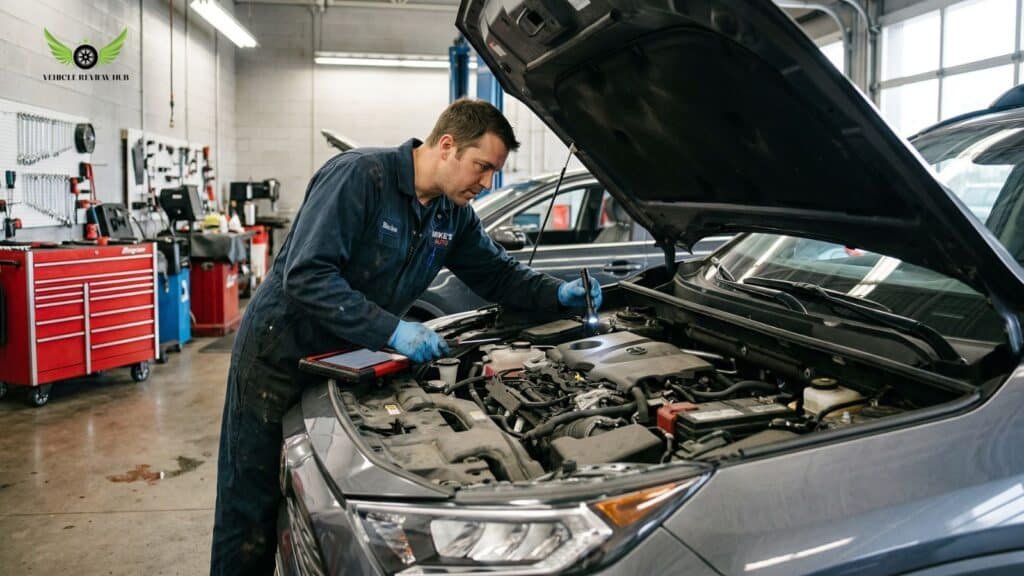
The 2026 model uses a structured service plan designed to keep performance stable over time and reduce the risk of major repairs. Toyota Land Cruiser Maintenance is based on scheduled intervals, meaning the vehicle is serviced regularly even if no visible problem appears. This approach is especially important for a hybrid SUV, where both the engine and electrical systems require consistent monitoring.
Regular maintenance typically includes engine oil and filter changes, tire rotation, brake inspections, fluid checks, and replacement of air and cabin filters. These services are not random—Toyota sets intervals because parts naturally wear out at predictable stages. For example, engine oil loses its protective quality over time, while filters gradually become clogged. By servicing the vehicle every 5,000–10,000 miles, owners can keep the system running efficiently and avoid hidden damage. This consistency plays a key role in maintaining Toyota Land Cruiser Reliability over the long term.
Following the correct schedule helps protect expensive components like the turbo engine and hybrid system. Ignoring maintenance may save money short term, but it often leads to higher repair costs and reduced performance later.
Mileage | Service | Key Tasks |
5,000 miles | Basic Check | Tire rotation, fluid inspection, visual check |
10,000 miles | Oil Service | Engine oil & filter change, brake inspection |
15,000 miles | Filter Service | Air filter, cabin filter, system diagnostics |
30,000 miles | Major Service | Full inspection, brake service, fluid replacement |
60,000+ miles | Advanced Service | Transmission fluid, spark plugs, hybrid system check |
Note: Schedule varies by usage & model year.
In real-world use, an average driver covering around 12,000 miles per year will need about 2–3 service visits annually. This aligns with the estimated $843 yearly Toyota Land Cruiser Maintenance cost, covering routine services and minor wear items.
Overall, this scheduled maintenance system is a major reason why the Land Cruiser continues to perform reliably over time, even under demanding driving conditions.
Toyota Service Intervals (Oil, Filters & Inspections per 5k–10k Miles)
The Land Cruiser follows a simple but important service pattern built around 5,000 to 10,000 mile intervals. This schedule is designed to keep the engine, filters, and key systems working smoothly over time. Toyota Land Cruiser Maintenance at these intervals focuses on routine care rather than major repairs, which helps prevent long-term damage.
At the lower interval (around 5,000 miles), the vehicle typically undergoes a general inspection. This includes checking fluid levels, rotating tires, and inspecting brakes and suspension components. By 10,000 miles, more essential services are performed, such as engine oil and oil filter replacement. As mileage increases, air filters and cabin filters are also replaced to maintain proper airflow and engine efficiency.
These intervals matter because engine oil gradually loses its ability to protect internal parts, while filters collect dust and debris that can restrict performance. Regular servicing ensures that the engine stays clean, properly lubricated, and efficient.
Skipping these services can lead to reduced fuel efficiency, overheating, and increased engine wear. In turbocharged systems, delayed oil changes can cause faster internal damage due to higher operating temperatures.
Mileage | Service | Impact |
5,000 miles | Inspection & Rotation | Helps detect early issues and improves tire life |
10,000 miles | Oil & Filter Change | Protects engine and maintains smooth performance |
15,000 miles | Air Filter Service | Improves airflow and fuel efficiency |
30,000 miles | Full Inspection | Reduces risk of major mechanical problems |
Note: Intervals may vary based on driving habits and model year.
Standard Warranty & Complimentary Maintenance (2 Years / 25,000 Miles)
The 2026 Land Cruiser is backed by a structured warranty plan that covers both short-term ownership risks and long-term component protection. Toyota Land Cruiser Maintenance is easier to manage in the early years thanks to Toyota’s included service program, which helps owners stay on schedule without extra cost.
The standard warranty includes 3 years or 36,000 miles of basic coverage, protecting most parts of the vehicle, and 5 years or 60,000 miles for the powertrain, which covers major systems like the engine and transmission. This coverage matters because it reduces unexpected repair expenses during the most critical ownership period.
For the hybrid system, Toyota provides extended protection. The hybrid battery and related components are typically covered for up to 8–10 years (depending on region) or around 100,000–150,000 miles, offering added confidence since these parts are more expensive to repair or replace. This extended support plays an important role in maintaining overall Toyota Land Cruiser Reliability.
In addition, Toyota includes complimentary maintenance for 2 years or 25,000 miles, covering routine services such as oil changes, tire rotations, and inspections. This ensures that early Toyota Land Cruiser Maintenance is done correctly, helping preserve performance and reduce long-term ownership issues.
Toyota Land Cruiser Service & Repair Costs
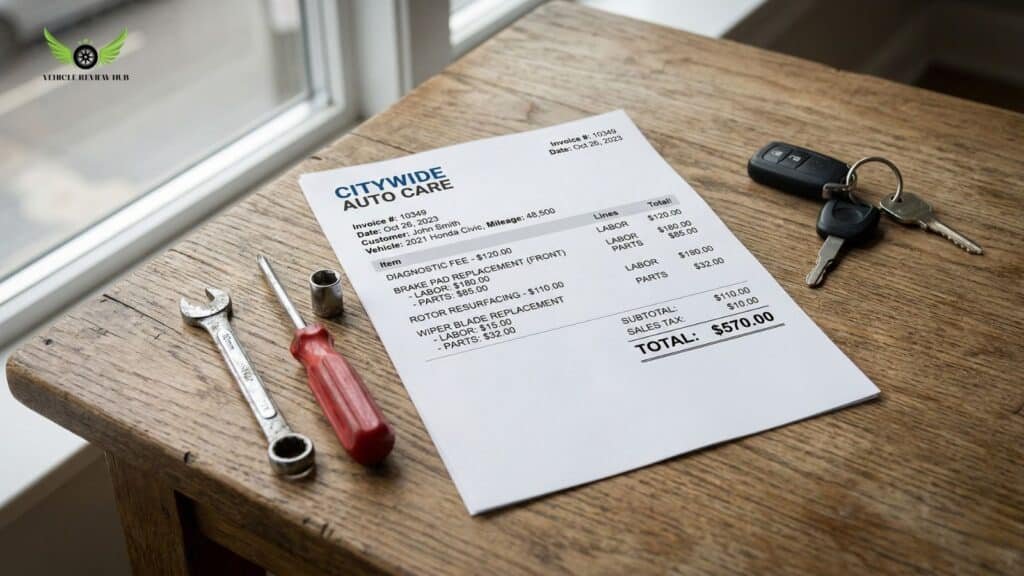
The 2026 model falls into the higher cost range when it comes to ownership, and Toyota Land Cruiser Maintenance reflects that reality. On average, owners can expect to spend around $843 per year, which is higher than many standard SUVs. This places it above the typical ownership cost SUV category, especially when compared to smaller or less complex vehicles.
There are several reasons behind these higher costs. The Land Cruiser is a large, body-on-frame SUV built for durability and off-road performance, which means heavier components and more strain on parts like brakes, tires, and suspension. In addition, the turbocharged hybrid system adds another layer of complexity, requiring more specialized servicing and increasing labor costs over time.
When compared to other full-size SUVs, the Land Cruiser is slightly more expensive to maintain. However, this does not mean it is unreliable. From a Toyota Land Cruiser Reliability standpoint, the cost is often tied to maintaining a stronger and more capable vehicle rather than frequent breakdowns.
In real-world ownership, expenses are typically spread across routine services and occasional part replacements.
Service | Cost | Frequency |
Oil Change | $90–$150 | Every 8,000–10,000 miles |
Tire Rotation | $20–$60 | Every 5,000–7,500 miles |
Brake Pad Replacement | $300–$600 | Every 30,000–50,000 miles |
Air & Cabin Filter | $60–$130 | Every 15,000–25,000 miles |
Transmission Service | $250–$450 | Every 60,000+ miles |
Hybrid System Inspection | $150–$300 | Once per year or as needed |
Overall, Toyota Land Cruiser Maintenance is higher than average, but it aligns with what you would expect from a full-size, high-performance SUV. Proper maintenance helps ensure long-term durability, stable performance, and fewer unexpected repair issues.
Estimated Annual Maintenance Cost (Approx. $843 per Year)
The average Toyota Land Cruiser Maintenance cost is about $843 per year, which places it above many standard SUVs. This yearly estimate includes routine services such as oil changes, filter replacements, brake inspections, tire rotations, and minor repairs that occur during normal use.
When compared to the full-size SUV segment, the Land Cruiser is slightly more expensive to maintain. Most full-size SUVs average around $784 per year, so the difference shows that this vehicle requires a higher maintenance budget. This is mainly due to its larger size, heavier components, and advanced engineering, including the turbocharged hybrid system.
Another key reason for the higher cost is its build quality. The Land Cruiser is designed for durability and off-road performance, which means it uses stronger but more expensive parts. In addition, servicing a more complex vehicle often requires more time and skilled labor.
However, the actual yearly cost can vary depending on driving conditions, mileage, and maintenance habits. Regular servicing and careful driving can help keep Toyota Land Cruiser Maintenance costs more consistent and prevent unexpected expenses over time.
Long-Term Service Cost Expectations
Over time, owning this SUV becomes more expensive as wear and aging parts start to impact overall performance. Toyota Land Cruiser Maintenance is relatively stable in the early years, but costs begin to rise after the vehicle crosses the mid-life stage.
In the first 3–5 years, most expenses come from routine servicing such as oil changes, filters, and inspections. These costs are predictable and easier to manage. However, after 5 years, larger components such as brake systems, suspension parts, and cooling components may require replacement, increasing overall spending.
Older Land Cruisers typically cost more because of accumulated wear and the need for deeper repairs. Even though the vehicle is known for durability, no SUV is maintenance-free over the long term. As mileage increases, labor time and part costs also rise, especially for a heavy-duty vehicle.
The hybrid system adds another layer to long-term ownership. While it improves fuel efficiency, components like the battery and electrical systems can become expensive if issues appear later. This affects overall Toyota Land Cruiser Reliability, as complexity increases with age.
In a typical 5–10 year ownership scenario, costs stay moderate early on, then gradually increase, with the highest expenses usually appearing in the later years. Proper maintenance and careful driving can help control long-term costs and extend the vehicle’s lifespan.
Toyota Land Cruiser Reliability Ratings & Ownership Data
The Land Cruiser has always been known for its strong durability, but modern data presents a more realistic view of ownership. Toyota Land Cruiser Reliability is still solid in terms of build quality and long-term use, yet current ratings show it is no longer among the top performers in its class.
Reliability ratings today are based on factors like repair frequency, cost of fixes, and how serious those issues are. According to available data, the Land Cruiser holds a 2.5 out of 5 rating from RepairPal, which places it below average compared to many other SUVs. This score is influenced more by higher repair costs and complexity rather than constant mechanical failures.
At the same time, Consumer Reports considers the newer Land Cruiser models to have average reliability. This means owners can expect dependable performance overall, but not the extremely low-maintenance experience seen in older generations. The shift to a turbocharged hybrid system plays a role here, as newer technology increases efficiency but also adds more components that require attention over time.
Historically, the Land Cruiser built its reputation on simple engineering and the ability to perform in harsh environments. Many older models lasted decades with proper care, which is why it became known as one of the most reliable SUVs globally. However, modern versions focus more on comfort, fuel economy, and advanced features, which changes how reliability is measured today.
Source | Score | Meaning |
RepairPal | 2.5 / 5.0 | Below average rating due to higher repair cost and severity |
Consumer Reports | Average | Balanced reliability, not leading the segment |
J.D. Power | Around 75–80 / 100 | Moderate dependability and owner satisfaction |
Overall, Toyota Land Cruiser Reliability remains dependable in real-world use, but it is now more closely tied to maintenance cost and system complexity rather than just long-term mechanical strength alone.
RepairPal Reliability Score
The Toyota Land Cruiser Reliability rating from RepairPal is 2.5 out of 5.0, which places it below the average for full-size SUVs. This score is calculated using three main factors: how often repairs happen, how serious those repairs are, and how much they cost.
In real ownership terms, Land Cruiser drivers make about 0.7 repair visits per year for unexpected issues. This is slightly higher than many other SUVs, showing that problems can occur more frequently. In addition, around 21% of those repairs are considered severe, meaning they involve major components and higher expenses rather than simple fixes.
The main reason for the lower rating is not constant breakdowns, but cost. The Land Cruiser uses heavy-duty parts and advanced systems, including a hybrid setup, which makes repairs more expensive when something goes wrong. Even if issues are not frequent, higher repair bills reduce the overall reliability score.
Overall, Toyota Land Cruiser Reliability remains acceptable for daily use, but the RepairPal rating highlights that ownership involves higher repair costs and a greater chance of more serious issues compared to many other SUVs.
Consumer Reports Reliability Outlook
Consumer Reports predicts the latest model will deliver “about average reliability”, placing it in the middle range among modern SUVs. This means owners should expect a generally stable experience, but not a completely trouble-free one.
In practical terms, “about average reliability” indicates that the vehicle is likely to perform well for daily driving, with occasional issues that are typical for newer models. It is neither among the most dependable vehicles nor among those with frequent problems. This balanced rating reflects a mix of solid engineering and the added complexity of newer technology.
The prediction is based on recent model data and early ownership trends rather than long-term history. Since the latest Land Cruiser uses updated systems, including a hybrid setup, Consumer Reports evaluates reliability using similar models and initial feedback instead of decades of proven performance.
This approach differs from RepairPal. While Consumer Reports focuses on predicted reliability and owner experiences, RepairPal measures actual repair frequency, severity, and cost. Because of this, Toyota Land Cruiser Reliability may appear average in Consumer Reports but lower in RepairPal due to higher maintenance and repair expenses.
Overall, the outlook suggests a dependable SUV with modern technology, but without the extremely high reliability reputation seen in older generations.
Toyota Land Cruiser Common Issues & Recalls
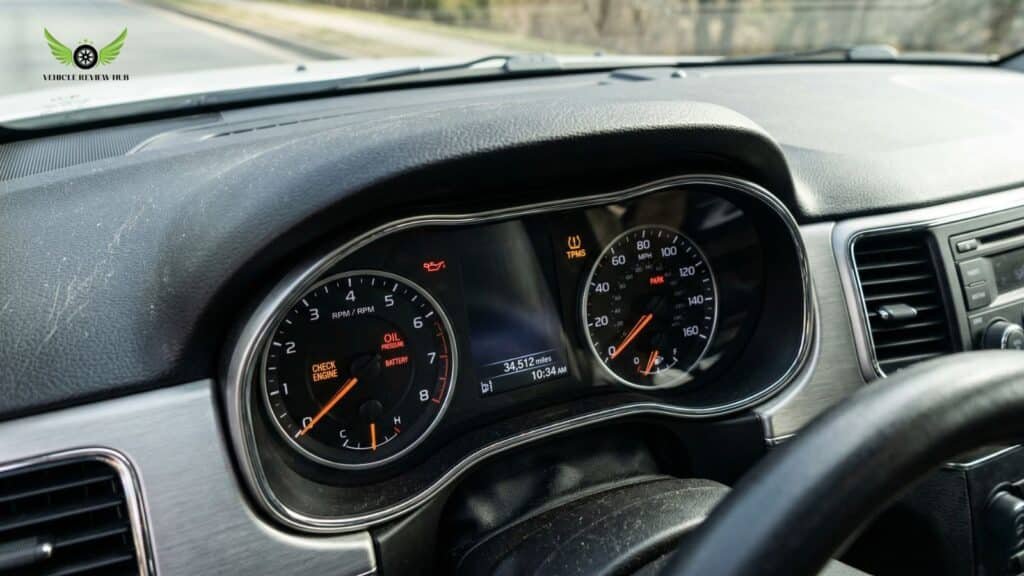
The 2026 Land Cruiser is not known for widespread failures, but it does have a few confirmed issues and recall-related concerns that owners should understand. Toyota Land Cruiser Maintenance becomes especially important with this model because modern systems rely more on electronics, sensors, and software compared to older versions.
One of the most notable confirmed issues across recent Land Cruiser models is related to the fuel pump. In certain cases, a defective low-pressure fuel pump can fail and cause the engine to stall. This is considered a serious issue because it directly affects drivability and safety. Toyota has addressed this through official recall campaigns, replacing faulty components at no cost.
Another known concern involves backup camera system malfunctions. Some vehicles may experience a delayed or blank camera display when shifting into reverse. This issue is typically linked to software or display system faults and has also been addressed through recalls or software updates.
There are also reports of transmission hesitation or rough shifting, particularly in early production units. This is usually related to transmission control software rather than mechanical failure. In most cases, it can be corrected with updated programming during service visits.
Additionally, minor issues such as brake noise, sensor warnings, or infotainment glitches may appear. These are generally low-severity problems and are often resolved through routine service or technical updates.
Issue | Cause | Severity | Fix |
Fuel pump failure | Defective internal component | High | Recall replacement |
Backup camera malfunction | Software/display system error | Medium | Software update or recall fix |
Transmission hesitation | Control software calibration | Medium | Software update |
Sensor warning alerts | Electronic sensor sensitivity | Low | Reset or recalibration |
Brake noise | Wear or design-related factors | Low | Inspection and adjustment |
Overall, Toyota Land Cruiser Reliability remains acceptable, but it is no longer defined by simplicity alone. The shift toward advanced systems has introduced more software-related issues. Most problems are manageable and often resolved through recalls or updates, but staying current with Toyota Land Cruiser Maintenance is essential to avoid long-term complications.
Brake Squeal in Reverse (TSB Reports)
A minor issue reported in some Land Cruiser models is a squealing noise when reversing at low speed. This usually happens when backing out of a parking space or moving slowly in reverse. It is not a mechanical failure but a known condition addressed in technical service guidance.
The main reason behind this noise is brake pad vibration. When the brake pads press lightly against the rotor in reverse motion, small vibrations can occur. These vibrations create a high-pitched sound, especially when the brakes are cold or slightly damp. Environmental factors like humidity or overnight moisture can make the noise more noticeable.
In terms of severity, this is considered a low-level issue. It does not affect braking performance, safety, or stopping power in any way. Most drivers experience it occasionally rather than continuously.
Fixes usually involve updated brake components or anti-noise treatments applied during service. From a Toyota Land Cruiser Maintenance perspective, this issue is more about comfort than reliability and does not indicate any serious underlying problem.
Turbocharger Wastegate & Power Delivery Concerns
Some drivers have reported a slight hesitation during acceleration, especially at low speeds or when quickly pressing the throttle. This behavior is often linked to how the turbocharger and wastegate system manage boost pressure.
The issue is mainly related to turbo response timing. The wastegate controls how much exhaust gas reaches the turbo, and it may take a brief moment to build the required boost. In the latest Land Cruiser, this effect can feel more noticeable because of the hybrid-assisted powertrain, where the engine and electric motor must coordinate power delivery.
As a result, drivers may experience a short delay before full acceleration kicks in. Instead of instant power, the vehicle may feel like it builds speed gradually for a moment. This is more about system calibration and response tuning rather than a mechanical defect.
It is important to note that this concern is not widespread and does not affect overall performance or safety. In most cases, it is simply a characteristic of modern turbocharged hybrid systems.
From a Toyota Land Cruiser Maintenance perspective, this issue usually does not require repair unless the delay becomes excessive or inconsistent.
Safety Recalls & Technical Service Bulletins
Safety recalls are issued when a vehicle has a defect that could affect safety or does not meet required standards. For modern SUVs like the Land Cruiser, recalls are often linked to electronic systems, sensors, or software rather than major mechanical failures. Keeping up with these updates is an important part of Toyota Land Cruiser Maintenance.
A recent example affecting multiple Toyota models is the backup camera recall. In some cases, the rearview camera may not display properly when the vehicle is in reverse due to a software-related issue. This can reduce driver visibility and increase the risk of an accident, which is why it is treated as a safety concern and repaired at no cost.
Recalls matter because they directly impact critical safety features. When a recall is issued, manufacturers provide a fix for free, ensuring that the vehicle meets safety standards again. Ignoring these updates can lead to increased risk and may also affect long-term ownership value.
It is also important to note that not every Land Cruiser will have an active recall. Some model years may have no issues at all, while others may be affected depending on production details.
Owners can check recall status using the vehicle’s VIN through official Toyota or government websites. This quick check helps confirm whether any repairs are needed to keep the vehicle safe and fully updated.
Toyota Land Cruiser Maintenance & Reliability FAQs
Understanding real ownership concerns is important before buying or maintaining a full-size SUV. Below are some of the most common questions related to Toyota Land Cruiser Maintenance and reliability, with clear and direct answers based on real-world ownership insights.
Is Toyota Land Cruiser Maintenance expensive?
Yes, it is slightly higher than average. The yearly cost is around $843, which is more than many SUVs due to its size, durability, and advanced systems.
How reliable is the 2026 Toyota Land Cruiser?
Toyota Land Cruiser Reliability is considered average for newer models. It is dependable, but not as legendary as older versions due to added hybrid complexity.
How often does the Land Cruiser need servicing?
Most services are required every 5,000 to 10,000 miles. Regular maintenance is important to avoid long-term repair costs.
Are Land Cruiser repairs frequent?
Not very frequent, but when repairs happen, they can be more expensive than average due to premium parts and system complexity.
Does the hybrid system increase maintenance cost?
Yes, slightly. While it improves fuel efficiency, it adds complexity, which can increase diagnostic and repair costs over time.
What is the most common issue in newer models?
Minor issues like brake noise, software-related glitches, or sensor warnings are more common than major mechanical failures.
Should I worry about recalls?
No, recalls are normal for modern vehicles. They are fixed for free and help improve safety and performance.
Is Land Cruiser good for long-term ownership?
Yes, with proper maintenance, it remains a durable SUV. However, costs will increase over time, especially after 5–7 years.