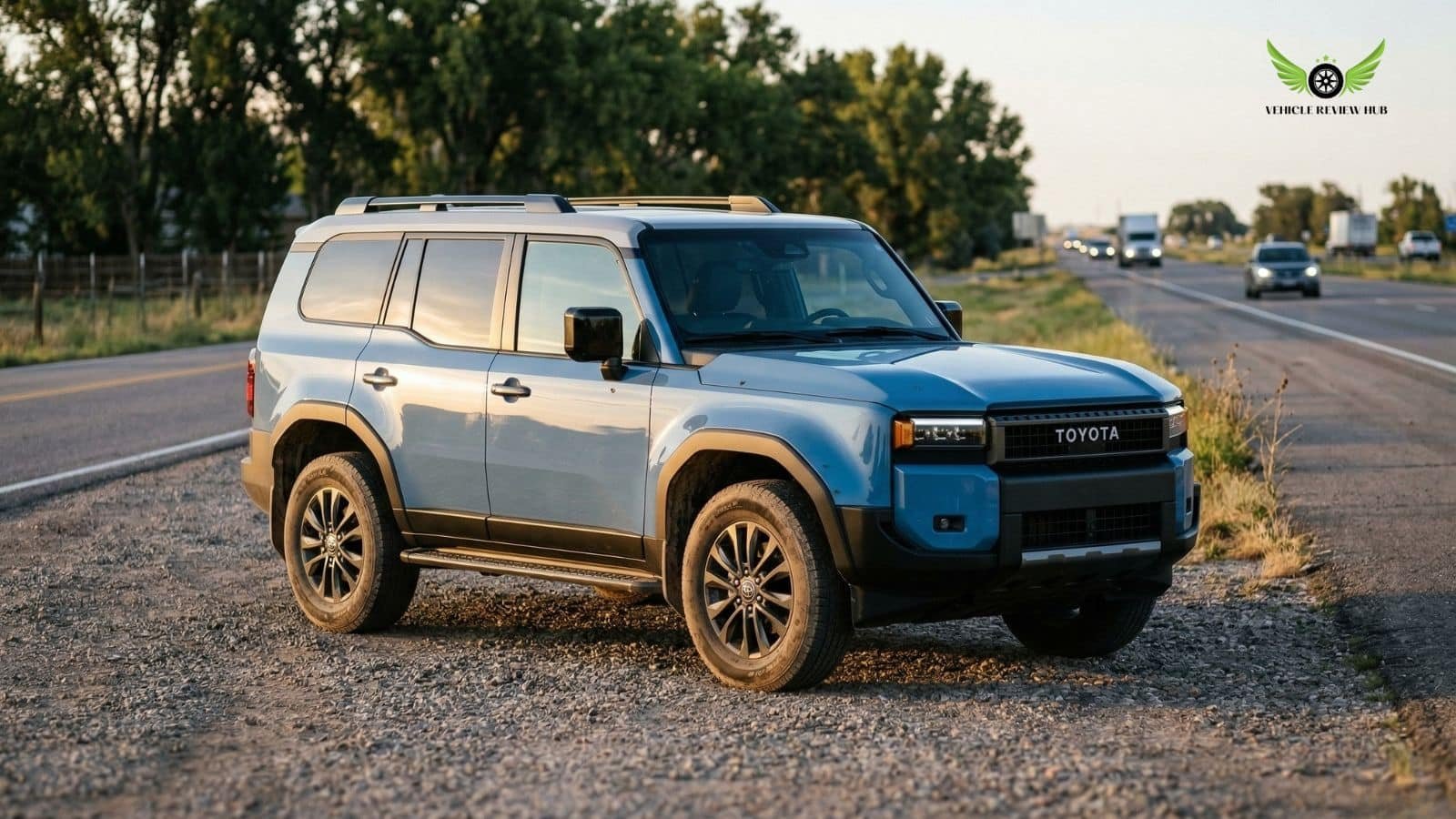
The Toyota Land Cruiser Ownership Cost goes far beyond the initial price tag—it reflects the complete financial commitment of owning a full-size SUV over time. When you combine fuel, insurance, maintenance, financing, and depreciation, the total cost of ownership SUV category for the Land Cruiser sits in the premium range, but it delivers strong long-term value.
Ownership cost mainly includes depreciation (the biggest factor), fuel expenses, insurance premiums, routine servicing, and occasional repairs. While fuel and insurance remain steady yearly costs, depreciation plays the most important role in how much money you actually lose over time. This is where the Land Cruiser performs better than many competitors.
The Toyota Land Cruiser Resale Value is one of its biggest strengths. Thanks to its proven reliability, global demand, and long lifespan, it holds value exceptionally well compared to other large SUVs. This means even after several years of use, you can recover a significant portion of your original investment.
In practical terms, a higher resale value SUV reduces your real ownership loss, even if upfront costs are higher. The Land Cruiser’s durability and strong market reputation make it a smart long-term choice for buyers who think beyond the purchase price.
Next, we’ll break down fuel, insurance, maintenance, and depreciation individually to give you a clear picture of where your money actually goes.
Toyota Land Cruiser Cost of Ownership
The Toyota Land Cruiser Ownership Cost should be viewed as a complete yearly expense rather than just a purchase price. In real-world conditions, most owners spend around $10,500 to $13,500 per year, depending on mileage, location, and financing. This places it in the higher range of ownership expenses SUV category, but the long-term value helps justify the cost.
Ownership cost includes fuel, insurance, maintenance, depreciation, and financing. Depreciation is the largest portion, even though it is not directly paid each year. Fuel is the most visible cost due to the SUV’s size and engine, while insurance stays relatively high because of its premium class. Maintenance remains moderate compared to other full-size SUVs, especially considering its durability.
Costs vary based on several factors. Higher annual mileage increases fuel and service expenses. Insurance depends on driver profile and region. Financing terms can significantly change the yearly cost, especially with higher interest rates. Driving conditions, such as city traffic or off-road use, can also impact wear and maintenance frequency.
Compared to other large SUVs, the Land Cruiser sits in the premium cost bracket, but it offers better reliability and fewer unexpected repairs, making expenses more predictable over time.
Cost Type | Annual Cost | Notes |
Fuel | $2,000 – $2,700 | Higher with city driving and fuel price changes |
Insurance | $2,400 – $3,200 | Varies by location and driver history |
Maintenance | $800 – $1,100 | Includes regular service and wear items |
Depreciation | $4,500 – $6,500 | Largest cost, depends on resale demand |
Financing | $1,300 – $2,000 | Based on loan terms and interest rate |
A typical owner driving about 13,000 miles per year may spend close to $12,000 annually, where fuel and insurance are the main out-of-pocket costs, while depreciation accounts for the biggest share overall. The Toyota Land Cruiser Ownership Cost remains high on paper, but its strong resale value SUV position helps reduce total financial loss over time.
Fuel, Insurance & Financing Expenses
Fuel, insurance, and financing are the most consistent and unavoidable parts of the Toyota Land Cruiser Ownership Cost. These three expenses form the foundation of yearly spending because they repeat every month or year, unlike occasional repair costs.
Fuel expenses depend mainly on mileage and efficiency. The latest Land Cruiser uses a hybrid setup, which improves fuel economy compared to older models, but it is still a large SUV. This means fuel remains a significant cost, especially if fuel prices increase or driving is mostly in the city. Insurance is another major factor, as premium SUVs typically carry higher coverage costs due to their value and repair expenses. Financing adds to the total if the vehicle is purchased through a loan, where interest rates and loan duration directly affect how much you pay annually.
Expense | Estimated Annual Cost | Key Factor |
Fuel | $2,000 – $2,700 | Mileage, fuel price, driving conditions |
Insurance | $2,400 – $3,200 | Driver history, location, coverage level |
Financing | $1,200 – $2,100 | Interest rate, loan term, down payment |
For example, an average driver covering around 13,000 miles per year may spend close to $6,500 annually on these three categories alone. If fuel prices rise or interest rates increase, this number can go higher.
Overall, these costs make up the largest share of ownership expenses SUV category, which is why they play a key role in determining the real yearly cost of owning a Land Cruiser.
Maintenance & Depreciation Compared to Segment Averages
The Toyota Land Cruiser Ownership Cost becomes more favorable when you compare maintenance and depreciation against other full-size SUVs. While some competitors may look affordable at first, their higher repair frequency and faster value loss often increase long-term expenses.
Maintenance costs for the Land Cruiser remain relatively stable due to its strong build quality and proven engineering. Routine servicing, brakes, and tires are the main expenses, and major mechanical issues are less common compared to luxury-focused rivals. This keeps ownership predictable and reduces unexpected repair bills over time.
Depreciation plays a much bigger role in total cost. It reflects how much value the vehicle loses as it ages. The Land Cruiser performs better than most in this area because of its global demand, durability, and reputation. As a result, it holds its value longer than many SUVs in the same segment.
Model | Maintenance Cost (5 yrs) | Depreciation % (5 yrs) |
Toyota Land Cruiser | $2,000 – $2,600 | ~34%–36% |
Chevrolet Tahoe | $3,200 – $4,200 | ~48%–52% |
Nissan Armada | $3,000 – $4,500 | ~45%–50% |
Range Rover | $4,500 – $6,500 | ~55%–60% |
This comparison shows a clear advantage. Even if upfront pricing is higher, the Land Cruiser loses less value over time and avoids high repair costs. That combination makes it more cost-efficient in real ownership scenarios.
Overall, its lower depreciation and controlled maintenance give it a strong edge, helping reduce the actual financial loss compared to most competitors in the segment.
Toyota Land Cruiser Depreciation & Resale Value
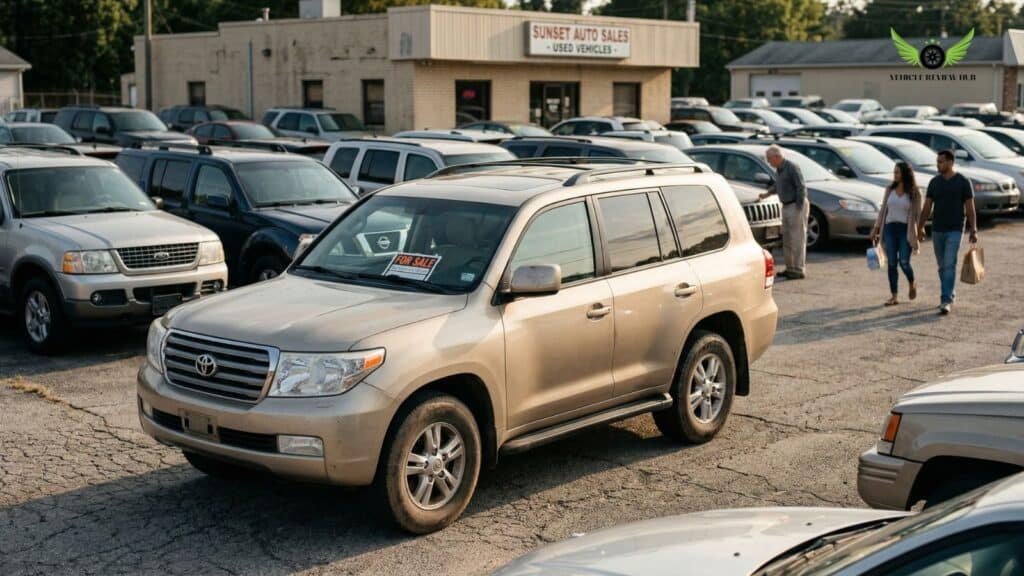
The Toyota Land Cruiser Resale Value is a major reason why this SUV remains a strong long-term choice. While many full-size SUVs lose value quickly, the Land Cruiser typically holds a large portion of its original price. With an estimated ~34.4% depreciation over five years, it performs better than most competitors, directly improving the overall Toyota Land Cruiser Ownership Cost.
Depreciation is the amount of value a vehicle loses as it ages. It depends on mileage, condition, market demand, and brand reputation. In most cases, SUVs in this segment can lose close to half their value within five years. However, the Land Cruiser stands out because of its long-lasting reliability, strong resale demand, and global reputation for durability.
One key factor behind this strong resale value SUV performance is buyer confidence. Many second-hand buyers specifically look for the Land Cruiser because it is known to last well beyond 200,000 miles with proper maintenance. This consistent demand helps keep resale prices stable and reduces sharp value drops.
Year | Value Loss % | Estimated Value |
Year 1 | ~15%–17% | $48,000 – $53,000 |
Year 2 | ~21%–24% | $44,000 – $49,000 |
Year 3 | ~27%–29% | $41,000 – $46,000 |
Year 4 | ~31%–33% | $39,000 – $43,000 |
Year 5 | ~34%–35% | $37,000 – $41,000 |
Based on an estimated starting price range of $55,000–$60,000. Actual values may vary depending on mileage, condition, and market trends.
From an ownership perspective, strong resale value reduces your real financial loss. Even though the purchase price is higher, you recover more money when selling or trading the vehicle.
In simple terms, the Toyota Land Cruiser Ownership Cost becomes more manageable over time because depreciation remains controlled. This makes it one of the most financially stable options in the full-size SUV segment.
5-Year Depreciation (Approx. 34.4% Estimated)
The Toyota Land Cruiser Ownership Cost is strongly influenced by its estimated ~34.4% depreciation over five years. This means the vehicle typically keeps about 65% of its original value, which is impressive for a large SUV and reduces the actual financial loss during ownership.
Depreciation shows how much value a vehicle loses over time due to age, mileage, and market demand. The Land Cruiser performs better than most because of its long-term reliability, strong reputation, and consistent demand in both new and used markets. Buyers often prefer it for durability, which helps maintain stable resale prices.
When compared to similar full-size SUVs, many competitors lose around 45%–55% of their value within five years. This higher depreciation increases the real cost of ownership, even if the purchase price is lower. In contrast, the Land Cruiser’s slower value decline makes it more cost-efficient over time.
It’s important to note that the 34.4% figure is an estimate. Actual depreciation can vary depending on mileage, condition, service history, and market trends. However, it consistently remains among the best in its segment.
Resale Value vs Competitors
The Toyota Land Cruiser Resale Value stands out when compared with other full-size SUVs, making it one of the most financially stable options in its class. While many competitors lose value quickly after a few years, the Land Cruiser maintains a higher percentage of its original price, which helps reduce the overall Toyota Land Cruiser Ownership Cost.
Most large SUVs experience heavy depreciation due to high maintenance concerns and lower long-term demand. Models like the Nissan Armada or luxury-focused SUVs often drop below 50% value within five years. In contrast, the Land Cruiser benefits from strong buyer trust, long lifespan, and consistent demand in global markets, which keeps resale prices more stable.
This advantage comes from its reputation. Buyers know the Land Cruiser is built for durability and can handle high mileage without major issues. Because of this, used car buyers are willing to pay more, which directly supports higher resale value SUV performance.
Model | 5-Year Value Retention | Rank |
Toyota Land Cruiser | ~64%–66% | #1 |
Chevrolet Tahoe | ~52%–55% | #2 |
Nissan Armada | ~45%–50% | #3 |
Range Rover | ~40%–45% | #4 |
For buyers, this means less financial loss when selling or trading the vehicle. Even though the purchase price is higher, the Land Cruiser returns more value over time, making it a smarter long-term investment compared to most competitors.
Toyota’s Strong Value Retention in the USA
In the U.S. market, Toyota has a long-standing reputation for building vehicles that keep their value over time, and this plays a major role in the Toyota Land Cruiser Ownership Cost. American buyers often focus on long-term reliability and lower risk, which makes Toyota vehicles highly desirable in both new and used markets.
One of the main reasons behind this strong value retention is mechanical reliability. Toyota vehicles are known for lasting well beyond average mileage with fewer major repairs. This reliability reduces uncertainty for second-hand buyers, allowing sellers to maintain higher resale prices compared to many competitors.
The Land Cruiser goes even further by offering exceptional durability and a proven track record in demanding conditions. It is widely recognized as a vehicle that can handle years of use without significant performance decline. Because of this, demand remains steady even after several years, supporting strong resale value SUV performance.
Another important factor is consistent demand across different buyer groups. From families to off-road enthusiasts, many buyers actively look for used Land Cruisers, which helps keep resale prices stable.
Overall, this strong value retention means owners lose less money over time. Even with a higher upfront price, the Land Cruiser remains a smart financial choice in the U.S. market due to its ability to hold value consistently.
Toyota Land Cruiser Insurance & Financing Details

Insurance and financing are two of the most influential factors in the Toyota Land Cruiser Ownership Cost, especially for buyers who plan long-term ownership. These costs are consistent, unavoidable, and can significantly shape the total yearly expense of owning a full-size SUV.
Insurance pricing is mainly affected by vehicle value, repair costs, driver profile, and location. Because the Land Cruiser is a premium SUV with advanced features and expensive parts, insurers often classify it in a higher bracket. This leads to higher premiums compared to smaller vehicles. Coverage type also matters—full coverage with comprehensive and collision protection increases cost but is commonly required for financed vehicles.
Financing adds another layer to ownership cost. Buyers who choose auto loans must consider interest rates, loan duration, and down payment size. A longer loan term may reduce monthly payments but increases total interest paid over time. On the other hand, shorter terms mean higher monthly payments but lower overall cost.
Factor | Cost Impact | Notes |
Insurance | $2,600 – $3,500/year | Higher due to vehicle value and repair cost |
Driver Profile | Medium–High | Age, driving history, and location influence rates |
Coverage Type | Medium–High | Full coverage significantly increases premium |
Financing | $1,500 – $2,800/year | Depends on loan amount and repayment term |
Interest Rate | Medium | Higher rates increase total loan cost |
In a real-world example, a buyer financing a Land Cruiser with average credit may pay around $450–$650 per month, while insurance adds another $200–$300 monthly. Together, these costs form a major portion of the Toyota Land Cruiser Ownership Cost, making careful financial planning essential before purchase.
Average Insurance Premium (Approx. $2,700 per Year)
The Toyota Land Cruiser Ownership Cost typically includes an average insurance premium of around $2,700 per year, which is expected for a high-value full-size SUV. This amount reflects standard full coverage, which combines liability protection, collision coverage, and comprehensive insurance.
Insurance costs are higher for the Land Cruiser mainly because of its vehicle value and repair expenses. Premium SUVs require more expensive parts and specialized labor, which increases claim costs for insurers. As a result, insurance companies set higher premiums compared to smaller or less expensive vehicles.
Driver profile plays a key role in the final price. Factors such as age, driving history, credit score, and annual mileage directly affect insurance rates. A driver with a clean record and stable profile may stay close to the average, while younger drivers or those with previous claims may pay significantly more.
It’s important to remember that the $2,700 yearly estimate can vary depending on location, insurer policies, and personal risk factors. In some areas, rates may be lower, while in high-risk regions or for higher coverage levels, premiums can increase noticeably.
Financing Costs, Taxes & Loan Assumptions
Financing is a major part of the Toyota Land Cruiser Ownership Cost, especially for buyers using auto loans instead of paying cash. It includes the loan principal, interest rate (APR), loan term, and down payment, all of which directly affect both monthly payments and total cost over time.
Interest rate plays the biggest role in financing. Even a small increase in APR can add thousands of dollars to the total amount paid. Shorter loan terms reduce overall interest but increase monthly payments, while longer terms make payments easier but raise the total cost significantly.
Taxes also impact the final price. Buyers must pay sales tax, registration fees, and dealer-related charges, which can add a noticeable percentage to the vehicle’s price. When these costs are included in the loan, you end up paying interest on them as well, increasing the total expense.
For example, financing a Land Cruiser at around $55,000 with a 6.5% APR over 60 months could result in monthly payments close to $1,050. Over the loan period, the total interest may reach several thousand dollars, depending on the down payment and terms.
Overall, financing and taxes can significantly raise the real cost of ownership, so choosing the right loan structure is essential for better financial control.
Toyota Land Cruiser Long-Term Ownership Benefits
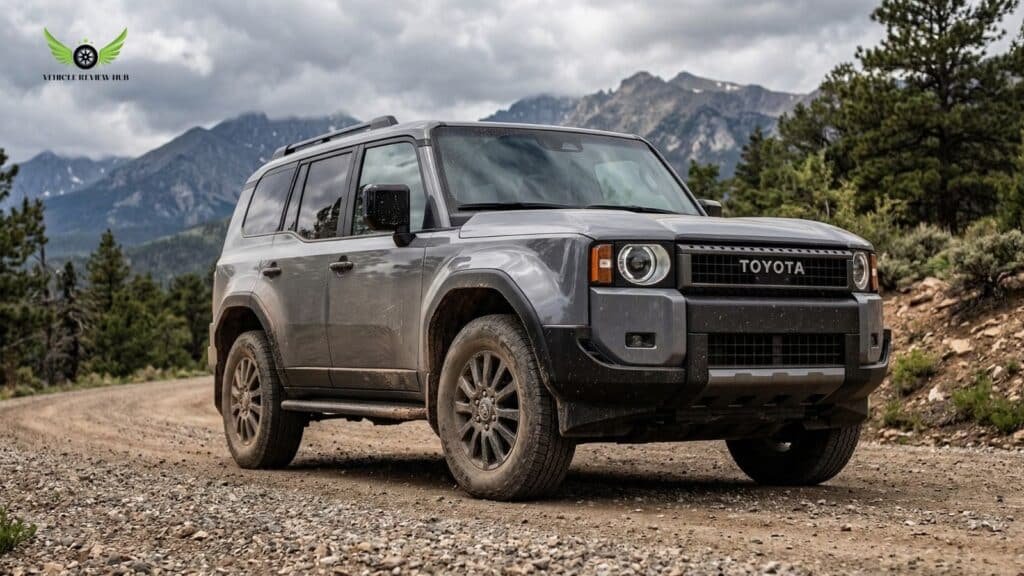
The Toyota Land Cruiser Ownership Cost becomes much more reasonable when evaluated over long-term use rather than short-term expenses. Although the upfront price and yearly costs are higher than average, the overall value improves significantly as the vehicle ages.
One of the main benefits is long-term durability. The Land Cruiser is engineered to handle extended use without major mechanical issues. This reduces the frequency of expensive repairs and allows owners to keep the vehicle for many years without facing unpredictable costs. In real-world ownership, this reliability translates into better financial stability.
Another key advantage is the Toyota Land Cruiser Resale Value. Unlike many SUVs that lose value quickly, the Land Cruiser maintains strong demand in the used market. Buyers are willing to pay a higher price for a vehicle known for reliability, which helps owners recover a larger portion of their investment when selling. This strong resale value SUV performance directly reduces total ownership loss.
The vehicle also delivers consistent performance over time. Whether used for daily commuting, long highway trips, or off-road driving, it maintains its capability without significant decline. This long usability means owners do not need to replace the vehicle frequently.
From a financial perspective, combining durability with strong resale value creates a clear advantage. Instead of dealing with rapid depreciation or high repair risks, owners benefit from steady costs and long-term reliability.
Overall, the Toyota Land Cruiser Ownership Cost is balanced by its ability to deliver dependable performance, maintain value, and provide long-term usability, making it a smart investment for buyers focused on lasting value.
Toyota Brand Reliability & Resale Leadership
Toyota’s reputation for reliability is built on consistent engineering, strict quality control, and long-term durability. Instead of frequent major changes, the brand focuses on refining proven systems, which reduces the risk of mechanical failure. This approach allows vehicles to perform reliably over many years, directly supporting the Toyota Land Cruiser Ownership Cost by minimizing unexpected repair expenses.
Brand trust plays a major role in resale performance. Buyers in the used market often look for vehicles that are known to last, and Toyota has earned that confidence over time. Because of this, demand for used Toyota vehicles remains strong, which helps maintain higher resale prices compared to many competitors.
The Land Cruiser benefits even more from this reputation. It is widely seen as one of the most durable SUVs available, capable of handling long-term use without major issues. This perception increases buyer willingness to pay a premium even after several years.
As a result, Toyota continues to lead in resale value SUV performance. The combination of reliability and strong market trust ensures that owners recover more of their investment, making long-term ownership financially more efficient.
Hybrid Incentives & Ownership Benefits
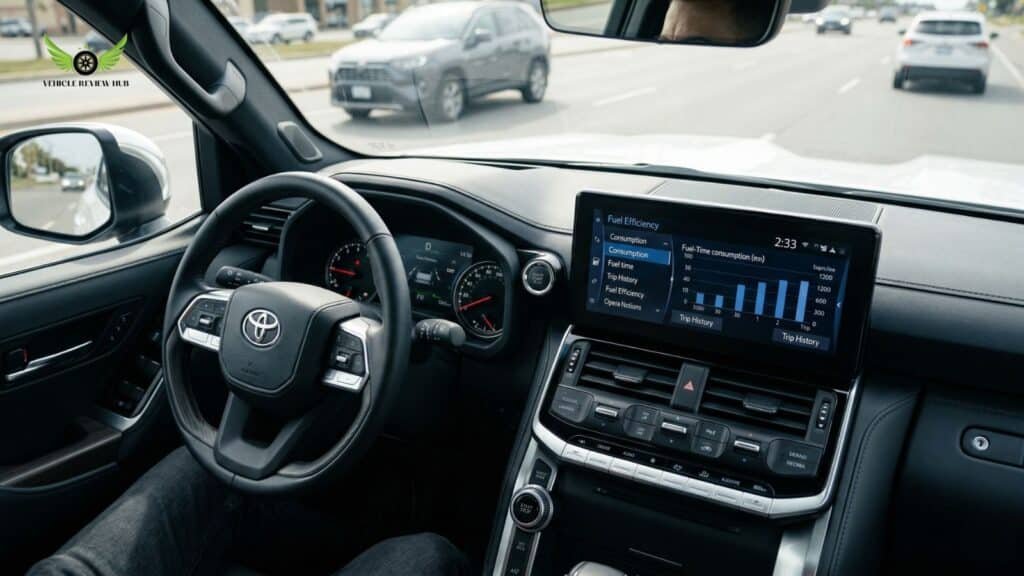
Hybrid technology adds practical advantages to the Toyota Land Cruiser Ownership Cost, mainly by improving efficiency and reducing long-term fuel spending. The Land Cruiser’s hybrid setup supports better fuel usage compared to traditional large SUVs, especially in stop-and-go city driving where electric assistance is most effective.
One of the key benefits is consistent fuel savings over time. Even a moderate improvement in fuel economy can lower yearly fuel expenses, which becomes significant over several years of ownership. This helps offset part of the higher upfront cost associated with a full-size SUV.
Incentives may also be available, but they are not guaranteed. Some regions offer tax benefits, reduced registration fees, or lower road taxes for hybrid vehicles. However, these programs vary widely depending on local government policies. In many cases, standard hybrids receive smaller incentives compared to plug-in or fully electric vehicles.
Another advantage is lower environmental impact, which can be important for buyers focused on efficiency and sustainability without switching to a fully electric vehicle.
It’s important to note that incentives depend on region, regulations, and eligibility rules, so benefits can differ from one location to another. Even without major incentives, fuel savings alone make hybrid ownership more cost-efficient over time.
Future Updates & Software Support
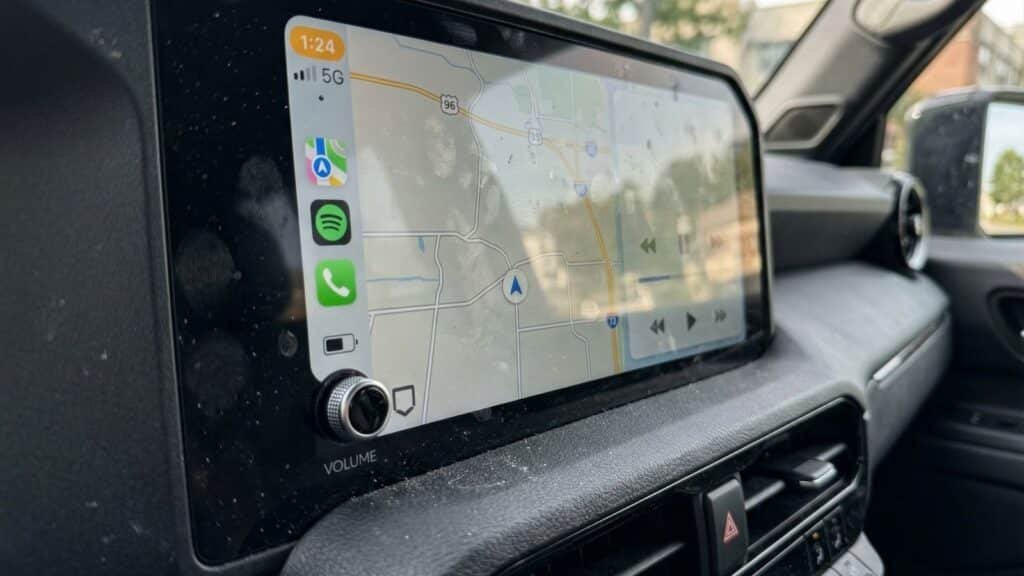
Software support is becoming an important part of modern vehicle ownership, and it also influences the Toyota Land Cruiser Ownership Cost over time. Today’s Land Cruiser includes digital systems that manage infotainment, navigation, connectivity, and user settings, all of which may receive updates during the vehicle’s life.
These updates can include interface improvements, navigation data refresh, bug fixes, and connectivity enhancements. Instead of relying only on physical servicing, some updates can be delivered through over-the-air (OTA) technology, allowing the system to improve without visiting a dealership.
OTA updates are valuable because they save time and improve convenience. Owners can keep their vehicle’s software current without interrupting daily use. This helps maintain a modern driving experience even after several years of ownership.
Software support also matters for long-term value. A vehicle with updated systems feels more current and functional, which can positively influence resale demand.
However, not all systems are updated remotely. Certain technical updates may still require dealership service, depending on the system and update type.
Overall, regular software support helps keep the Land Cruiser relevant, improving ownership experience and supporting long-term value.
Toyota Land Cruiser Ownership FAQs
Understanding the Toyota Land Cruiser Ownership Cost often raises important questions about long-term expenses, resale, and overall value. Below are some common questions with clear, direct answers to help buyers make informed decisions.
Is the Toyota Land Cruiser expensive to maintain?
Maintenance costs are moderate for a full-size SUV. Due to strong reliability, it generally avoids frequent major repairs, keeping long-term costs predictable.
What is the average yearly ownership cost?
Most owners spend around $10,000 to $13,500 per year, depending on driving habits, fuel prices, insurance, and financing terms.
Does the Land Cruiser have strong resale value?
Yes, it is known for high value retention. It typically keeps about 65% of its value after five years, which is higher than many competitors.
Why is insurance relatively high?
Insurance costs are higher because of the vehicle’s premium price, repair costs, and overall replacement value.
Is the Land Cruiser a good long-term investment?
Yes, its durability, reliability, and resale strength make it a solid long-term ownership choice.
Does the hybrid system reduce ownership cost?
Yes, mainly through improved fuel efficiency, which lowers long-term fuel expenses.
How does financing impact total cost?
Financing increases the total amount paid due to interest. Loan terms and interest rates directly affect overall cost.
Is it suitable for long-term ownership?
Yes, the Land Cruiser is designed for long-term use and can maintain performance and reliability over many years.