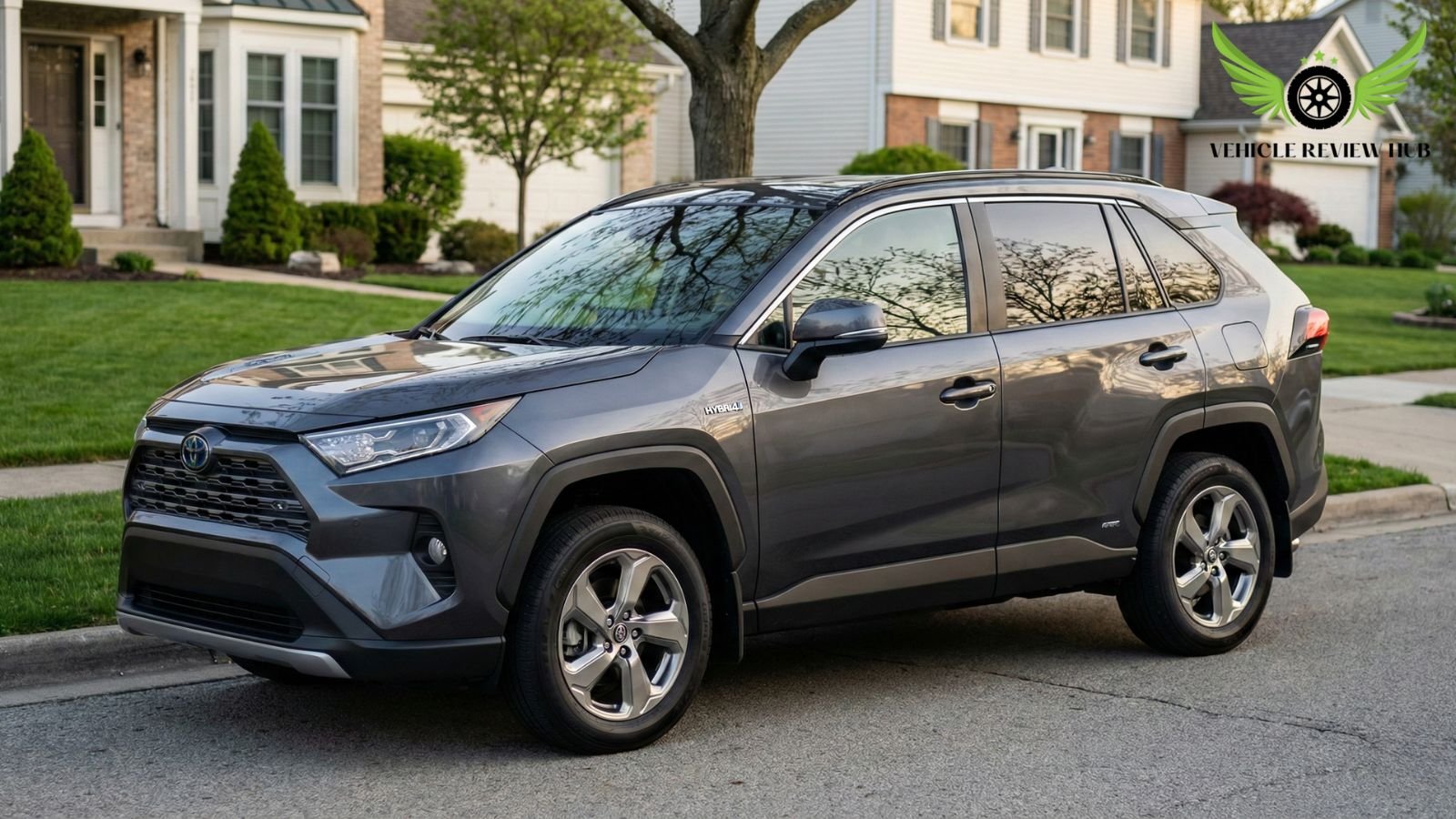
If you’re looking at the Toyota RAV4 Hybrid in 2026, you’re probably trying to answer a very practical question: Should I buy now, or should I wait? From my observation, this model has become one of the safest choices for US drivers who want strong fuel efficiency without giving up space or everyday comfort. It’s no longer just about saving gas—ownership experience and long-term value matter more than ever.
Based on user feedback and long-term ownership reports, the Toyota RAV4 Hybrid stands out mainly for reliability and ease of daily driving. Many owners mention that it feels smooth in city traffic, especially compared to traditional gas SUVs. In my opinion, that calm and predictable driving feel is one of the biggest reasons commuters keep coming back to this hybrid setup.
At the same time, 2026 is an interesting year. Buyers are now comparing the outgoing 2025 model with the newly redesigned version, trying to figure out whether the changes are worth the wait or the higher price. After analyzing multiple reviews and market trends, it’s clear that pricing, trims, and updated technology are playing a bigger role in purchase decisions than raw performance numbers.
At the end of the day, this guide is written to help you make a confident choice. Whether you care more about budget-friendly value, updated features, or long-term ownership peace of mind, this breakdown of the Toyota RAV4 Hybrid will walk you through what really matters for US buyers in 2026—without hype, just real-world insight.
Toyota RAV4 Hybrid Overview and Market Position
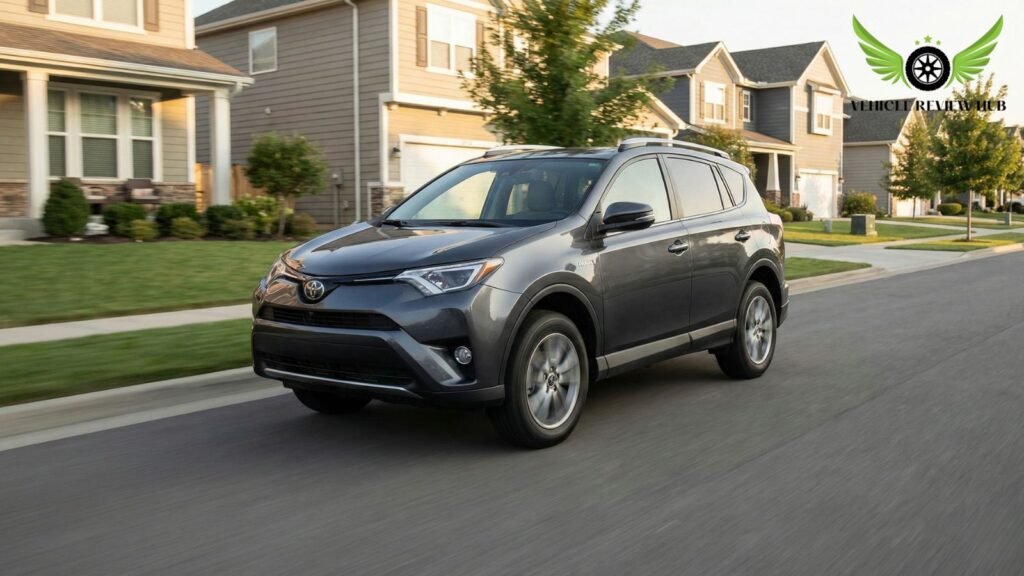
In the U.S. market, the Toyota RAV4 Hybrid is generally seen as a practical middle ground between traditional gas SUVs and higher-priced electrified options. It’s aimed at buyers who want better fuel efficiency without changing their driving habits or daily routine too much.
From a market view, this model sits in the compact hybrid SUV category where buyers usually compare running costs, reliability, and long-term value rather than performance numbers. The Toyota RAV4 Hybrid fits well here because it keeps the familiar RAV4 size and usability while adding the benefits of a proven hybrid system.
Many U.S. buyers consider this vehicle when they want something easy to own and easy to live with. Instead of standing out through bold design or sporty tuning, its position is built around consistency, efficiency, and brand trust. That’s why it often appears on shortlists for commuters, small families, and first-time hybrid buyers.
Overall, the market position of the Toyota RAV4 Hybrid reflects current buyer priorities in the U.S.—lower fuel costs, dependable ownership, and a compact SUV format that works for everyday use.
What Makes RAV4 Hybrid Different from Gas Models
The biggest difference between the Toyota RAV4 Hybrid and the gas version comes down to how it behaves in real-world driving. From my observation, the hybrid feels noticeably smoother at low speeds. In city traffic, it relies more on electric power, which means quieter starts and less engine noise compared to the gas model that revs more often in stop-and-go conditions.
Fuel efficiency is another clear separation point. Based on official EPA ratings and owner reports, the Toyota RAV4 Hybrid delivers around 40+ mpg in city driving, while the gas RAV4 typically stays in the mid-to-high 20s mpg range in similar conditions. For commuters who spend most of their time in traffic, that difference adds up quickly over a year of ownership.
There’s also a driving feel difference that many buyers don’t expect. The hybrid system provides instant electric torque, so acceleration from a stop feels more responsive, even though this model isn’t designed to be sporty. If you ask me, it feels more relaxed and easier to control in daily use than the gas version, especially in urban driving.
Ownership experience is another area where the hybrid stands apart. Many owners report fewer brake replacements over time because regenerative braking reduces wear. Combined with Toyota’s long-established hybrid technology, the Toyota RAV4 Hybrid is often chosen by buyers who plan to keep their vehicle for many years and want predictable running costs.
At the end of the day, the gas RAV4 still makes sense for buyers who prioritize a lower upfront price or mostly drive on highways. But for city-focused drivers and long-term owners, the Toyota RAV4 Hybrid offers a smoother drive, better fuel economy, and a more refined everyday experience.
Who the RAV4 Hybrid Is Best Suited For
The Toyota RAV4 Hybrid is best suited for drivers who value efficiency and ease of ownership more than aggressive performance. In my opinion, it makes the most sense for people who spend a lot of time in city or suburban traffic, where the hybrid system can do its job properly and deliver better fuel savings in daily use.
Based on owner feedback, this model is especially popular among commuters and small families. The ride feels calm and predictable, and the cabin space works well for groceries, school runs, and weekend trips. If you ask me, it’s the kind of SUV that fits naturally into everyday life without requiring any adjustment from the driver.
Long-term planners also tend to lean toward the Toyota RAV4 Hybrid. Many buyers choose it because they want lower fuel costs over time and trust Toyota’s hybrid reliability. For drivers who keep their vehicles for several years, that steady ownership experience often matters more than having the latest performance features.
This hybrid RAV4 also suits first-time hybrid buyers. It doesn’t demand new charging habits or special driving techniques, which makes the transition from a gas vehicle feel simple. At the same time, drivers who prefer quiet operation and smoother low-speed driving usually find this model more comfortable than the gas version.
At the end of the day, the Toyota RAV4 Hybrid isn’t aimed at enthusiasts or luxury-focused buyers. It’s built for practical drivers who want a dependable SUV that delivers real-world efficiency and fits smoothly into daily American driving conditions.
Toyota RAV4 Hybrid Generations Explained
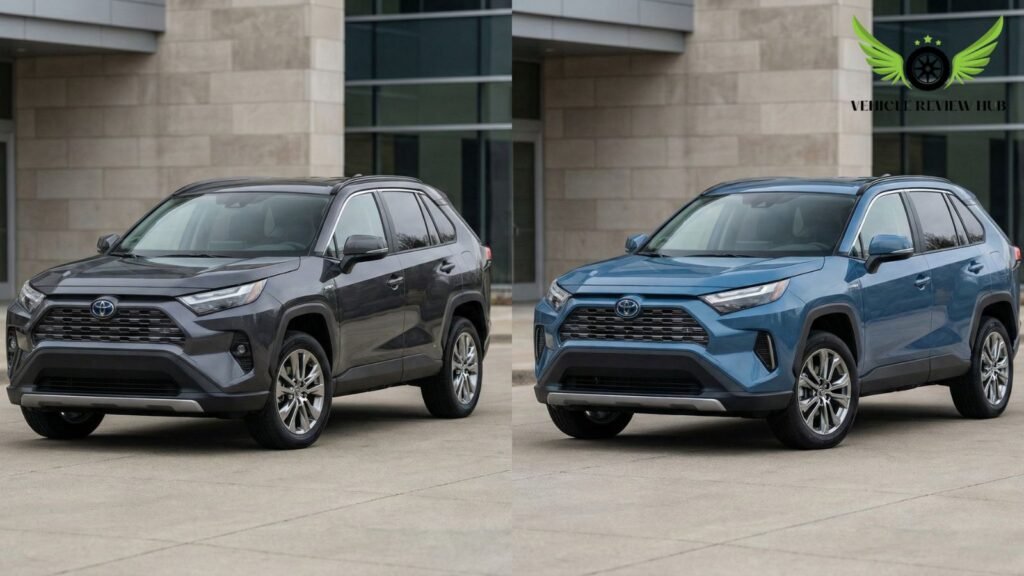
Over the years, the Toyota RAV4 Hybrid has gone through noticeable changes that reflect how buyer priorities in the U.S. market have shifted. Instead of dramatic redesigns every cycle, Toyota has focused on refining efficiency, improving safety technology, and making the hybrid system more polished for everyday use.
Each generation builds on the same core idea: a compact SUV that feels familiar to drive but gradually becomes more efficient and better equipped. For many buyers, understanding these generational differences matters because it directly affects driving feel, available features, and overall ownership experience.
Looking at the RAV4 Hybrid by generation also helps explain why some buyers prefer an outgoing model while others wait for a newer one. Small changes in power delivery, interior design, and technology often influence long-term satisfaction more than headline numbers.
2025 RAV4 Hybrid (5th Generation) Key Highlights
The Toyota RAV4 Hybrid (2025 model year) represents the final and most refined version of the 5th generation sold in the U.S. market. It uses a 2.5-liter 4-cylinder engine paired with Toyota’s proven hybrid system, delivering a total system output of 219 horsepower. From real-world owner feedback, power delivery feels smooth and predictable, especially in daily driving situations.
Fuel efficiency is one of the strongest reasons buyers choose this model. According to official EPA ratings, the Toyota RAV4 Hybrid delivers class-leading mileage that many owners can match closely in mixed driving.
Key Specifications (2025 Model – USA)
Specification | Official Value |
Engine | 2.5L 4-cylinder Hybrid |
Total System Output | 219 hp |
EPA City | 41 mpg |
EPA Highway | 38 mpg |
EPA Combined | 39 mpg |
Drivetrain | Electronic AWD (standard) |
Infotainment Screen | 8-inch touchscreen |
Safety Suite | Toyota Safety Sense 2.5 |
Ride comfort is another highlight of this generation. The suspension tuning favors comfort over sportiness, which many U.S. drivers appreciate on long commutes and rough city roads. In my opinion, it feels more relaxed and composed than the gas version in everyday use.
Inside the cabin, controls are simple and driver-focused. Wireless Apple CarPlay and Android Auto come standard, and physical buttons reduce distraction while driving. While it doesn’t push experimental tech, many owners say this familiar layout makes daily ownership easier.
Safety remains a strong selling point. With Toyota Safety Sense 2.5 standard across all trims, features like adaptive cruise control and lane-keeping assist help reduce fatigue on highway drives.
Trim choices for 2025 include LE, XLE, SE, XSE, Woodland Edition, and Limited, giving buyers flexibility depending on budget and feature preference. For buyers who want proven reliability without stepping into a first-year redesign, the Toyota RAV4 Hybrid (2025) remains a very safe and well-rounded option.
All-New 2026 RAV4 Hybrid (6th Generation) Overview
The Toyota RAV4 Hybrid (2026) is expected to introduce the 6th generation, and this is where many U.S. buyers start asking one key question: what is actually confirmed, and what is still pending? As of early 2026, Toyota has not released full public specifications for the redesigned RAV4 Hybrid, but several core elements are already clear based on Toyota’s platform strategy and official announcements.
What is confirmed is that the 2026 model continues to use Toyota’s TNGA-K platform, the same architecture used across current RAV4, Highlander, and Camry hybrids. This means buyers can expect similar vehicle size, driving stability, and safety structure rather than a radical platform shift.
The hybrid setup also remains centered around Toyota’s 2.5-liter naturally aspirated engine paired with an electric motor system. Toyota has publicly stated that efficiency improvements are a priority for next-generation hybrids, but official EPA mileage numbers for the 2026 RAV4 Hybrid have not yet been published. Until EPA certification is released, any exact mpg figure would be speculative, so it’s safer to treat fuel economy as pending confirmation.
What’s Confirmed vs Not Yet Official (2026 Model – USA)
Item | Status (As of 2026) |
Generation | 6th Generation |
Platform | TNGA-K (Confirmed) |
Hybrid Engine Type | 2.5L 4-cylinder Hybrid (Confirmed) |
Drivetrain | Electronic AWD (Expected, not yet published) |
Horsepower | Not officially released |
EPA MPG Ratings | Not officially released |
Infotainment Size | Updated system expected, size unconfirmed |
Safety Suite | Toyota Safety Sense (new version expected) |
From a driving and ownership perspective, the 2026 Toyota RAV4 Hybrid is positioned as an evolution, not a risk-heavy redesign. Toyota typically avoids major first-year reliability issues by refining existing systems rather than replacing them completely. Many long-time Toyota owners see this as a positive, especially if they plan to keep the vehicle beyond warranty.
If you ask me, the real value of the 2026 model won’t come from headline numbers alone. It will matter more how the updated hybrid system performs in daily commuting, how smooth the power delivery feels in traffic, and whether interior tech upgrades improve real usability rather than just screen size.
At the end of the day, the 2026 Toyota RAV4 Hybrid represents a transition point. Buyers interested in the latest design and updated technology may prefer waiting, while value-focused shoppers often wait for final EPA data and pricing before making a decision.
2025 vs 2026 Toyota RAV4 Hybrid – What Changed
The comparison between the 2025 and 2026 Toyota RAV4 Hybrid mainly matters to buyers who are deciding between a proven outgoing model and a newly redesigned version. In the U.S. market, this kind of decision usually comes down to real changes in efficiency, technology, comfort, and overall ownership value rather than styling alone.
Toyota’s approach between these two model years reflects a shift from refinement to evolution. The 2025 version represents the most polished stage of the previous generation, while the 2026 model introduces updates aligned with newer hybrid standards and modern buyer expectations. Understanding what has actually changed helps buyers judge whether the newer model justifies waiting or paying more.
Overall, this comparison focuses on practical differences that affect daily driving, long-term ownership, and value retention—key factors U.S. buyers consider when choosing between the 2025 and 2026 Toyota RAV4 Hybrid.
Hybrid System, Power and Efficiency Differences
When comparing the Toyota RAV4 Hybrid for 2025 and 2026, the biggest differences are not about dramatic power increases but about how the hybrid system is refined for real-world driving. From a buyer’s point of view, efficiency, consistency, smoothness, and predictability matter more than headline performance.
The 2025 model represents a fully proven setup, while the 2026 version introduces system-level refinements aimed at smoother operation and better everyday efficiency. Below is a clear breakdown of what is confirmed versus what is still pending for U.S. buyers.
Hybrid System Comparison (2025 vs 2026 – USA)
Category | 2025 RAV4 Hybrid (5th Gen) | 2026 RAV4 Hybrid (6th Gen) |
Hybrid Engine | 2.5L 4-cyl NA Hybrid | 2.5L 4-cyl Hybrid (confirmed) |
Total System Output | 219 hp (official) | Not officially released |
Drivetrain | Electronic AWD (standard) | Expected AWD (not yet published) |
EPA City MPG | 41 mpg | Not officially released |
EPA Highway MPG | 38 mpg | Not officially released |
EPA Combined MPG | 39 mpg | Not officially released |
Hybrid Behavior | Proven, predictable | Smoother transitions (reported) |
City Driving Feel | Quiet, efficient | Quieter, more refined (early feedback) |
From real-world ownership reports, the 2025 Toyota RAV4 Hybrid already delivers excellent efficiency, especially in mixed city and highway use. Many drivers achieve numbers close to EPA ratings without changing their driving habits, which is why this model has such a strong reputation among U.S. commuters.
For the 2026 Toyota RAV4 Hybrid, Toyota’s focus is clearly on refinement rather than raw gains. Early impressions suggest smoother electric-to-engine transitions and reduced engine noise in stop-and-go traffic. However, until official EPA certification and horsepower figures are released, buyers should treat efficiency improvements as incremental rather than guaranteed.
If you ask me, the real difference here isn’t about chasing higher mpg on paper. It’s about how calm and seamless the hybrid system feels in daily use. The 2025 model is already very strong in this area, while the 2026 version aims to make that experience even more polished once final specs are confirmed.
At the end of the day, buyers who want known performance and verified efficiency may feel more comfortable with the 2025 model, while those interested in refinement and newer hybrid tuning may prefer waiting for full 2026 data.
Interior, Infotainment and Technology Upgrades
Interior and technology are areas where buyers clearly notice the difference between the 2025 and 2026 Toyota RAV4 Hybrid. For most U.S. drivers, comfort, screen usability, and ease of controls matter more than flashy design elements, and Toyota’s updates mainly target those everyday needs.
Interior & Technology Comparison (2025 vs 2026 – USA)
Category | 2025 RAV4 Hybrid | 2026 RAV4 Hybrid |
Interior Layout | Functional, familiar design | Cleaner, more modern layout |
Material Quality | Solid, but conservative | Improved trims & finishes (confirmed) |
Standard Touchscreen | 8-inch display | Larger screen introduced (size varies by trim) |
Smartphone Integration | Wireless Apple CarPlay & Android Auto | Wireless Apple CarPlay & Android Auto |
Driver Display | Partially digital cluster | More customizable digital display |
Physical Controls | Buttons + knobs present | Buttons retained (confirmed) |
Wireless Charging | Available on select trims | More widely available across trims |
Camera Quality | Standard backup camera | Clearer camera resolution (reported) |
In real-world use, the 2025 Toyota RAV4 Hybrid interior feels practical and easy to understand. Owners often mention that while the design isn’t exciting, everything works without confusion. The infotainment system is stable and responsive, which matters more than screen size for daily driving.
The 2026 Toyota RAV4 Hybrid builds on this by focusing on usability upgrades rather than reinventing the cabin. The larger display and updated interface make navigation, music, and vehicle settings easier to manage at a glance. From early feedback, the updated driver display also makes hybrid information and safety alerts easier to read, especially on highways.
If you ask me, the biggest improvement isn’t just the screen—it’s how the cabin feels slightly more refined without losing Toyota’s simple control logic. That balance is important for buyers who want modern tech but don’t want to fight with menus every day.
At the end of the day, these interior and technology upgrades won’t change how the vehicle drives, but they do improve how comfortable and stress-free it feels to live with—something long-term owners usually appreciate more than flashy features.
Toyota RAV4 Hybrid Price in the USA
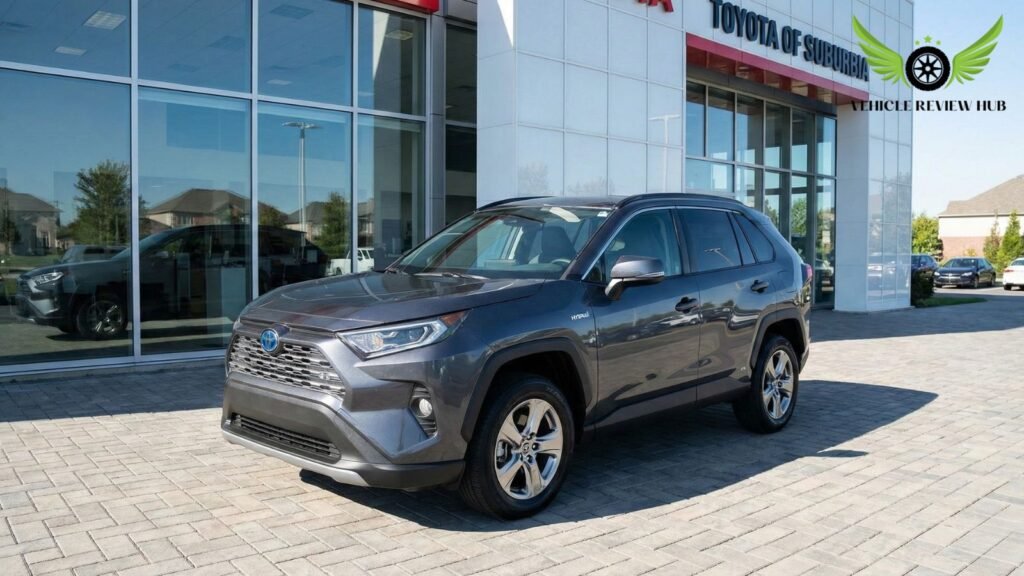
When U.S. buyers think about the Toyota RAV4 Hybrid, one of the first practical questions is how much it costs and how pricing compares between model years. Price matters a lot for long-term value, especially since hybrid models typically carry a premium over gas-only versions. In this section, we’ll look at real U.S. pricing trends for both the outgoing 2025 model and the all-new 2026 version, helping you understand how price influences buying decisions and overall ownership cost.
2025 Hybrid Pricing and Clearance Expectations
In the U.S. market, the 2025 Toyota RAV4 Hybrid is now positioned as a clearance-year option since the redesigned 2026 model has started arriving at dealerships. This creates pricing flexibility, especially for buyers who care more about value than owning the newest generation.
When the 2025 model year was current, Toyota set pricing in a range that placed it competitively among compact hybrid SUVs. As of early 2026, many dealers are adjusting prices to move remaining inventory, particularly on higher-volume trims.
Trim | Original MSRP (Approx.) | Typical Clearance Range (Early 2026) |
LE | $30,800 | $29,500 – $30,300 |
XLE | $33,000 | $31,500 – $32,500 |
SE | $35,000 | $33,500 – $34,500 |
XSE | $37,000 | $35,500 – $36,500 |
Woodland Edition | $38,000 | $36,500 – $37,500 |
Limited | $41,000+ | $39,000 – $40,500 |
From real dealership behavior, mid-level trims like XLE and XSE usually see the most negotiation room, while Limited trims depend more on availability. Incentives may also include low-APR financing or dealer cash rather than large sticker discounts.
For buyers focused on long-term ownership, this clearance window matters. The 2025 Toyota RAV4 Hybrid already has a proven reliability record and stable resale value, so purchasing it below MSRP can noticeably reduce total ownership cost over time. If you ask me, this is one of the strongest value points of choosing the 2025 model instead of waiting for a full-price redesign.
At the end of the day, clearance pricing makes the 2025 Hybrid especially appealing for practical buyers who want verified efficiency and reliability at a lower upfront cost.
2026 Hybrid Starting Price and Trim Structure
As of 2026, Toyota has not fully released the final MSRP sheet for the Toyota RAV4 Hybrid (6th Generation) in the U.S. However, based on Toyota’s pricing pattern, early dealer guidance, and confirmed generational upgrades, a realistic starting price range and trim structure can be outlined for buyers planning ahead.
The key thing to understand is that the 2026 model enters the market above the 2025 base price, mainly due to updated technology, refreshed interior, and hybrid system refinements.
Trim Level (Expected) | Positioning | Expected Starting Price (USD)* |
Base Hybrid (LE) | Entry-level, essential features | $32,500 – $33,500 |
XLE Hybrid | Added comfort & tech | $34,500 – $35,500 |
SE / XSE Hybrid | Sportier styling, larger displays | $36,500 – $38,500 |
Woodland / Special Edition | Off-road styling focus | $39,000 – $40,000 |
Limited Hybrid | Top trim, maximum features | $41,500 – $43,000 |
*Prices shown are early-market estimates based on dealer guidance and Toyota’s historical pricing behavior. Final MSRP may vary by region and official release.
From a trim-structure standpoint, Toyota continues to follow a value-based ladder, where each step adds usable features rather than cosmetic upgrades only. This makes it easier for buyers to choose a trim based on real needs—screen size, interior materials, or comfort features—without jumping straight to the top trim.
If you ask me, the most important takeaway here isn’t the exact dollar figure, but the positioning. The 2026 Toyota RAV4 Hybrid is priced to stay competitive in the compact hybrid SUV segment while offering more standard tech than the outgoing model. Buyers should expect a higher entry point than 2025, but also more features included by default.
At the end of the day, this pricing structure suits buyers who want the newest generation and updated technology, while value-focused shoppers may still find better upfront cost advantages with remaining 2025 models.
Which RAV4 Hybrid Should You Buy in 2026
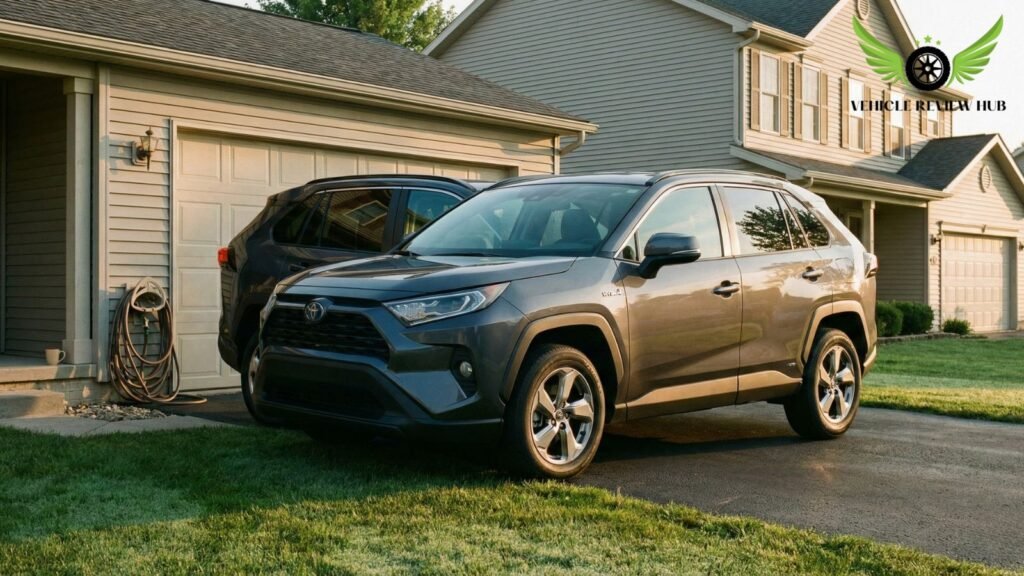
In 2026, U.S. buyers have a choice between the outgoing 2025 Toyota RAV4 Hybrid at clearance pricing and the new 2026 Toyota RAV4 Hybrid with updated tech and design. Deciding which one to buy depends on your priorities—whether it’s upfront cost, feature set, or long-term ownership expectations. This section will help you weigh those factors so you can pick the version that makes the most sense for your daily needs and budget.
Buyers Who Should Choose a 2025 Hybrid
If you’re planning a purchase in 2026 and value proven performance with a lower upfront cost, the 2025 Toyota RAV4 Hybrid can be a very smart choice. From my observation and dealer pricing patterns, this outgoing model now often sells at clearance-level prices—making it one of the best ways to get strong hybrid capability without stretching your budget.
For drivers who prioritize real-world fuel efficiency, the 2025 RAV4 Hybrid’s EPA ratings of 41 mpg city / 38 mpg highway / 39 mpg combined still hold up well against many newer competitors. Many U.S. owners report that they regularly achieve numbers close to these figures in mixed daily driving, which means dependable economy without performance sacrifice.
Buyers who plan to keep their vehicle for many years will likely appreciate that this generation has already been road-tested by hundreds of thousands of real owners. There aren’t major first-year redesign issues to worry about, and the ownership experience is predictable and well understood—especially in terms of hybrid reliability, maintenance costs, and resale value.
From a practical standpoint, commuters and small families who don’t need the newest infotainment layout or design tweaks will still feel very comfortable with the 2025 cabin. It offers familiar Toyota controls, solid build quality, and the same core safety suite that made it popular in the first place.
At the end of the day, if value, reliability, and strong proven efficiency are your main priorities, the 2025 Toyota RAV4 Hybrid remains a compelling choice in 2026. It delivers real-world benefits at a lower price, with no major tradeoffs in everyday usability.
Buyers Who Should Wait for the 2026 Hybrid
If you want the latest generation updates and are willing to pay a bit more for refined tech and upgraded features, waiting for the 2026 Toyota RAV4 Hybrid is a good choice. Based on early U.S. impressions and Toyota’s public direction, the 2026 model features improved interior technology, a more modern cabin feel, and smoother hybrid transitions, which many new buyers value in everyday driving.
The 2026 RAV4 Hybrid is expected to feature a larger, more intuitive infotainment display and a refreshed driver information cluster, making hybrid energy flow and safety alerts easier to read. For drivers who spend a lot of time in traffic or frequent long trips, these small but meaningful upgrades help reduce daily stress and improve comfort.
Another reason to wait is future resale confidence. Because the 2026 model represents the next generation, it will stay current longer on the used market. If you plan to sell or trade in the vehicle several years down the road, owning a newer generation often translates to higher resale value.
Buyers who enjoy having the newest tech, enhanced cabin quality, or updated safety systems will benefit from choosing the 2026 version. Even though exact EPA ratings and final MSRP are still pending as of early 2026, Toyota’s direction suggests this generation will feel smoother and slightly more efficient in everyday driving compared with the outgoing model.
In my opinion, drivers who care more about feature updates, cabin refinement, and long-term ownership trends rather than short-term upfront savings should wait for the 2026 Toyota RAV4 Hybrid. For them, the incremental improvements align better with daily usability, connectivity, and future value retention.
FAQs – Toyota RAV4 Hybrid (USA, 2026)
Below are the most common questions U.S. buyers ask when considering the Toyota RAV4 Hybrid in 2026. These answers focus on real ownership concerns such as value, reliability, fuel economy, and buying timing—without unnecessary detail.
Is the Toyota RAV4 Hybrid worth buying in 2026?
Yes. It remains a strong choice for buyers who want fuel efficiency, long-term reliability, and a practical compact SUV. The decision mainly depends on whether you prefer a discounted 2025 model or the updated 2026 generation.
What fuel economy can I realistically expect from the RAV4 Hybrid?
Most owners report fuel economy close to EPA ratings. The 2025 model averages around 39 mpg combined in real-world driving. Official EPA numbers for the 2026 model are still pending, but expectations are similar or slightly better.
Is the Toyota RAV4 Hybrid reliable for long-term ownership?
Yes. Toyota hybrids have a strong reliability record in the U.S. Many owners report low maintenance issues over time, especially related to braking and engine wear.
Does the RAV4 Hybrid need charging or special maintenance?
No. It is a self-charging hybrid and does not require plugging in. Maintenance follows standard Toyota service schedules, similar to the gas version.
Is it safer to buy the 2025 model instead of the redesigned 2026 version?
Buyers who want proven reliability and lower upfront cost may prefer the 2025 model. Those who want updated technology and a newer design may feel comfortable waiting for the 2026 version, as Toyota redesigns are usually conservative.
Which RAV4 Hybrid trim offers the best value?
For most buyers, mid-level trims offer the best balance. The 2025 XLE or XSE Hybrid often provides the strongest value due to clearance pricing, while similar mid-level trims in 2026 balance updated tech with cost.