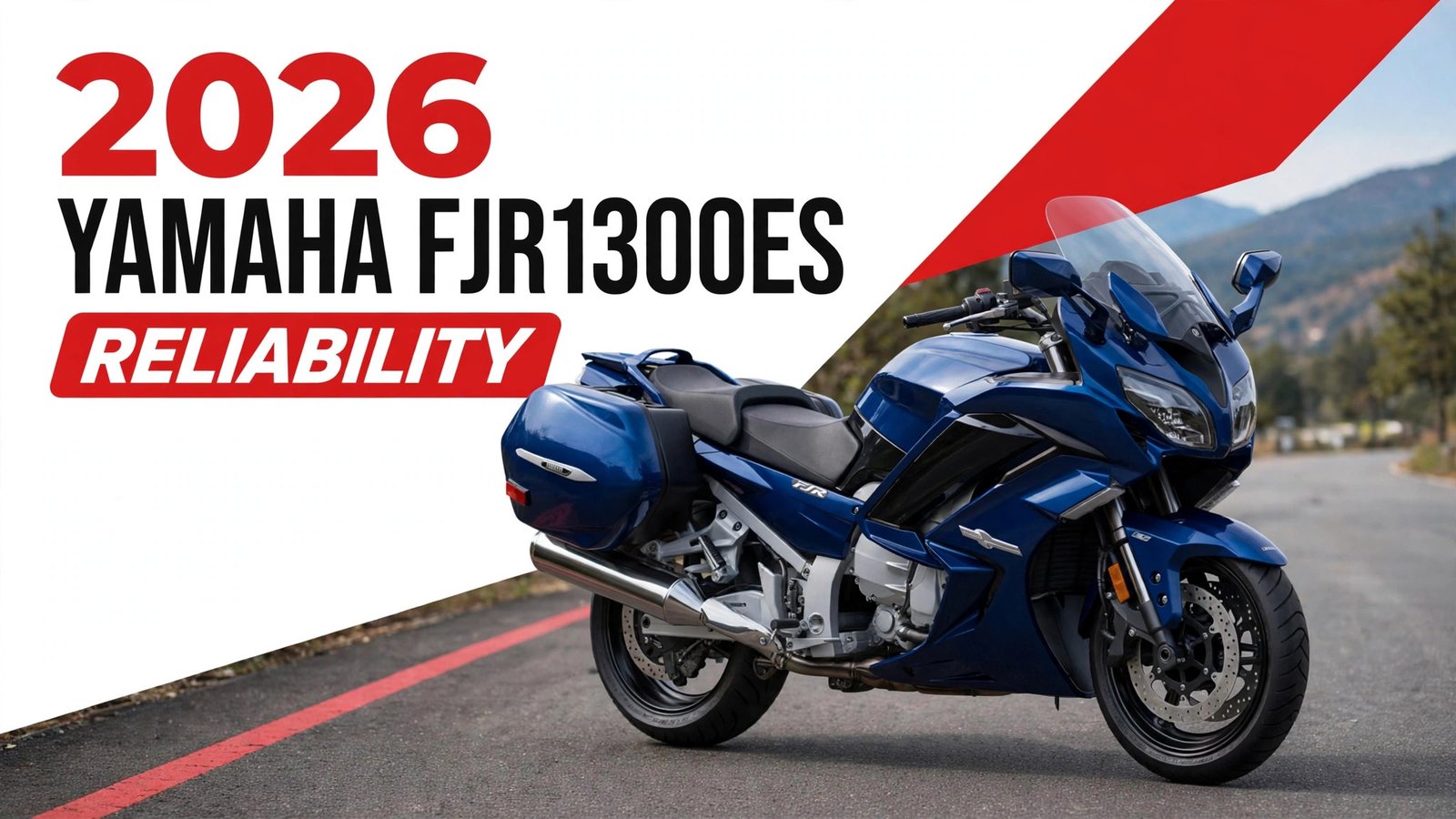
Yamaha FJR1300ES reliability is the main reason this sport-tourer has stayed in demand long after Yamaha stopped selling it new in the United States. The 1,298cc inline-four is famously understressed, shaft drive removes chain maintenance, and owners routinely report six-figure mileages with only scheduled servicing. That does not mean every used example is a safe buy: recalls touch the 2016–2021 bikes, the electronic suspension is expensive if it fails, and a neglected service book can turn a bargain into a bill. This guide covers the verified recall record, the real service schedule, wear items, and ownership costs — the full picture of Yamaha FJR1300ES reliability.
Yamaha FJR1300ES Reliability Overview
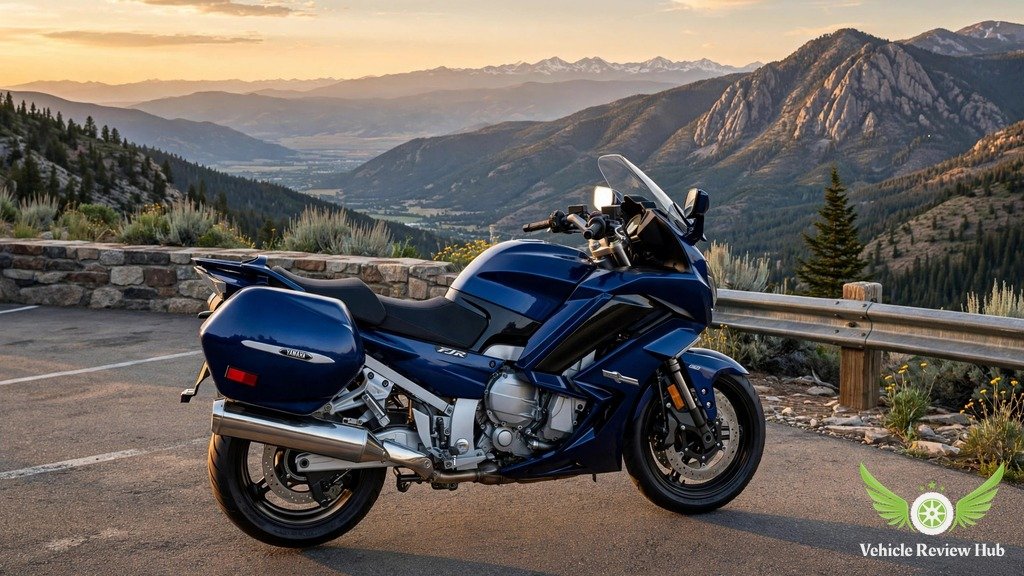
The headline verdict on Yamaha FJR1300ES reliability is strong, and it rests on more than marketing. The FJR platform has been in production since the early 2000s, with more than 100,000 sold worldwide, and the same basic engine and shaft-drive layout carried through to the final US model in 2024. Longevity claims for Yamaha FJR1300ES reliability are therefore backed by a deep owner record, not a single model year.
MCN Reliability 4.5 to 4.6 Out of 5 and High-Mileage Reputation Evidence
MCN’s owner reviews for the 2016–2021 FJR1300AE rate reliability at 4.5 out of 5, while MCN’s 2013–2015 FJR1300 page rates the earlier generation at 4.6 out of 5. Those two figures are the source of the “4.5 to 4.6” range, and they are owner ratings rather than a defect survey. The high-mileage reputation is consistent across owner sources: Devitt’s owner reviews call 100,000 miles “not unusual” for an FJR, and one long-term owner reported 70,000 km trouble-free with valves still in specification. For Yamaha FJR1300ES reliability, the honest summary is that the engine and chassis are proven over very high mileages, while the electronics and recall items below are where diligence pays.
How Mileage, Maintenance History and Previous Use Affect Reliability
Mileage alone rarely hurts Yamaha FJR1300ES reliability; missed servicing and hard previous use do. A 60,000-mile bike with a stamped book, recall paperwork and fresh shaft-drive oil beats a 15,000-mile bike that sat unridden for three winters with original brake fluid and a dead battery. Heavy two-up touring loads the rear suspension and shaft drive, while police or escort use means idling hours the odometer never shows. Ask for the service book first, then the recall letters, then evidence of the valve-clearance check at 26,600 miles. The FJR1300ES review covers specification and pricing by year, and the performance figures explain why this is a fast touring tool rather than a lightweight sportbike.
Yamaha FJR1300ES Common Problems and Wear Items
Honest Yamaha FJR1300ES reliability reporting means separating verified recalls from owner grumbles. The verified record is dominated by three campaigns — second gear, the ECU follow-up, and the front brake switch — plus an older ground-connector campaign on pre-ES bikes. The owner-reported list for Yamaha FJR1300ES reliability is shorter and softer: suspension units, batteries, fork seals and aging electrical connectors that mostly trace back to age, mileage or skipped maintenance.
Second Gear Recall 20V813 and Follow-Up ECU Recall 21V865 Explained
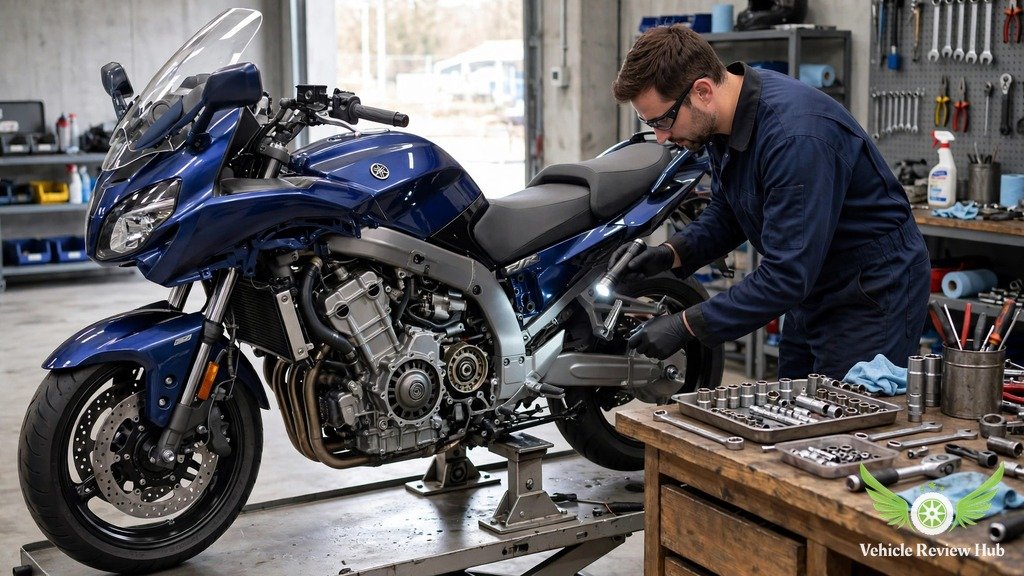
The most important chapter in Yamaha FJR1300ES reliability is the second-gear recall, and buyers should understand both halves of it. Under NHTSA campaign 20V813, Yamaha Motor Corporation, USA recalled certain 2016–2020 FJR1300A and FJR1300AE motorcycles — 2,285 units — because the second gear of the transmission could crack and break under high-speed loads. A broken gear could lock the transmission and rear wheel, causing a loss of control. The remedy, free of charge, was inspection and, as necessary, reprogramming of the Engine Control Unit (ECU) and replacement of the main axle and drive axle assemblies, under Yamaha recall number 990141. Owners were advised not to operate their motorcycles until the repair was performed, and the recall began in January 2021. The primary NHTSA record for 20V813 and webBikeWorld’s second-gear recall coverage both confirm those details.
The follow-up matters just as much for Yamaha FJR1300ES reliability. Under NHTSA campaign 21V865, Yamaha recalled certain 2016–2021 FJR1300 motorcycles — 2,462 units — because the ECU programming installed under 20V813 could be overly restrictive and prevent the engine from accelerating as the rider intended. The remedy was a further free ECU reprogram under Yamaha recall number 990152, with letters mailed in late 2021. Bikes previously repaired under 20V813 needed only the reprogram; unrepaired bikes needed the axle assemblies replaced as well. The primary record for 21V865 confirms the scope and remedy. For Yamaha FJR1300ES reliability, the buying rule is simple: a 2016–2021 bike needs paperwork for BOTH campaigns, not just the first one, and a seller who can only show the 20V813 repair has an unfinished job.
Shaft Drive, Suspension Units, Battery, Spider Connector and Electrical Checks
Beyond the recalls, the wear list for Yamaha FJR1300ES reliability is familiar touring-bike territory with one ES-specific warning. Shaft drive itself is a strength — no chain or sprockets — but the final drive still needs oil changes, spline grease at major services, and seal checks. A weeping final-drive seal or milky gear oil means water contamination and a repair that should be priced before purchase. Suspension is the ES-specific item: the electronic suspension unit is a dealer part, and owners report a replacement rear unit as the one big-ticket item. Test every electronic suspension setting on a test ride — a setting that will not change or a leaking unit is a negotiating point, not a minor flaw.
Batteries and electrics complete the Yamaha FJR1300ES reliability checklist. A tourer with heated grips, an adjustable screen, cruise control and accessory sockets is hard on an aging battery, especially after winter storage without a tender. The famous “spider” ground-connector story needs care: Yamaha’s factory campaign (11V338) for 2006–2009 FJR1300 models covered the S4 ground joint connector overheating and risking a stall — it does NOT cover ES-era bikes. Later owner reports describe a different ground connector (S6, under the glove box area) failing on individual bikes — owner-reported, not a recall. For Yamaha FJR1300ES reliability, the practical advice is to have ground connectors inspected and cleaned as preventive maintenance, and to treat any flickering lights, dead horn or dead screen motor as a connector check before assuming a major electrical failure.
Yamaha FJR1300ES Maintenance Schedule and Servicing
The service schedule is the backbone of Yamaha FJR1300ES reliability: a short first service, regular oil changes every 4,000 miles, and a small number of fixed replacement intervals. All figures below follow the owner’s manual periodic maintenance chart. Skipping services to save money is a false economy for Yamaha FJR1300ES reliability — the valve and shaft-drive items below punish neglect, and a missing valve-check stamp is the first thing an informed buyer will ask about.
Service Every 4,000 Miles, Engine Oil, Filters and Routine Maintenance
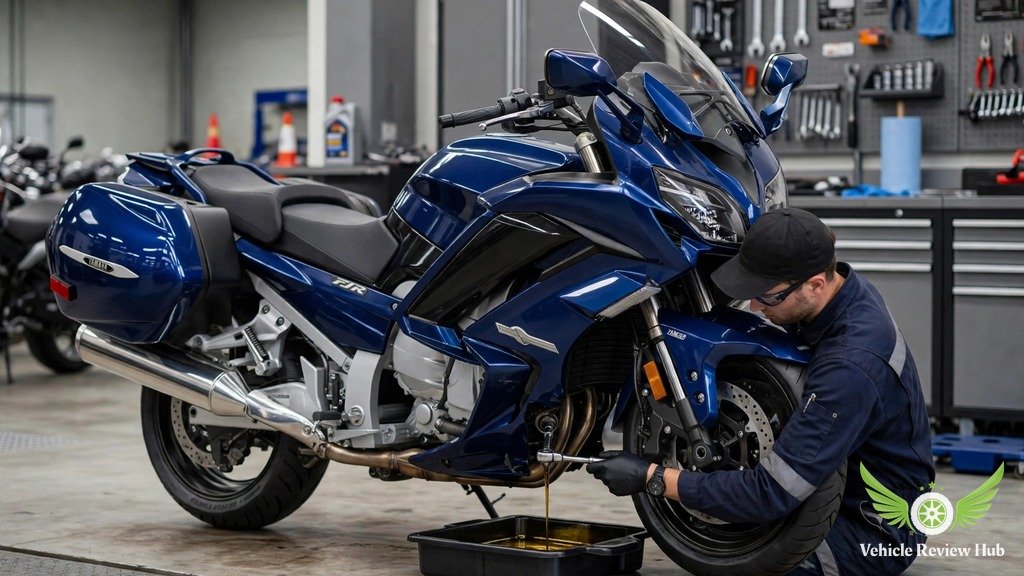
The rhythm of Yamaha FJR1300ES reliability is simple: a first service at 600 miles, when the engine oil, final gear oil and oil filter are changed, then routine servicing every 4,000 miles or 6 months. Engine oil is 10W-40, roughly 4.3 litres at an oil-and-filter change, and the oil filter is replaced at the same visit. Spark plugs are replaced every 8,000 miles or 12 months under the manual chart. Final gear oil is Yamaha shaft-drive gear oil, SAE 80W-90 API GL-5, just 0.20 litres, changed at break-in and per the chart. The 2016 FJR1300AE owner’s manual carries the full chart, and it is the document to follow when a forum post and the manual disagree.
Valve-Clearance Checks Around 26,000 to 26,600 Miles by Model Year
Two items deserve special attention for Yamaha FJR1300ES reliability, because buyers most often get them wrong. First, valve clearance: the owner’s manual chart specifies checking and adjusting valve clearance, with the engine cold, every 26,600 miles (42,000 km). Some guides round it to around 26,000 miles; the manual figure is 26,600 miles. It is a dealer job requiring special tools and fairing removal; owners report quotes roughly in the $300 to $550 range — owner-reported pricing, not a Yamaha price.
The video below shows a full Gen III FJR1300 valve-clearance check, step by step — the job behind the 26,600-mile interval in this Yamaha FJR1300ES reliability guide, and a good way to judge whether you want a dealer to do it.
| Service item | Interval (owner’s manual) |
|---|---|
| First service (engine oil, final gear oil, oil filter) | 600 miles (1,000 km) or 1 month |
| Routine service (engine oil and filter) | Every 4,000 miles (7,000 km) or 6 months |
| Spark plug replacement | Every 8,000 miles (13,000 km) or 12 months |
| Valve clearance check and adjust (cold engine) | Every 26,600 miles (42,000 km) |
| Final gear oil (SAE 80W-90 GL-5, 0.20 L) | Changed at break-in and per the manual chart |
| Air filter, brake fluid, coolant, hoses | Per the manual chart for your model year |
Yamaha FJR1300ES Tires, Brakes and Suspension Maintenance
Tires, brakes and suspension are the safety-critical half of Yamaha FJR1300ES reliability, and where a used bike hides its history. This is a 642-pound motorcycle that stops through linked UBS braking with ABS and steers through 48mm forks — none of it exotic, which is good news for Yamaha FJR1300ES reliability: tires, pads and fork seals are affordable and any competent shop can fit them.
Tire Condition, Pressure, Tread Wear and Replacement
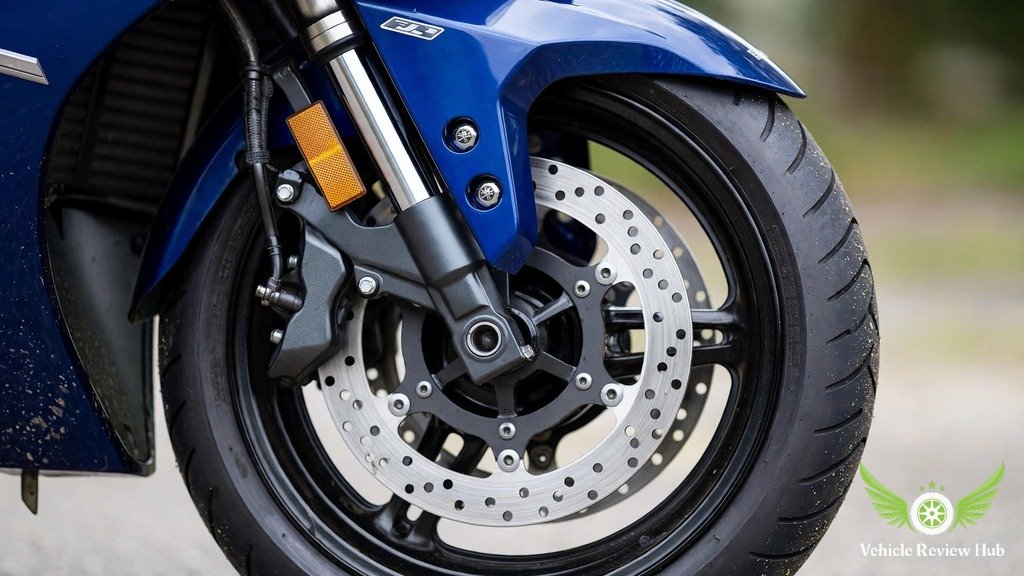
Check tires cold, before riding — a basic Yamaha FJR1300ES reliability habit. The FJR runs a 120/70ZR17 front and a 180/55ZR17 rear, and a heavy tourer squares off its rear tire faster, so inspect tread depth across the full width. Look for age cracking, cuts and date codes: a five-year-old tire grips less in the wet even with tread remaining. Correct pressures matter on a bike this heavy: under-inflated tires overheat and wear unevenly, while over-inflation shrinks the contact patch. Budget for a rear tire roughly every riding season if you tour heavily.
Brake Pads, Brake Discs, Electronic Suspension and Shaft Drive Checks
For Yamaha FJR1300ES reliability, brake pads are checked at every service visit and replaced when worn — never defer this cheap job, because scored discs cost far more. The linked UBS system with ABS shares braking effort between lever and pedal, so check pad thickness, disc scoring and warping, fluid colour, and ABS behaviour. Dark brake fluid means it is overdue, and soft lever feel usually means pads, fluid or air in the system rather than a failing ABS unit — reassuring for Yamaha FJR1300ES reliability. For the electronic suspension, cycle through every setting; a setting that will not change, a dash warning, or oil on the shock body all point to a unit that needs dealer attention. For the shaft drive, check the oil level cold, look for leaks, and listen for whining or clunking on the test ride.
Yamaha FJR1300ES Maintenance and Ownership Costs
Yamaha FJR1300ES reliability pays off in the running-cost column, with one exception to budget for. Fuel, oil and tires are ordinary touring-bike expenses, dealer servicing is straightforward, and parts remain available after two decades of production. The exceptions are the electronic suspension unit and recall work on a bike whose paperwork is missing — both can turn a cheap purchase expensive.
Fuel, Routine Servicing, Tires and Replacement Parts
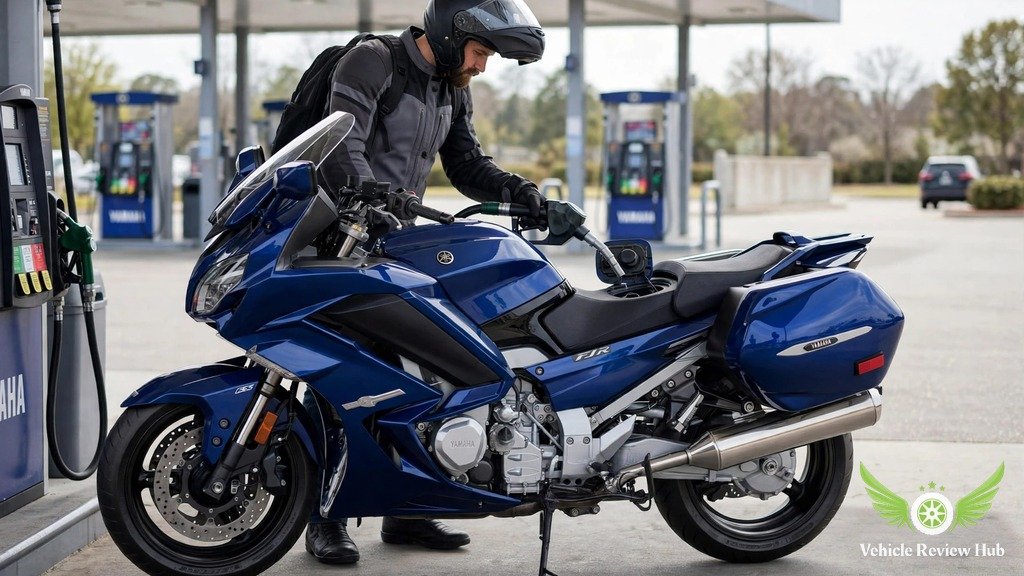
Fuel economy is the quiet strength behind Yamaha FJR1300ES reliability as a value proposition. Yamaha’s official estimate is 36 mpg with a 6.6-gallon tank — roughly 238 miles of theoretical range — and owners commonly report 40 mpg or better on steady highway touring. Routine servicing averages around £240 a year in MCN’s UK figures. Tires are the next regular bill, and heavy two-up use shortens rear-tire life. Parts availability is a genuine advantage for Yamaha FJR1300ES reliability: after over twenty years in production, routine parts remain widely available.
Repair Expenses, Parts Availability and Long-Term Ownership Costs
For Yamaha FJR1300ES reliability, bigger bills are rare, and when they arrive they are usually scheduled ones: a valve-clearance check, tires, a battery, or fork seals. The expensive scenario is accumulated neglect: a bike that missed three services may need valves, tires, fluids, fork seals and a battery in one visit, and an ES bike with a failed suspension unit needs a dealer-priced replacement. For buyers weighing the whole purchase, the FJR1300ES buying guide sets out used prices and what to pay. The long-term verdict on Yamaha FJR1300ES reliability is financial too: serviced on time, it is among the cheapest big tourers to keep for very high mileages.
| Cost item | Planning figure | Basis |
|---|---|---|
| Routine annual servicing | Around £240 a year (UK) | MCN figure for 2016–2021 bikes, UK only |
| Valve-clearance check | Roughly $300–$550 per check | Owner-reported dealer quotes, every 26,600 miles |
| Tires (120/70ZR17 + 180/55ZR17) | As wear or age demands | Rear wears faster two-up and touring |
| Electronic suspension unit | Price before purchase if faulty | Dealer-priced part; test every setting |
| Recall remedies (20V813, 21V865, 20V814) | Free of charge | At an authorized Yamaha dealer, by VIN |
How to Keep a Yamaha FJR1300ES Reliable
Yamaha FJR1300ES reliability is mostly a matter of rhythm: short, regular attention beats heroic annual overhauls.
Preventive Maintenance, Proper Lubrication and Regular Inspections
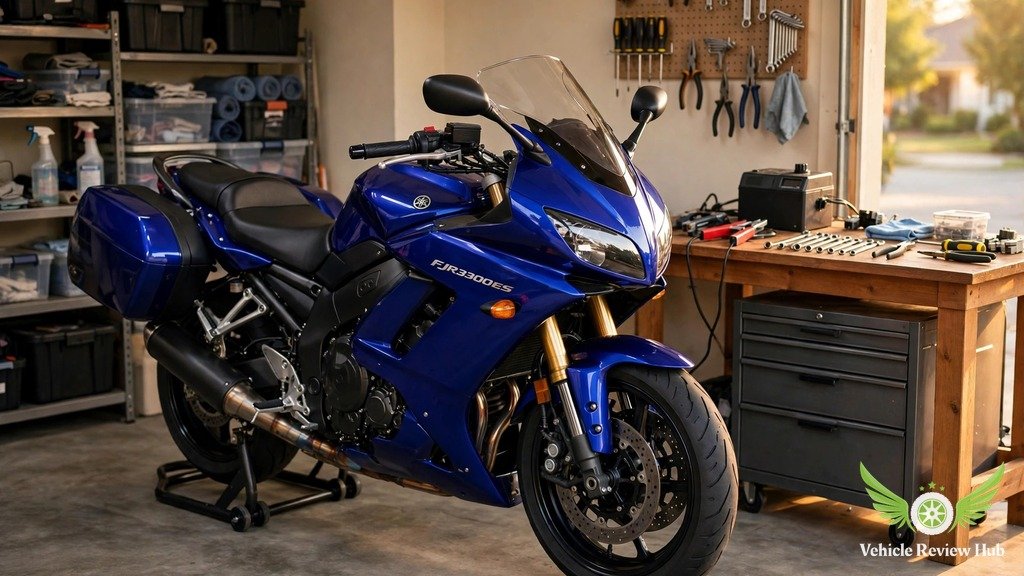
Build five habits and Yamaha FJR1300ES reliability largely takes care of itself. First, for Yamaha FJR1300ES reliability, check oil level, tire pressures and lights weekly — two minutes that catch most problems early. Second, keep the battery on a tender if the bike stands for weeks. Third, wash regularly, including underneath and around fasteners. Fourth, lubricate moving parts, cables and splines as the manual directs, and keep the final-drive oil fresh. Fifth, cycle the electronic suspension settings monthly so actuators never seize in one position.
Recall Checks: 20V813, 21V865 and Brake Switch Recall 20V814
If one checklist item deserves headline status, it is recall paperwork. Check all three campaigns by VIN before money changes hands — a seller’s word is not paperwork. The brake-switch campaign deserves the same care: under NHTSA campaign 20V814, Yamaha recalled certain 2013–2020 FJR1300 motorcycles, among seven models totalling 18,203 units, because the front brake switch could fail from increased internal resistance caused by silicon oxide. If it failed, the brake light could stay on constantly and cruise control could cancel unexpectedly, increasing crash risk. The remedy, free under Yamaha recall number 990140, was replacement of the front brake switch, and the recall began in January 2021. Note carefully that 18,203 is the multi-model total — never an FJR-only figure — and that the FJR portion covers certain 2013–2020 bikes. The Yamaha owner letter for 20V814 and Asphalt and Rubber’s brake-switch recall coverage both confirm those details. For Yamaha FJR1300ES reliability, the rule is absolute: no recall paperwork, no purchase at full price.
| Campaign | Bikes covered | Units | Remedy (free) |
|---|---|---|---|
| 20V813 (Yamaha 990141) | Certain 2016–2020 FJR1300A / FJR1300AE | 2,285 | Inspect; ECU reprogram; replace main and drive axle assemblies as needed |
| 21V865 (Yamaha 990152) | Certain 2016–2021 FJR1300 | 2,462 | ECU reprogram; unrepaired bikes also get axle assemblies |
| 20V814 (Yamaha 990140) | Certain 2013–2020 FJR1300, among 7 models | 18,203 total (multi-model) | Replace front brake switch |
| 11V340 (older, separate) | 2011 FJR1300 (Jan–Apr 2011 builds) | 260 | Replace front brake switch |
Yamaha FJR1300ES Reliability: Frequently Asked Questions
These are the questions buyers and owners ask most about Yamaha FJR1300ES reliability, answered directly.
Is Yamaha FJR1300ES reliability good?
Yes. Owners rate Yamaha FJR1300ES reliability at 4.5 out of 5 for 2016–2021 bikes and 4.6 out of 5 for 2013–2015 bikes on MCN. Those are owner scores, not a defect survey.
What is the most serious Yamaha FJR1300ES reliability problem?
The most serious Yamaha FJR1300ES reliability problem is the second-gear defect behind recall 20V813: on certain 2016–2020 bikes the gear could crack and break under high-speed loads, potentially locking the transmission and rear wheel. The remedy is free, but both the 20V813 and 21V865 paperwork must be checked.
Was there a Yamaha FJR1300ES recall?
Yes, three that matter for Yamaha FJR1300ES reliability: 20V813 (second gear, 2,285 units), 21V865 (ECU follow-up, 2,462 units) and 20V814 (front brake switch, 18,203 units across seven models including certain 2013–2020 FJR1300s). Always check by VIN.
How often does a Yamaha FJR1300ES need servicing?
Under the owner’s manual for Yamaha FJR1300ES reliability, the first service is at 600 miles, then routine servicing every 4,000 miles or 6 months. Spark plugs are replaced every 8,000 miles, and valve clearance is checked every 26,600 miles.
When should the valve clearance be checked?
Every 26,600 miles (42,000 km) for Yamaha FJR1300ES reliability, with the engine cold, by a Yamaha dealer. Some guides round the figure to around 26,000 miles; the manual figure is 26,600 miles.
Is the shaft drive on the FJR1300ES reliable?
Yes, with maintenance. Yamaha FJR1300ES reliability benefits from shaft drive because there is no chain or sprockets to replace, but the final-drive oil still needs changing and seals and splines need inspection. Weeping seals or milky oil need attention.
What should I check first when inspecting a used FJR1300ES?
For Yamaha FJR1300ES reliability, check four things first: recall paperwork for 20V813, 21V865 and 20V814; the service book including the 26,600-mile valve check; every electronic suspension setting; and the final drive for leaks. This Yamaha FJR1300ES reliability guide recommends walking away from any bike failing two or more of those checks at full price.
How much does Yamaha FJR1300ES servicing cost?
MCN puts routine servicing around £240 a year in the UK for 2016–2021 bikes, and owners report valve-check quotes roughly between $300 and $550. Treat both as indications for Yamaha FJR1300ES reliability, not US quotes — get a local dealer price before buying.
Can a Yamaha FJR1300ES really last 100,000 miles?
Yes, with scheduled servicing. Owner reports describe 100,000 miles as not unusual for the FJR platform, and long-term owners report trouble-free high mileages. Yamaha FJR1300ES reliability at those mileages depends on the service book, not the odometer reading alone.