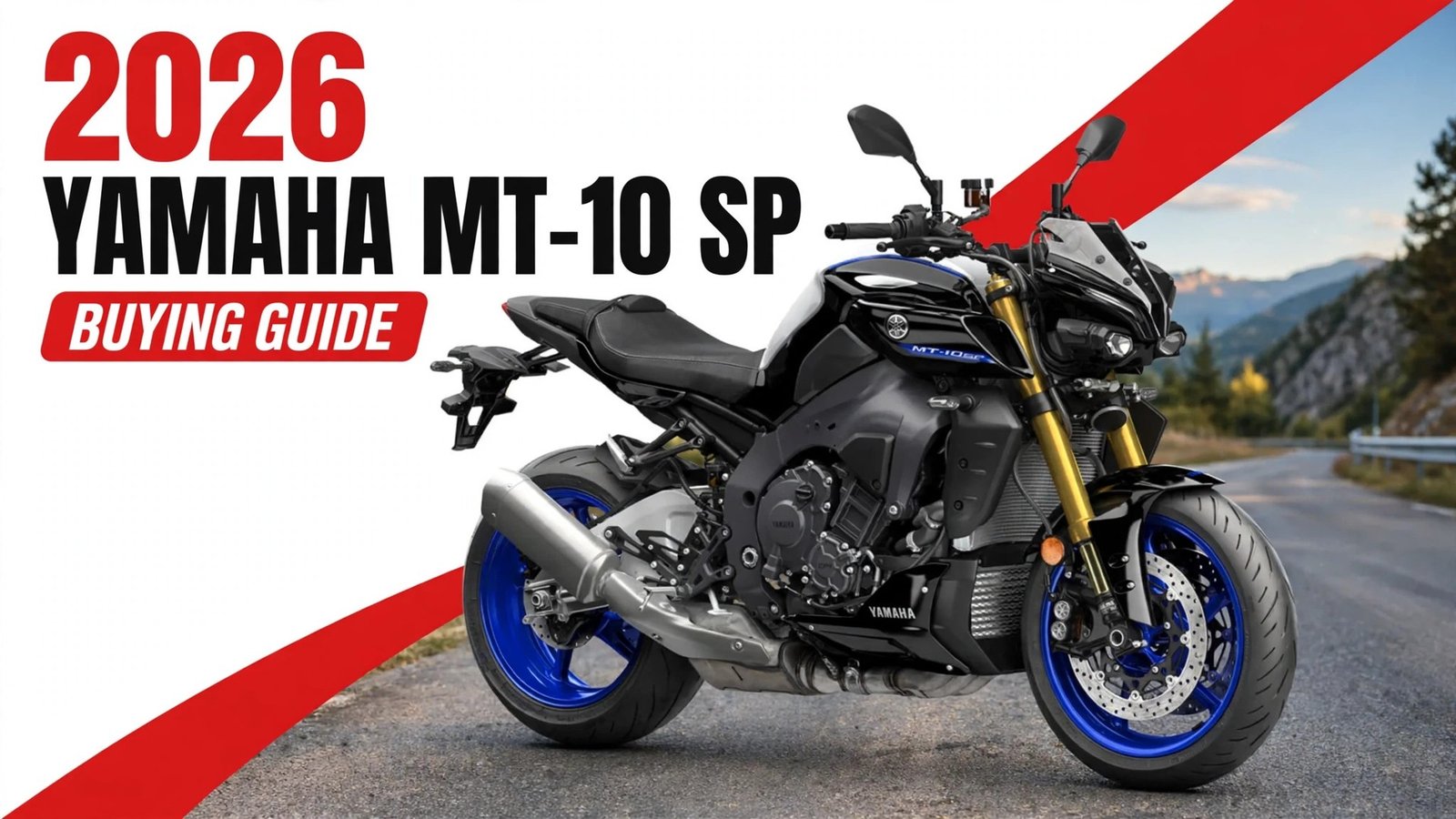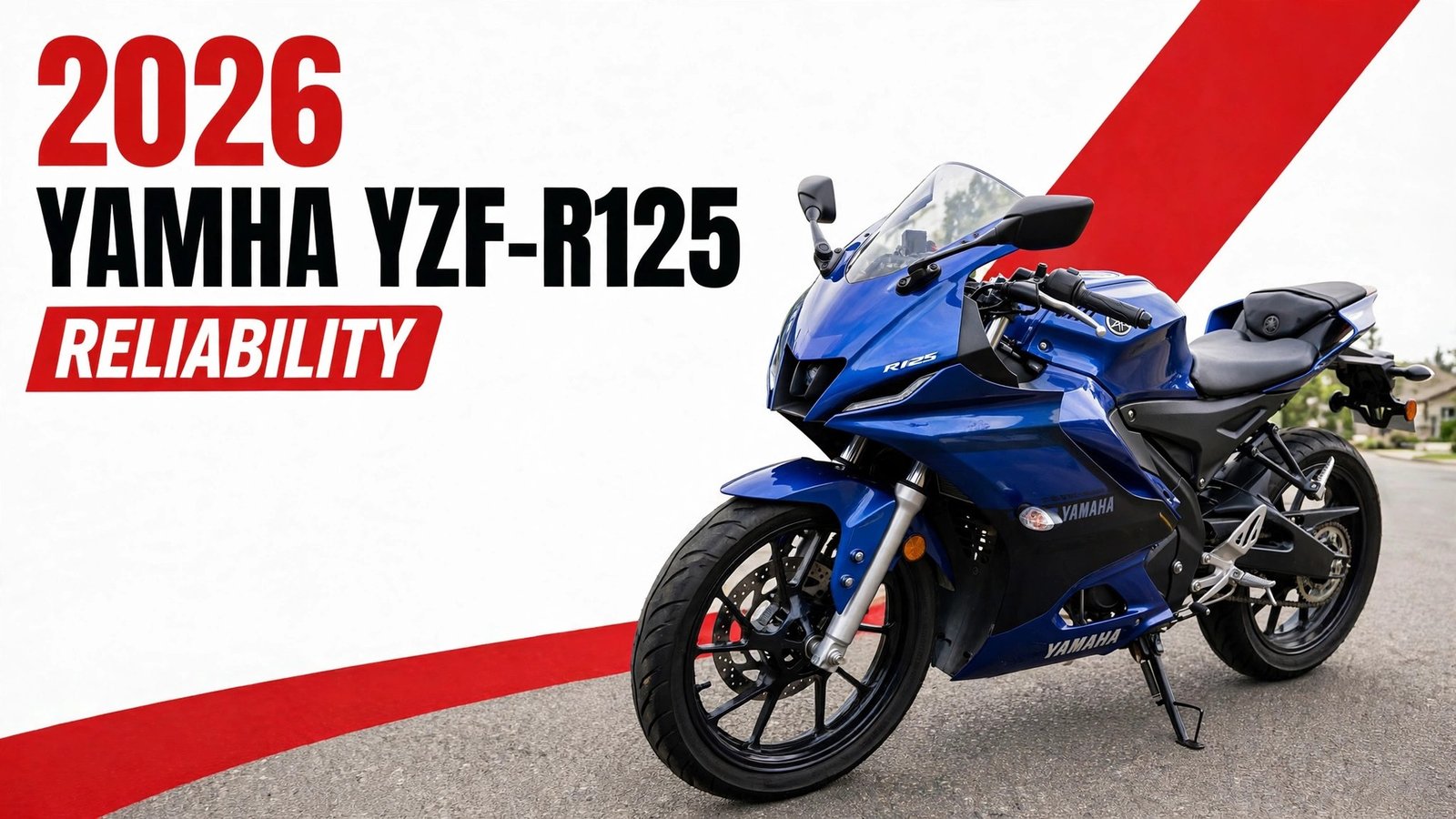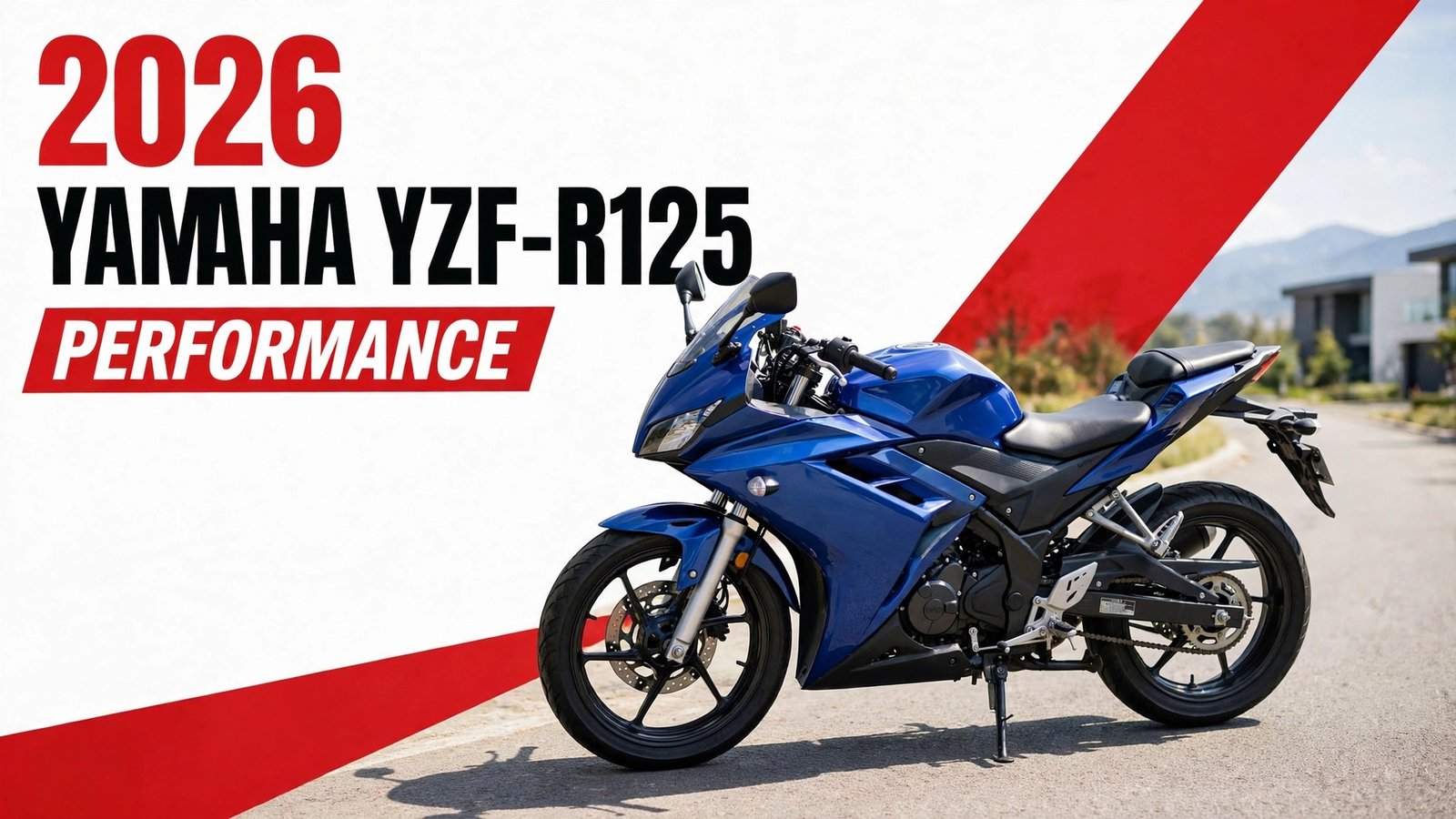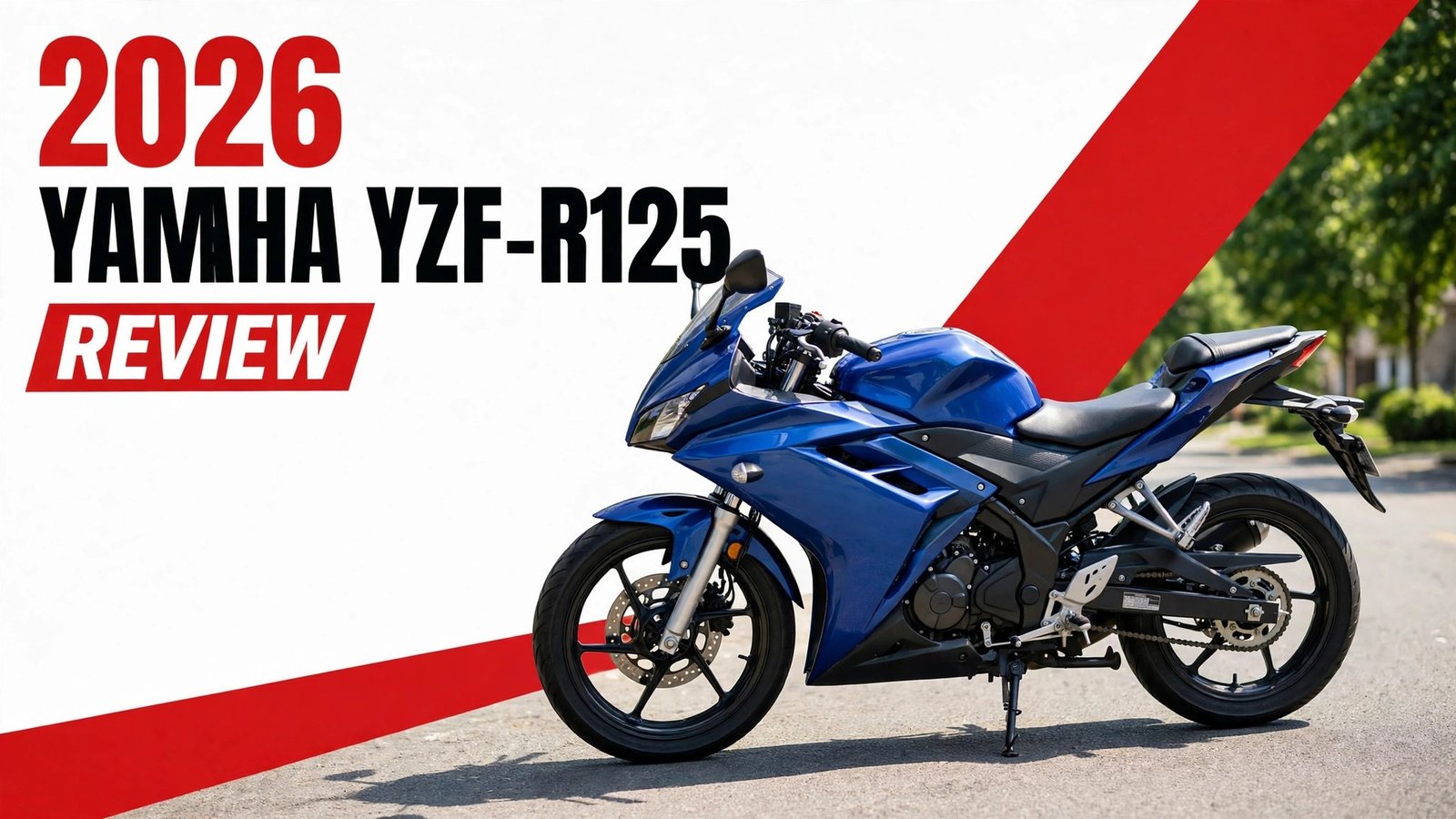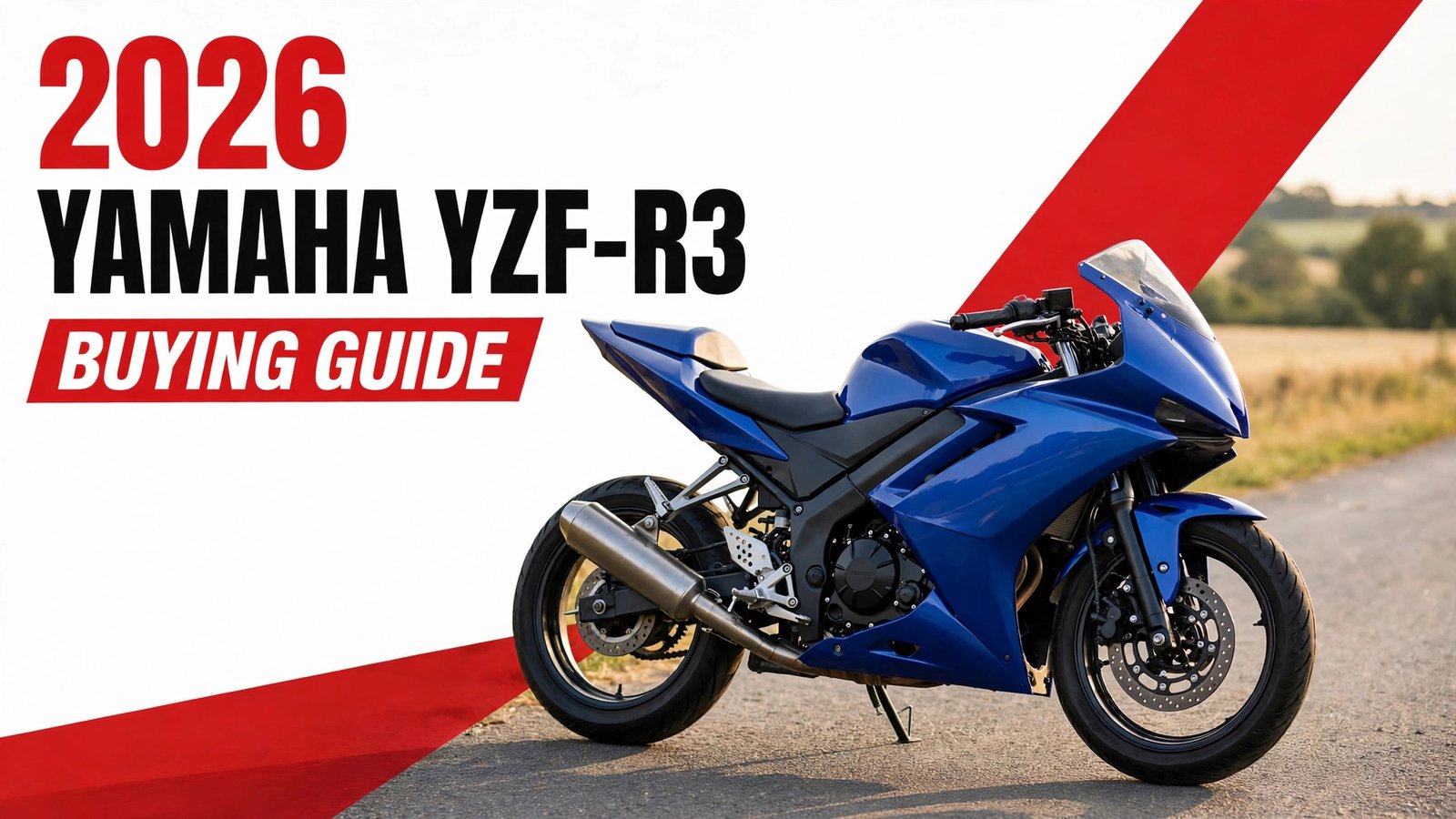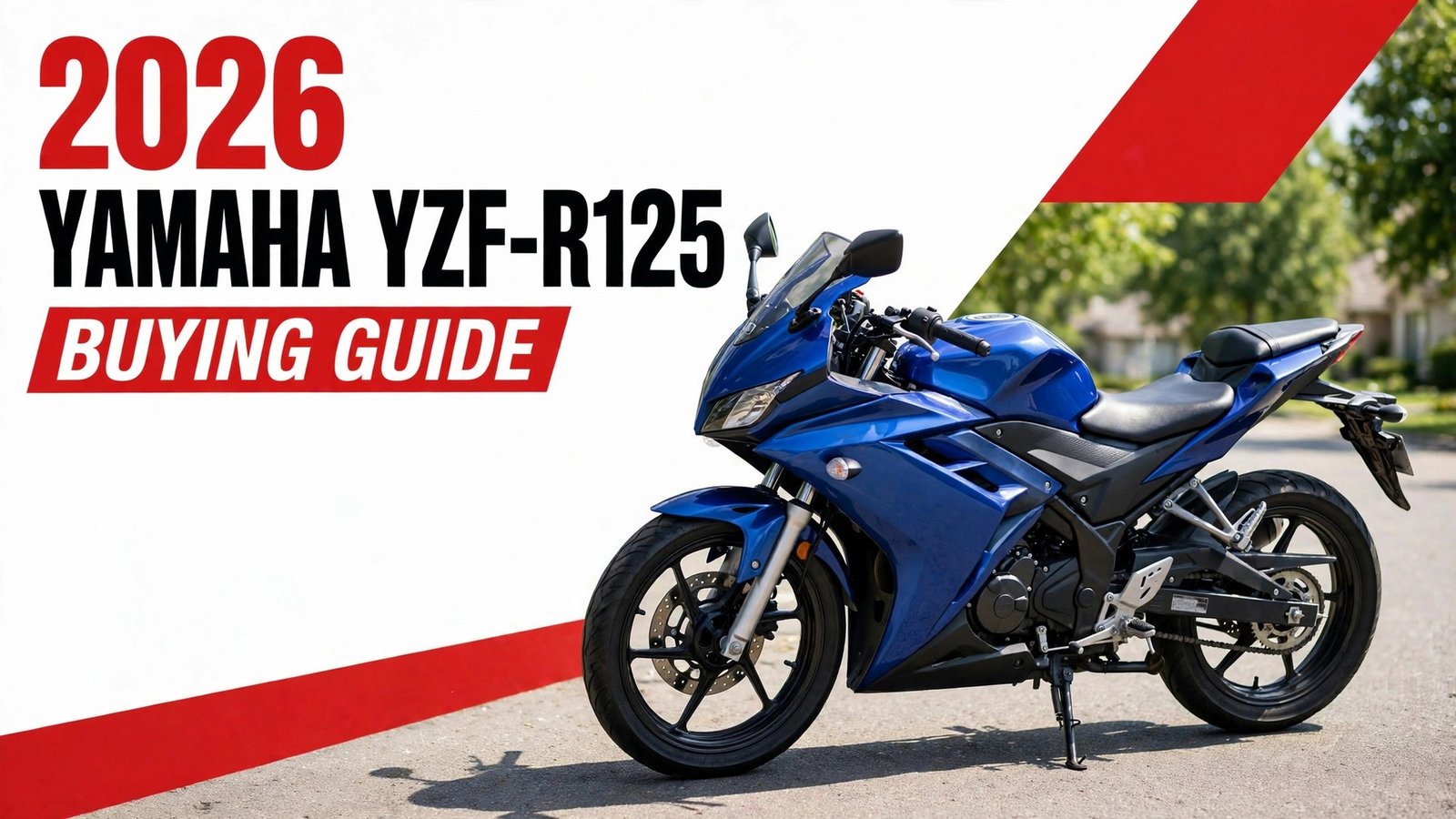
Short answer: the Yamaha YZF-R125 is one of the most desirable 125cc sportbikes in the world, and one of the hardest for an American rider to buy. It is not sold through official US dealers, there is no US MSRP, and permanent import is a long, expensive federal process that may not succeed. This Yamaha YZF-R125 buying guide gives you: real UK used prices by generation, new UK prices, insurance, road tax, fuel and maintenance costs, a full inspection checklist, and the US-legal sportbikes you can register tomorrow instead.
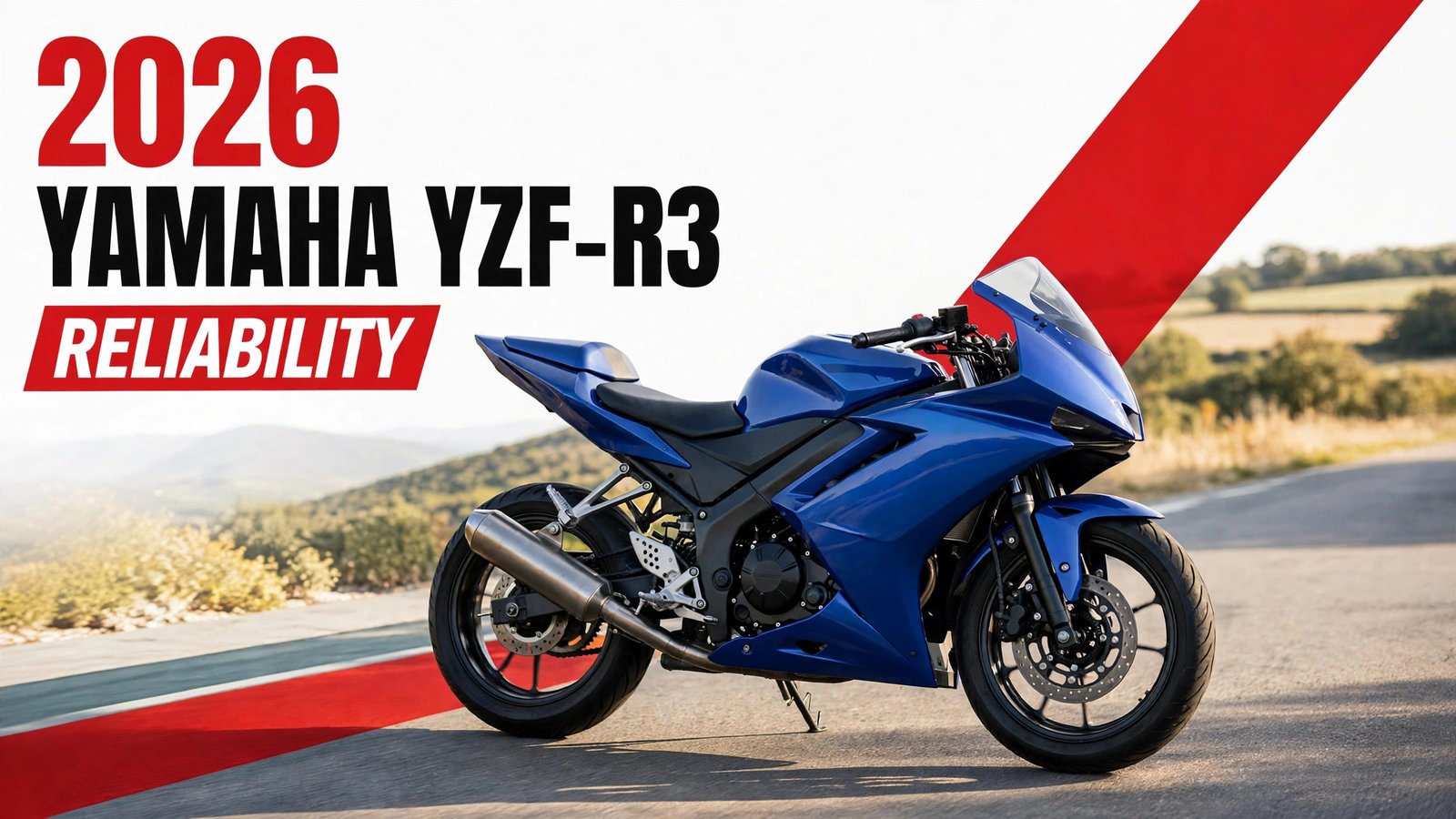
The bike itself is a genuine R-series machine: a 125cc liquid-cooled single making 11.0 kW (15 PS) at 10,000 rpm, a six-speed gearbox, upside-down forks, a 141 kg wet weight and, on 2023-on models, a 5-inch TFT display with traction control. That specification is why this Yamaha YZF-R125 buying guide exists — America has no 125cc sportbike class to match it.
Yamaha YZF-R125 Used Price and Market Availability
The used market is where almost every R125 changes hands, and prices follow generation more than mileage. Early bikes are cheap for a reason: older, often without ABS, and their service history matters more than the odometer. This Yamaha YZF-R125 buying guide separates observed asking prices from guesswork.
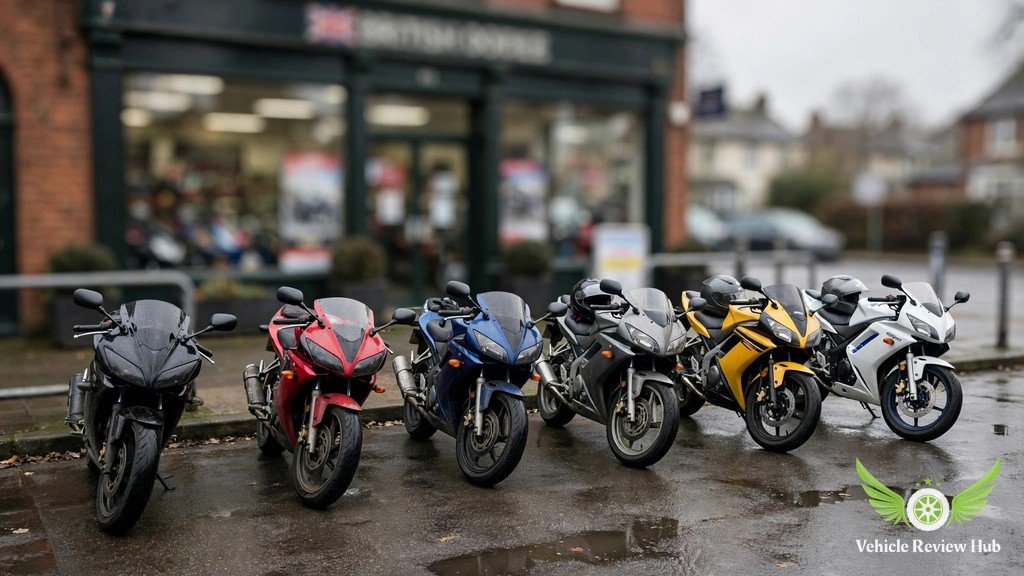
Used Prices by Generation: 2008-2013, 2014-2018, 2019-2022 and 2023-On
UK listings surveyed in October 2026 show a clear ladder, which this Yamaha YZF-R125 buying guide sets out below. The earliest bikes, 2008–2013, have thin listing data today, so treat roughly £1,500–£2,500 as a planning estimate for a running example. An older MCN used buying guide put 2008–2018 bikes at £1,499–£3,500, which still brackets the early market well. For 2014–2018 bikes, observed asking prices cluster around £2,600–£3,500.
The step up to VVA power is where prices jump in this Yamaha YZF-R125 buying guide: observed 2019–2021 examples sit around £3,400–£4,150, and 2022–2023 bikes around £3,400–£4,300, . Nearly-new 2024–2025 bikes run about £4,200–£5,500, and nearly-new 2026 bikes about £4,600–£5,500 — compare them against a discounted new deal first. Across every generation, condition and history move the price more than the year on the plate.
| Generation | Observed UK asking range (Oct 2026) | What to watch |
|---|---|---|
| 2008–2013 | ~£1,500–£2,500 (planning estimate) | No ABS, exhaust rot |
| 2014–2018 | ~£2,600–£3,500 | ABS from 2015 |
| 2019–2022 | ~£3,400–£4,150 | VVA engine |
| 2023-on | ~£4,200–£5,500 | TFT, traction control |
New UK Price Context and Why There Is No US MSRP
A new R125 in the UK lists around £5,295–£5,651 — dealer listings observed in October 2026 include £5,501 (2025 model), £5,651 (new bike), and £5,295 (new Tech Black) on the official UK site. Those are British dealer prices, not dollars you can shop with in Ohio. There is no US MSRP because Yamaha Motor USA does not sell the R125 in the United States at all, and this Yamaha YZF-R125 buying guide will not invent one.
Is the Yamaha YZF-R125 Available Through Official US Dealers?
No. Plainly and completely, no. The R125 is a UK and European A1-licence machine, never federalized for the United States. No US Yamaha dealer can order one, Yamaha’s American website does not sell one, and no official US dealer stock exists. The only routes to American ownership are the federal import routes covered later in this Yamaha YZF-R125 buying guide.
Yamaha YZF-R125 Insurance and Ownership Costs
A 125cc sportbike is cheap to run but not free to own, and the costs that surprise new buyers are rarely fuel — the theme of this Yamaha YZF-R125 buying guide’s ownership section. Insurance, road tax, consumables and frequent valve checks shape the real monthly number. This Yamaha YZF-R125 buying guide prices the ownership side honestly.
Why No Official Insurance Group Is Published for the Current R125
UK insurers group bikes from 1 to 50, but no current official group is published for the latest R125 — insurance group data for the YZF-R125-ABS is listed as unavailable, and that gap is exactly why this Yamaha YZF-R125 buying guide cannot hand you a neat group number. An older general guide lists the model around Group 6, but that is historical — insurers price the bike individually anyway, as this Yamaha YZF-R125 buying guide notes.
UK Road Tax, Fuel, Maintenance and Parts Costs for A1 Riders
Road tax is the smallest bill: motorcycles up to 150cc pay £26 a year for 2025/26, rising to £27 a year from 1 April 2026, according to the official motorbike tax guide rates. Yamaha quotes 2.1 L/100 km, roughly 134 mpg imperial. Budget instead for tyres, chain and sprockets, brake pads and oil changes. On early bikes, valve clearances can fall due every 3,500 miles per MCN’s used guide. The common R125 faults rundown is worth reading before you budget, because a neglected valve service or a rotting exhaust can turn a bargain into a bill. That is the ownership-cost picture this Yamaha YZF-R125 buying guide wants you to have.
How Age, Licence and Location Affect 125cc Insurance Premiums
For A1 riders, the premium is mostly about the rider. A 17-year-old on a CBT pays far more than a 25-year-old with a full A1 licence and claim-free years, and a garaged bike costs far less to insure. Security helps: a good chain, disc lock and ground anchor can cut the quote. Cover level matters too — third-party-only looks cheapest until the bike is stolen, which is why third-party, fire and theft is often better value on a used R125. This Yamaha YZF-R125 buying guide cannot quote your premium, but the levers are clear: pass your test, store the bike properly, and shop around at renewal, as this Yamaha YZF-R125 buying guide recommends.
Yamaha YZF-R125 Pre-Purchase Inspection Checklist
Every pound spent checking a used R125 is worth ten spent fixing one. The checks that matter are specific: cold start, VVA operation, forks, brakes, and the rotting exhaust. The video below is a general used-motorcycle buying guide, not R125-specific, but its walk-around discipline applies directly to this Yamaha YZF-R125 buying guide checklist — use it on every viewing, as this Yamaha YZF-R125 buying guide insists.
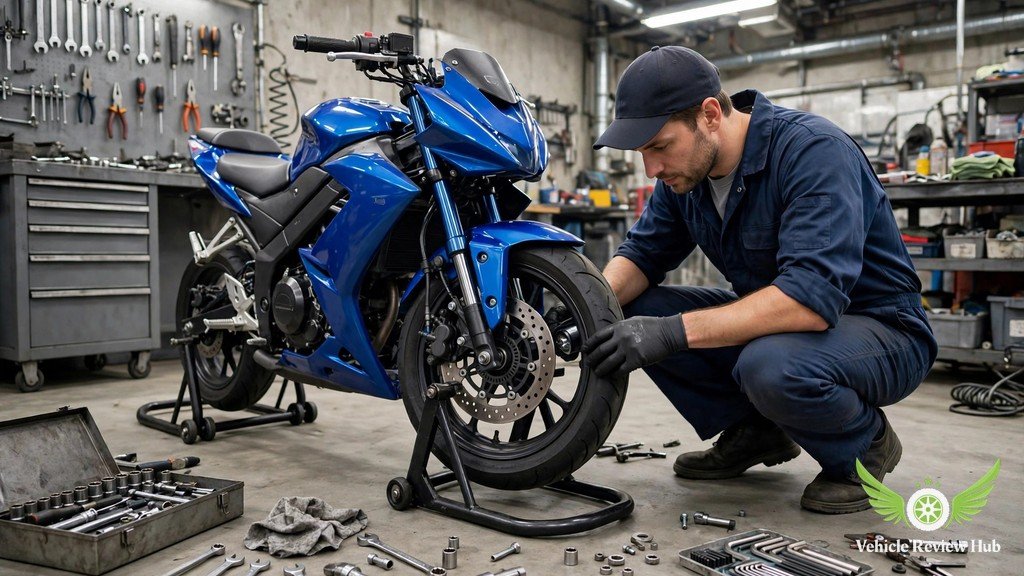
Checking the Engine, Cold Start, Service Records and VVA Operation
Always insist on a genuinely cold start: touch the cases first, listen for rattles, watch for smoke, and check the idle. Ask for the service book and receipts, matched against the mileage — full dealer history beats a shiny fairing. On 2019-on bikes, verify the VVA system switches: note and pull should change noticeably as revs climb, and any flat spot or warning light is a reason to walk away, as this Yamaha YZF-R125 buying guide advises.
Inspecting the Frame, Fairings, Tires, Brakes, Chain and Suspension
Work around the bike slowly. Check the frame and forks for crash damage, bent bars and mismatched fasteners, and look at fairing panel gaps — fresh panels on one side often mean a slide. Tyres should match front and rear, with legal tread and no cracking. Test both brakes, check the 292 mm front disc for scoring, and measure chain slack and sprocket wear. Check the 41 mm forks for smooth travel and leaking seals. Finally, verify the paperwork: V5C, matching VIN, valid MOT where required, and an HPI-style finance and write-off check. This Yamaha YZF-R125 buying guide treats a failed paperwork check as a failed bike.
Yamaha YZF-R125 Model Years and Features to Compare
Three generations, three different bikes in all but name: a budget-classic early bike, a fixed-chassis 2014 update, and the 2019-on VVA bike most buyers actually want. This Yamaha YZF-R125 buying guide compares them head to head — and this Yamaha YZF-R125 buying guide’s pick is the VVA generation.
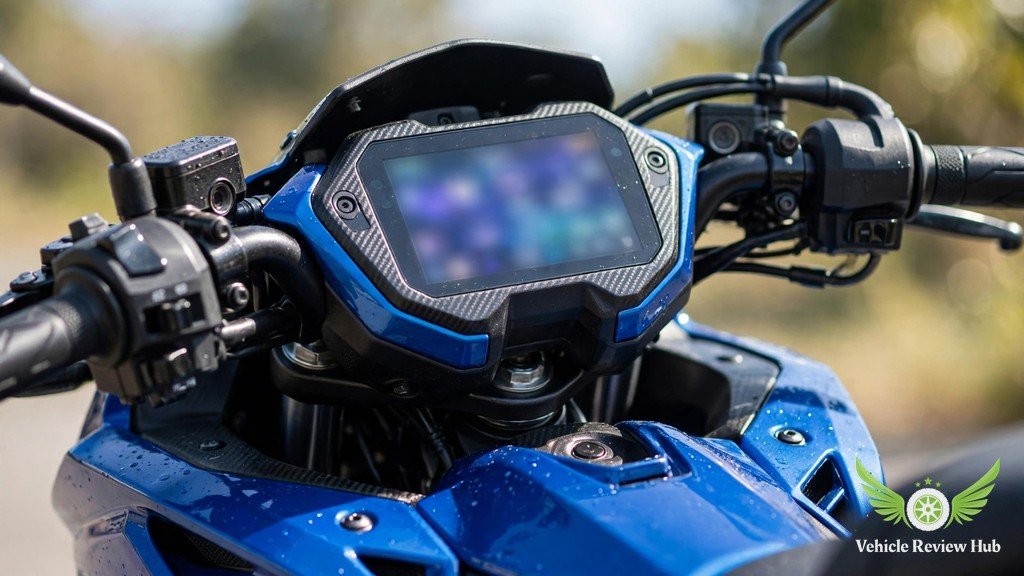
Comparing Pre-VVA Models With 2019-On VVA Versions
Pre-VVA bikes (2008–2018) use a conventional single with a strong top end, a softer midrange and more frequent valve attention. The 2019-on VVA engine changes valve timing as revs rise, giving cleaner low-speed manners and a stronger pull — the biggest reason to stretch to one. Styling sharpened with it, plus a 5-inch TFT display from 2023. Older bikes are not bad buys — a well-kept 2014–2018 bike with ABS is a fine first big bike — but this Yamaha YZF-R125 buying guide rates the VVA generation as the better long-term purchase.
Which Features Matter Most: ABS, 5-Inch TFT and Traction Control?
ABS matters most, full stop. Optional from 2015 and standard later, it is the feature most likely to save you on a wet British road. The 5-inch TFT display (standard from 2023) is a convenience, not a safety item. Traction control (2023-on) is a welcome wet-weather safety net, not a substitute for throttle control. Rank your money: ABS, condition, VVA, then TFT and traction control. That order is the practical heart of this Yamaha YZF-R125 buying guide.
Importing a Yamaha YZF-R125 Into the USA
Read this section twice before contacting any importer. The United States does not allow permanent import of a motorcycle not built and certified to American safety and emissions standards unless a specific federal route is satisfied. Everything below is general information from the federal agencies, not legal advice — and this Yamaha YZF-R125 buying guide promises nothing about any particular bike, the cautious stance of this Yamaha YZF-R125 buying guide.
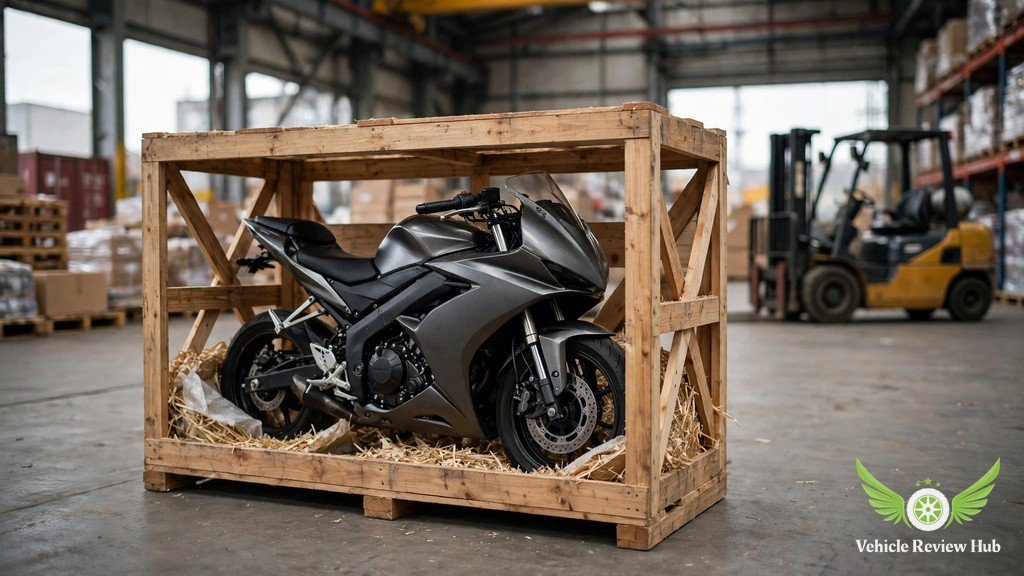
NHTSA FMVSS, Registered Importer and Substantially Similar Rule
Under the NHTSA importation FAQs, a vehicle under 25 years old not originally manufactured to comply with all applicable Federal Motor Vehicle Safety Standards cannot lawfully be imported permanently unless NHTSA determines it eligible. Eligibility is decided make, model and model year by model year, on a petition from a Registered Importer (RI). The petition must show substantial similarity to a US-certified vehicle, or compliance via destructive testing or other adequate evidence. Import must be by an RI or under contract with one, with a 150-percent conformance bond and modifications completed within 120 days of entry. The R125 has no US-certified twin — the American R3 is a different motorcycle — so the RI route is not a given, as this Yamaha YZF-R125 buying guide stresses.
EPA Certification, ICI Route and Seizure Risk for Nonconforming Bikes
Safety approval alone is not enough: EPA emissions rules apply too. A nonconforming motorcycle must go through an EPA-credentialed Independent Commercial Importer (ICI) for modification, testing and certification, or qualify for an exemption, with the EPA 3520-1 form declared at entry. Without valid ICI arrangements or an exemption, a bike can face seizure or export. Any “import package” seller should name the RI and ICI and show the eligibility determination for your model year — if they cannot, do not pay a deposit, as this Yamaha YZF-R125 buying guide repeats.
25-Year Exemption: Why the Earliest 2008 Bikes Are Not Eligible Until 2033
The famous 25-year rule is real, but its clock runs from the actual date of manufacture, not the model year. A vehicle at least 25 years old can be imported without regard to FMVSS compliance, but the 25-year period runs from the date of manufacture. The R125 launched in 2008, so the earliest bikes only reach 25 years from their manufacture dates during 2033 — and a bike first registered in late 2008 may not qualify until late 2033. Show-or-display is no shortcut: 2,500 miles a year, and mass-produced models are generally excluded — a timeline this Yamaha YZF-R125 buying guide states plainly.
State Titling and Registration as a Separate Barrier
Even a bike that clears federal entry faces a second wall: state titling and registration. States issue titles and plates under their own rules, and many will refuse a motorcycle with no US certification label or EPA documentation. A bike that somehow enters the country can still end up unregistrable and unsellable — a track-day ornament, not a road bike. This Yamaha YZF-R125 buying guide will not name a “friendly state” workaround. Check your own state’s requirements in writing before spending anything, as this Yamaha YZF-R125 buying guide advises.
Yamaha YZF-R125 Alternatives Actually Sold in the USA
Here is the good news: everything that makes the R125 appealing — light weight, full-fairing looks, beginner-friendly power, low running costs — exists in American showrooms right now. This Yamaha YZF-R125 buying guide compares them fairly — and this Yamaha YZF-R125 buying guide’s picks are the R3 and Ninja 500.
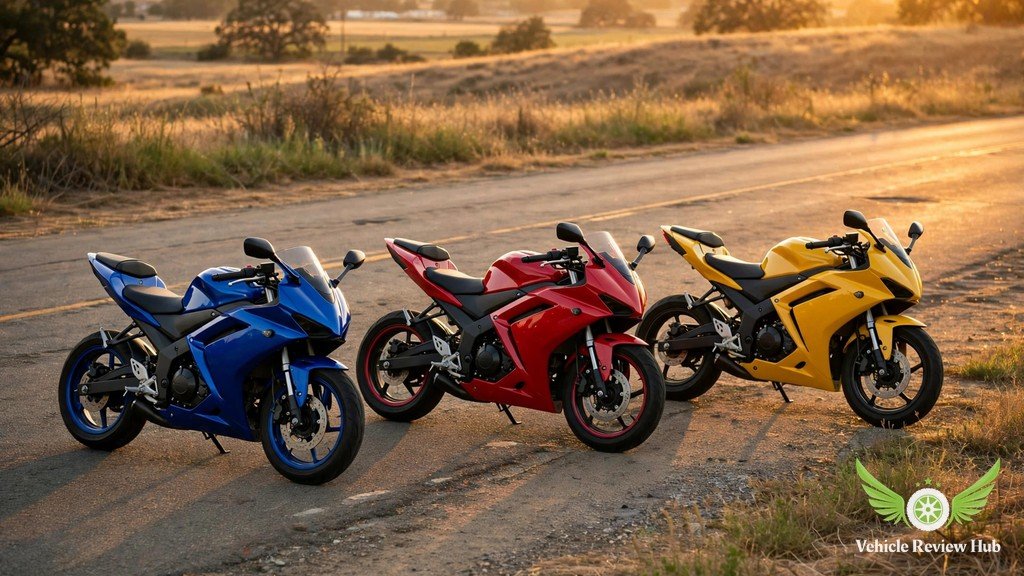
Yamaha YZF-R3 and Kawasaki Ninja 500 as Registrable US Options
The Yamaha YZF-R3 is the closest thing America gets to the R125’s spirit: a Yamaha R-series sportbike, sold and supported in the US, $5,499 (2026). Its 321cc twin roughly doubles the R125’s power, its 30.7-inch seat is lower than the R125’s 820 mm perch, and it is fully registrable in every state. The R125’s own performance figures — around 80 mph top speed from 15 PS — show how big that step up is. The Kawasaki Ninja 500 is the value pick: Ninja 500 pricing coverage from October 2026 puts the 2026 non-ABS model at $5,399 and the ABS model at $5,799, for a 451cc twin making 51 hp in a 377-pound ABS package with a 30.9-inch seat — the two options this Yamaha YZF-R125 buying guide recommends first.
Honda CBR500R, Honda CBR300R and KTM RC 390 Compared
The Honda CBR500R is the grown-up option: a 471cc twin, listed around $6,399 in current coverage. The Honda CBR300R is now used-only in the US (last model years around 2021–2022; a used 2021 ABS example listed at $3,495). The KTM RC 390 needs a warning: MCN report on the RC 390 states KTM discontinued the RC 390 globally except in India, with existing dealer stock selling through during 2026 — so treat any “new” RC 390 as dwindling stock or a used buy. That discontinuation is exactly the kind of fact this Yamaha YZF-R125 buying guide checks before recommending an alternative.
Benefits and Risks of Buying a Sportbike Not Officially Sold in the US
The benefit is exclusivity: you would own something nobody else at bike night has. The risks are everything else. No factory warranty, no dealer parts pipeline, no US-spec service information, insurers that may refuse or overcharge, resale to a tiny buyer pool, and the federal seizure and titling risks already covered. For a track bike or a collection piece, those risks may be acceptable; for a first bike or a daily rider, they are not — the bottom line of this Yamaha YZF-R125 buying guide.
Yamaha YZF-R125 Buying Guide FAQs
Questions buyers ask once they understand the R125 is not an American bike, answered directly in this Yamaha YZF-R125 buying guide.
How much does a used Yamaha YZF-R125 cost in the UK?
Observed UK asking prices in October 2026 run from roughly £1,500–£2,500 for early 2008–2013 bikes (a planning estimate, since listings are thin), through £2,600–£3,500 for 2014–2018 bikes, £3,400–£4,150 for 2019–2021 VVA bikes and £3,400–£4,300 for 2022–2023 bikes, to £4,200–£5,500 for 2024–2025 bikes and £4,600–£5,500 for nearly-new 2026 bikes. This Yamaha YZF-R125 buying guide stresses that condition and history matter more than the year on the plate.
Can I buy a new Yamaha YZF-R125 in the USA?
No — this Yamaha YZF-R125 buying guide is blunt: Yamaha does not sell the R125 in the United States, and there is no US MSRP. New prices quoted anywhere are UK prices — around £5,295–£5,651 in 2026 — and converting them to dollars does not make the bike available in America.
Is the Yamaha YZF-R125 road legal in the USA?
Not as a standard import. A bike under 25 years old that was not built and certified to US FMVSS and EPA standards cannot be permanently imported unless NHTSA deems it eligible and an RI imports it. The R125 has no US-certified twin, so that route is not assured, and no R125 qualifies under the 25-year exemption until the earliest 2008 bikes reach 25 years from manufacture in 2033, as this Yamaha YZF-R125 buying guide explains.
What insurance group is the Yamaha YZF-R125?
No official insurance group is published for the current R125 — group data for the model is listed as unavailable, so this Yamaha YZF-R125 buying guide cannot give you a group number. An older general guide puts it around Group 6, but that is historical, and insurers price the bike on your age, licence, postcode, storage and claims history instead.
How much is road tax on a Yamaha YZF-R125 in the UK?
Motorcycles up to 150cc pay £26 a year for 2025/26, rising to £27 from 1 April 2026. It is the smallest running cost in this Yamaha YZF-R125 buying guide’s ownership maths.
What should I check when buying a used YZF-R125?
Insist on a cold start, check the service book against the mileage, verify VVA operation on 2019-on bikes, inspect the frame, tyres, brakes and chain, and confirm paperwork. This Yamaha YZF-R125 buying guide treats a failed paperwork check as a failed bike.
Which YZF-R125 model year is the best buy?
For most buyers, a 2019-on VVA bike with ABS is the best buy in this Yamaha YZF-R125 buying guide’s judgement. A well-kept 2014–2018 ABS bike is the best budget buy. Buy on condition and history first; rank features ABS, condition, VVA, then TFT and traction control.
What is the best US alternative to the Yamaha YZF-R125?
The Yamaha YZF-R3 at $5,499 (2026) is the closest Yamaha alternative; the Kawasaki Ninja 500 at $5,399 ($5,799 ABS) is the best-value alternative. Both are sold, warrantied and registrable in the United States with no import process at all — the practical conclusion of this Yamaha YZF-R125 buying guide.
Can I import a YZF-R125 when it turns 25 years old?
The earliest 2008 bikes become eligible under the 25-year exemption only once they are 25 years from their actual manufacture date, during 2033. Even then, EPA rules and state titling are separate hurdles — this Yamaha YZF-R125 buying guide warns against assuming a 2033 bike will be a simple import.
Is the KTM RC 390 still a good alternative?
Only as a used or remaining-stock buy. KTM discontinued the RC 390 globally except in India, with dealer stock selling through during 2026 — this Yamaha YZF-R125 buying guide lists it as used-or-stock only.