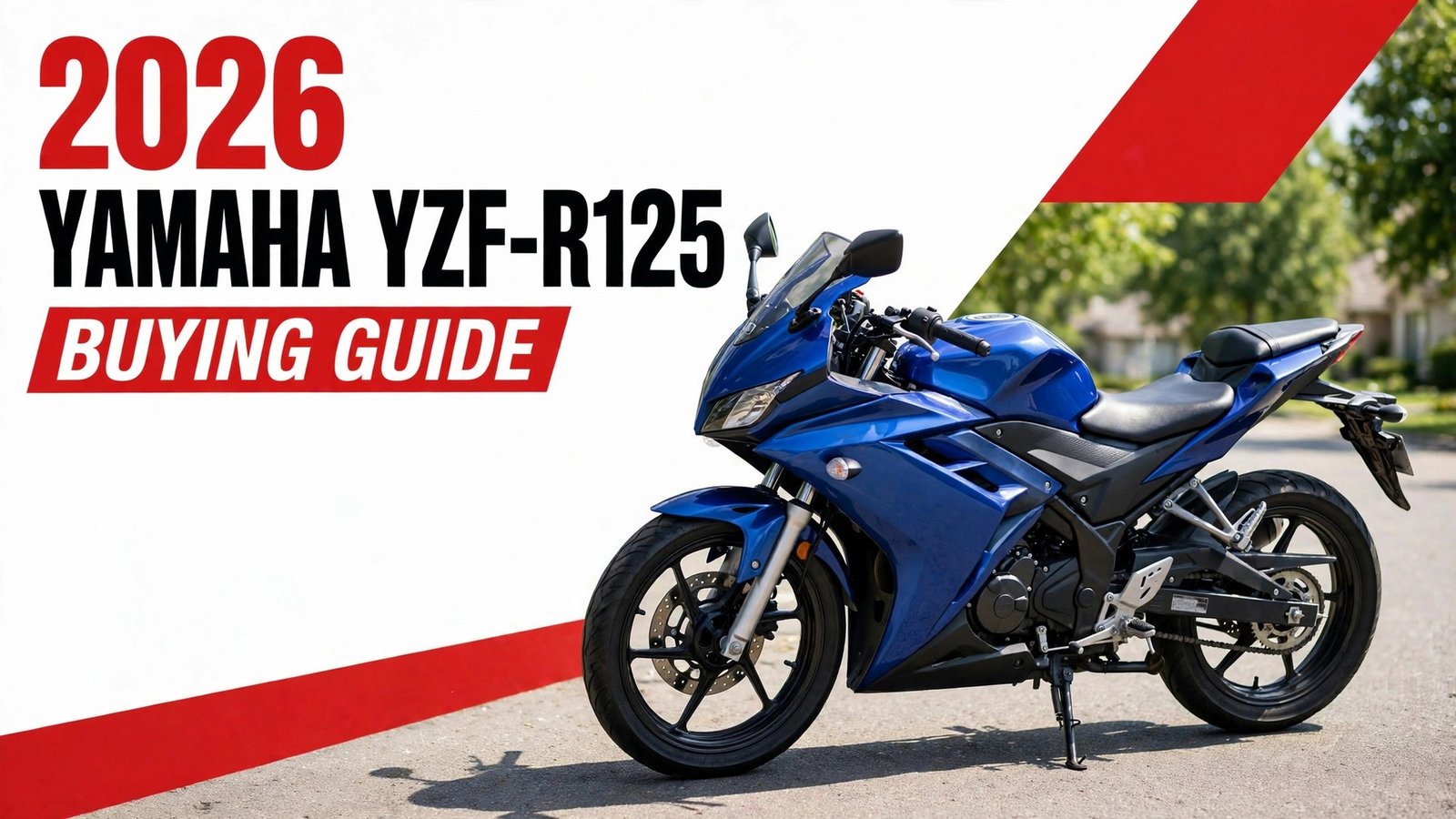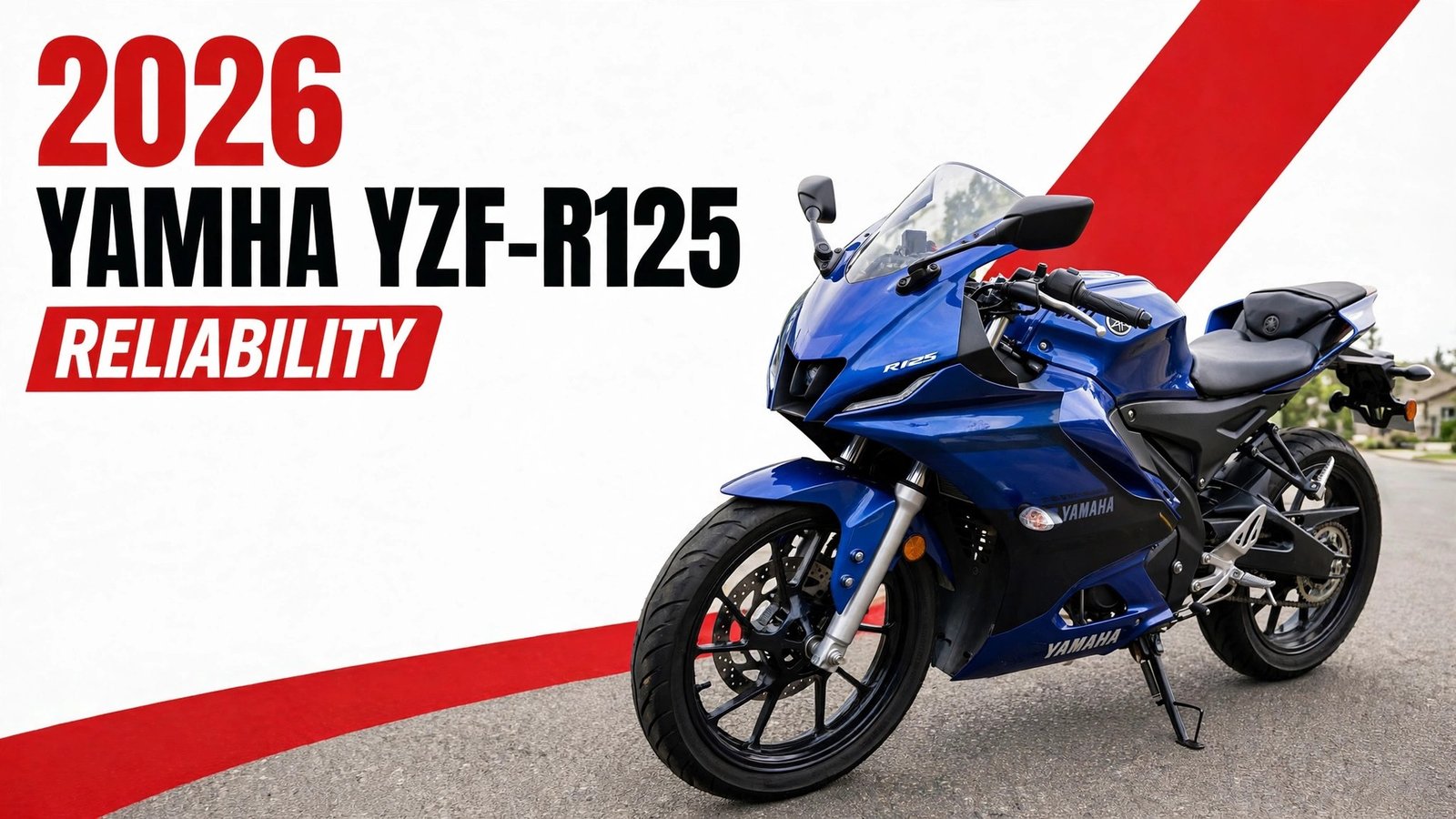
Yamaha YZF-R125 reliability is strong for a learner-legal sportbike, provided the bike has been serviced on time and cared for by its previous owners. But Yamaha YZF-R125 reliability depends heavily on maintenance history: oil changes, chain care, and valve checks matter more on a 125 than on a bigger bike, because the little engine works hard and many examples have had young, budget-conscious owners. Note for US readers: the YZF-R125 is not officially sold in the USA, so prices here are UK and European figures, labeled as such.
Yamaha YZF-R125 Reliability Overview and Evidence Limits
Yamaha YZF-R125 reliability looks reassuring at first glance, but the evidence behind that verdict deserves a closer look. Owner reviews are positive yet thin, and roadworthiness data is broad rather than model-specific.
What MCN Owner Evidence Says and Why the Sample Is Small
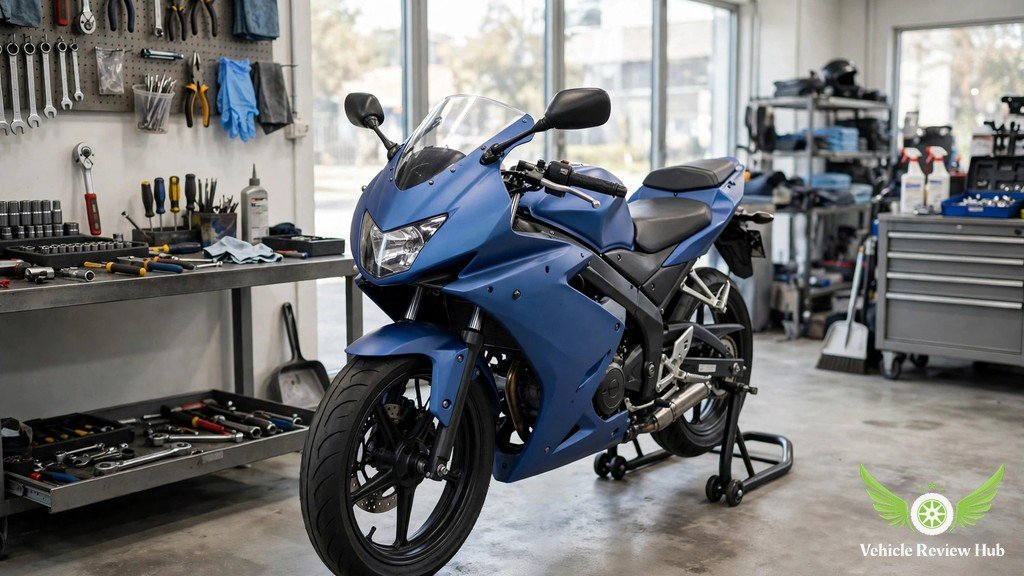
MotorCycle News rates the 2019–2022 R125 at 4 out of 5 for reliability and build quality, noting that its owners’ reviews show nothing to worry about, with one buyer reporting a noisy exhaust can as the extent of the issues mentioned. The current model scores 5 out of 5 in MCN’s 2023-on YZF-R125 review, but that rating rests on a single owner review. Yamaha YZF-R125 reliability therefore reads as “good, with limited evidence” rather than “proven by thousands of owners.” The specification background behind this picture is set out in the YZF-R125 review.
How Mileage, Maintenance History and Previous Use Affect Reliability
Two R125s of the same age can be very different machines. A commuter with a full dealer service history, a regularly adjusted chain, and fresh oil will usually outlast a garage-kept bike that sat for two years on old fluids, and both will outlast a bike ridden hard, dropped, and repaired cheaply. Previous use matters: the R125 is a first big bike for many riders, so MCN’s used-buying advice warns buyers to check for crash damage, aftermarket pegs and indicators, resprays, scuffed bar ends, and tatty levers. For Yamaha YZF-R125 reliability, the service book is worth more than the odometer reading, and a high-mileage bike with records beats a low-mileage bike without them.
Why No Verified Widespread Defect Pattern Was Found
No verified widespread defect pattern was found for the YZF-R125 in the owner evidence and roadworthiness data reviewed for this guide. UK MOT data compiled by MOT reliability data shows a 68.0% first-time pass rate across more than 63,000 tests, against a 73.4% class average, with brakes accounting for 24% of defects on failed tests. Brakes, however, are wear items: pads, discs, and fluid age with use, so a brake advisory points at maintenance, not a design fault. The same data shows 2020-registered examples passing first time at 79.6%, while 2009 bikes sit at 65.2%. Yamaha YZF-R125 reliability, on the evidence available, is a story of wear and maintenance, not of a recurring factory defect.
Yamaha YZF-R125 Maintenance Schedule and Servicing
The YZF-R125 maintenance schedule is short, frequent, and unforgiving of neglect, which is exactly why it protects Yamaha YZF-R125 reliability so well when it is followed. Service points fall at 1,000, 6,000, 12,000, 18,000, and 24,000 km, with annual checks on top.
Service Points at 1,000, 6,000, 12,000 and 24,000 km Plus Annual Checks
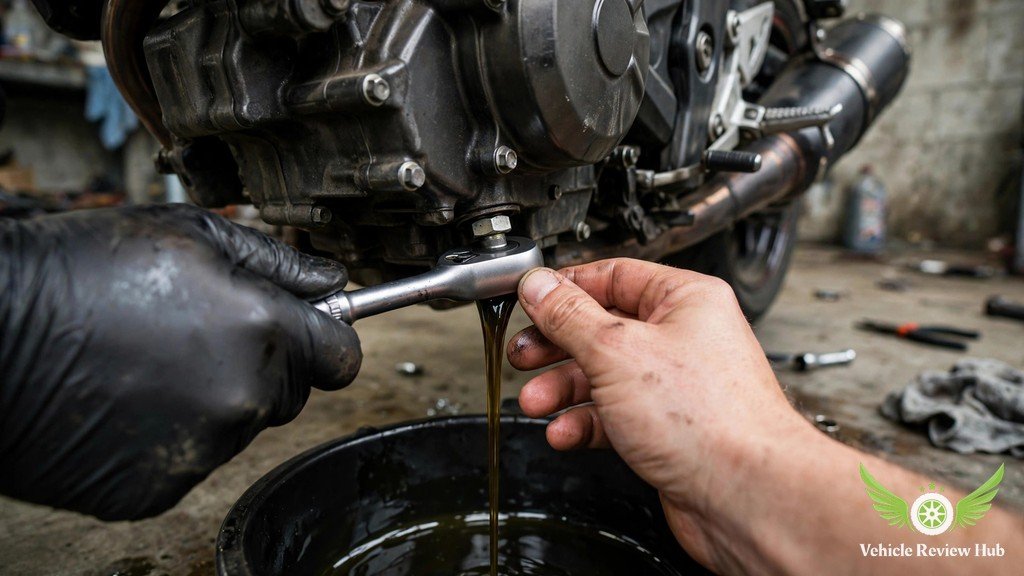
The owner’s manual chart lists service points at 1,000 km, then every 6,000 km: 6,000, 12,000, 18,000, and 24,000 km. Annual checks are also required, except where a kilometre-based service is done instead. The 2021 owner’s manual is the clearest public source for the full chart, and owners should follow the chart for their own model year rather than a forum summary. Yamaha YZF-R125 reliability rests on this discipline: a missed annual check is how a small item, like a cracked fuel hose, becomes a roadside problem.
Engine Oil Change Every 3,000 km and Chain Check Every 1,000 km
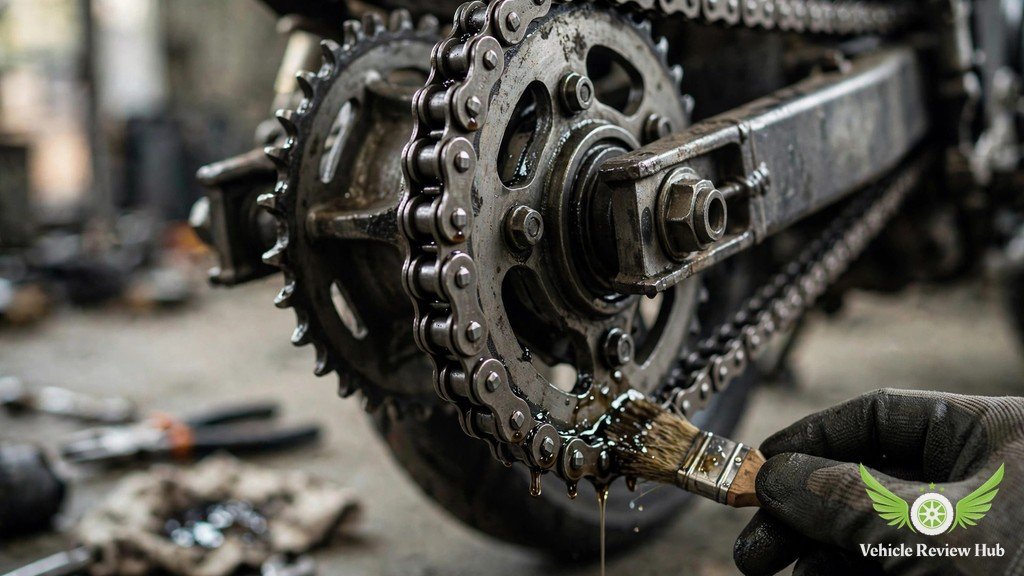
Engine oil is changed at the initial 1,000 km service and then every 3,000 km (about 1,800 miles), with the oil-change indicator flashing at the initial 1,000 km, then 2,000 km later, then every 3,000 km. The drive chain needs even more attention: check slack, alignment, and condition, then adjust and lubricate with a special O-ring chain lubricant every 1,000 km (600 miles). For Yamaha YZF-R125 reliability, these two short intervals are the whole game: keep oil fresh and the chain clean, adjusted, and lubricated.
The video above walks through a full R125 service: oil and filter, spark plug, air filter, and valve clearances.
Coolant Every 3 Years, Brake Fluid Every 2 Years and Valve Clearance Checks
Coolant is changed every 3 years, while brake fluid is changed every 2 years and brake hoses are replaced every 4 years, or sooner if cracked or damaged. Valve clearance needs a careful note: the manual’s emission-control chart marks a valve-clearance check at each 6,000 km service point, while some secondary guides summarise the interval as 12,000 km. Do not carry over figures from bigger Yamahas: the R3’s 24,000-mile and the R7’s 26,600-mile valve intervals belong to different engines. Getting this one item right is central to Yamaha YZF-R125 reliability, because tight valves quietly cost performance and engine health.
Yamaha YZF-R125 Common Wear Items and Inspection Points
Yamaha YZF-R125 reliability is best judged by inspecting the parts that wear. The checklist below concentrates on the systems that age with miles, weather, and inexperienced ownership.
Engine, Cooling System and Fuel System Inspection Points
Check the coolant reservoir level against its minimum and maximum marks, look for white staining or weeping around hose joints and the radiator. Fuel hoses must be checked for cracks or damage at every service point, and any smell of fuel or stained hose is a reason to stop and replace, not to keep riding. The four-valve YZF motor has a strong reliability reputation if well looked after, according to the AutoExpress review, which warns that hard use with infrequent servicing or low oil is what gets these engines into trouble. That warning is why Yamaha YZF-R125 reliability starts with a cold start and a look underneath.
Clutch, Gearbox, Chain, Sprockets and Electrical Checks
Clutch and gearbox checks are simple and revealing. The clutch should engage smoothly without dragging or slipping, and gear changes should feel clean rather than notchy or false-neutral prone; notchy shifting often traces back to old oil or a maladjusted chain rather than a broken gearbox. Electrics deserve equal attention: battery, starter, lights, indicators, horn, and, on 2023-on bikes, the TFT display and traction-control switch should all work first time, and any non-standard wiring or alarm splices should be inspected closely. Yamaha YZF-R125 reliability is mostly a record of whether ordinary checks were done, and Yamaha YZF-R125 reliability suffers most when those ordinary checks are skipped.
Yamaha YZF-R125 Tires, Brakes and Suspension Maintenance
Tires, brakes, and suspension carry the safety case for Yamaha YZF-R125 reliability, and they are also where MOT data says R125s most often fall down.
Tire Condition, Pressure, Tread Wear and Replacement Sizes
The R125 runs a 100/80-17 front tyre and a 140/70-17 rear, and those sizes should be matched as a pair in brand and compound where possible. Tread depth, cuts, cracking, and age matter as much as wear: a tyre with legal tread but five-year-old rubber, or a squared-off rear from motorway miles, still needs replacing. Mismatched tyres are a specific warning sign on a used R125, because they often mean a single tyre was replaced after a puncture or a crash, or that the owner bought whatever was cheapest. Fresh tyres are also the cheapest way to protect Yamaha YZF-R125 reliability in the sense that matters most: staying upright, and Yamaha YZF-R125 reliability on the road starts where rubber meets tarmac.
Brake Pads, Brake Discs, Fork Seals and Rear Suspension Checks
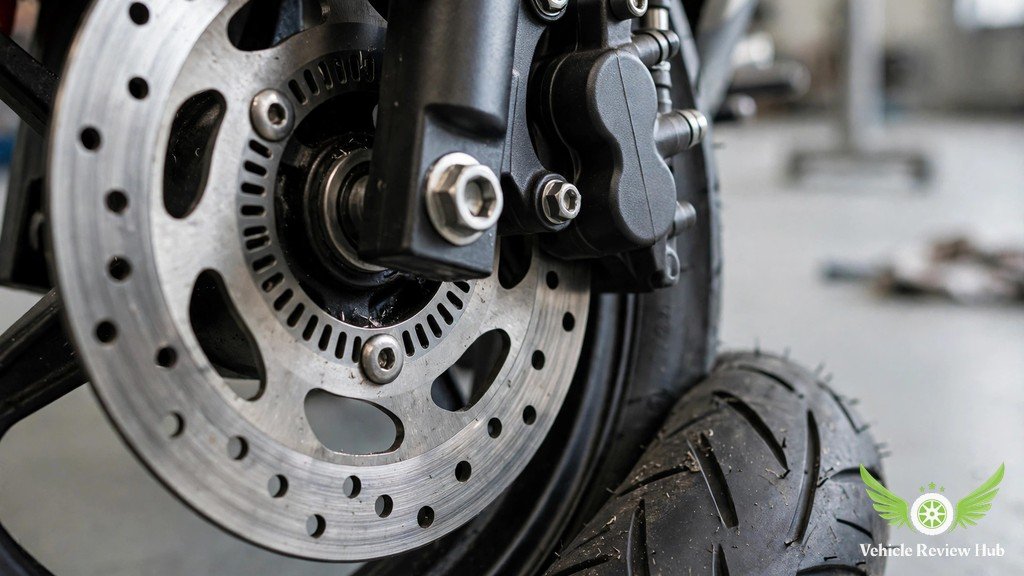
Brakes are the R125’s most common MOT failure area, so inspect them first. Pads should have material left, discs should be smooth without deep scoring or warping, and the lever and pedal should feel firm rather than spongy, which points at old fluid or air in the lines. Fork seals should be dry, with no oil misting on the stanchions and no notchy or sticky travel, and the rear link-type suspension should move freely without clunks or a seized linkage. A seller who has kept brakes and suspension fresh has usually kept everything else fresh too, and that is a useful shortcut when judging Yamaha YZF-R125 reliability on a forecourt.
Yamaha YZF-R125 Warranty, Maintenance and Ownership Costs
Yamaha YZF-R125 reliability has a direct effect on ownership costs: a bike that needs little beyond scheduled servicing is cheap to run, while a neglected one quickly eats the savings its fuel economy promised.
Warranty: 2 Years to 2024 and 3 Years in the UK From 2025
Older R125s carried a two-year, unlimited-mileage Yamaha warranty. From 2025, UK dealer listings for new YZF-R125s describe a three-year Yamaha warranty plus two-year RAC cover, and a 2025 used listing showing warranty remaining until May 2028 fits a three-year term from a 2025 registration. For US readers, note that no Yamaha USA warranty applies, because the bike was never officially sold there; anyone considering import should read the import and alternative-bike detail in the YZF-R125 buying guide before spending anything, since Yamaha YZF-R125 reliability alone cannot overcome import barriers.
Routine Servicing, Tires and Replacement Parts Costs in the UK and EU
Routine servicing is the R125’s main running cost after fuel and insurance. As UK planning estimates only, a minor dealer service with oil and filter typically falls in the £150–£250 range, a major service including spark plug, air filter, coolant or brake fluid, and valve-clearance checks typically falls in the £300–£500 range, a chain and sprocket set typically costs £120–£200 fitted, and a pair of tyres typically costs £200–£300 fitted. These are planning estimates to budget with, not quotes, and they assume a bike that arrives in decent shape; a neglected bike can need all of them at once, which is why the purchase inspection matters more than any single service price for Yamaha YZF-R125 reliability.
| Item | Typical UK planning estimate | Notes |
|---|---|---|
| Minor dealer service (oil and filter) | £150–£250 | Every 3,000 km for oil; filter at service points |
| Major dealer service (incl. valve checks) | £300–£500 | Includes plug, air filter, fluids as due |
| Chain and sprocket set, fitted | £120–£200 | Chain checked every 1,000 km |
| Pair of tyres, fitted | £200–£300 | 100/80-17 front, 140/70-17 rear |
| Fuel (11-litre tank) | Small weekly spend | Owners report roughly 100 mpg |
Why Single-Owner Service Cost Figures Are Not Typical Averages
Single-owner service cost figures are not typical averages, and they should never be quoted as if they were. One owner commuting 10,000 miles a year through winter will spend far more on chains, tyres, and brake pads than an owner riding 1,000 summer miles. That is why this guide gives ranges and labels them as planning estimates: they help you budget, but your own total will depend on your mileage, your dealer, and your bike’s history. Yamaha YZF-R125 reliability keeps those ranges narrow compared with bigger, more complex bikes, but it cannot make them identical for every owner. Treat Yamaha YZF-R125 reliability as a range, not a single number, and budget at the top of it.
How to Keep a Yamaha YZF-R125 Reliable as an Owner
Yamaha YZF-R125 reliability, for an owner, is mostly about short, regular habits rather than big mechanical skill. The R125 rewards the owner who protects Yamaha YZF-R125 reliability by checking a few things often and servicing on time, and it punishes the owner who waits for a warning light.
Preventive Maintenance, Proper Lubrication and Regular Inspections
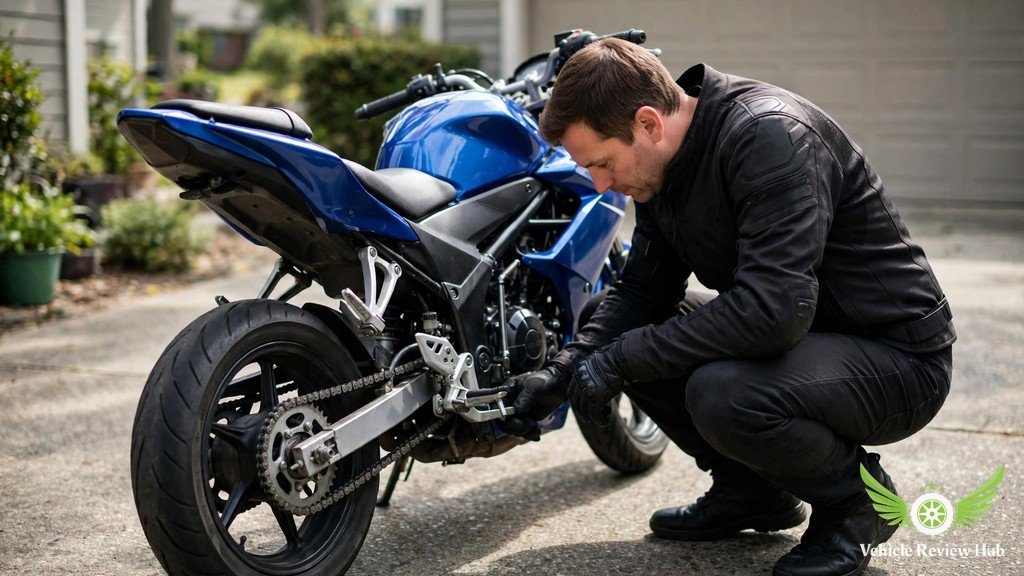
Build a weekly five-minute check for Yamaha YZF-R125 reliability: oil level, coolant level, tyre pressures and condition, chain slack and lubrication, brake lever feel, lights, and any new leaks or loose fasteners. Lubricate the chain with an O-ring-safe lubricant every 1,000 km and after wet rides, keep the bike clean so corrosion and leaks show early, and never ignore a new noise, a notchy gear change, or a brake that feels different. Store the bike with a full tank, a charged battery, and a clean, lubricated chain if it will sit for weeks. These habits cost almost nothing and protect Yamaha YZF-R125 reliability more than any aftermarket part, because most 125 failures are not sudden: they are small problems left alone until they become big ones.
Service Records and Warning Signs Owners Should Not Ignore
Keep every invoice, stamp the book, and photograph receipts, because documented Yamaha YZF-R125 reliability is worth real money at resale and real leverage in a warranty discussion. Warning signs to act on immediately include oil or coolant loss, a temperature warning, a spongy or fading brake, a chain that will not hold adjustment, a battery that struggles to start the bike, and any burning smell or visible smoke. A flashing oil-change indicator is a service reminder, not a suggestion to keep riding for another thousand miles. Owners who respect those signals rarely face surprises, which is why Yamaha YZF-R125 reliability, in practice, is as much about the owner as the machine.
Yamaha YZF-R125 Reliability FAQs
These direct answers cover the questions buyers and owners ask most about Yamaha YZF-R125 reliability, from service intervals and warranty to the warning signs that mean a bike needs attention now rather than at the next service.
Is the Yamaha YZF-R125 reliable?
Yes, on the available evidence. MCN rates the 2019–2022 bike 4 out of 5 and the 2023-on bike 5 out of 5, and no verified widespread defect pattern was found. The caveat is the small owner sample, so Yamaha YZF-R125 reliability should be judged bike by bike, with service history carrying more weight than any headline rating.
How often does a Yamaha YZF-R125 need an oil change?
Engine oil is changed at the initial 1,000 km service and then every 3,000 km, about 1,800 miles. Check the level before every ride: Yamaha YZF-R125 reliability depends on fresh oil, since the small engine carries little of it and works it hard.
How often should the YZF-R125 chain be checked?
Check chain slack, alignment, and condition, then adjust and lubricate with an O-ring chain lubricant every 1,000 km (600 miles). A neglected chain is the most common sign of a poorly kept R125, and Yamaha YZF-R125 reliability falls fastest when chain care is skipped.
What is the valve clearance interval on a Yamaha YZF-R125?
Follow your own model-year manual’s chart. The manual’s emission-control chart marks a valve-clearance check at each 6,000 km service point, while some secondary guides summarise it as 12,000 km, so have a dealer confirm the interval for your bike. Do not use the R3’s 24,000-mile or the R7’s 26,600-mile figures, which belong to different engines and have nothing to do with Yamaha YZF-R125 reliability.
When should coolant and brake fluid be changed?
Coolant is changed every 3 years and brake fluid every 2 years, with brake hoses replaced every 4 years or sooner if cracked or damaged. Levels are checked at service points, and Yamaha YZF-R125 reliability benefits directly from fluids changed on time rather than on failure.
What warranty does a Yamaha YZF-R125 have in the UK?
Older bikes carried a two-year, unlimited-mileage Yamaha warranty, while 2025 UK dealer listings describe a three-year Yamaha warranty plus two-year RAC cover. Confirm the exact term on the specific bike, and Yamaha YZF-R125 reliability under warranty still requires servicing to the manual schedule.
What are the common problems on a Yamaha YZF-R125?
No verified widespread defect pattern was found. The issues buyers actually meet are wear items: chains, brakes, tyres, fork seals, batteries, and crash damage. One MCN owner reported a noisy exhaust can, which was the extent of issues mentioned in that evidence pool, and that thin evidence is itself part of the Yamaha YZF-R125 reliability picture.
What should I check when buying a used Yamaha YZF-R125?
Check the service book first, then do a cold start, inspect the chain and sprockets, tyres, brakes, fork seals, and fairings, and look for crash signs such as scuffed bar ends, tatty levers, resprays, and aftermarket pegs or indicators. Yamaha YZF-R125 reliability is best proven by this kind of hands-on inspection.
How much does it cost to maintain a Yamaha YZF-R125?
As UK planning estimates, a minor dealer service is typically £150–£250, a major service typically £300–£500, a chain and sprocket set typically £120–£200 fitted, and a pair of tyres typically £200–£300 fitted. But your total depends on mileage, dealer rates, and the bike’s condition on purchase, so Yamaha YZF-R125 reliability should be budgeted as a range, not a single figure.
Is the Yamaha YZF-R125 sold in the USA?
No, the YZF-R125 is not officially sold in the USA, and there is no US MSRP or Yamaha USA warranty for it. US readers researching Yamaha YZF-R125 reliability usually compare it with registrable alternatives such as the YZF-R3 reliability picture on the larger, US-sold R3, and import rules are general information only, not a promise that import is feasible.
How long will a Yamaha YZF-R125 engine last?
There is no verified official lifespan figure, and any article quoting one is guessing. The four-valve YZF motor has a strong reputation when serviced on time, and MOT data shows examples still passing at around 50,000 miles. Realistic life depends on servicing and previous use, which is why Yamaha YZF-R125 reliability is a maintenance story, not a mileage promise.
Does Yamaha YZF-R125 reliability differ between generations?
The generations from 2008–2013, 2014–2018, 2019–2022, and 2023-on differ in equipment, with VVA from 2019 and a TFT display and traction control from 2023, but Yamaha YZF-R125 reliability shows no verified widespread defect pattern in any generation. Judge each bike on its service history and condition, not on its generation label.
Yamaha YZF-R125 reliability, in the end, is a maintenance story: a serviced, inspected, honestly documented bike is a dependable small sportbike, while a cheap, history-free example can cost more than it saves. Buy on evidence, service on schedule, and the R125 will do its part.