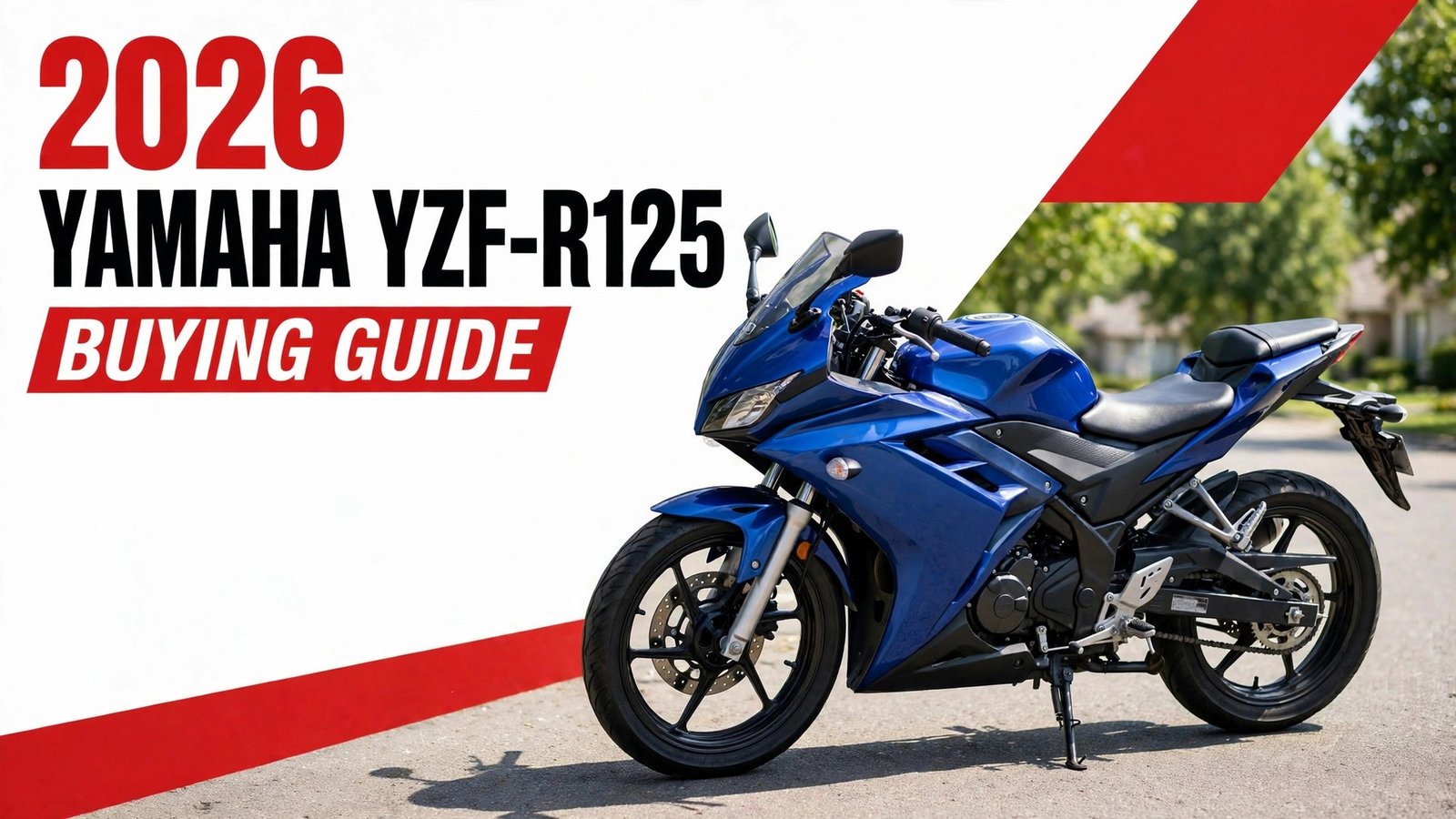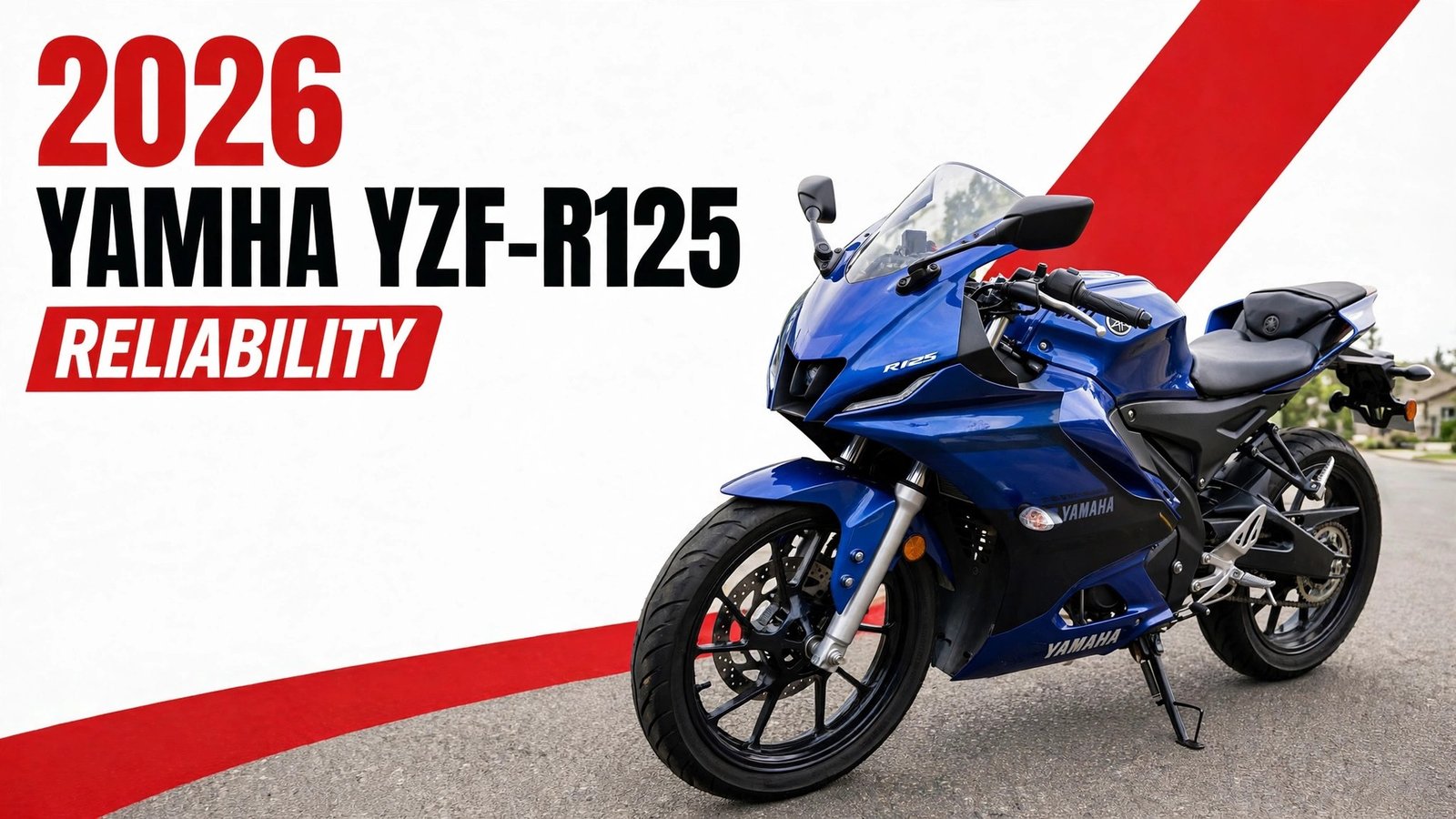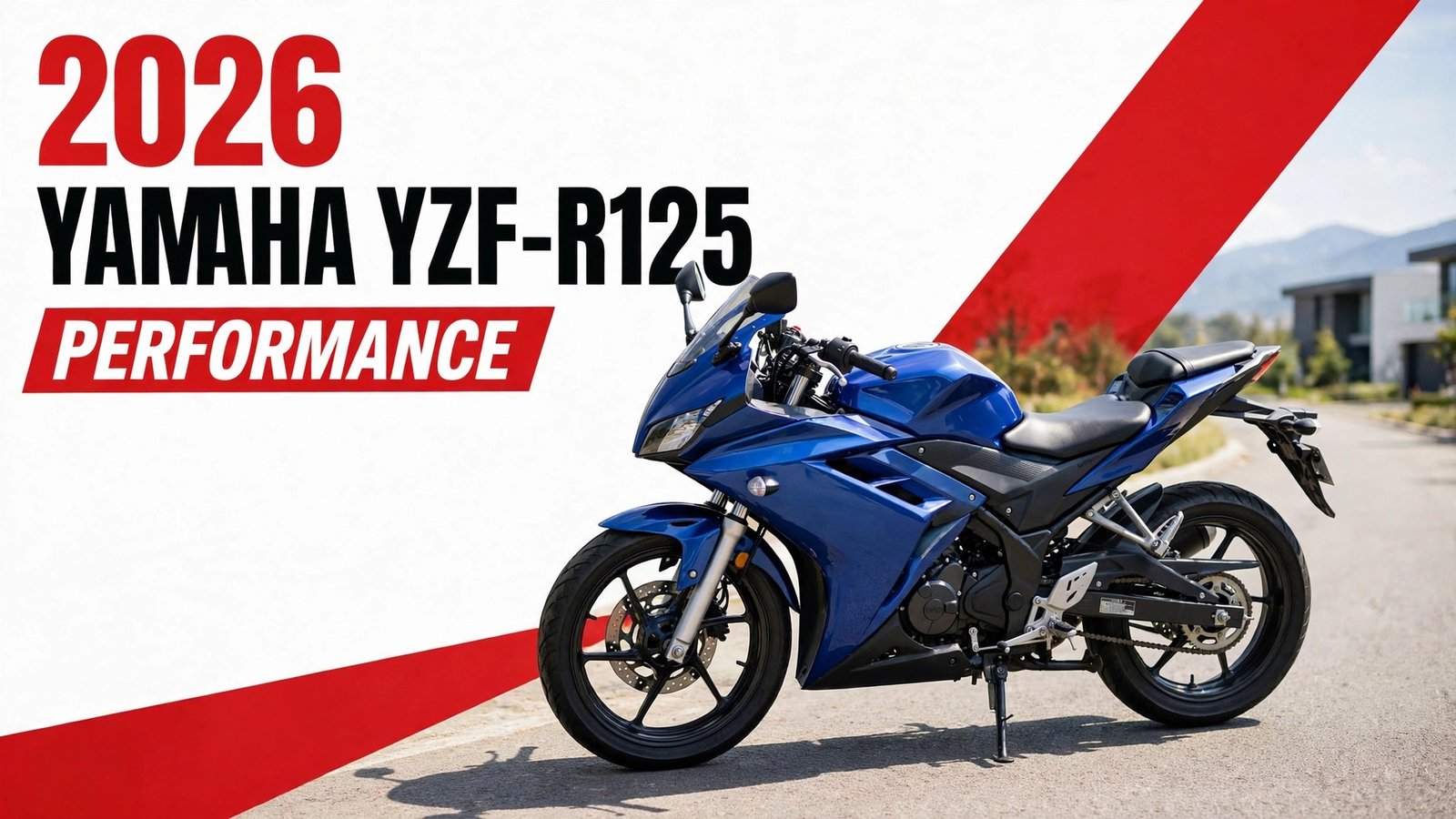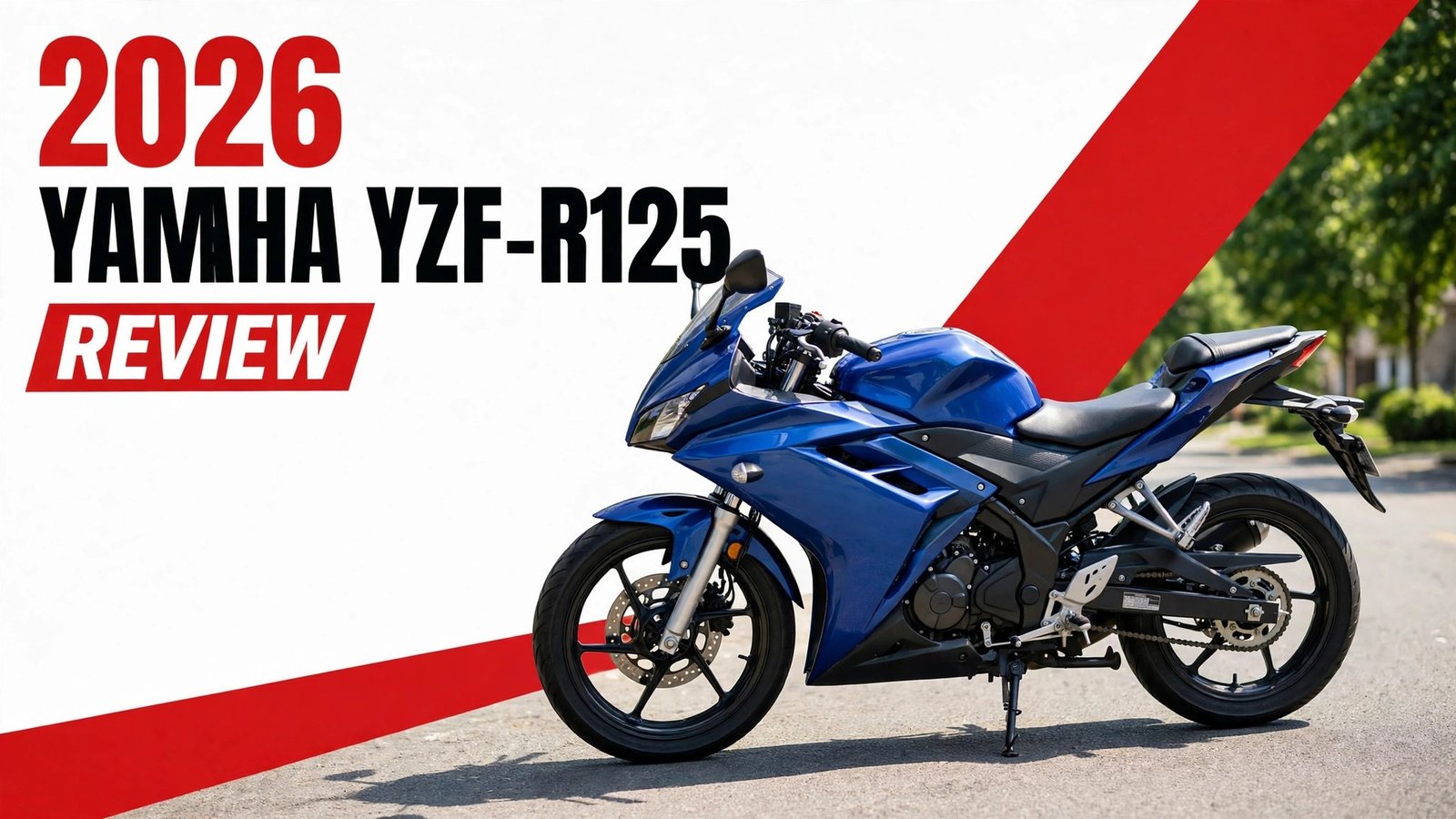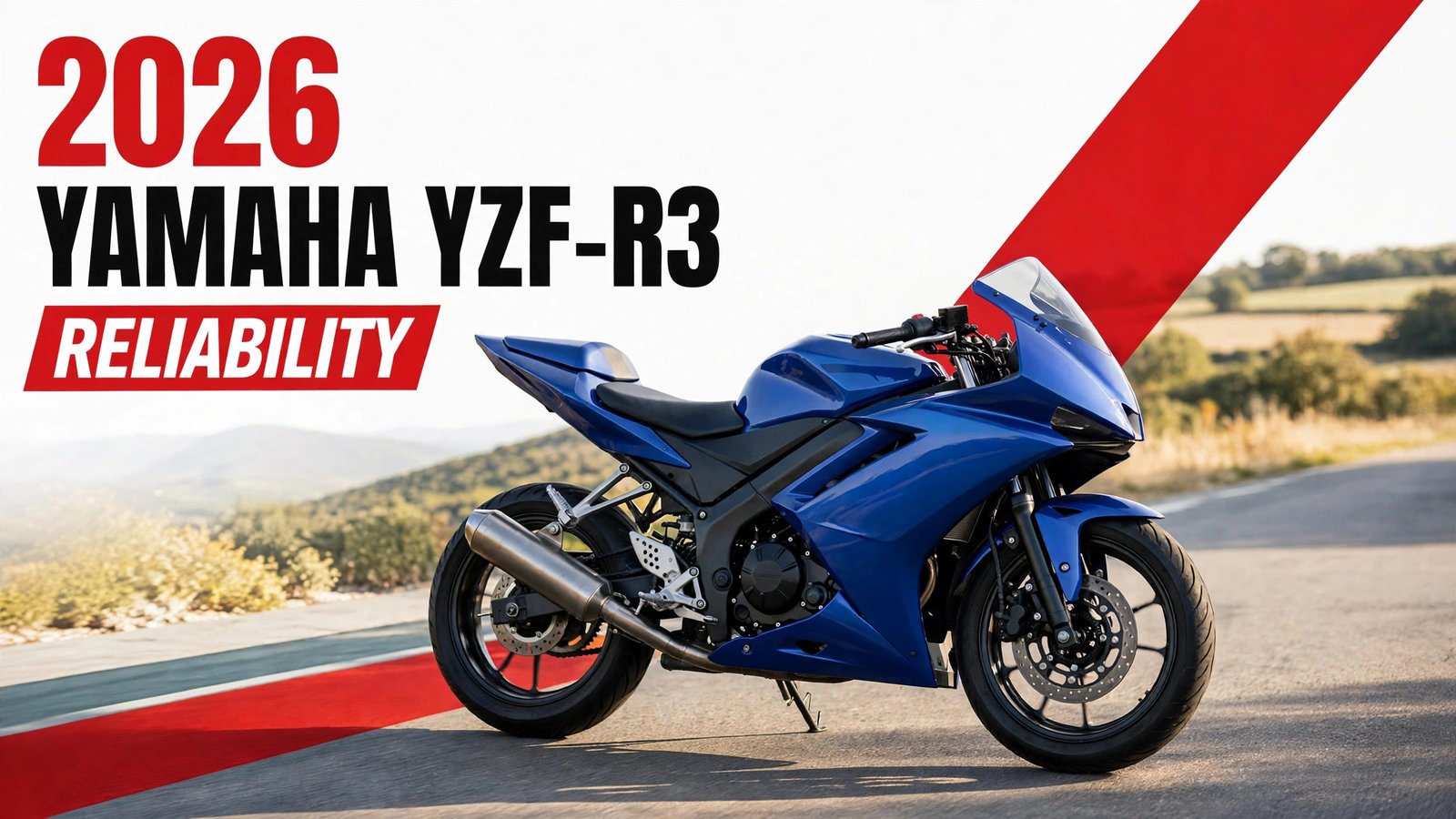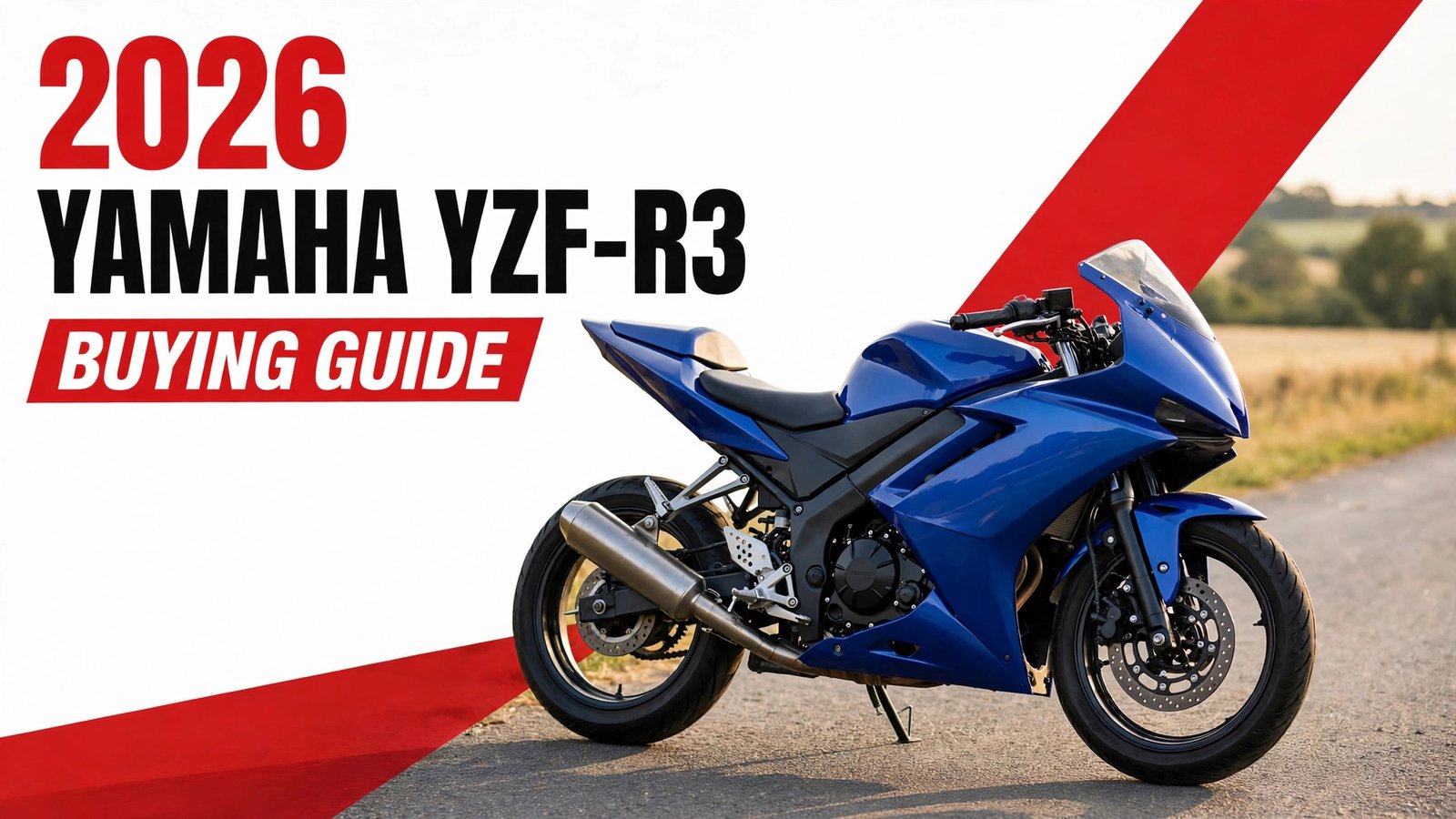
A used Yamaha YZF-R3 is one of the smartest first sportbike buys in the United States right now, provided you pick the right generation at the right price and inspect the bike properly before money changes hands. A clean, low-mileage example typically costs $1,000–$2,000 less than a new one, yet gives you the same high-revving 321cc twin, the same sharp R-series handling, and a motorcycle that holds its value well because demand for beginner-friendly sportbikes stays strong year after year. The risk is the individual bike in front of you: a used Yamaha YZF-R3 that has been dropped or neglected can quietly cost you a tire set, a chain kit, and a brake service in its first season. This guide covers model years, prices, inspection, and warning signs.
The short version is this: for most buyers, a 2019–2023 used Yamaha YZF-R3 with under 10,000 miles, a clean title, and service records is the sweet spot, usually found in the $4,500–$5,500 asking range in dealer listings surveyed. Older 2015–2018 bikes are cheaper but give up the better forks and display of the 2019 update, while the heavily revised 2025–2026 bikes command near-new money on the used market. Whatever year you choose, spend the inspection time this guide describes, because on a used Yamaha YZF-R3 the difference between a bargain and a money pit is almost always visible before you buy.
Which Yamaha YZF-R3 Model Year Should You Buy?
Choosing a used Yamaha YZF-R3 starts with one decision: do you want the original 2015–2018 motorcycle, the improved 2019–2024 version, or the latest 2025–2026 redesign? All three share the same 321cc parallel-twin engine, but the forks, bodywork, electronics, and clutch changed significantly across those generations. Your budget will usually decide for you, but it pays to know what the extra money buys.
Comparing Earlier Models with the 2026 Version
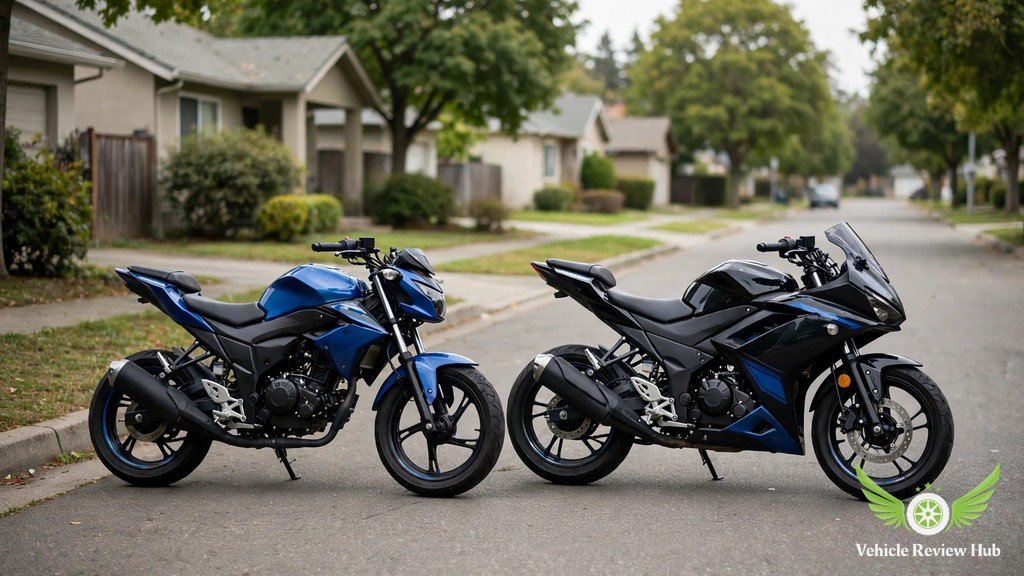
The original used Yamaha YZF-R3, sold from 2015 through 2018, is a simple, honest beginner sportbike. Yamaha launched the R3 in 2015 with a 321cc liquid-cooled parallel twin making a widely reported 42 horsepower, a steel diamond-type frame, conventional telescopic forks, and twin-headlight bodywork. ABS was optional in 2017 and standard from 2018, so an early used Yamaha YZF-R3 without ABS is common and worth a discount.
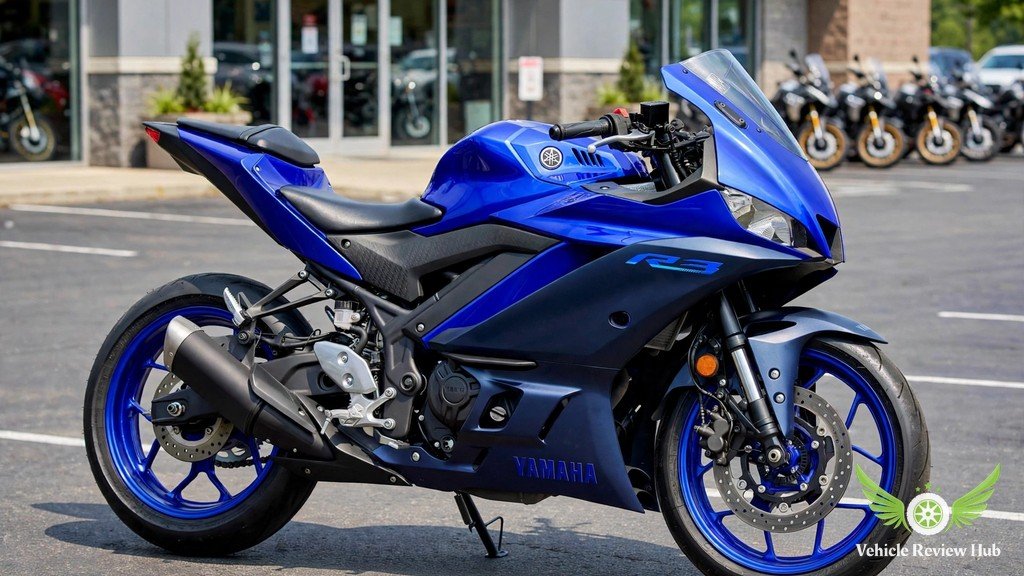
The 2019 update is the one most buyers should target when shopping for a used Yamaha YZF-R3. Yamaha gave the R3 a new R1-inspired fairing, KYB upside-down forks, clip-on handlebars lowered by 22mm, a revised fuel-tank cover for better cornering clearance, and a full LCD display replacing the old analog tachometer.
The current generation arrived with the 2025 model, unveiled in 2024, and the 2026 bike carries it over. The 2025 redesign brought a brand-new fairing with integrated winglets for aerodynamics, a new headlight design reminiscent of the larger R7, an assist-and-slipper clutch, and further updates to the LCD instrumentation, while the engine carried on unchanged. The 2026 Yamaha YZF-R3 specifications list a $5,499 MSRP ($5,699 for the 70th Anniversary Edition), a 373-pound wet weight, a 30.7-inch seat height, a 3.7-gallon tank, and an estimated 56 mpg. The generation history is documented on the Yamaha YZF-R3 model history page.
| Feature | 2015–2018 models | 2019–2024 models | 2025–2026 models |
|---|---|---|---|
| Front forks | Conventional telescopic forks | KYB upside-down forks | KYB upside-down forks |
| Display | Analog tachometer with small LCD | Full LCD display | Updated LCD with Y-Connect |
| Clutch | Standard clutch | Standard clutch | Assist-and-slipper clutch |
| ABS | Optional 2017, standard 2018 | Standard dual-channel ABS | Standard dual-channel ABS |
| Bodywork | Original twin-headlight fairing | R1-inspired fairing | New fairing with winglets |
| Seat height / wet weight | 30.7 in / about 368–373 lb | 30.7 in / 373 lb | 30.7 in / 373 lb |
| New MSRP (launch) | $4,990 (2015) | $4,999–$5,499 | $5,499 (2026) |
Choosing a Model Based on Budget and Riding Needs
Budget is the first filter, but three other factors matter when you compare a used Yamaha YZF-R3 across model years. First, remaining warranty: Yamaha’s factory coverage is a one-year limited warranty, so a late 2024 or 2025 bike bought from a dealer may still carry some cover, while a 2016 will be long out of it. Third, your size and experience matter: the R3’s 30.7-inch seat and 373-pound wet weight suit shorter and newer riders well.
Special editions such as the 60th Anniversary colors on the 2019 model and the 2026 70th Anniversary Edition carry a premium in listings, sometimes a few hundred dollars, but on a used Yamaha YZF-R3 that premium buys paint and graphics only, not a better ride. Judge the bike, not the extras, when you price a used Yamaha YZF-R3.
Used Yamaha YZF-R3 Price and Ownership Costs
Price is where most used Yamaha YZF-R3 buyers either win or overpay, because asking prices for the same year and mileage can differ by more than $1,500 between sellers. Strong demand keeps values firm, but dealer fees and reconditioning can add hundreds to an advertised figure. Judge each used Yamaha YZF-R3 against the bands below, not the cheapest listing you saw.
What Affects the Used R3’s Market Price?
Mileage, condition, and model year drive the price of a used Yamaha YZF-R3 more than anything else, followed by service history and modifications. Low-mileage bikes ask near new-bike money, while bikes over 12,000 miles drop noticeably even when sound. A full service history with receipts is worth real money: it proves oil changes happened on schedule and flags cheap crash repairs.
Dealer asking prices seen in Cycle Trader listings for a used Yamaha YZF-R3 cluster in a fairly tight band once outliers are set aside: older 2015–2018 bikes from roughly $3,500–$4,500, 2019–2021 examples from about $3,500–$5,000, 2022–2023 bikes from around $4,500–$5,500, and clean low-mileage 2024–2025 bikes from roughly $4,800–$5,700, with a few dealer listings reaching $5,900 or more for certified low-mileage bikes. Treat these as observed asking prices from listings surveyed in October 2026, not a guarantee.
| Example profile | Observed asking range | What to expect |
|---|---|---|
| 2015–2018, higher miles, private sale | $3,500–$4,500 | Oldest forks and display; budget for tires and chain |
| 2019–2021, under 10,000 miles, clean title | $3,500–$5,000 | Strong value; the sweet spot for many buyers |
| 2022–2023, under 8,000 miles, clean title | $4,500–$5,500 | Near-new condition; check dealer fees on top |
| 2024–2025, low miles, dealer bike | $4,800–$5,700 | Latest styling; near-new money |
| Planning rule | Keep $600–$900 aside for first-season consumables on any used Yamaha YZF-R3 | |
Insurance, Fuel, Maintenance and Registration Expenses
Running costs are the second half of the price of a used Yamaha YZF-R3, and they are refreshingly modest for a sportbike. Yamaha estimates 56 mpg, and with a 3.7-gallon tank that gives a theoretical range above 200 miles, though planning fuel stops around 170 miles is more realistic once reserve and real-world riding are accounted for. At 50 mpg, a 5,000-mile year needs only about 100 gallons of regular unleaded, helped by the R3’s fuel economy in real-world riding. Insurance varies far more than fuel: as a planning estimate only, budget $400–$900 a year for full coverage with a clean record, or double that as a younger or newer rider, so get a quote on the actual VIN before you commit.
Maintenance on a used Yamaha YZF-R3 is simple and affordable by sportbike standards. Tires are the biggest recurring cost: a set of quality sport rubber, fitted, runs roughly $250–$450 as a planning estimate, and a hard-ridden R3 can wear a rear tire in a single season. A chain and sprocket kit, fitted, is roughly $150–$300 as a planning estimate, and brake pads, oil, and filters are inexpensive. The one big scheduled bill is the valve-clearance inspection, due every 24,000 miles (40,000 km) on the owner’s manual chart, which as a planning estimate can run $500–$800 at a dealer if shims need changing, so a bike approaching that mileage without a valve-service receipt should be priced accordingly.
How to Inspect a Used Yamaha YZF-R3
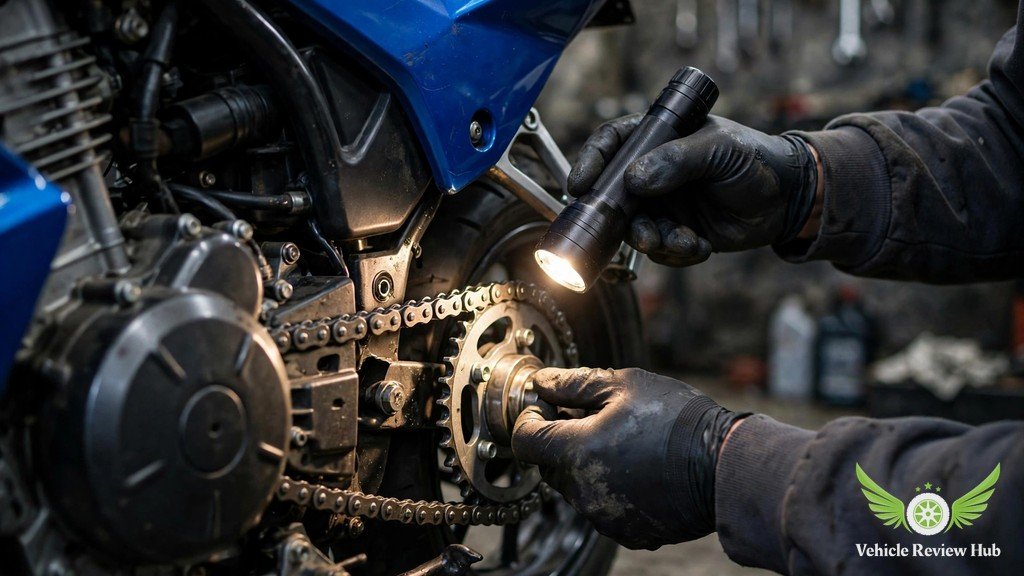
Inspection is the part of buying a used Yamaha YZF-R3 that most buyers rush, and it is the part that saves the most money. Set aside at least 45 minutes for any used Yamaha YZF-R3 viewing, bring a flashlight, and insist on a cold start: a seller who has warmed the bike up before you arrive may be hiding hard starting, smoke, or a noisy top end.
Checking the Engine and Maintenance Records
Start a used Yamaha YZF-R3 from cold and listen before you touch anything. The 321cc twin has a slightly mechanical top-end sound that owners describe as normal, but knocking, rattling that changes with revs, or smoke on start-up are not normal and are reasons to stop. Watch the exhaust for blue smoke, check the oil sight glass for a milky color that would suggest coolant mixing, and look around the engine cases, valve cover, and countershaft area for fresh oil weeping.
Service records are the most valuable document a seller can show you, and their absence should lower the price. A used Yamaha YZF-R3 has short and simple service intervals: engine oil every 3,000 miles or six months after a 600-mile break-in service, chain checks every 500 miles, and the major valve-clearance inspection every 24,000 miles on the owner’s manual chart. Ask for receipts and match their mileage to the odometer: a bike with 12,000 miles and no oil-change record has not been maintained.
Inspecting the Frame, Fairings, Tires and Brakes
Crash damage on a used Yamaha YZF-R3 usually hides in the same places: bar ends, levers, footpegs, engine case covers, and the lower fairing edges. Compare both sides of the bike, since a low-side slide marks one side only, and look for mismatched paint, overspray on bolts or tires, cracked fairing tabs held by zip ties, and fasteners that do not match. Sight down the bike to check that wheels, forks, and handlebars line up, and rock it with the front brake held to feel for steering-head bearing play.
Tires and brakes tell you how a used Yamaha YZF-R3 was ridden and what it will cost you first. Check tire date codes and tread depth across the full width, not just the center, since squared-off or feathered tires reveal commuting wear or neglected pressures, and budget for a new set if either tire is near the wear markers. The manual specifies a 110/70-17 front tire at 36 psi and a 140/70-17 rear at 42 psi, both measured cold. Squeeze both brake levers: the front should feel firm and progressive, not spongy or wooden, and the discs should be smooth without deep grooves or a pulsing feel at low speed. Chain and sprockets deserve their own minute: the correct drive-chain slack is 35–45 mm measured on the side stand in neutral, and hooked sprocket teeth shaped like shark fins mean the whole kit needs replacing.
The video below is a general used-motorcycle buying guide, not R3-specific, but it shows the chain, tire, fork, and handling checks that matter here, and it is worth watching before your first viewing.
FortNine’s five checks map directly onto the R3 inspection above. The companion FortNine guide to buying a used motorcycle covers the same checks in written form if you want a checklist to take with you.
Verifying the VIN, Title and Recall History
Verify paperwork before you negotiate, not after. The VIN appears on the steering head and on the title, and the two must match exactly, along with the seller’s name and the odometer reading. A clean title is the baseline: salvage, rebuilt, or flood-branded titles cut the value of a used Yamaha YZF-R3 sharply and can make insurance and resale difficult, so walk away from any title story that does not add up, including a seller who cannot produce the title at all.
Recall history takes two minutes and is free, and it matters more on the R3 than on many bikes because several early recalls exist. Yamaha recalled certain 2015 bikes for an upper triple clamp that could crack (16 units), for an oil pump that could seize the engine, and for a clutch pressure plate bearing that could break; certain 2015–2016 bikes were recalled because water could corrode the ignition switch and stall the engine; and certain 2019 bikes were recalled twice over front brake hose routing and retention. Run the bike’s 17-character VIN through the NHTSA recall lookup, which shows any unrepaired safety recalls for that specific vehicle, and ask the seller whether any recall work was completed, with paperwork if so. Recall repairs are always free at an authorized dealer. On a used Yamaha YZF-R3, a seller who welcomes a VIN check and a pre-purchase inspection at a dealer is usually a seller with nothing to hide, and a seller who resists either is giving you your answer.
Is a Used Yamaha YZF-R3 Worth Buying?
For most riders shopping in the lightweight class, a used Yamaha YZF-R3 is worth buying, because it delivers the sportbike experience that matters — sharp handling, a rev-happy twin, and genuine R-series looks — at a price that leaves room in the budget for gear, tires, and insurance.
Signs of a Well-Maintained Motorcycle
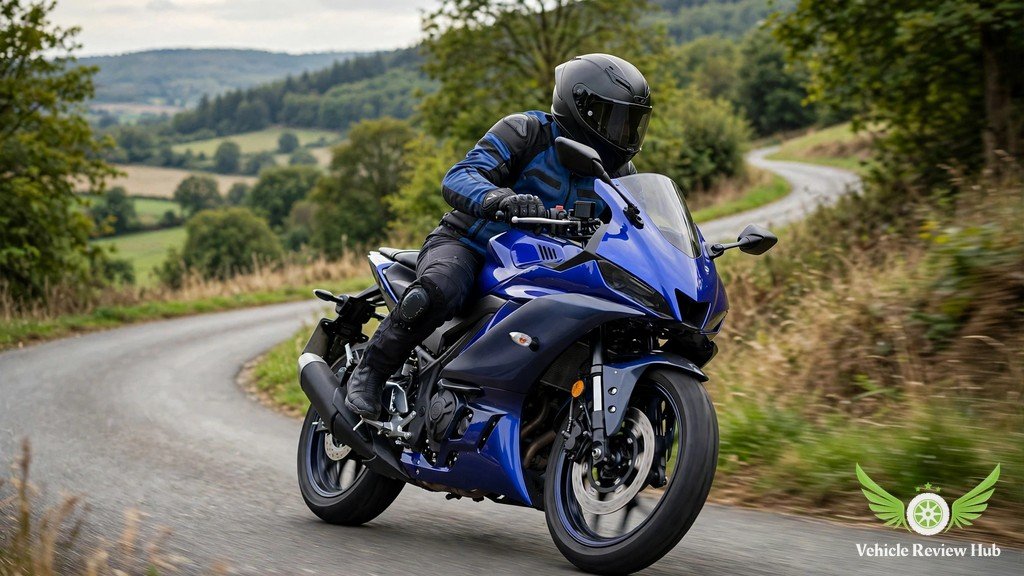
A well-maintained used Yamaha YZF-R3 is easy to recognize once you know what to look for. The chain is clean and correctly adjusted to 35–45 mm of slack, the tires have even wear and recent date codes, the brake fluid is clear rather than dark, and the oil is at the right level and looks fresh. The seller produces service receipts without being asked, knows when the last service was done, and can tell you what tires and brake pads are fitted.
Warning Signs That Should Make You Walk Away
Some problems are negotiation points; others are reasons to leave. Walk away from any bike with a salvage or flood title, a VIN that does not match the paperwork, or a seller who will not allow a cold start, a test ride, or an independent inspection. Walk away from frame damage, cracked wheels, bent forks, or evidence of a major crash repair, since a bent frame can never be fully trusted again. Be equally wary of a bike with an aftermarket ECU tune and no documentation, a quickshifter that shifts roughly on a 2025 or 2026 model, or a dashboard warning light that the seller dismisses as nothing. Finally, trust the test ride: pulling to one side, pulsing brakes, missed shifts, or a slipping clutch mean the used Yamaha YZF-R3 in front of you is not the bargain it appeared to be. Riders who outgrow the R3 often step up to a bigger middleweight, and the used R7 buying process follows the same inspection logic.
Used Yamaha YZF-R3 FAQs
Direct answers to the questions buyers ask most about a used Yamaha YZF-R3. For a specific bike, the inspection section matters more, because condition always beats averages.
What is the best year for a used Yamaha YZF-R3?
For value, a low-mileage 2019–2023 used Yamaha YZF-R3 with service records is the best buy, since the 2019 update brought upside-down forks, a full LCD display, and sharper bodywork.
How much should I pay for a used Yamaha YZF-R3?
As a guide from dealer asking prices surveyed in October 2026 for a used Yamaha YZF-R3, budget roughly $3,500–$4,500 for a 2015–2018 bike, $3,500–$5,000 for a 2019–2021 bike, $4,500–$5,500 for a 2022–2023 bike, and $4,800–$5,700 for a clean low-mileage 2024–2025 bike, before taxes and dealer fees.
How many miles is too many on a used Yamaha YZF-R3?
Mileage alone is not a deal-breaker on a used Yamaha YZF-R3, because the 321cc twin is proven well beyond 30,000 miles when serviced properly. What matters is whether mileage matches service history: a 20,000-mile bike with full records beats a 5,000-mile bike with none. Any bike approaching 24,000 miles should have its valve service documented or priced in.
Does the R3 have a slipper clutch?
Only the 2025 and 2026 models have an assist-and-slipper clutch as standard. A used Yamaha YZF-R3 from 2015–2024 uses a standard clutch, so do not pay a premium for a claimed slipper clutch on an older bike unless an aftermarket unit is documented.
What changed on the Yamaha YZF-R3 in 2019?
The 2019 update brought a new R1-inspired fairing, KYB upside-down forks, clip-on handlebars lowered by 22mm, a revised fuel-tank cover, and a full LCD display.
What changed on the Yamaha YZF-R3 in 2025?
The 2025 model brought a new fairing with integrated winglets, a new headlight design, an assist-and-slipper clutch, and updated LCD instrumentation with Y-Connect, while the engine stayed the same.
Are there any Yamaha YZF-R3 recalls I should check?
Yes, mainly on early bikes. Recalls cover a 2015 upper triple clamp, a 2015 oil pump and clutch bearing, a 2015–2016 ignition switch that could stall the engine, 2019 front brake hose issues, and a 2019–2021 certification label VIN mismatch. Always verify by VIN at NHTSA.gov/Recalls before buying.
What should I check first when inspecting a used Yamaha YZF-R3?
Start cold, then check the chain slack (35–45 mm), tire age and tread, fork seals, brake feel, and fairing symmetry for crash evidence. Then verify the VIN against the title and run a recall check.
How much does it cost to maintain a used Yamaha YZF-R3?
As planning estimates, budget roughly $250–$450 for a fitted tire set, $150–$300 for a fitted chain and sprocket kit, and $500–$800 for the 24,000-mile valve-clearance service at a dealer.
Is a used Yamaha YZF-R3 good for a beginner?
Yes. A used Yamaha YZF-R3 is one of the best beginner sportbikes because its 42-horsepower twin is forgiving, its 30.7-inch seat and 373-pound weight are manageable, and its running costs are low.