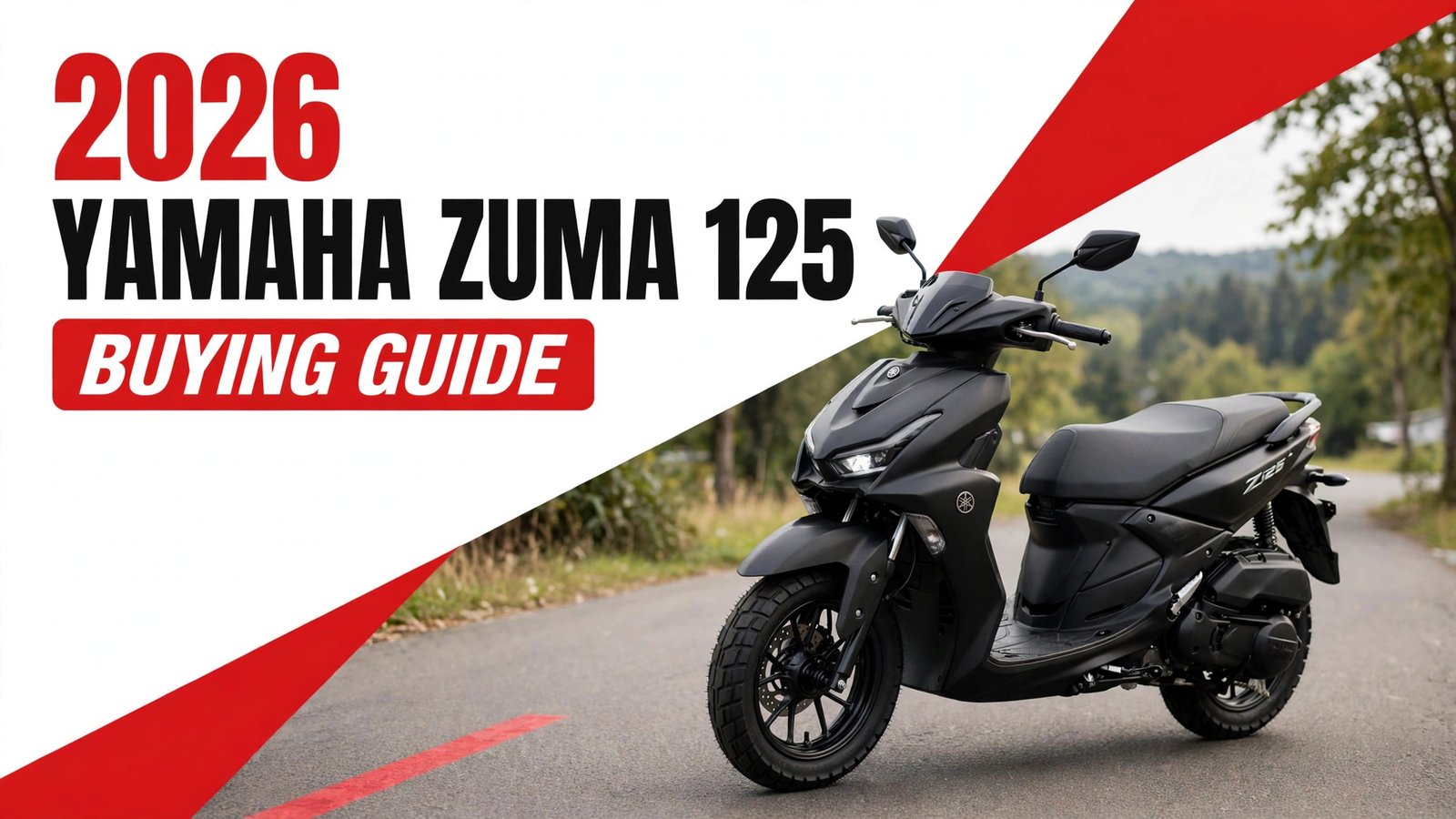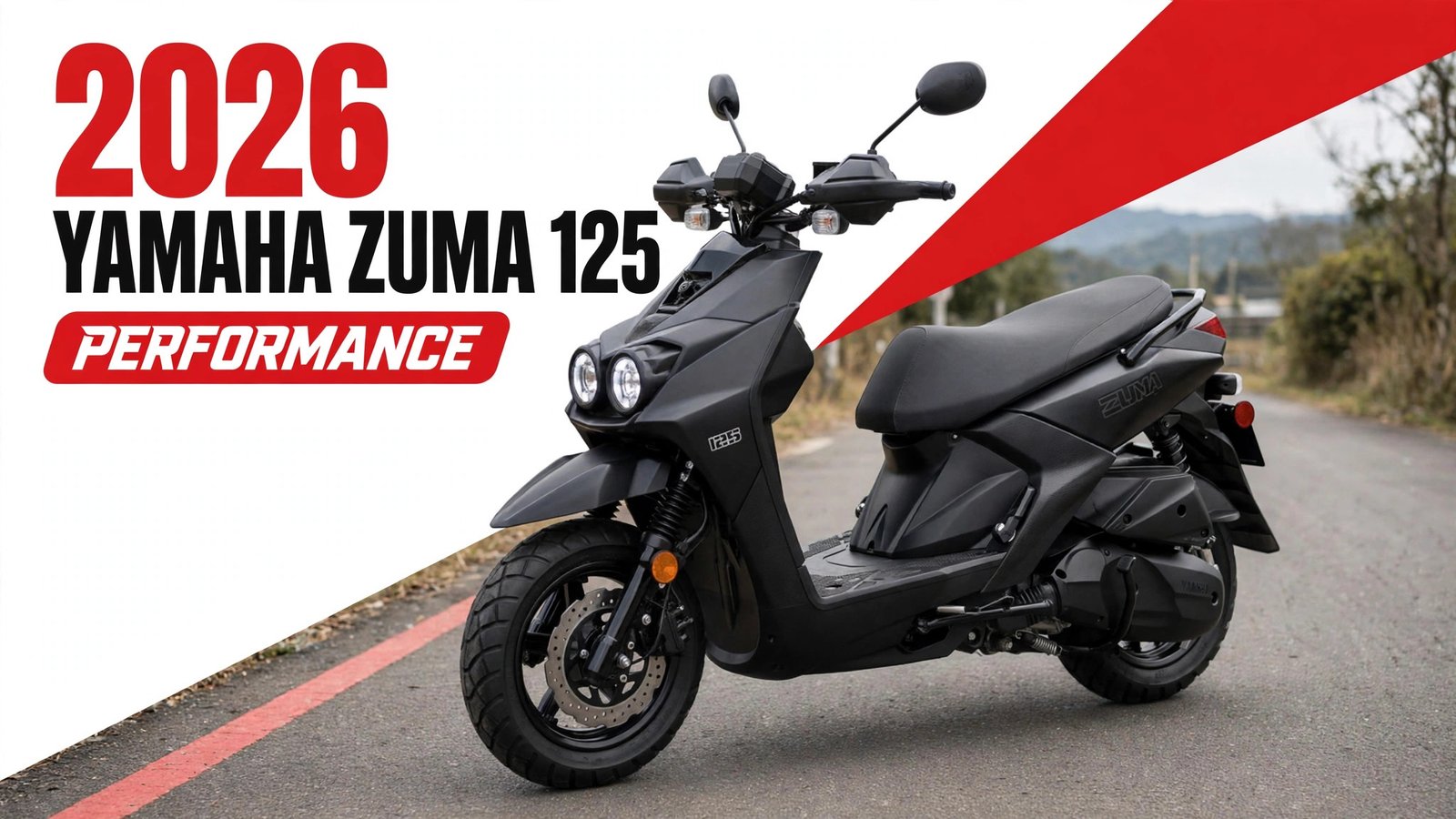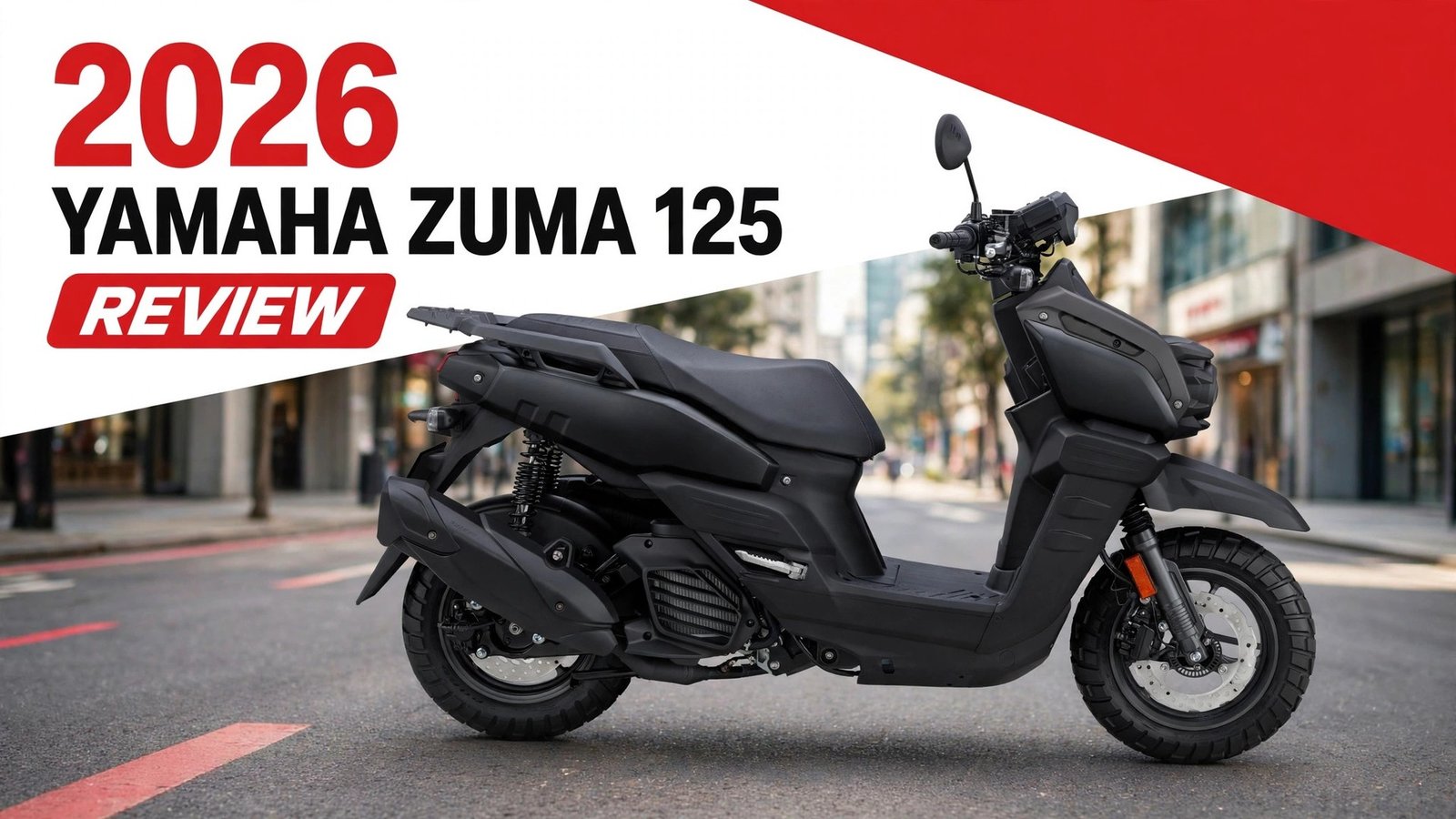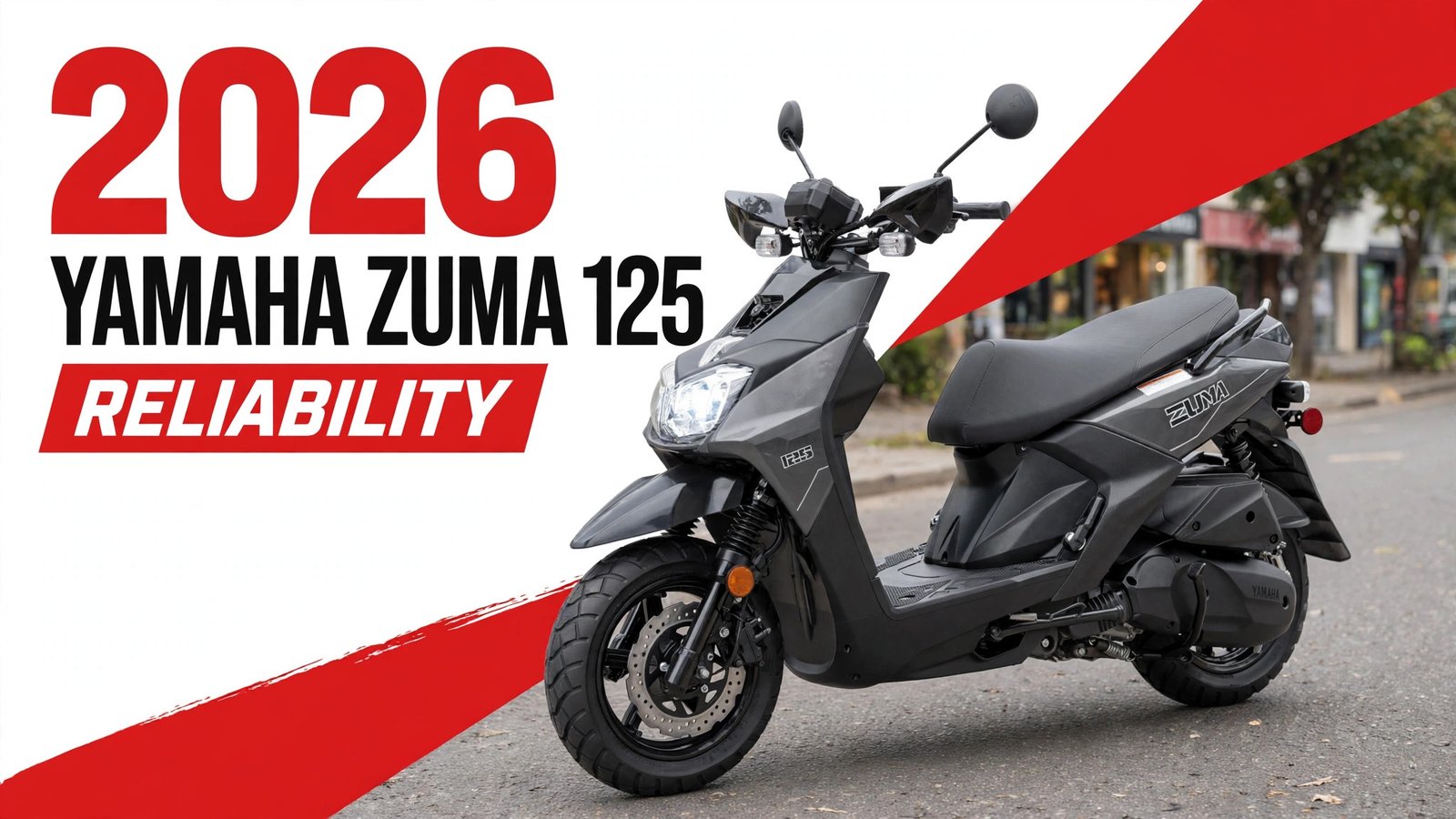
Yamaha Zuma 125 reliability is genuinely strong, with one clear exception every buyer must check first. The little 125cc scooter has been sold in the United States since the 2009 model year, its drivetrain is a simple CVT automatic with a V-belt final drive, and there is no chain, no clutch lever and no complicated electronics. That simplicity is the foundation of Yamaha Zuma 125 reliability. But Yamaha Zuma 125 reliability is not automatic: the CVT belt is a scheduled wear item, the small battery punishes winter storage without a charger, and early 2009 bikes carry a fuel-pump recall that can stall the engine. This guide covers the service schedule, that recall, ownership costs and the habits that keep Yamaha Zuma 125 reliability high.
The Zuma 125 is a step-through scooter, not a small motorcycle, and its three US generations are mechanically different. For prices and full specifications, see the Zuma 125 review, and for what the 125cc engine delivers on the road, see the performance figures.Yamaha Zuma 125 Reliability Overview
Yamaha Zuma 125 reliability starts with a long, stable production run. Sold in the United States since 2009, the Zuma has had seventeen model years for problems to surface — and very few serious ones have. That long history is why Yamaha Zuma 125 reliability can be judged on evidence.
Simple Air-Cooled Then Liquid-Cooled Design and Long US Sales History
The first generation, sold from 2009 to 2015, used a forced air-cooled 125cc single with fuel injection, a dry centrifugal automatic clutch and a V-belt CVT, with bug-eye dual headlights. Its brakes were a 220mm front disc and a 150mm rear drum, and its seat was 30.7 inches. Yamaha revamped the scooter for 2016 with off-road-inspired styling, a wavy 245mm front disc, a 200mm rear disc replacing the drum, digital gauges, a cupholder and a larger 1.7-gallon tank, at $3,390. The 2022 redesign changed the mechanical package: a liquid-cooled Blue Core 125cc single with variable valve actuation (VVA), a 245mm front disc with a double-piston caliper and a 230mm rear disc, a 30.9-inch seat and a claimed 282 pounds wet. Keeping the generations separate matters for Yamaha Zuma 125 reliability, because a claim true of one generation is often false of another.
Across all three generations, the recipe stayed simple: one small cylinder, fuel injection, a CVT and a steel-tube frame with fat 12-inch tires. There are no ride modes, no traction control and no electronic suspension to fail, and the 2022-on bike’s Unified Brake System is a mechanical linked-brake setup. That simplicity is why Yamaha Zuma 125 reliability scores well in owner reports, which praise low fuel costs, easy starting and dependable service over 10,000-plus miles, while criticizing seat comfort rather than mechanical breakdowns.
How Mileage, Maintenance History and Previous Use Affect Reliability
With the Zuma 125, the service file matters more than the odometer. A 2016 example with 12,000 miles and a stamped belt change beats a 2022 example with 5,000 miles and no records, because the belt job is the most consequential service and the easiest to skip. Storage matters too: a scooter parked for two winters without a charger is more likely to need a battery and a fuel-system clean than a commuter with double the mileage. For Yamaha Zuma 125 reliability, inspect wear items and records, not just the year.
Yamaha Zuma 125 Common Problems and Wear Items
There is no pattern of catastrophic engine or frame failure in the Yamaha Zuma 125 reliability record. The issues that do arise are one safety recall on early bikes, normal scooter wear items, and owner-reported annoyances. Keeping those categories separate is the key to reading listings.
2009 Fuel Pump Recall 13V035 and Stalling Risk Explained
The one serious Zuma 125 recall is 13V035, filed by Yamaha Motor Corporation, USA. It covers certain model year 2009 YW125 (Zuma 125) scooters manufactured between July 2008 and April 2009 — 8,700 units. Possible improper clearances in the internal fuel pump components could cause an inadequate fuel supply, stalling the engine and increasing crash risk. The remedy is free: dealers replace the fuel pump with a newly designed pump, and the recall began on February 27, 2013. Yamaha customer service is 1-800-962-7926, and the NHTSA safety hotline is 1-888-327-4236.
The owner-complaint record reads exactly like the defect description: 2009 owners reported stalling in hot weather, often after the scooter sat in the sun, with no fuel-pump sound on restart attempts, and a restart only after the machine cooled for an hour or more. One owner reported stalling at a red light in a multi-lane turn lane; another reported a bike with just 95 miles that would not run. Those complaints are owner reports, not a second defect — but they explain why the recall matters for Yamaha Zuma 125 reliability. If you own or are considering a 2009 Zuma 125, run the VIN through Yamaha’s recall lookup or NHTSA’s recall tool and ask for written proof the pump was replaced.
CVT Belt, Rollers, Clutch, Battery and Electrical Checks
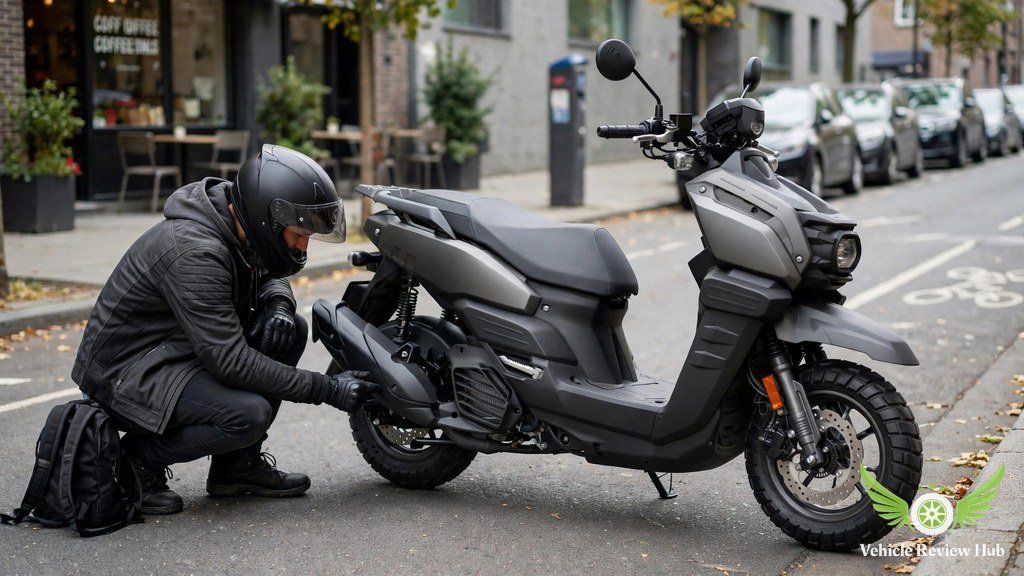
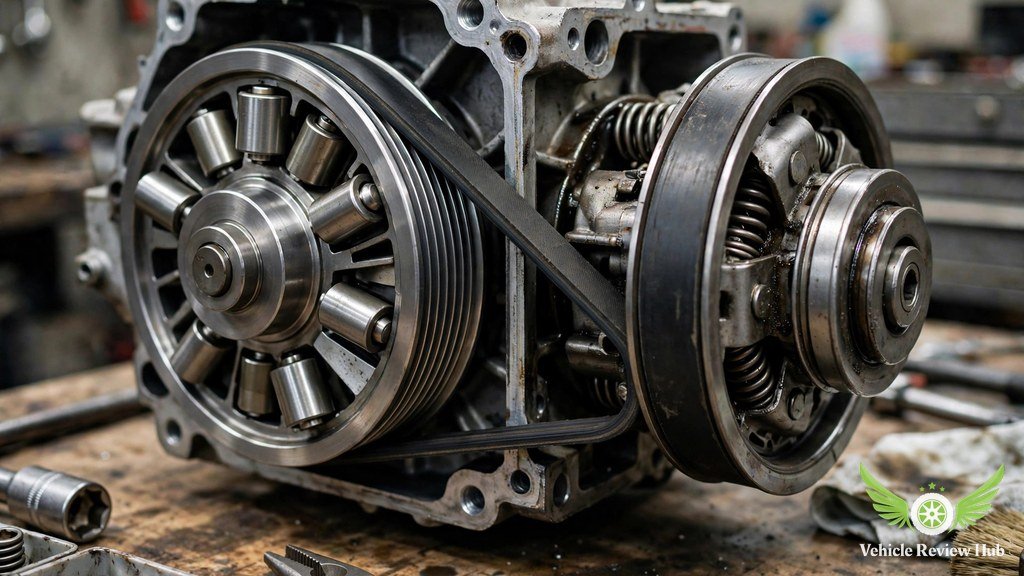
The CVT is the biggest single factor in Yamaha Zuma 125 reliability. The V-belt flexes thousands of times a minute, variator rollers wear flat spots that show up as sluggish take-off or lost top speed, and centrifugal clutch shoes wear until pull-away judders. A used Zuma with 13,000 miles and no belt receipt needs a belt job immediately. Inspect the belt at every service visit: a snapped belt is a roadside breakdown, a worn belt a shop visit.
The battery is the other weak point for Yamaha Zuma 125 reliability: a 12-volt unit that does not tolerate months of sitting. Owners who park for winter without a trickle charger often find a dead battery in spring. A battery tender is the cheapest Yamaha Zuma 125 reliability upgrade you can buy. Beyond the battery, electrical complaints are minor and isolated: glitches after a battery disconnect, ageing connectors, and fuses that are a five-minute check. The 2022-on bike adds liquid cooling to the checklist — watch the coolant reservoir level and hose condition.
Yamaha Zuma 125 Maintenance Schedule and Servicing
The Zuma 125 service schedule is simple, and following it is most of what Yamaha Zuma 125 reliability asks of an owner. The intervals below come from Yamaha’s owner’s and service manuals.
First Service at 600 Miles, Then 2,000-Mile Steps and Spark Plug Changes
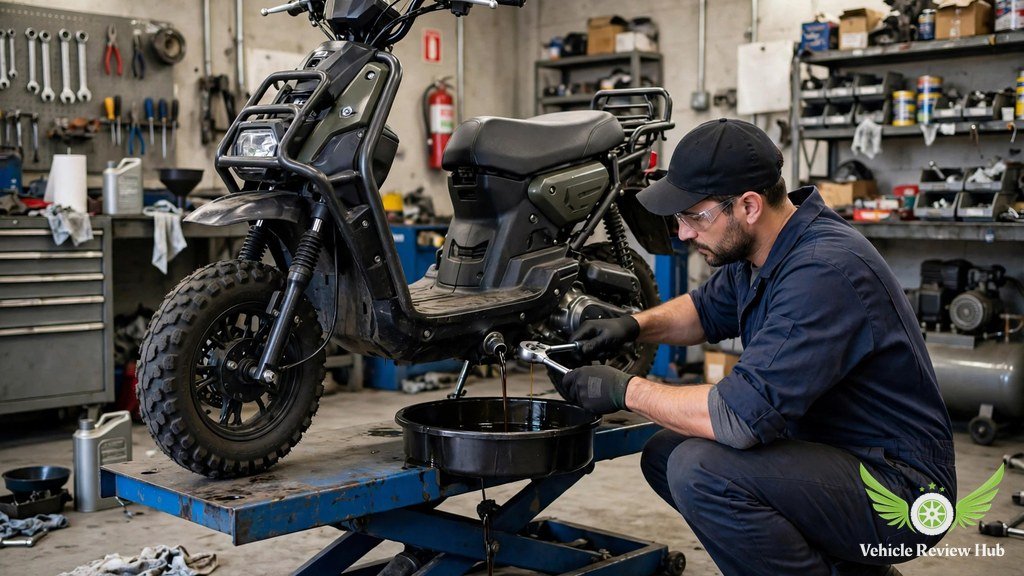
The first service falls at 600 miles (1,000 km). After that, the owner’s manual pattern for the air-cooled bikes is oil changes every 2,000 miles or 6 months, with the oil strainer cleaned at each change. A periodic change takes 0.80 to 0.90 litres (about 0.9 US quart), so fresh oil is cheap insurance for Yamaha Zuma 125 reliability. Use your year manual’s grade (10W-40 is the common recommendation) and check the level before every ride on the centerstand, since a tilt gives a false reading.
The spark plug is a short-interval item on this scooter. The manual chart marks plug service at the early visits, and a 2022 summary lists replacement at 4,000 miles, with a gap of 0.8 to 0.9mm on an NGK CR7E plug. Valve clearance is checked and adjusted at the chart visits too, starting with break-in and again around 8,000 miles — a dealer job on most owners’ schedules, and one worth doing, since tight valves were reported by at least one high-mileage owner. For Yamaha Zuma 125 reliability, treat plug and valve items as real maintenance.
The video below, by Mitch’s Scooter Stuff, shows the full Zuma/BWS 125 CVT service — variator, belt and clutch.
Air Filter and V-Belt Case Filter Every 12,500 Miles and Belt Planning
The air filter on the Zuma 125 uses a disposable oil-coated paper element — never clean it with compressed air, which damages the element. Replace it outright, and service the V-belt case filter at the same point — the service chart puts air-filter element replacement at 20,000 km, about 12,500 miles, sooner in unusually wet or dusty areas. The V-belt itself is replaced every 18,000 km, or 12,000 miles, with belt inspection every 3,000 miles between changes. For Yamaha Zuma 125 reliability, budget for the belt at 12,000 miles and treat anything beyond that as borrowed time.
The final drive has its own small oil reservoir. The service manual specifies SAE 10W-30 type SE oil, with a periodic change quantity of just 0.12 to 0.14 litres. Steering bearings are repacked with lithium-soap-based grease every 13,000 km (8,000 miles) or 24 months. None of these jobs is expensive; together, done on time, they are why Yamaha Zuma 125 reliability holds up past 15,000 miles.
| Service item | Interval (Yamaha manuals) | Notes |
|---|---|---|
| First service | 600 miles | Initial oil change and full check |
| Engine oil + strainer clean | Every 2,000 miles or 6 months | 0.80–0.90 L per change |
| V-belt inspection | Every 3,000 miles | Look for cracks, glazing, width loss |
| V-belt replacement | Every 12,000 miles | 18,000 km in the service manual |
| Air filter element + V-belt case filter | About every 12,500 miles | 20,000 km; disposable element, never blow out |
| Spark plug | Short interval per manual chart | NGK CR7E, gap 0.8–0.9mm; 4,000 miles per 2022 summary |
| Valve clearance | Chart visits from break-in | Check and adjust; dealer job |
| Final transmission oil | Scheduled visits | SAE 10W-30 SE, 0.12–0.14 L per change |
| Steering bearings | Every 8,000 miles or 24 months | Repack with lithium-soap-based grease |
Yamaha Zuma 125 Tires, Brakes and Suspension Maintenance
Fat 12-inch tires and simple suspension help the Zuma shrug off city streets, but the wear items here still decide whether Yamaha Zuma 125 reliability feels effortless or expensive.
Tire Condition, Pressure, Tread Wear and Replacement
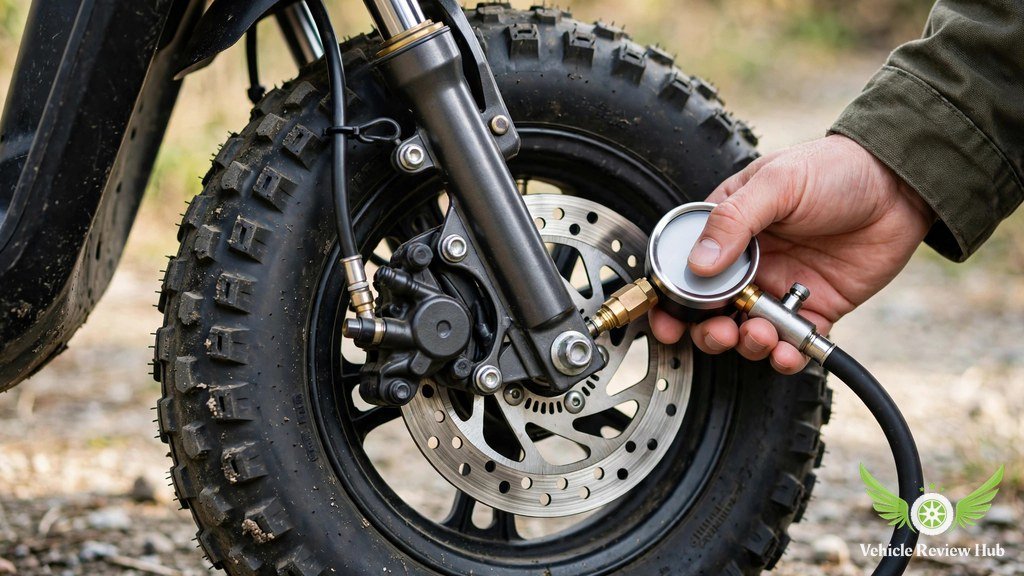
For Yamaha Zuma 125 reliability, tire care starts with the sizes: 120/70-12 front and 130/70-12 rear on every generation, tubeless, with the fat profile that gives the Zuma its planted feel. Check pressures cold, before the first ride of the day, against your own year manual or the tire decal, because published figures vary by year — the 2011 manual lists 28 psi front and 33 psi rear, the 2020 manual 29 psi front and 33 psi rear. A warm reading hides under-inflation, which wears the shoulders and hurts economy. Replace tires at the wear indicators, and replace tires that show age cracking even if the tread looks adequate.
Brake Pads, Brake Discs, Forks and Rear Suspension Checks
Braking hardware changed across the generations, so check what your bike has. The 2009–2015 bikes used a 220mm front disc and a 150mm rear drum; the 2016–2021 bikes upgraded to a wavy 245mm front disc and a 200mm rear disc; the 2022-on bikes use a 245mm front disc with a double-piston caliper and a 230mm rear disc. The later bikes use Yamaha’s Unified Brake System — linked braking, where the rear lever also applies some front brake — and none of them has ABS. Pad life depends on riding style, so check pad thickness at every service. A pulsing lever, a persistent squeal or a disc with a visible lip all mean the brakes need attention now for Yamaha Zuma 125 reliability. Suspension is simple: a telescopic fork (27mm on the early bikes) and dual rear shocks. That simplicity helps Yamaha Zuma 125 reliability — no adjusters to fail — but wear shows up as fork seals weeping oil, excessive dive under braking, or rear shocks feeling soft and bouncy.
Yamaha Zuma 125 Maintenance and Ownership Costs
Yamaha Zuma 125 reliability comes cheaply. The Zuma is cheap to run by motorcycle standards, but its cost curve is lumpy like any CVT scooter: most years are inexpensive, and every 12,000 miles brings a belt bill. Planning for that lump is the difference, for Yamaha Zuma 125 reliability, between a scooter that feels cheap and one that surprises.
Fuel, Routine Servicing, Tires and Replacement Parts
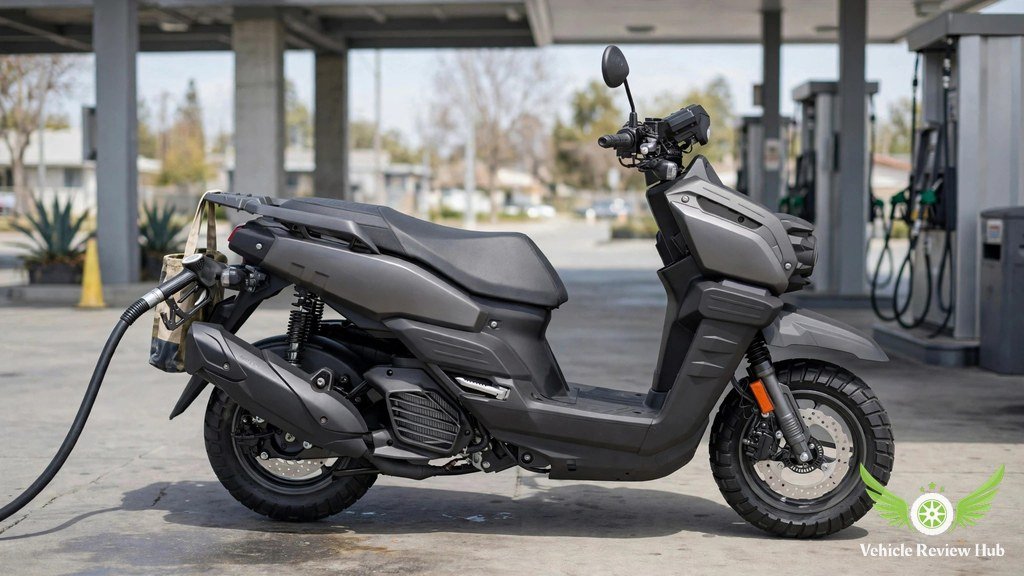
Fuel is the smallest line. Yamaha claimed 101 mpg for the 2022 redesign and an estimated 103 mpg for the 2016 bike, with a 1.6-gallon tank on the current model and a 1.7-gallon tank on the 2016–2021 bikes — roughly 160 miles per tank. At $3.50 a gallon, 101 mpg works out to under four cents a mile. The predictable big-ticket items are the 12,000-mile belt job, tires and a battery. As planning estimates for Yamaha Zuma 125 reliability — not dealer quotes — budget $200–$400 for a dealer belt-and-rollers service, $120–$220 for tires fitted, and $50–$100 for a battery.
| Cost item | Typical interval | Planning estimate |
|---|---|---|
| Fuel | Ongoing | Under $0.04 per mile at 101 mpg, $3.50 per gallon |
| Oil change | Every 2,000 miles | Low; under 1 litre of oil |
| Belt, rollers and valve check | Every 12,000 miles | $200–$400 dealer estimate |
| Tires (pair, fitted) | Rear roughly twice as often as front | $120–$220 estimate |
| Battery | Every 3–5 years | $50–$100 estimate |
| Annual routine total (excluding belt years) | Per year | A few hundred dollars |
Repair Expenses, Parts Availability and Long-Term Ownership Costs
Parts availability is a strength for Yamaha Zuma 125 reliability. Sold in the US since 2009, the Zuma’s belts, rollers, filters, pads and bodywork are stocked by Yamaha dealers and online parts houses, and used parts are easy to find. Long-term, the costs that catch owners out are rarely mechanical failures: a neglected belt, a battery killed by winter storage, tires aged out rather than worn out, and brake fluid never changed because mileage stayed low. The 2022-on liquid-cooled bike adds one more long-term item — coolant hoses deserve a look with the brake hoses — but nothing in the Yamaha Zuma 125 reliability record suggests the cooling system is a weak point.
How to Keep a Yamaha Zuma 125 Reliable
Yamaha Zuma 125 reliability is mostly a matter of discipline rather than luck. The machine is simple and proven; trouble follows skipped services, bad storage or an unchecked recall.
Preventive Maintenance, Proper Lubrication and Regular Inspections
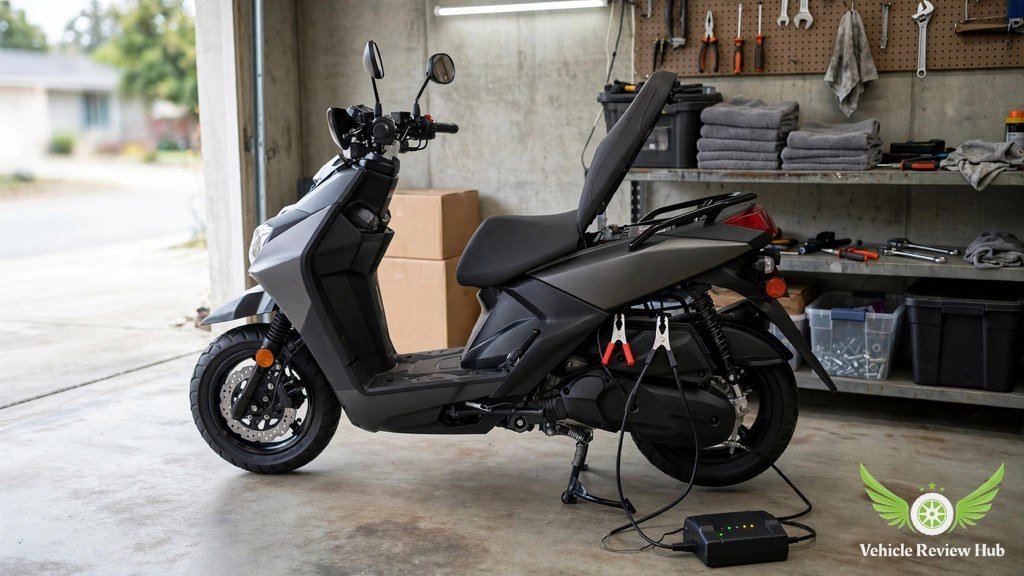
Yamaha Zuma 125 reliability rewards a short routine: build one and stick to it. Before every ride, protect Yamaha Zuma 125 reliability: check tire pressures cold, look for cuts or nails, and confirm brake feel on the first stop. After washing, lubricate the stand pivots and cables, and never pressure-wash bearings, seals or connectors. For storage, fill the tank with fuel stabilizer, connect a battery tender, and store the scooter clean and covered. For Yamaha Zuma 125 reliability, use the correct engine oil grade, DOT 4 brake fluid, and genuine or equivalent-quality filters.
Recall Check: Only One US Recall and It Covers Early 2009 Bikes Only
Only one recall touches the Zuma 125 in the US record, and a buyer checks it by VIN. The fuel-pump recall 13V035 is covered in detail above: certain model year 2009 bikes built between July 2008 and April 2009, 8,700 units, free pump replacement. No later model year is covered, and no Zuma 125 recall appears in the US record — so a seller claiming a 2016 or 2022 bike “had the recall done” is mistaken. Confirm recall status through NHTSA’s recall tool before money changes hands — non-negotiable for Yamaha Zuma 125 reliability. For used prices, insurance and inspection, see the buying guide.
Yamaha Zuma 125 Reliability FAQs
Direct answers on Yamaha Zuma 125 reliability from the facts above.
Is the Yamaha Zuma 125 reliable?
Yes. Yamaha Zuma 125 reliability rests on a simple 125cc engine and CVT drivetrain, a long US sales history, and no pattern of major mechanical failure. The one serious exception is the 2009 fuel-pump recall, which must be checked by VIN.
Does the 13V035 recall affect 2010 and later Zuma 125 models?
No. For Yamaha Zuma 125 reliability, the recall covers certain model year 2009 bikes built between July 2008 and April 2009 only.
How often should I change the oil on a Yamaha Zuma 125?
After the 600-mile first service, the air-cooled bikes follow a 2,000-mile or 6-month oil pattern, with the strainer cleaned at each change. Follow your own model-year manual’s chart for Yamaha Zuma 125 reliability, using under a litre of oil per change.
When should the V-belt be replaced?
Every 12,000 miles — the single most important Yamaha Zuma 125 reliability interval. Inspect the belt every 3,000 miles, and do not stretch replacement beyond 12,000 miles: a failed belt strands you.
How often should the air filter be replaced?
The disposable oil-coated paper element is replaced at 20,000 km, about 12,500 miles, with the V-belt case filter serviced at the same visit. Never clean it with compressed air for Yamaha Zuma 125 reliability — that damages the element.
How long do Zuma 125 tires last?
It depends on riding style, but the rear typically wears about twice as fast as the front. Check pressures cold against your year manual for Yamaha Zuma 125 reliability and replace tires showing age cracking even if the tread looks adequate.
How long does the Zuma 125 battery last?
With regular riding, several years; with winter storage and no charger, one season can kill it. The battery is a 12-volt unit, so a battery tender during storage is the best investment in Yamaha Zuma 125 reliability.
Should I buy a used 2009 Zuma 125?
Yes, with conditions: confirm the 13V035 fuel-pump remedy by VIN, check the belt-service history (a belt receipt at 12,000 miles is worth more than low mileage for Yamaha Zuma 125 reliability), and inspect tires for age.
Does the Yamaha Zuma 125 have ABS?
No — and that simplicity helps Yamaha Zuma 125 reliability. The Zuma uses a Unified Brake System, which is linked braking, not ABS.
Does the Yamaha Zuma 125 have a chain?
No — and that simplicity helps Yamaha Zuma 125 reliability. The Zuma uses a fully automatic CVT with a V-belt final drive and a dry centrifugal clutch. There is no chain to adjust or lubricate.
What is the Zuma 125 warranty?
US models carry a one-year limited factory warranty, as the 2022 specification table records — a short warranty that makes Yamaha Zuma 125 reliability habits matter more.