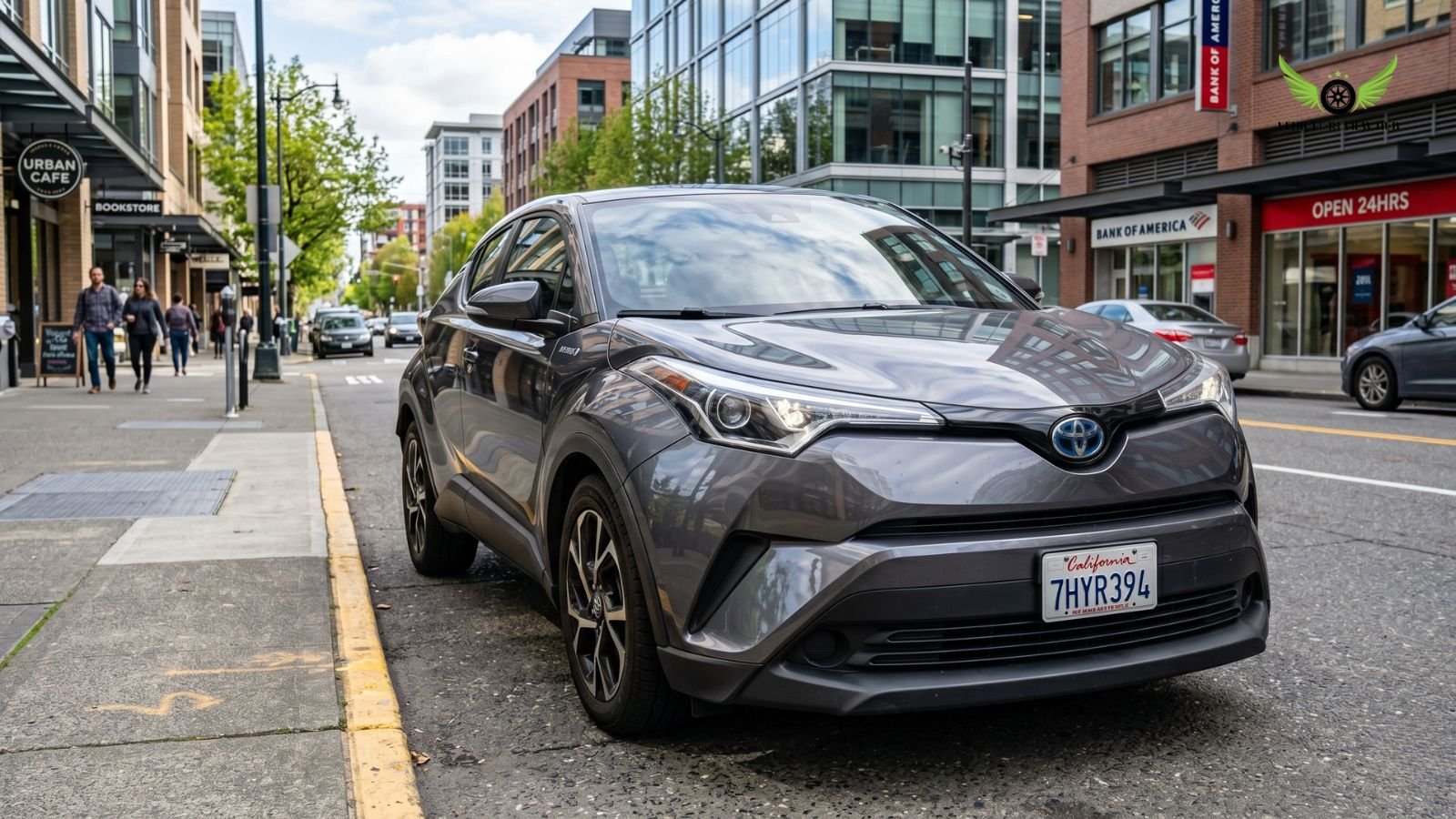
The Toyota C-HR was sold in the U.S. from 2018 to 2022 as a compact SUV focused on reliability and city driving. This Toyota C-HR Review gives a direct, data-based answer so you can quickly understand its real value.
The vehicle comes with a 2.0L 4-cylinder engine producing 144 horsepower and 139 lb-ft of torque, paired with a CVT transmission and front-wheel drive only. Fuel economy is rated at 27 MPG city and 31 MPG highway (29 MPG combined). These numbers confirm it is efficient for daily use but not performance-oriented.
Acceleration is slow for the segment, with 0–60 mph taking about 10 seconds. In real driving, it feels smooth in city traffic but underpowered on highways. This matches most user feedback across U.S. owners.
Looking at Toyota C-HR Price, the original MSRP ranged from about $23,000 to $27,000. In today’s U.S. used market:
- 2018: ~$16,000–$19,000
- 2020: ~$20,000–$23,000
- 2021–2022: ~$22,000–$26,000
Pricing remains stable due to consistent demand and Toyota’s reliability reputation.
Interior space is limited. Cargo capacity is 19.1 cubic feet, and rear seating is tight. This makes it practical for individuals or couples but not ideal for families. Rear visibility is also restricted due to the design.
Based on real ownership data, reliability is the strongest advantage. Maintenance issues are low, and long-term costs are predictable. This is a key reason why many buyers still consider it in the used market.
From a decision perspective, this Toyota C-HR Buying Guide is clear: it is a good choice for city drivers who want a reliable, easy-to-drive compact SUV. It is not suitable for those needing strong performance, all-wheel drive, or more space.
What Is the Toyota C-HR and Why It’s Unique in the USA Market
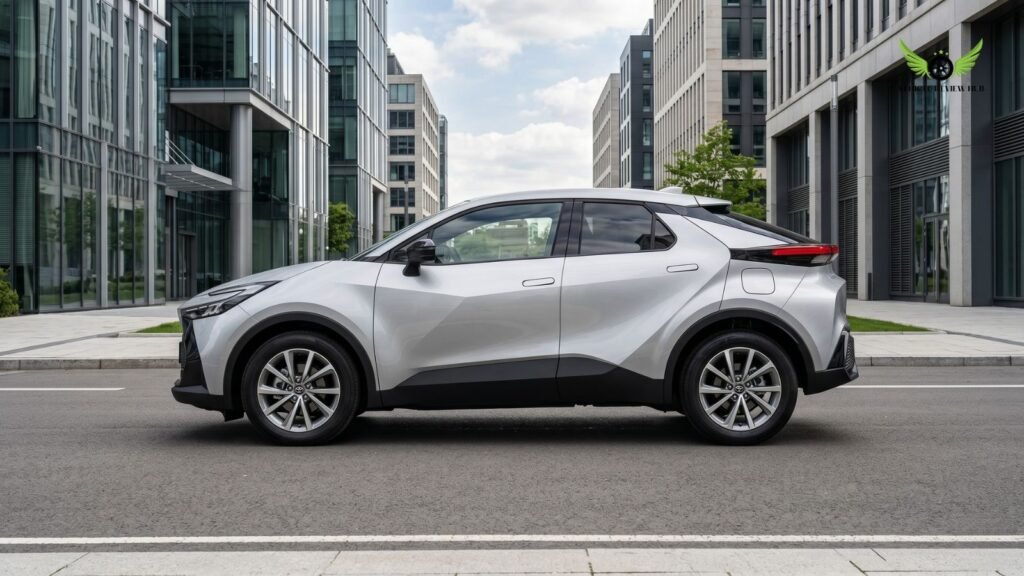
The Toyota C-HR was sold in the U.S. from 2018 to 2022 as a compact SUV focused on design, reliability, and daily usability. In this part of the Toyota C-HR Review, the goal is to explain its real position in the market and why it stands out.
What makes it different is its approach. Most subcompact SUVs in the U.S. offer all-wheel drive and stronger performance. The C-HR did not. It came only with front-wheel drive and a single engine option. Instead of competing on power, it focused on comfort, styling, and ease of use in city driving.
From a market perspective, this made it less mainstream but more targeted. Buyers who wanted something simple and reliable found it appealing, while others looking for versatility often chose alternatives.
Toyota C-HR Overview in the Subcompact SUV Segment
In the subcompact SUV segment, the C-HR sits on Toyota’s TNGA-C platform, the same base used in the Corolla. Its core specifications are straightforward:
- 2.0L 4-cylinder engine
- 144 horsepower
- CVT transmission
- Front-wheel drive only
Compared to competitors, the setup is basic. Many rivals offer more power and optional AWD. The C-HR does not match them in those areas.
However, based on real-world feedback, its strength is in daily driving. The compact size makes it easy to handle in traffic, and the steering is light, which helps in urban conditions. This is where it performs best.
Evolution from Gas Model to Hybrid/EV Transition
The U.S. version of the C-HR remained a gasoline-only model during its entire run. There was no hybrid or AWD option available in this market.
Globally, the situation is different. Toyota introduced hybrid versions in other regions and later moved toward plug-in hybrid and fully electric models in the newer generation.
This shows a clear shift. The earlier version focused on simplicity and affordability, while newer versions aim for better efficiency and higher performance through electrification.
Who Should Buy the Toyota C-HR in the USA
The C-HR fits a specific type of buyer. It is not a general-purpose SUV.
It works well for:
- City drivers who want a compact and easy-to-drive vehicle
- Buyers who prioritize reliability and predictable maintenance
- Individuals or couples with light daily needs
It is not a good fit for:
- Drivers who need all-wheel drive
- Buyers expecting strong acceleration
- Families needing more rear space and cargo capacity
From a practical standpoint, this aligns with a simple Toyota C-HR Buying Guide—it is a good choice when your priorities match its strengths, but it does not cover every need in the segment.
Toyota C-HR Price in the USA (Market Analysis)
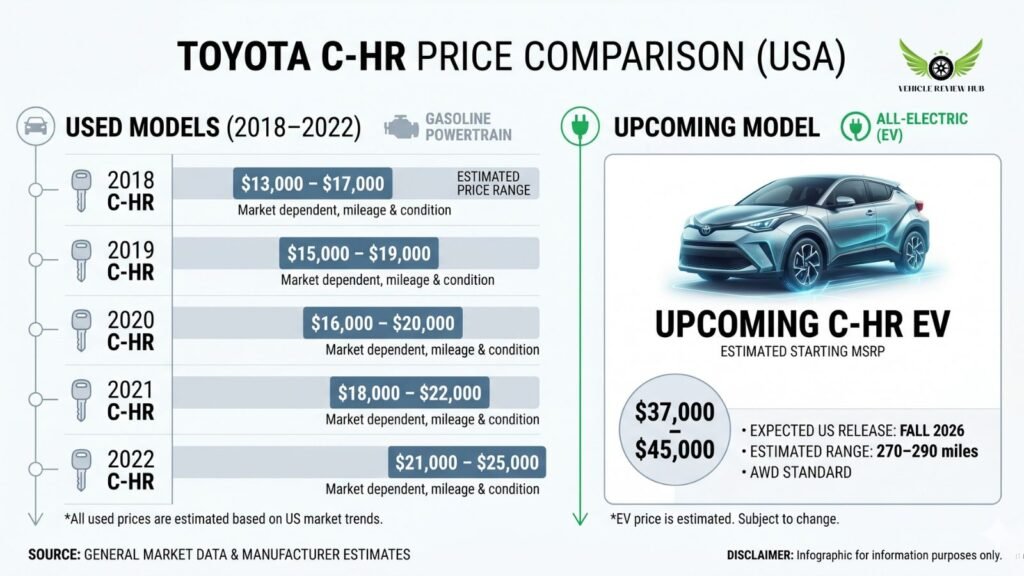
Toyota C-HR pricing in the U.S. is now driven mainly by the used market, since the gasoline model was discontinued after 2022. The numbers below reflect actual MSRP history and current resale values.
New Toyota C-HR Pricing (Gas vs Hybrid vs EV Models)
The gasoline version sold in the U.S. had a clear MSRP range in its final years:
- Starting price: about $22,900
- Top trims (XLE Premium, Limited): up to about $27,900
No hybrid variant was offered in the U.S., even though hybrid versions were available in other markets.
A new electric version has been introduced globally. Expected starting pricing is around $38,000 or higher, depending on configuration. This places it significantly above the original gas model.
Used Toyota C-HR Price Range (2018–2022 Models)
Resale values remain stable due to consistent demand and Toyota’s reliability.
Model Year | Typical Price Range (USA) |
2018 | $16,000 – $19,000 |
2019 | $17,500 – $21,000 |
2020 | $19,000 – $23,000 |
2021 | $21,000 – $25,000 |
2022 | $22,000 – $26,000 |
Lower mileage and clean history vehicles tend to stay at the higher end of the range.
Dealer Pricing vs MSRP Reality in the USA
MSRP (Manufacturer’s Suggested Retail Price) is only a reference point. In real U.S. transactions, the final price depends on vehicle condition, mileage, location, and dealer inventory.
For the Toyota C-HR, the original MSRP ranged roughly from $22,900 to $27,900. In today’s used market, pricing does not follow MSRP directly.
Key patterns from actual listings:
- Low-mileage 2021–2022 models often sell between $23,000 and $26,000
- Higher mileage 2018–2019 models can drop to $14,000–$17,000
- Certified pre-owned units usually cost more than standard listings
Dealers price vehicles based on market demand and condition, not the original sticker price. Two similar model years can have several thousand dollars difference depending on mileage and history.
From a buying perspective, MSRP has limited relevance in the used market. What matters more is:
- Mileage
- Vehicle history (accident, service records)
- Trim level and condition
This pricing behavior is important in any Toyota C-HR Buying Guide, because many buyers expect prices to follow MSRP, which is not how the used market works.
Entry Cost Including Taxes and Fees
The final purchase cost always exceeds the listed vehicle price.
- Sales tax: typically 6%–10% depending on state
- Registration and documentation: about $500–$1,500
Example:
- Vehicle price: $23,000
- Taxes and fees: about $2,000–$3,000
- Total cost: roughly $25,000–$26,000
This matters in any Toyota C-HR Buying Guide, since total cost is often higher than expected.
Toyota C-HR Specs & Powertrain Breakdown
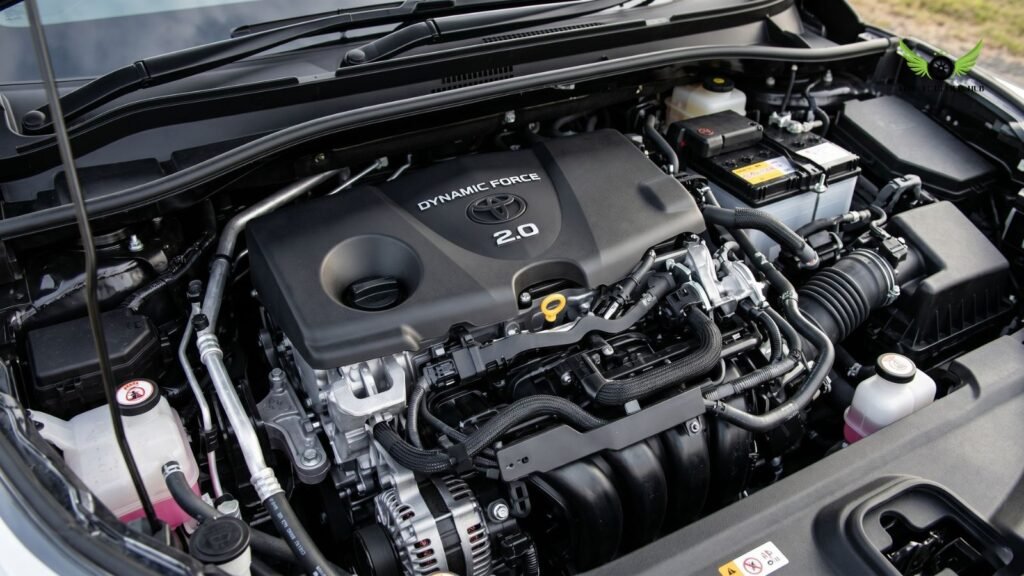
In this Toyota C-HR Review, the focus is on real specifications and how the vehicle performs in everyday driving. The U.S. version follows a simple setup with one engine and a single drivetrain, while newer global versions show a clear move toward electrification.
2.0L 4-Cylinder Engine (144 HP) Overview
The Toyota C-HR sold in the U.S. comes with a 2.0-liter inline 4-cylinder engine:
- Power: 144 horsepower
- Torque: 139 lb-ft
- Fuel economy: 27 MPG city / 31 MPG highway
The engine is tuned for efficiency and smooth operation. In city conditions, it feels stable and easy to control. Acceleration is on the slower side, especially during highway merging, which is consistent with owner feedback. For daily commuting, the performance is acceptable, but it does not match more powerful competitors.
Hybrid and EV Powertrain Evolution (Up to ~338 HP AWD)
The U.S. model remained gasoline-only, but Toyota expanded the C-HR lineup in other markets.
Hybrid versions include:
- 1.8L hybrid system: around 140 HP
- 2.0L hybrid system: up to about 197 HP
These systems improve fuel efficiency and provide smoother low-speed driving.
A newer fully electric version has also been introduced globally:
- Dual-motor setup with all-wheel drive
- Power output up to about 338 HP
This marks a major shift in performance and technology compared to the earlier gasoline model.
Transmission (CVT) and Drivetrain (FWD vs AWD)
The U.S. Toyota C-HR uses:
- Transmission: Continuously Variable Transmission (CVT)
- Drivetrain: Front-wheel drive only
The CVT supports smooth driving and steady fuel economy. It does not provide quick acceleration or a sporty feel, which is noticeable in higher-speed driving.
In newer versions:
- Hybrid models use an electronic CVT
- Electric models use a single-speed transmission with AWD
The absence of all-wheel drive in the U.S. model is one of its main limitations.
Dimensions, Cargo Space and Platform Details
The vehicle is built on Toyota’s TNGA-C platform, which is also used in the Corolla.
Key dimensions:
- Length: 172.6 inches
- Width: 70.7 inches
- Height: 61.6 inches
- Cargo capacity: 19.1 cubic feet
The compact size makes it practical for urban driving and parking. Front seating is comfortable, but rear space is limited. Cargo capacity is suitable for daily use but smaller than many rivals in the same segment.
Toyota C-HR Pros and Cons (Real Owner Insights)
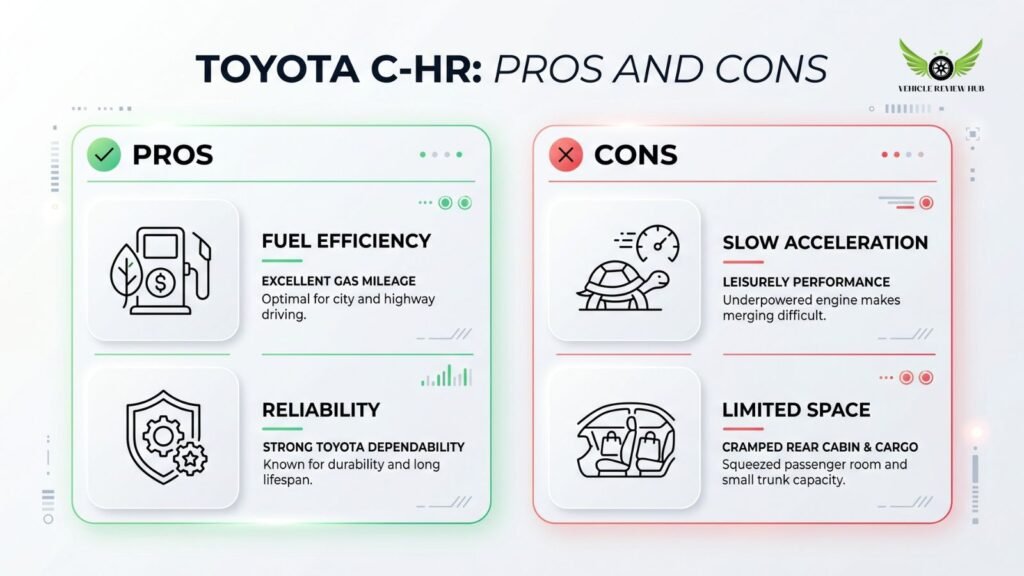
In this Toyota C-HR Review, real specifications and owner feedback point to a clear trade-off: strong reliability and efficiency, but limited performance and space. The points below are based on consistent U.S. data.
Strengths (Fuel Economy, Design, Reliability)
- Fuel economy: 27 MPG city / 31 MPG highway (29 MPG combined)
- Reliability: low maintenance issues and stable long-term performance
- Design: coupe-style exterior that stands out in the subcompact SUV segment
These strengths make it suitable for daily commuting and predictable ownership.
Weaknesses (Slow Acceleration, Limited Space, No AWD in Older Models)
- Engine output: 144 HP → slower acceleration (~10 seconds 0–60 mph)
- Cargo space: 19.1 cubic feet → smaller than many competitors
- Rear seating: limited legroom for passengers
- Drivetrain: front-wheel drive only (no AWD option in U.S. models)
These limitations affect highway performance and overall practicality.
Best Buyer Profile in the USA
- Suitable for: city driving, daily commuting, reliability-focused use
- Not suitable for: performance needs, AWD requirement, family use
This aligns with a practical Toyota C-HR Buying Guide—it fits simple daily use but not performance or space-heavy needs.
Toyota C-HR Final Buying Verdict
This Toyota C-HR Review leads to a clear decision based on real U.S. data. The model was discontinued after 2022, so buying now means choosing from the used market or waiting for the upcoming electric version. The value depends on your priorities—reliability and cost versus performance and features.
Is Toyota C-HR Worth Buying in 2025–2026?
Yes, if you are considering a used model and your focus is reliability and daily usability.
- Model years available: 2018–2022
- Engine: 2.0L, 144 HP
- Fuel economy: 27 MPG city / 31 MPG highway
- Used price range: about $16,000–$26,000
These figures show consistent value. The engine and CVT are known for long-term durability, and maintenance costs are generally predictable.
However, there are clear limitations:
- Acceleration is slow for highway driving
- No all-wheel drive option in U.S. models
- Rear seat and cargo space are limited
The car works well for city driving and daily commuting, but it does not meet performance or space-focused needs.
Best Version to Buy (Used vs New EV)
Used gasoline models from 2020–2022 offer the best balance.
- Price: about $20,000–$26,000
- Lower mileage compared to earlier years
- Proven reliability with fewer age-related issues
The upcoming electric version is a different option.
- Power: up to around 338 HP with AWD
- Expected range: about 270–290 miles
- Expected starting price: around $38,000 or more
This version offers much higher performance and modern features, but it comes at a significantly higher cost.
The Toyota C-HR is worth buying in 2025–2026 mainly as a used vehicle for reliable and efficient daily driving. The new electric version offers more power and technology, but at a much higher price, making it a different type of purchase decision.
Toyota C-HR FAQs (Common Buyer Questions Answered)
These are the most relevant questions buyers ask before making a decision. The answers are based on real U.S. specs, pricing, and ownership data.
Is the Toyota C-HR reliable?
Yes. It uses a 2.0L engine and CVT that are known for long-term durability. Most owners report low maintenance issues and stable performance over time.
What fuel economy does the Toyota C-HR deliver?
It delivers about 27 MPG in the city and 31 MPG on the highway, with a combined average of around 29 MPG.
Does the Toyota C-HR come with AWD?
No. All U.S. models are front-wheel drive only. AWD was not offered in this generation.
What is the average Toyota C-HR Price in the used market?
Most used models range from about $16,000 to $26,000 depending on year, mileage, and condition.
Is the Toyota C-HR suitable for family use?
Not ideal. Rear seat space is limited, and cargo capacity is about 19.1 cubic feet, which is smaller than many competitors.
Is maintenance expensive for the Toyota C-HR?
No. Maintenance costs are generally low due to its simple engine setup and Toyota’s reliability.
Should I buy a used Toyota C-HR or wait for the EV version?
Used models offer better value today. The upcoming EV version provides higher power and AWD but is expected to cost around $38,000 or more.
Is the Toyota C-HR good for daily driving?
Yes. It is easy to drive, fuel-efficient, and well-suited for city commuting.