
When it comes to Yamaha TW200 mileage and fuel economy, the real story is not just about numbers on a spec sheet—it’s about how the bike actually performs on everyday roads across the USA. From my observation, this model feels more focused on practicality than outright performance, which is exactly why many riders are drawn to it. Whether you’re riding through city streets or heading out for a relaxed weekend ride, the Yamaha TW200 delivers a predictable and stress-free experience.
Based on feedback from US riders and long-term owners, fuel economy is one of the strongest points of the Yamaha TW200. In normal riding conditions, it manages fuel consumption consistently, without sudden drops or unpleasant surprises. If you ask me, this reliability in mileage matters more than chasing peak power figures. Many riders simply want a bike that starts every morning, sips fuel gently, and feels easy to handle—and this is where the TW200 stands out.
At the end of the day, the real-world experience of owning a Yamaha TW200 comes down to balance. It may not be the fastest dual-sport on the road, but it makes up for that with usability, efficiency, and a friendly riding character. This won’t suit everyone, especially performance-focused riders, but for those who value fuel efficiency, simplicity, and everyday comfort, it fits the role extremely well.
Yamaha TW200 Fuel Economy Overview
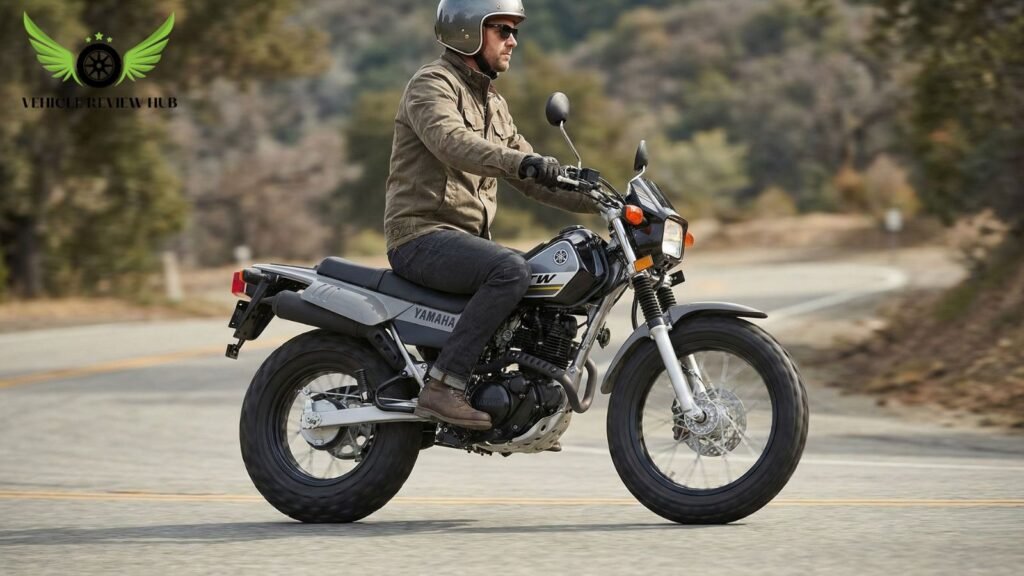
The Yamaha TW200 fuel economy overview gives a clear idea of how this bike behaves when it comes to everyday fuel use in the USA. From my observation, riders don’t choose the TW200 expecting aggressive performance; they choose it because fuel usage stays steady and easy to manage. Based on user feedback and long-term ownership discussions, this model is known for delivering consistent mileage that fits daily riding, short commutes, and relaxed weekend use. If you ask me, the biggest appeal here is not chasing numbers, but knowing what to expect every time you ride—simple, predictable, and economical.
Official Mileage Expectations
When it comes to official mileage expectations, the Yamaha TW200 is commonly rated at around 78 mpg (US) under factory-tested conditions. These figures are measured in controlled environments with steady speeds and smooth throttle input, so they represent an ideal scenario rather than everyday riding. In my opinion, Yamaha keeps these numbers realistic to reflect the bike’s simple and efficient engine design, not to exaggerate performance.
Based on how owners and reviewers interpret this data, the official mileage is best seen as a baseline. Real-world factors like traffic, rider weight, terrain, and riding habits will always affect fuel use. Still, the roughly 78 mpg expectation helps buyers understand that the Yamaha TW200 is built with fuel efficiency and easy ownership in mind, making it a practical choice for riders who value predictable running costs.
City vs Highway Fuel Consumption
When comparing city and highway fuel consumption, the Yamaha TW200 exhibits a clear yet realistic difference that most owners experience in daily use. From my observation, city riding usually involves frequent stops, short bursts of acceleration, and slower speeds, which naturally increase fuel use. Highway riding, on the other hand, benefits from steady throttle and consistent speeds, helping the bike return better mileage when it’s not pushed too hard.
Based on rider feedback and long-term ownership discussions in the USA, the typical fuel consumption looks like this:
Riding Condition | Realistic Fuel Consumption (MPG – US) | Riding Feel |
City Riding | 65–70 mpg | Stop-and-go traffic, frequent braking |
Highway Riding | 70–75 mpg | Smooth cruising at 45–55 mph |
If you ask me, the Yamaha TW200 feels most efficient when ridden calmly on open roads. Once highway speeds go beyond its comfort zone, fuel economy can drop slightly. Still, the difference between city and highway mileage stays reasonable, which is why many riders see this bike as easy to live with and predictable in everyday fuel costs.
Real-World Mileage from US Riders
The real-world mileage from US riders gives a more honest picture of how the Yamaha TW200 performs outside controlled tests. From my observation, most owners focus less on perfect numbers and more on how consistent the mileage feels over time. Based on rider reports, forum discussions, and long-term ownership feedback, the TW200 is often praised for delivering stable fuel economy that remains relatively consistent with normal day-to-day use.
If you ask me, this consistency is the biggest strength here. Many US riders mention that even with mixed riding—short trips, light trails, or casual highway cruising—the Yamaha TW200 continues to return mileage close to what they expect. It may vary slightly depending on riding style and terrain, but the overall experience stays predictable, which makes fuel planning simple and stress-free.
Daily Commuting Mileage
For daily commuting, most US riders report that the Yamaha TW200 delivers mileage in the range of 68–72 mpg (US) under normal conditions. From my observation, short city trips, traffic lights, and frequent starts don’t affect this bike as much as you might expect. Its simple engine setup and low-stress tuning help keep fuel use fairly stable, even when commuting routes aren’t ideal.
Based on rider feedback, commuting mileage often depends on how calmly the bike is ridden rather than distance alone. If you ask me, the Yamaha TW200 feels best when used as a relaxed daily ride—smooth throttle, moderate speeds, and minimal rush. That’s why many owners say it’s easy to predict fuel costs week after week, which is a big reason commuters continue to trust this model.
Mixed Riding and Trail Mileage
With mixed riding and trail use, the Yamaha TW200 shows how well it balances fuel efficiency with real off-road usability. From my observation, once you mix city roads, backroads, gravel paths, and light trails, fuel consumption naturally drops compared to pure commuting. That’s mainly because trail riding involves lower gears, frequent throttle input, and uneven terrain where efficiency is not the main priority.
Based on feedback from US riders who regularly use the TW200 for weekend rides and trail exploration, mileage usually stays within a predictable range. Even though trail conditions demand more from the engine, owners often mention that fuel usage never feels excessive or hard to estimate. If you ask me, this consistency is what makes the Yamaha TW200 practical for riders who enjoy both pavement and off-road without worrying too much about fuel stops.
Here’s a clear breakdown of realistic mixed riding and trail mileage:
Riding Type | Typical Usage Conditions | Real-World Mileage (MPG – US) |
Mixed Road Riding | City streets + backroads + short highway runs | 62–68 mpg |
Light Trail Riding | Gravel roads, dirt paths, mild off-road terrain | 60–65 mpg |
Frequent Trail Focus | Lower gears, uneven surfaces, slower average speeds | 58–62 mpg |
From long-term owner discussions, one thing stands out: even when mileage drops during trail-heavy rides, it drops gradually, not suddenly. For me, that makes planning mixed trips much easier. The Yamaha TW200 may not be built for aggressive off-roading, but it manages fuel sensibly while delivering a fun and confidence-inspiring ride across different terrains.
Fuel Tank Capacity and Riding Range
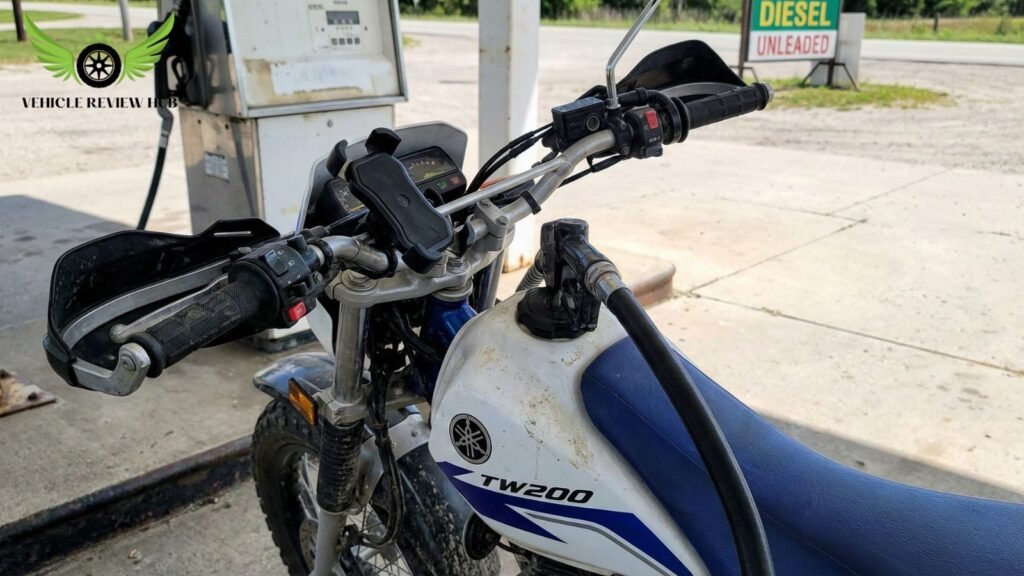
The fuel tank capacity and riding range of the Yamaha TW200 play a big role in how practical this bike feels in everyday use. From my observation, the relatively small fuel tank is balanced by the bike’s strong fuel efficiency, which helps extend riding range more than many people expect. Instead of focusing on long highway touring, the TW200 is designed for short trips, daily rides, and relaxed exploring where fuel stops are easy to manage.
Based on owner feedback in the USA, riders usually find the riding range predictable and stress-free. If you ask me, knowing roughly how far you can go on a full tank matters more than having a large tank. With consistent mileage and simple fuel behavior, the Yamaha TW200 allows riders to plan rides with confidence, whether it’s a daily commute or a casual ride that includes backroads and light trails.
Range on a Full Tank
When it comes to range on a full tank, the Yamaha TW200 benefits more from fuel efficiency than tank size. From my observation, with a fuel tank capacity of about 1.8 gallons, most US riders can realistically expect a riding range of 110–140 miles on a full tank, depending on how and where the bike is ridden. Calm city riding and steady backroad speeds usually push the range closer to the upper end.
Based on owner feedback, the range feels predictable rather than limiting. If you ask me, this is important for a bike often used on mixed routes and light trails. Riders mention that even when mileage drops slightly during trail riding, the overall range remains easy to manage, as long as trips are planned with fuel stops in mind. The Yamaha TW200 may not be built for long-distance touring, but its full-tank range fits well with its practical, everyday riding purpose.
Planning Longer Rides
When planning longer rides, the Yamaha TW200 encourages a more relaxed and thoughtful approach rather than aggressive distance goals. From my observation, riders who understand the bike’s fuel range and cruising comfort tend to enjoy longer trips more. With a predictable riding range and stable fuel usage, planning fuel stops every 100–120 miles usually keeps things stress-free.
Based on feedback from US owners, longer rides work best when the TW200 is ridden at moderate speeds on backroads instead of fast highways. If you ask me, this bike rewards patience—steady throttle, regular breaks, and realistic expectations. Many riders also mention that planning routes with small towns or fuel stations in mind makes longer journeys smoother. The Yamaha TW200 isn’t meant for high-speed touring, but with smart planning, it handles extended rides in a simple and dependable way.
Real-World Riding Experience
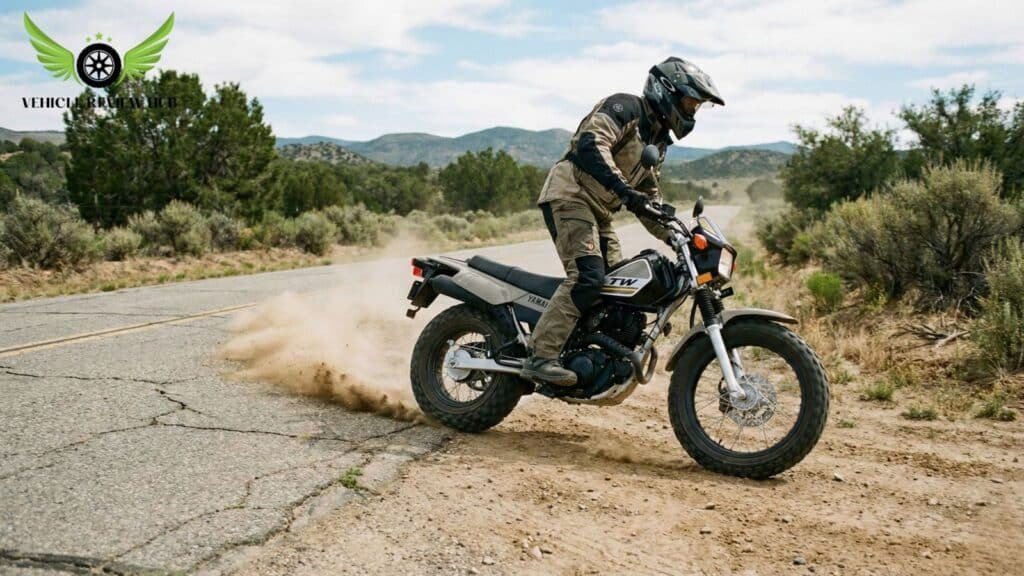
The real-world riding experience of the Yamaha TW200 is shaped more by comfort, control, and ease of use than by speed or aggressive performance. From my observation, riders in the USA often describe it as a bike that feels friendly the moment you start riding. The power delivery is smooth, the handling feels predictable, and nothing about the bike demands constant attention, which makes everyday riding feel relaxed.
Based on long-term owner feedback, the Yamaha TW200 fits naturally into daily life. If you ask me, that’s where its real strength lies. Whether it’s short city trips, backroad cruising, or light trail riding, the bike maintains a consistent and confidence-inspiring feel. It may not excite performance-focused riders, but for those who value control, simplicity, and an easy-going riding character, the real-world experience feels practical and enjoyable.
City and Urban Riding Feel
In city and urban riding, the Yamaha TW200 feels especially user-friendly, which is why many riders choose it for everyday use. From my observation, its manageable weight and smooth throttle response make traffic riding less stressful, even during frequent stops and tight turns. The bike doesn’t feel rushed, and that relaxed nature helps riders stay comfortable in busy city environments.
Based on US rider feedback, several urban riding traits stand out clearly:
Urban Riding Factor | Real-World Experience with Yamaha TW200 |
Low-Speed Control | Feels stable and easy during stop-and-go traffic |
Turning & Maneuvers | Tight turns and U-turns feel natural |
Throttle Response | Smooth and predictable, no sudden surges |
Comfort in Traffic | Upright position reduces fatigue |
Road Surface Handling | Wide tires help on uneven or worn pavement |
If you ask me, this table explains why the Yamaha TW200 works so well in city settings. It’s not about being fast; it’s about feeling confident and in control. For riders who deal with daily urban traffic, this calm and predictable riding feel makes the bike easy to live with.
Trail and Recreational Riding Experience
In trail and recreational riding, the Yamaha TW200 offers a relaxed and confidence-building experience rather than an aggressive off-road feel. From my observation, the wide tires and low seat height help riders stay balanced on dirt paths, gravel roads, and uneven surfaces. This makes the bike especially friendly for beginners or riders who prefer controlled exploration over high-speed trail riding.
Based on feedback from US owners who use the TW200 for weekend rides and casual off-road trips, the bike feels stable and predictable in loose terrain. If you ask me, that stability is the biggest advantage here. It allows riders to focus on enjoying the ride instead of constantly correcting the bike. For recreational use, where comfort and ease matter more than speed, the Yamaha TW200 delivers a simple and enjoyable riding experience.
Off-Road Factor | Real-World Trail Experience |
Stability on Loose Terrain | Wide tires provide strong grip and balance |
Rider Confidence | Low seat height helps maintain control |
Power Delivery | Smooth and manageable on trails |
Recreational Comfort | Suitable for long, relaxed rides |
Skill Level Suitability | Beginner-friendly and forgiving |
Seat Comfort and Ergonomics
When it comes to seat comfort and ergonomics, the Yamaha TW200 feels designed for ease rather than long-distance luxury. From my observation, the seat height and upright riding position make the bike feel approachable, especially for riders who prefer a relaxed posture. Short to medium rides feel comfortable, and the seating layout doesn’t force the rider into an aggressive or cramped position.
Based on owner feedback, comfort largely depends on expectations. If you ask me, the stock seat works well for daily rides, commuting, and casual trips, but it can start to feel firm on longer journeys. The handlebar reach and footpeg placement feel natural, allowing riders to sit upright without putting pressure on the wrists or lower back. For many US riders, this ergonomic balance is one of the reasons the Yamaha TW200 remains easy to live with over time.
Ergonomic Aspect | Real-World Comfort Experience |
Seat Height | Low and confidence-inspiring |
Riding Position | Upright and relaxed |
Handlebar Reach | Natural, no wrist strain |
Footpeg Placement | Comfortable for short to medium rides |
Long-Ride Comfort | Acceptable, but seat feels firm over time |
Is the Yamaha TW200 Fuel Efficient Enough?
The question “Is the Yamaha TW200 fuel efficient enough?” usually comes down to expectations rather than raw numbers. From my observation, riders who choose this bike are not chasing extreme performance or long highway runs. They want steady mileage, low running costs, and a motorcycle that feels easy to maintain. In that sense, the Yamaha TW200 meets those expectations quite well.
Based on user feedback and long-term ownership experiences in the USA, fuel efficiency is one of the main reasons people stay satisfied with this model. If you ask me, the real value isn’t just good mileage, but how consistent that mileage feels over time. For daily riding, short trips, and mixed use, the Yamaha TW200 proves to be fuel efficient enough for riders who prioritize practicality and simplicity over speed.
Comparison with Other Small Dual-Sport Bikes
When comparing the Yamaha TW200 with other small dual-sport bikes, its fuel efficiency and everyday usability stand out simply and practically. From my observation, bikes like the Honda CRF250L, Suzuki DR200S, and Kawasaki KLX250 are often mentioned in the same category, but each has a slightly different balance of power, weight, and fuel use. The TW200 doesn’t chase high speed or big power; instead, it focuses on steady fuel economy and easy handling, which many riders appreciate during daily commutes and casual rides.
Here’s a realistic comparison of fuel economy for popular small dual-sport bikes based on rider reports and real-world usage:
Model | Typical Real-World MPG (US) | Notes on Fuel & Ride Character |
Yamaha TW200 | 65–75 mpg | Stable mileage, smooth low-end power |
Honda CRF250L | 55–65 mpg | More power, slightly lower fuel efficiency |
Suzuki DR200S | 60–70 mpg | Similar efficiency, lighter weight |
Kawasaki KLX250 | 50–60 mpg | More power, shorter range overall |
From long-term discussions among US riders, the Yamaha TW200 often feels the easiest to live with in terms of fuel use, especially at everyday cruising speeds. If you ask me, that steady mileage and predictable range matter more for most practical riders than squeezing out a few extra horsepower. While other bikes in this group may offer higher performance or lighter weight, the TW200’s balanced fuel economy remains one of its strongest points.
Who Will Appreciate Its Efficiency
The Yamaha TW200 fuel efficiency is best appreciated by riders who value simplicity and low running costs over speed or aggressive performance. From my observation, daily commuters, new riders, and those who ride at a relaxed pace tend to notice its efficiency the most. These riders usually care more about predictable fuel use and easy ownership than pushing the bike to its limits.
Based on feedback from US owners, the Yamaha TW200 fits well for people who use their bike for short trips, weekend rides, and mixed road-and-trail use. If you ask me, riders who enjoy exploring backroads, gravel paths, or quiet trails without worrying about frequent fuel stops will find its efficiency especially satisfying. It may not impress performance enthusiasts, but for practical riders who want a dependable and economical motorcycle, this efficiency feels just right.
FAQ: Yamaha TW200 Fuel Efficiency & Mileage
The FAQ below answers the most common questions US riders usually ask about Yamaha TW200 fuel efficiency and mileage. From my observation, these questions often come from riders who want a clear, honest idea of what to expect in everyday use, not just ideal test numbers. Based on owner feedback and real-world riding habits, the following answers focus on practical fuel use, riding range, and long-term efficiency to help buyers make a more confident decision.
Is the Yamaha TW200 good on fuel for daily use?
Yes, from my observation, the Yamaha TW200 works very well for daily riding. Most riders report stable fuel usage during commuting, which makes weekly fuel costs easy to predict. If you ask me, that consistency matters more than chasing the highest mileage number.
What is the average real-world mileage of the Yamaha TW200?
Based on US rider feedback, real-world mileage usually falls between 65–75 mpg (US) depending on riding style and conditions. Calm riding on backroads often stays closer to the higher end, while trail use brings it down slightly.
Does trail riding reduce fuel efficiency a lot?
Not drastically. From what many owners share, trail and mixed riding may lower mileage, but the drop is gradual, not sudden. The Yamaha TW200 remains fuel-efficient even when used off-road, especially compared to heavier dual-sport bikes.
Is the fuel tank too small for longer rides?
The tank is small, but fuel efficiency helps balance that out. Many riders plan fuel stops around 100–120 miles, which keeps longer rides comfortable. For me, smart planning matters more than tank size on this type of bike.
Who benefits most from the TW200’s fuel efficiency?
Commuters, beginners, and riders who enjoy relaxed riding benefit the most. Performance-focused riders may want more power, but for practical users, the Yamaha TW200’s efficiency feels just right.