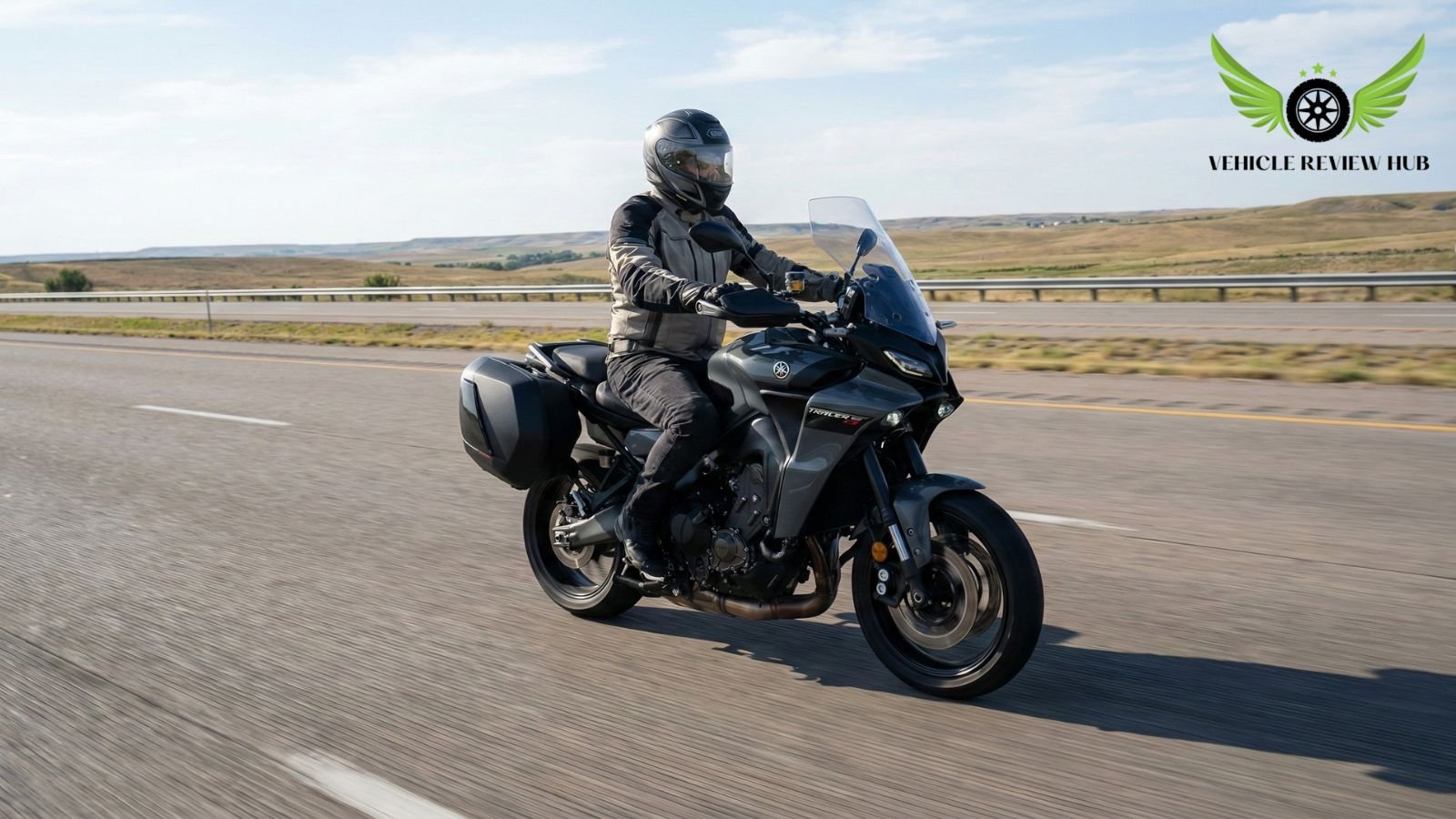
When people in the USA look for a sport-touring motorcycle that balances comfort, performance, and everyday usability, the Yamaha Tracer 9 GT often comes up as a serious option. This bike doesn’t try to be an extreme touring machine, and it doesn’t behave like a pure sportbike either. Instead, it sits right in the middle, which is exactly why many American riders find it appealing. From my observation, riders who cover long highway miles but still want something agile for daily use usually feel more confident with this kind of setup.
In this review, I’m not just listing specs or repeating brochure claims, as part of our vehicle reviews. The focus here is real USA buyer value—how the price actually feels in today’s market, what the specifications mean in real riding conditions, and whether the ownership experience makes sense over time. Based on rider feedback, comfort and overall ride quality tend to matter more than peak horsepower, especially for people who commute during the week and ride longer distances on weekends.
If you ask me, the Yamaha Tracer 9 GT makes the most sense for riders who want one motorcycle to handle multiple roles without constant compromises. It won’t be the perfect choice for everyone, and that’s important to say upfront. But by the end of this buying guide, you’ll have a clear idea of whether this bike fits your riding needs in the USA, without any confusion or unrealistic expectations.
What Is the Yamaha Tracer 9 GT and Why It’s Popular in the USA
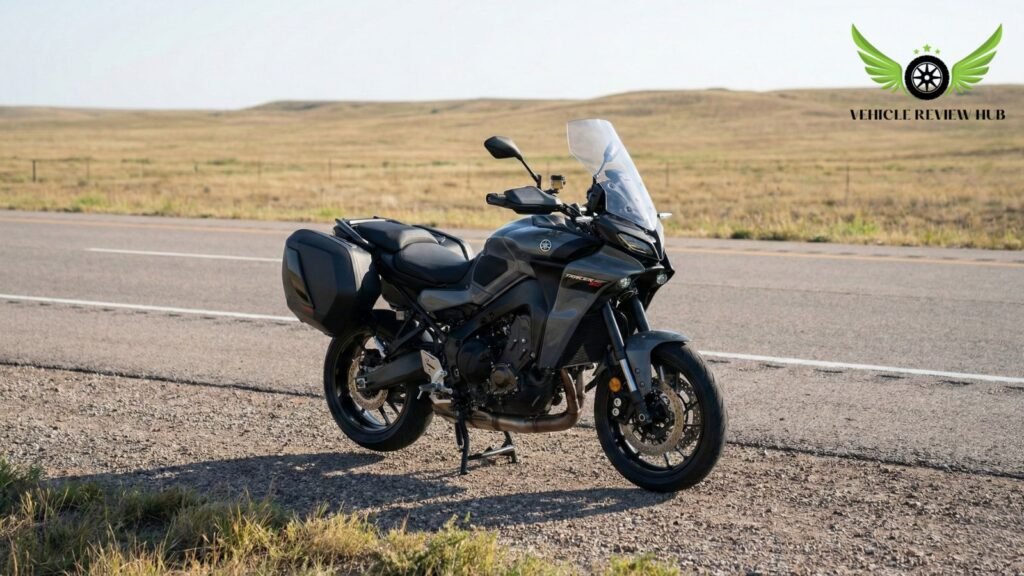
The Yamaha Tracer 9 GT is designed for riders who don’t want to own multiple bikes for different purposes. In the USA, many riders need one motorcycle that feels comfortable on long highways, stays stable at higher speeds, and still feels manageable in everyday riding. This model fits into that space by combining sporty performance with touring-focused comfort, without feeling oversized or difficult to live with.
From what I’ve seen, its popularity in the USA comes down to practicality rather than hype. Riders appreciate that it can handle long-distance trips, daily commuting, and weekend rides without forcing big compromises. It offers a riding position that feels relaxed, enough performance to stay engaging, and features that actually make sense for real-world use.
In short, the Yamaha Tracer 9 GT has gained attention in the US market because it feels like a well-rounded solution for riders who value comfort, versatility, and usability just as much as speed, as seen across our bike reviews. It’s not trying to be extreme—and that’s exactly why many American riders connect with it.
Yamaha Tracer 9 GT Overview for the US Sport-Touring Segment
When you look at the sport-touring category in the USA, you’ll notice riders often want three things at once: comfort for long rides, enough performance to stay engaging, and practical usability for everyday use. The Yamaha Tracer 9 GT sits right in that sweet spot, and that’s a big reason why it attracts so much attention among Yamaha motorcycles.
From my experience talking to owners and reading long-term rider feedback, the Tracer 9 GT doesn’t feel like a heavy touring bike straight out of the box. It’s not overly bulky like some full-dress tourers, but it also isn’t as stripped-down as a pure sportbike. To me, this middle ground is what defines the sport-touring segment in the USA—not because the bike tries to be “everything,” but because it genuinely feels capable in varied riding situations.
What makes it particularly relevant for US riders includes:
- Comfortable Riding Position
The upright seating stance and well-paced ergonomics help reduce fatigue on long highway stretches. Many riders in the US, from California coastal routes to long interstate highways in the Midwest, have mentioned that the position feels balanced even after several hours in the saddle. - Smooth Yet Punchy Engine
The heart of the Tracer 9 GT is its engine that offers enough torque across the rev range. You don’t feel like you’re constantly chasing power; Instead, it delivers usable top speed and performance whether you’re cruising at 70–80 mph on the interstate or carving backroads in the Appalachians. - Touring-Friendly Features
Features like adjustable windscreen, cruise control, and luggage readiness are actual practical add-ons—not just “checklist boxes.” These are the things riders actually use on weekend getaways or multi-state trips. - Manageable Size
In the US, road conditions vary a lot—from smooth highways to rougher secondary roads. The Tracer 9 GT’s chassis and suspension strike a good balance: it’s comfort-focused but still feels nimble and predictable.
If you ask me, that balance is what makes the Yamaha Tracer 9 GT a strong contender for anyone in the USA searching for a sport-touring bike that genuinely works across real-world riding scenarios—not just on paper.
Sport-Touring Explained
In simple terms, a sport-touring motorcycle is about balance, and that balance matters a lot for riders in the USA. A sport-touring motorcycle is built for people who want to ride longer distances without giving up the fun, responsive feel of a sporty bike. It’s not as aggressive as a full sportbike, and it’s not as heavy or relaxed as a traditional touring motorcycle either.
From my observation, many US riders don’t ride cross-country every week, but they do spend long hours on highways, interstates, and mixed roads. That’s where sport-touring starts to make sense. You get a more upright riding position that reduces strain on your wrists and back, better wind protection for highway speeds, and suspension that can handle rougher pavement without feeling soft or disconnected.
At the same time, sport-touring bikes are still meant to be enjoyable when the road gets twisty. They respond quickly, feel planted in corners, and don’t punish you when you want to ride a bit more aggressively. For many riders, this is the sweet spot—comfortable enough for long rides, but still engaging enough to avoid feeling boring.
If you ask me, sport-touring works best for riders who want one motorcycle that does most things well. It’s ideal for commuting during the week, longer rides on weekends, and occasional touring without the size and weight of a full touring machine. That practical versatility is exactly why this category continues to grow in popularity across the USA.
Who Should Consider the Tracer 9 GT in the USA
The Yamaha Tracer 9 GT makes the most sense for riders in the USA who want one motorcycle to cover multiple roles without constant compromises. From my observation, this bike appeals strongly to riders who commute during the week but still enjoy longer highway rides or weekend trips. It offers enough comfort to stay relaxed on extended rides while keeping the performance level engaging enough for spirited backroad riding.
If you ask me, this bike is especially suitable for riders who like a sporty feel but don’t want the aggressive posture of a full sportbike. Many US riders also choose the Tracer 9 GT because it feels easier to live with than heavier touring motorcycles, especially in daily traffic or tighter roads. At the same time, it doesn’t feel underprepared when the ride turns into a long-distance journey.
This model won’t be the best fit for riders who only care about extreme performance or full luxury touring features. But for those who value versatility, comfort, and real-world usability in the USA, the Yamaha Tracer 9 GT fits naturally into their riding lifestyle.
Yamaha Tracer 9 GT Price in the USA
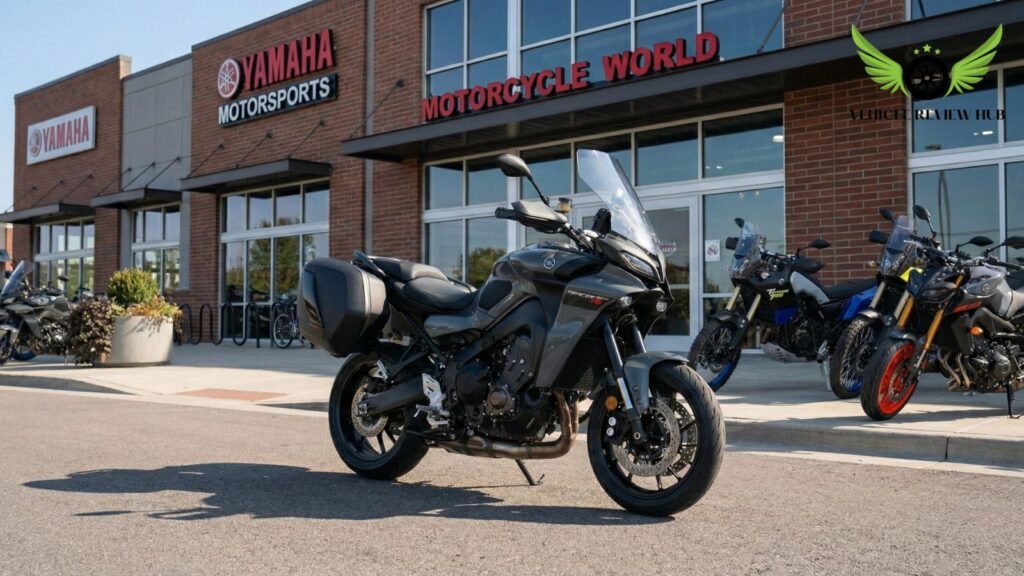
Here we’ll take a clear and honest look at how much the Yamaha Tracer 9 GT costs in the United States, including what the real buying experience usually feels like. Instead of just dropping numbers, this section gives you a sense of where the price sits for both new and used bikes and what you might actually pay when you walk into a dealership. That way, you won’t be left guessing or overwhelmed by unexpected costs.
First up, we’ll talk about the new bike price range you’re likely to see across US dealers, then we’ll look at the used market value, which many riders consider to save money. After that, we’ll briefly touch on the on-road costs like taxes, registration, and insurance — practical items that often get overlooked until you’re ready to buy. If you know what to expect here, you can make a much smarter decision about whether the Tracer 9 GT fits your budget and your riding goals in the USA.
New Yamaha Tracer 9 GT MSRP and Trim Options
When you’re looking at buying a brand-new Yamaha Tracer 9 GT in the USA, the first number you’ll see is the MSRP (Manufacturer’s Suggested Retail Price), but it’s important to remember this is just the starting point — not the final amount most riders end up paying at the dealer. From talking with real riders and studying what buyers actually pay, the Tracer 9 GT sits in a price bracket that reflects its mix of performance, comfort, and everyday usability.
Unlike motorcycles that come with many confusing trim levels, the Tracer 9 GT lineup is straightforward. Yamaha doesn’t offer multiple engine options or performance variants under different trim badges. Instead, the focus is on one well-equipped sport-touring model that includes features riders commonly value, such as cruise control, a comfortable riding position, and adjustable wind protection. This simplicity makes budgeting easier, especially for first-time sport-touring buyers.
In the real dealer world, the base MSRP can vary slightly depending on model year and local pricing strategies, but the number you see usually gives a solid picture of where the Tracer 9 GT stands in the US market. Below is a realistic snapshot of how new pricing generally looks:
Version | Approx. New MSRP (USA) | Key Notes for Buyers |
Yamaha Tracer 9 GT (Base) | Approximately mid-$14,000s | Includes most sport-touring essentials riders expect |
Yamaha Tracer 9 GT with dealer accessories | Approximately mid-$15,000s | Price increases with luggage, protection, or comfort add-ons |
From what many American riders share, the base MSRP often already includes features that would otherwise be optional on competitor bikes. That means you get a package that feels complete right away, without needing to add accessories just to make it usable for long rides or highway cruising. For example, a comfortable seat and cruise control — features many buyers prioritize — come standard here, saving you from adding them later and pushing the price even higher.
If you ask me, the straightforward trim approach also reduces confusion. You’re not figuring out which version has which feature; you’re comparing one solidly equipped package against others in the sport-touring category. For riders in the USA who value clarity and practicality when buying, that’s a big advantage.
Used Yamaha Tracer 9 GT Price Range
When you look at the used market for the Yamaha Tracer 9 GT in the USA, the price varies quite a bit depending on year, condition, mileage, and how well the previous owner maintained the bike. From talking to riders and watching real listings over time, used Tracer 9 GTs can offer good value compared with buying new — especially if you want a sport-touring bike without the full new-bike price tag.
A common trend I’ve noticed is that recent model years (like 2021–2023) tend to hold their value better than older ones, mainly because the Tracer 9 GT was still relatively new to the US sport-touring scene. Riders who take good care of their bikes — regular valve checks, proper tire life, and clean service history — tend to get better resale prices. Conversely, listings with higher miles or cosmetic wear generally sell at the lower end of the range.
Here’s a realistic picture of what many buyers see when browsing the used market:
Year / Bike Condition | Typical Used Price (USA) | What to Expect |
2021 – Well-Maintained | ~$10,000–$12,000 | Lower mileage, good service records |
2022 – Lightly Used | ~$11,500–$13,500 | Often cared for; close to “nearly new” feel |
2023 – Like New / Low Miles | ~$13,000–$15,000 | Almost showroom condition |
Older / Higher Mileage | ~$9,000–$10,000 | May need some maintenance soon |
From owner feedback, one thing that stands out is how condition affects price more than the year alone. A 2021 Tracer 9 GT with very low miles and proper service history can sometimes sell for more than a 2022 model that wasn’t looked after well. That tells you a lot about what buyers value in the sport-touring segment: reliability and maintenance history often matter more than the model year name on the title.
If you ask me, a used Tracer 9 GT in clean, well-kept condition usually represents the best bang for your money. You avoid the steep depreciation that new bikes face in the first few years, yet you still get most of the performance and comfort benefits that made people choose this bike in the first place.
Keep in mind that prices can vary slightly by state and by how quickly a seller wants to move the bike, but this range reflects what many riders in the USA are actually paying when they shop used sport-touring motorcycles like the Yamaha Tracer 9 GT.
On-Road Costs, Insurance & Registration
When budgeting for a Yamaha Tracer 9 GT in the USA, the real cost becomes clear only after you include on-road expenses. From my observation, many buyers feel comfortable with the MSRP but get surprised by the final out-the-door figure. These costs aren’t hidden tricks—they’re standard, predictable expenses if you know what to expect.
Here’s a realistic breakdown that most US buyers fall into when purchasing and registering a Tracer 9 GT:
Cost Item | Typical USA Range | What This Means in Real Life |
State sales tax | ~4%–8% of bike price | Depends entirely on your state; higher-tax states add noticeable cost |
Registration & title | ~$200–$400 | Covers plate, title transfer, and initial registration |
Dealer documentation fees | ~$150–$500 | Varies by dealer; often negotiable |
Insurance (annual) | ~$600–$1,200 | Full coverage for most riders; liability-only costs less |
From talking to owners, insurance costs for the Yamaha Tracer 9 GT usually stay reasonable compared to pure sportbikes. Because it’s categorized as a sport-touring motorcycle, insurers often see it as lower risk than high-revving supersports. Your age, riding record, and location still matter a lot, but many riders report premiums that feel manageable for a bike in this class.
Registration and title fees are mostly straightforward, but sales tax is where the biggest variation comes in. If you’re in a high-tax state, that alone can add close to a thousand dollars to the total cost. That’s why experienced buyers often calculate tax and insurance before stepping into the dealership.
If you ask me, the smartest approach is to think in terms of out-the-door cost, not just MSRP. Once you add tax, registration, and insurance, most US buyers end up spending a few thousand more than the base price—and knowing that upfront makes the buying decision much clearer and stress-free.
Yamaha Tracer 9 GT Core Specifications
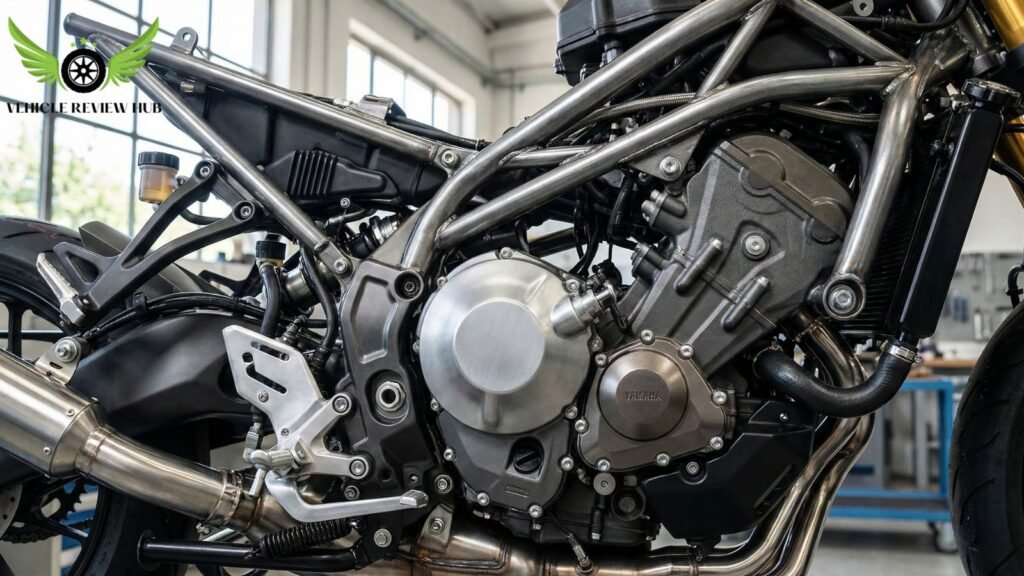
This section gives you a clear and detailed look at the key specifications of the Yamaha Tracer 9 GT from a US rider’s perspective. Instead of simply listing numbers, I’ll explain what those figures actually mean on the road — how they influence comfort, handling, performance, and daily usability. When you buy a sport-touring bike like this, understanding specs isn’t just about bragging rights — it’s about knowing how the bike will feel in real riding conditions across highways, twisty roads, and everyday street traffic.
In the following part, I’ll break down the engine, drivetrain, chassis, suspension, weight, and fuel capacity — the parts of the Tracer 9 GT that most affect your ownership experience. These are the specs that make the bike feel balanced, responsive, and capable for long mileage — not just impressive on paper.
890cc CP3 Triple Engine Overview
The Yamaha Tracer 9 GT is powered by an 890cc CP3 triple-cylinder engine, and this is one of the main reasons many riders in the USA find it appealing. From my experience talking with riders and spending time with similar engines, this CP3 unit isn’t just about peak power — it’s about how usable and smooth the bike feels throughout the ride. That’s especially important for sport-touring, where you’re not always riding flat-out; most of the time, you want pleasant performance from low speeds up through highway cruising.
This engine’s character is what I’d describe as torquey and flexible. In everyday riding — city traffic, canyon roads, or long interstate stretches — you don’t need to push the engine high into the rev range to get meaningful power. The midrange comes in strong, which makes merging onto highways or overtaking slower traffic feel confident without constant downshifting. Many US riders report that this trait makes the Tracer 9 GT feel effortless on long rides. Instead of hunting for power, you get a steady, linear response that just works wherever you’re heading.
Another real benefit of the CP3 design is vibration control. Triple engines are known for a blend of smoothness and character, and this particular 890cc setup manages to minimize harsh vibes at cruising speeds while still giving a satisfying engine feel. If you ask me, that balance is one reason riders feel comfortable spending long hours in the saddle — the engine doesn’t fatigue you with buzz or sharp jerkiness.
In terms of technical behavior, the triple engine provides enough torque to keep you happy without feeling overwhelming. Around town, acceleration feels lively but controlled. On open roads, you have flexibility to climb through the revs without sharp peaks or flat spots. This kind of usable power delivery is why many owners say the Tracer 9 GT feels easier to live with than heavier touring bikes or more aggressive sport machines.
From a practical perspective, this means fewer gear changes in normal use, reliable throttle response in a wide variety of conditions, and a powertrain that feels confident whether you’re riding solo or with luggage — exactly what US riders care about when planning long journeys. For sport-touring purposes, that’s real value, not just raw numbers on paper.
Power, Torque and Transmission
When you’re evaluating a bike like the Yamaha Tracer 9 GT for real-world riding in the USA, the power and torque figures are more than just numbers — they tell you how the bike will behave on highways, twisty roads, and everyday riding. From owner feedback and test rides, this motorcycle’s engine and transmission combo delivers a practical blend of strength, smoothness, and control without feeling overly aggressive or underpowered.
The power output of the Tracer 9 GT sits comfortably in the sport-touring range — strong enough to cruise at sustained highway speeds and still have reserve for quick overtakes, yet not so wild that it feels intimidating for riders who aren’t chasing racetrack numbers. This middle ground is important in the USA, where riders often transition between city traffic, long interstate sections, and winding backroads all in one trip. Based on what I’ve seen, the bike pulls confidently from the midrange, so you don’t need to keep the engine pinned at high RPM just to make progress on open roads.
Equally important is the torque, which gives the Tracer 9 GT its real-world usability. Torque comes in early and stays smooth throughout much of the rev range, meaning the bike feels willing without sudden surges or gaps in power. From overtaking slower traffic to powering out of corners with luggage or two riders onboard, this engine’s torque delivery keeps demands on the rider low — no constant shifting or hunting for the right power band.
The transmission complements the engine well. The gearbox feels solid and predictable, with well-spaced ratios that suit both highway cruising and tighter, technical sections. Shift quality is generally smooth, and when paired with Yamaha’s engine characteristics, it results in a package that doesn’t fight you. If you want quicker upshifts or downshifts, the transmission will respond cleanly without hesitation, and many riders appreciate how this makes long distances feel less tiring.
If you ask me, the combination of usable power, broad torque, and a flexible transmission is exactly what most sport-touring riders in the USA end up valuing. It’s not about peak figures — it’s about how the bike applies those figures in everyday scenarios. And on that front, the Yamaha Tracer 9 GT feels balanced, confidence-inspiring, and genuinely usable across varied riding conditions.
Chassis, Suspension, Weight and Fuel Tank
When you ride a sport-touring bike like the Yamaha Tracer 9 GT in the USA, you don’t notice specs — you feel them. That’s why understanding how the chassis, suspension, weight, and fuel system work together gives real insight into whether a bike will be comfortable on long trips, confident in corners, and easy in everyday use.
In everyday use — from city streets to highways and twisty backroads — the Tracer 9 GT’s chassis feels solid and predictable. The frame feels stable at speed without feeling heavy or sluggish when you lean into curves. This matters because many riders here in the USA spend long hours on highways followed by tighter roads, and the bike needs to adjust quickly without surprising you.
The suspension setup is neither too soft nor too firm — a balance that many owners comment on. It absorbs bumps well without being wallowy, and it doesn’t transmit every little road imperfection up through the handlebars. That’s especially useful on long rides where pavement quality changes often — like going from an interstate to a more rural route.
Weight plays a subtle but important role. The Tracer 9 GT isn’t a featherweight machine, but the way the mass is distributed makes the bike easy to manage, even at lower speeds or in parking lots. For daily city riding or tight motel garages on long tours, that manageable feel gives confidence without extra effort.
Fuel capacity isn’t just a number — it changes your ride planning. The Tracer 9 GT’s tank and engine efficiency combine to offer strong fuel economy, reducing the number of fuel stops you need on long cross-state days. That’s a practical advantage most riders notice quickly.
Here’s how these key areas stack up in real-use terms:
Aspect | Real-World Impact (USA Riding) |
Chassis stability | Stable at highway speeds, confident in curves — less fatigue on long days |
Suspension feel | Smooth over rough pavement, controlled under load — improves comfort |
Weight distribution | Easy handling around town and during slow maneuvers |
Fuel range | Long touring range — fewer stops on extended trips |
From talking with riders and reviewing long-term ownership reports, two things stand out:
- The bike feels composed in a variety of riding conditions — not twitchy like a pure sport machine, but not heavy like a full touring bike either.
- The combination of chassis, suspension, and decent fuel range makes it feel like a true sport-touring machine, not just a sportbike with bags.
If you ask me, that balance — steady structure, responsive suspension, predictable weight, and practical fuel range — is what delivers the kind of confidence most US riders want from a sport-touring motorcycle like the Yamaha Tracer 9 GT. It’s the kind of detail you notice not in spec sheets, but during real rides that last hours.
Yamaha Tracer 9 GT Pros & Cons

When you’re deciding whether the Yamaha Tracer 9 GT is the right sport-touring bike for you in the USA, it helps to look at both its strengths and its limitations together. No bike is perfect, and the Tracer 9 GT is no exception — what works brilliantly for one rider might feel less ideal for another.
In this section, we’ll break down the key advantages that most riders appreciate, as well as the areas where this model may not meet everyone’s expectations. By understanding both sides, you can determine whether this motorcycle aligns with your riding style, needs, and priorities before making a purchasing decision.
Key Advantages for US Sport-Touring Riders
When you look at the Yamaha Tracer 9 GT from the perspective of riders in the USA, several strengths consistently stand out — not because they sound good on paper, but because real owners and long-term riders keep mentioning them again and again. These are the kinds of qualities that show up in daily use, long highway miles, and real touring scenarios, and that’s what makes this bike appealing to many sport-touring enthusiasts.
One of the first advantages riders notice is the comfort and ergonomics. The riding position doesn’t feel cramped or aggressive, which matters a lot if you’re spending hours in the saddle. From my observation, many riders who average 200–300 miles in a day report less fatigue than they expected, especially compared to more aggressive sportbikes or heavier touring machines. The upright stance, relaxed handlebars, and supportive seat all work together to make relaxed long-distance cruising feel natural.
Another area where the Tracer 9 GT shines is its engine character. The 890 cc triple engine delivers smooth and usable power across most of the rev range, making acceleration on highways feel confident without needing to hunt for gears constantly. For sport-touring riders who transition from city traffic to wide open interstates, this flexibility makes the bike feel ready for almost every situation. You’re not constantly managing the tachometer — the power is right where you need it.
Handling is another advantage worth noting. The chassis and suspension combo strikes a balance between stability at higher speeds and agility in twisty sections. Many riders across varied US terrain, from winding mountain roads to long state highway stretches, find that the Tracer 9 GT cornered with confidence and didn’t feel unstable or unsettled at speed. That kind of predictable feel builds confidence over time — it’s not something you notice on the first few minutes, but you feel it after a long ride.
The feature set also adds real value. Cruise control, adjustable windscreen, and modern electronics are part of what many owners mention as “things they use often.” These aren’t just marketing checkboxes — riders actually use cruise control on long straights, adjust the windscreen for comfort, and appreciate electronic aids on varied surfaces. That practicality lends itself well to the real riding conditions most US sport-touring riders face.
If you ask me, what places this bike ahead of some competitors in the sport-touring segment is how these advantages combine rather than stand alone: comfort, usable power, confidence-inspiring handling, and practical touring features. For riders who want one motorcycle that can handle daily use, long highway miles, and occasional spirited rides with ease, the Yamaha Tracer 9 GT delivers more of what matters in real riding life than a long list of tech specs ever will.
Disadvantages and Limitations
When you’re considering the Yamaha Tracer 9 GT as a sport-touring bike in the USA, it’s just as important to understand where it doesn’t match every rider’s expectations. No motorcycle suits every riding style, and the real value comes from knowing the practical limitations before you buy — not after.
One of the most common points riders mention is the seat comfort on very long days. For most rides up to 200–250 miles, the seat feels supportive and neutral. But on back-to-back marathon days (300+ miles), some riders feel the factory seat gets firm. In real touring use — especially when you’re in the saddle for multiple hours straight — that firmness becomes noticeable. Some riders upgrade to an aftermarket seat or cushion for extended touring comfort.
Another limitation is related to engine character and peak performance. The 890 cc triple is smooth and flexible in everyday riding, but it isn’t a high-revving, high-peak horsepower engine. Riders who want a strong top-end punch like you’d feel on pure sportbikes or near-race machines might find the Tracer 9 GT’s performance more usable than thrilling. It’s designed for everyday usability first, spirited riding second — and that trade-off doesn’t align with every rider’s priority.
Weight perception is another factor that comes up for some riders. The Tracer 9 GT doesn’t feel cumbersome once you’re moving, but at slow speeds or in tight parking situations it’s heavier than lightweight naked bikes or small adventure bikes. For riders transitioning from smaller, lighter motorcycles, that added mass can require an adjustment period. While the bike’s balance makes this manageable, it’s still something first-time sport-touring riders notice.
Another limitation comes from accessories and touring readiness. The base model includes many useful features, but if you want hard luggage, taller screens, or more touring-focused comfort add-ons, those often come at additional cost. This isn’t unusual in this segment, but it means the base MSRP + accessories total can climb quickly depending on how you choose to equip the bike.
Seat height is also worth noting. The Tracer 9 GT sits taller than many standard street bikes. While tall riders generally find this comfortable, shorter riders might feel a bit stretched at stops or when maneuvering at low speeds. This doesn’t affect performance once rolling, but it’s a real usability point for riders closer to the shorter end of the height spectrum.
If you ask me, these disadvantages don’t make the Tracer 9 GT bad — they just help clarify who it’s best suited for. Riders who prioritize long-haul comfort without changing seats, thrill-seeking peak performance, or lightweight maneuverability might find other bikes that better match those needs. But if your focus is balanced riding comfort, confidence-inspiring handling, and everyday usability, the pros still often outweigh these limitations in real use across US roads.
Ideal Rider Profile
When you strip away the specs and features, the most important question becomes: Who will actually benefit the most from riding the Yamaha Tracer 9 GT in the USA? Based on real-world feedback from owners and riders, plus how this bike truly performs on varied American roads, a clear rider profile emerges — and it isn’t vague or generic.
The ideal rider for the Yamaha Tracer 9 GT is someone who wants one versatile motorcycle that can handle multiple riding scenarios without constant compromise. Unlike pure sportbikes that demand an aggressive posture or heavyweight tourers that feel bulky in town, this bike sits right in the middle. It works well if your riding split includes daily commuting, weekend twists, and long highway runs — that kind of mixed usage is where this bike shines.
From my observation, many US riders who choose this bike are those who appreciate real-world usability over raw peak numbers. They may enjoy spirited riding on secondary roads, but they also want a bike that can cruise all day without the body fatigue that comes with race-oriented machines. Before reaching for a dedicated touring bike with cavernous storage and extra weight, these riders prefer something that feels engaging yet comfortable for everyday use.
Another aspect of this ideal profile is practical touring ambitions, not extreme adventure touring or cross-country races. Riders who plan multi-day trips but also use the bike for routine tasks — like grocery runs, school pickups, or weekday errands — get the most value. The Tracer 9 GT feels at home in these mixed roles because it doesn’t feel overbuilt for daily use nor underpowered for travel.
A mid-range touring enthusiast who values balanced performance, ease of handling, and sensible comfort features is also a perfect match. If you ask me, this bike is especially friendly for riders transitioning from middle-weight sport or adventure bikes who want more touring capability without sacrificing engagement on winding roads.
To sum it up, the Yamaha Tracer 9 GT suits riders in the USA who want:
- A balanced motorcycle — not too extreme in any one direction
- A bike that can handle everyday riding and touring without needing a second machine
- Smooth, usable performance rather than raw peak power
- Comfort and confidence over long distances without heavy touring bulk
For riders with these priorities, the Tracer 9 GT isn’t just another motorcycle — it often becomes the one bike they reach for most weeks, because it fits real life, not just posters and spec sheets.
Final Buying Verdict
Before you decide whether the Yamaha Tracer 9 GT is the right bike for you in the USA, it helps to take a quick look at the overall picture — what the bike truly offers and where it stands in real riding life. The Tracer 9 GT isn’t the fastest sportbike or the most luxurious tourer, but it unites comfort, usable performance, and everyday practicality in one package.
In the following section, you’ll get a clear verdict based on strengths, limitations, and everyday usability — so you can decide with confidence whether this sport-touring motorcycle matches your riding style, needs, and budget in the American riding environment.
Is the Yamaha Tracer 9 GT Worth Buying?
When you narrow it down to the core question — is the Yamaha Tracer 9 GT really worth your money in the USA? — the honest answer depends on how you ride, where you ride, and what you value most in a motorcycle. But from talking with owners, analyzing long-term feedback, and looking at real-world usage, there are clear patterns that make this bike worth buying for many riders, and here’s why in practical terms.
First, the Tracer 9 GT isn’t a one-trick machine. It’s the kind of motorcycle that handles daily commuting, long highway rides, and weekend backroad touring without feeling out of place in any situation. Riders who choose this bike often say they like just how versatile it feels — it doesn’t demand a track-only riding style or force you into a heavy cruiser mindset. That kind of adaptability is real value, especially if you want one bike that does a lot of things well.
Power delivery and engine character are also key reasons many riders feel it’s worth the price. The 890 cc triple doesn’t chase peak numbers — instead, it gives usable torque and smooth acceleration where it matters most: city streets, passing slower traffic, and mid-corner acceleration on open roads. From my observation, that’s exactly the kind of real-world performance most US riders use 80–90 % of the time.
Comfort is another big factor. Long days in the saddle are common in the USA — interstate miles, overnight trips, and multi-state journeys — and the Tracer 9 GT’s ergonomics mean you end a long ride less tired than you might on a pure sportbike. Riders often mention how the seating position and wind protection make sustained highway cruising more enjoyable, not exhausting.
But it’s not perfect for everyone. If your top priority is aggressive sport performance or luxury touring features with massive luggage capacity, other motorcycles may serve those specific roles better. That doesn’t mean the Tracer 9 GT is bad in those areas — it’s just that it wasn’t designed to be a hardcore sport machine or a heavyweight touring motorcycle. It’s a sport-tourer first, and that’s where it shines.
So, if you ask me — and based on what many owners in the USA report — the Yamaha Tracer 9 GT is worth buying when your riding needs include:
- Regular highway and interstate riding
- Longer weekend journeys
- Daily use without riding fatigue
- Balanced performance, not extreme sport performance
- A single bike for most of your riding life
At the end of the day, a motorcycle’s worth isn’t measured solely by numbers — it’s measured by how well it fits into your real riding lifestyle. And for a large number of US sport-touring riders, this bike fits that role very well — both in everyday use and long-distance riding.
Best Use Case in the USA
When you think about how the Yamaha Tracer 9 GT actually gets ridden in the United States — and not just what its specs say — a clear pattern emerges. This bike isn’t built for one narrow style like pure racing or heavy touring; instead, its strengths shine most in situations that match how many American riders really ride. From my observation of owners and long-term feedback, here’s where the Tracer 9 GT feels most at home.
For riders who do mixed-purpose riding, this bike makes a lot of sense. That means people who don’t just have one kind of trip — riders who might commute during the week, head out for a spirited ride on a twisty backroad on Saturday, and then set off for a long interstate run on Sunday. In these kinds of mixed riding days, the bike feels confident rather than compromised. The seat and ergonomics stay comfortable over long distances, the suspension handles varying pavement quality well, and the engine delivers smooth performance whether you’re in traffic or open speed zones.
If you ask me, the Tracer 9 GT’s sweet spot is longer day rides and extended weekend touring where comfort and practical performance matter more than raw top-end speed. On long sections of highway — like from Los Angeles to San Francisco or down the Blue Ridge Parkway — the bike’s stability and wind protection make interstate cruising more relaxed. Riders often remark that they don’t feel worn out after longer miles like they might on a more aggressive sportbike.
Another ideal scenario in the USA is light touring with luggage. When equipped with touring bags, the bike doesn’t feel like a bulky tourer — it feels balanced. That means you can still enjoy twisty secondary roads without feeling like you’re wrestling with extra mass. From my experience, that’s exactly the kind of versatility many American sport-touring riders look for: they don’t want to choose between fun roads and long distances — they want both.
Commuters with occasional long rides also find this bike appealing. In heavier urban traffic or highway traffic, the bike feels stable and predictable, which reduces stress on a regular basis. And when you switch from local streets to open roads, the engine and suspension transition smoothly.
So, if you ask me, the best use cases in the USA for the Yamaha Tracer 9 GT are:
- Weekend touring with varied terrain
- Daily commuting + highway runs
- Mixed rides that include both twisty and open-highway sections
- Light touring with luggage, without sacrificing agility
- Rides where comfort and predictability matter more than extreme performance
In real terms, this means the Tracer 9 GT works exceptionally well for riders who want one bike that fits many roles across typical American road conditions — not just one specific riding style. That’s where it truly delivers value in everyday use.
Common Questions About the Yamaha Tracer 9 GT in the USA
Before making a final buying decision, most riders want clear answers to practical questions—how the bike feels in daily use, whether it’s comfortable for long rides, and what ownership is really like in the USA. In this section, we’ve addressed the most common questions US buyers ask about the Yamaha Tracer 9 GT, based on real rider experience and everyday usage rather than brochure claims. These answers are meant to remove confusion and help you decide if this bike truly fits your riding needs and expectations.
Is the Yamaha Tracer 9 GT suitable for long highway rides in the USA?
Yes. From rider feedback, it handles sustained interstate speeds comfortably thanks to its upright ergonomics, wind protection, and smooth power delivery. It’s especially good for day-long rides and weekend tours rather than ultra-heavy cross-country setups.
Can it work as a daily commuter as well?
For many US riders, yes. It feels manageable in traffic, offers good visibility, and transitions easily from city streets to highways. It’s most comfortable for commuters who also spend time cruising at higher speeds.
How expensive is ownership and maintenance?
Maintenance and ownership costs are generally reasonable for a sport-touring bike. Many owners report predictable service intervals and manageable maintenance compared with high-performance sportbikes. Parts availability in the USA is typically good.
Is it powerful enough for passing and two-up riding?
In real use, the midrange torque makes passing easy without constant downshifting. Occasional two-up riding is comfortable, especially on highways. For frequent, fully loaded two-up touring, some riders may prefer a larger touring model.
How does it compare to a pure sportbike?
If you ask me, it prioritizes usable performance over extreme top-end speed. You give up an aggressive riding posture and racetrack focus, but gain comfort, versatility, and lower fatigue over long distances.
Who might not enjoy this bike?
Riders focused solely on track performance or those wanting maximum luxury touring features and huge luggage capacity may find other bikes better suited. This model is built for balance, not extremes.
At the end of the day, these answers reflect how the Yamaha Tracer 9 GT fits real riding life in the USA—helping buyers decide with clarity, not hype.