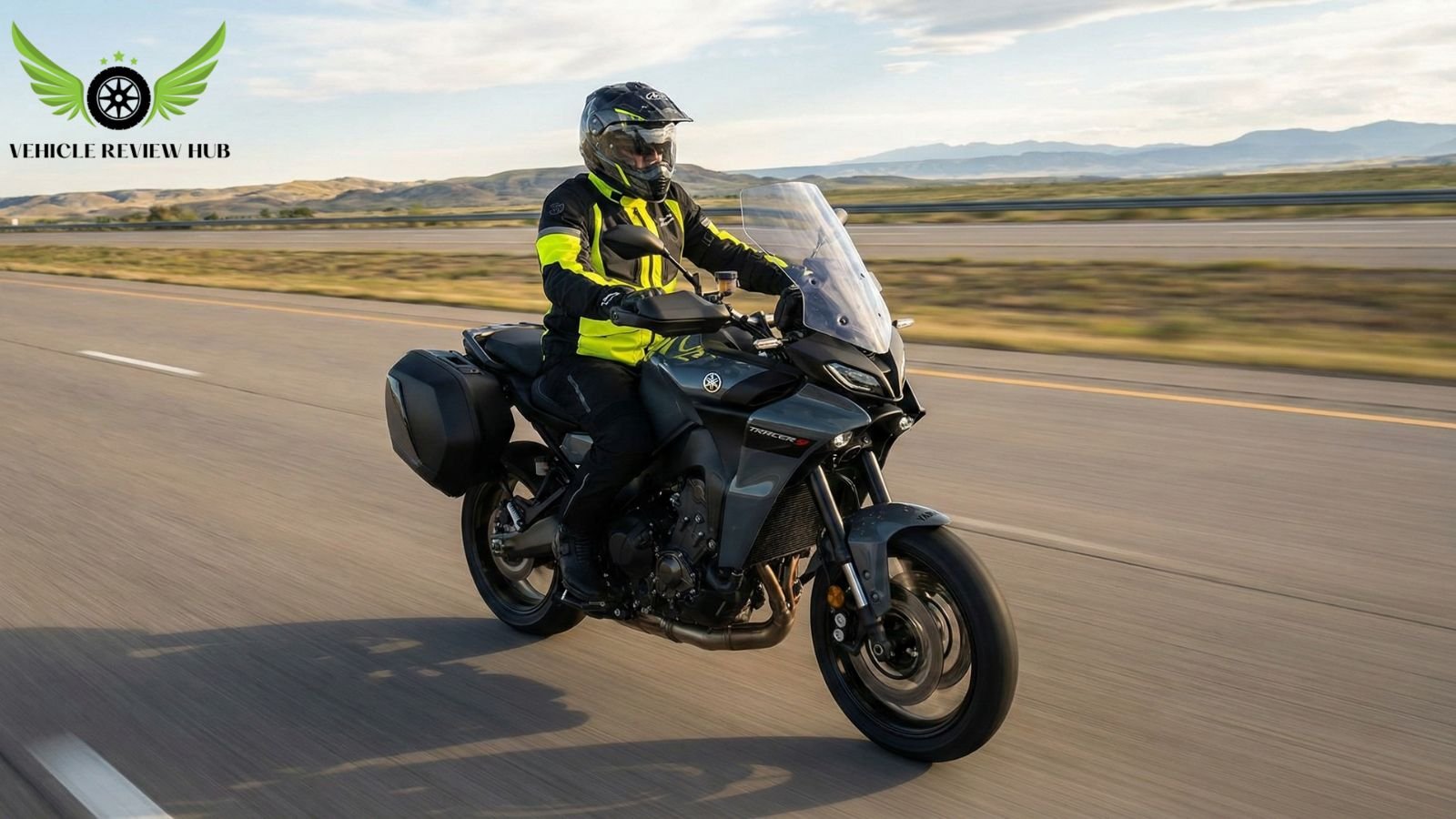
If you’re considering the Yamaha Tracer 9 GT from a long-term ownership point of view in the United States, this is the part most riders actually care about. Beyond performance and features, real ownership comes down to three things: how easy it is to maintain, how reliable it stays over time, and how much it realistically costs to live with year after year.
From my observation, many US riders who choose this bike are not just weekend enthusiasts. They use it for daily commuting, long highway miles, and extended touring. That’s exactly why maintenance behavior, reliability history, and ownership cost matter more here than outright speed or specs on paper.
Based on recent ownership data and rider feedback, the Yamaha Tracer 9 GT generally sits in a comfortable middle ground. It doesn’t feel cheap to own, but it also avoids the high running costs often associated with larger European sport-touring bikes. Most owners report predictable servicing needs, stable reliability over high mileage, and ownership costs that stay manageable if regular maintenance is followed.
In my opinion, this model makes the most sense for riders who want a balance—modern electronics, long-distance comfort, and strong performance—without dealing with excessive repair stress or surprise expenses. At the end of the day, understanding the real maintenance needs, long-term reliability, and total cost of ownership is what helps decide whether the Yamaha Tracer 9 GT truly fits your riding life in the USA.
Yamaha Tracer 9 GT Maintenance Overview
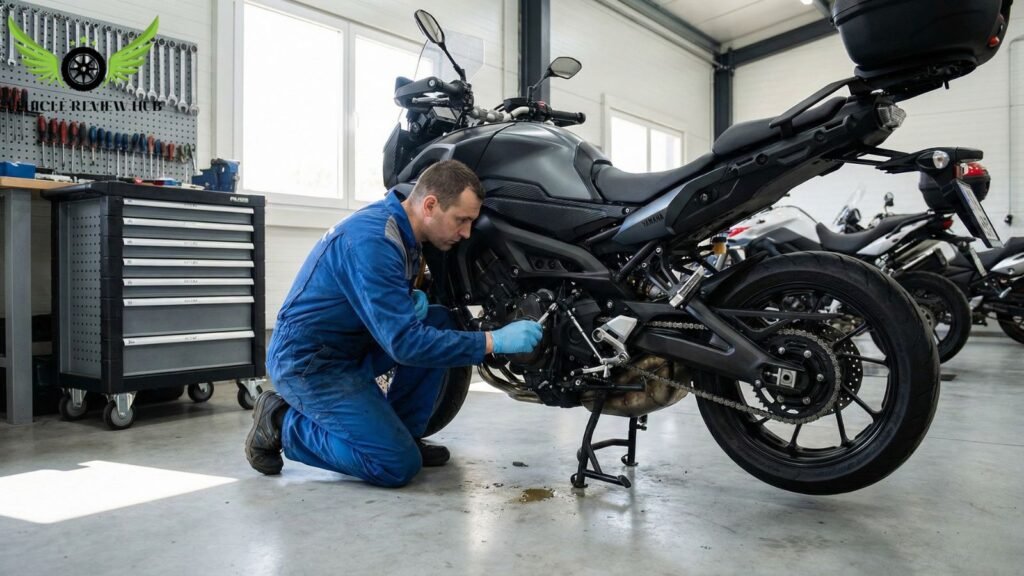
Owning a Yamaha Tracer 9 GT in the USA means dealing with maintenance that sits between everyday practicality and sport-touring expectations. This section aims to provide a clear overview of general maintenance, setting the stage for specific tasks and associated costs.
From my observation, most owners don’t find the Tracer 9 GT difficult to live with on a day-to-day basis. The bike follows a fairly predictable maintenance pattern, where regular servicing keeps things smooth and prevents bigger issues down the road. Oil changes, inspections, and basic wear items make up the bulk of routine care, while major services come at wider intervals.
Based on recent ownership data and rider feedback, maintenance for this model feels manageable for US riders who stick to scheduled service and avoid skipping inspections. In the next sections, we’ll break this down further by looking at routine service needs and recommended service intervals, so you know exactly what to expect over time.
Routine Service Requirements
For most US owners, routine service on the Yamaha Tracer 9 GT is about consistency rather than complexity. If you stay on top of the basics, the bike tends to reward you with smooth performance and fewer surprises over time.
From my observation, the most regular task is engine oil and filter changes. Most owners report changing oil every 4,000–5,000 miles, especially if the bike sees a mix of commuting and highway touring. Riders who push longer trips often prefer shorter oil intervals simply for peace of mind.
Chain care is another big one. Cleaning, lubricating, and checking tension every 500–700 miles—or after riding in rain—keeps drivetrain wear under control. Based on recent ownership data, neglected chain maintenance is one of the fastest ways to increase running costs on this bike.
Brake inspection is usually straightforward. Pads and rotors don’t wear unusually fast, but most owners check them during oil changes. Brake fluid is typically replaced every 2 years, which aligns with common US dealer recommendations.
Cooling and electrical systems also fall under routine checks. Riders often glance at coolant levels, inspect hoses, and keep an eye on battery health—especially if the bike sits during winter months in colder states.
Here’s a simple breakdown of common routine service items most US owners deal with:
| Service Item | Typical Check / Service Frequency (USA) |
| Engine oil & filter | Every 4,000–5,000 miles |
| Chain clean & lube | Every 500–700 miles |
| Brake inspection | With each oil change |
| Brake fluid | Every 2 years |
| Coolant level check | During regular inspections |
| Battery & electrics | Seasonally or before long trips |
In my opinion, these routine requirements feel very reasonable for a sport-touring bike in this class. If you ask most long-term owners, they’ll tell you that sticking to these basics is what keeps the Yamaha Tracer 9 GT easy to live with and dependable for everyday riding in the US.
Recommended Service Intervals
When it comes to recommended service intervals, the Yamaha Tracer 9 GT follows a schedule that most US riders find predictable and easy to plan around. These intervals are designed to balance performance, reliability, and long-term durability—especially for riders who mix daily use with long-distance touring.
Based on recent ownership data and dealer guidance in the US, routine services are mileage-based, with time limits acting as a backup for bikes that aren’t ridden often. From my observation, owners who follow these intervals closely tend to avoid unexpected wear and keep overall ownership costs under control.
Here’s a clear look at the service intervals most commonly followed by US owners:
| Service Item | Recommended Interval (USA) |
| Engine oil & filter | Every 4,000–5,000 miles or 12 months |
| Chain inspection & adjustment | Every 600 miles or sooner if ridden in rain |
| Brake inspection | Every 4,000 miles |
| Air filter inspection | Around 8,000 miles |
| Coolant replacement | Every 3 years |
| Brake fluid replacement | Every 2 years |
| Valve clearance inspection | Around 24,000–26,000 miles |
| Spark plug replacement | Around 16,000–20,000 miles |
Most owners report that sticking to these intervals keeps the bike running smoothly even after high mileage. In my opinion, the wide gap before major services—like valve inspections—is one of the reasons this model feels less stressful to own compared to some other sport-touring bikes.
If you ask experienced riders, they’ll usually say the same thing: the Yamaha Tracer 9 GT doesn’t demand constant attention, but it does reward riders who respect the service schedule. At the end of the day, following these intervals is less about perfection and more about consistency.
Annual Ownership Costs
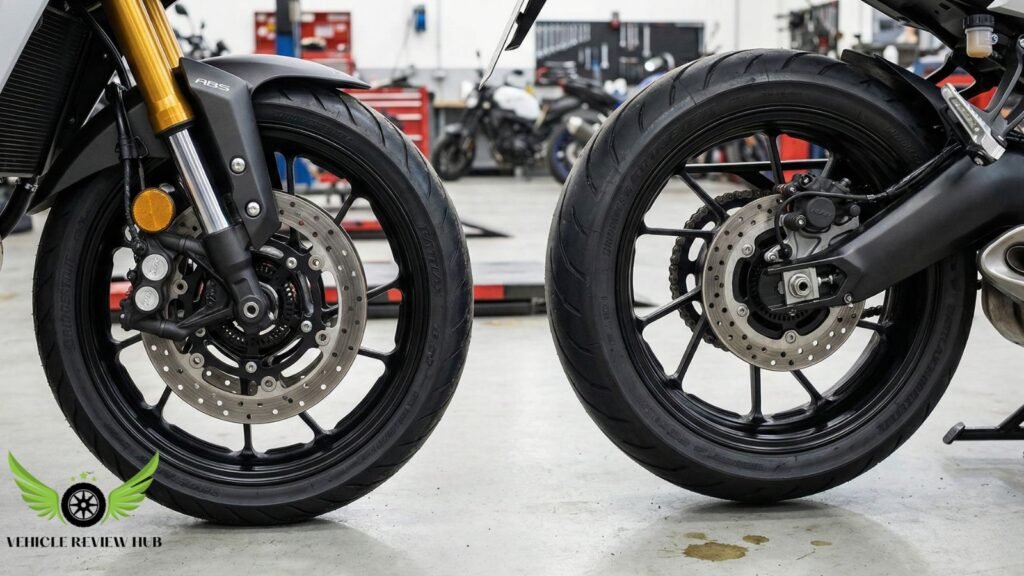
Owning a Yamaha Tracer 9 GT in the USA doesn’t stop at the sale price—it’s about what you’ll realistically spend over a year to keep the bike healthy, safe, and ready for riding. Annual ownership costs include regular maintenance, consumables like tires and brakes, and other running expenses that most US riders will encounter. In this section, we’ll break down those yearly costs so you can plan your budget with confidence and understand what it really takes to live with this sport-touring machine.
From my observation and owner feedback across US motorcycle communities, the Yamaha Tracer 9 GT sits in a middle ground where costs aren’t unusually high, but they are also not negligible compared to smaller motorcycles. Most owners report that planning for regular servicing, consumable replacements, and occasional shop labor gives a good sense of what the bike will ask for financially over a typical year. We’ll explore common maintenance costs, as well as expenses for items like tires, brakes, and fluids, to give you a clear picture of annual spending without surprises.
Typical Maintenance Costs
Most US owners find that typical maintenance costs for the Yamaha Tracer 9 GT stay predictable over a year when regular service is followed. Instead of small monthly expenses, it’s easier to look at what an average year usually costs.
| Maintenance Item | Average Frequency (USA) | Cost Range (USD) |
| Engine oil & filter | 2–3 times per year | $160 – $300 |
| General inspection & minor labor | 1–2 times per year | $50 – $100 |
| Air filter service | Once per year | $30 – $60 |
| Chain adjustment & basic service | As needed | $40 – $80 |
| Misc. fluids & small parts | Yearly average | $40 – $60 |
Based on recent ownership data, most riders spend around $350–$550 per year on routine maintenance. From my observation, owners who handle small jobs themselves usually stay on the lower end, while full dealer servicing pushes costs closer to the upper range.
In my opinion, budgeting about $400–$500 annually feels realistic for US riders who use the bike for commuting and touring. At the end of the day, these costs reflect regular care rather than unexpected repairs, which is why many owners consider the Yamaha Tracer 9 GT easy to live with long term.
Tire, Brake and Fluid Change Costs
large portion of annual running costs on a sport-touring bike like the Yamaha Tracer 9 GT. Based on recent ownership data and feedback from riders in the USA, these costs can vary depending on riding style, mileage, and whether you do the work yourself or use a shop.
| Item | Typical Replacement / Change Interval | Estimated Cost Range (USD) |
| Front & Rear Tires | Every 5,000–8,000 miles | $250 – $450 for set |
| Brake Pads (Front & Rear) | Every 8,000–12,000 miles | $80 – $150 |
| Brake Fluid | Every 2 years | $30 – $60 |
| Coolant | Every 3 years | $40 – $70 |
| Fork / Suspension Fluid | Around 24,000 miles | $80 – $120 |
From my observation, tires are usually the biggest single wear cost most owners face in a year—especially if the bike sees a mix of commuting and spirited riding. A decent all-round sport-touring tire set that suits the Tracer 9 GT tends to fall in the $250–$450 range when purchased and mounted at a shop.
Brake pads on this bike generally last fairly well, but heavier riders or those who do mountain rides often replace them closer to the lower end of the interval. Most owners report spending about $80–$150 when it’s time for new pads.
Fluids like brake fluid and coolant are less frequent but still necessary. Replacing brake fluid every couple of years and coolant every three years helps keep performance sharp and prevents issues down the road. While the cost isn’t high per service, including them in your long-term budget keeps surprises away.
In my experience, planning for $400–$700 per year on tires, brakes, and fluids combined gives a realistic picture for US riders who use the Yamaha Tracer 9 GT for varied riding, from daily commuting to long weekend tours.
Reliability and Long-Term Durability
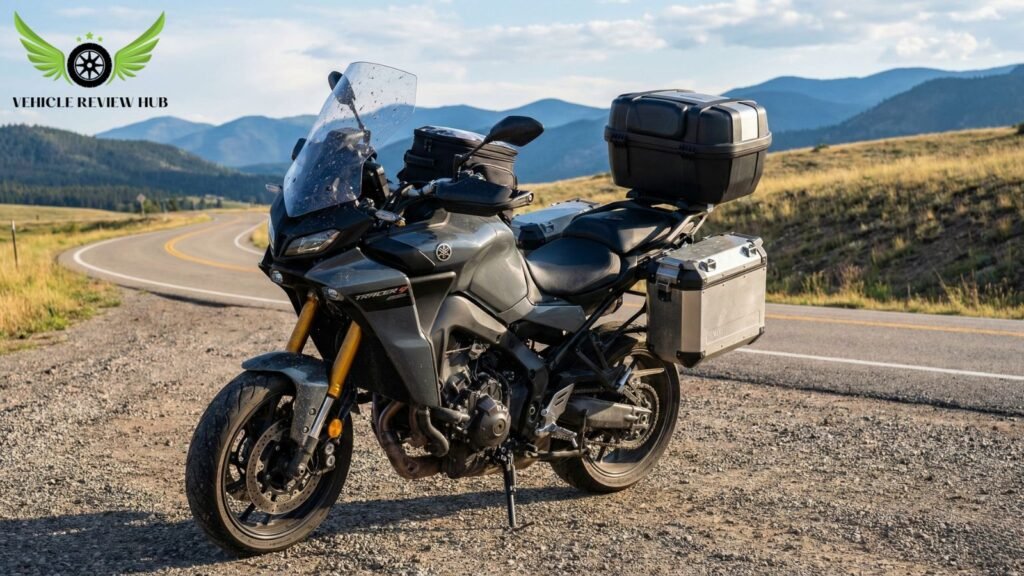
Owning a Yamaha Tracer 9 GT long-term in the USA isn’t just about how it performs today—it’s also about how well it holds up over thousands of miles and years of use. Reliability and long-term durability look at how consistently the bike runs without major issues, how parts age over time, and what riders can expect after extended ownership. In this section, we’ll cover real rider reports and known long-term concerns so you get a practical picture of what life looks like with this sport-touring machine beyond the showroom.
Based on recent ownership data and American rider feedback, the Tracer 9 GT tends to rank well for reliability compared with many bikes in its class. While no machine is perfect forever, most owners describe predictable mechanical behavior and stable performance even after high mileage. We’ll look at what riders experience in day-to-day use, as well as known patterns that may impact durability over the long run.
Reliability Reports from Riders
Most owners of the Yamaha Tracer 9 GT in the USA describe its reliability in a way that feels reassuring rather than unpredictable. Based on recent ownership data and feedback from rider communities, this bike tends to run consistently over long miles when routine maintenance is followed.
From my observation, many US riders who’ve crossed 15,000–30,000 miles on their Tracer 9 GT report that it continues to start easily, cruise smoothly, and respond well without sudden mechanical issues. A common sentiment I’ve seen in owner discussions is that this bike simply doesn’t have frequent breakdowns or surprise failures if basic service items—like oil changes and chain adjustments—are kept up.
Most owners report that electrical systems, including the LED lighting and accessory power outlets, hold up reliably even after several seasons of use. Fuel injection and engine cooling systems also appear to stay stable with regular care, which many riders see as a positive compared to older carbureted sport-touring bikes.
Of course, no motorcycle is completely immune to wear over time. A few riders mention that cosmetic parts like windscreen brackets or fairing fasteners can loosen after heavy touring, but these are small, non-critical issues that don’t affect the bike’s daily reliability. In my opinion, this pattern shows the Tracer 9 GT leans toward dependable day-to-day performance rather than being fragile or unpredictable.
If you ask experienced owners, most will tell you that the Yamaha Tracer 9 GT feels like something you can ride confidently across states without worrying about major mechanical failures. At the end of the day, this reliability reputation is one reason many US riders consider it a solid choice for both commuting and long-distance touring.
Known Long-Term Issues & Tips
Even though the Yamaha Tracer 9 GT is generally reliable, long-term ownership in the USA does bring up a few common patterns and maintenance needs that experienced riders talk about. Based on recent ownership data and real rider discussions, here are the things most owners notice over higher mileage—and practical tips to keep the bike durable and trouble-free.
Most owners report that the valve clearance check becomes important once you cross around 24,000–26,000 miles. On bikes ridden hard or touring with luggage and passengers frequently, valve lash can slowly drift out of spec. Waiting too long often leads to a slight loss of smoothness in the midrange. A good tip is to have this inspection done close to the service interval so you spot any wear early, rather than waiting for abnormal engine noise.
Another pattern riders mention is the chain and sprocket wear. The Tracer 9 GT’s chain can stretch faster than expected if it sees long distances without proper cleaning and lubrication. From my observation, riders who regularly clean and lube the chain—especially after rainy rides—usually extend the life of both chain and sprockets, saving money in the long run.
Electrical connectors and accessory plugs may loosen after years of vibration, particularly on bikes with added touring gear. Most owners suggest checking connector tightness during major services and applying dielectric grease on exposed contacts before long rides in moist conditions.
Tire wear is also a common long-term issue, especially for riders who enjoy aggressive cornering or carry a passenger often. While this isn’t a mechanical flaw, it means planning tire changes more frequently than the average interval, which goes back to budgeting realistic running costs.
Here are a few practical tips from long-term owners:
- Schedule big-service inspections (valves, major fluids) slightly before high-mileage events like long tours.
- Keep the chain clean and lubed—not just tensioned—to reduce drivetrain wear.
- Check and re-secure electrical connections if you notice vibration-related issues.
- Rotate tire choices based on riding style (touring vs sporty) to improve longevity.
If you ask seasoned riders in US Tracer groups, most will say these issues are normal for any sport-touring bike and not unique problems. With basic attention and timely checks, the Yamaha Tracer 9 GT tends to stay dependable even after many miles.
Insurance, Registration & Running Expenses
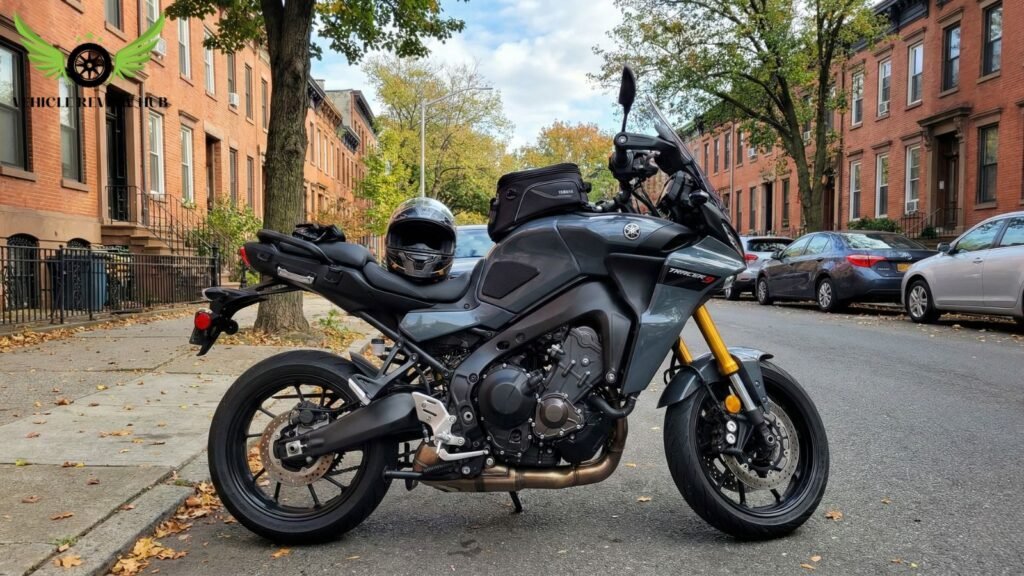
When you’re thinking about owning a Yamaha Tracer 9 GT in the USA, it’s important to look beyond just maintenance and reliability. Insurance, registration, and running expenses are part of the real cost of ownership that many riders overlook until it’s time to renew or pay upfront. These expenses can vary based on where you live, your riding history, and how you use the bike, but understanding the typical ranges helps you budget properly and avoid surprises. In this section, we’ll take a clear look at what US owners usually pay for insurance and registration, as well as other ongoing costs that come with daily riding and touring.
Insurance Cost in the USA
Insurance cost for a Yamaha Tracer 9 GT in the USA can vary quite a bit depending on several personal and regional factors, but most owners find it falls into a predictable range if you know what to expect. Factors like your age, riding experience, zip code, coverage level, and the insurance company you choose all play a role, but recent ownership data and rider feedback help paint a realistic picture.
For a sport-touring bike like the Tracer 9 GT, full coverage insurance (which most thoughtful owners carry) usually costs between $300 and $700 per year for riders with a clean record and moderate annual mileage. Younger riders or those with limited riding history sometimes see premiums toward the higher end of that range—often $650–$900 annually—because insurers consider less experienced riders higher risk.
Many owners report that liability-only coverage can fall cheaper, sometimes as low as $200–$350 per year, but this also means less protection if you’re involved in an accident or your bike is damaged. From my observation, riders who plan long tours or store their bike outdoors tend to prefer the full coverage range for peace of mind.
Here’s a simple idea of typical yearly insurance ranges most US owners encounter:
| Coverage Type | Typical Cost (Annual, USD) |
| Full coverage | $300 – $700 |
| Higher-risk / younger rider | $650 – $900 |
| Liability only | $200 – $350 |
If you ask many US Tracer 9 GT owners, insurance is one of those running expenses where a little planning goes a long way. Shopping around, maintaining a clean riding record, and bundling with other policies often help reduce premiums. In my opinion, budgeting toward the middle of the full coverage range—around $450–$600 per year—gives most riders a realistic starting point without unpleasant surprises.
Registration, Fees & Taxes
Registration, fees, and taxes for a Yamaha Tracer 9 GT in the USA are part of the yearly running costs that every rider has to consider. Unlike insurance, these charges are largely set by state governments, so the exact amount can differ depending on where you live, but having a realistic idea of the typical ranges helps you plan your ownership budget.
In most states, the first part of the cost is the annual registration fee, which keeps your bike legally registered with the DMV. For a sport-touring bike like the Tracer 9 GT, this usually falls between $50 and $150 per year in many regions. Some states with higher administrative costs or motorcycle-specific fees might charge closer to $200.
Another expense is the motorcycle tax or state sales tax you paid when you bought the bike. This isn’t a recurring charge, but it’s worth remembering because it adds to your initial ownership cost. Sales tax in the USA typically ranges from 4% to 10% of the purchase price depending on the state. For example, if a Tracer 9 GT costs $13,000 before tax, the sales tax might add $520–$1,300 to your upfront cost.
Some states also add small local or county fees to registration, such as environmental or transportation fees. Most owners report these extra charges are usually under $20–$40 annually, but they do show up on your registration bill.
Here’s a realistic snapshot of what these costs look like:
| Expense Type | Typical Range (USD) |
| Annual registration | $50 – $150+ |
| State sales tax (one-time at purchase) | ~4% – 10% of purchase price |
| Local/county fees | $20 – $40 |
From my observation, planning around $100–$250 per year for registration and related DMV fees is a safe estimate for most US riders of the Tracer 9 GT. At the end of the day, these charges are fairly predictable compared with insurance or maintenance, but they remain something every owner needs to factor into their yearly budget.
Ownership Value Analysis
Owning a Yamaha Tracer 9 GT in the USA isn’t just about individual costs like maintenance or insurance — it’s also about the overall value you get for what you pay. This section will give you a clear, balanced view of how ownership feels in the long run by comparing what you spend with what you gain in performance, comfort, and practical usability. We’ll look at how the bike’s features and long-term reliability stack up against the money and effort it takes to keep it running, so you can decide whether it’s truly worth it for your riding needs.
Cost vs Value for Comfort and Sport-Touring
When you weigh the cost vs value of the Yamaha Tracer 9 GT as a comfort-focused sport-touring bike in the USA, the picture most owners paint is generally positive — especially when compared with many competitors in the same segment. This model doesn’t feel cheap to own, but it also doesn’t demand the high running expenses that some premium sport-tourers do. What you pay each year tends to match the real usability and comfort you get out of it.
From my observation and recent ownership data, many US riders find that the Tracer 9 GT’s combination of seat comfort, wind protection, electronic features, and engine performance gives better practical value than bikes with similar price tags. On long highways or twisty mountain roads, the upright riding position and adjustable windscreen save fatigue, which is something you really notice after 100+ mile days. If you ask riders who have logged high mileage, they often say this bike feels more “livable” than many sportier options that sacrifice comfort for speed.
In terms of cost, this model’s maintenance and insurance expenses usually fall into moderate ranges for its class — not the cheapest, but far from the highest. Based on recent owner feedback, typical annual running costs (maintenance plus consumables) often balance out with the benefits you get. For example, riders planning regular long tours report that the comfort and stability make the yearly toll worth it when compared with cheaper bikes that don’t handle extended highway time as well.
A practical way to look at it is like this:
- Comfort & touring capability: Strong — especially for US riders covering long distances.
- Running costs (maintenance + insurance): Moderate — many owners feel these are reasonable given what the bike offers.
- Overall ownership feel: Balanced — not luxury-priced, but very capable for real road use.
If you ask me, the Yamaha Tracer 9 GT makes sense for riders who value real-world comfort, touring versatility, and everyday usability more than raw performance numbers. At the end of the day, its ownership value comes from how well it serves as a practical, long-distance machine without demanding premium costs to keep it going.
Who Should Buy from Ownership POV
From a long-term ownership point of view in the USA, the Yamaha Tracer 9 GT fits riders who want one bike that can handle many roles without becoming stressful or expensive to live with. Based on recent ownership data and rider feedback, this model works best for people who ride often and actually use their bike rather than keeping it only for occasional weekends.
From my observation, riders who do long highway miles, weekend tours, or even multi-state trips tend to appreciate this bike the most. The comfortable seating position, good wind protection, and stable ride quality make long days in the saddle easier compared to more aggressive sport bikes. Many owners who regularly cross 10,000 miles or more per year say the bike still feels manageable and dependable when properly maintained.
This bike also makes sense for riders who want practical performance, not extreme sport riding. Power delivery feels smooth and usable, which helps in daily traffic as well as on open highways. In my opinion, that balance is what attracts riders who care more about comfort and control than chasing top-end speed.
On the other hand, the Yamaha Tracer 9 GT may not be ideal for riders whose main goal is track riding or who want the absolute lowest ownership cost possible. Smaller motorcycles usually cost less to insure and maintain, while pure sport bikes offer sharper handling for aggressive riding styles.
At the end of the day, this bike suits US riders who want a reliable, comfortable sport-touring machine that can handle daily use, long trips, and real-world riding without demanding constant attention or premium-level ownership costs.
FAQ: Yamaha Tracer 9 GT Ownership (USA)
These FAQs are meant to answer the most common ownership questions US riders usually have before committing to the Yamaha Tracer 9 GT. From maintenance and insurance to daily usability and long-distance comfort, each answer reflects real-world ownership rather than brochure-level claims.
If you’re comparing this bike with other sport-touring options, the key takeaway is simple: ownership experience matters just as much as performance. At the end of the day, understanding how a motorcycle fits into your daily life, budget, and riding style is what helps you make a confident long-term decision.
Is the Yamaha Tracer 9 GT suitable for daily commuting?
Yes, many US owners find it suitable for daily commuting, especially for riders who prefer comfort over an aggressive riding position. The upright ergonomics and smooth power delivery make city riding manageable, though the bike’s size can feel slightly large in very tight traffic or parking situations.
Are maintenance costs high for the Yamaha Tracer 9 GT?
Based on recent ownership data, maintenance costs are generally moderate. It’s not as inexpensive to maintain as smaller commuter bikes, but it’s noticeably more affordable than many European sport-touring models. Most owners report predictable costs when regular service intervals are followed.
How reliable is the Yamaha Tracer 9 GT for long-term ownership?
Most owners report strong long-term reliability when routine maintenance is not skipped. Riders with 20,000–30,000 miles often mention stable engine performance and minimal unexpected mechanical issues, aside from normal wear items.
Is insurance expensive for the Yamaha Tracer 9 GT in the USA?
Insurance costs are usually reasonable for a bike in this class. Riders with clean records often fall within average full-coverage ranges. Location, age, and riding history can affect pricing, but it’s not commonly considered a high-insurance motorcycle.
Is the Yamaha Tracer 9 GT a good choice for beginner riders?
For complete beginners, it may feel overwhelming due to its power, weight, and size. However, riders with prior experience on mid-size motorcycles often find it a comfortable and logical step up, especially if they’re interested in touring.
How practical is the Yamaha Tracer 9 GT for long-distance touring?
From my observation, this is where the bike performs best. Comfort, wind protection, stability, and fuel range make it well-suited for long highway rides and multi-day trips. Many US owners use it as a one-bike solution for both daily riding and touring.