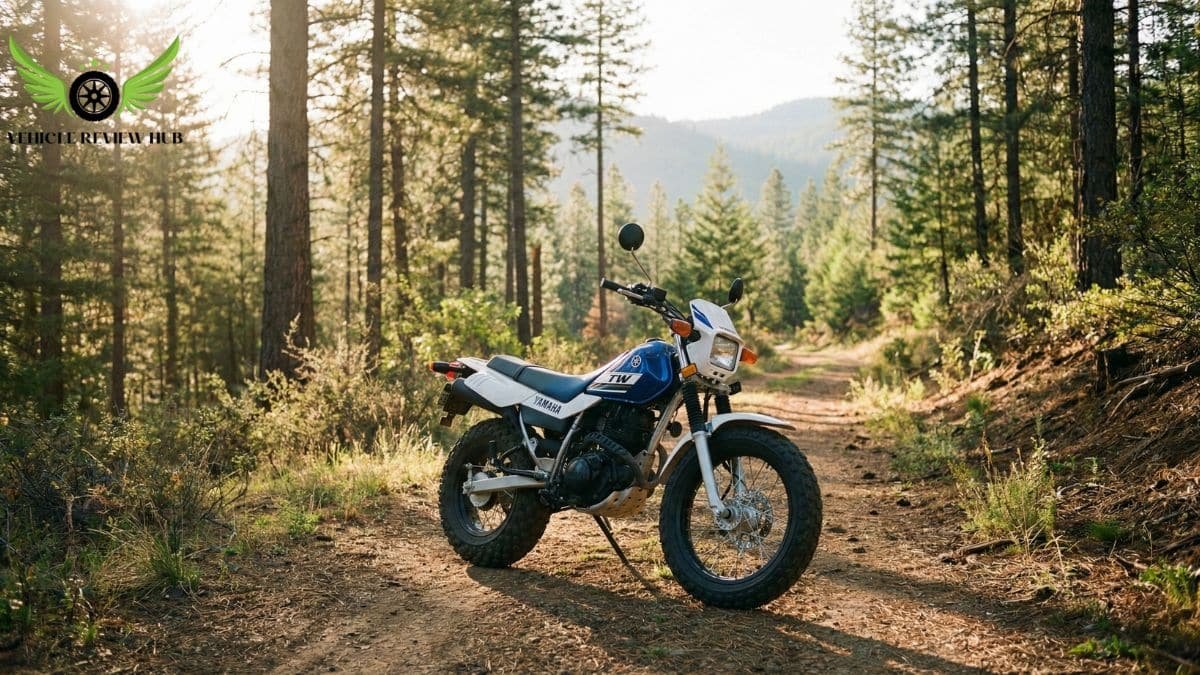
If you’re looking for a simple, reliable, and easy-to-live-with dual-sport bike, the Yamaha TW200 often comes up as a practical choice in the USA. In short, this bike is known for its fat tires, friendly power delivery, and confidence-inspiring ride—especially for beginners and riders who value control over speed. It’s not built to chase high top speeds; instead, it focuses on stability, comfort, and everyday usability.
From my observation, many US riders choose the Yamaha TW200 because it feels unintimidating the moment you sit on it. The low seat height and predictable throttle response make it easy to handle, whether you’re riding around town, exploring dirt roads, or doing light trail work. In my opinion, this bike makes more sense for riders who want stress-free riding rather than aggressive performance.
Based on long-term owner feedback, reliability is one of the strongest reasons people keep recommending this model. Maintenance stays simple, parts availability is good in the US market, and the overall ownership experience feels straightforward. At the end of the day, this buying guide is here to help you decide whether the Yamaha TW200 fits your daily needs, budget, and riding style—because while it won’t suit everyone, it can be a perfect match for practical riders who value ease and versatility.
What Is the Yamaha TW200 and Why It’s Unique in the USA
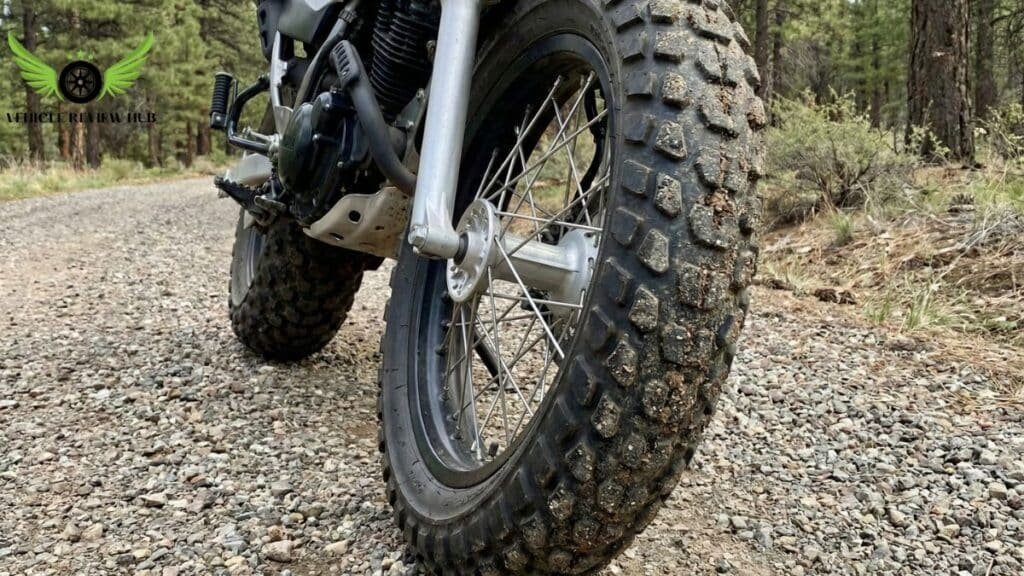
Here, you get a clear idea of what the Yamaha TW200 really is and why many riders in the USA see it as a bit different from other dual-sport bikes. The focus is on its overall identity, basic purpose, and the key reasons it stands out—without going into heavy technical details yet.
In simple words, the Yamaha TW200 is known for being easy to ride, stable, and very forgiving. Instead of chasing speed or sharp performance, it’s built around control and comfort. From my observation, this calm and predictable nature is exactly what attracts new riders as well as experienced riders who want a stress-free bike.
Next, we’ll look more closely at its background, design idea, and the type of riders it fits best, so you can judge whether it matches your everyday riding needs.
Yamaha TW200 Overview for the US Dual-Sport Market
In the US dual-sport market, the Yamaha TW200 is mainly seen as a practical and confidence-friendly bike rather than a performance-focused machine. From my observation, most riders don’t look at this model for speed or long highway runs. They choose it because it feels stable, easy to control, and predictable in everyday riding situations. That clear positioning is what separates it from many sharper, more aggressive dual-sport options.
Based on feedback from US owners, the biggest strength of the Yamaha TW200 is how comfortable it feels at low and medium speeds. The wide tires give extra grip on loose surfaces, while the relaxed engine tuning keeps things smooth and manageable. Many riders report that it works well for mixed use—short commutes, dirt roads, farms, trails, and weekend exploring—without demanding advanced riding skills.
If you ask me, this bike fits best into the US market as a no-pressure dual-sport. It doesn’t try to impress with numbers or specs, but it earns respect through usability and reliability. At the end of the day, riders who value control, simplicity, and real-world comfort usually understand the appeal right away, while those chasing performance often look elsewhere.
History and Purpose of the TW200
The Yamaha TW200 was originally created with one clear goal in mind: make a motorcycle that feels easy, stable, and usable for everyday riders. When it first appeared, Yamaha wasn’t trying to compete with high-performance dual-sport bikes. Instead, the focus was on balance, traction, and confidence—especially on loose or uneven surfaces. From my observation, that original idea is still very much alive in today’s model.
Historically, the bike gained attention because of its wide tires, which were unusual at the time. This design choice wasn’t about style; it was about control. The Yamaha TW200 was meant to help riders feel planted on sand, gravel, dirt roads, and rural paths. Many long-time owners mention that this design made riding feel less tiring and less stressful, particularly for people who weren’t interested in aggressive off-road riding.
Based on how riders have used it over the years in the USA, the real purpose of the Yamaha TW200 has become even clearer. It’s often used on farms, back roads, trails, and small towns where stability matters more than speed. A common reason buyers stick with it is that it feels dependable and forgiving, even after years of ownership.
If you ask me, the lasting appeal comes from the fact that Yamaha never tried to turn this bike into something it wasn’t meant to be. At the end of the day, the TW200 exists for riders who want a simple, trustworthy motorcycle that does its job without drama—and that purpose hasn’t changed over time.
Who Should Buy the Yamaha TW200
If you’re wondering who the Yamaha TW200 is really made for, the short answer is: riders who value ease over speed and practicality over performance. This bike isn’t built to chase high top speeds or carve tight corners at freeway pace. Instead, it feels right for people who want a bike that’s simple, reliable, and easy to live with day after day.
From my observation, new riders are among the biggest group drawn to the Yamaha TW200 in the USA. Its low seat height, manageable power, and friendly throttle response make it feel less intimidating than many other bikes. For someone just starting out, that confidence boost can make a big difference in how quickly they grow comfortable riding on different surfaces.
Beyond beginners, many experienced riders also pick this bike as a practical second motorcycle. If your daily use includes short commutes, light trail riding, farm paths, or weekend fun, the Yamaha TW200 fits naturally. It’s not perfect for long highway runs, but for local rides and mixed terrains, its stability and predictable behavior stand out.
Based on user feedback I’ve come across, riders who prioritize low maintenance and good control tend to appreciate this model the most. If you ask me, it makes more sense for someone who wants peace of mind and confidence in varied riding conditions than for someone chasing speed or sporty handling.
At the end of the day, the Yamaha TW200 is best suited for practical riders, learners, and those who want a stress-free riding experience rather than high performance.
Yamaha TW200 Price in the USA
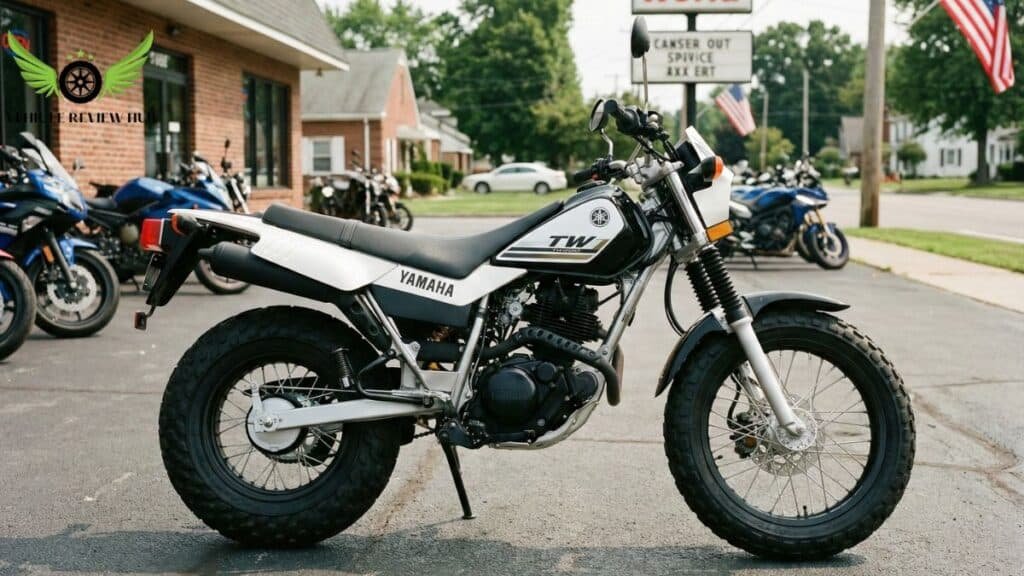
Here, you’ll get a clear idea of how much the Yamaha TW200 costs in the USA and what factors usually affect the final price. This part gives a simple overview of new and used pricing expectations, along with the kind of extra costs buyers often overlook at first.
From my observation, price is one of the main reasons many riders seriously consider the Yamaha TW200. It generally sits in a range that feels reasonable for a reliable dual-sport bike, especially for buyers who want something practical rather than feature-heavy. Based on common buyer experiences, the overall cost often feels manageable compared to larger or more performance-focused motorcycles.
Next, we’ll look more closely at new MSRP, used market trends, and typical dealer-related costs, so you can understand what you’re likely to pay before making a decision.
New Yamaha TW200 MSRP
Here, we look at how much a brand-new Yamaha TW200 costs in the USA and what that price actually means for riders who are thinking about buying one. You’ll get a clear picture of the base price you can expect before extras like taxes and fees are added.
In the USA, the Manufacturer’s Suggested Retail Price (MSRP) for a new Yamaha TW200 is $4,999 for the current model. From my observation, this price point has stayed fairly steady over recent years, which helps riders plan their budget with confidence. In my opinion, this is one of the reasons the Yamaha TW200 attracts first-time buyers—its price feels approachable without giving up reliability.
Based on owner feedback across the US community, the Yamaha TW200 doesn’t come with lots of complex electronics or add-on packs. That means the MSRP pretty much reflects what you get: a simple, stable, and easy-to-ride dual-sport bike that’s ready for streets, light trails, and casual adventure.
If you ask me, knowing the exact MSRP early helps you decide whether to shop new or look at used models later—as we’ll go into in the next section.
Yamaha TW200 New MSRP (USA)
Model Year | Yamaha TW200 Base MSRP (Approx.) | Notes |
Current Model | $4,999 USD | Base price does not include tax, registration, dealer setup, or destination fee |
Many riders report that even after adding taxes and basic fees, the overall cost still feels fair compared with other bikes in this category. At the end of the day, the Yamaha TW200’s MSRP makes sense for those who want a dependable, low-stress bike without paying for extra features they don’t use.
Used Yamaha TW200 Price Range
The used Yamaha TW200 market in the USA can be a good option if you want to save money while still getting a reliable bike. In general, the price you’ll see for a used Yamaha TW200 depends on things like model year, condition, mileage, and any upgrades or accessories the seller added. From my observation, many used TW200s sell at prices that feel reasonable for buyers who want simplicity and durability without paying full price.
Based on typical listings and real owner feedback, a used Yamaha TW200 in good condition usually falls in the range of $2,800 to $4,200. Bikes on the lower end of this range are often older model years or have higher mileage, while those at the top end tend to be newer, well-maintained examples with low miles and clean service history.
From what many riders mention, one advantage of buying used is that you still get the familiar riding character and reliability of the Yamaha TW200 without the full new-bike cost. Maintenance on these bikes is generally straightforward, so even slightly older models can still run well if they were looked after properly.
If you ask me, checking local listings and test-riding a few examples can help you understand how price changes with condition. At the end of the day, the used price range offers good value for people who want the essence of the TW200 experience without stretching their budget.
Used Yamaha TW200 Price Range (Approximate, USA)
Condition | Typical Price Range (USD) |
Older / Higher Mileage | $2,800 – $3,200 |
Good Condition / Mid Mileage | $3,200 – $3,800 |
Newer / Low Mileage | $3,800 – $4,200 |
Dealer Fees, Taxes and On-Road Costs
When you buy a Yamaha TW200 in the USA, the MSRP isn’t the only cost you’ll pay. Beyond the base price, there are a few extra charges that most buyers encounter before the bike is legally yours and ready to ride. Understanding these added costs early helps you budget without surprises.
From my observation, the main extras typically fall into three categories: dealer fees, taxes, and on-road expenses. Dealer fees can vary depending on where you shop, but they usually include charges for preparing the bike and handling paperwork. These are not standard across all dealerships, so one shop might charge more than another for similar services.
In most states, sales tax is added to the purchase price of the Yamaha TW200, and that amount depends on your local tax rate. For example, a higher state tax means more money at the time of purchase. Many riders report that tax often adds a few hundred dollars to the final bill, so it’s something to consider before you commit.
Another factor is on-road costs like registration, title, and sometimes licensing fees. These vary by state but are generally required to make the bike legal for riding on public roads. Some buyers also choose extras like extended warranties or accessories (like luggage racks or skid plates), which can add to the total.
If you ask me, the most important step is to ask the dealer for a full out-the-door price before signing anything. That way you know exactly what you’ll pay, including dealer fees, taxes, and all on-road costs. At the end of the day, understanding these extras helps you compare new versus used pricing more fairly and avoid unexpected bills.
Below is a simple example of how these extra costs might add up:
Example: Typical Extra Costs (USA)
Cost Type | Approximate Amount |
Dealer Fee | $200 – $400 |
Sales Tax | Varies by state (typically 4 % – 10 % of price) |
Registration & Title | $50 – $150 |
Optional Accessories/Warranty | $100 – $500+ |
Yamaha TW200 Engine and Core Specifications
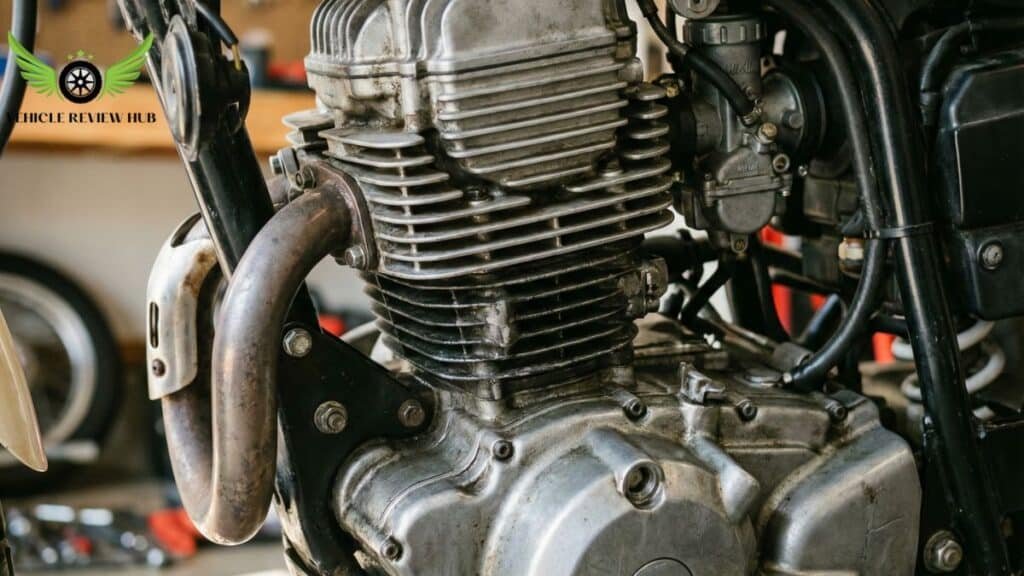
Here you will get a clear overview of the key engine specs and main mechanical features of the Yamaha TW200 that define how it performs on the road and trails in the USA. This part gives a high-level summary of the most important technical elements you should know before we go deeper into individual systems like power delivery, chassis, suspension, and tire setup. This helps you understand the basic strengths and character of the Yamaha TW200 without getting too technical yet.
For most riders, the engine and core specs are where you start judging whether a bike feels smooth, reliable, and usable for daily riding or light adventure. From my observation, the Yamaha TW200’s setup is designed more around controllable power and stability than high top speeds or aggressive handling. In the next sections, we will break down how the engine works, how much power it makes, and why the frame and fat tires matter for riding comfort and traction.
196cc Air-Cooled Engine Overview
The Yamaha TW200 uses a 196cc air-cooled single-cylinder engine, and the focus here is simplicity and control rather than raw power. In clear terms, this engine is built to be easy to manage, dependable, and forgiving in real-world riding. From my observation, it feels calm and predictable the moment you roll on the throttle, which is exactly what many riders want from a dual-sport bike.
Based on rider feedback over the years, the air-cooled design is one of the biggest advantages of the Yamaha TW200. There’s no complex cooling system to worry about, which keeps maintenance simple and costs low. Many owners report that this engine handles slow riding, stop-and-go traffic, and light trail use without overheating or feeling stressed.
In my opinion, the power delivery suits relaxed riding perfectly. The engine doesn’t rush you, and it doesn’t punish mistakes. Instead, it gives smooth, usable torque at low speeds, making it easier to ride on dirt roads, gravel, and uneven ground. That’s a big reason beginners feel confident, and experienced riders find it easy to live with.
At the end of the day, this 196cc air-cooled engine won’t impress riders chasing speed, but for those who value reliability, simplicity, and everyday usability, it does exactly what it’s supposed to do.
Power, Torque and Transmission
When it comes to power and torque, the Yamaha TW200 is tuned for smooth control rather than quick acceleration. In simple words, this bike delivers its power gently, which makes riding feel calm and predictable. From my observation, the throttle response feels friendly, especially at low speeds, and that helps riders stay confident on both pavement and loose surfaces.
Based on long-term owner feedback, the Yamaha TW200 produces enough low-end torque to handle dirt roads, light trails, and daily city riding without feeling weak. It doesn’t need high revs to move forward, which keeps the ride relaxed and easy to manage. Many riders mention that this steady torque delivery is what makes slow-speed riding feel so natural.
The transmission plays a big role in this easy-going character. The five-speed manual gearbox is geared to support control and flexibility rather than top speed. In my opinion, the gear spacing feels well-suited for mixed riding, allowing smooth shifts and good control when riding through traffic or uneven terrain. Clutch engagement is usually described as forgiving, which helps new riders avoid stalling.
At the end of the day, the power, torque, and transmission setup of the Yamaha TW200 makes sense for practical use. It won’t satisfy riders looking for fast highway performance, but for those who care about control, stability, and everyday comfort, it fits the job perfectly.
Frame, Suspension and Fat-Tire Setup
The Yamaha TW200 uses a simple steel frame combined with a relaxed suspension setup, and the goal here is stability rather than aggressive handling. In clear terms, this bike is built to feel planted and predictable on uneven surfaces. From my observation, the frame doesn’t feel stiff or twitchy; instead, it supports a calm riding experience, especially at lower speeds.
Based on rider feedback in the USA, the suspension is tuned more for comfort than sharp response. It absorbs bumps, gravel, and rough patches without demanding constant correction from the rider. In my opinion, this makes the Yamaha TW200 feel less tiring on longer rides over dirt roads or broken pavement. It’s not meant for high-speed jumps or hard off-road riding, but it does its job well for casual trails and daily use.
What truly defines this bike is its fat-tire setup. The wide front and rear tires add extra grip and confidence, especially on sand, loose soil, and uneven ground. Many owners report that these tires make slow-speed riding feel more secure and forgiving compared to narrow-tire dual-sport bikes. If you ask me, this is one of the biggest reasons riders feel comfortable exploring places they might avoid on other bikes.
At the end of the day, the frame, suspension, and tire combination of the Yamaha TW200 is all about control and ease. It won’t satisfy riders who want sharp handling or sporty feedback, but for practical riders who value stability and confidence, it fits the purpose perfectly.
Yamaha TW200 Pros and Cons

Here, we’ll take a balanced look at the main strengths and limitations of the Yamaha TW200 so you can judge it realistically before making a buying decision. This part gives a clear overview of what the bike does well and where it may fall short, based on real riding needs rather than specs alone.
From my observation, most riders don’t choose the Yamaha TW200 expecting perfection. They choose it because certain qualities—like ease of use and stability—matter more to them than speed or advanced features. At the same time, it’s important to understand the compromises that come with this simple design, especially if your riding needs are more demanding.
In the next parts, we’ll go deeper into the key advantages, the common drawbacks riders mention, and the type of rider this bike suits best, so you can decide whether its strengths line up with your expectations.
Key Advantages for US Riders
For many riders in the USA, the Yamaha TW200 stands out because it makes riding feel simple and stress-free. In clear terms, its biggest advantage is how easy it is to control in everyday situations. From my observation, riders often feel comfortable on this bike almost immediately, whether they’re riding on city streets, dirt roads, or uneven rural paths.
Based on long-term user feedback, stability is one of the strongest points of the Yamaha TW200. The wide tires give extra grip, which helps a lot on loose surfaces like sand, gravel, or wet ground. Many owners report that this added confidence lets them ride more relaxed, especially at low speeds where balance usually matters most.
Another advantage US riders often mention is low maintenance and reliability. The simple engine design keeps servicing straightforward, and parts availability is generally good across the country. In my opinion, this makes ownership easier for riders who don’t want complicated repairs or frequent workshop visits.
If you ask me, the Yamaha TW200 also makes sense because of its versatility. It may not be fast, but it handles daily commuting, light trail riding, and casual exploring without feeling out of place. At the end of the day, for riders who value comfort, control, and dependability over performance numbers, these advantages are hard to ignore.
Limitations and Drawbacks
The Yamaha TW200 is designed with simplicity in mind, and that simplicity also brings a few clear limitations. In short, this bike is not meant for high-speed riding or long highway trips. From my observation, riders who understand its purpose early are usually more satisfied than those who expect it to behave like a larger dual-sport.
Based on real owner feedback in the USA, most drawbacks are not deal-breakers—but they are important to know before buying. The table below highlights the most common limitations riders talk about in everyday use.
Common Limitations of the Yamaha TW200
Area | Limitation | Real-World Impact |
Highway Riding | Limited top-end power | Feels strained at sustained highway speeds |
Acceleration | Slow pickup | Not ideal for quick overtakes or fast traffic |
Suspension | Soft setup | Not suitable for aggressive off-road riding |
Features | Very basic | No modern tech or advanced electronics |
Long-Distance Comfort | Minimal wind protection | Better for short rides than long tours |
From my experience reading rider discussions, highway comfort is the most frequently mentioned concern. Many owners say it’s fine for short highway stretches, but it’s not something they’d choose for daily freeway commuting. In my opinion, this is only a drawback if highway riding is a big part of your routine.
If you ask me, these limitations are acceptable once you understand what the Yamaha TW200 is built for. At the end of the day, it won’t suit riders chasing speed or advanced features, but for practical users who value control and simplicity, the drawbacks are easy to live with.
Ideal Rider Profile
The Yamaha TW200 is best suited for riders who care more about control and comfort than speed or performance. In simple terms, this bike fits people who want an easy, confidence-building ride rather than something demanding. From my observation, riders who enjoy relaxed riding usually connect with this model very quickly.
Based on real owner experiences in the USA, new riders often find the Yamaha TW200 appealing because it feels predictable and forgiving. The low seat height and gentle power delivery make it easier to build confidence, especially when riding on mixed surfaces like pavement, gravel, and dirt roads. Many beginners mention that it helps them focus on learning rather than worrying about the bike.
At the same time, the Yamaha TW200 also works well for experienced riders who want a simple second bike. In my opinion, it makes sense for people who live in rural areas, ride on farms, or enjoy light trail exploring on weekends. It’s not a bike you ride hard—it’s a bike you live with comfortably.
If you ask me, this model is ideal for riders who value reliability, low maintenance, and stress-free ownership. At the end of the day, the Yamaha TW200 won’t fit everyone, but for practical riders who want a calm and dependable companion, it fits naturally into their lifestyle.
Final Buying Verdict
This part brings everything together to help you decide whether the Yamaha TW200 is the right choice for you in the USA. Here, the focus is on overall value, real-world usability, and how well this bike fits different riding needs—without getting into technical details again.
From my observation, the Yamaha TW200 makes the most sense when you look at it as a practical, confidence-friendly motorcycle rather than a performance machine. Its strengths and limits are very clear, which actually makes the buying decision easier for many riders. You either need what it offers—or you don’t.
Next, we’ll look more closely at whether the Yamaha TW200 is truly worth buying and the specific situations where it fits best, so you can make a decision that feels right for your daily riding life.
Is the Yamaha TW200 Worth Buying?
If you’re asking whether the Yamaha TW200 is worth buying in the USA, the clear answer depends on what you plan to do with it. In straightforward terms, this bike is worth it if you want a simple, reliable, and confidence-inspiring motorcycle rather than a performance-focused one. From my observation, riders who understand the TW200’s purpose early on tend to be much happier with their purchase.
Based on owner feedback across the US riding community, many people find that the Yamaha TW200 delivers exactly what it promises: easy handling, low stress, and dependable daily use. It doesn’t overwhelm you with electronics or top-end power, and that’s actually one of its biggest strengths for practical riders. Many owners report that the riding experience stays enjoyable even after years of ownership, thanks mainly to the bike’s predictable nature.
In my opinion, this model is especially worth buying if you’re a new rider, someone who lives in rural areas, or a commuter looking for a low-maintenance bike. The Yamaha TW200’s calm throttle response, stable feel, and simple mechanical setup make daily riding feel more natural and less intimidating. If your day-to-day riding environment includes dirt paths, farm roads, or mixed surfaces, this bike truly shines.
If you ask me, it becomes less worth it when your priority is highway performance, quick acceleration, or long-distance touring. At the end of the day, the Yamaha TW200 won’t suit every rider, but for those seeking comfort, confidence, and reliability in everyday use, it’s a strong value and often a smart buy.
Best Use Case in the USA
When thinking about how you’ll actually use the Yamaha TW200 in the USA, the answer really comes down to riding situations where calm control and confidence matter more than speed or long-distance touring. The bike isn’t built to chase high speeds or freeway cruising all day, but it shines in everyday use that doesn’t demand extreme performance. From my observation, this is where the Yamaha TW200 truly feels at home.
Based on real owner experiences, one of the best use cases for the Yamaha TW200 is local commuting — especially in towns, suburban areas, and neighborhoods with mixed road conditions. The bike’s stable handling and smooth throttle make short rides through traffic feel less stressful, and many riders report that it’s easy to park and maneuver in tight spaces.
Another common scenario where this model excels is light trail riding and gravel paths. The fat-tire setup gives extra grip on loose surfaces, and the forgiving suspension absorbs small bumps without demanding advanced riding skills. If your rides often include fire roads, farm lanes, or sandy trails, the Yamaha TW200’s character fits very well.
For riders who live in rural areas or use their motorcycle for run-about tasks, this bike makes sense because it’s dependable and easy to maintain. In my opinion, it’s also a great option as a second bike — something you can hop on without thinking too much about gears or aggressive riding.
If you ask me, the biggest strength of the Yamaha TW200 is how naturally it adapts to everyday riding needs. At the end of the day, it’s not about what it lacks; it’s about how easily it does the things most riders actually do on a regular basis — and that’s why it’s a smart choice for a wide variety of riders in the USA.
FAQ – Yamaha TW200 (USA)
Below are some of the most common questions US riders ask before buying the Yamaha TW200. These answers are based on real-world ownership experiences, everyday riding needs, and practical concerns that usually come up during the decision-making process. If you’re still unsure about whether this bike fits your lifestyle, these quick answers should help clear up the most important doubts.
Is the Yamaha TW200 good for beginners?
Yes, the Yamaha TW200 is widely considered beginner-friendly. From my observation, the low seat height, smooth throttle response, and stable feel help new riders gain confidence quickly. Many owners mention that it feels forgiving, which makes learning much less stressful.
Can the Yamaha TW200 handle highway riding?
The Yamaha TW200 can handle short highway stretches, but it’s not ideal for long freeway rides. Based on rider feedback, it feels most comfortable at lower speeds. In my opinion, it works best when highways are only a small part of your regular riding.
Is the Yamaha TW200 good for off-road use?
Yes, but with limits. The wide tires and stable setup work well on dirt roads, gravel, sand, and light trails. Many owners report that it’s great for casual off-road riding, though it’s not built for aggressive or high-speed trail riding.
How reliable is the Yamaha TW200?
Reliability is one of the strongest points of the Yamaha TW200. Based on long-term ownership experiences, maintenance stays simple, and problems are rare when basic servicing is done on time. Many riders keep the bike for years without major issues.
Is the Yamaha TW200 worth buying?
For many riders, buying a used Yamaha TW200 makes a lot of sense. From my observation, well-maintained used models still offer the same riding feel and dependability. If the bike has a clean history, it can be a very cost-effective option.
Who should avoid buying the Yamaha TW200?
If you’re looking for strong acceleration, long-distance touring comfort, or frequent highway riding, the Yamaha TW200 may feel limiting. At the end of the day, it’s best suited for practical riders who value control and simplicity over performance.