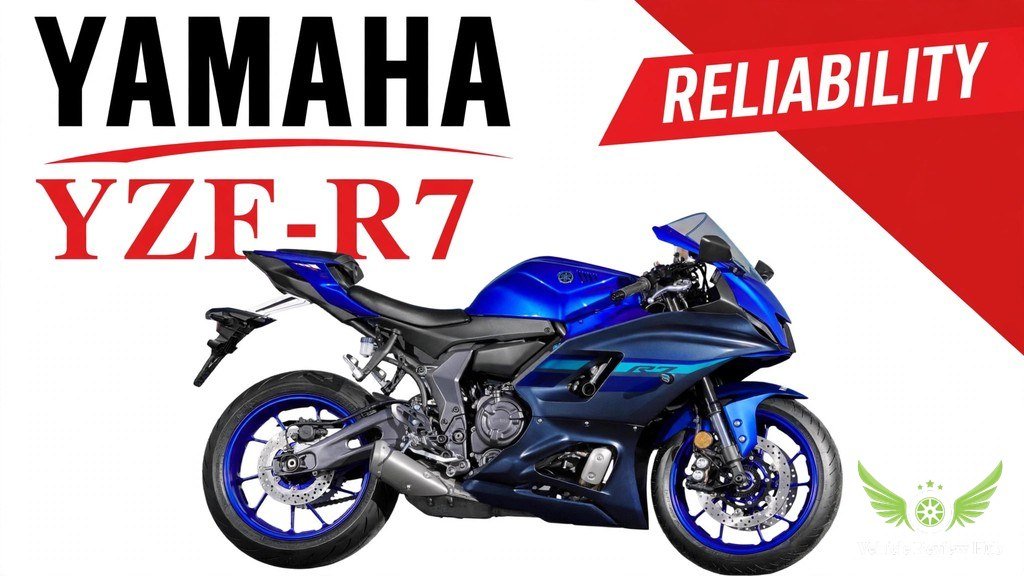
Is the Yamaha YZF-R7 a bike you can count on for years, or will it spend more time on a workshop stand than on the road? The short answer is reassuring: Yamaha YZF-R7 reliability looks strong on the evidence available today. At the heart of Yamaha YZF-R7 reliability sits the proven 689cc CP2 parallel-twin engine, a design proven in other Yamaha models for over a decade, and the R7 has no safety recalls listed in the United States for any model year from 2022 through 2026. The substantially revised 2026 model is still too new to have a long-term record of its own, so this guide separates what is proven from what is still unknown.
Below: the maintenance schedule, real intervals for oil, chain, valves and fluids, owner-reported issues, and a step-by-step VIN recall check. Keep up with the schedule, and Yamaha YZF-R7 reliability should be one of the least stressful parts of ownership.
Is the Yamaha YZF-R7 Reliable?
The honest answer has two parts. The fundamentals behind Yamaha YZF-R7 reliability are well proven, because the CP2 twin and much of the running gear carry over from a long line of Yamaha middleweights — but the 2026 model adds new electronics without years of owner use behind them yet. Both halves matter for Yamaha YZF-R7 reliability.
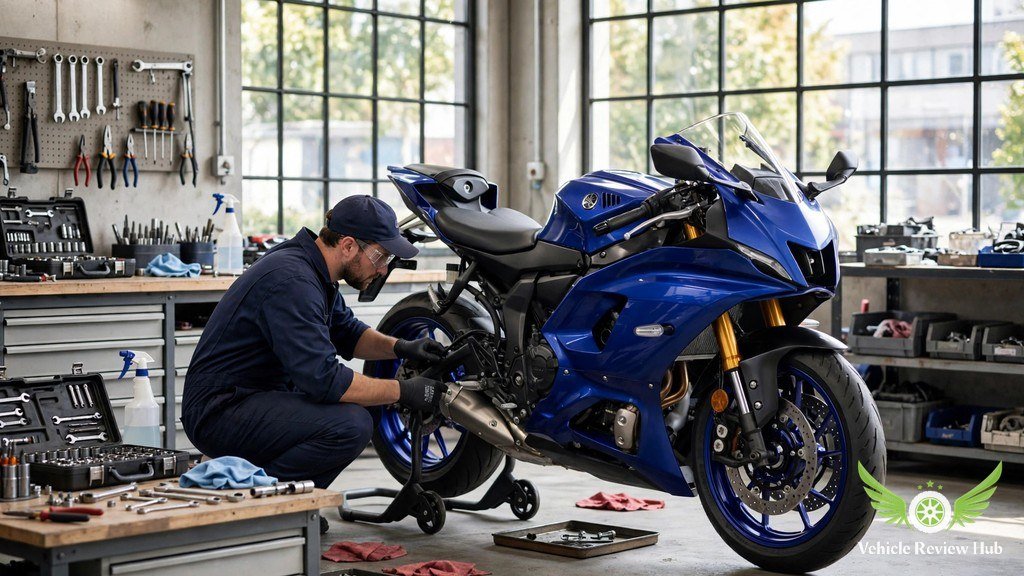
What Official Information and Owner Reports Can Tell Us
The strongest official evidence for Yamaha YZF-R7 reliability is the engine itself. The 689cc CP2 parallel twin, with its 270-degree crankshaft, is the same basic engine Yamaha uses in the MT-07, the Ténéré 700 and the XSR700, and that engine family has built a durability reputation across hundreds of thousands of motorcycles since the MT-07 arrived in 2014. A proven engine does not guarantee trouble-free ownership, but it means Yamaha YZF-R7 reliability does not rest on an untested design.
Owner feedback, gathered from forums and aggregated reviews, points the same way on Yamaha YZF-R7 reliability. Riders consistently praise the chassis balance, braking feel and friendly, torque-rich CP2 engine character, and there is no widely reported pattern of engine failures or major breakdowns on the R7. The complaints that do come up repeatedly are about comfort and equipment rather than breakdowns: vibrating mirrors, limited wind protection, a firm seat, and, on pre-2026 models, no traction control or rider aids.
One more official data point matters for Yamaha YZF-R7 reliability: a check of the National Highway Traffic Safety Administration database returned no safety recalls for the Yamaha YZF-R7 for model years 2022 through 2026 at the time of writing. That is a clean record for a motorcycle on sale since 2022. Recalls can still appear later — hence the VIN check below — but nothing is outstanding today.
What Is Known About the 2026 Model’s Long-Term Reliability?
Honestly stated: the 2026 model has no long-term record yet, and that gap matters when assessing Yamaha YZF-R7 reliability. Yamaha substantially revised the R7 for 2026, adding ride-by-wire throttle control, a six-axis IMU, Yamaha Ride Control riding modes, cruise control, a five-inch TFT display and a bidirectional quickshifter, along with revised chassis parts. The 2026 Yamaha YZF-R7 is therefore a different motorcycle electronically from the 2022–2025 bikes, though the CP2 engine at the heart of Yamaha YZF-R7 reliability is unchanged.
That distinction cuts both ways for Yamaha YZF-R7 reliability. On the positive side, the mechanical parts most likely to cause expensive trouble — the engine, gearbox, frame and suspension layout — are proven quantities, and the new electronics come from Yamaha’s established technology rather than being invented from scratch. On the cautious side, new switchgear, sensors and an IMU-based suite always carry some early-production risk, and only a few years of owner use will show whether the 2026 electronics match the engine for dependability. Buyers who want maximum certainty can look at a late 2022–2025 bike with a documented service history — the strongest single proof of Yamaha YZF-R7 reliability on a used bike; buyers who want the 2026 model’s electronics should use the one-year limited factory warranty and have any glitch documented at a dealer while it is active.
Yamaha YZF-R7 Maintenance Schedule
The R7’s schedule is straightforward and, by sportbike standards, fairly gentle — and following it is the single biggest thing an owner can do for Yamaha YZF-R7 reliability: every 4,000 miles or six months, with a break-in service at 600 miles.
Engine Oil, Filters and Routine Inspections
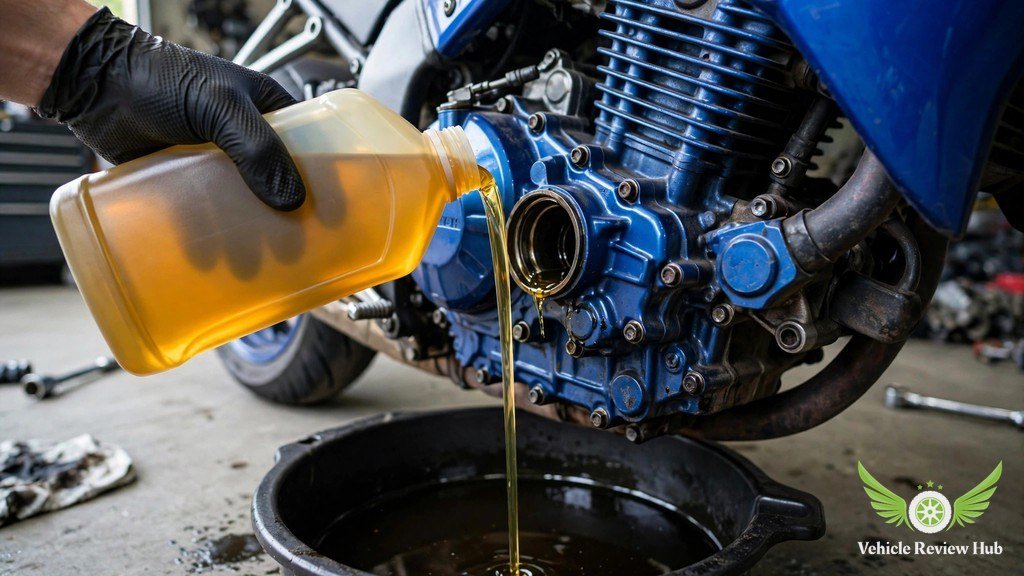
Engine oil is changed at every service on the R7 — at the 600-mile break-in and then at every 4,000-mile or six-month interval — using Yamaha’s recommended 10W-40 oil meeting API service SG or higher, or the JASO MA standard, with Yamalube 10W-40 the factory recommendation, a routine that underpins Yamaha YZF-R7 reliability. The oil filter is replaced at break-in and roughly every other service; the air filter is changed at 24,000 miles. Spark plugs are checked at the intermediate services and replaced at around the 8,000-mile and 16,000-mile marks. Every service also includes a full inspection checklist — throttle, clutch, lights, brakes, tires, suspension, bearings, fasteners and exhaust — which catches small issues before they become expensive ones.
Yamaha’s own DIY Garage video shows the oil change step by step:
Owner caution: the drain bolt torque figure in some manual material is easy to get wrong, with stripped threads the result, so use a torque wrench and confirm the figure in your own bike’s manual — a small detail with outsized importance for Yamaha YZF-R7 reliability.
Chain, Tires, Brakes and Fluid Checks
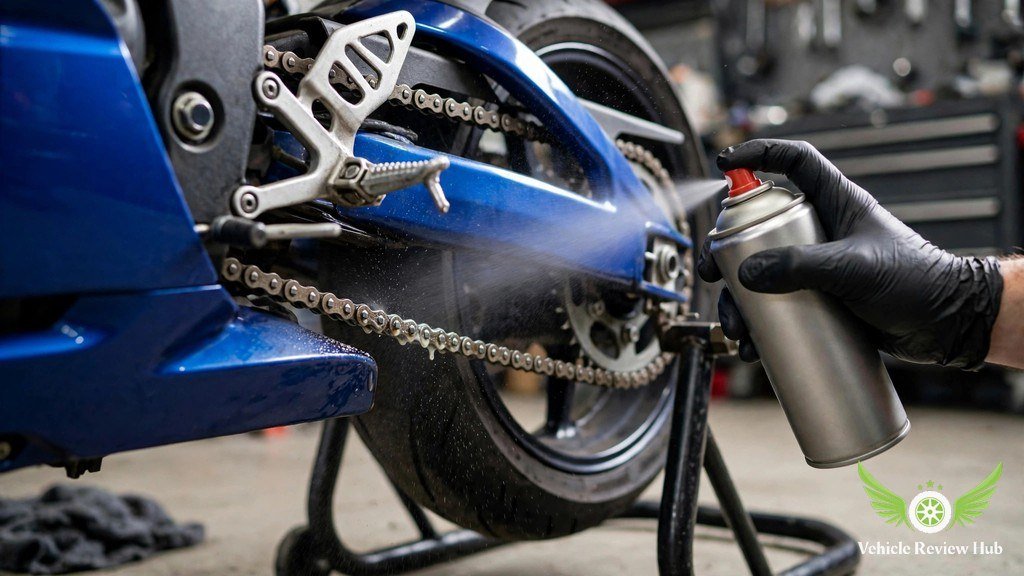
Chain care is the R7’s most frequent job, and the most often neglected — which makes it central to Yamaha YZF-R7 reliability. Yamaha’s guidance: check chain lubrication and slack every 500 miles or 800 km, and after washing or riding in wet conditions — the most frequent single habit behind Yamaha YZF-R7 reliability. The target drive-chain slack on the R7 is 45–50 mm, measured on the side stand in neutral, and note that this figure differs from the MT-07, so do not borrow a friend’s MT-07 numbers. A dry or overtight chain wears sprockets and strains the gearbox output bearing.
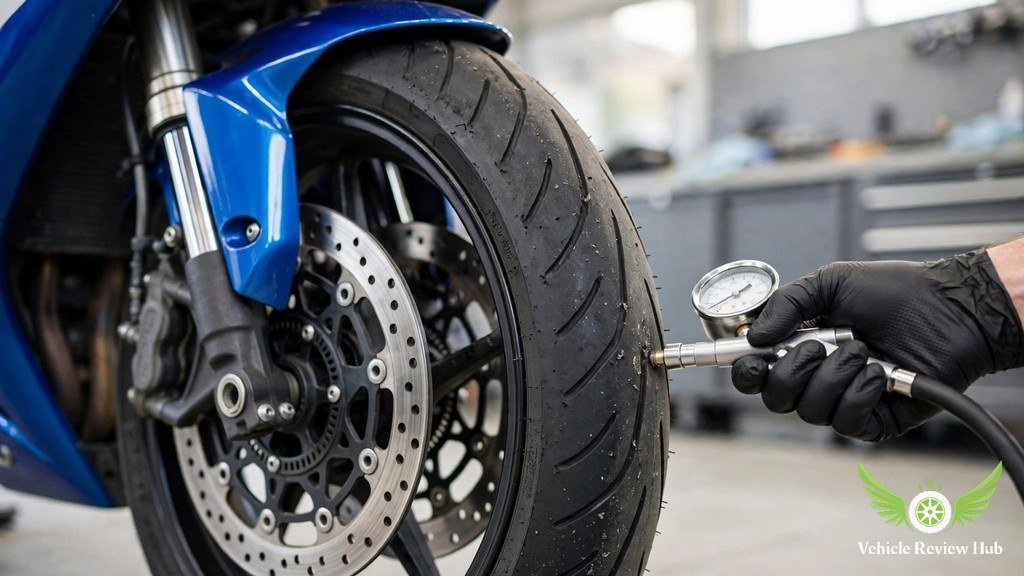
Tires and brakes follow the same pattern of simple checks that protect Yamaha YZF-R7 reliability. The manual specifies a 120/70ZR17 front tire at 36 psi and a 180/55ZR17 rear at 42 psi, both measured cold, with Bridgestone Battlax Hypersport rubber as original equipment (S22 on earlier bikes, S23 on the 2026 model). Check tread depth and pressure at every service, and replace tires at the wear indicators. Brake fluid is DOT 4 and should be changed every two years, with the brake lines themselves replaced every four years, and pads checked at every service. Coolant is changed at around the 25,000 km (roughly 15,500-mile) service, and fresh fluid matters for Yamaha YZF-R7 reliability in hot climates.
Valve Clearance and Scheduled Service Intervals
The big-ticket scheduled job is the valve-clearance inspection, due at 42,000 km (26,600 miles) on the US schedule, or 40,000 km on the European schedule. This is a dealer-level job: the fuel tank and airbox come off, the engine must be cold, and shims bring out-of-spec valves back into tolerance. The CP2 engine is known for holding its valve clearances well, so many bikes need adjustment on only a few valves at that first check — but skipping the inspection is how a quiet engine turns into a burned valve and a very large bill. That risk is central to Yamaha YZF-R7 reliability.
Longer-interval jobs include steering head bearings (12,000 miles), rear suspension link pivots (similar interval) and swingarm pivot bearings (32,000 miles) — all small jobs that quietly support Yamaha YZF-R7 reliability. The full schedule:
| Service item | Interval (US schedule) |
|---|---|
| Break-in service | 600 miles |
| Regular service (oil + full inspection) | Every 4,000 miles or 6 months |
| Oil filter replacement | Every other service |
| Spark plug replacement | 8,000 and 16,000 miles |
| Air filter replacement | 24,000 miles |
| Brake fluid change | Every 2 years |
| Brake line replacement | Every 4 years |
| Valve-clearance inspection | 26,600 miles |
| Chain lube and slack check | Every 500 miles, and after washing or rain |
| Coolant change | Around 15,500 miles |
Note: this schedule is transcribed from the 2022 owner’s manual documentation, the baseline document for Yamaha YZF-R7 reliability; 2026 owners should confirm model-specific settings in their own manual. The full schedule is published on Maintenance Schedule’s YZF-R7 page.
Yamaha YZF-R7 Common Issues and Recalls
Many reliability guides invent dramatic faults to fill space; the honest picture for Yamaha YZF-R7 reliability is quieter: no documented pattern of major mechanical failure, and owner discussion mostly about comfort, equipment and maintenance discipline. Be skeptical of any article claiming a specific notorious R7 defect without naming a source — Yamaha YZF-R7 reliability deserves evidence, not rumors.
How to Verify Reported Mechanical or Electrical Issues
When you read a claimed R7 problem online, run it through three checks before believing it. First, is it tied to a specific model year and symptom? Second, does it appear in more than one independent place, or only in one repeated post? Third, does it match the bike’s design — a claimed widespread CP2 engine failure on the R7 alone would need strong evidence, given the engine’s record in the MT-07 and Ténéré 700. Applying those checks, the recurring R7 themes are the ones already named: vibrating mirrors, modest wind protection, a firm seat, and pre-2026 bikes lacking traction control and a quickshifter as standard. The 2026 update answers the electronics complaints directly with IMU-based rider aids and a standard bidirectional quickshifter, which strengthens the case for Yamaha YZF-R7 reliability.
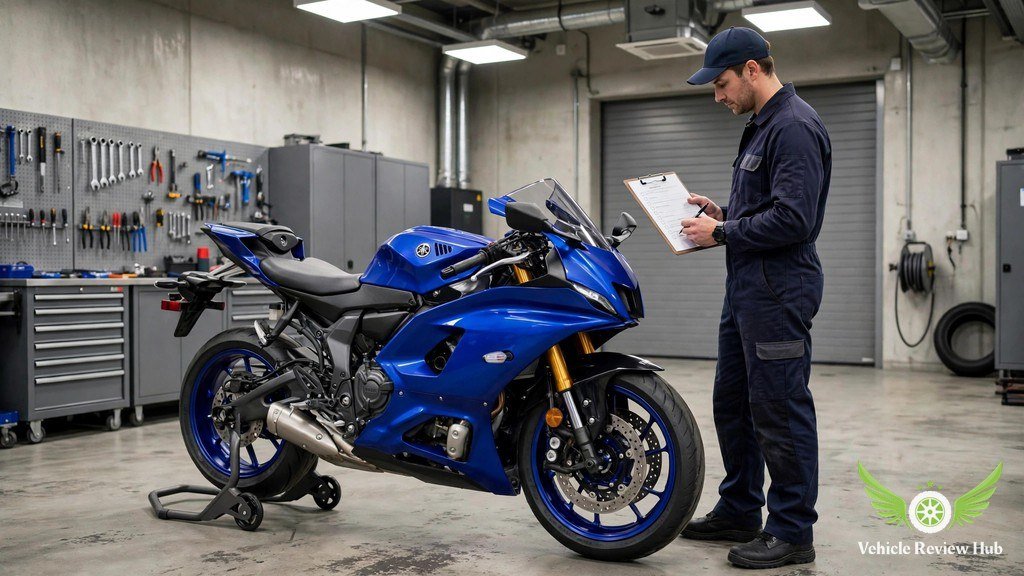
There is one more category worth naming honestly, because it affects how people judge Yamaha YZF-R7 reliability on the used market: problems caused by previous owners, not by Yamaha. Dropped bikes, dry chains and skipped valve services all show up on the used market wearing the R7 badge, making an individual bike look unreliable when the real story is neglected maintenance. That is why service history matters more than a model-year badge when judging Yamaha YZF-R7 reliability on a specific used bike, and why inspecting a used R7 carefully before you pay is money well spent.
How to Check Safety Recalls by VIN
Checking recalls takes about two minutes: before buying any used R7, and again at least twice a year. Go to NHTSA.gov/Recalls and enter the bike’s 17-character VIN — find it stamped on the steering head or printed on the registration and insurance documents. NHTSA’s free SaferCar app can also alert you if a new recall is ever issued for your bike. NHTSA’s own vehicle safety resources page explains the process and notes that recall repairs are always free at an authorized dealer — a free safety net for Yamaha YZF-R7 reliability.
As noted above, NHTSA’s recall database showed no recalls for the YZF-R7 for model years 2022 through 2026 at the time of writing. If your VIN search shows an open recall, call any authorized Yamaha dealer with the VIN and book the free repair. Recalls do not expire, and an unrepaired safety defect can affect both your safety and the bike’s resale value. Keeping a dated record of every recall check is a small habit that supports Yamaha YZF-R7 reliability.
Yamaha YZF-R7 Maintenance Costs
Reliability is only half the equation; the other half is cost, and here Yamaha YZF-R7 reliability also looks affordable. Service intervals are reasonable, parts are shared with high-volume Yamaha models, and routine work needs no exotic tools. All figures below are planning estimates from typical US shop pricing in 2026, not quotes.
Routine Servicing and Wear-Item Costs
A routine 4,000-mile dealer service typically runs $200–$400; a home mechanic can do the same job for around $60–$100 in parts. Tires are the biggest recurring wear cost: a pair of quality sport tires fitted typically lands between $350 and $550 depending on brand, and most riders will go through a rear tire every 4,000–7,000 miles depending on riding style. A chain and sprocket set, fitted, generally costs $200–$350 and lasts roughly 15,000–20,000 miles with proper lubrication — or far less if the chain is neglected, which is another way that disciplined maintenance protects Yamaha YZF-R7 reliability and your wallet at the same time. Brake pads run roughly $80–$150 per axle fitted; a battery is typically $80–$140.
Over a typical riding year of, say, 5,000 miles, a realistic routine budget is roughly $500–$900 including one or two services and a share of tire and chain wear, before fuel and insurance — the annual price of Yamaha YZF-R7 reliability for most riders. That is a planning estimate: track use and aggressive riding push wear-item costs up. The R7’s fuel economy helps on the running-cost side, with Yamaha estimating 59 MPG for the 2026 model, though real-world figures vary with riding style.
What Can Increase Long-Term Ownership Expenses?
Four things push R7 costs above the routine baseline, and each touches Yamaha YZF-R7 reliability. The first is the valve-clearance service at 26,600 miles, which typically costs $600–$1,000 or more at a dealer because of the labor involved in reaching the cylinder head. The second is crash damage: full fairings look wonderful but are expensive to replace, so a low-speed drop that would scuff a naked bike can cost $1,000 or more in R7 bodywork. The third is deferred maintenance, where a skipped chain service becomes a chain, sprocket and seal replacement. The fourth is the 2026 model’s electronics: covered under warranty at first, but out-of-warranty electronic parts are generally pricier than the simple components they replace, so keeping software and service records current is cheap insurance for long-term Yamaha YZF-R7 reliability.
Yamaha YZF-R7 Reliability FAQs
The questions buyers and owners ask most often about Yamaha YZF-R7 reliability, answered directly.
Is the Yamaha YZF-R7 reliable?
Yes, on the evidence available. Yamaha YZF-R7 reliability is supported by the proven CP2 engine shared with the MT-07 and Ténéré 700, by owner feedback reporting no widespread pattern of major failure, and by a clean NHTSA recall record for 2022 through 2026. The 2026 model’s new electronics are the one unproven element, covered by a one-year limited factory warranty.
How often does the Yamaha YZF-R7 need servicing?
Every 4,000 miles or six months, with a break-in service at 600 miles. Chain checks are needed far more often — every 500 miles or after washing or wet riding. Keeping to that rhythm is the simplest way to protect Yamaha YZF-R7 reliability.
When does the Yamaha YZF-R7 need a valve clearance check?
At 26,600 miles on the US schedule (42,000 km), or 40,000 km on the European schedule. A dealer-level job for most owners, typically $600–$1,000 or more — budget for it as a known milestone in Yamaha YZF-R7 reliability planning.
How often should I change the oil on a Yamaha YZF-R7?
Engine oil is changed at every service — at the 600-mile break-in and then every 4,000 miles or six months — using 10W-40 oil meeting API SG or higher, or JASO MA. The oil filter is replaced at break-in and roughly every other service. Confirm the exact specification in your own bike’s manual, since correct lubrication is basic to Yamaha YZF-R7 reliability.
What is the correct chain slack on a Yamaha YZF-R7?
The target drive-chain slack is 45–50 mm, measured on the side stand with the bike in neutral. This differs from the MT-07 figure, so do not use MT-07 numbers. Getting this right matters for Yamaha YZF-R7 reliability.
Are there any Yamaha YZF-R7 recalls?
At the time of writing, a check of NHTSA’s recall database found no safety recalls for the YZF-R7 for model years 2022 through 2026. Always verify your own bike by VIN at NHTSA.gov/Recalls; recall repairs are free at an authorized dealer, and a clean record supports Yamaha YZF-R7 reliability.
What are the most common Yamaha YZF-R7 problems?
No documented pattern of major mechanical failure exists on the R7 — itself a strong statement about Yamaha YZF-R7 reliability. The issues owners report most often are comfort and equipment complaints: vibrating mirrors, limited wind protection, a firm seat on long rides, and, on pre-2026 bikes, no traction control or standard quickshifter. Individual used-bike problems usually trace to neglected maintenance or crash damage, not design faults.
Is the 2026 Yamaha YZF-R7 reliable?
It is too new to have a long-term record. Its engine and chassis fundamentals are proven, its new electronics come from Yamaha’s established technology, and it carries a one-year limited factory warranty. The long-term verdict on 2026 Yamaha YZF-R7 reliability will depend on the first few years of owner experience with the new IMU, TFT display and ride-by-wire system.
How much does Yamaha YZF-R7 maintenance cost per year?
For a typical 5,000-mile year, budget roughly $500–$900 for routine servicing and wear items, before fuel and insurance. That is a planning estimate: track use and aggressive riding increase wear-item costs, and the 26,600-mile valve service is a separate, larger bill — the one cost every Yamaha YZF-R7 reliability budget should include.
Can I service a Yamaha YZF-R7 myself?
Yes, for routine work. Oil and filter changes, chain lubrication and adjustment, tire pressure checks and brake inspections are all within reach of a home mechanic with basic tools and a torque wrench. Valve-clearance work, steering-bearing service and anything involving the electronics or ABS are best left to a dealer, which is the safe approach to Yamaha YZF-R7 reliability.