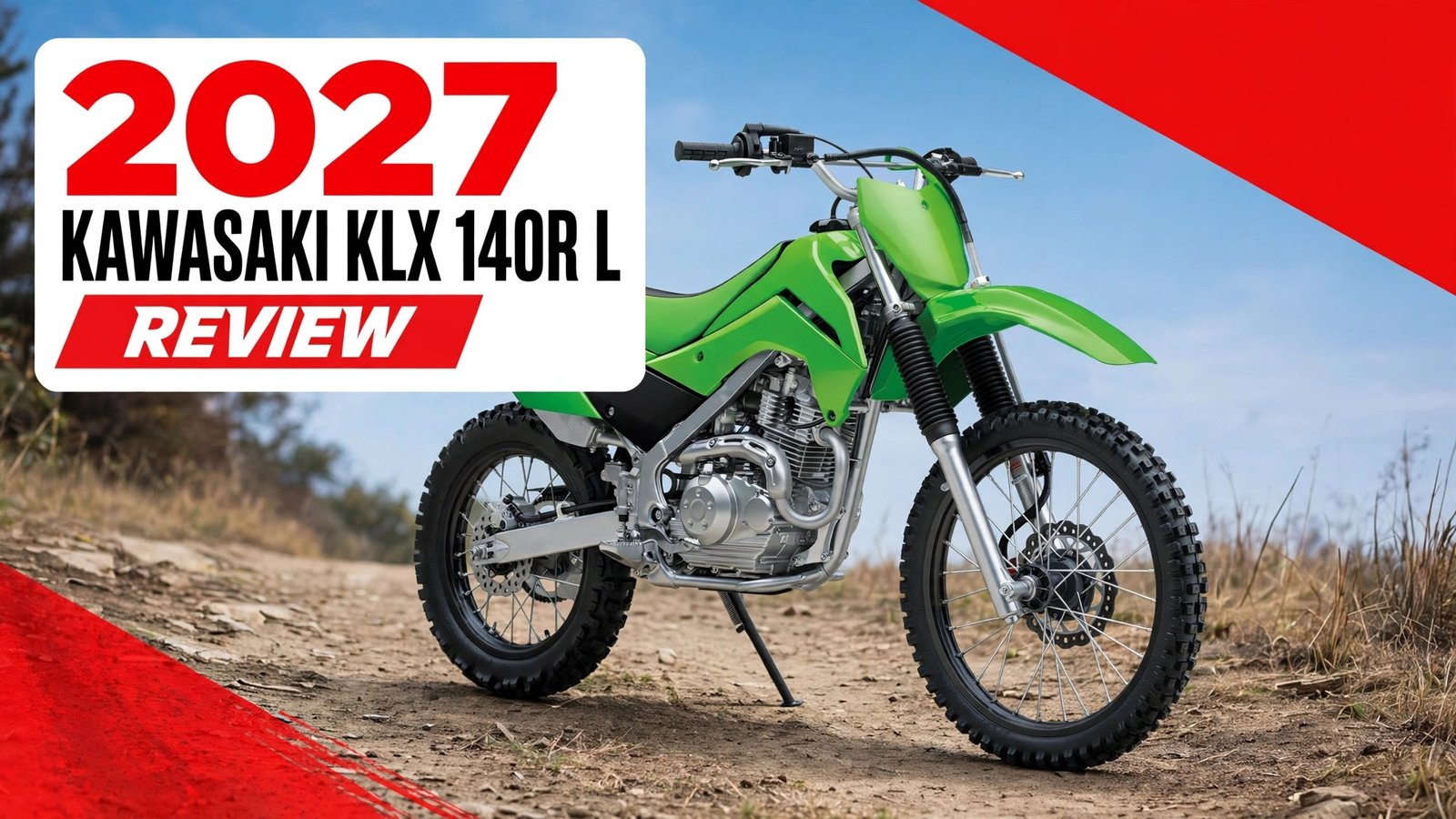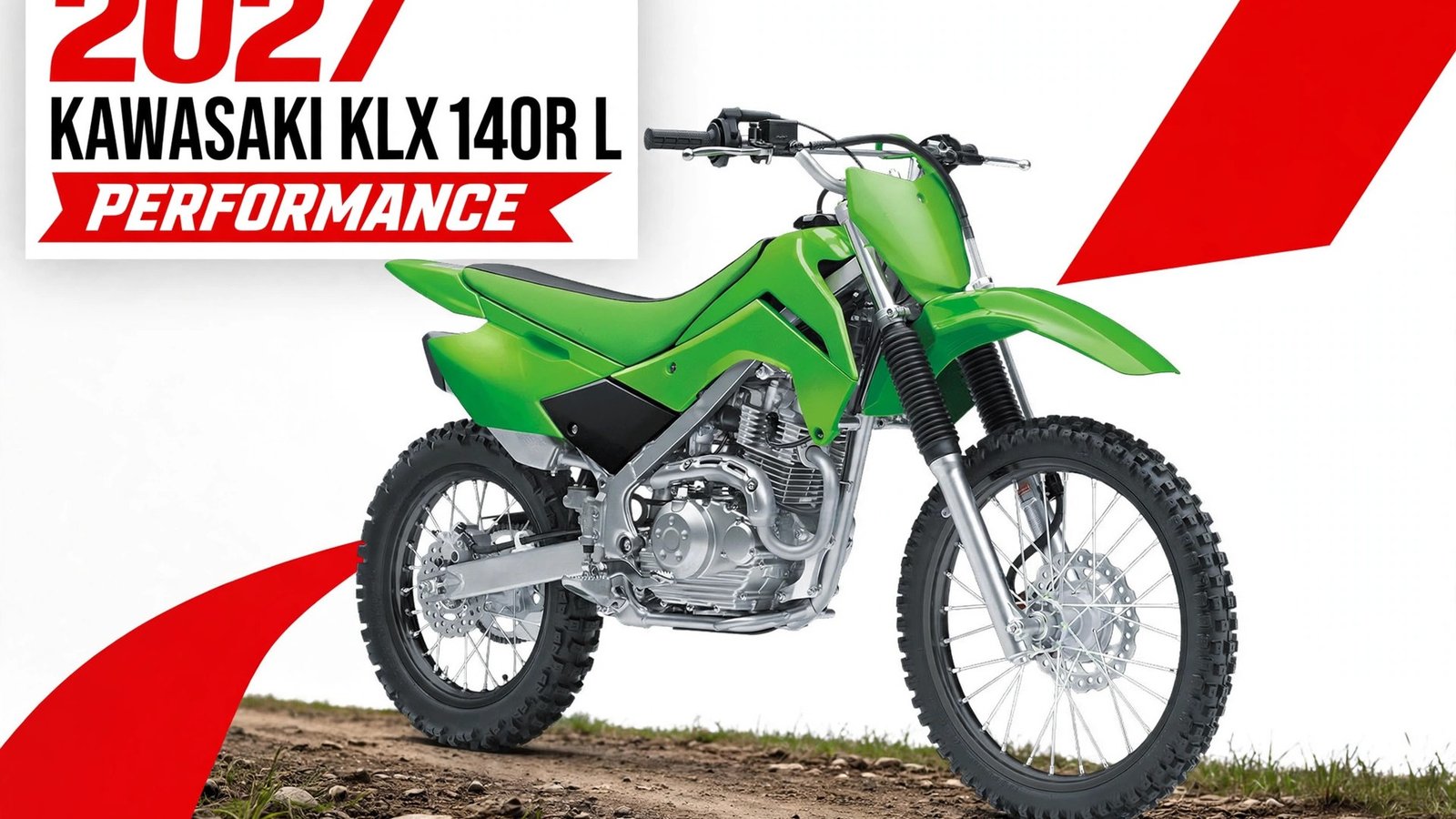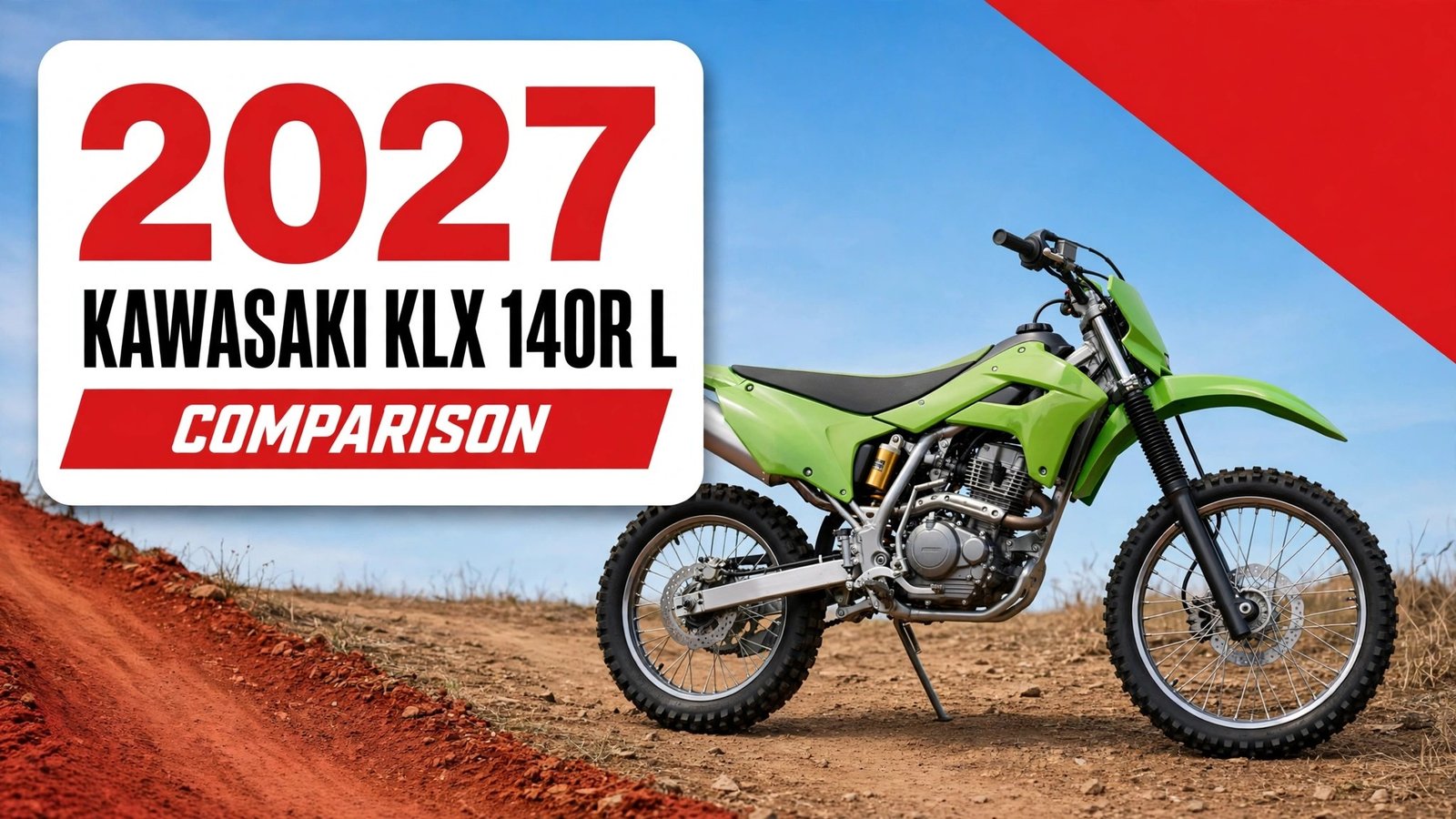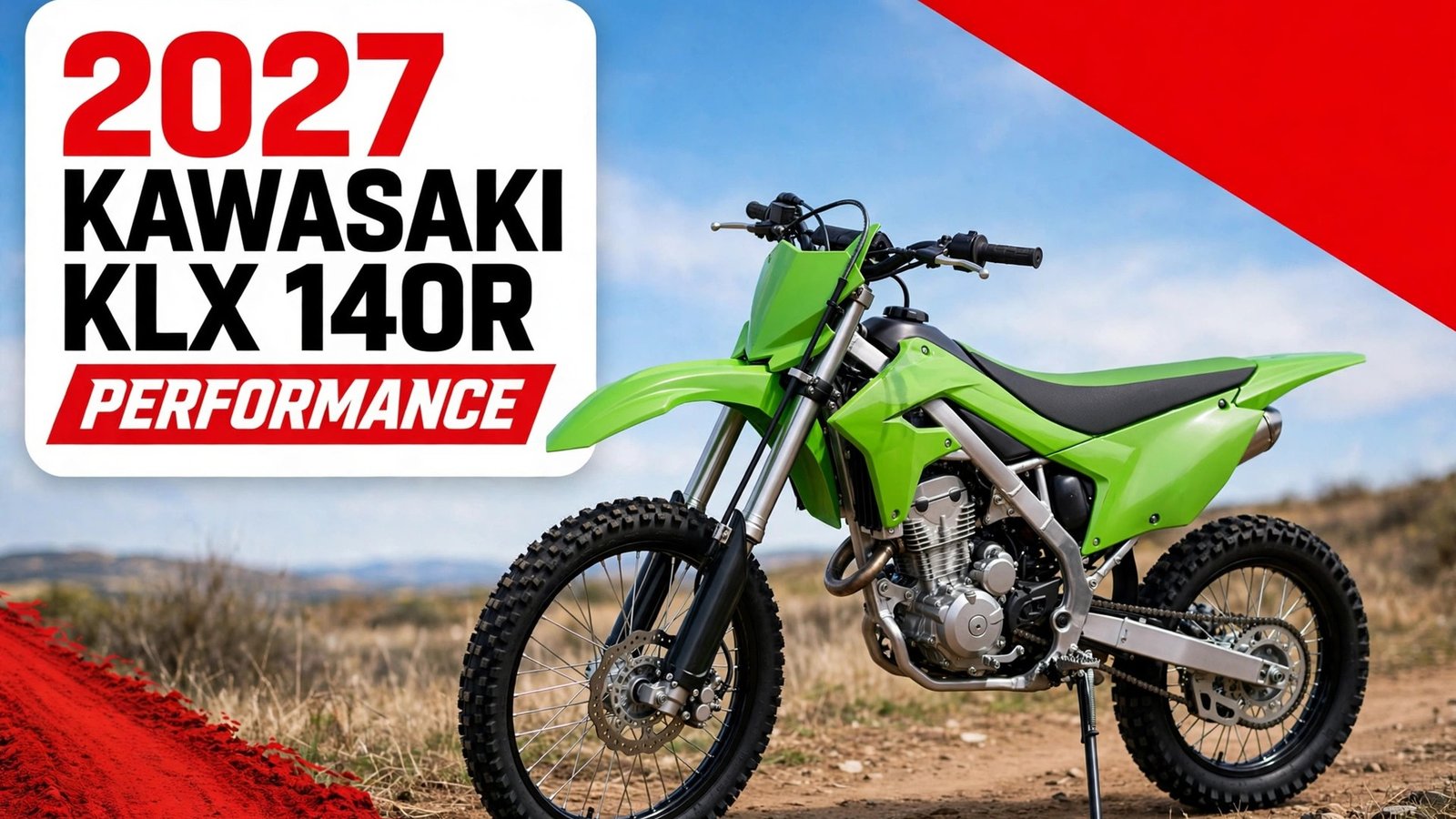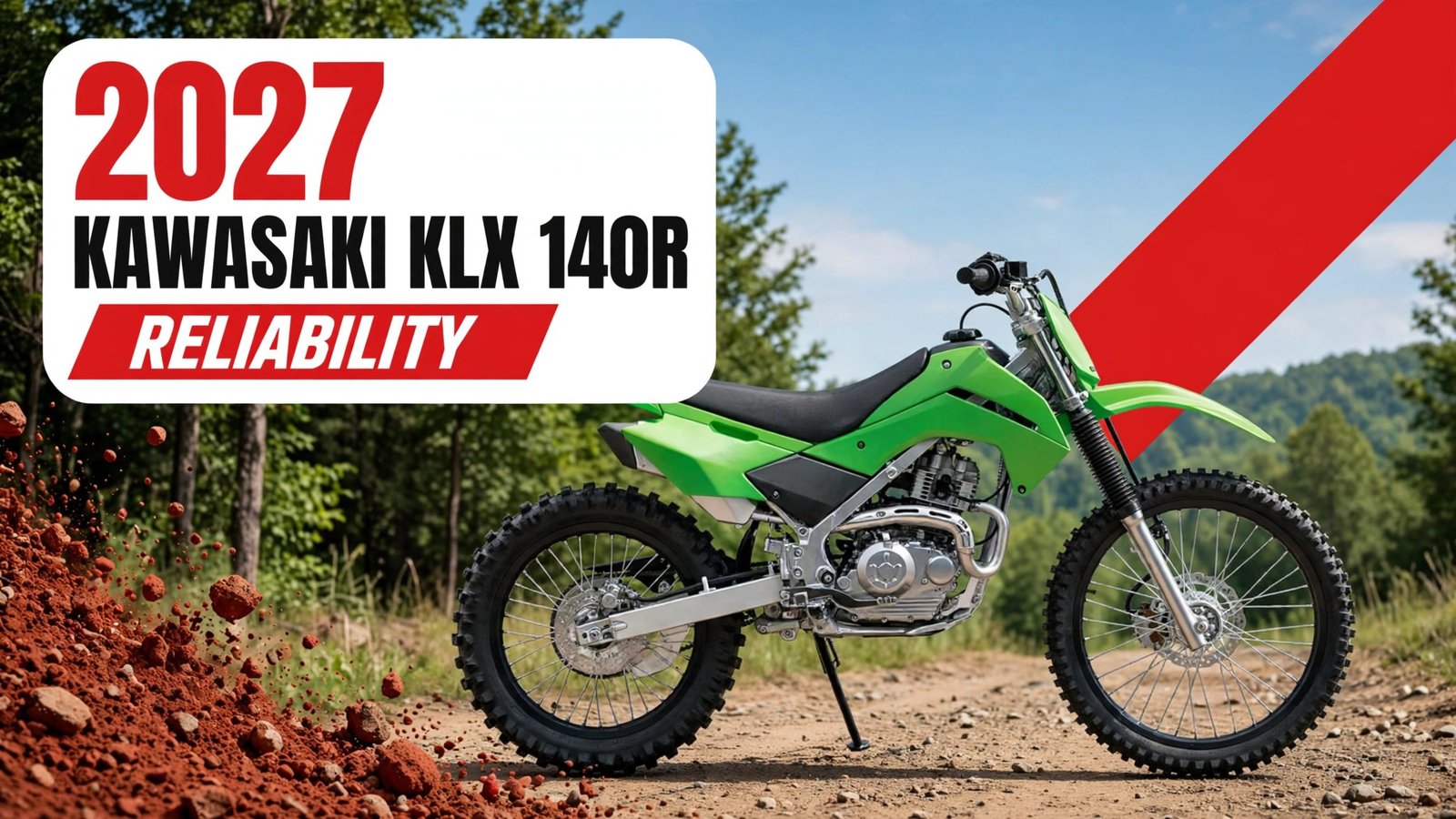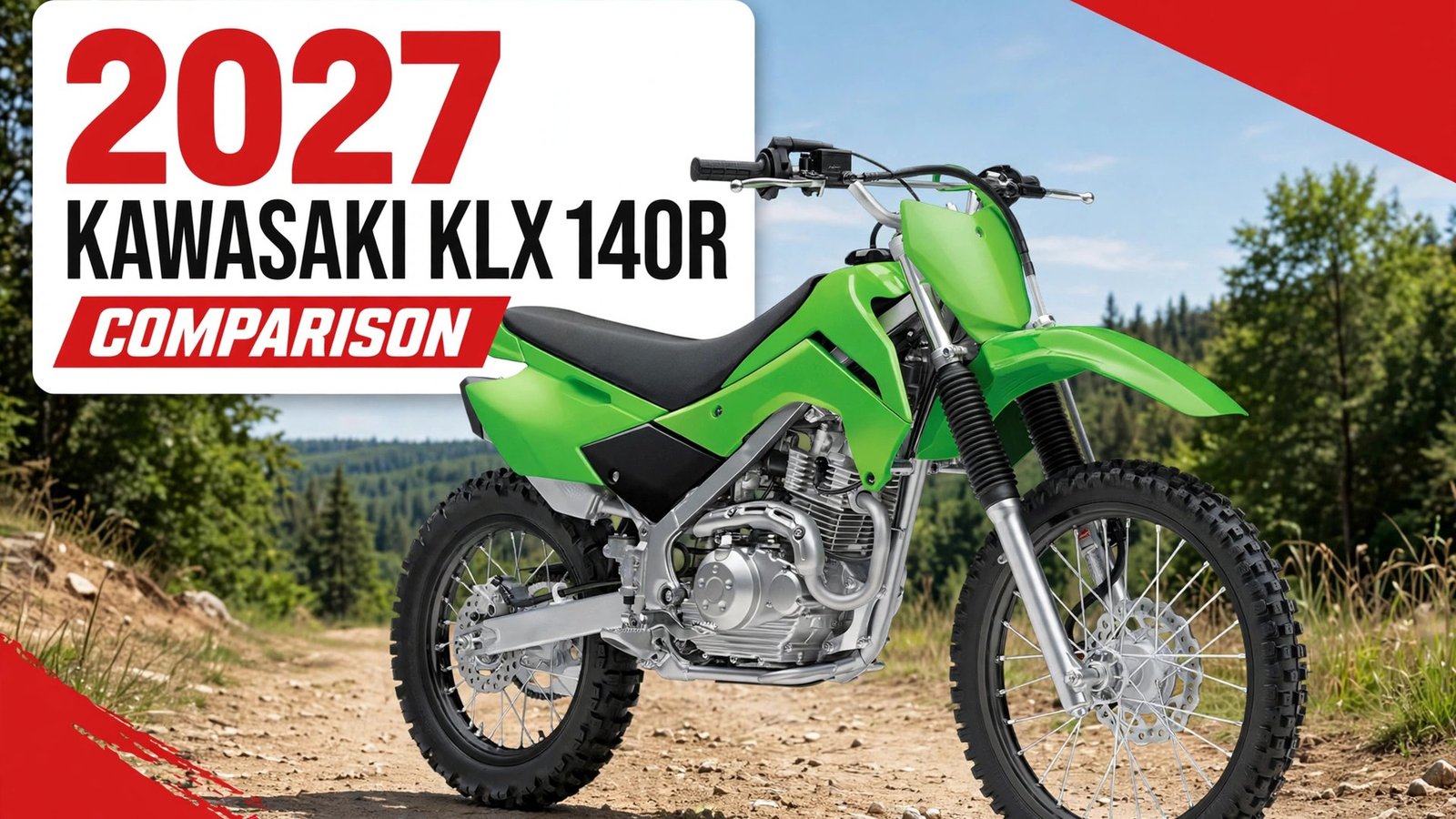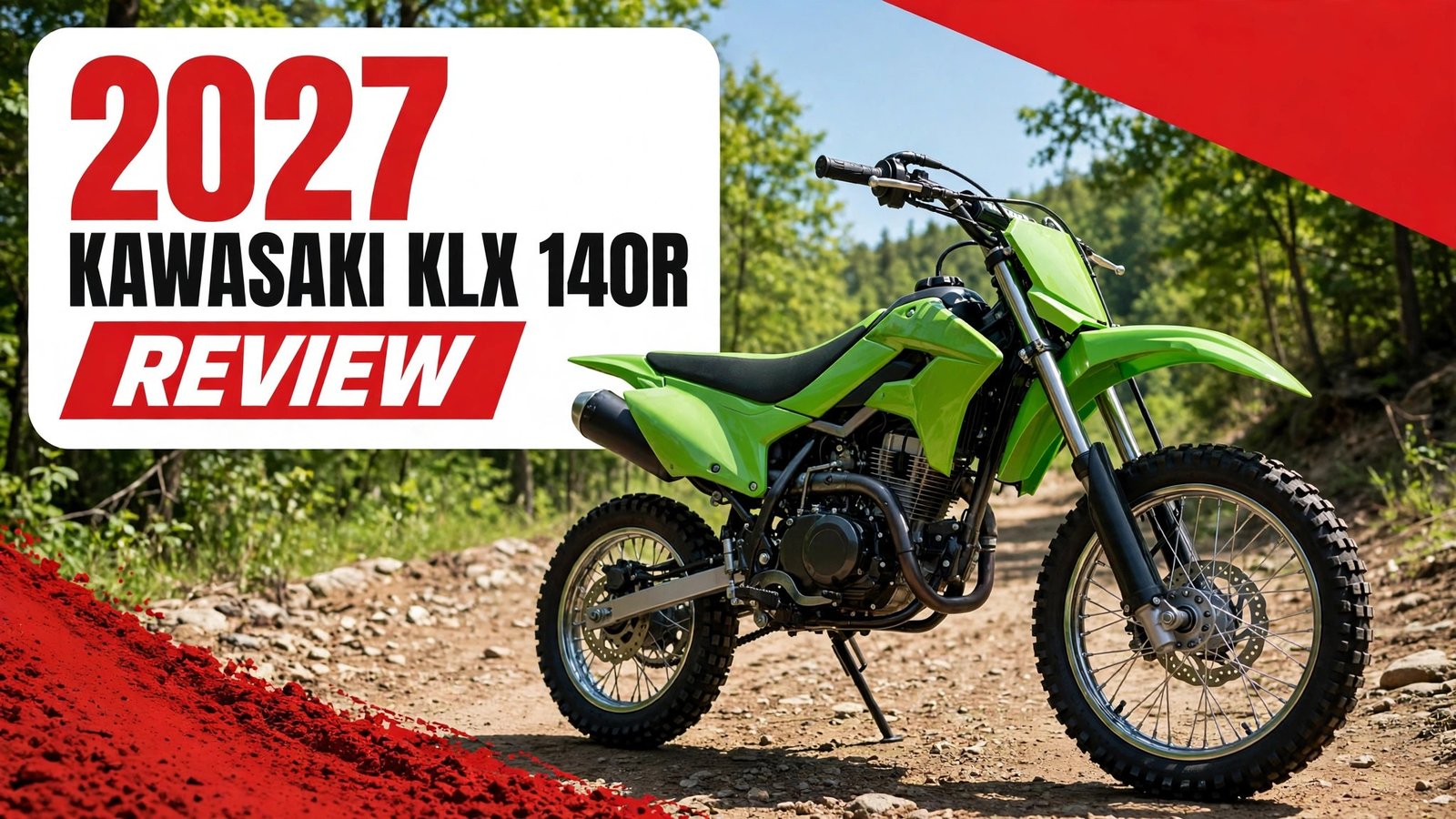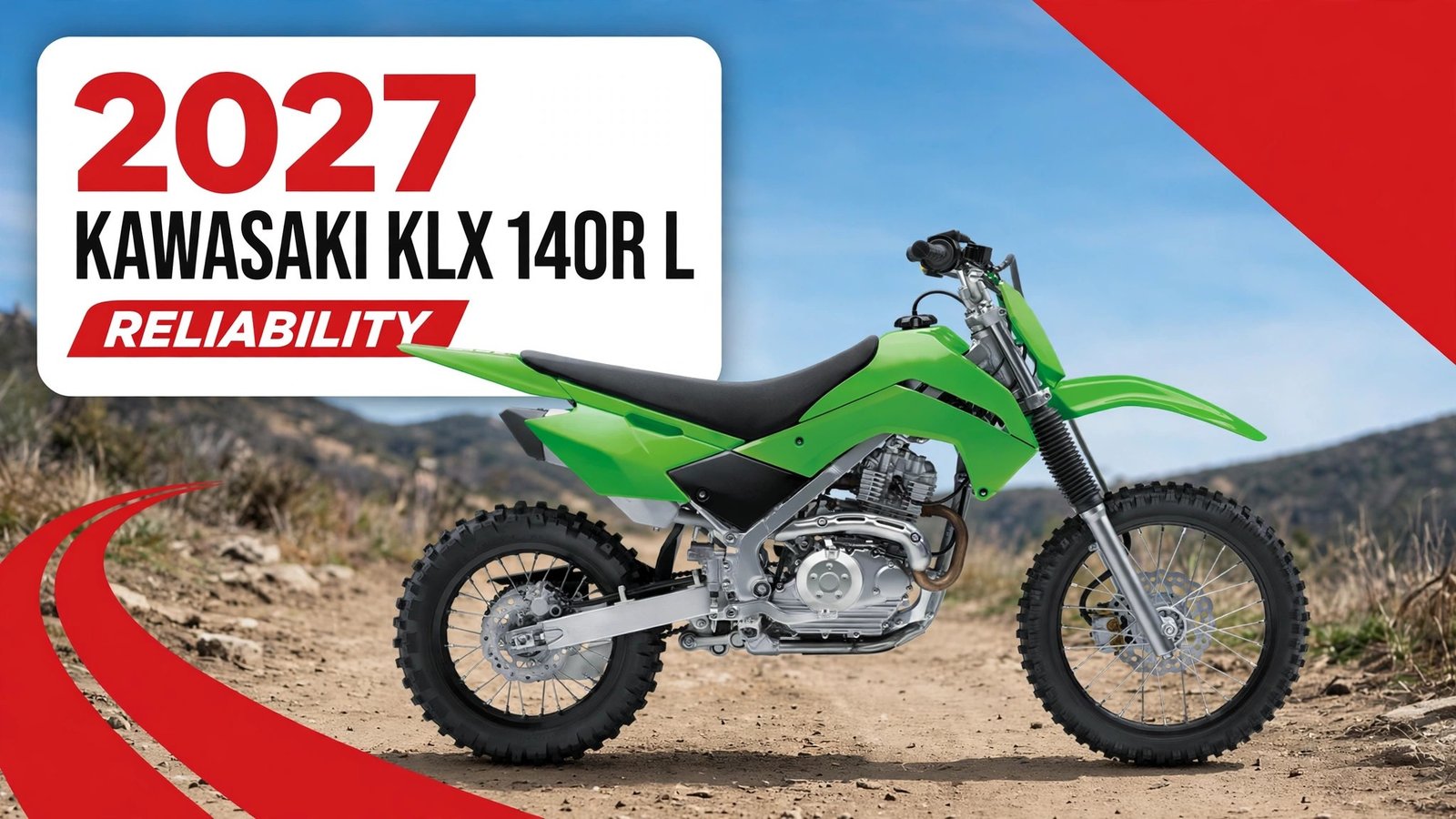
The Kawasaki KLX 140R L is a reliable trail bike because it is a simple one: a 144cc air-cooled single, a Keihin PB20 carburettor, a five-speed manual gearbox and discs at both ends. This Kawasaki KLX 140R L reliability guide starts with that plain fact, then works through what actually goes wrong, what the manual says to service, and what one owner’s bike looked like after 141 hours and five seasons.
Servicing is counted in hours, not miles, because the bike has no odometer. The first service falls at 5 hours, oil and filter every 50 hours, valves every 100 hours. This Kawasaki KLX 140R L reliability guide gives the intervals, the part details and the owner evidence.
Kawasaki KLX 140R L Reliability Overview
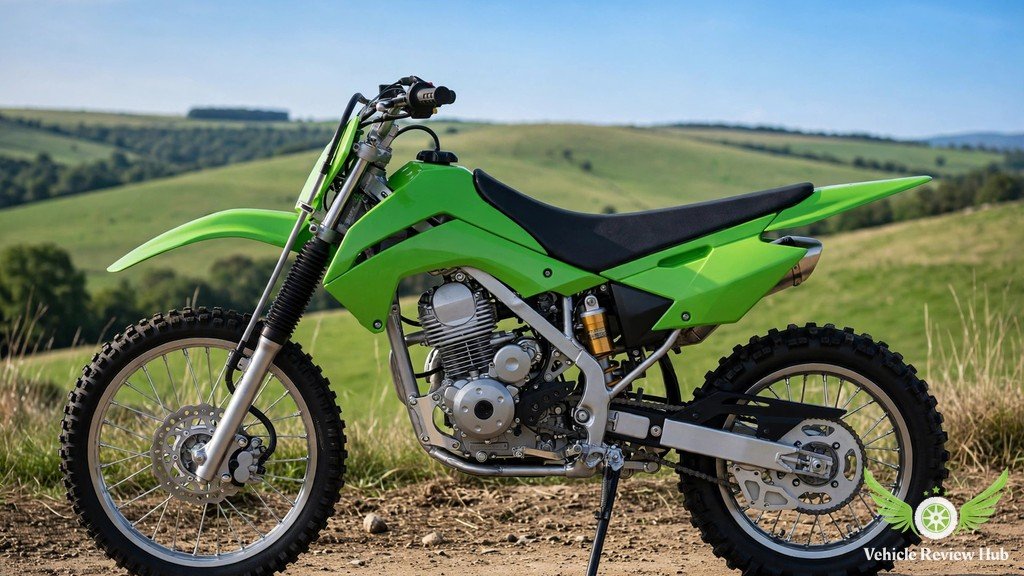
The L is the taller trim of the KLX140 family, and its reliability story is the same as the standard R’s with one difference: the adjustable piggyback shock is more complex than the R’s simple unit, and it is the one component the owner needs to watch.
Servicing Counted in Hours
The owner’s manual runs on hours. The maintenance chart lists every job by hours of use, with a calendar figure alongside. The first service is due at 5 hours or 1 month. After that, oil and filter every 50 hours or 6 months, and valves every 100 hours or 12 months.
The hour-based rhythm changes how an owner thinks about the bike. The KLX 140R reliability guide covers the same chart for the standard trim, and the intervals are identical. What differs is only the fork oil per leg, 290 mL for the L against 296 mL for the R, and the chain, a 428×126 against the R’s 428×122.
How Hours, Storage and Previous Care Affect Reliability
Hours are only part of the story. A bike that sits in a damp shed for a year ages faster than its hour meter suggests: The Road and Trail long-term bike arrived new with rotted rubber — a cracked starter-motor grommet, a torn throttle-cable boot and a cut air-box drain tube, all replaced under warranty.
Kawasaki KLX 140R L Common Problems and Wear Items
Two things dominate the L’s problem list: the pilot jet and the frame-weld recall. The pilot jet is a running issue every owner meets sooner or later, and the recall is a one-time factory defect from 2008 that names the L by its model code. This Kawasaki KLX 140R L reliability guide takes them in order of importance.
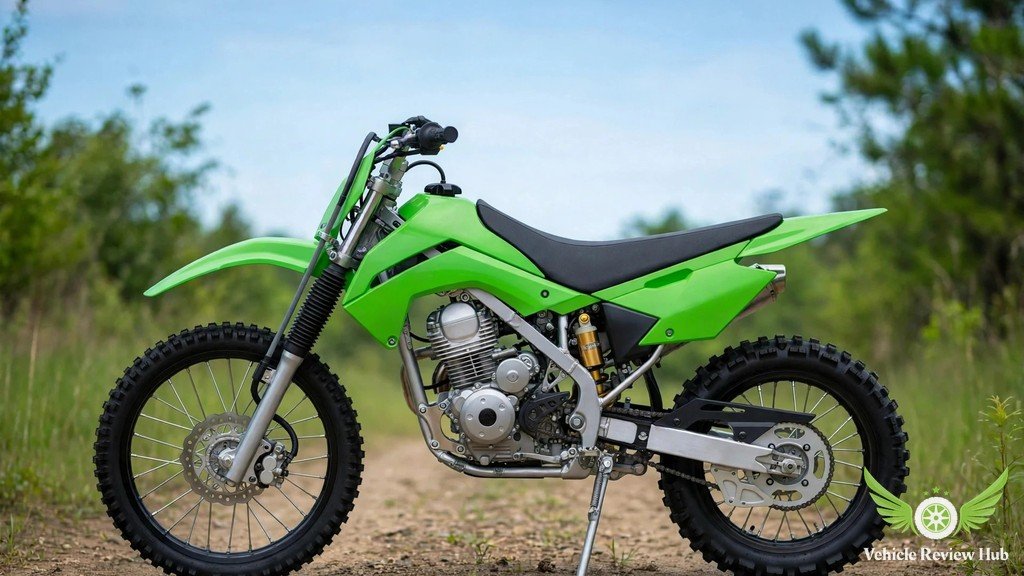
The video below is a general guide to cleaning a clogged pilot jet — it is not a KLX140-specific video, and it does not show this bike. The procedure it demonstrates applies directly to the KLX140R L’s Keihin PB20 carburettor, where the L’s signature problem lives.
Pilot Jet Is the Signature Item
The stock pilot jet is a number 38, and it runs lean — the first thing this Kawasaki KLX 140R L reliability guide flags for any new owner. The Road and Trail long-term bike was a 2020 KLX140L, and it was hard to start, stumbled at low speed and had very little power from new at 1,200 metres elevation. The dealer tried pilot jets in sequence — 38, then 42, then 40, then 42 again — and none of it fully fixed the bike at altitude. The owner settled on a number 42 pilot jet with the air/fuel screw 2.0 turns out.
The lesson is that the carburettor is very sensitive to elevation and temperature, and the stock jetting is set lean for sea level. A rider at altitude should expect to re-jet; a rider at sea level who leaves the bike standing with fuel in the carburettor should expect a clogged pilot jet sooner or later. The Road and Trail 2020 KLX140L long-term review tells the whole saga over 141 hours.
The Recall Names the L: B8F
There is exactly one recall on the KLX140 record, and it names the L. CPSC Alert 08-548, dated March 4, 2008, covers about 200 off-road motorcycles — 2008 KLX140A8F and KLX140B8F models — recalled because frame welds were missing or made incorrectly, which could cause the frame to fail. The A8F is the standard R; the B8F is the L, since B is the L code in the factory service manual. The remedy was a free inspection and repair.
| Item | CPSC Alert 08-548 |
|---|---|
| Date | March 4, 2008 |
| Models named | 2008 KLX140A8F (R) and KLX140B8F (L) |
| Units | About 200 |
| Defect | Frame welds missing or made incorrectly |
| Risk | Frame failure |
| Remedy | Free inspection and repair |
| Injuries | None reported |
Notes: the recall in this Kawasaki KLX 140R L reliability table is the only CPSC recall that names the KLX140. A 2008 L should have had the frame inspected; any bike that missed the remedy can still be checked against the alert.
The NHTSA record adds nothing useful here, and this Kawasaki KLX 140R L reliability guide says so plainly: the NHTSA recalls search returns zero results for the 2026 KLX140R L, but NHTSA does not regulate off-road-only motorcycles, so a zero there is a search result, not proof. The control check works — the same search returns one campaign for the 2024 Ninja 500.
Kawasaki KLX 140R L Maintenance Schedule and Servicing
The maintenance schedule is short. An hour-metered trail bike with no odometer needs few jobs, oil and filter, valves, air filter, chain, brakes, and the hoses and fluid on a calendar rhythm.
First Service at 5 Hours
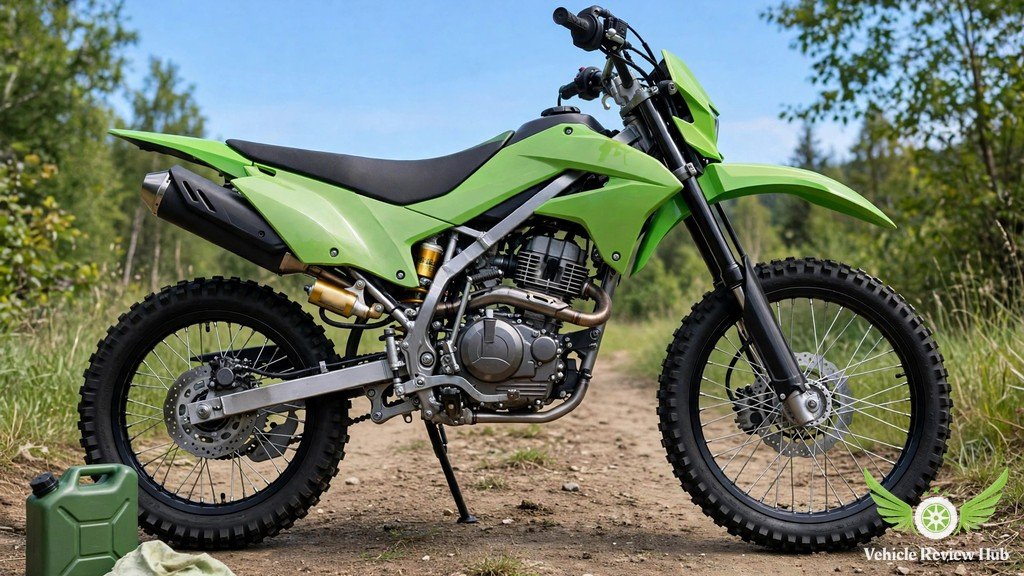
The first service is due at 5 hours or 1 month, and this Kawasaki KLX 140R L reliability guide calls it the most important one the bike will ever have. It includes an oil and filter change and a valve-clearance check, plus fasteners, the air filter and the controls. The Road and Trail owner’s first check found the intake valves slightly tight by 0.01 mm, with the exhaust within spec; both were adjusted to mid-range.
Oil capacity is 1.13 litres without a filter change, 1.15 litres with a filter, and 1.30 litres dry. The grade is SAE 10W-40, API SG to SM, JASO MA, MA1 or MA2. The drain plug torques to 18 N·m and the filter cover bolts to 8.8 N·m. These are the figures from the owner’s and service manuals, and this Kawasaki KLX 140R L reliability guide prints them because a torque wrench and the right grade are cheaper than a rebuild. The 2018 KLX140L owner’s manual carries the full specifications, including the L’s fork oil volume of 290 mL per leg.
Valves Every 100 Hours, Screw Adjusters
Valves are checked every 100 hours or 12 months, and this Kawasaki KLX 140R L reliability guide notes the adjustment is by screw and locknut — not shims. Clearances, measured cold, are 0.04 to 0.08 mm on the intake and 0.11 to 0.15 mm on the exhaust. The exhaust figure is wider than the KLX110’s, so do not carry the smaller bike’s numbers across.
| Job | Interval | Detail |
|---|---|---|
| First service | 5 hours or 1 month | Oil + filter, valve check, fasteners, air filter, controls |
| Engine oil + filter | Every 50 hours or 6 months | SAE 10W-40, 1.15 L with filter |
| Valve clearance | Every 100 hours or 12 months | Screw adjusters; intake 0.04–0.08 mm, exhaust 0.11–0.15 mm |
| Spark plug | Inspect at service | NGK CR7HSA, gap 0.6–0.7 mm |
| Air filter | Inspect 2–3 times a season | Foam element; clean and re-oil |
| Chain | Clean, lube and adjust often | 428×126, slack 35–41 mm |
| Brake fluid | Every 2 years | Replace fluid |
| Brake hoses | Every 4 years | Replace hoses |
| Fuel hoses | Every 5 years | Replace hoses |
Notes: the intervals in this Kawasaki KLX 140R L reliability table come from the owner’s manual periodic maintenance chart and the 2018 and 2019 manual FAQs. Hours are the measure — there is no odometer to count miles against.
Kawasaki KLX 140R L Tires, Brakes and Suspension Maintenance
Tyres, brakes and suspension are where the L’s taller trim shows up in the service book: bigger wheels, discs at both ends, and the piggyback shock that needs more attention than the standard bike’s simple unit. The L’s owner has two extra things to check — the shock reservoir and the longer chain — and this Kawasaki KLX 140R L reliability guide covers them one by one.
Brake Fluid 2 Years, Hose 4 Years
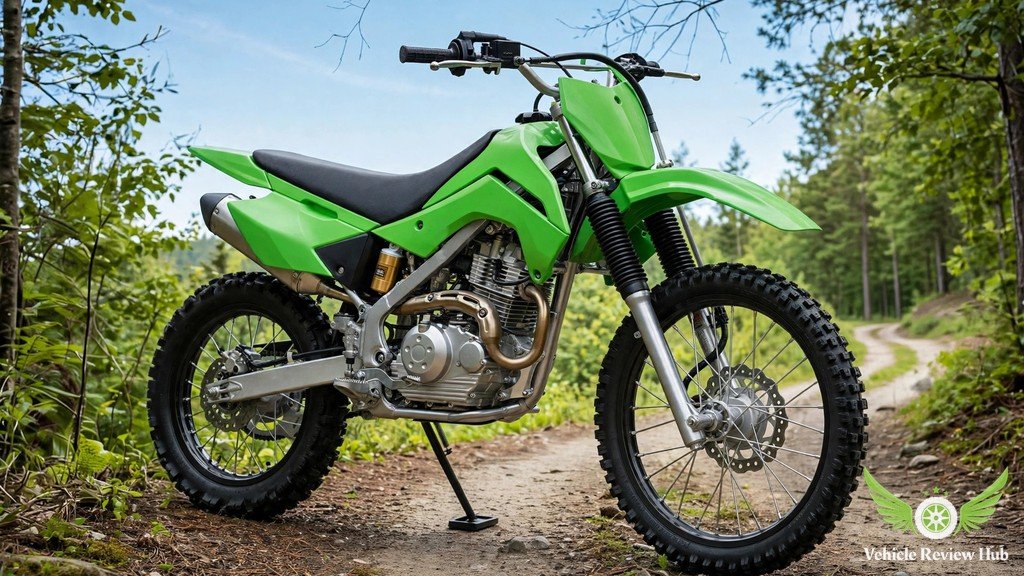
Brake fluid is replaced every 2 years, brake hoses every 4 years, and fuel hoses every 5 years. Those are calendar intervals from the owner’s manual FAQs, and the 2018 and 2019 manuals agree on all three. This Kawasaki KLX 140R L reliability guide advises writing the dates on the service record — the fluid interval is the one missed most often on low-hour trail bikes.
The brakes themselves are a strength of this bike: discs at both ends, a 220 mm petal disc with a dual-piston caliper at the front and a 186 mm petal disc with a single-piston caliper at the rear. Brake pads are replaced as a set when any pad in a caliper wears below 1 mm thick.
Tire, Brake and Suspension Checks That Matter
Tyres are IRC IX05H in 70/100-19 front and 90/100-16 rear. Check pressures before every ride, look for cuts and knob chunking after rocky trails, and check spoke tension by ear — a loose spoke rings dull against its neighbours. This Kawasaki KLX 140R L reliability guide notes the bigger wheels put more leverage on the spokes, so the tension check matters more on the L than on the R.
The chain is a 428×126, longer than the R’s 428×122 because the wheelbase is a full inch longer, and it is a non-O-ring chain — which means it needs cleaning, lubrication and adjustment often. Slack is 35 to 41 mm, measured between the chain and the swingarm at the end of the chain slipper.
The suspension check is the L’s own. The piggyback shock has a reservoir, fully adjustable preload and 22-way rebound damping, and it is the signature part of this trim — the fully adjustable unit from the KX85. The Motocross Hideout KLX140 guide notes the L’s suspension is the best in its class, and that riders over 180 lb will bottom it easily — the honest guidance this Kawasaki KLX 140R L reliability guide gives, since the manual states no rider weight limit for the L.
| Item | Specification | Check |
|---|---|---|
| Front tyre | 70/100-19, IRC IX05H | Pressure, cuts, knob wear, spoke tension |
| Rear tyre | 90/100-16, IRC IX05H | Pressure, cuts, knob wear, spoke tension |
| Front brake | 220 mm petal disc, dual-piston | Pad thickness, replace as a set below 1 mm |
| Rear brake | 186 mm petal disc, single-piston | Pad thickness, replace as a set below 1 mm |
| Chain | 428×126, slack 35–41 mm | Clean, lube, adjust; check rollers |
| Rear shock | Piggyback reservoir, 22-way rebound, 7.1 in travel | Reservoir and hose for leaks, rebound setting |
| Fork oil | 290 mL per leg (L) | Seals for leaks, oil at service |
Notes: the figures in this Kawasaki KLX 140R L reliability table come from the official 2027 KLX140R L spec sheet and the 2018 owner’s manual. The rear brake is a disc, not a drum, and the fork oil volume is the L’s own 290 mL per leg.
Kawasaki KLX 140R L Maintenance and Ownership Costs
Running costs on this bike are low, and that is a fact worth stating carefully: no verified running-cost dollar figure exists for the KLX140R L, so this Kawasaki KLX 140R L reliability section prints intervals and part details instead of invented totals.
Fuel, Routine Servicing, Tires and Replacement Parts
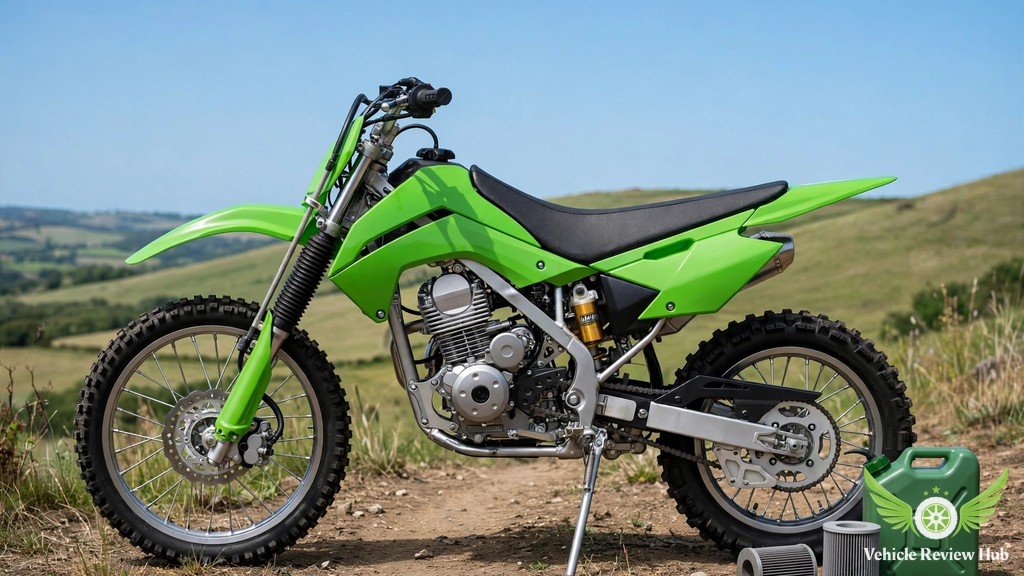
Fuel is the smallest cost. No MPG figure has ever been tested or published for this bike — it has no odometer, so no one can measure miles per gallon without bringing their own instruments — and this Kawasaki KLX 140R L reliability guide invents none. The 1.5-gallon tank and the small, lean-running single make for a light, frugal trail bike.
Tyres and replacement parts follow the same pattern. The IRC tyres wear with the trails, not with the miles, and a set lasts a season or more of weekend riding. The chain is the part that wears fastest: a non-O-ring 428×126 that needs frequent adjustment. The KLX 140R L review covers the purchase price, and the KLX 140R L performance guide explains the lean jetting.
| Item | Interval | Part / detail |
|---|---|---|
| Engine oil | Every 50 hours | SAE 10W-40, 1.15 L with filter |
| Oil filter | Every 50 hours, with the oil | Changed at every oil service |
| Spark plug | Inspect at service | NGK CR7HSA, gap 0.6–0.7 mm |
| Pilot jet | As needed | Stock #38; owners settle on #42 at altitude |
| Air filter | Inspect 2–3 times a season | Foam element, clean and re-oil |
| Drive chain | Clean, lube and adjust often | 428×126, non-O-ring; due after about 141 hours |
| Brake fluid | Every 2 years | Replace fluid |
| Brake hoses | Every 4 years | Replace hoses |
| Fuel hoses | Every 5 years | Replace hoses |
Notes: this Kawasaki KLX 140R L reliability table lists intervals and part details only — no dollar figures, because no verified running-cost figure exists for this bike. Prices vary by dealer and region, and this guide does not guess them.
Blog Intervals Contradict the Manual
Not every interval on the internet is worth following. Blogs give mileage and calendar oil intervals for the KLX140 — “once or twice a year”, or “7,000 to 10,000 miles” for synthetic oil — and those numbers are meaningless for an hour-metered trail bike with no odometer. The manual’s intervals are hours — 5 for the first service, then every 50 for oil and filter, every 100 for valves — and this Kawasaki KLX 140R L reliability guide presents the manual’s chart as the authority.
How to Keep a Kawasaki KLX 140R L Reliable
Keeping this bike reliable is mostly a matter of rhythm, and this Kawasaki KLX 140R L reliability guide boils it down to four habits: service it by the hour, keep the air filter clean, watch the pilot jet, and write everything down. The bike asks for little, but it asks on a schedule.

Preventive Maintenance, Records and Regular Inspections
This Kawasaki KLX 140R L reliability guide keeps preventive maintenance to a short list, done often. Change the oil and filter every 50 hours. Check the valves every 100 hours. Inspect the foam air filter two or three times a season, and clean and re-oil it whenever it looks dirty — a clogged filter makes the already-lean jetting worse. Clean, lubricate and adjust the chain after every few rides, and check the slack at 35 to 41 mm. The KLX 110R L reliability guide covers the same habits for the smaller sibling.
Records are the habit most owners skip and most regret skipping. Write down the hours at every service, the date of every fluid change, and the jet size in the carburettor. Storage matters too: drain the carburettor before a long lay-up and keep the tank full to stop condensation.
141 Hours on One Owner’s Bike
The best evidence for this bike’s reliability is a single owner, and this Kawasaki KLX 140R L reliability guide leans on it heavily. Road and Trail bought a 2020 KLX140L new at the beginning of the 2020 riding season for their kid to learn on, and ran it for five seasons — 141 hours, with the review last updated on January 8, 2026. The verdict is plain: “The bike has enough power for our kid, even after five seasons.” The same review adds: “Other than the points mentioned above, the bike has just required routine maintenance… There have been no other issues.”
What “the points mentioned above” covers is the pilot-jet saga, the rotted rubber, the clutch safety switch, the worn chain roller and the chain that was due for replacement — a list of small things, all fixed, none of them an engine problem. Cycle World’s 2008 test of the KLX140L called it “an exceptional chassis” for its class, and Dirt Rider’s 2008 comparison gave it the best suspension of the group. That is the honest verdict this Kawasaki KLX 140R L reliability guide lands on.
Kawasaki KLX 140R L Reliability: Frequently Asked Questions
These are the questions riders ask most about keeping the taller KLX140 reliable, answered with the verified figures above — and this Kawasaki KLX 140R L reliability guide says plainly where no test exists.
Is the Kawasaki KLX 140R L reliable?
Yes. The 144cc air-cooled single is a simple, low-stress engine. This Kawasaki KLX 140R L reliability guide rates the engine as the bike’s strongest point.
What is the most common problem on the Kawasaki KLX 140R L?
The pilot jet. The stock number 38 jet runs lean. Many owners settle on a number 42 jet, as this Kawasaki KLX 140R L reliability guide explains in the pilot-jet section.
How often should I change the oil on a Kawasaki KLX 140R L?
Every 50 hours or 6 months, with the filter changed at the same time. The first service is at 5 hours or 1 month. This Kawasaki KLX 140R L reliability guide follows the manual’s hour-based chart, not mileage.
When do the valves need checking on a Kawasaki KLX 140R L?
Every 100 hours or 12 months. The valves use screw adjusters, not shims: intake 0.04 to 0.08 mm, exhaust 0.11 to 0.15 mm, measured cold. This Kawasaki KLX 140R L reliability guide prints the manual’s interval.
Does the Kawasaki KLX 140R L have any recalls?
One. CPSC Alert 08-548, dated March 4, 2008, covers about 200 bikes including the KLX140B8F — the B8F is the L. The remedy was a free inspection and repair, as this Kawasaki KLX 140R L reliability guide records.
Does the Kawasaki KLX 140R L have a kick starter?
No. It is electric start only, with no kick starter on any trim. A flat battery means a push or a jump, which is why this Kawasaki KLX 140R L reliability guide stresses battery care in storage.
What pilot jet does the Kawasaki KLX 140R L use?
The stock pilot jet is a number 38 in the Keihin PB20 carburettor. The Road and Trail owner of a 2020 L settled on a number 42 with the air/fuel screw 2.0 turns out and this Kawasaki KLX 140R L reliability guide records that as an owner fix, not a factory figure.
How often should I replace the brake fluid on a Kawasaki KLX 140R L?
Every 2 years. Brake hoses are replaced every 4 years and fuel hoses every 5 years, and this Kawasaki KLX 140R L reliability guide advises writing the dates in the service record so the calendar intervals are not missed.
What chain does the Kawasaki KLX 140R L use?
A 428×126 non-O-ring chain, longer than the standard R’s 428×122 because the wheelbase is a full inch longer. Slack is 35 to 41 mm, and this Kawasaki KLX 140R L reliability guide notes the chain needs cleaning, lubrication and adjustment often.
Is the Kawasaki KLX 140R L fuel injected?
No. It uses a Keihin PB20 carburettor — the Honda CRF125F is the fuel-injected rival. The carburettor is the reason this Kawasaki KLX 140R L reliability guide spends so much time on the pilot jet.
How long will a Kawasaki KLX 140R L last?
There is no published lifespan, the Road and Trail 2020 L ran 141 hours over five seasons on routine maintenance only. Keep the oil fresh and the air filter clean, and this Kawasaki KLX 140R L reliability guide expects many years of service.
Does the Kawasaki KLX 140R L have a rider weight limit?
The owner’s manual states no rider weight limit for the L at all. The 154 lb figure that circulates belongs to the standard R’s service manual, not the L, and this Kawasaki KLX 140R L reliability guide does not apply it to the L.