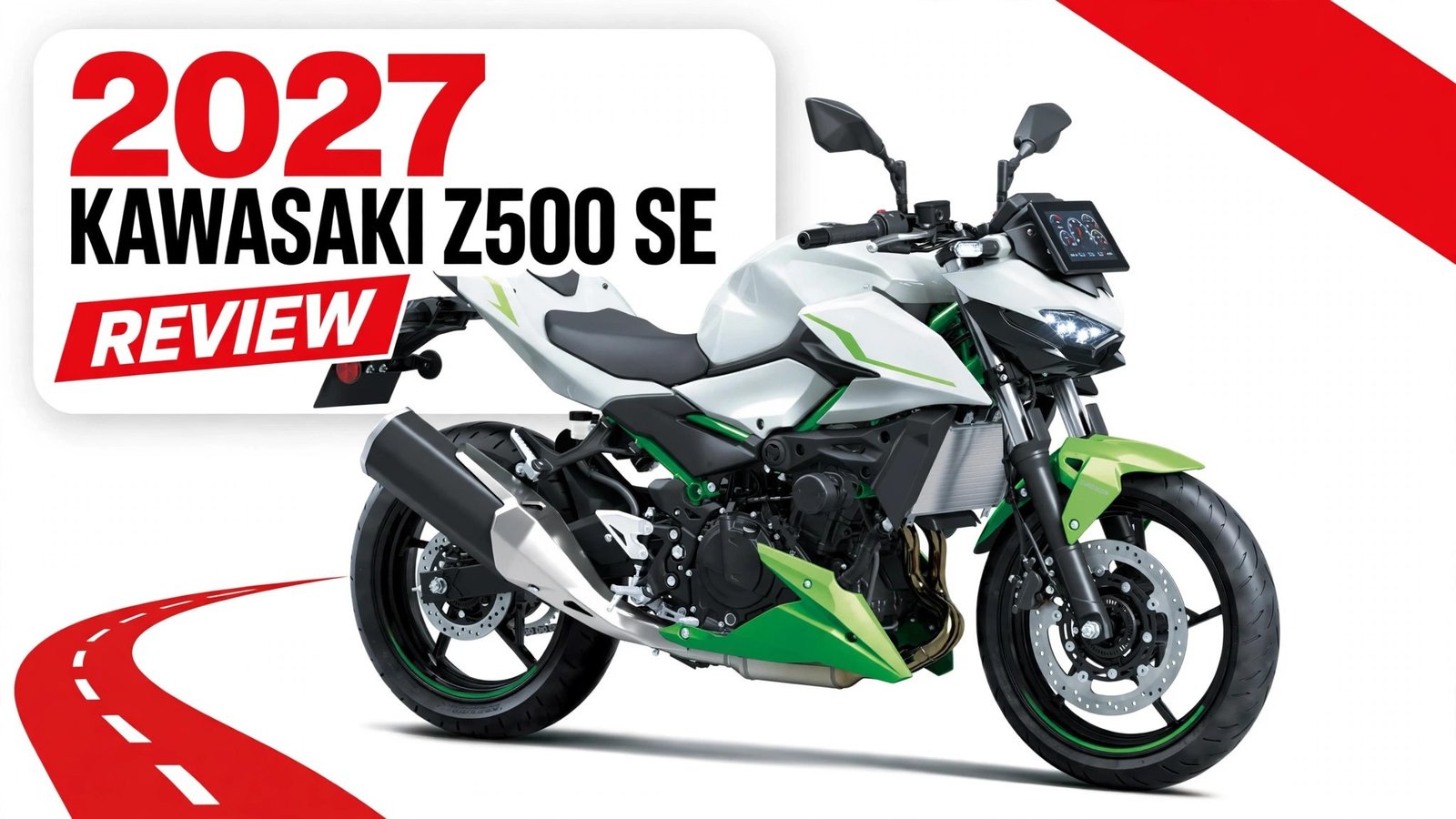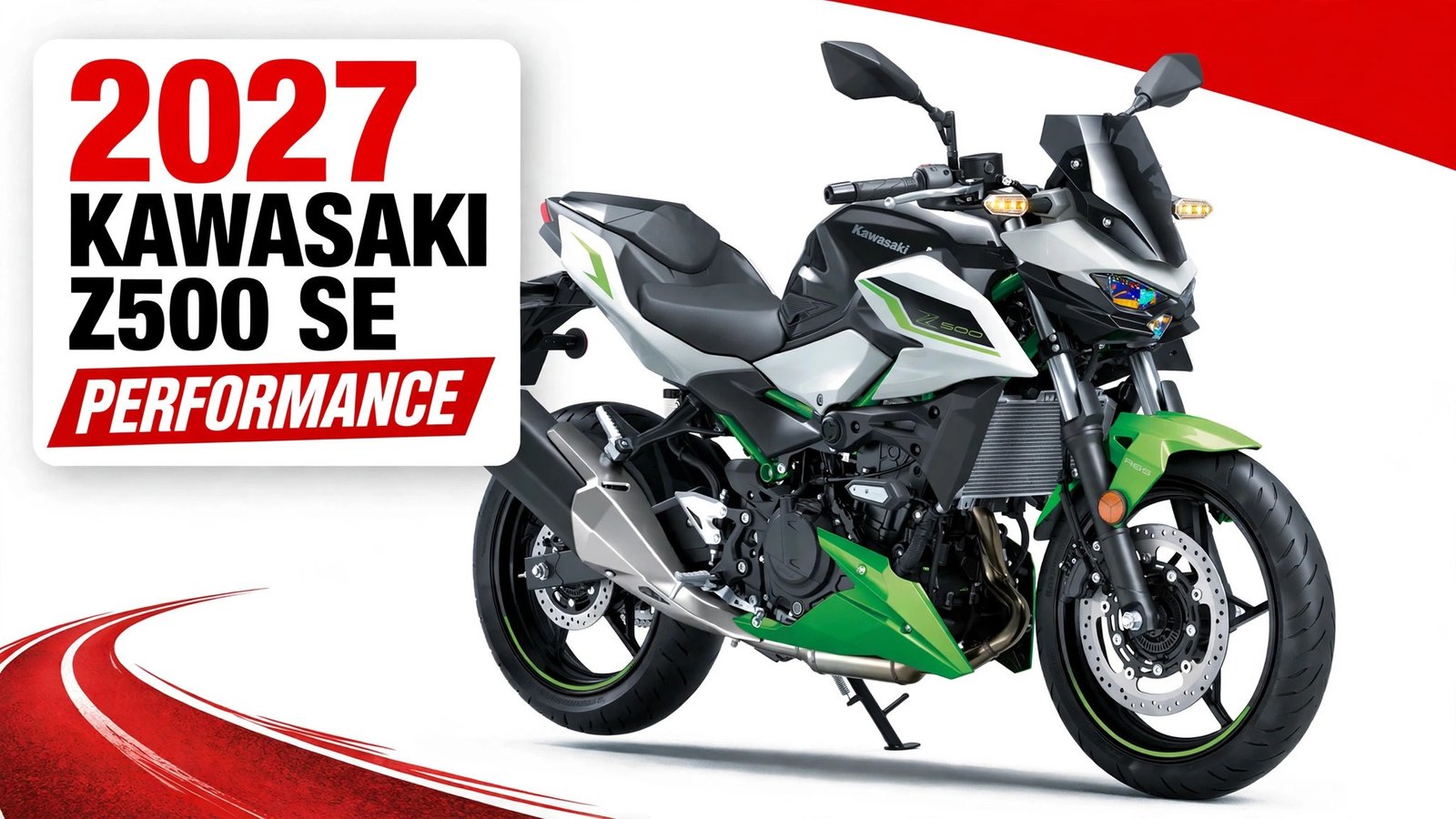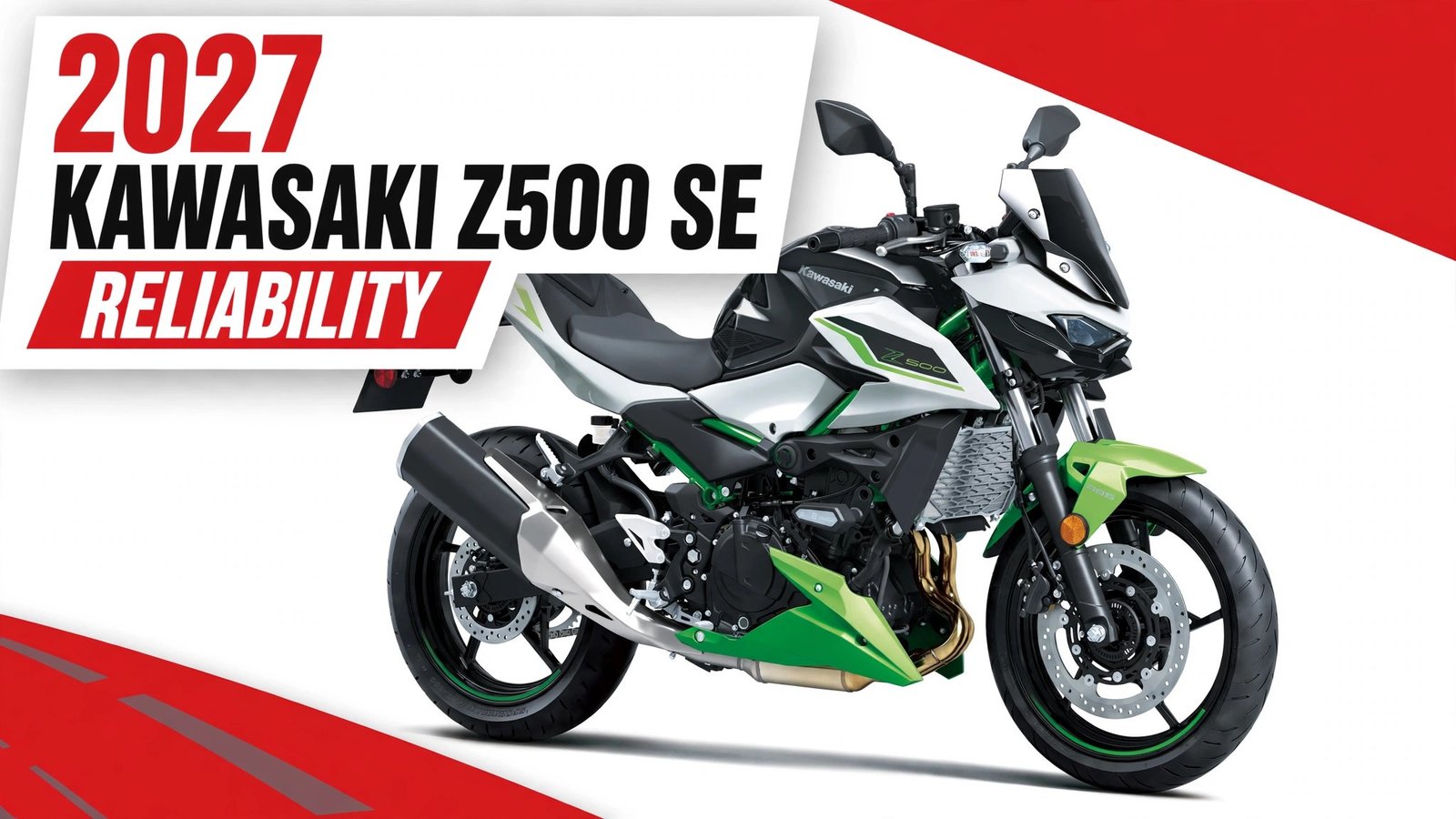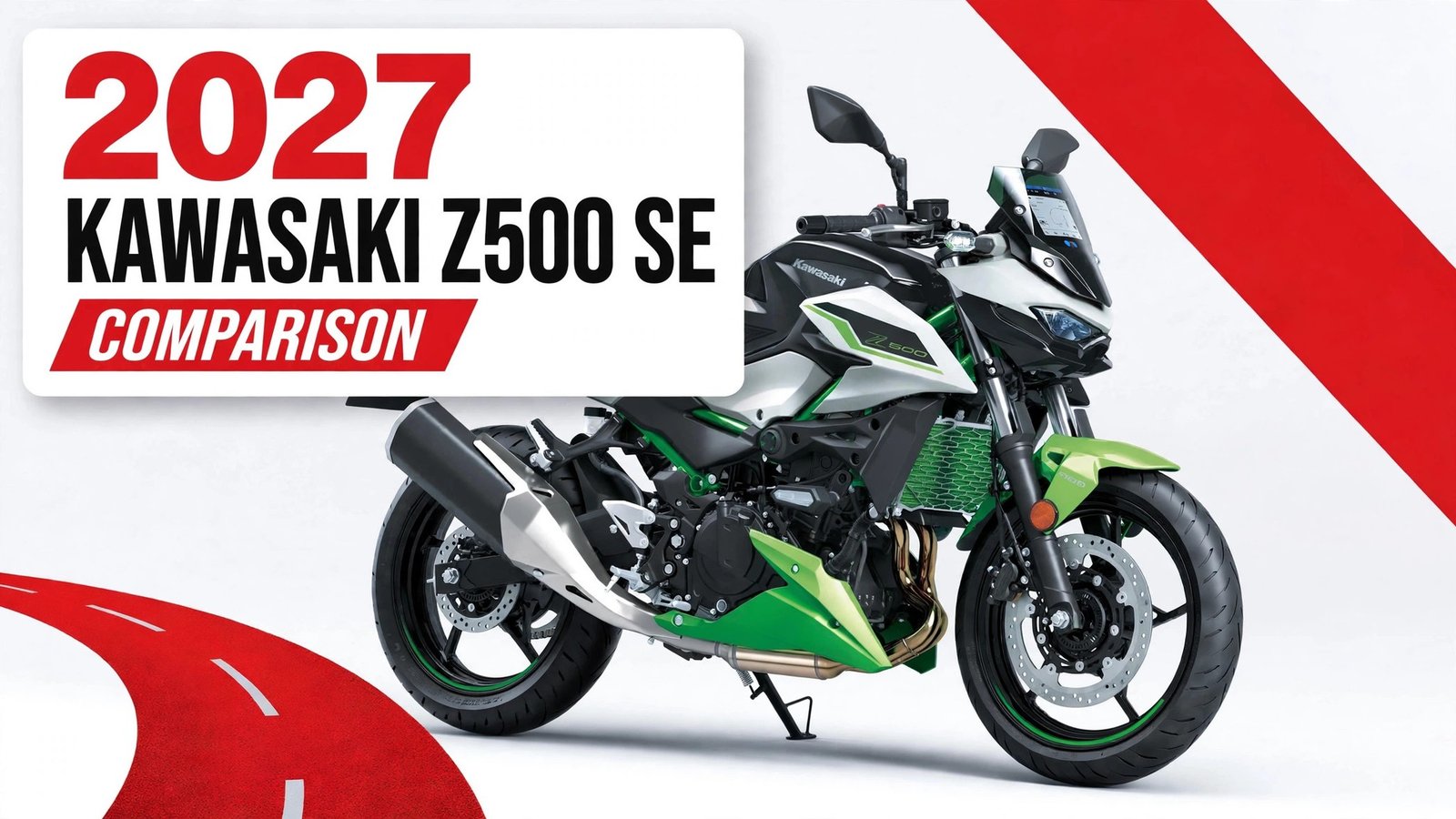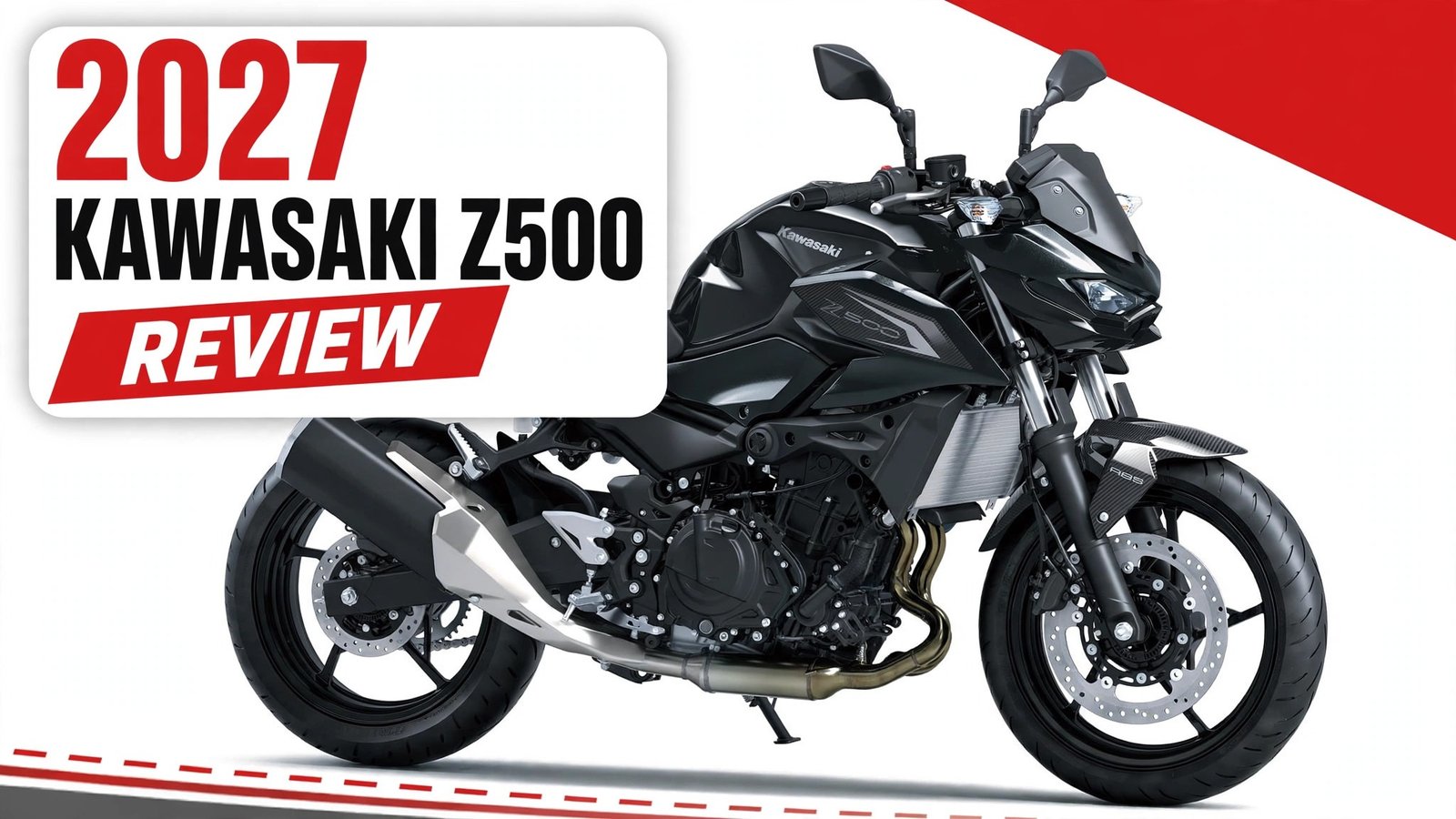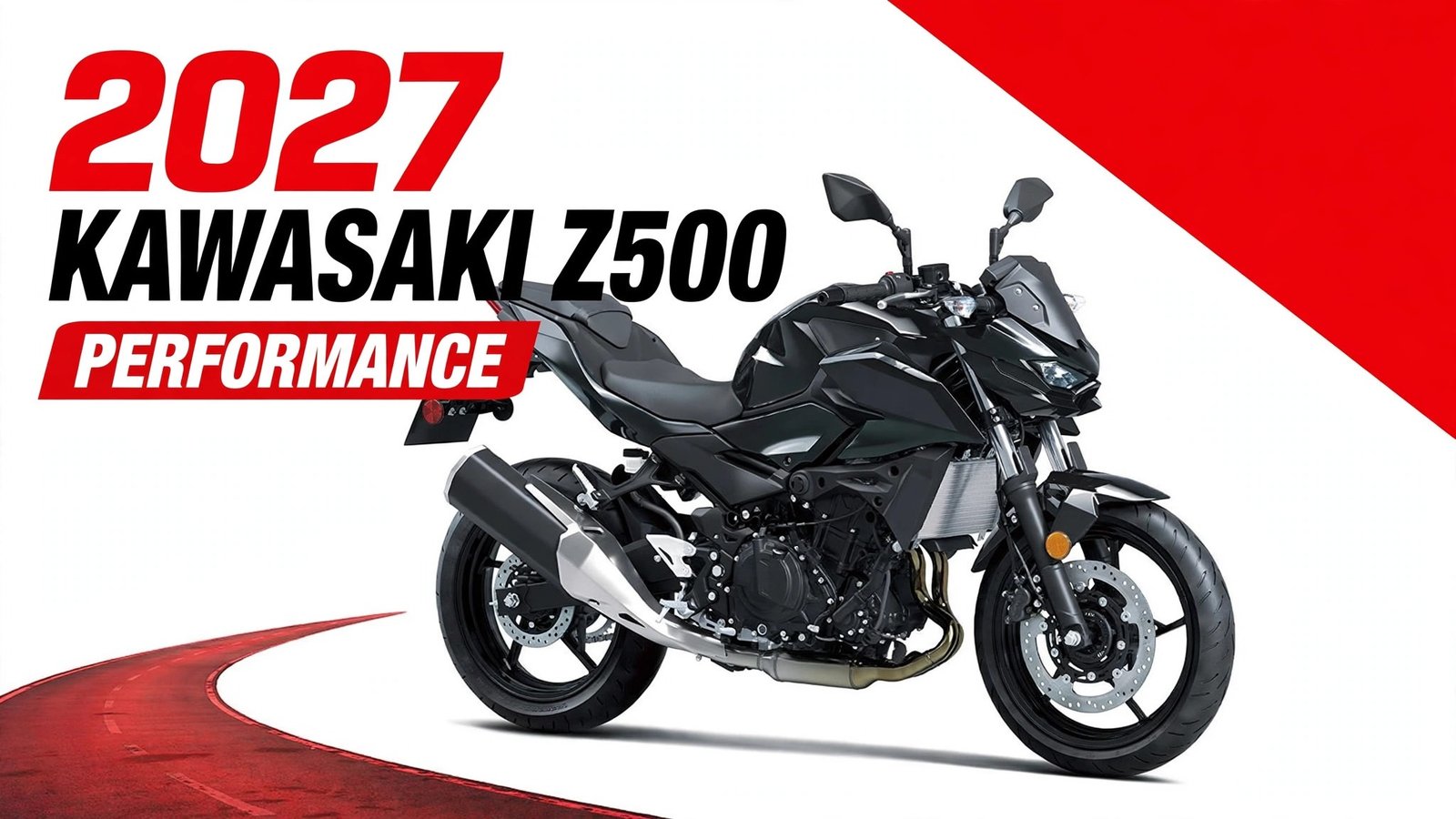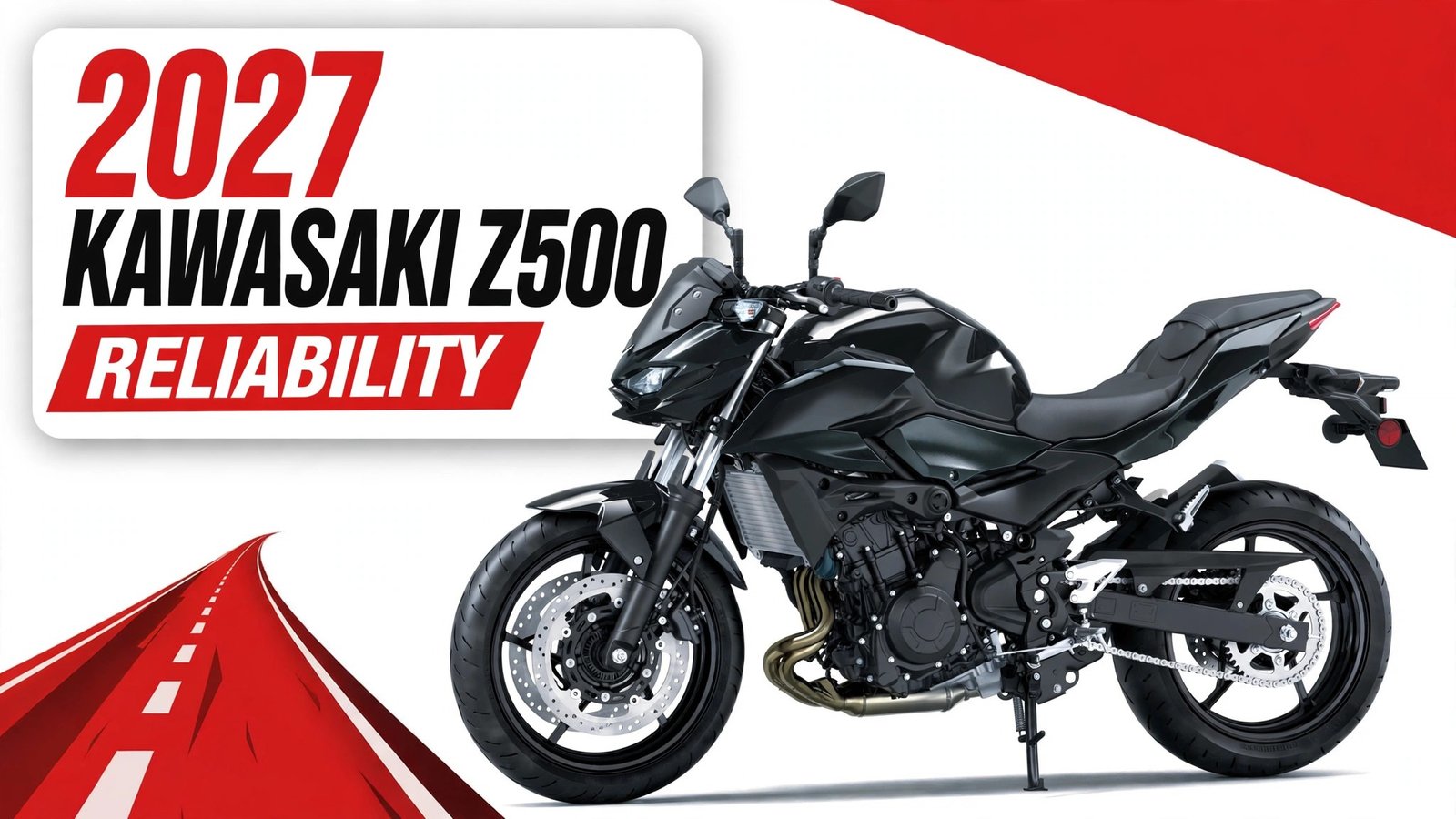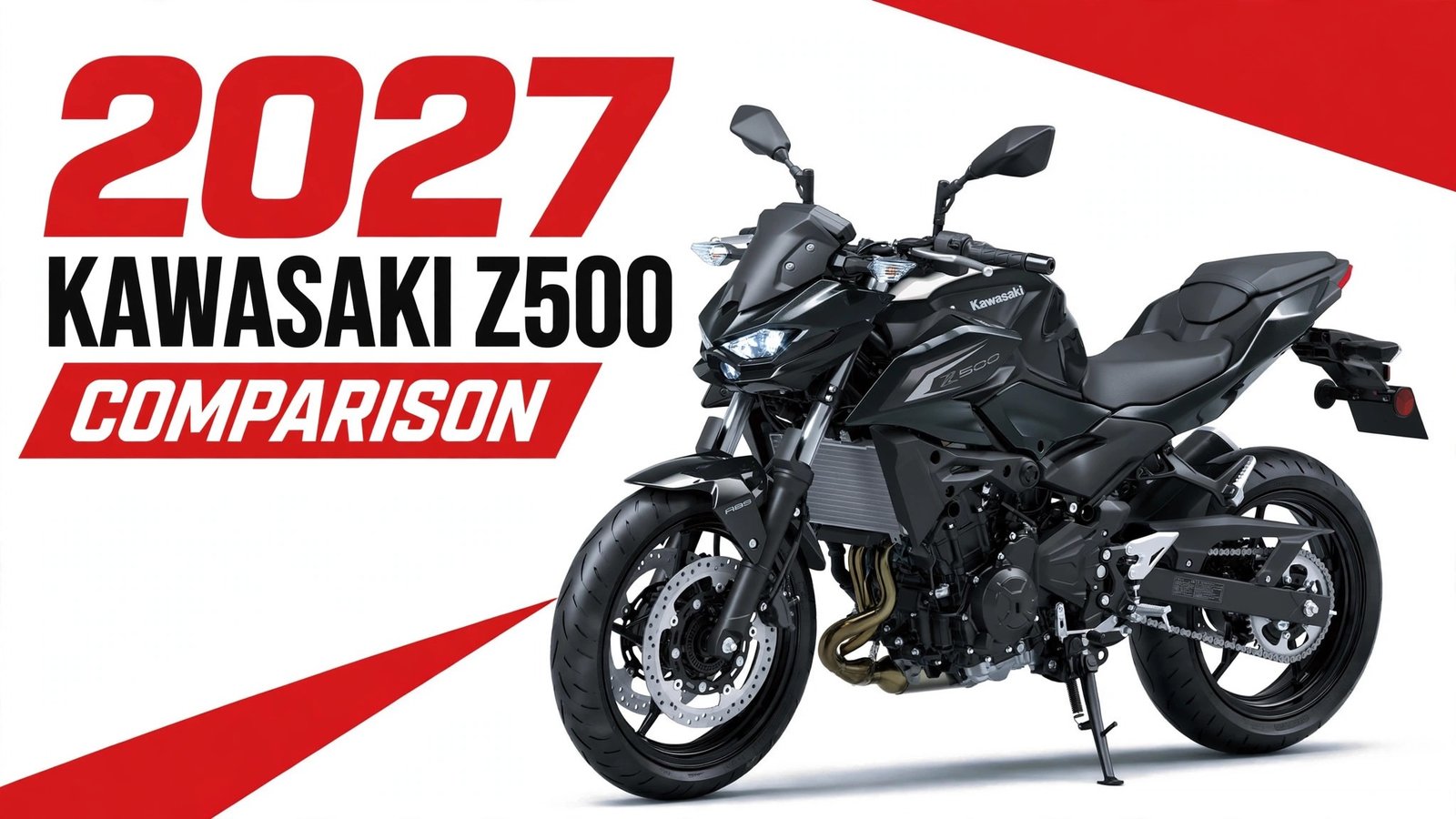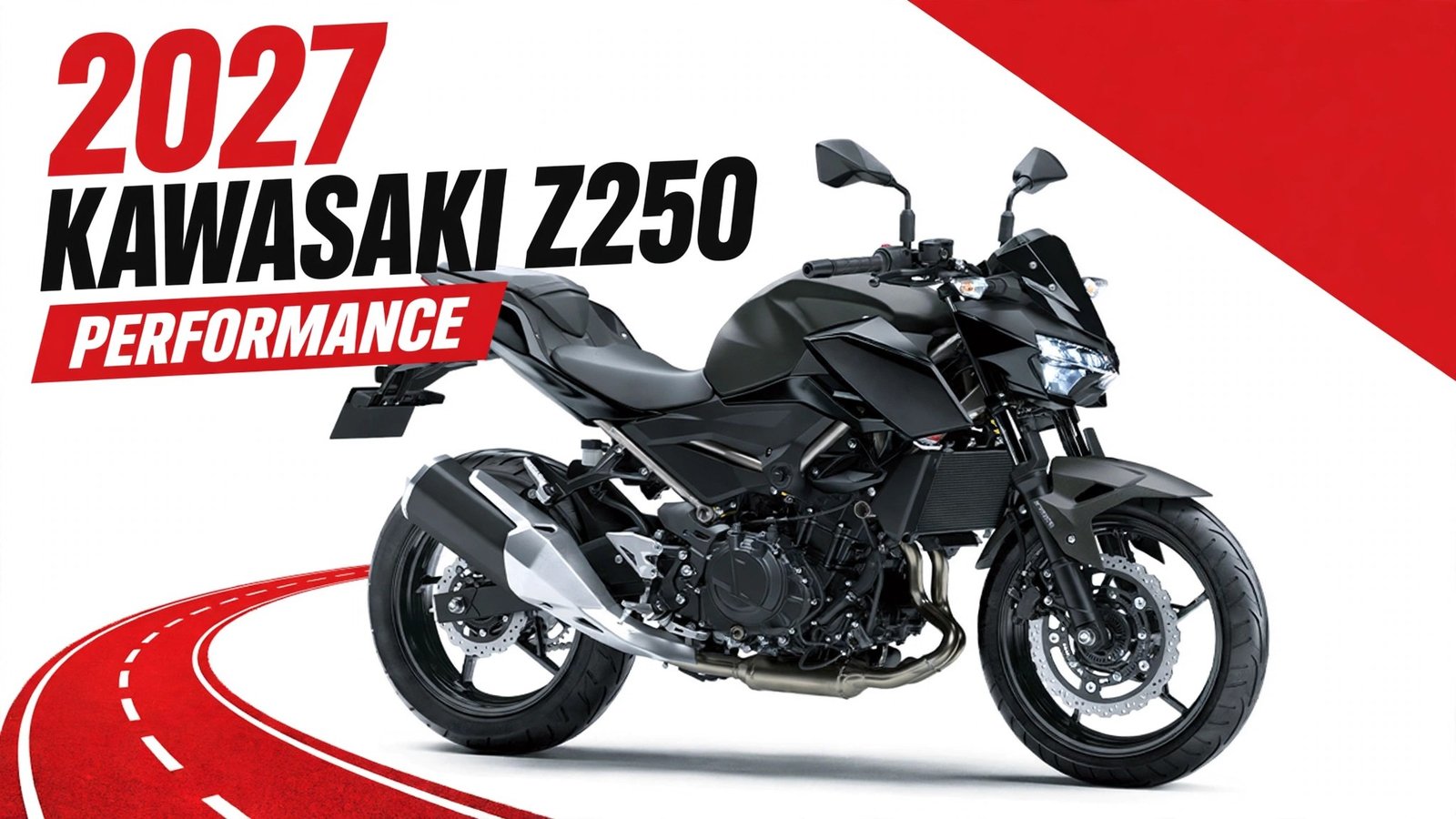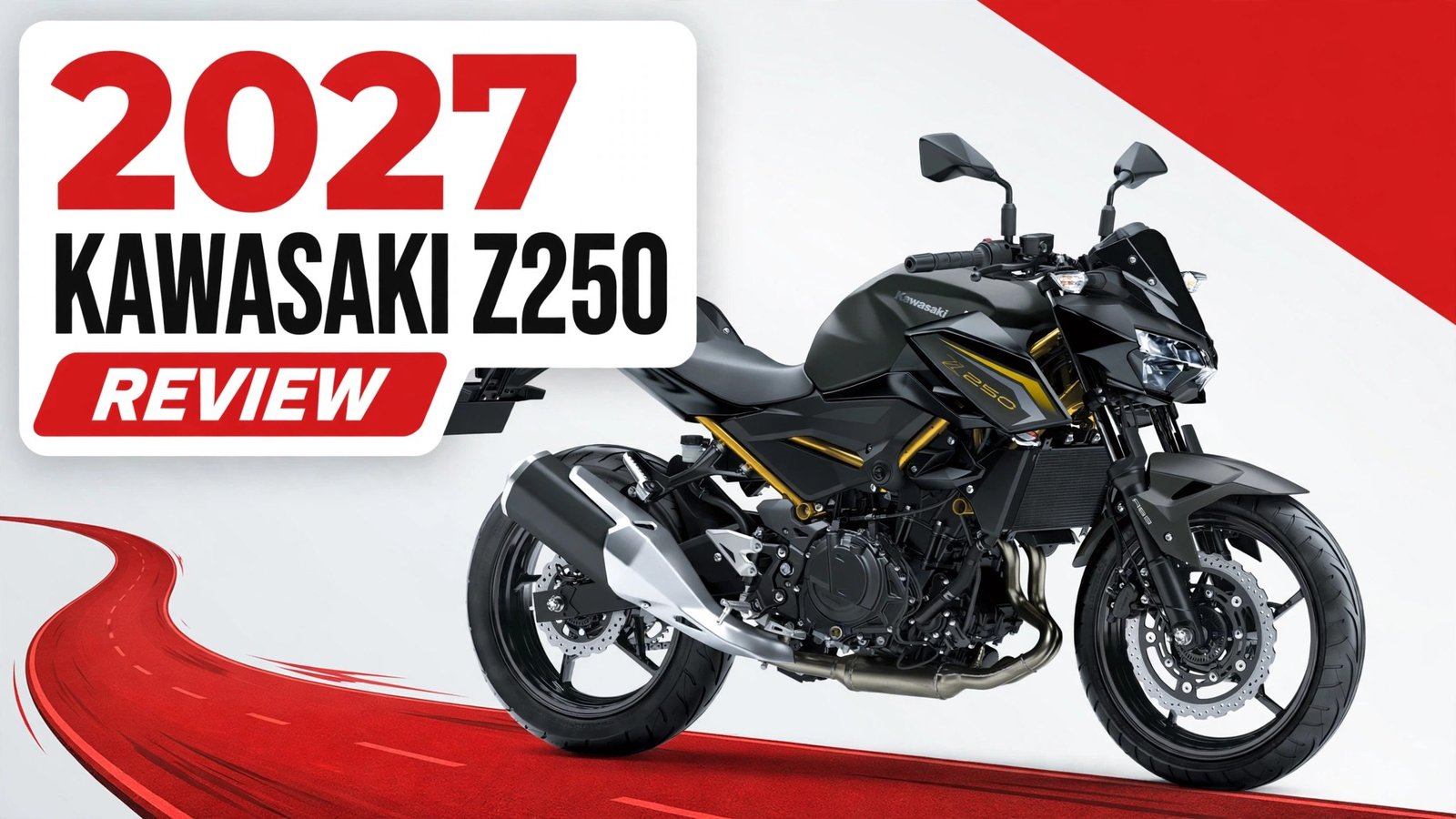
This Kawasaki Z250 review starts with the fact that matters most: the Z250 was never sold in the USA. There is no American price, no American test and no American recall for this bike, because Kawasaki never offered it to American buyers in any model year. What exists instead is a Japan-market parallel-twin naked, still on sale in Japan in 2027 at ¥704,000. In this Kawasaki Z250 review, every figure is a Japan figure, every price is in yen, and the American question is answered by the bikes Kawasaki does sell in the USA.
Kawasaki Z250 Overview and Model-Year Updates
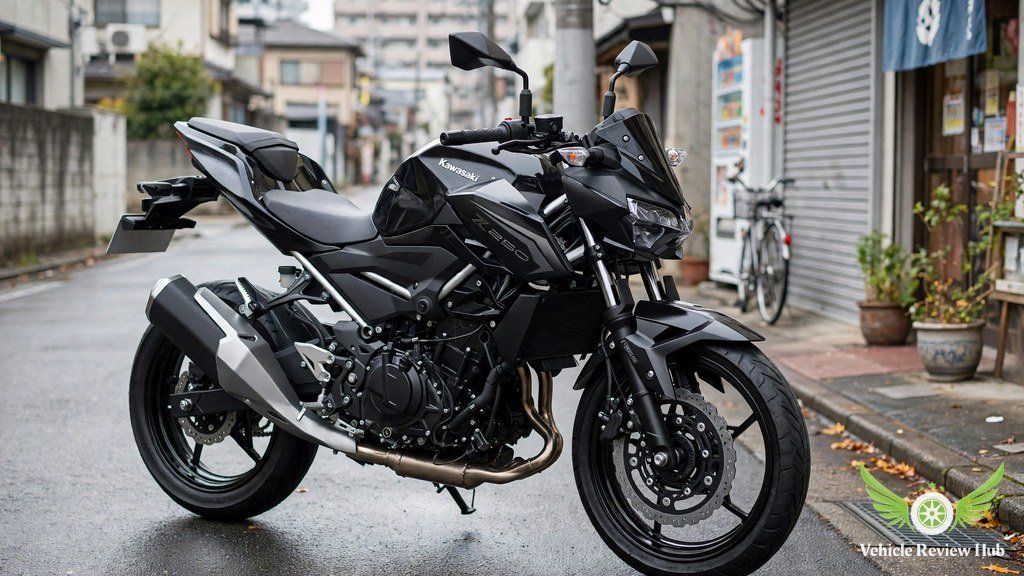
The short version of this Kawasaki Z250 review is that the Z250 is the small Z naked Japan kept and America never got. It is a 248cc liquid-cooled parallel twin in a trellis frame, built in Thailand, sold in Japan since April 2013, and still listed on Kawasaki Motors Japan’s site for 2027. Two generations span that run: Gen 1 (2013–2017) with a diamond frame and a 31 PS tune, and Gen 2 (2019 to the present) with a trellis frame and a 37 PS launch tune that became 35 PS in 2023. There was no 2018 model in Japan — Gen 1 ended in 2017 and Gen 2 arrived on 1 November 2019.
Never Sold in the USA
That is the first thing this Kawasaki Z250 review has to say plainly, because American buyers search for this bike and find Japanese prices quoted as if they were American ones. No American dealer has ever stocked one, and this Kawasaki Z250 review will not invent a US price for it. There is no MSRP, no destination charge, no delivered price and no used-US price, because there is no American market for a bike that was never sold new in the country. The bike did sell in Japan, India, Malaysia and other Asian markets. The honest American answer sits in the comparison blog: the Kawasaki Z500 review covers the naked twin Kawasaki actually sells in the USA, and the Kawasaki Z125 PRO review covers the small Z naked Americans can buy new.
Gen 2 Lives On in Japan
The reason this Kawasaki Z250 review still matters in 2026 is that Gen 2 is not a dead model. Kawasaki released the 2027 Z250 on 5 September 2026 at ¥704,000, the same price as the 2026 model, in two colours — Metallic Flat Spark Black and Metallic Matte Graphene Steel Gray — with a two-year warranty. For a buyer in Japan, this Kawasaki Z250 review finds a bike that has outlived the European Z300, outlived the Indian-market run that ended in 2019, and outlived the Honda CB250R, whose production ended in August 2024. The 2027 bike is the 8BK-EX250Y type, the post-2023 tune with 35 PS, and it is the bike this Kawasaki Z250 review treats as the current bike throughout.
Kawasaki Z250 Engine and Specifications

The engine story in this Kawasaki Z250 review is a two-generation story told by one engine. Both generations use the same 248cc liquid-cooled parallel twin — DOHC, eight valves, fuel injection, a six-speed gearbox — with the same 62.0 × 41.2 mm bore and stroke and the same 11.6:1 compression ratio. What changed between the generations is the tune, the frame around the engine and the equipment fitted to it. Gen 1 press material rounds the same bore and stroke to 249cc, which is why some sources print 249cc and the 2027 official spec sheet prints 248cc; this Kawasaki Z250 review uses the official 248cc figure and names the 249cc listing where it appears.
Two Generations, Two Tunes
Gen 1 (2013–2017, type JBK-ER250C) makes 31 PS at 11,000 rpm on the Japan spec, with 2.1 kgf·m of torque at 8,500 rpm — 20.6 Nm. Indian-market publications print 32 PS at 11,000 rpm and 21 Nm at 10,000 rpm for what is mechanically the same engine, and Autocar India measured 31.1 bhp at 11,000 rpm; this Kawasaki Z250 review prints the Japan figure for the Japan bike and names the Indian figure as Indian-market reporting, never blended into one number. The 37 PS launch figure is the one this Kawasaki Z250 review prints for 2019–2022 Gen 2 bikes, with 23 Nm at 10,500 rpm. From the 2023 model year the same engine makes 35 PS at 12,500 rpm — 26 kW, or 34.5 hp — with 22 Nm at 10,500 rpm, a 2 PS drop that came with new emissions regulations and the type change from 2BK-EX250P to 8BK-EX250Y. Kawasaki’s own test notes say the retune improved response between 5,000 and 8,000 rpm, and this Kawasaki Z250 review keeps the two tunes in separate rows so no reader mistakes the launch figure for the current one.
Not the Z250SL Single
Search results mix the two bikes constantly, so this Kawasaki Z250 review states it once plainly: the Z250 is the twin. The Z250SL is a different motorcycle — a 249cc single-cylinder naked with 28 hp at 9,700 rpm, an 11-litre tank and a 147 kg weight, sold in Japan only from March 2016 to June 2017 before the 2016 emissions regulations ended it. Its bore and stroke, its high pipe and its smaller bodywork have nothing to do with the twin in this review. Any video, spec table or listing that shows a single-cylinder Z250 is showing the SL, and it does not belong in this blog.
| Item | Gen 1 (2013–2017) | Gen 2 (2023–2027) |
|---|---|---|
| Engine | 249cc parallel twin, DOHC 8-valve (62.0 × 41.2 mm) | 248cc parallel twin, DOHC 8-valve (62.0 × 41.2 mm) |
| Power (claimed) | 31 PS @ 11,000 rpm (Japan spec) | 35 PS @ 12,500 rpm (26 kW) |
| Torque (claimed) | 2.1 kgf·m @ 8,500 rpm (20.6 Nm) | 22 Nm @ 10,500 rpm (2.2 kgf·m) |
| Weight | 168 kg (170 kg ABS) | 164 kg |
| Seat height | 785 mm | 795 mm |
| Fuel tank | 17 L | 14 L |
| Wheelbase | 1,400 mm | 1,370 mm |
| Front brake | 290 mm petal disc | 310 mm disc |
| Frame | Diamond steel | Trellis (high-tensile steel) |
| WMTC economy | 25.7 km/L (2015 model) | 25.1 km/L (2027 model) |
Note: Every figure in this Kawasaki Z250 review table is a manufacturer claim for the generation named, never a measured figure — no rear-wheel dyno run has ever been published for the Z250. The 249cc and 248cc listings describe the same bore and stroke; Kawasaki’s 2027 spec sheet prints 248cc. Gen 1 weight is 168 kg without ABS and 170 kg with ABS, so the trim is always named with the number.
Kawasaki Z250 Price and Market Availability
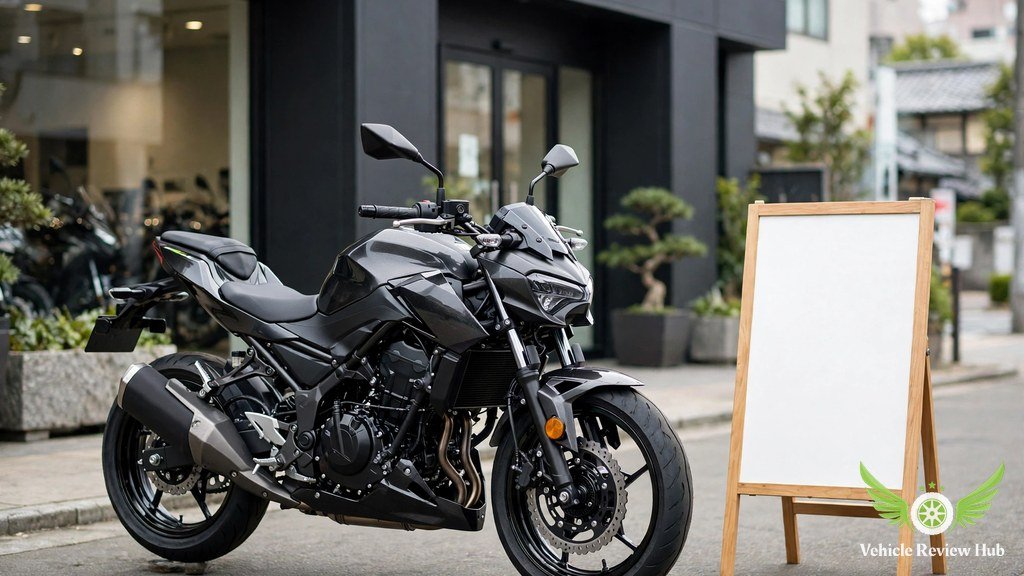
Price is where this Kawasaki Z250 review has to be most careful, because the bike’s whole story is a price story told in yen. The Z250 launched cheap in Japan, climbed steadily for fourteen years, and is now the priciest 250 naked in its home market — while never being offered in the United States. Every price below is tax-included unless it is labelled ex-tax, and every price names its model year, because the 2013 and 2015 launch figures are ex-tax and cannot sit beside tax-included prices without the label.
No US Price Exists
There is no US price in this Kawasaki Z250 review because there is no US bike. That is not a gap in the research; it is the answer. Kawasaki never set an American MSRP, never charged an American destination fee and never sold a used Z250 through an American dealer network, so any dollar figure attached to this bike is an invention. A grey import is a one-off private import, not a market, and this Kawasaki Z250 review does not quote one as a price. The same rule applies to the bike’s Indian and Malaysian prices, which are real prices in their own markets — Rs 2.99 lakh ex-showroom Delhi at the October 2014 Indian launch, rising to Rs 3.08 lakh with the BS-IV update in April 2017 before the bike was discontinued in India on 16 October 2019, and RM20,800 for the Malaysian Modenas-assembled Z250 ABS — but neither is an American price.
Japan 2027: ¥704,000 Listed
The number that anchors this Kawasaki Z250 review is ¥704,000, the tax-included list price of the 2027 Z250 on Kawasaki Motors Japan’s official 2027 Z250 page — the same price as the 2026 model, released on 5 September 2026. Between 2019 and 2023 there is a gap this Kawasaki Z250 review prints openly: no published price was found for the 2020, 2021 or 2022 model years, and the price very likely held at ¥610,500 — but no source confirms it, so the table below says “unverified” rather than filling the gap with a guess. For scale, the faired sibling costs more: the 2027 Ninja 250 lists at ¥726,000, exactly ¥22,000 above the Z250, and this Kawasaki Z250 review lists it tax-included, as Kawasaki does.
| Model year | Price (¥) | Note |
|---|---|---|
| 2013 (Gen 1 launch) | ¥465,000 ex-tax | Announced 1 Feb 2013, on sale 15 Apr 2013 |
| 2015 (Z250 ABS) | ¥512,500 ex-tax | ABS + assist & slipper clutch standard from 15 May 2015 |
| 2019 (Gen 2 launch) | ¥610,500 | ¥608,300 pre-launch figure; ¥610,500 from 1 Nov 2019 |
| 2020–2022 | Unverified | No published price found for any of the three model years |
| 2023 | ¥638,000 | Single colour: Candy Lime Green × Metallic Spark Black |
| 2024 | ¥682,000 | Announced 10 Aug 2023, released 15 Sep 2023 |
| 2025 | ¥682,000 | Unchanged (derived: the 2026 model is ¥22,000 more) |
| 2026 | ¥704,000 | Released 1 Nov 2025; Ebony × Metallic Carbon Grey (BK1) |
| 2027 | ¥704,000 | Released 5 Sep 2026; price unchanged |
Note: The gap in this Kawasaki Z250 review price table is honest: no source was found for the 2020, 2021 or 2022 model years, so the table says “unverified” instead of carrying the 2019 price forward. The 2013 and 2015 prices are ex-tax (本体価格) and are labelled as such; every other price is tax-included. The 2025 figure is derived, not published: the 2026 model costs ¥22,000 more than the 2025 model.
Kawasaki Z250 Design, Features and Technology
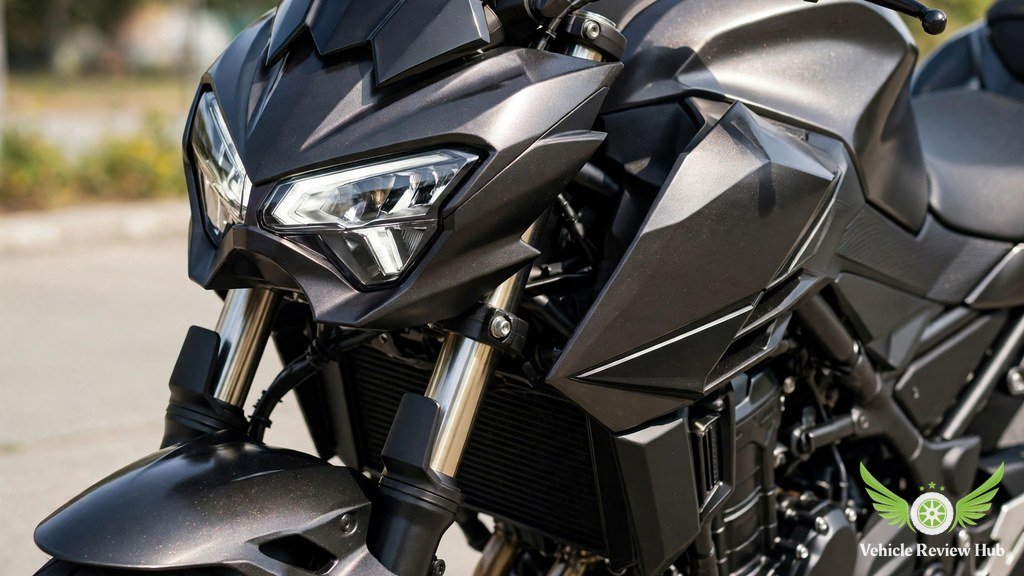
The design story in this Kawasaki Z250 review is the Sugomi story. Gen 2 wears the sharp, angular Z-family face Kawasaki calls Sugomi — twin LED headlights, hard-edged tank shrouds, a visible high-tensile steel trellis frame and an under-engine exhaust — over the same 248cc twin that powered Gen 1. Gen 1 looked softer: a twin-bulb headlight, a diamond steel frame and rounder bodywork. The 2027 bike comes in Metallic Flat Spark Black or Metallic Matte Graphene Steel Gray, and the 2026 single colour was Ebony × Metallic Carbon Grey. Lime green is a Gen 1 and Indian-market colour — it does not belong on a bike this blog calls a 2027 model.
Europe Got the Z300
The Z300 is the what-if of this Kawasaki Z250 review. Europe, Asia, Australia and South America got a naked Ninja 300 from 2015 to 2018 — a 296cc parallel twin making 29 kW (39 PS) at 11,000 rpm with 27 Nm at 10,000 rpm, a 170 kg wet weight, a 785 mm seat and a 17-litre tank, priced at €5,199 in France in 2016. Japan never got it and America never got it, and the Z250 stayed a 250 in both markets that did get it. The Z300’s figures are context only in this blog: they explain what the Z250 could have been, and they are never presented as Z250 figures. The comparison that matters for the Z250 is the one inside Japan, against the faired Ninja 250.
Slipper Was There Early
The assist and slipper clutch is older on this bike than most buyers assume, and this Kawasaki Z250 review notes the slipper clutch arrived early. From 15 May 2015 the Japan Gen 1 bike became the Z250 ABS, with ABS and the assist and slipper clutch both standard, and Gen 2 has carried the slipper clutch as standard equipment since its 2019 launch. The clutch lightens the lever with an assist cam and slips under hard downshifts so the rear tyre does not hop. Gen 2 adds the modern kit around it: a gear-position indicator, LED headlights, ABS standard in Japan, and a two-year warranty on the 2027 model. One market warning belongs here: India never got ABS on the Gen 1 Z250, and every Indian review lists that as the bike’s biggest omission — so no Indian Gen 1 bike in this blog is ever described as having ABS.
Kawasaki Z250 Riding Experience and Comfort
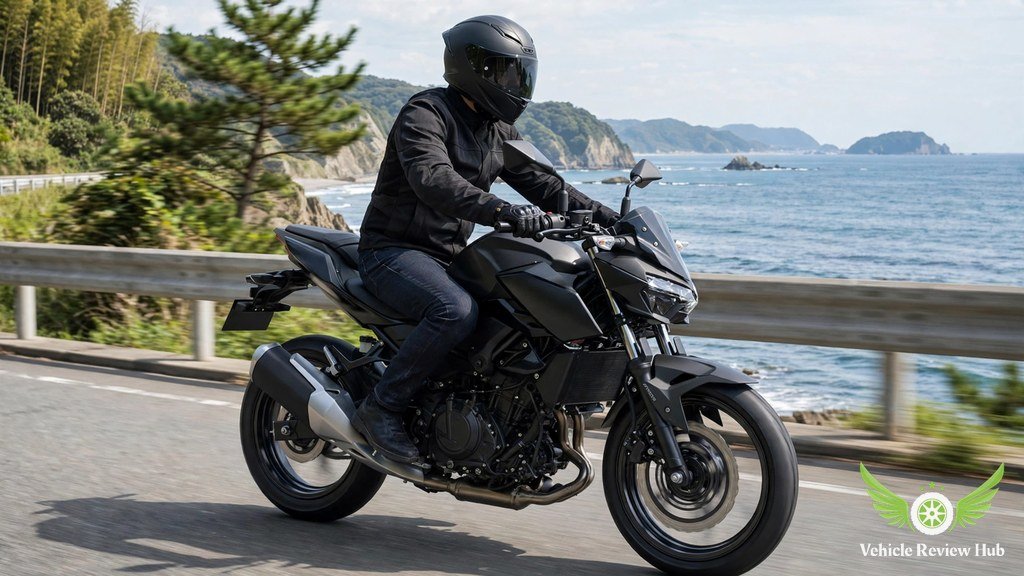
The riding story in this Kawasaki Z250 review comes from owners and Japanese tests, because no American test exists to quote. The picture they paint is consistent across every market: an upright naked with a 795 mm seat on the Gen 2 bike, a 164 kg weight, wide bars and a twin that needs revs. The power lives above 9,000 rpm, so the bike rewards a rider who works the gearbox and punishes one who short-shifts — Autocar India called it “slow to build revs from low down”, Motoroids said it balks at slow speeds in higher gears, and MotorBeam put it bluntly: you need to rev the bike hard to get the best from it.
Kawasaki’s own 2019 action footage shows the new Z250 alongside its Z400 sibling — it is not a review, there is no narration and no test, only music over riding shots of both bikes. Watch it for the factory footage of the Gen 2 bike moving, not for a verdict.
Owner Saw 153 km/h
The fastest verified number in this Kawasaki Z250 review belongs to one Indian owner, not to a factory claim. Mahesh Saini, writing a 10,000 km ownership review on BikeWale, reported a 153 km/h maximum on his Gen 1 bike — and this Kawasaki Z250 review prints his 153 km/h as one owner’s figure, never as a specification. MotorBeam’s VBOX testing in its three-bike shootout gives the second number: the KTM Duke 390 hit 168 km/h on the VBOX while the Z250 and the Benelli TNT 300 were 10 km/h slower, which puts the Z250 at about 158 km/h on the same instrument. The MotorBeam shootout also recorded the drag-race numbers that still define this bike: the Benelli TNT 300 took 8.19 seconds to 100 km/h on the VBOX while the Z250 managed 8.31 seconds, and Autocar India measured 8.42 seconds with a 0–60 km/h time of 3.64 seconds and 80–0 km/h braking in 30.25 metres. Two numbers in this blog are rejected outright: the 200 km/h top-speed claim from a BikeDekho listing has no test behind it, and the aggregator listings of 165–170 km/h are labelled editorial estimates, not tests.
Japan Test: 28.2 km/L
The economy number this Kawasaki Z250 review leans on comes from MotorFan‘s 2019 Japan test, which measured 28.2 km/L in real riding over about 120 km including Tokyo traffic. The 28.2 km/L figure is printed here with its test conditions attached, because fuel economy without a test type is meaningless on this bike. The official figures bracket it: the 2019 launch sheet claims 37.0 km/L at a steady 60 km/h and 27.2 km/L on the WMTC cycle, while the 2027 sheet claims 32.3 km/L steady and 25.1 km/L WMTC. An Indian owner reported 22–23 km/L in everyday use, and MotorBeam’s shootout recorded 30 km/L. None of these is a US MPG figure — the bike was never EPA-tested — and the Autocar India test is the source for the acceleration and braking numbers quoted above. The practical read is simple: the 14-litre Gen 2 tank is smaller than the 17-litre Gen 1 tank, so the Gen 2 bike’s range depends on the rider keeping the revs down.
Kawasaki Z250 Review: Pros, Cons and Verdict
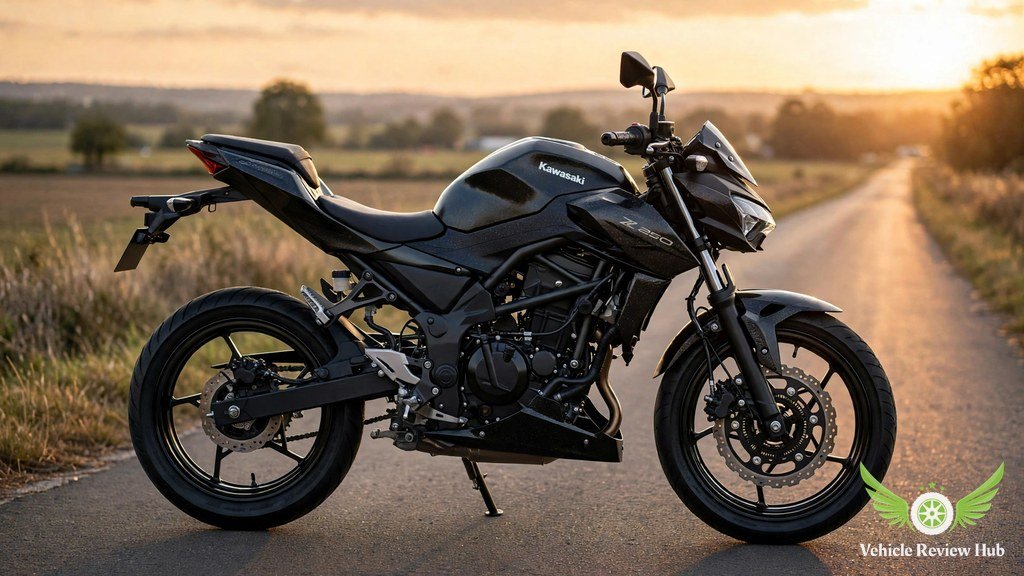
The verdict of this Kawasaki Z250 review is a range-gap story. The Z250 is the most expensive 250 naked in Japan and no longer the most powerful one, yet it is still on sale in 2027 while its cheaper rivals have faded or been discontinued. That survival is the verdict: Kawasaki prices the bike on the Z brand, the twin’s refinement, the trellis chassis and the dealer network, not on a power or price advantage. A buyer who wants the cheapest 250 naked buys the Yamaha MT-25 for ¥71,500 less and gets the same 35 PS; a buyer who wants the Z250 buys it for the way the twin feels above 9,000 rpm.
Main Advantages and Limitations of the Kawasaki Z250
The balance sheet in this Kawasaki Z250 review is short on both sides, which is honest for a bike this simple. The advantages are all about the riding: a light, narrow twin with a slipper clutch, a trellis frame and brakes that match the class. The limitations are all about the market: the price, the missing American sale and the small tank. The Ninja 500 review shows what the same platform family costs an American buyer as a bigger twin.
| Pros | Cons |
|---|---|
| 248cc parallel twin with a free-revving top end | Power lives above 9,000 rpm; weak low-end pull |
| Light 164 kg Gen 2 weight with a 795 mm seat | Never sold in the USA — Americans cannot buy one new |
| Trellis frame, 310 mm front disc, ABS standard (Gen 2 Japan) | Priciest 250 naked in Japan at ¥704,000 |
| Assist & slipper clutch standard (Gen 2) | Stock IRC Road Winner tyres criticised in every Indian test |
| 2.0 L oil capacity; shared-platform parts (filter 16097-0008) | Small 14 L Gen 2 tank (Gen 1 had 17 L) |
| Two generations of proven Ninja 250 running gear | 2020–2022 price history unverified; used prices vary widely |
Note: The pros and cons in this Kawasaki Z250 review are the verified ones: the power, weight and price figures are manufacturer claims for the generation named, the tyre complaint is attributed to the Indian road tests that all made it, and the “never sold in the USA” limitation is the governing fact of the whole cluster.
Priciest 250 Naked in Japan
The headline of this Kawasaki Z250 review is the price. At ¥704,000 the Z250 costs ¥15,000 more than the KTM 250 Duke at ¥689,000, ¥71,500 more than the Yamaha MT-25 at ¥632,500 and ¥139,700 more than the Honda CB250R’s ¥564,300 — and the CB250R’s production ended in August 2024, so even that cheapest figure is remaining stock, not current production. That is the case this Kawasaki Z250 review makes: buy the twin for refinement, not for value. For an American reader, this Kawasaki Z250 review ends with the Z500 and the Z125 PRO, the two Z nakeds that can actually be bought new in the USA. The Z250 itself stays a Japan story — a small twin still listed for 2027.
Kawasaki Z250 Review: Frequently Asked Questions
The answers below are short, direct, and based on the figures in this Kawasaki Z250 review. Every price is a Japan price, every spec names its generation, and the bike was never sold in the USA.
Was the Kawasaki Z250 ever sold in the USA?
No. The Z250 was never sold new in the USA in any model year. It is a Japan-market bike (also sold in India, Malaysia and other Asian markets). Americans who want a new Kawasaki naked twin buy the Z500; the closest small Z they can buy new is the Z125 PRO.
How much does a new Kawasaki Z250 cost?
In Japan the 2027 model lists at ¥704,000 tax-included — the same price as the 2026 model. There is no US price because the bike was never sold in the USA.
What engine does the Z250 have?
A 248cc liquid-cooled parallel twin, DOHC 8-valve, fuel-injected, with a 6-speed gearbox and an assist & slipper clutch. The current (2023–2027) tune makes 35 PS at 12,500 rpm; the 2019–2022 launch tune made 37 PS.
Is the Z250 the same bike as the Z250SL?
No. The Z250SL is a different, single-cylinder 250 (28 hp, 11-litre tank, 147 kg) sold in Japan only in 2016–2017. The Z250 in this review is the twin.
How much does the Z250 weigh, and how tall is the seat?
The 2027 model weighs 164 kg with a 795 mm seat height. The Gen 1 bike (2013–2017) was 168 kg (170 kg with ABS) with a lower 785 mm seat and a bigger 17-litre tank.
What is the most expensive 250 naked in Japan?
The Z250, at ¥704,000. It costs ¥15,000 more than the KTM 250 Duke (¥689,000), ¥71,500 more than the Yamaha MT-25 (¥632,500) and ¥139,700 more than the Honda CB250R (¥564,300 when it was on sale).