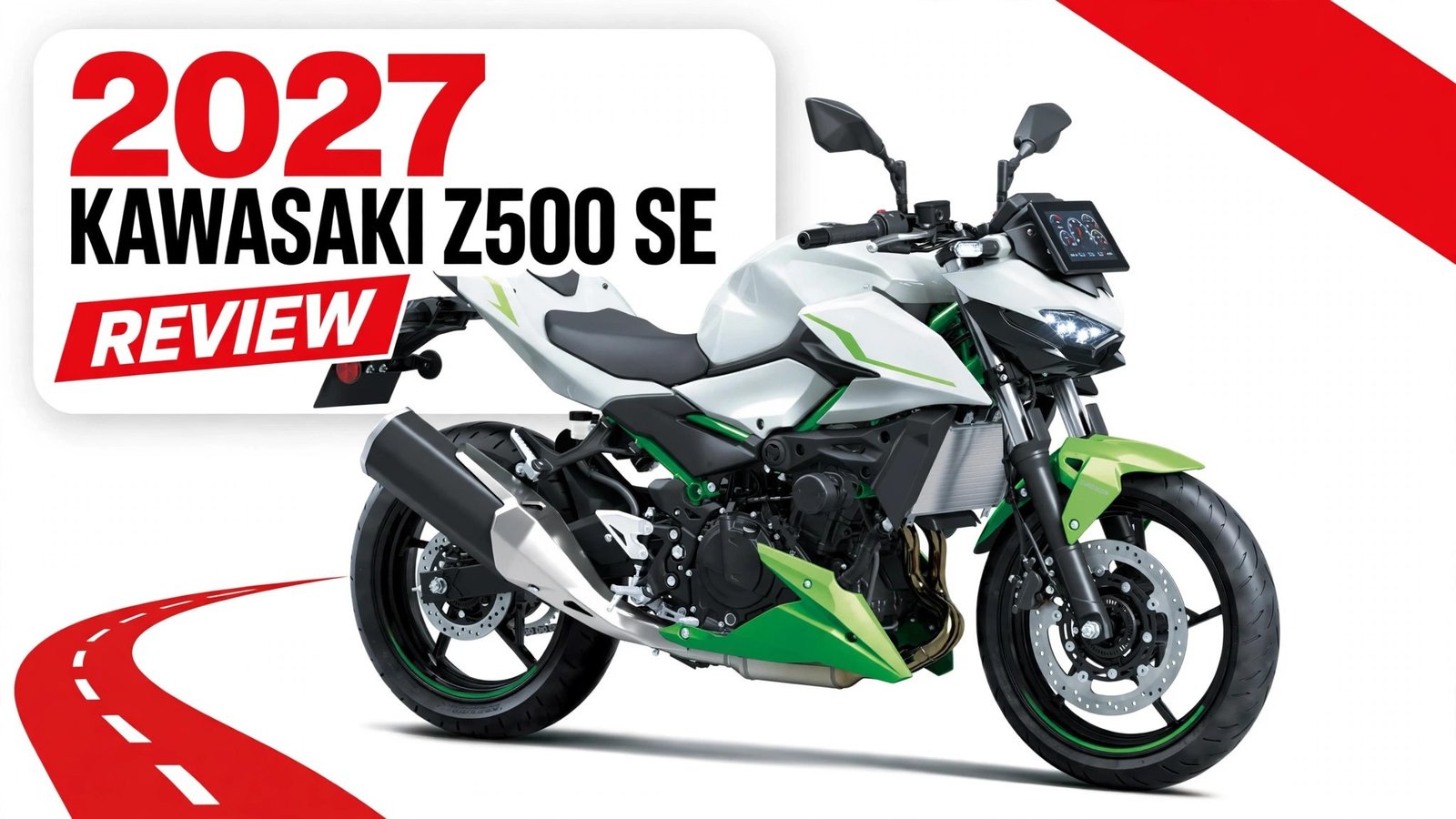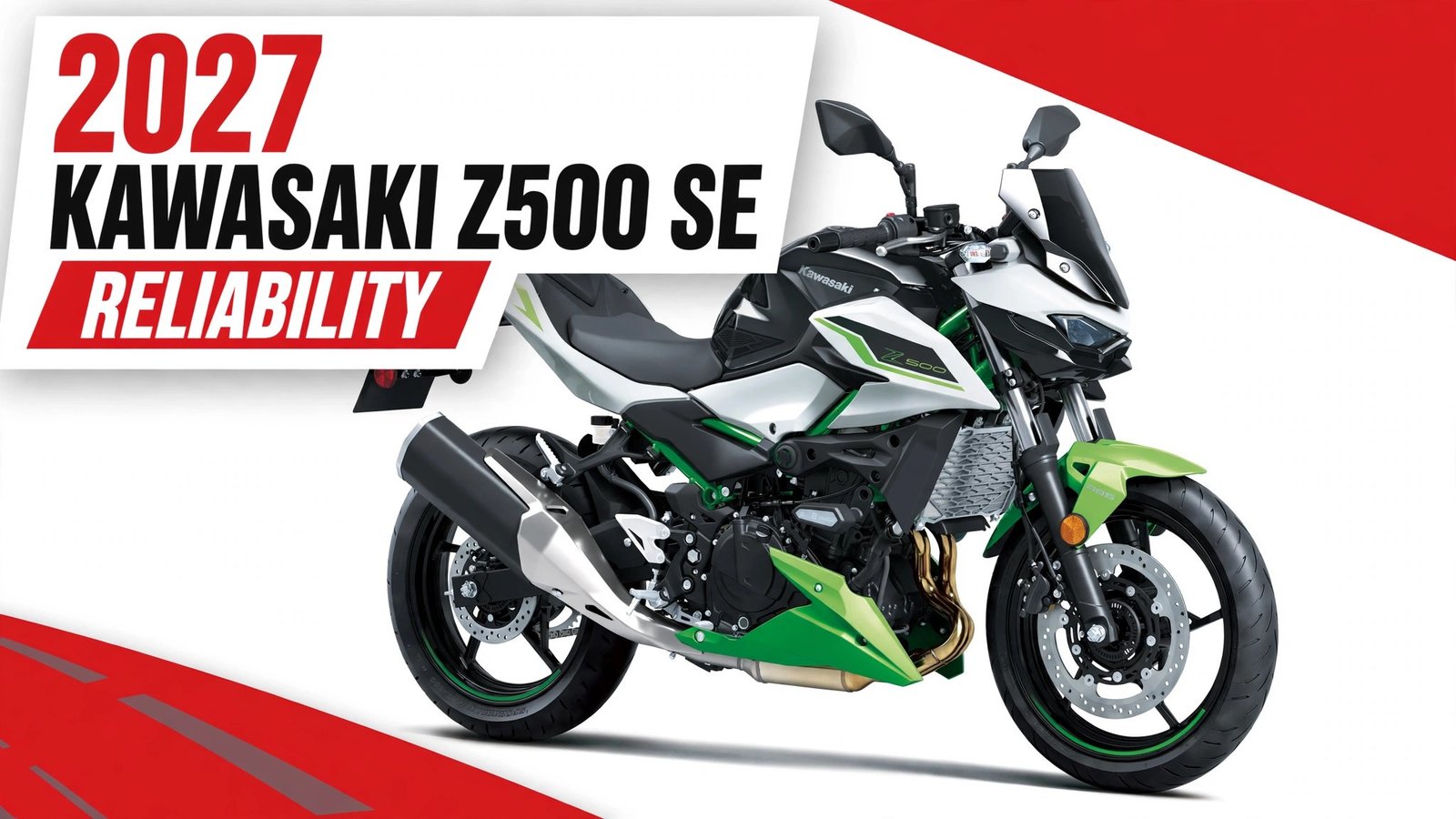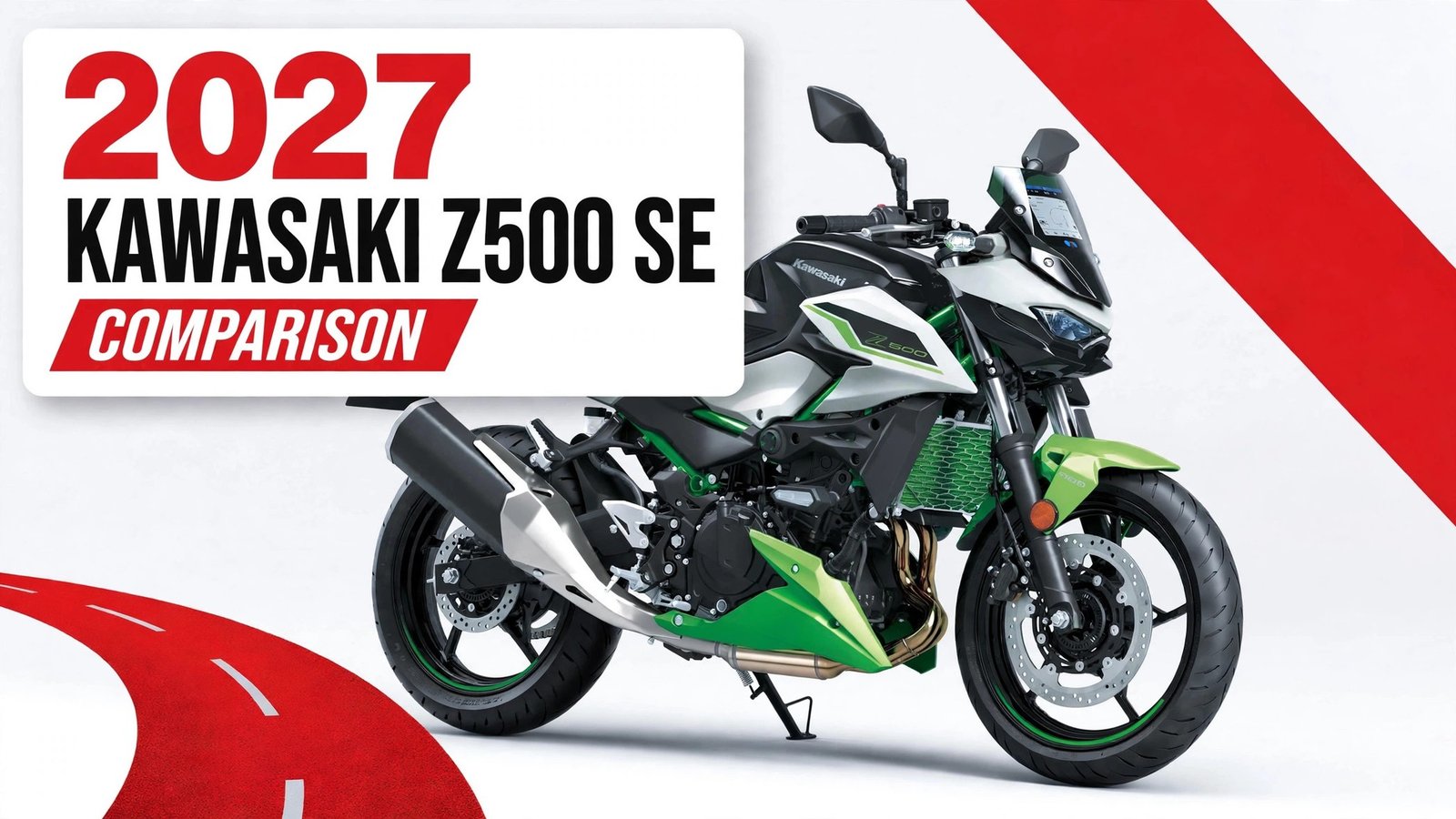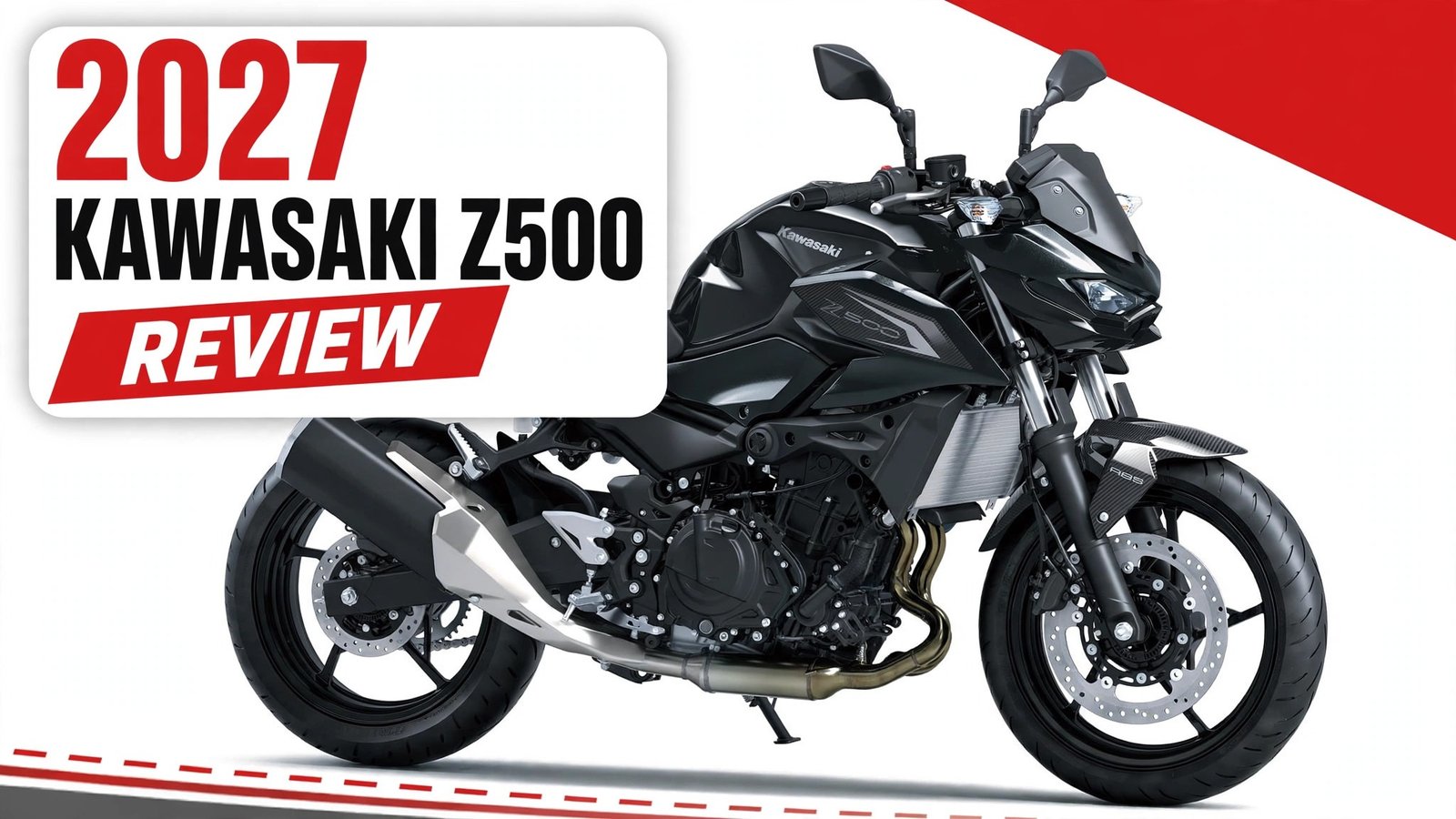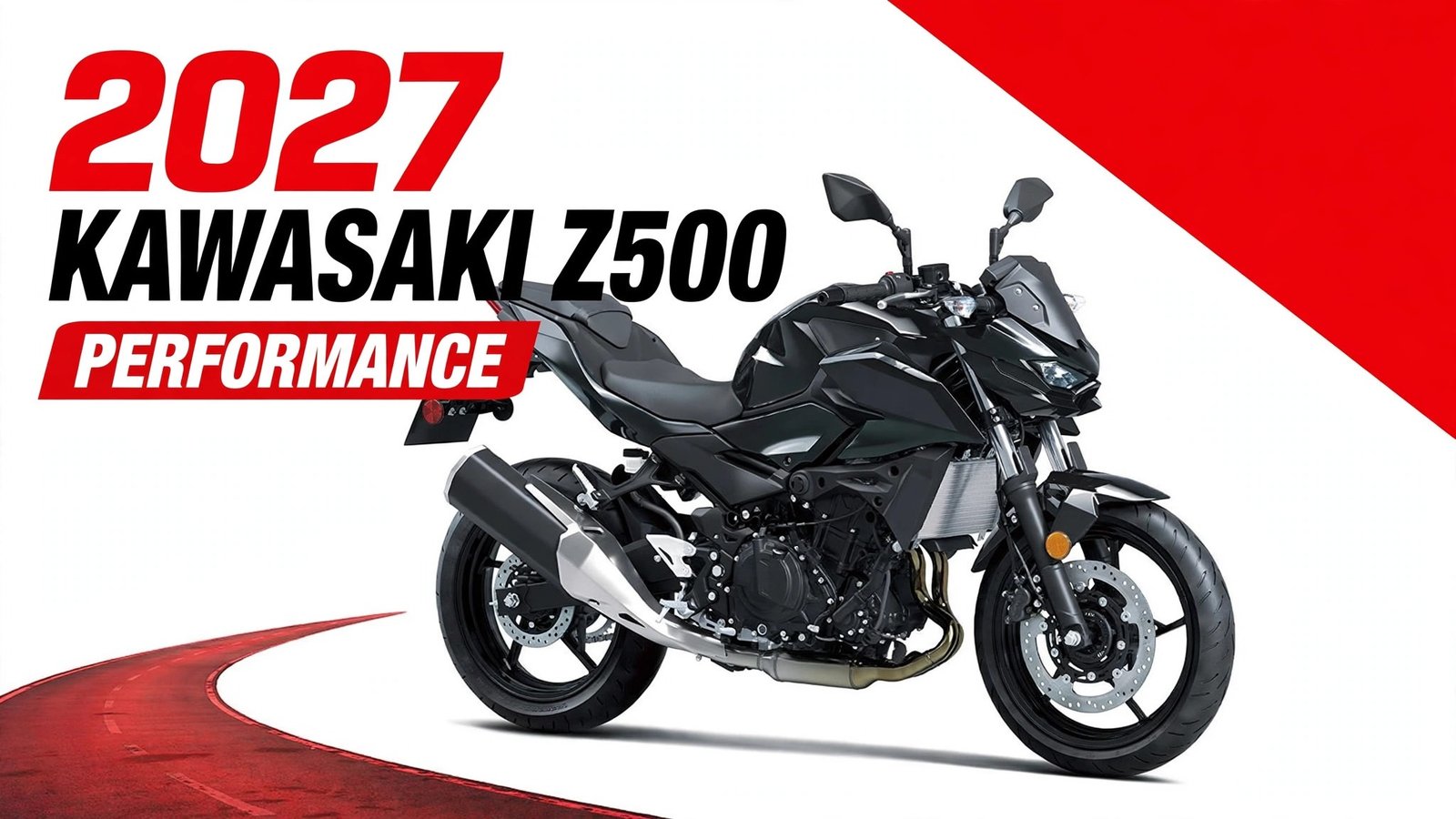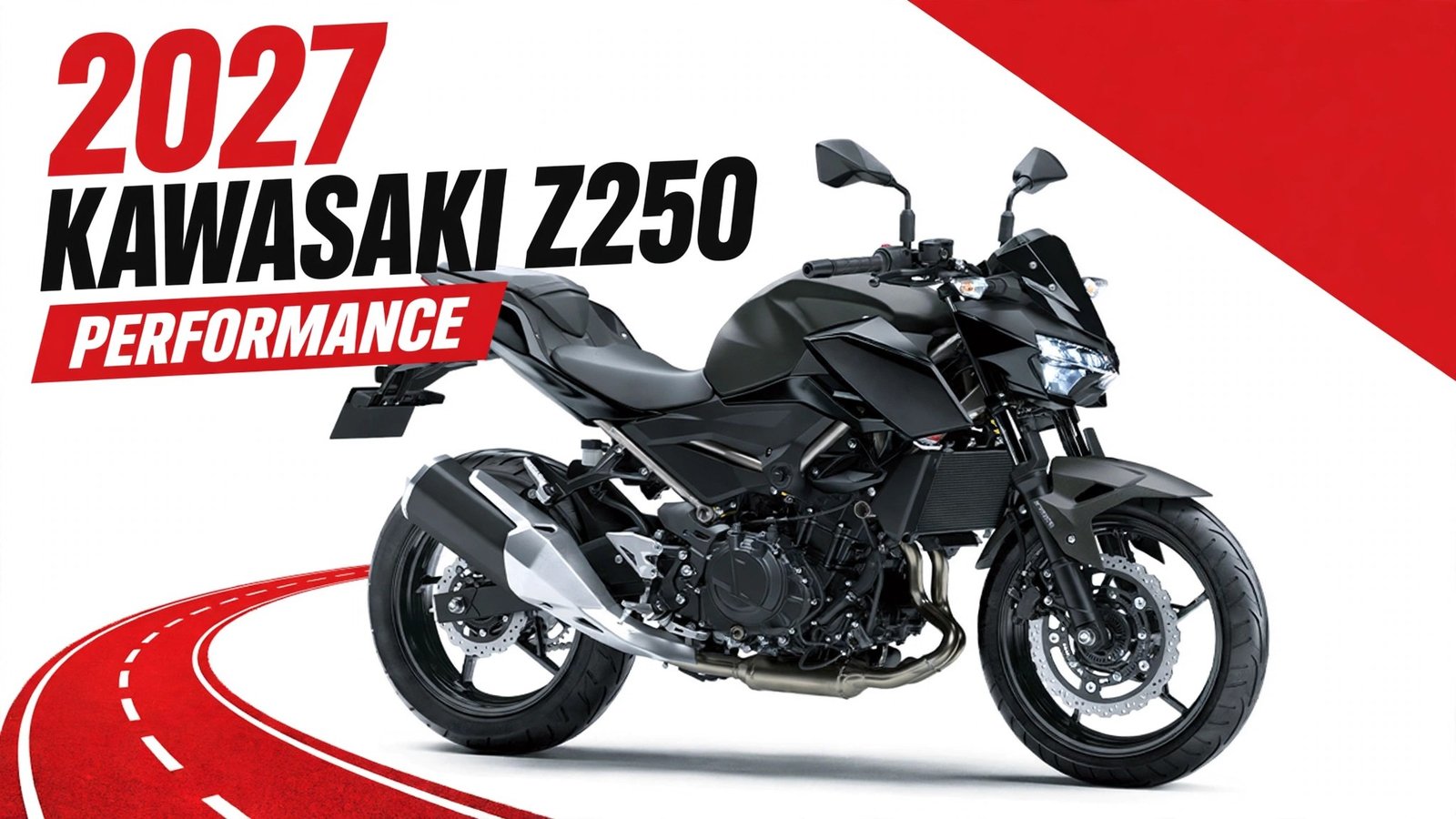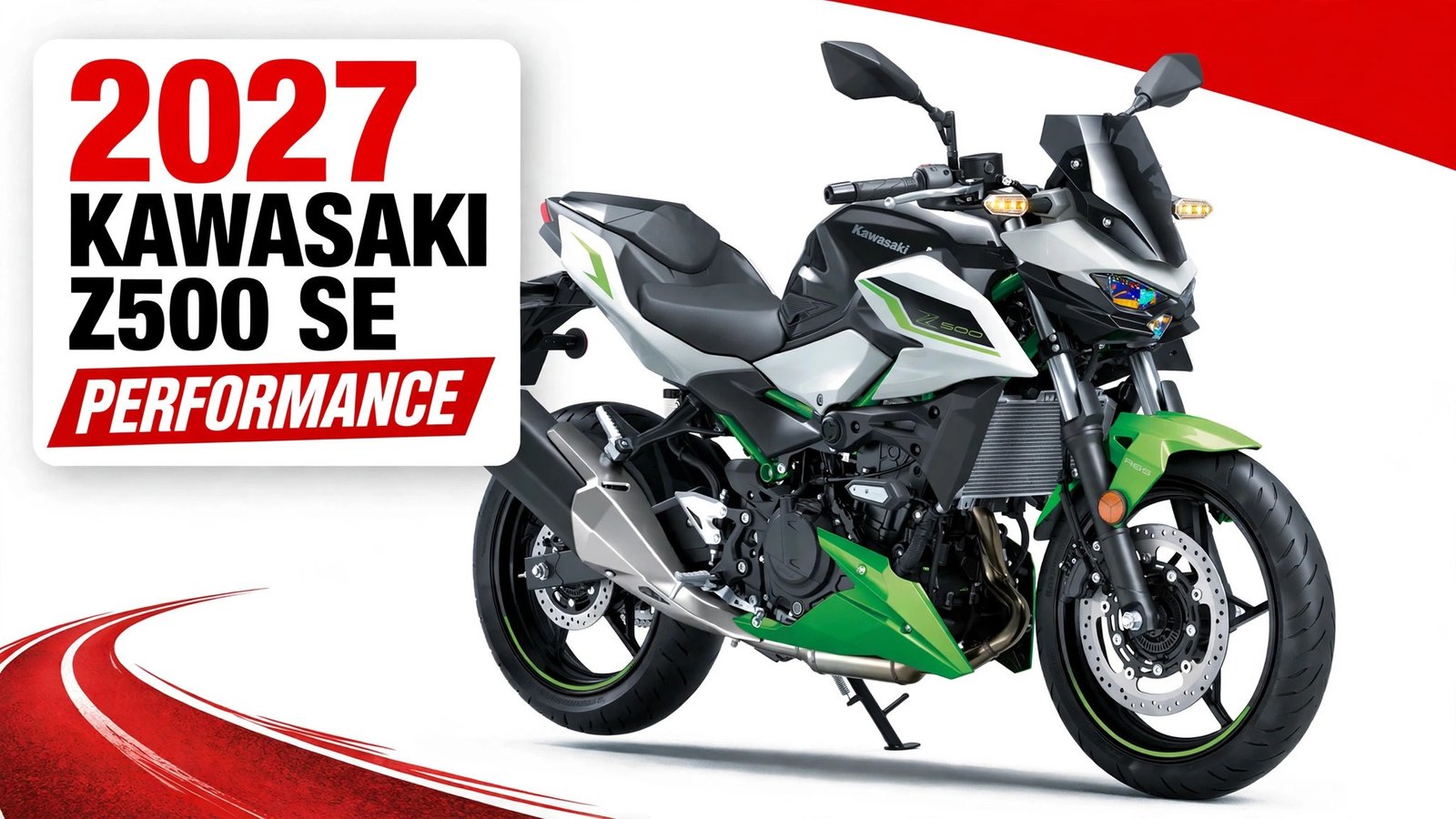
Here is the honest answer first: nobody has dyno-tested the Kawasaki Z500 SE, nobody has timed its 0–60 mph run, and nobody has measured its real-world MPG. The SE is the same 451cc twin as the base Z500 — 51.0 hp claimed, 370.4 lb curb weight, six-speed gearbox — and this Kawasaki Z500 SE performance guide separates what is measured from what is estimated.
Kawasaki Z500 SE Engine Performance and Power Delivery
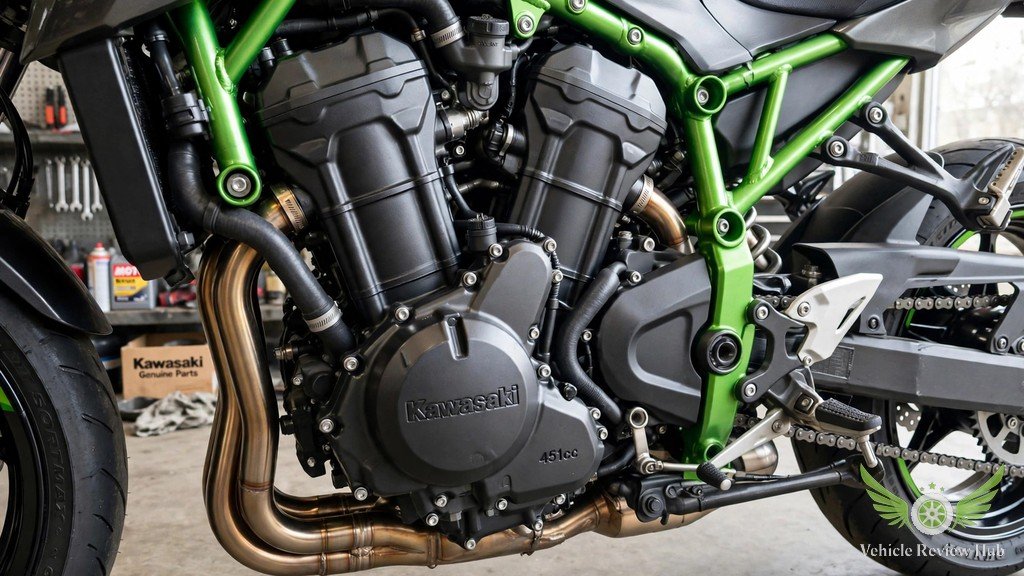
The engine is the known quantity in this Kawasaki Z500 SE performance guide: a 451cc parallel twin that Kawasaki claims at 51.0 hp and 31.7 lb-ft, carried over unchanged from the base Z500. The SE kit adds a TFT dash and trim, not power — the SE and the base bike make the same claimed figures on the same spec sheet, and the SE’s extra 4.4 lb makes no measurable difference.
No Dyno for Either Trim
No dyno run of the Z500 itself — base or SE — has been published anywhere, and that is the first fact of this Kawasaki Z500 SE performance guide. The Kawasaki Z500 SE review covers the same engine from the price and spec side. For scale, the old 400 twin read 43.4 hp on Cycle World’s dyno and 43.7 hp in Motorcycle.com’s shootout, both rear-wheel figures. The 451cc twin should read higher than the 400 — but that is reasoning, not a measurement.
Platform Figure: 47.2 hp
The only dyno figure on this platform is Cycle World’s 2024 Eliminator SE run, and this Kawasaki Z500 SE performance guide labels it as the Eliminator’s in the same sentence: on Cycle World’s in-house Dynojet 250i, the Eliminator SE produced 47.22 hp at 10,430 rpm and 29.03 lb-ft at 7,510 rpm. The Eliminator is a cruiser with different gearing and exhaust and 395 lb on Cycle World’s scales against the SE’s 370.4 lb, so its figures are a guide to the shared twin, not a Z500 SE result. The platform figure still shows the power’s shape for this Kawasaki Z500 SE performance guide: peak power arrives high, at 10,430 rpm on the Eliminator’s run, and peak torque at 7,510 rpm.
| Item | 2027 Kawasaki Z500 SE ABS |
|---|---|
| Engine | 451cc 4-stroke parallel twin, DOHC, liquid-cooled, 8 valves |
| Bore × stroke | 70.0 × 58.6 mm |
| Compression | 11.3:1 |
| Claimed power | 51.0 hp @ 10,000 rpm (ISO 4106) |
| Claimed torque | 31.7 lb-ft @ 7,500 rpm |
| Fuel system | DFI, dual 32 mm throttle bodies |
| Transmission | 6-speed, assist & slipper clutch, sealed chain |
| Redline | 11,700 rpm |
Note: This Kawasaki Z500 SE performance specification table is taken from Kawasaki USA’s own 2027 Z500 SE ABS spec sheet. The 51.0 hp and 31.7 lb-ft figures are claimed crankshaft figures to ISO 4106 — no rear-wheel dyno figure exists for the Z500 SE itself.
Kawasaki Z500 SE Top Speed and Acceleration
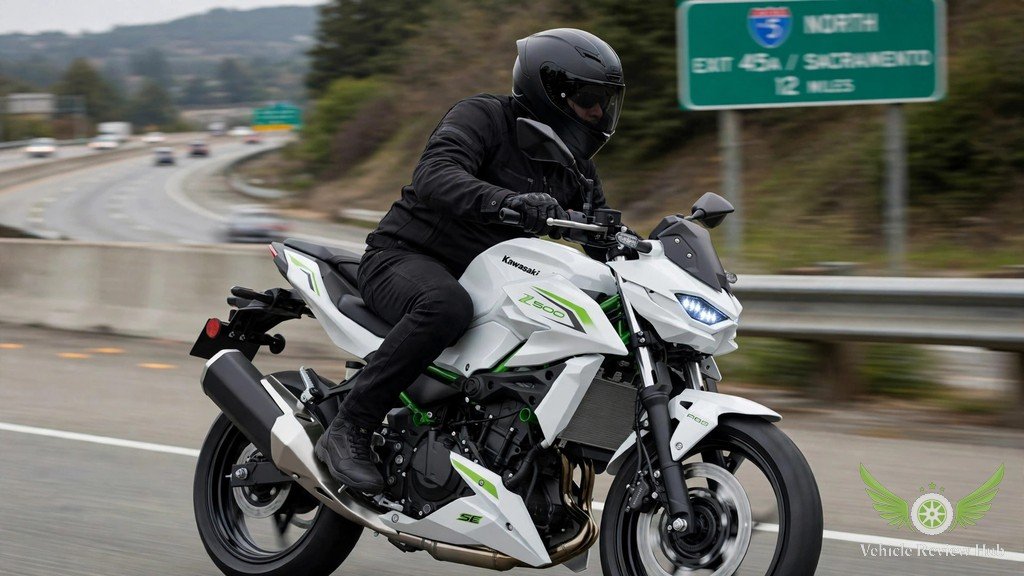
Top speed and acceleration are where this Kawasaki Z500 SE performance guide has the least to work with: no timed 0–60 mph run exists anywhere for either trim, no quarter-mile time exists, and no measured US top speed exists. What exists is a pair of TopSpeed estimates that disagree with each other, one measured roll-on from the faired Ninja 500, and a table figure from the UK bike.
Two TopSpeed Numbers Conflict
TopSpeed’s 4.5 seconds is a guess — and its two articles disagree, which is the whole point of this heading in the Kawasaki Z500 SE performance guide. TopSpeed’s newer article says “0 to 60 mph: Approximately 4.5 seconds”, while TopSpeed’s 2024 ride review says “0-60 mph 4.8 seconds (est.)”. Both are estimates from the same outlet, and they disagree with each other by three tenths of a second. TopSpeed estimates 98 mph, and MCN’s spec table lists 110 mph — the UK A2 bike’s table figure, not a measured US run. Never print either as a measured top speed. The aggregator figures are worse and are not printed here at all: they come from motolibrary, a standing never-cite aggregator, and the other belongs to the old 1987–2009 EX500, a different bike entirely.
Nothing Timed or Measured
The only measured acceleration figure on this platform is a roll-on, not a launch, and this Kawasaki Z500 SE performance guide keeps that distinction in the same sentence: Chase on Two Wheels measured a 40–80 mph roll-on in 3rd gear in 5.43 seconds — on the Ninja 500, not the Z500 — and a roll-on is not a 0–60. The roll-on tells you something real about the twin’s midrange pull, but it is not a Z500 SE time and it is not a standing-start figure. Everything else about the SE’s acceleration in this Kawasaki Z500 SE performance guide is tester impression rather than a clock: RevZilla notes the bike shifts by 30 mph into second, 45 mph into third and 60 mph into fourth, with the revs hovering around 8,000 rpm before each upshift, and Cycle News says the SE “hums along comfortably at 70 mph in sixth gear, and you can still accelerate from there.”
| Claim | Figure | Status |
|---|---|---|
| 0–60 mph (TopSpeed, newer article) | 4.5 seconds | Estimate — not measured |
| 0–60 mph (TopSpeed, 2024 ride review) | 4.8 seconds | Estimate — conflicts with 4.5 s |
| 40–80 mph roll-on, 3rd gear (Ninja 500, Chase on Two Wheels) | 5.43 seconds | Measured — Ninja 500, not the Z500 |
| Top speed (TopSpeed) | 98 mph | Estimate — not measured |
| Top speed (MCN spec table) | 110 mph | UK A2 bike’s table figure — not a US run |
| Quarter-mile | No time exists | Not measured for either trim |
Note: This Kawasaki Z500 SE performance table lists every acceleration and top-speed figure that exists for the bike, with each one labelled as an estimate, a sibling-bike measurement or a table figure. No timed 0–60 run and no measured US top speed exists for the Z500 SE or the base Z500.
Kawasaki Z500 SE Mileage and Fuel Economy
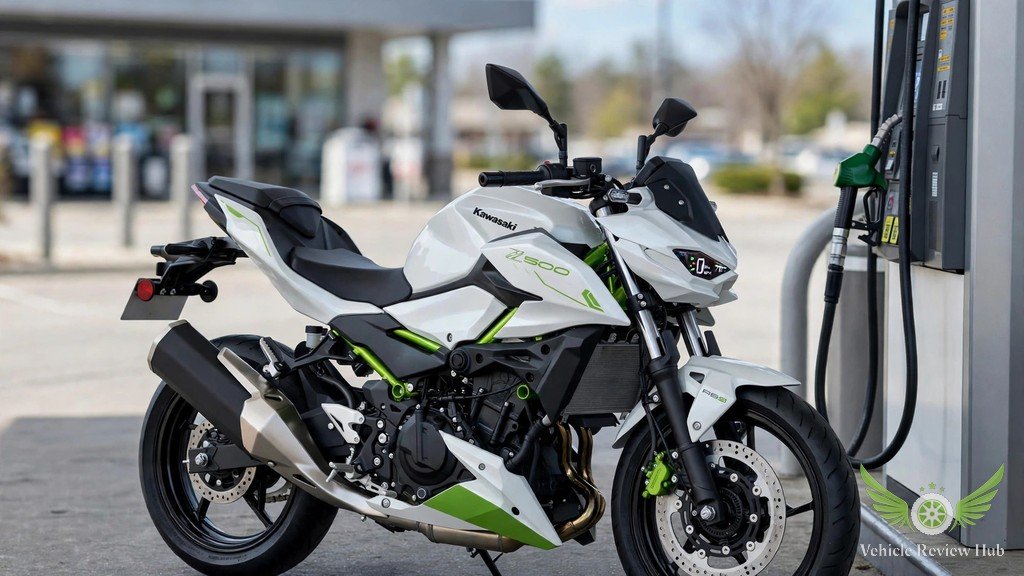
Mileage is the third blank in this Kawasaki Z500 SE performance guide, and it is blank for the same reason as the dyno and the stopwatch: Kawasaki publishes no MPG figure for the Z500 SE, and no measured US MPG exists for the Z itself.
No Measured MPG Exists
No measured US MPG exists for the Z500 SE itself, and this Kawasaki Z500 SE performance guide will not print an owner-forum average as a tested figure. The platform data is the Ninja 500’s WMTC lab figure of 62.0 mpg, from TotalMotorcycle’s fuel-economy guide — a lab figure, not a road measurement — and it gives a 229-mile range from the 3.7-gallon tank (62 × 3.7 = 229.4). The one real road measurement on the platform is Chase on Two Wheels’ 54 mpg on a 222-mile mountain day on the Ninja 500 — one rider, one day, not an average, and on the faired sibling, not the naked Z. A dealer listing for a used 2024 Z500 ABS quotes an owner seeing “52–63.6 MPG” — an owner claim on a dealer ad, not a test, and this Kawasaki Z500 SE performance guide prints it only as that. The owner MPG band “50–54” is not verified either — no Fuelly page exists, and Indian reports split between 49.4 mpg and 61 mpg — so no band is printed as a fact. And TopSpeed’s claimed-MPG figure in another article is arithmetically wrong — multiply it by the 3.7-gallon tank and you get 274 miles, not the 229-mile range the same article prints — so it is never printed here as a fact.
Kawasaki Publishes No Figure
Kawasaki publishes no MPG figure for the Z500 SE — no figure appears on any spec sheet from 2024 to 2027 — and that absence is itself the answer in this Kawasaki Z500 SE performance guide. The Economical Riding Indicator on the dash (the Eco light, standard on both trims) is the only fuel-economy help the bike offers: it lights up when you are riding economically, but it measures nothing and reports no number. So the honest mileage story is short: a 229-mile theoretical range, one measured Ninja 500 day at 54 mpg, and everything else an owner anecdote. The full Kawasaki Z500 SE reliability guide covers the service schedule and the running costs that sit behind the fuel bill.
| Figure | Value | Source and status |
|---|---|---|
| WMTC lab economy (Ninja 500 platform) | 62.0 mpg | TotalMotorcycle guide — lab figure, not a road test |
| Range from WMTC figure | 229 miles | 62.0 mpg × 3.7 gal tank — calculated, not measured |
| Measured day (Ninja 500, Chase on Two Wheels) | 54 mpg | One rider, one 222-mile mountain day — not an average |
| Owner claim (dealer listing, used 2024 Z500 ABS) | 52–63.6 mpg | Owner anecdote on a dealer ad — not a test |
Note: This Kawasaki Z500 SE performance mileage table prints only figures with a named source and a status label. Kawasaki publishes no MPG figure for the Z500 SE, and no measured US MPG exists for the Z itself — the WMTC and Chase figures are platform data from the Ninja 500.
Kawasaki Z500 SE Real-World Riding Experience
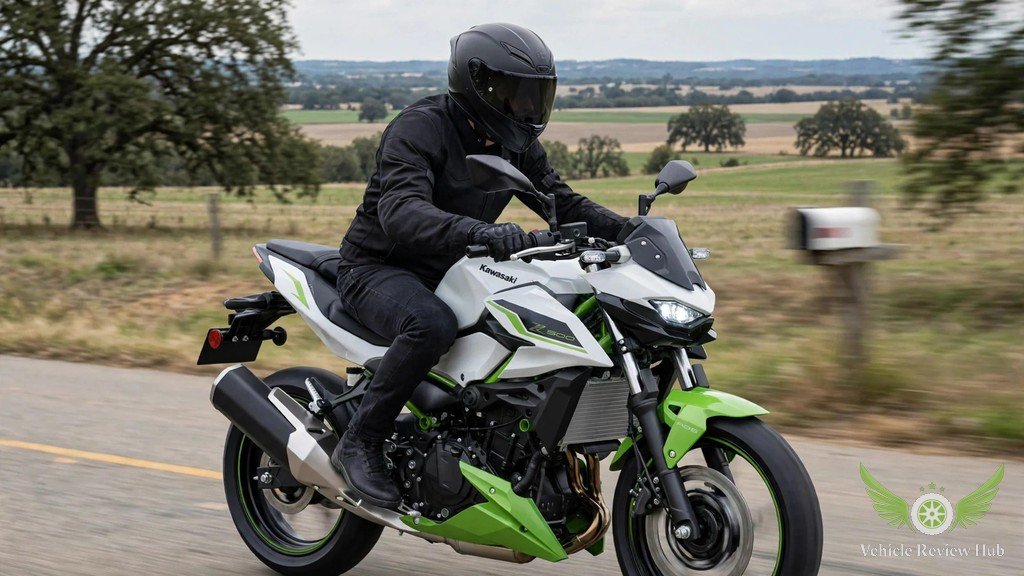
The stopwatch and the dyno are blank, but the ride itself is well documented in this Kawasaki Z500 SE performance guide — because every major outlet tested the SE at the San Diego launch. RevZilla notes that Kawasaki “assigned every attendee to an SE unit”, so the impressions below are SE impressions: an upright, light, approachable naked with a willing twin, a very light clutch and a buzz past 6,500 rpm.
The Riding Experience Buyers Actually Talk About
The riding experience buyers actually talk about starts with the engine’s willingness, and this Kawasaki Z500 SE performance guide draws it from the SE tests. The 451cc twin pulls cleanly from low revs and holds highway speed in sixth: Cycle News says the SE “hums along comfortably at 70 mph in sixth gear, and you can still accelerate from there.” The six-speed gearbox is slick and simple, and the assist and slipper clutch is very light: Motorcycle.com says the lever needs “forearms of a six-year-old”, and MCN calls it “one of the lightest I’ve tested”. RevZilla’s shift points give the rhythm: second by 30 mph, third by 45 mph, fourth by 60 mph, revs near 8,000 rpm before each upshift. The 30.9-inch seat and upright bars suit tall riders too: Cycle News’s 6-foot-1 tester found it comfortable, with no cramped knees. Two nits recur: RevZilla found the throttle “laggy and snatchy under 3,000 rpm”, and the exhaust heat shield crowds the right footpeg while the mirrors vibrate at speed. TopSpeed, which rode its SE daily for a week, found the six-speed “feels too short on the highway” — gearing set for town and back roads, not long motorway stretches.
App Caught Only 28 Minutes
The Rideology app is on both dashes, so the SE does not buy you the app — the base bike’s full-LCD instrumentation already connects to a smartphone through RIDEOLOGY THE APP over Bluetooth. What the app does not do reliably is pair and log, and this Kawasaki Z500 SE performance guide reports the flaws with both sources named. Motorcycle.com’s tester wrote that “it took some help from a few Kawasaki reps to get it paired via Bluetooth, and though I tried to track and log my ride the app only caught 28 minutes of the excursion.” SlashGear’s 2024 Z500 piece reports that “the app suffers from reliability issues, and has a 1.8 star average on Google’s Play Store” — as of SlashGear’s 2024 piece. The problem is a phone-app issue, not a dash failure: Motorcycle.com scored the instruments 5 out of 5. Buy the SE for the TFT screen itself, not for the app behind it.
Kawasaki Z500 SE Handling, Braking and Stability
Handling is where the SE’s hardware shows its limits in this Kawasaki Z500 SE performance guide: the same 41 mm non-adjustable fork and single 310 mm front disc as the base bike, on a 370.4 lb naked with a 54.1-inch wheelbase. Reviewers call the handling predictable and friendly and the brakes capable with a soft initial bite. Nothing here is a defect, but the hardware gap against the Hornet and the Duke is real, and this section names it.

Buzz Past 6,500 rpm
The buzz past 6,500 rpm is the most-reported performance trait of the Z500 SE, verified by three outlets, and this Kawasaki Z500 SE performance guide gives each one its own line. Motorcycle.com’s SE first ride says “It does get buzzy above the 6,500 RPM mark, particularly in the seat.” Ultimate Motorcycling reports “a high-frequency buzz is introduced into the grips, pegs, and seat when cruising at 60 mph or so.” Rider Magazine and MCN note vibrations above around 7,000 rpm but not bad enough to be a problem. The buzz is a comfort observation, not a reliability defect — and it arrives at the same revs where the engine does its best work. At 70 mph in sixth the tachometer reads less than 6,500 rpm, so the bike sits just under the buzz on the freeway. That is the buzz verdict of this Kawasaki Z500 SE performance guide: noticeable, not a deal-breaker. The base Z500 performance guide reports the same buzz on the same engine, because the SE changes nothing mechanical.
Handling, Braking and Stability on Real Roads
Handling, braking and stability on real roads are the SE’s friendly side, and this Kawasaki Z500 SE performance guide keeps the praise and the limits together. The trellis frame, 24.5-degree rake and 54.1-inch wheelbase make a bike that tips into corners predictably — MCN calls it approachable for newer riders — and Cycle News’s tester found “a firm but comfy ride, and the fork had excellent feedback.” Neither the 41 mm fork nor the rear shock is adjustable except the shock’s five-way preload, and the stock suspension runs soft for heavier riders. The brakes earn praise with limits: MCN says “the initial bite and feedback from the front brake lever… the way this bike slows down feels streets ahead of Honda’s CB500 Hornet”, and Ultimate Motorcycling calls them “capable and friendly… soft initial bite and a slightly progressive feel… easy braking most of the time, with good power if you apply more pressure.” Bennetts is the dissenting voice — it calls the single disc “adequate for this light bike”, lists “Braking performance” as a con, and notes the rear brake can trigger ABS early with a pillion aboard. Rider aids are ABS and the Economical Riding Indicator only: no traction control, no ride modes, no IMU, no cornering ABS and no quickshifter.
Kawasaki Z500 SE Performance Compared With Other Sport Bikes
The SE’s 51.0 hp is the strongest claimed figure in its group in this Kawasaki Z500 SE performance guide, its 370.4 lb curb weight the lightest of the twins, and its hardware — 41 mm non-adjustable fork, single 310 mm front disc — the simplest. The base Z500 is the same bike without the kit, the Hornet brings better forks and brakes for $650 less delivered, and the Duke brings more tech for $675 less.

Kawasaki Z500 SE vs Kawasaki Z500 ABS
The SE against the base ABS is the shortest comparison in this Kawasaki Z500 SE performance guide, because the two bikes are mechanically identical: the same 451cc twin, the same 51.0 hp and 31.7 lb-ft, the same 41 mm fork, the same single-disc brakes, the same 30.9-inch seat, the same 54.1-inch wheelbase, the same 3.7-gallon tank and the same 12-month warranty. The SE is exactly 4.4 lb heavier (370.4 lb curb against 366.0 lb) and 1.8 inches taller (43.3 in against 41.5 in) because of the taller fly screen. The full Kawasaki Z500 SE comparison puts the $7,149 delivered SE against the base Z500, the Hornet and the Duke on price, forks and brakes, and its case in this Kawasaki Z500 SE performance guide is the TFT and the kit, not speed.
Is the Kawasaki Z500 SE Suitable for Beginner Riders?
Yes — and this Kawasaki Z500 SE performance guide says so on the evidence, not on a slogan. Kawasaki surveyed Z400 buyers and found 60 percent had one year or less of riding experience — the Z500 SE is pitched squarely at that first-or-second-bike buyer. The case is the hardware, not the marketing: a 30.9-inch seat that lets most riders flat-foot it, a 370.4 lb curb weight that is easy to manage at parking speeds, a very light clutch, predictable handling and an upright riding position with wide bars. MCN calls it “an approachable bike that will work with newer riders, tipping into corners predictably.” The caveats: the throttle is snatchy under 3,000 rpm, the engine buzzes past 6,500 rpm, and there is no traction control or ride mode — the only rider aid is ABS. A beginner gets a friendly bike with honest limits: no quickshifter, no rider modes, and a buzz that arrives exactly where a new rider starts to feel fast.
| Bike | Engine | Claimed power | Seat | Curb weight | Delivered |
|---|---|---|---|---|---|
| Kawasaki Z500 SE ABS (2027) | 451cc twin | 51.0 hp @ 10,000 | 30.9 in | 370.4 lb | $7,149 |
| Kawasaki Z500 ABS (2027) | 451cc twin | 51.0 hp @ 10,000 | 30.9 in | 366.0 lb | $6,449 |
| Honda CB500 Hornet (2026) | 471cc twin | 47 hp (EU rating) | 31.1 in | 414 lb | $6,499 |
| KTM 390 Duke (2024/2025) | 399cc single | 44.25 hp | 32.3 / 31.5 in | 363.8 lb w/o fuel | $6,474 |
Note: This Kawasaki Z500 SE performance comparison table uses claimed figures only — no timed runs exist for these four bikes on the same day. The Hornet’s 47 hp is the EU/global rating (Honda USA publishes no horsepower figure), the Duke’s 363.8 lb is without fuel, and the SE is the most expensive bike in the group delivered at $7,149.
Kawasaki Z500 SE Performance: Frequently Asked Questions
These are the questions buyers ask most in this Kawasaki Z500 SE performance guide — and the answers stay honest about what is measured and what is not.
Has anyone dyno-tested the Kawasaki Z500 SE?
No. No Z500 dyno exists for either trim, and this Kawasaki Z500 SE performance guide prints no rear-wheel figure as the SE’s own. The only platform dyno is Cycle World’s 47.22 hp run on the Eliminator SE, which shares the same 451cc engine but is a different bike with different gearing and exhaust.
What is the Kawasaki Z500 SE’s 0–60 mph time?
No timed run exists anywhere, and this Kawasaki Z500 SE performance guide will not invent one. TopSpeed’s 4.5 seconds is an estimate, not a measurement — and its own earlier article estimated 4.8 seconds, so the two TopSpeed estimates disagree with each other.
What is the Kawasaki Z500 SE’s top speed?
No measured US figure exists. TopSpeed estimates 98 mph, and MCN’s 110 mph is the UK A2 bike’s table figure, not a US run — and this Kawasaki Z500 SE performance guide never prints the aggregator figure, which comes from a standing never-cite source.
What MPG does the Kawasaki Z500 SE get?
No measured US MPG exists for the Z itself. The platform’s WMTC lab figure is 62.0 mpg, a 229-mile range from the 3.7-gallon tank, and this Kawasaki Z500 SE performance guide labels it as platform lab data, not a Z500 measurement. One measured Ninja 500 day returned 54 mpg.
What is wrong with the Z500 SE’s Rideology app?
Motorcycle.com’s tester needed Kawasaki reps’ help to pair it by Bluetooth, and the app logged only 28 minutes of the ride. SlashGear reports the app has a 1.8-star average on Google Play, and this Kawasaki Z500 SE performance guide notes the problem is a phone-app issue, not a dash failure.
Does the Z500 SE engine buzz at highway speed?
Yes — reviewers report a high-frequency buzz in the grips, pegs and seat above 6,500 rpm, around 60 mph, though it is not bad enough to spoil the ride, and this Kawasaki Z500 SE performance guide notes the bike sits just under the buzz at 70 mph in sixth gear.