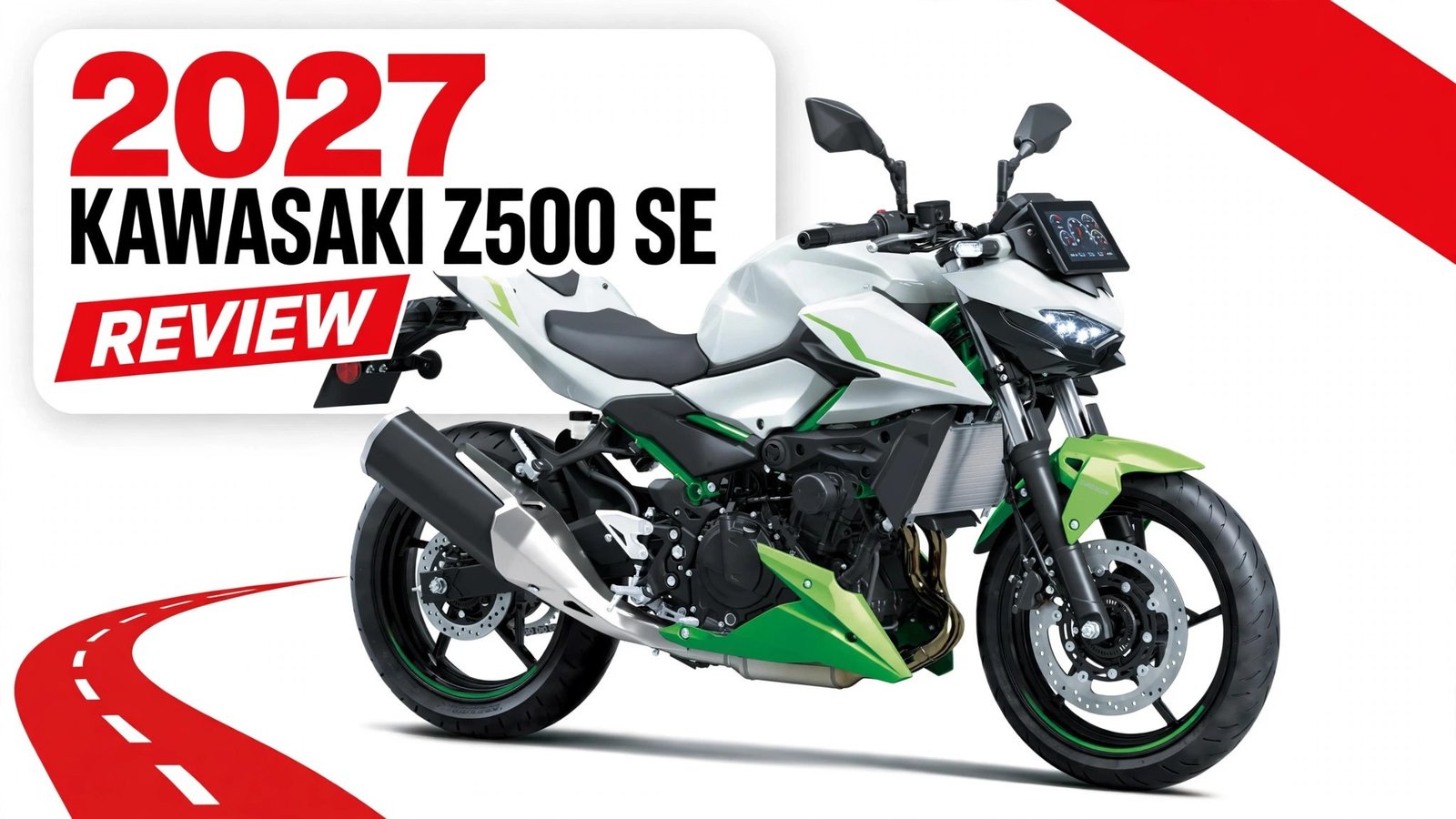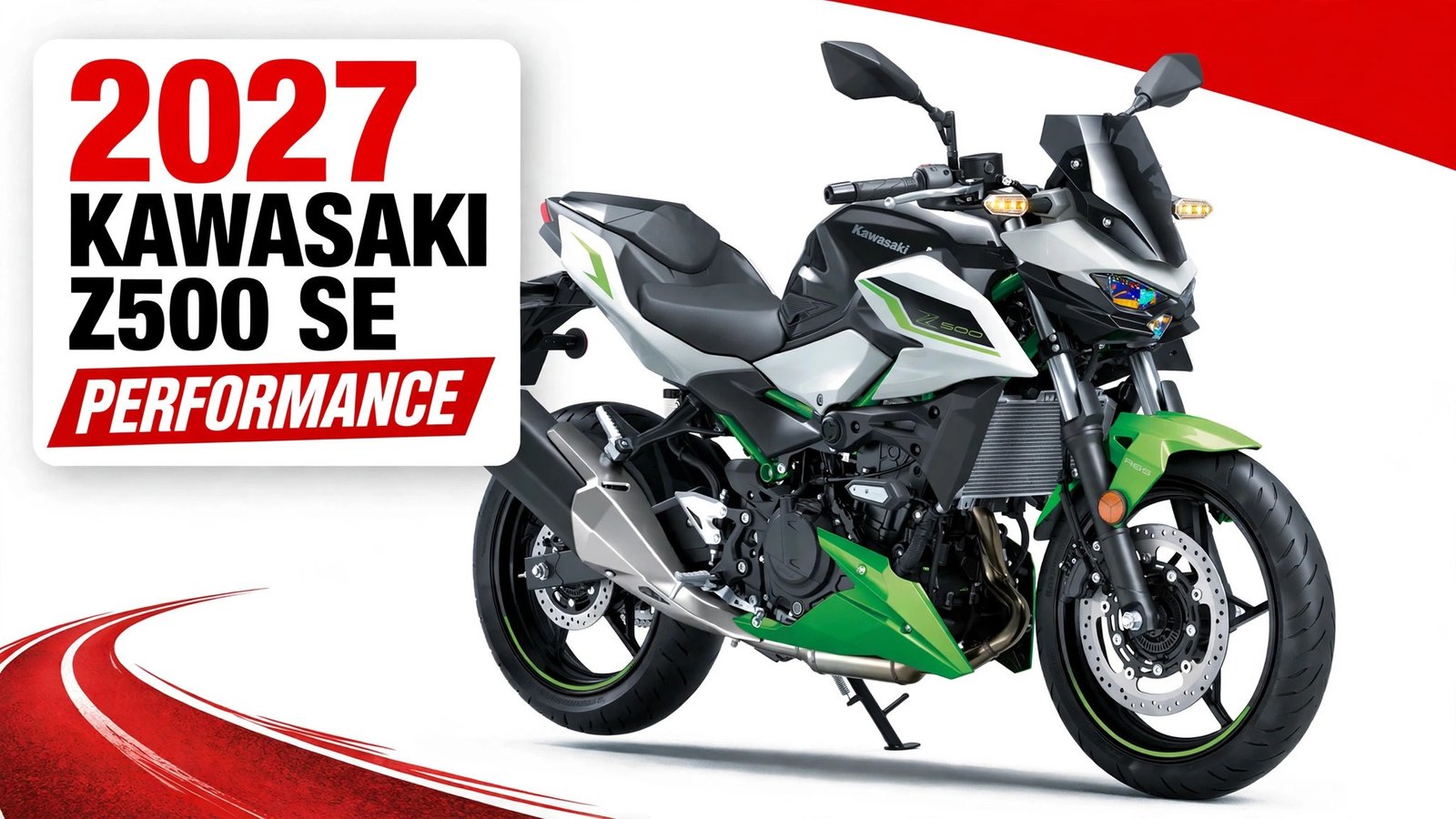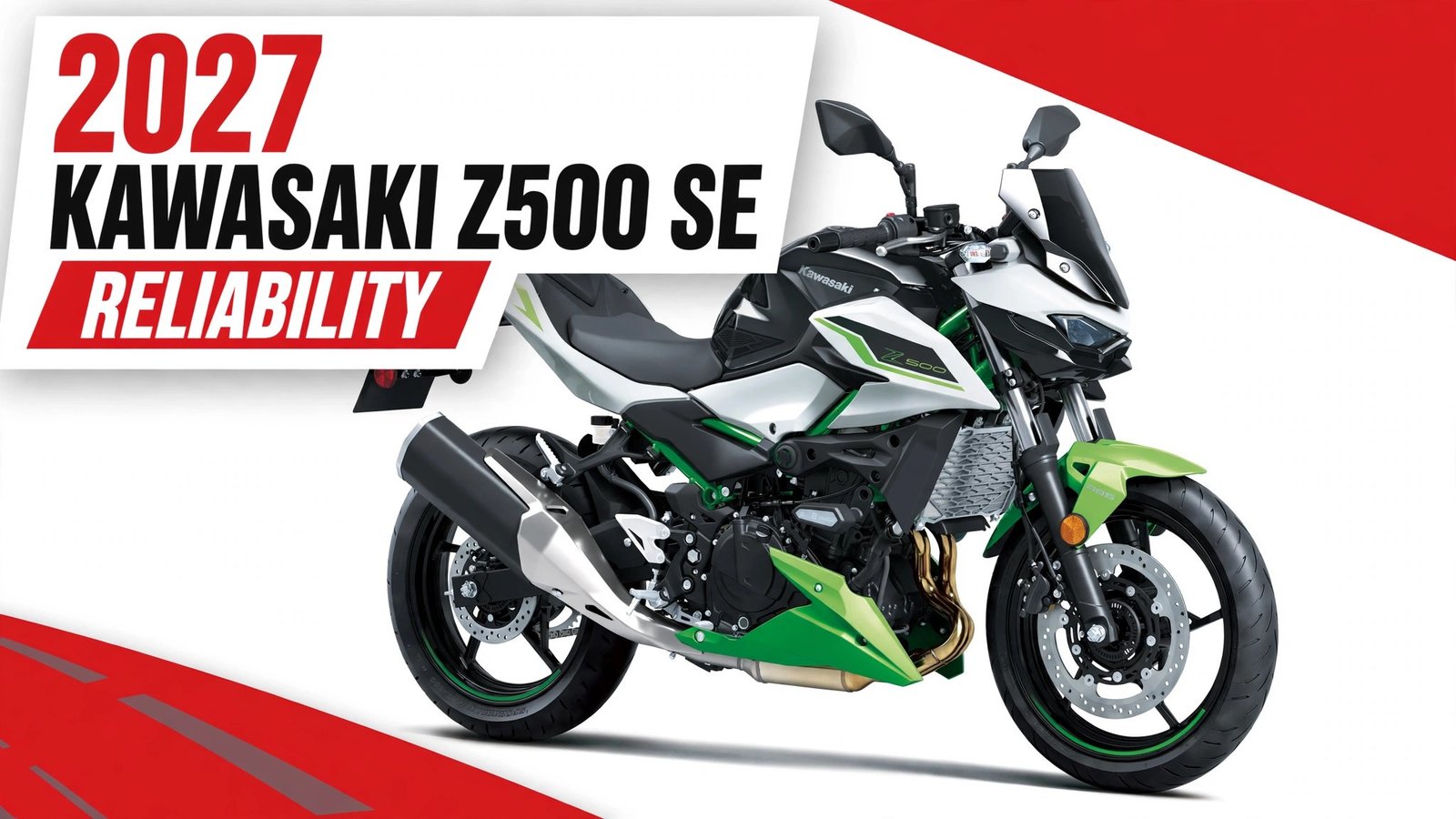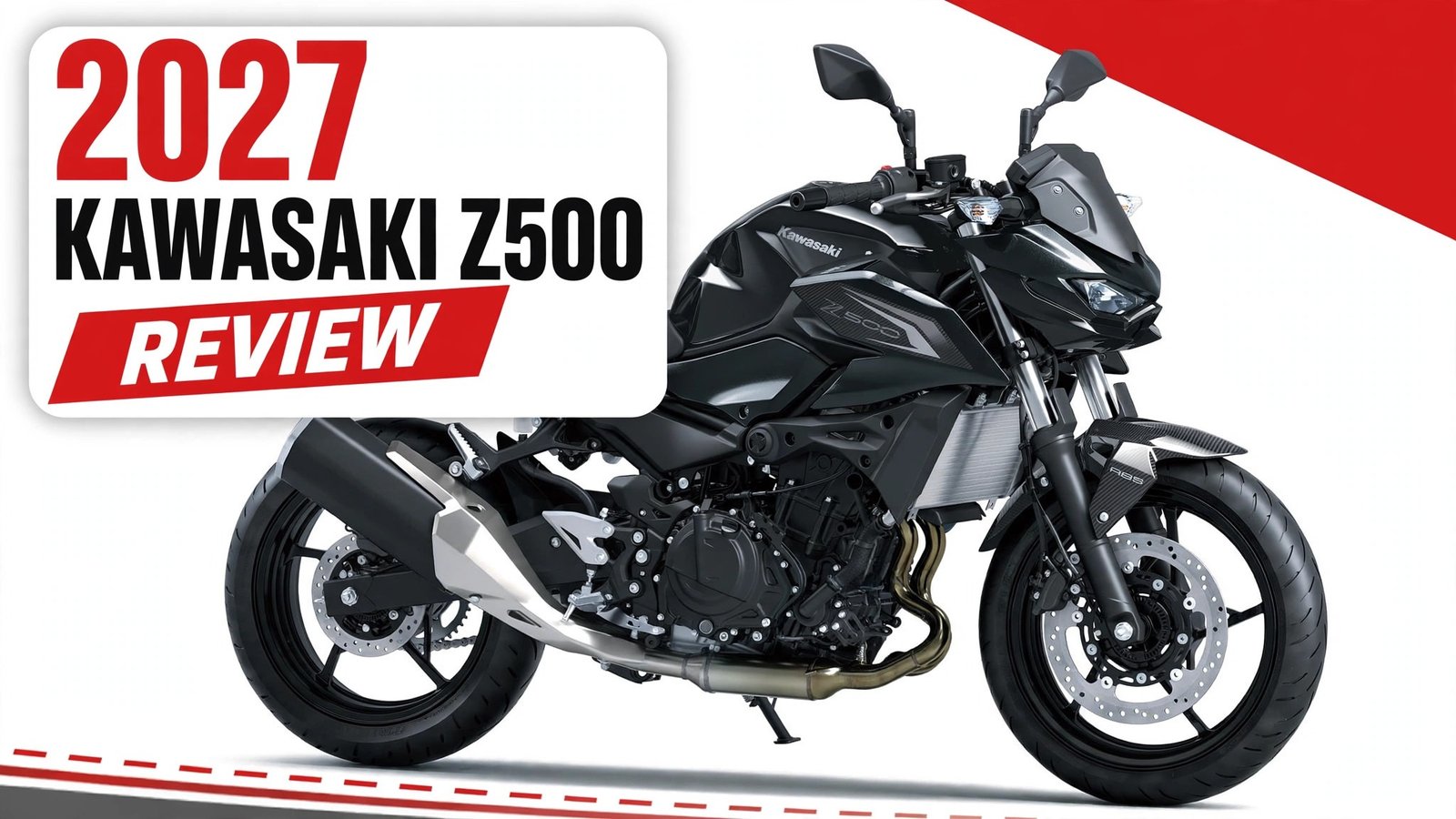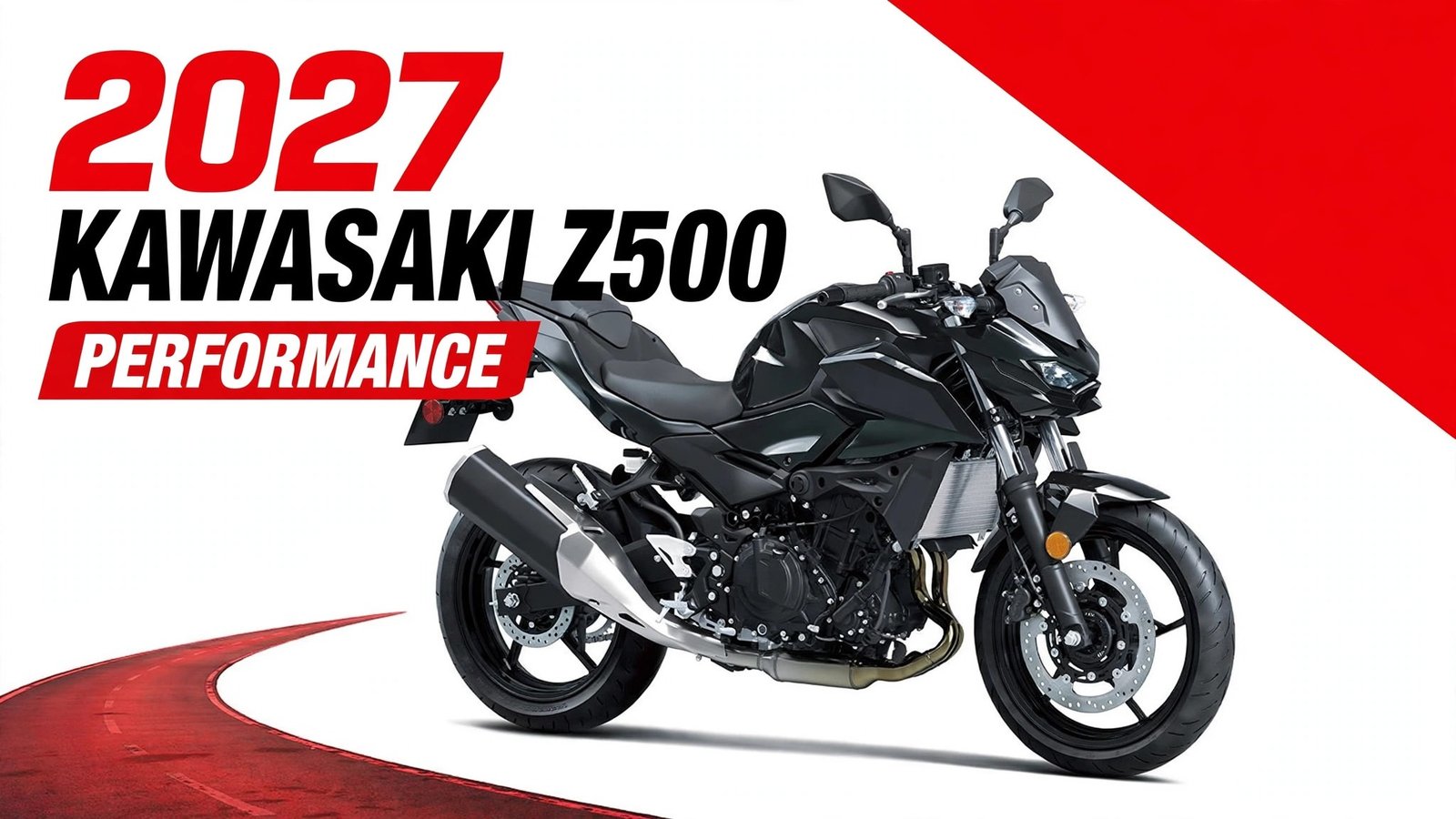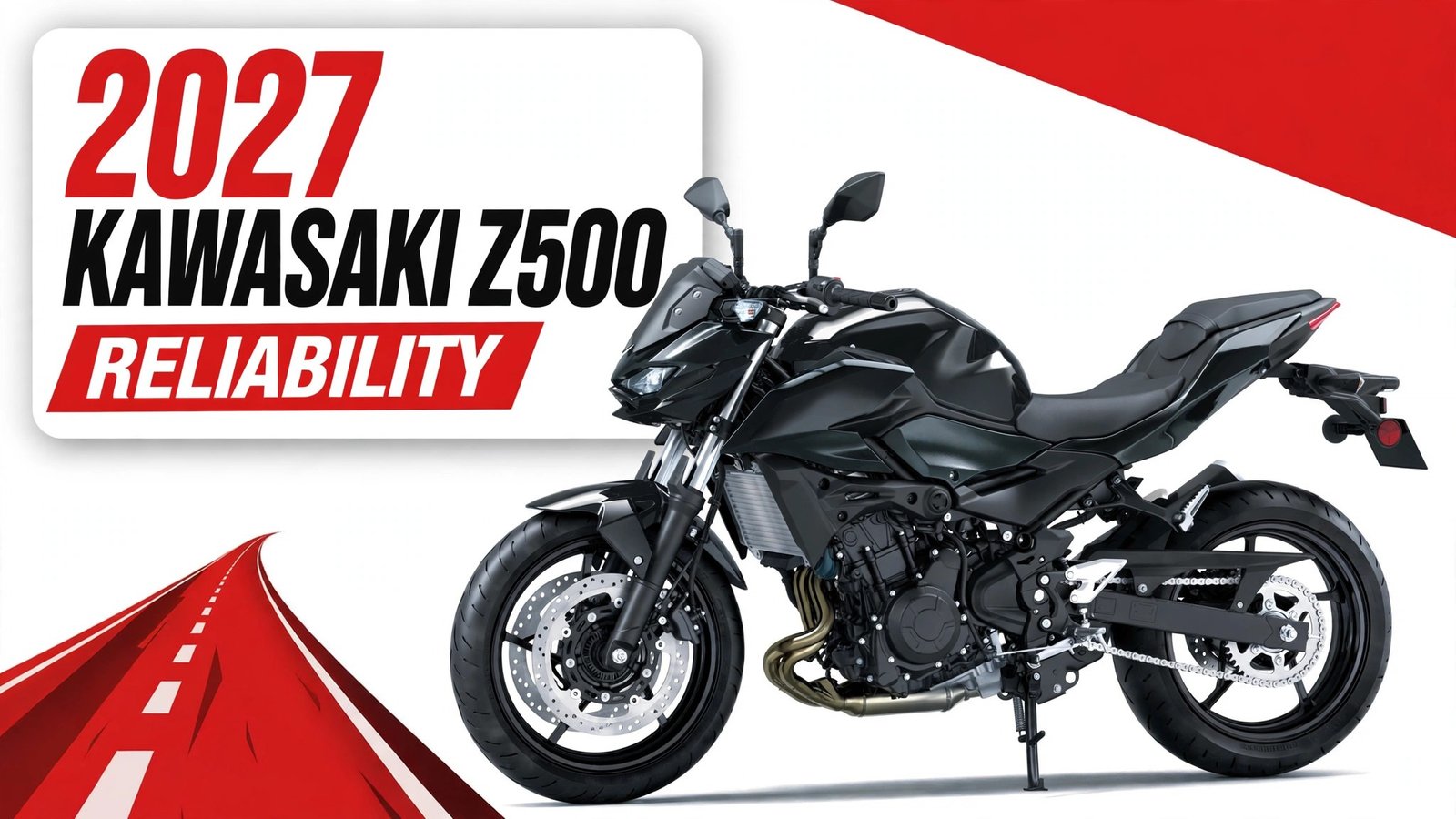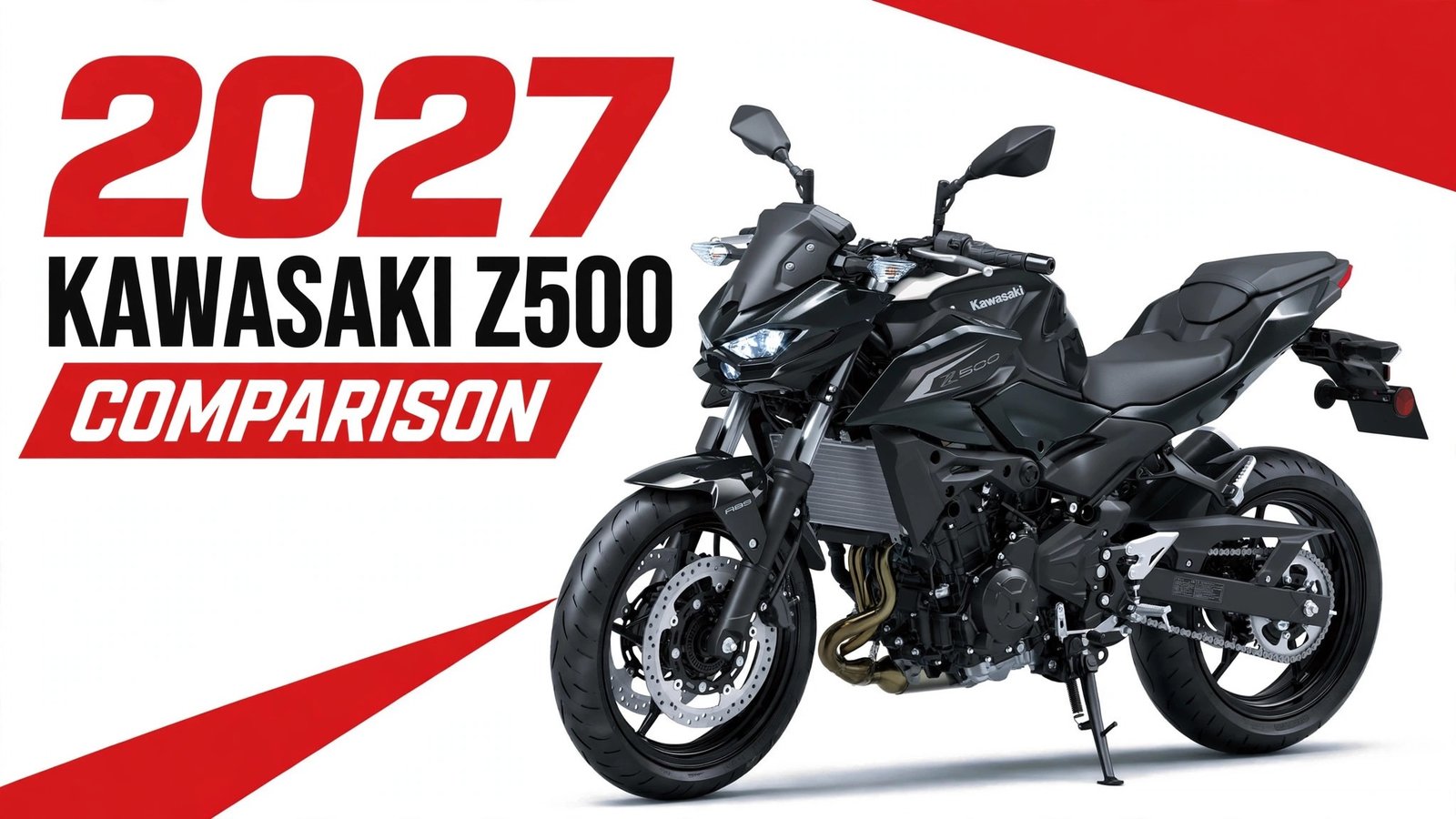
The Kawasaki Z500 SE costs $7,149 delivered for 2027, which makes it the most expensive bike in its own group — $700 over the base Z500, $650 over the Honda CB500 Hornet and $675 over the KTM 390 Duke. This Kawasaki Z500 SE comparison answers the only question that price raises: does the $700 SE kit buy anything the rivals do not already give you for less? The short answer: the premium buys a TFT dash and a trim kit — not speed, not better forks, not better brakes. The SE is mechanically identical to the base Z500, and both rivals beat it on hardware while costing less.
That does not make the SE a bad buy. It makes it a narrow buy, and the sections below work through it honestly. Every price below is delivered, with the destination charge named, and every performance figure in this Kawasaki Z500 SE comparison is labelled claimed, estimated or measured — this bike has no dyno run, no timed run and no measured US top speed of its own.
Kawasaki Z500 SE Overview and Its Closest Rivals
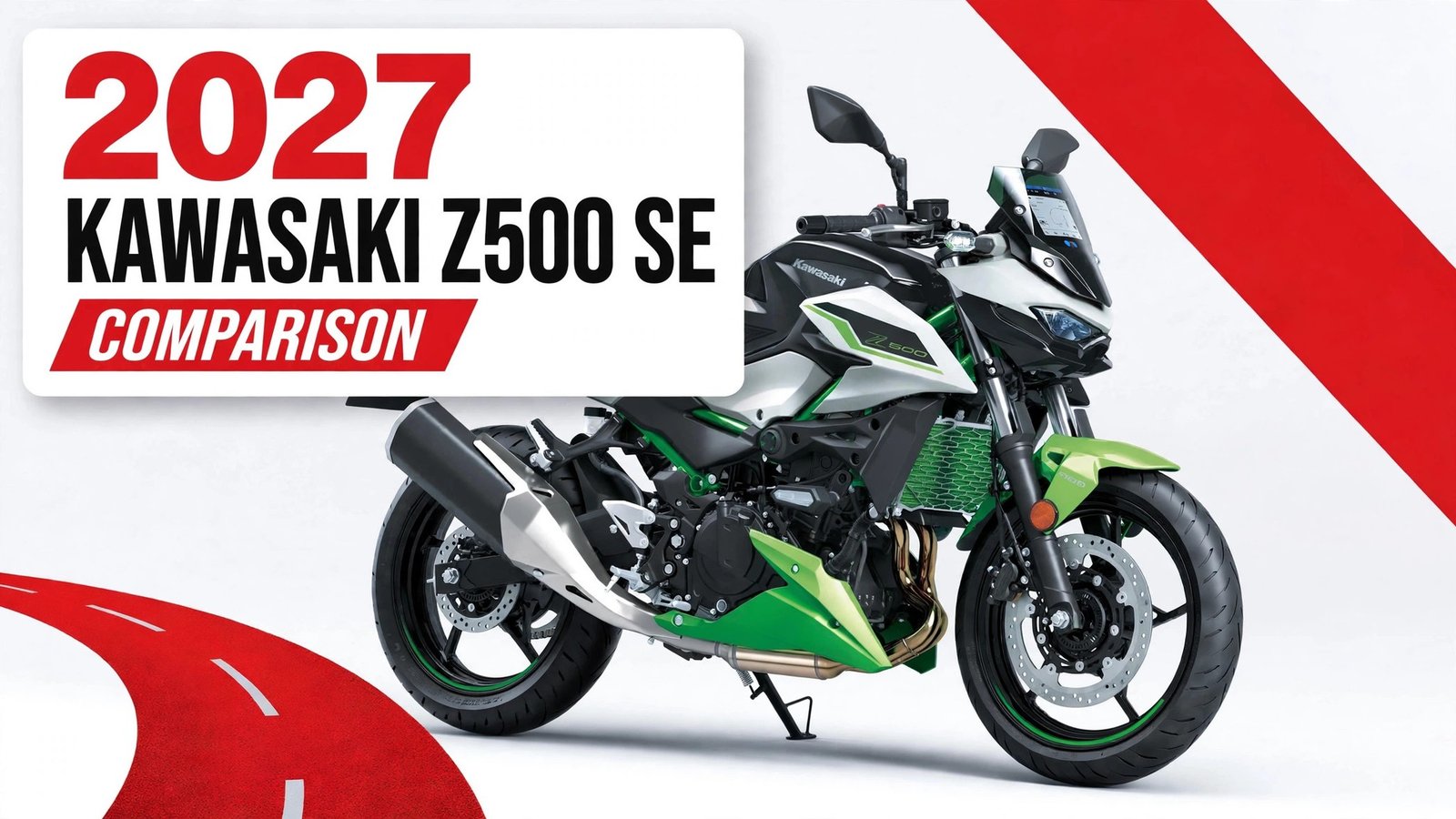
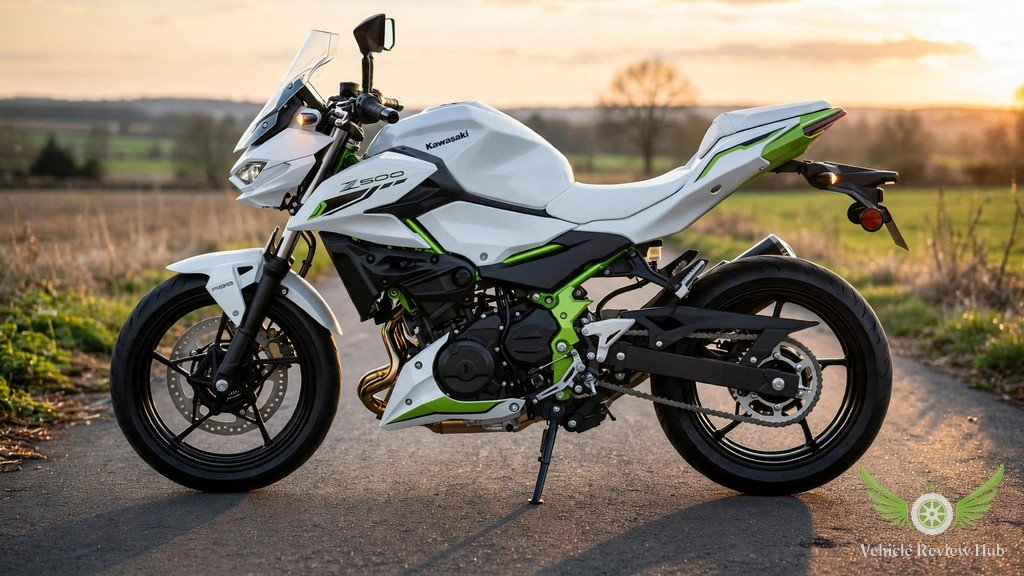
The SE is the up-spec trim of Kawasaki’s 451cc naked twin — same bike, plus a kit, and this Kawasaki Z500 SE comparison starts by naming what the $700 buys. The base Z500 ABS and the SE ABS share the engine, trellis frame, 41 mm fork, single 310 mm front disc, 30.9-inch seat and 12-month warranty. The SE adds a 4.3-inch full-colour TFT dash, a USB-C outlet, LED turn signals, a smoke-tinted meter cover, a radiator screen, frame sliders, a rear-seat cowl, a tank pad, knee pads, an under cowl and a taller fly screen. It is exactly 4.4 lb heavier and 1.8 inches taller because of that screen, and nothing else changes.
Premium Fair, Hardware Lags
The premium is fair on the parts alone, and this Kawasaki Z500 SE comparison says so before it says anything harsher. Motorcycle.com’s SE first ride puts the kit at “over $1,000 worth of accessories”, RevZilla’s SE first ride says fitting the same parts to a base bike “would cost more than the $700 difference”, and Rider Magazine and MCN both figure the SE saves “a few hundred dollars” against accessorizing the standard bike. No itemized parts list could be assembled, so the outlets are cited and no total is invented. The hardware underneath does not change, and this Kawasaki Z500 SE comparison names it plainly: the SE keeps the base bike’s 41 mm non-adjustable fork and single front disc while the Hornet brings a 41 mm inverted Showa SFF-BP fork with dual 296 mm front discs and the Duke brings a 43 mm WP APEX inverted fork with a 320 mm front disc. The $700 buys the screen and the trim. It buys no fork and no brake.
How the Four Bikes Differ at a Glance
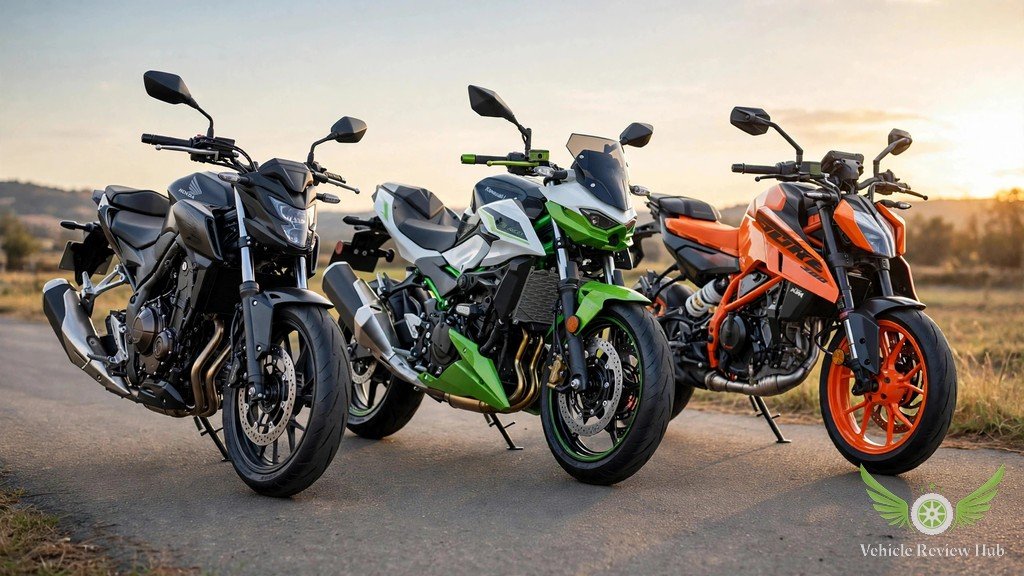
The four-bike glance below is the whole argument of this Kawasaki Z500 SE comparison in one table, and it keeps it to delivered prices and claimed figures only. The Hornet is the heaviest at 414 lb but the cheapest twin to buy after the base bike, and the Duke is the lightest bike in the group and the most tech-heavy, with ride-by-wire and a 5-inch TFT as standard.
| Bike | Engine | Claimed power | Seat | Curb weight | Delivered |
|---|---|---|---|---|---|
| Kawasaki Z500 SE ABS (2027) | 451cc twin | 51.0 hp @ 10,000 | 30.9 in | 370.4 lb | $7,149 |
| Kawasaki Z500 ABS (2027) | 451cc twin | 51.0 hp @ 10,000 | 30.9 in | 366.0 lb | $6,449 |
| Honda CB500 Hornet (2026) | 471cc twin | 47 hp (EU rating) | 31.1 in | 414 lb | $6,499 |
| KTM 390 Duke (2024/2025) | 399cc single | 44.25 hp | 32.3 / 31.5 in | 363.8 lb w/o fuel | $6,474 |
Note: This Kawasaki Z500 SE comparison table uses claimed figures only — no timed runs exist for these four bikes on the same day. The Hornet’s 47 hp is the EU/global rating (Honda USA publishes no horsepower figure), the Duke’s 363.8 lb is without fuel, and the SE is the most expensive bike in the group delivered at $7,149.
Kawasaki Z500 SE vs Kawasaki Z500 ABS
The base bike is the SE’s first rival and its easiest one to judge, because this Kawasaki Z500 SE comparison is comparing one bike with itself plus a kit. The 2027 base Z500 ABS costs $5,799 plus a $650 destination charge, $6,449 delivered, against the SE’s $6,499 plus $650, $7,149 delivered. The $700 gap has been the same every year since 2024 in this Kawasaki Z500 SE comparison, and the hardware gap has been zero every year since 2024. No dyno run of either trim exists. The only measured platform figure is Cycle World’s Eliminator SE dyno, 47.22 hp at 10,430 rpm — the Eliminator cruiser’s run, not a Z500 figure.

Engine, Specs and Performance Side by Side
Side by side, the two bikes are the same machine, and this Kawasaki Z500 SE comparison prints the sameness plainly. Both carry the 451cc twin (51.0 hp / 31.7 lb-ft), the six-speed with assist and slipper clutch, the 41 mm fork, the single 310 mm front disc, the 30.9-inch seat, the 54.1-inch wheelbase, the 3.7-gallon tank and the 12-month warranty. The kit’s only mechanical differences: 4.4 lb more curb weight (370.4 lb against 366.0 lb) and 1.8 inches more height (43.3 in against 41.5 in) from the taller fly screen. The rake and trail are 24.5 degrees and 3.6 inches on both bikes, on every spec sheet, in every model year.
TFLbike put the two bikes side by side in its 2024 base-versus-SE video, and this Kawasaki Z500 SE comparison recommends watching it before choosing a trim — it is a comparison and buying guide, not a full road test, and it shows exactly how small the visible difference is between the two bikes.
Price, Equipment and Which Suits Which Rider
The $700 question has a clean answer, and this Kawasaki Z500 SE comparison gives it without hedging. Buy the SE if the TFT dash, the USB-C outlet, the LED turn signals and the rest of the kit are wanted — the outlets agree the parts cost more than $700 bought separately, so the premium pays for itself on the parts alone. Buy the base if the TFT and the SE colours do not matter, because the base bike is the same ride for $700 less, and Ultimate Motorcycling’s advice is exactly that: if the accessories and colour work for you, $700 is worth it; if not, stick with the standard version and accessorize to taste. The full Kawasaki Z500 SE review works through the kit item by item, and the Kawasaki Z500 SE performance guide covers what the engine does and does not do.
Kawasaki Z500 SE vs Honda CB500 Hornet
The Hornet is the SE’s hardest rival, because this Kawasaki Z500 SE comparison has to admit the Honda wins on hardware and on price at the same time. The 2026 CB500 Hornet costs $5,899 plus a $600 destination charge, $6,499 delivered — $650 less than the SE delivered, and only $50 more than the base Z500. That price is also a $1,000 cut against the 2025 CB500F, which listed at $6,899; the two Hondas are mechanically identical apart from the name, so the cut is a real saving, not a de-contented bike.
Engine, Specs and Performance Side by Side
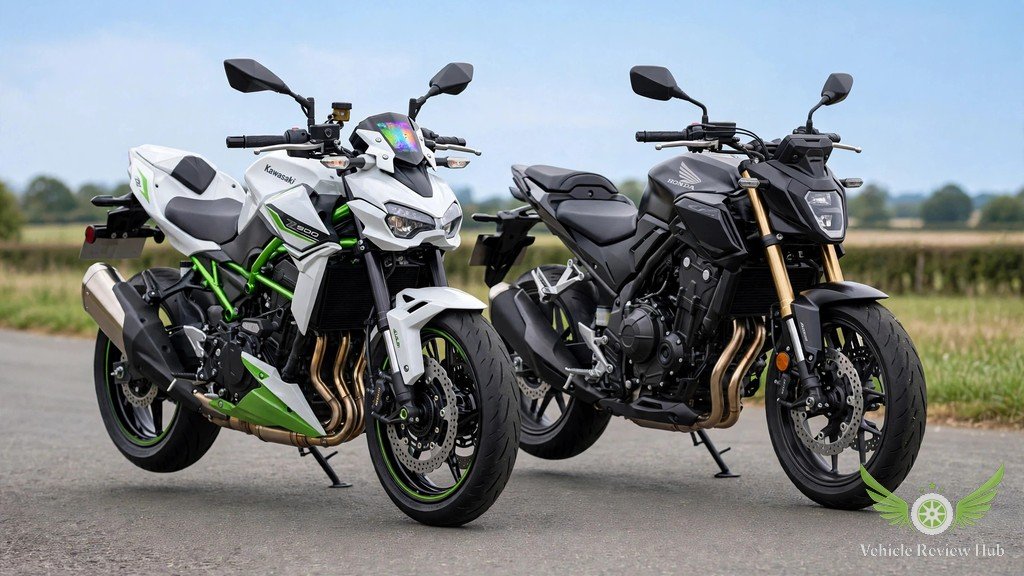
On paper the SE has the stronger engine and the Hornet has the stronger chassis, and this Kawasaki Z500 SE comparison keeps both halves of that sentence. The SE’s 451cc twin claims 51.0 hp at 10,000 rpm and 31.7 lb-ft at 7,500 rpm; the Hornet’s 471cc twin is rated 47 hp at 8,600 rpm and 32 lb-ft at 6,500 rpm on the EU/global rating — Honda USA publishes no horsepower figure at all. The chassis is where the Hornet pulls away in this Kawasaki Z500 SE comparison: a 41 mm inverted Showa SFF-BP fork against the SE’s 41 mm non-adjustable conventional fork, and dual 296 mm front discs with four-piston radial-mount calipers against the SE’s single 310 mm disc with a 2-piston caliper. MCN’s verdict on the SE’s brakes is the sharpest line in this Kawasaki Z500 SE comparison — the testers found the SE’s initial bite and feedback “streets ahead of Honda’s CB500 Hornet”. The Hornet is 43.6 lb heavier at 414 lb curb against the SE’s 370.4 lb, taller at the seat by 0.2 inches (31.1 against 30.9), and longer-legged with a 4.5-gallon tank against the SE’s 3.7 gallons. Its gauge is a digital LCD cluster, not a TFT.
Price, Equipment and Which Suits Which Rider
The choice here is hardware against screen, and this Kawasaki Z500 SE comparison frames it that way because nothing else separates the two bikes by much. Buy the Hornet for $650 less and get the inverted fork, the dual front discs, the bigger tank and the $1,000 cut already banked. Buy the SE for $650 more and get the full-colour TFT dash, the USB-C outlet, the LED turn signals and the frame sliders, on a bike that is 43.6 lb lighter and easier to manage at parking speeds. A rider who values braking and suspension over a display should take the Honda; a rider who values the TFT, the lighter weight and the lower seat should take the SE. The Hornet’s spec page confirms the $5,899 MSRP and the $600 destination charge, and Ultimate Motorcycling’s first look documents the $1,000 cut against the 2025 CB500F. Ignore one repeated figure: the Hornet’s “45.5 degrees of rake” is a typo — the rake is 25.5 degrees.
Kawasaki Z500 SE vs KTM 390 Duke
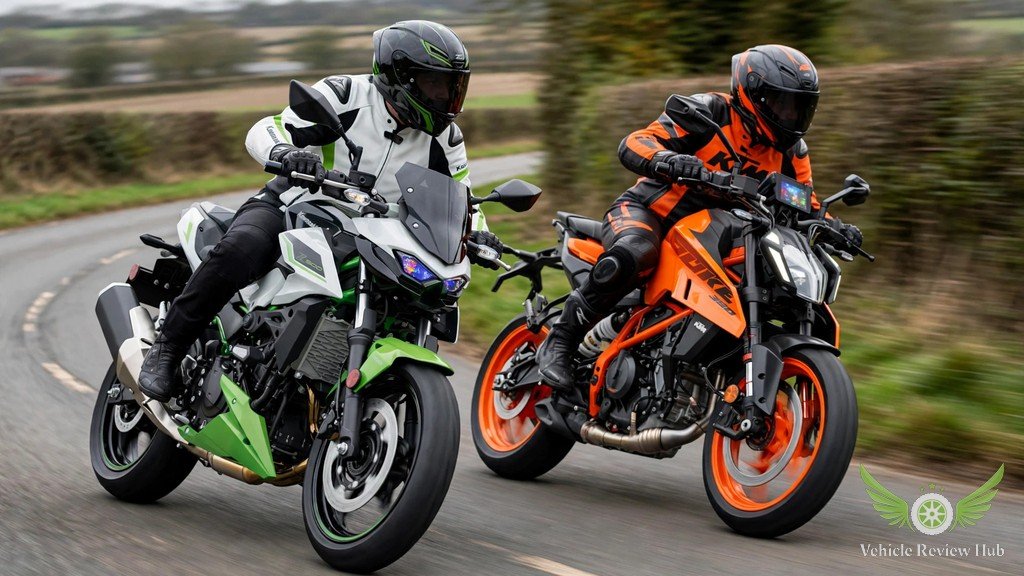
The Duke is the tech pick of the group, and this Kawasaki Z500 SE comparison has to weigh a single-cylinder’s electronics against a twin’s extra power. The 2024 and 2025 390 Duke costs $5,899 plus a $575 destination charge, $6,474 delivered — $675 less than the SE delivered. The $5,899 MSRP is verified by four independent sources, and the $6,299 figure that appears on low-quality sites is wrong. The Duke is the cheapest bike here after the base Z500, and the most equipped: ride-by-wire, a 5-inch TFT, a 43 mm WP APEX inverted fork and Bosch 9.1MP ABS with Supermoto mode all come standard.
Engine, Specs and Performance Side by Side
The engine match-up favours the Kawasaki on the numbers, and this Kawasaki Z500 SE comparison prints the gap plainly. The SE’s 451cc twin claims 51.0 hp and 31.7 lb-ft; the Duke’s 399cc LC4c single makes 44.25 hp and 28.76 lb-ft. That is 6.75 hp and just under 3 lb-ft in the SE’s favour, with no timed run to turn the paper gap into a measured one. The Duke answers with hardware the SE cannot match at any price: a 43 mm WP APEX inverted fork with 5.9 inches of travel, a 320 mm front disc with a four-piston radial caliper, ride-by-wire throttle, and a two-position seat at 32.28 or 31.49 inches — the tallest seat in the group, 1.4 inches above the SE’s 30.9 inches at its high setting. The Duke is also the lightest bike here at 363.8 lb without fuel, and it carries a 24-month warranty against the SE’s 12-month limited warranty. One honest note for Duke shoppers: the 2025 Duke carries NHTSA recall 25V598000, for an engine that may stall when rolling to a stop or pulling the clutch at low speed.
Price, Equipment and Which Suits Which Rider
The Duke suits the rider who wants the most technology for the least money, and this Kawasaki Z500 SE comparison says that without reservation. For $675 less delivered than the SE, the Duke gives a TFT as standard, ride-by-wire, Supermoto ABS, an inverted fork and a two-year warranty. The SE suits the rider who wants a twin’s power and torque and a lower seat — and who will pay $675 more for a TFT the Duke includes free. The Cycle World Duke page confirms the $5,899 MSRP, and the Kawasaki 2027 Z500 SE spec sheet confirms the SE’s $6,499 MSRP, its 51.0 hp claim and its single 310 mm front disc.
Kawasaki Z500 SE Price and Value Compared
The SE’s value case is a four-year story, and this Kawasaki Z500 SE comparison lays the whole ladder out. The $700 premium has never changed, and the delivered gap has never changed with it — but the destination charge behind the delivered prices has, and one year of it is still disputed. The 2024 destination was $450, the 2026 and 2027 destination is $650, and the 2025 destination is disputed: Motorcycle.com’s spec database says $600 while SlashGear says $650, so no single settled 2025 delivered price is printed here — both figures are labelled, and the table shows both.

| Model year | Z500 ABS MSRP | Z500 SE ABS MSRP | Destination | Delivered ABS | Delivered SE ABS |
|---|---|---|---|---|---|
| 2024 | $5,599 | $6,299 | $450 | $6,049 | $6,749 |
| 2025 | $5,599 | $6,299 | $600 or $650 — disputed | $6,199 or $6,249 | $6,899 or $6,949 |
| 2026 | $5,699 | $6,399 | $650 | $6,349 | $7,049 |
| 2027 | $5,799 | $6,499 | $650 | $6,449 | $7,149 |
Note: This Kawasaki Z500 SE comparison price ladder is from Kawasaki USA’s own spec sheets, read in full. The 2025 destination is disputed — Motorcycle.com’s database says $600, SlashGear says $650 — so the 2025 delivered prices are shown both ways and never settled to one figure.
Used Premium Doesn’t Survive
The $700 new premium fades fast on the used market, and this Kawasaki Z500 SE comparison prints the live listings with their check date rather than a single tidy figure. Cycle Trader listings checked in November 2026 put used 2024 Z500 SEs at $3,412 to $5,699, typically $4,499 to $4,699 — and the low-end SE listings at $3,412 and $3,581 overlap used 2024 base prices outright ($3,299 to $3,999). At the typical cluster the used SE still runs roughly $500 to $1,300 over typical used base listings, but these are unmatched dealer listings, not a clean pair of identical bikes, so no computed “used premium” figure is printed here. The Kawasaki Z500 SE reliability guide lists the used-buyer checks that matter more than the badge — the recall frame-number check and the white paint mark that shows the clutch-shaft fix was done.
| Used listing (Nov 2026) | Asking price | Mileage / note |
|---|---|---|
| 2024 Z500 SE ABS — typical cluster | $4,499–$4,699 | 2,095–2,159 mi examples |
| 2024 Z500 SE ABS — low end | $3,412–$3,581 | 436 mi example; overlaps base prices |
| 2024 Z500 SE ABS — high end | $5,099–$5,699 | 2025 SE at $5,699 |
| 2024 Z500 ABS (base) — range | $3,299–$3,999 | Base range for comparison |
Note: This Kawasaki Z500 SE comparison used-price table is from live Cycle Trader listings checked in November 2026. These are unmatched dealer listings, not a clean pair — print the range with the check date and never a computed used-premium figure.
Running Costs and Resale Value Compared
Running costs favour the SE on fuel and punish it on nothing, and this Kawasaki Z500 SE comparison keeps the running-cost claims to what is actually verified. The platform’s WMTC lab figure is 62.0 mpg, a 229-mile range from the SE’s 3.7-gallon tank — lab data from the Ninja 500 platform, not a measured US figure for the Z itself, and no measured US MPG exists for either trim. Servicing is the shared-platform schedule: first service at 600 miles, then every 7,600 miles or yearly, oil and filter at every service, plugs replaced at every service, valves checked every 15,200 miles. The SE’s 12-month warranty is the shortest in the group alongside the Hornet’s, against the Duke’s 24-month warranty, and the SE’s recall is the only one that touches this bike — NHTSA campaign 25V-146, a clutch release shaft weld, covering 1,057 Z500s combined, base and SE together, built from January to February 2024, fixed free. No SE-only recall count exists — the campaign total sometimes quoted covers the Ninja 500 plus the Z500, not the Z500 alone. The full base Z500 comparison puts the same rivals against the cheaper twin, and the NHTSA Part 573 report is the source for the recall population.
Kawasaki Z500 SE Comparison Verdict and US Alternatives
The verdict is a conditional yes, and this Kawasaki Z500 SE comparison ends where it started: on the $700. The SE is the most expensive bike in its group delivered, the lightest twin, the strongest on claimed power, and the weakest on forks and brakes. That is the shape of a trim package: the buyer’s job is to decide whether the trim is worth more than the hardware it does not buy.
Verdict: Buy the TFT or Don’t
Buy the TFT or don’t — that is the verdict, and this Kawasaki Z500 SE comparison stands by its bluntness. Buy the SE if the full-colour TFT dash, the USB-C outlet, the LED turn signals and the rest of the kit are wanted — the outlets agree the parts cost more than $700 bought separately, and the SE is the lightest twin in the group with the strongest claimed power. Don’t buy it if the trim does not matter, because the base Z500 is the same bike for $700 less, the Hornet gives better forks and brakes for $650 less, and the Duke gives more technology for $675 less. Want the best forks and brakes? Buy the Hornet. Want the most tech for the least money? Buy the Duke. Want the SE? Want the TFT — and say so out loud before signing, because the TFT is the whole case.
Ninja SE Has the KIPASS
The faired sibling has the one feature the Z500 SE will never get, and this Kawasaki Z500 SE comparison names it plainly so no buyer is misled by a listing. The Ninja 500 SE has KIPASS keyless ignition as standard, alongside its TFT dash and USB-C outlet. The Z500 SE has no keyless ignition on any model year — a grep across all eight Z500 spec sheets, base and SE, 2024 through 2027, returns zero mentions of KIPASS. If a source lists keyless ignition for the Z500, that source is carrying Ninja 500 data and should not be cited for the claim. A buyer who wants keyless ignition on a 451cc Kawasaki twin has to buy the faired Ninja 500 SE — the naked Z500 SE will never offer it.
Kawasaki Z500 SE Comparison: Frequently Asked Questions
These are the questions buyers ask most in this Kawasaki Z500 SE comparison — and the answers stay honest about what is measured, what is claimed and what the rivals actually cost.
Is the Kawasaki Z500 SE worth $700 over the base Z500?
Yes if you want the TFT dash and the kit — Motorcycle.com, RevZilla and Rider Magazine all say buying the parts separately costs more than $700, and this Kawasaki Z500 SE comparison agrees the premium pays for itself on the parts alone. No if the trim does not matter to you — the two bikes are mechanically identical, so the base bike is the same ride for $700 less.
Which is cheaper, the Kawasaki Z500 SE or the Honda CB500 Hornet?
The Hornet: $5,899 plus $600 destination ($6,499 delivered) against the SE’s $6,499 plus $650 ($7,149 delivered) — $650 apart, and this Kawasaki Z500 SE comparison notes the Hornet is also the only 2026 bike of the three with a $1,000 price cut behind it, against the 2025 CB500F at $6,899.
Is the KTM 390 Duke faster than the Kawasaki Z500 SE?
On paper, no: the Duke makes 44.25 hp against the SE’s 51 hp, though the Duke counters with more tech — a 5-inch TFT, ride-by-wire and Supermoto ABS — and a $675 lower delivered price, and this Kawasaki Z500 SE comparison notes no timed run exists for either bike.
Does the Ninja 500 SE have something the Z500 SE doesn’t?
Yes — KIPASS keyless ignition. The Ninja 500 SE has it as standard, and this Kawasaki Z500 SE comparison states plainly that the Z500 SE has no keyless ignition on any model year.
How much is a used 2024 Kawasaki Z500 SE?
Live Cycle Trader listings in November 2026 run $3,412 to $5,699, typically $4,499–$4,699, and this Kawasaki Z500 SE comparison adds that the $700 new premium does not fully survive on the used market — the low-end SE listings overlap used base Z500 prices outright.
Which rival has the best forks and brakes?
The Hornet and the Duke: both have inverted forks (41 mm Showa SFF-BP / 43 mm WP APEX) and the Hornet has dual 296 mm front discs, while this Kawasaki Z500 SE comparison notes the SE keeps the base bike’s 41 mm non-adjustable fork and single 310 mm front disc.